

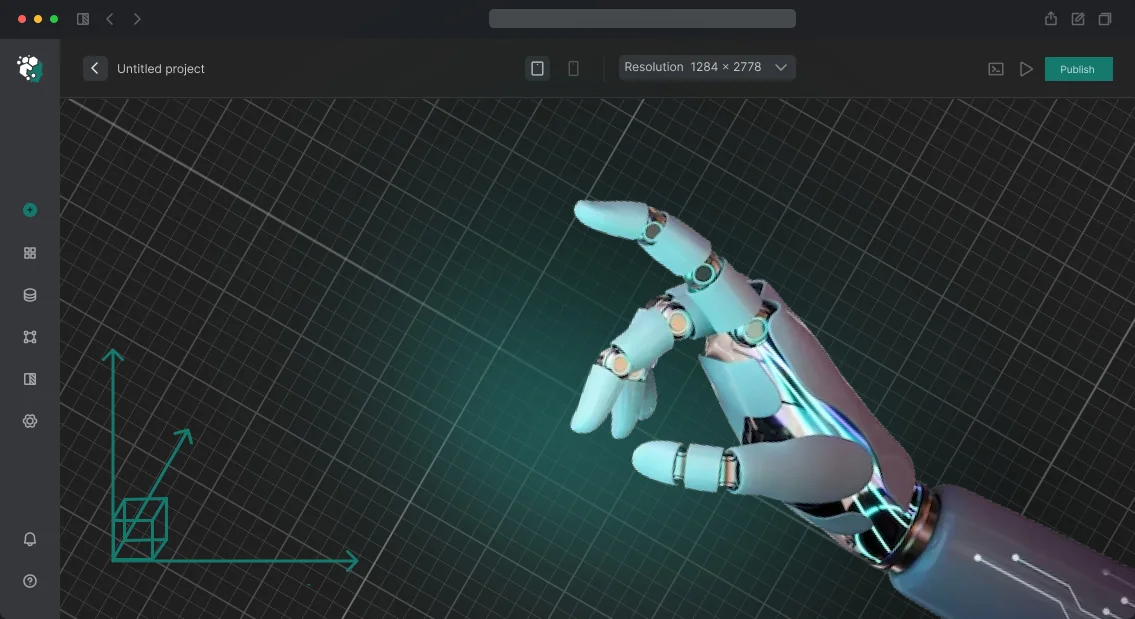






לקוחות עוזבים לאלה שמשתמשים ב-HTC Vive במצגות
בעוד שסרטונים רגילים מוקרנים בדוכנים, המתחרים כבר שמים משקפי HTC Vive על המבקרים. מצגת VR לוכדת תשומת לב מלאה: המבקר רואה את המוצר שלך בתלת-ממד, מקיים איתו אינטראקציה, וזוכר את החוויה ברמה רגשית.
ממש לידך, לקוח פוטנציאלי בוחר למי לגשת — ולעתים קרובות הולך למקום שבו יש תור של אנשים שסקרנים לנסות משהו חדש.
התוצאה פשוטה: טווח ההגעה של הדוכן שלך יורד, והמשא ומתן עובר לשכן המתקדם יותר טכנולוגית. מסכים מוכרים וחוברות כבר לא מחזיקים את המבט — במיוחד בתערוכות שבהן מאות אנשים עוברים במקום מדי יום.
כל אחד מהם משווה אותך לאחרים, ומי שסיפק חוויה חיה מקבל את איש הקשר ואת הדיאלוג המתמשך.
אנחנו סוגרים את הפער הזה: אנו יוצרים ויזואליזציה ואנימציה בתלת-ממד שרצות על HTC Vive והופכים את הדוכן שלך למרכז משיכה.
המבקר לא רק צופה — הוא מכיר את המוצר מבפנים, ואתה זוכה לתשומת הלב והזכירות שהמתחרים כבר מנצלים. אתה מחזיר לעצמך את הזכות להוביל את הלקוח קודם.
5 יתרונות עיקריים של ויזואליזציה בתלת-ממד לעסק שלך
לקוחות מקבלים החלטות רכישה עם העיניים: קודם הם מסתכלים, אחר כך משווים, ורק אז נותנים אמון. תמונות ותיאורים רגילים הולכים לאיבוד בין מאות הצעות דומות.
ויזואליזציה בתלת-ממד מעבירה את המוצר שלך למעמד אחר — היא הופכת אותו למוחשי, מרשים ובלתי נשכח. זהו אחד היתרונות התחרותיים החזקים ביותר שקונים ושותפים מבחינים בהם מיד.
היתרון הראשון הוא הכרה מוגברת. תמונות תלת-ממדיות מעובדות טוב יותר מתמונות שטוחות, וכשמוצר נראה כמו פריים מסרט, אנשים רוצים לשתף אותו.
קהלים מפרסמים תמונות כאלה ברשתות החברתיות, והמותג זוכה לטווח הגעה טבעי שגם פנייה ממוקדת מדויקת לא מספקת.
השני הוא המרה גבוהה יותר ויותר לידים. עם ויזואליזציה בתלת-ממד, הקונה בוחן את המוצר מכל הצדדים, מתקרב לפרטים ומסתכל פנימה. רמת אמון זו אינה מושגת בצפייה בתמונות שטוחות. כשיש פחות ספקות, הפניות מגיעות מהר יותר ובכמות גדולה יותר.
השלישי הוא חיסכון בשלב יצירת התוכן. אתה לא צריך אולפני צילום, לוקיישנים יקרים או ימים של תיאומים. מודל תלת-ממדי מציג מוצר שעדיין בפיתוח, או פנים שקיים רק על שרטוטים. פרויקט דיגיטלי אחד מחליף כמה ימי צילום ומכסה את עצמו פעמים רבות.
הרביעי הוא שיחה ברורה על דברים מורכבים. אם אתה מוכר ציוד הנדסי, טכנולוגיה רפואית או תוכנה רצינית, מצגות רגילות לא מגיעות לרמת ההסבר הנדרשת.
ויזואליזציה בתלת-ממד מאפשרת לפרק מנגנון לחלקים ולהראות תרחישי פעולה. שותף או לקוח רואה את הערך מיד, בלי שיחות הבהרה ארוכות.
החמישי הוא מעורבות מקסימלית באמצעות מציאות מדומה. אותו מודל תלת-ממדי יכול לשמש במשקפי HTC Vive כדי להקים תצוגה וירטואלית: הלקוח literally מוצא את עצמו בתוך המוצר או בתוך הפנים העתידיים.
האפקט בתערוכות ובמשא ומתן חזק יותר מכל דוכן או חוברת. לקוחות זוכרים חוויה כזו וחוזרים לעסקה הבאה.
פורמטים לעבודה עם HTC Vive: מודלים תלת-ממדיים, אנימציה ווידאו
פורמט התוכן עבור HTC Vive קובע ישירות איזו משימה עסקית הפרויקט פותר. מודל תלת-ממדי נוח להצגת פרטים, אנימציה מעבירה את הדינמיקה של תהליך, ווידאו מעביר את הצופה לחלוטין לסביבה הרצויה.
אנחנו בוחרים פורמט למטרה שלך — מכירה, הדרכה או מצגת — ומוודאים שהתוצאה בולטת מיד.
להלן השוואה בין פורמטים לתרחישי לקוח טיפוסיים. הטבלה מראה מה בדיוק הלקוח מקבל בכל מקרה.
| פורמט | תרחיש טיפוסי | מה זה נותן ללקוח |
|---|---|---|
| מודל תלת-ממדי | הצגת מוצר, בניין או ציוד | הקונה רואה את האובייקט מכל הצדדים בלי לנסוע לאתר — מקבל החלטה מהירה יותר |
| אנימציה תלת-ממדית | הדרכת עובדים, הצגת הרכבה או תהליך טכנולוגי | עובד חדש מבין את ההליך מהר יותר, שגיאות ועלויות הדרכה מופחתות |
| וידאו עבור HTC Vive | הדגמה בתערוכה, בחדר תצוגה או בכנס | המבקר שוקע בסביבת המותג, מתחבר רגשית וזוכר את החברה |
אנחנו מייצרים את כל שלושת הפורמטים עבור HTC Vive, תוך התחשבות במאפייני המשקפיים: התמונה, הסאונד ותסריט האינטראקציה מעבירים מיד את החוויה הרצויה למשתמש. אתה מקבל חבילה מלאה — תוכן, הוראות הפעלה ותמיכה באירוע במקום.
אם אתה לא יודע איזה פורמט מתאים למשימה שלך, התחל בתיאור קצר של המטרה שלך. אנחנו נציע את האפשרות האופטימלית, נדריך אותך לגבי לוחות זמנים וניקח על עצמנו את הביצוע.
איך מתנהל פרויקט פיתוח תוכן תלת-ממדי
אנחנו יודעים שוודאות חשובה לעסק. לכן תהליך פיתוח התוכן התלת-ממדי מחולק לשלבים ברורים עם נקודות אישור — אתה תמיד רואה תוצאות ביניים ויכול להשפיע על המוצר הסופי.
בלי "קופסה שחורה": אתה מבין מה קורה בכל שלב ומתי תקבל את התוצאה המוגמרת.
- בריף והתעמקות — אנו מנתחים את המשימה שלך: מי הקהל, איזו רגש התוכן צריך לעורר, היכן הוא ישמש — תערוכה, מצגת, מרכז הדרכה. אנו מבהירים לוחות זמנים ותקציב כדי שהעבודה תימשך בלי הפתעות.
- קונספט ותסריט — אנו מציעים סגנון ויזואלי, מבנה אינטראקציה ולוגיקת תנועה במרחב הווירטואלי. לפני תחילת ההפקה, אתה מאשר את הקונספט — זה חוסך תקציב וזמן.
- יצירת מודלים תלת-ממדיים — אנו מדמים אובייקטים, סביבות ופרטים התואמים למותג ולמטרות שלך. בשלב זה אתה מקבל רנדרים ביניים ומבצע עריכות לפני שנמשיך.
- הרכבת המרחב האינטראקטיבי — אנו מגדירים את הסצנה לציוד VR, כולל HTC Vive: לוגיקת אינטראקציה, תגובה לפעולות משתמש, תנועה חלקה. אנו מוודאים שהסצנה נוחה ואינה גורמת לאי-נוחות.
- בדיקה על ציוד — אנו מריצים את התרחיש בתנאים אמיתיים ומבטלים פגמים וקצוות גסים. אתה גם מקבל גישה לבדיקה — חשוב שהתוצאה תהיה נוחה ללקוחות או לעובדים שלך.
- מסירה סופית ותמיכה — אנו מוסרים את הפרויקט בצורה מאושרת, מאמנים את הצוות שלך ומספקים מדריך הפעלה קצר. לאחר ההשקה, אנחנו נשארים בקשר ומבצעים עריכות במהירות אם המשימות משתנות.
פורמט שלב-אחר-שלב זה הוא המפתח לכך שהפרויקט יימסר בזמן והתוכן באמת פותר את המשימה העסקית שלך: מעורבות אורחים, הדרכת עובדים או רושם על שותפים במצגת.
מה כלול במסירה: ערכת השקה
אנחנו מוסרים לא רק קבצים מוכנים, אלא ערכת השקה מלאה עבור HTC Vive ומשקפי מציאות מדומה אחרים. כל מה שהצוות שלך צריך כבר ארוז ומתועד — מקבצי מקור ועד הוראות הפעלה.
- פרויקטי מקור של כל המודלים התלת-ממדיים, הסצנות והאנימציות — אתה יכול לבצע עריכות עם הצוות שלך או להזמין חידודים בלי לבנות מחדש מאפס.
- גרסאות סופיות של סרטונים וויזואליזציות בפורמטים הנדרשים — למדיה חברתית, מצגות, מסכים במקום ומשקפי מציאות מדומה.
- התאמת תוכן למקום ספציפי: דוכן תערוכה, חדר תצוגה, אירוע או תצוגה קבועה.
- הוראות שלב-אחר-שלב להפעלה והגדרת ציוד — עובד ללא ניסיון יכול להפעיל את הסצנה תוך 15 דקות.
- רשימת בדיקה לפני ההצגה ותסריט הדגמה לצוות, כדי שהמצגת תרוץ בצורה חלקה בכל מצב.
- הדרכה לצוות שלך: מפגש קצר או הקלטת וידאו על איך להריץ את ההדגמה, להחליף סצנות ולהגיב למצבים חריגים.
- תמיכה מועדפת בשבועות הראשונים לאחר ההשקה — נפתור בעיות במהירות כדי שהפרויקט ירוץ ללא השבתות.
ערכה זו מסירה את סיכוני ההשקה העיקריים: אתה מקבל לא קבצים מופשטים, אלא כלי מוכן שחוסך זמן עובדים ומחזיר את עצמו במהירות בתשומת לב האורחים.
מקרה יישום של ויזואליזציה בתלת-ממד: צמיחה במעורבות של 180%
תצוגת המוצר עבדה, אבל הקונים לא נשארו: תמונות סטטיות לא העבירו קנה מידה וחומרים. MebelPro, יצרנית רהיטי ארון, פנתה אלינו לפורמט אינטראקטיבי — הם היו צריכים שהלקוח "ירגיש" את המוצר לפני הקנייה.
עיצבנו חדר תצוגה וירטואלי עבור HTC Vive: מודלים תלת-ממדיים ריאליסטיים, שינויי צבע ומרקם בזמן אמת, תנועה חופשית בין חדרים.
במקום תמונות שטוחות, הקונה מצא את עצמו בתוך הפנים — מסוגל להתקרב לארון, לפתוח את הדלתות ולהעריך עומק ואור.
זה שינה התנהגות: זמן הבדיקה גדל מ-20 שניות ל-6–7 דקות, והמעורבות עם המוצר עלתה ב-180% בהשוואה לגלריה הסטטית.
"ציפינו לעלייה בעניין, אבל לא חשבנו שההבדל יהיה כל כך מורגש. לקוחות עצמם מבקשים לראות את המוצר 'ב-VR' — זה הפך ליתרון התחרותי שלנו.
תוך חודש כבר החזרנו את ההשקעה באמצעות ביקורים חוזרים ופניות," מעיר מנהל השיווק ב-MebelPro.
התוצאה הוכיחה את עצמה כמערכתית: ההמרה מחדר התצוגה הווירטואלי לפניות שולשה, ועובדים החלו להשתמש בויזואליזציה בתלת-ממד במשא ומתן עם שותפים סיטונאיים.
החברה מתכננת כעת להרחיב את הקטלוג שלה — כל מוצר חדש מופיע בחדר התצוגה לפני שהוא מגיע לסלון הפיזי.
מקרה זה מאשר את הנקודה המרכזית: ויזואליזציה תלת-ממדית נכונה ל-VR היא לא קישוט אלא כלי מכירה עובד. היא מספקת תוצאות מדידות שמופיעות במספרי האנליטיקה ובהתנהגות הקונים. אם אתה רוצה את אותו אפקט, נתחיל עם המוצר שלך ונבחר פורמט למטרות שלך.
איך לבחור את הפורמט הנכון של ויזואליזציה בתלת-ממד למשימה שלך?
בחירת פורמט הוויזואליזציה התלת-ממדית תלויה ישירות במשימה העסקית שאתה פותר. דבר אחד הוא להציג מוצר בקטלוג, דבר אחר להטביע מבקר תערוכה בעולם וירטואלי.
לכן אנחנו מתחילים לא מהתמונה אלא מהשאלה: מה המשתמש צריך לעשות אחרי הצפייה? התשובה קובעת אם אתה צריך רנדר פוטוריאליסטי, וידאו דינמי או סצנה אינטראקטיבית במציאות מדומה.
להדגמות מוצר בתערוכה או בחדר תצוגה, התוצאה הטובה ביותר מגיעה מסצנה תלת-ממדית אינטראקטיבית ב-VR.
המבקר מרכיב משקפיים (אנחנו עובדים עם HTC Vive בין היתר) ויכול לבחון את האובייקט מכל הצדדים, לשנות את הצבע, להסתכל פנימה — זה מעורר רגשות ונזכר.
אם המשימה היא טווח הגעה רחב בפרסום או במדיה חברתית, וידאו אנימציה תלת-ממדית יעיל יותר: קל להפיץ אותו ובונה הכרת מותג.
לקטלוגים, אתרים ומצגות, ויזואליזציות תלת-ממדיות סטטיות שמראות את המוצר בזווית ובתאורה הנכונים מתאימות.
קריטריוני הבחירה המרכזיים הם המטרה, הקהל וערוץ ההפצה. למצגות B2B ומכרזים, ויזואליזציה ריאליסטית שמעבירה קנה מידה ופרטים משמשת לעתים קרובות יותר. לשיווק B2C — סרטונים רגשיים קצרים ופורמטים אינטראקטיביים שמערבים את המשתמש.
גם לוחות זמנים חשובים: סצנת VR אינטראקטיבית דורשת יותר זמן הכנה מסדרת רנדרים, אבל התשואה גבוהה יותר. התקציב משפיע גם על ההחלטה — אנחנו תמיד מציעים אפשרות שמספקת תוצאות מקסימליות להשקעה שלך.
אנחנו עוזרים לך להחליט בשלב הבריף. שלח לנו את המשימה שלך — נבחר פורמט, נסביר מה תקבל בסוף ואילו מדדים עסקיים הוא יניב.
אתה רואה את החוזקות והחולשות של כל גישה לפני קבלת החלטה, מה שחוסך תקציב והופך את התוצאה לצפויה.
המסקנה פשוטה: אין "פורמט הכי טוב בכללי" — יש את הפורמט הנכון למשימה שלך. ננתח את המצב שלך ונציע פתרון שמחזיר את עצמו. פנה אלינו, ויחד נקבע את האפשרות האופטימלית.
תשובות לשאלות נפוצות על פיתוח תוכן תלת-ממדי
לקוחות שואלים לעתים קרובות את אותן שאלות לפני השקת פרויקט תלת-ממדי. אספנו את העיקריות — על לוחות זמנים, תאימות והבטחות — כדי שתבין מיד איך אנחנו עובדים ומה לצפות מהתוצאה.
כמה זמן לוקח הפיתוח?
לוח הזמנים תלוי בהיקף הסצנות ובמורכבות האנימציה. לפרויקט טיפוסי — כמה שבועות; לפרויקט רחב היקף — עד חודשיים. בהתחלה, אנו קובעים לוח זמנים עם שלבים ותאריכי מסירה כדי שתוכל לראות את כל אבני הדרך המרכזיות מראש.
האם התוכן יעבוד על הציוד שלנו?
אנחנו מתאימים את הגרפיקה למשימות האירוע ולמלאי המכשירים שלך. ניתן להפיק את הפרויקט למשקפי HTC Vive ולדגמים פופולריים אחרים — בשלב הבדיקה אנו בודקים תאימות ומגדירים אותו למיקום שלך. לא תצטרך להיכנס לפרטים טכניים.
אילו הבטחות אתם נותנים?
אנחנו מבטיחים שהפרויקט יושק בתאריך המתוכנן וירוץ ביציבות באירוע שלך. לאחר המסירה, אנו מספקים תמיכה: אנו עוזרים בהתקנה ומגיבים במהירות לכל קושי בימים הראשונים של הפעולה.
האם אתם מתאימים את הפרויקט לפורמט שלנו?
כן, התסריט, הסגנון הוויזואלי ולוגיקת האינטראקציה מפותחים עבור האירוע והקהל שלך. אם אתה צריך לשנות את העיצוב, להוסיף סצנות או להתאים את המכניקה למקום ספציפי, אנו דנים בכך בכל שלב ומבצעים עריכות לפני ההשקה.
אם השאלה שלך לא ברשימה, כתוב לנו — נספר לך יותר על האפשרויות ונציע פתרון למשימה שלך. אנחנו עובדים מרחוק ולוקחים על עצמנו פרויקטים בכל היקף: מסרטונים קצרים ועד תמיכה אינטראקטיבית מלאה באירועים.הזמן ויזואליזציה בתלת-ממד וקבל תוצאה מוכנה
האם אתה רוצה להזמין ויזואליזציה בתלת-ממד אבל מטיל ספק שתקבל תוצאה מוגמרת בלי אישורים ועיכובים מיותרים?
בנינו את התהליך כך שאחרי הבקשה שלך אתה עובר ישר למטרה: אנחנו לוקחים על עצמנו את כל הפיתוח — מהקונספט ועד הרנדר הסופי — ואתה שולט בלוחות זמנים ובאיכות בכל שלב.
ספר לנו על המשימה שלך — ניצור תוכן תלת-ממדי עבור HTC Vive, וידאו, אנימציה או ויזואליזציה למצגות, דוכנים, הדרכות ושיווק. בלי שטויות או סיבוכים טכניים: אתה מקבל תוצאה מוכנה שאפשר להפעיל ביום המסירה.
הנה מה שאתה מקבל מיד לאחר הבקשה שלך:
- קשר עם מנהל אישי תוך יום עסקים — נבהיר את הפרטים ונענה על השאלות שלך.
- חישוב עלות ולוחות זמנים לפני תחילת העבודה — בלי עמלות נסתרות או הפתעות.
- תוכנית פיתוח ברורה עם שלבים ונקודות אישור — אתה תמיד יודע מה קורה.
- יצירת מודלים תלת-ממדיים, גרפיקה ואנימציה למשימה שלך — מוויזואליזציות פשוטות ועד סצנות אינטראקטיביות.
- גרסאות ביניים בכל שלב — אנחנו בודקים יחד ומבצעים עריכות לפני הסיום.
- תוכן תלת-ממדי מוכן שנמסר בפורמט הנדרש, עם הוראות שימוש ותמיכה לאחר המסירה.
שלח בקשה באתר — ותוך כמה דקות נתחיל לעבוד על המשימה שלך. אתה תקבל לא רק קבצים, אלא כלי עבודה לעסק שלך: הכרה מוגברת, מכירות גבוהות יותר או רושם בלתי נשכח לאורחים שלך.