

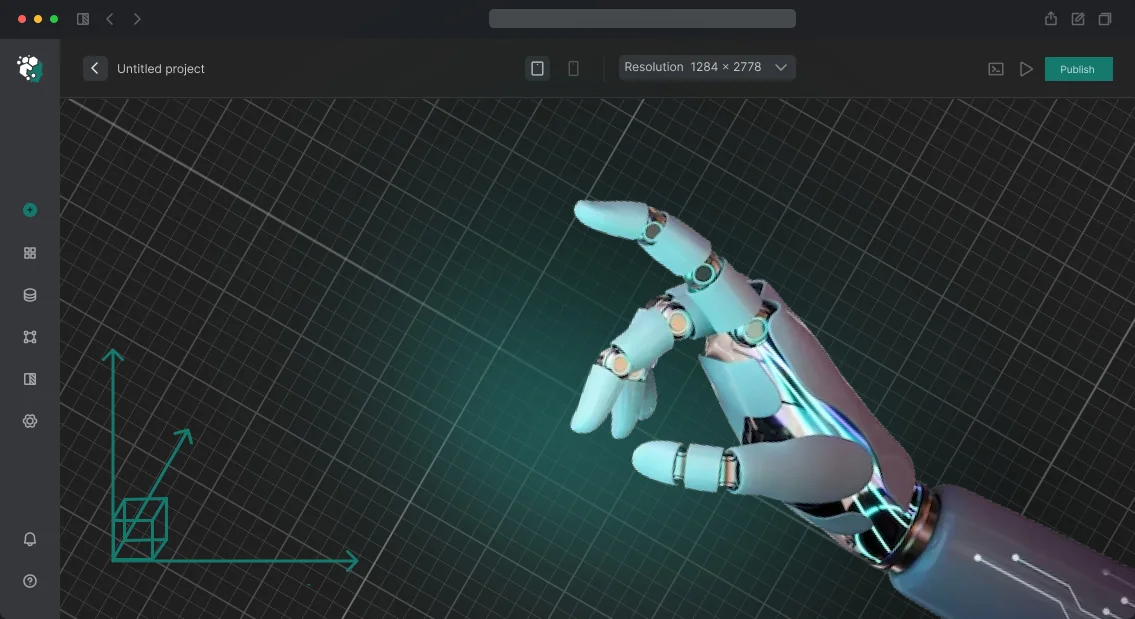






לקוחות עוברים למתחרים — האם אתם לא משתמשים ב-Microsoft HoloLens?
בעוד שאתם מציגים ללקוחות תמונות וסרטונים שטוחים, המתחרים מזמינים אותם פנימה אל המוצר. אלה שכבר משתמשים במציאות מעורבת עורכים מצגות אינטראקטיביות שבהן ניתן לבחון מודל תלת-ממדי מכל זווית, לפרק אותו ואפילו לשנות אותו בזמן אמת.
המוצר שלכם נראה פחות משכנע כתוצאה מכך — והחלטות הרכישה פועלות נגדכם. לקוחות זוכרים רגשות, לא גיליונות מפרט.
הרווח האבוד מסתכם בדברים פשוטים: פחות פגישות עם מקבלי החלטות, פחות זמן בכל הדגמה, יותר התנגדויות מאלה שלא יכלו לדמיין את המוצר בפעולה. כל כישלון כזה הוא לקוח שעבר למתחרה.
בעוד שאתם מטילים ספק ביעילות הטכנולוגיה, היריבים שלכם כבר לוקחים את הקהל שרוצה לראות את המוצר בגודל אמיתי ובסביבה אמיתית.
Microsoft HoloLens הופך מצגת רגילה למצגת הולוגרפית: מוצר בקנה מידה מלא מופיע ממש בחדר הישיבות, בתערוכה או ברצפת המפעל של הלקוח.
ויזואליזציה תלת-ממדית לעסקים בפורמט הזה עובדת טוב יותר מכל קטלוג — היא תופסת תשומת לב ויוצרת תחושת נוכחות שאי אפשר להשיג עם חומרים רגילים. אין צורך בחדרים מיוחדים או בהתקנה מורכבת: הרכיבו את המשקפיים — והתחילו את הפגישה.
אנחנו מפתחים מודלים תלת-ממדיים ותסריטים עבור HoloLens שקל לשלב אותם במכירות ובאירועים שלכם. זהו יתרון תחרותי שלקוחות יכולים לראות ולהרגיש, לא חידוש מופשט. אנחנו מטפלים בכל המחזור: מרעיון ומודלים ועד השקה ותמיכה באירועים שלכם.
אתם מקבלים כלי שמוכר בעצמו — כל מה שנשאר הוא לכוון את תשומת הלב של הלקוח לכיוון הנכון.
מה אנימציה תלת-ממדית משיגה: צמיחה במודעות ובלידים
תוכן ויזואלי היום קובע אם אתם בולטים מול המתחרים. אנימציה תלת-ממדית ווידאו באיכות גבוהה מציגים את המוצר מהזווית הטובה ביותר — כך נולד עניין וכך צומחת מודעות למותג. זהו כלי שיווק וידאו עובד שמחזיר את ההשקעה לא רק בטווח הגעה אלא גם בפניות אמיתיות.
איך זה משפיע על יצירת לידים? גרפיקה תלת-ממדית דינמית תופסת תשומת לב בשניות הראשונות, מספקת הבנה ברורה של הערך ודוחפת לפעולה הרצויה — בקשה, הרשמה, שיחה.
זו הסיבה שחברות שמשתמשות באנימציה בפרסום מדווחות על שיעורי המרה גבוהים יותר בדפי נחיתה ובקמפיינים בדוא"ל.
פורמטים של מציאות רבודה מייצרים אפקט חזק במיוחד, למשל תסריטים עבור Microsoft HoloLens. במקום באנר שטוח, הלקוח מקבל תמונת מוצר תלת-ממדית שהוא יכול ליצור איתה אינטראקציה: לבחון פרטים, להפעיל הדגמה, לחוש בקנה המידה. החוויה הזו הופכת מבקר לליד מתעניין.
אנימציה תלת-ממדית היא לא תמונה חד-פעמית אלא כלי צמיחה שיטתי. בדקו את עצמכם: אם היעדים שלכם כוללים העלאת מודעות, יצירת לידים או הגדלת המרות, הפורמט הזה מתאים לכם.
תוכן וידאו מסתגל בקלות לאתרים, לרשתות חברתיות, לתערוכות ולמצגות — אתם מקבלים קו שלם של חומרים.
אם אתם רוצים שווידאו יביא לא רק צפיות אלא גם פניות, אנחנו יכולים לעזור לכם לעשות זאת ללא סיכונים מיותרים: נעצב את הקונספט, ניצור את הגרפיקה התלת-ממדית ונארוז אותה לאסטרטגיית השיווק שלכם. התחילו בדיון על המשימה שלכם — נראה דוגמאות ונציע אפשרות לעסק שלכם.
פורמטי עבודה עבור Microsoft HoloLens ומעבר לכך
Microsoft HoloLens פותח דרך חדשה לעסקים להציג מוצר — ממש באוויר מול הלקוח. אבל משימות שונות דורשות פורמטים שונים: חלק מוכרים ארכיטקטורה במפתח מלא, חלק מאמנים עובדים, וחלק מניעים תנועה בתערוכות. הפורמט הנכון פותר בעיה עסקית ספציפית, לא רק "נראה טכנולוגי".
אנחנו מייצרים גם מודלים תלת-ממדיים עבור HoloLens וגם סרטונים קלאסיים — כך שנתאים את הפורמט לתקציב ולמטרות שלכם. להלן תרחישים סטנדרטיים שכבר משיגים תוצאות מדידות עבור לקוחות.
אפשרויות שכבר עובדות
| פורמט | למי | מה זה נותן ללקוח |
|---|---|---|
| מודלים תלת-ממדיים עבור HoloLens | יצרנים, חברות הנדסה | הצגת המוצר בקנה מידה מלא לפני המשלוח, תפיסת שגיאות בשלב האישור |
| ויזואליזציה ארכיטקטונית | יזמים, משרדי ארכיטקטורה | מכירת דירות ומשרדים במתקנים שעדיין לא נבנו, האצת עסקאות |
| יישומים אינטראקטיביים | תערוכות, אולמות תצוגה, הדרכות | החזקת תשומת לב המבקרים, הסבר ברור של מוצרים מורכבים |
| סרטוני מכירות | שיווק, מחלקות מכירות | הגדלת המרה באתר ובמצגות ללא משא ומתן נוסף |
| סיורים וירטואליים | מוזיאונים, תיירות, מרכזי קניות | הצגת חללים ללקוחות מרוחקים, הרחבת גיאוגרפיית המכירות |
כל פורמט מותאם למשפך שלכם: היכן שצריך יותר לידים, אנחנו מתמקדים במעורבות; היכן שאישור מהיר חשוב, אנחנו מתמקדים בדיוק הפרטים. HoloLens כאן הוא לא רק "גאדג'ט" אלא כלי שמגביר מכירות ומקצר את הדרך של הלקוח להחלטה.
לא יודעים איזה פורמט לבחור? שלחו לנו את המשימה שלכם — נראה עם דוגמאות איזו אפשרות תשתלם מהר יותר במקרה הספציפי שלכם.
שלבי עבודה על פרויקט תלת-ממדי: מבריף לתוצאה
שלבי הפיתוח צריכים להיות שקופים — בלי קופסה שחורה. מבננו את התהליך כך שבכל שלב אתם מבינים מה קורה עם הפרויקט ויכולים להשפיע על החלטות מפתח.
אתם רואים איך נולד מודל תלת-ממדי עבור Microsoft HoloLens ומאשרים תוצאות ביניים לפני שמשאבים נוספים מושקעים.
- בריף לויזואליזציה תלת-ממדית. אנחנו אוספים מטרות, קהל ותרחיש שימוש — כדי לבנות את רמת הפירוט הנכונה מההתחלה.
- אישור קונספט ופריסה. אנחנו מראים טיוטות, אתם עורכים שינויים לפני שמתחיל רינדור עתיר עבודה — חוסכים תקציב וזמן.
- פיתוח מודלים תלת-ממדיים ואנימציה. אנחנו יוצרים פירוט ותנועה תוך התחשבות במאפייני המכשיר היעד ובודקים זוויות צפייה.
- בחינת ביניים ובקרת איכות. אתם צופים בגרסה, משאירים הערות, אנחנו מתעדים את ההערות ומבצעים תיקונים.
- רינדור סופי ואופטימיזציה. אנחנו מכינים חומרים לפורמט הנדרש ובודקים אותם על מכשירי יעד.
- השקת הפרויקט ומסירת קבצים. אנחנו מוסרים קבצי מקור סופיים והוראות, ומלווים את ההשקה אם צריך.
לאחר המסירה אנחנו נשארים בקשר: נוכל לחדד סצנה או להוסיף אובייקטים ללא צורך בהתעמקות מחודשת ארוכה. תהליך שקוף פירושו תוצאה צפויה מבחינת זמן ותקציב.
מה כלול במסירה: חבילה מוכנה לעסק
הנה מה שאתם מקבלים כחלק מהעבודה — חבילה מלאה, לא רק "תמונה". אנחנו מעבירים את כל קבצי המקור והזכויות כך שתהיה לכם חופש מלא: מעריכות על ידי הצוות שלכם ועד שימוש חוזר באלמנטים בחומרים אחרים.
החומרים הסופיים מותאמים למטרות עסקיות. אתם מקבלים לא רק קבצים אלא כלי מוכן למשיכת לקוחות, מצגות והדרכת עובדים.
מה כלול במסירה
- פרויקט Microsoft HoloLens — יישום או סצנה מוכנים המותאמים במלואם למשימה ספציפית: הדרכה, הדגמת מוצר או מצגת אינטראקטיבית.
- חבילת מקור מלאה — כל המודלים התלת-ממדיים, הטקסטורות, האנימציות והסקריפטים בפורמטים ניתנים לעריכה. אתם לא קשורים לקבלן אחד ויכולים לפתח את הפרויקט עם כל צוות.
- זכויות תוכן — זכויות מלאות לשימוש, הפצה מסחרית ושינוי. אין רישיונות נסתרים או הגבלות על הפצה.
- תיעוד טכני — הוראות להפעלה, הגדרה ותחזוקה של הפרויקט עם המומחים שלכם.
- המלצות שימוש — תרחישי שילוב בתהליכים עסקיים: איך להטמיע את הפתרון בהדרכת עובדים, בתצוגות תערוכה או בשירות לקוחות.
כל זה רץ על ציוד מקצועי וארכיטקטורת שרתים מוכחת, כך שאתם מקבלים תוצאה יציבה ללא הפתעות. אנחנו תומכים בפרויקט בכל השלבים — מרעיון ועד השקה ומסירה לתפעול.
מקרה בוחן: עלייה של 40% במעורבות לאחר מצגת תלת-ממדית
דוכן התצוגה נראה כמו מכלול מתכת מורכב — תוך 30 שניות אפשר היה להסביר רק חלק אחד. הפכנו את המצגת לסצנה תלת-ממדית נפחית שבה כל חלק במוצר נחשף בלחיצה, והאנימציה מראה את המבנה הפנימי ללא הרכבה אמיתית.
המשימה והפתרון
הלקוח הוא יצרן ציוד תעשייתי, UralPromMash. החברה נתקלה בבעיה: מבקרי התערוכה ניגשו לדוכן אבל לא נשארו — מנהלים נאלצו להשקיע 15–20 דקות בהסבר המבנה.
עיצבנו וידאו תלת-ממדי אינטראקטיבי שרץ על טאבלטים ועל מסך דוכן גדול. הלקוח בוחר מה לבחון — מהתצוגה הכללית ועד מכלול ההרכבה.
האנימציה רצה בזמן אמת, כך שהמצגת לא "נתקעת" גם עם מבקרים רבים. מנהל המוצר שולט בה מקונסולה אחת ויכול לעבור בין מצבים: הרכבה מלאה, פירוק, חתכים טכניים. זה מזרז תשובות לשאלות ומפחית את העומס על המומחים החיים.
תוצאות הפרויקט
חודש לאחר ההשקה, מדדנו את יעילות האנימציה בתערוכה תעשייתית. זמן המגע של המבקרים עם המצגת גדל פי 2.3, ומספר הבקשות שהושלמו להצעות מסחריות עלה ב-40%.
זהו המדד שהלקוח מכנה צמיחה במעורבות — האורחים התחילו לא רק לצפות אלא לשאול שאלות ספציפיות ולהשאיר פרטי קשר.
מנהל המכירות ציין: "בעבר סיימנו את המצגת בחמש דקות כי המאזין איבד עניין.
עם הסצנה התלת-ממדית, המוצר עצמו מוביל את הדיאלוג, ויש לנו זמן לדון בתנאי המשלוח." לאחר התערוכה, החברה הזמינה התאמה של הווידאו להדרכת המשווקים שלה — פרויקט נפרד שאישר את ערך הפורמט.
מקרה הויזואליזציה התלת-ממדית הוכיח שתוצאות נמדדות לא ב"תמונות יפות" אלא בהמרה ובקיצור מחזורי מכירה.
אנחנו משתמשים בניסיון הזה כבסיס בפרויקטים חדשים: ראשית אנו מזהים את הנקודה שבה תשומת הלב אובדת, ואז בונים סצנה שמסירה את המגבלה הזו.
איך לבחור את פורמט הויזואליזציה התלת-ממדית הנכון?
אין "פורמט נכון אחד לכולם" — הפורמט התלת-ממדי המתאים נקבע לפי המשימה שאתם פותרים. אם אתם צריכים להציג מוצר באתר או במצגת, ויזואליזציה תלת-ממדית ריאליסטית מספיקה.
אם אתם צריכים להסביר תהליך מורכב, וידאו מונפש עדיף, ולהדרכת עובדים ועבודה עם אובייקטים במרחב אמיתי, מודל אינטראקטיבי עבור Microsoft HoloLens הוא הכרחי.
בחירת פורמט תלת-ממדי מתחילה בשאלות: היכן הקהל יראה את התוכן, כמה זמן יש להם, והאם הם צריכים פשוט לצפות או ליצור אינטראקציה פעילה?
סרטון פרסום קצר וסימולציית הדרכה מפורטת פותרים משימות שונות, ולכן הגישה אליהם תהיה שונה. זה משפיע לא רק על סוג התוכן אלא גם על לוחות זמנים של הפקה, תקציב ומורכבות תמיכה.
כדי להימנע מתשלום יתר על תכונות מיותרות ולהימנע מקבלת פורמט פשוט מדי, חשוב להגדיר את המטרה לפני ההתחלה. לדוגמה, ויזואליזציה תלת-ממדית לתצוגה מוכרת היטב את המראה אבל לא מראה איך המכשיר עובד בפנים.
אנימציית חתך, לעומת זאת, חושפת את המבנה אבל פחות מתאימה לפוסטים מהירים ברשתות חברתיות.
זו הסיבה שאנחנו מתחילים בייעוץ תלת-ממדי: אנו קובעים את הקהל שלכם, תרחיש השימוש וערוץ ההפצה. לאחר מכן אנו מציעים את סוג הויזואליזציה המתאים — לפעמים זה שילוב של שני פורמטים, כמו וידאו קצר ומודל אינטראקטיבי. כתוצאה מכך, אתם מקבלים פתרון שמתאים בדיוק למשימה, לא רק "תמונה יפה".
אם אתם לא בטוחים איזה פורמט לבחור — שלחו לנו תיאור של הפרויקט שלכם, ונעזור לכם להחליט בשיחה אחת. נספר לכם מה יעבוד עם הלקוחות שלכם ומה עדיף להימנע ממנו, ונציע אפשרות קונקרטית עם הערכת לוח זמנים.
שאלות נפוצות על פיתוח אנימציה תלת-ממדית
כאן אספנו תשובות לשאלות שנשאלות לרוב לפני תחילת פרויקט. בלי פרטים טכניים — רק מה שמשפיע על לוחות זמנים, תקציב ותוצאות.
כמה זמן לוקח פיתוח אנימציה תלת-ממדית עבור HoloLens?
לוחות הזמנים תלויים בהיקף התסריט ובמספר האובייקטים. הפרויקט המינימלי לוקח משבועיים; ויזואליזציה סטנדרטית עם אינטראקטיביות לוקחת 3–6 שבועות.
אנחנו קובעים את המועד בחוזה ומראים אבני דרך — אתם רואים התקדמות כל שבוע, במקום לחכות לתוצאה בסוף.
כמה עולה ויזואליזציה תלת-ממדית עבור HoloLens?
העלות מחושבת לפי פרויקט, לא לפי שעת עבודה: מתומחרת בנפרד לאחר בדיקה, בהתאם למורכבות הסצנות והאנימציות. אתם מקבלים הערכה לפני ההתחלה עם פירוט ברור לפי שלבים. בלי חיובים נוספים "מפתיעים" — אם היקף העבודה לא השתנה, המחיר לא גדל.
האם יש צורך להתאים תוכן קיים עבור HoloLens?
כן, זהו שלב נפרד. מודלים תלת-ממדיים וסרטונים רגילים לא תמיד מוצגים כראוי במרחב HoloLens. אנחנו מתאימים גיאומטריה, טקסטורות ואנימציה כך שהתמונה תהיה חדה ולא תעמיס על המערכת. זה מאפשר לכם להשתמש בתוכן הקיים ולהימנע מתשלום על יצירה מאפס.
אילו ערבויות אתם נותנים על התוצאה?
לפני ההתחלה, אנו מפרטים את מאפייני התוצאה בחוזה: תסריט, מספר מודלים, משך, דרישות ויזואליות. לאחר המסירה אתם מקבלים את העבודה מול רשימת בדיקה. אם משהו לא תואם, אנחנו מתקנים על חשבוננו.
חומרי תמיכה — מודלים, קבצי מקור, הוראות — מגיעים עם תמיכה לחודש אחד לאחר ההשקה.
האם תעזרו להכשיר עובדים לעבודה עם HoloLens?
כן, זה כלול בפרויקט. אנחנו עורכים תדריך קצר לצוות שלכם: איך להפעיל את היישום, להשתמש במחוות ולשנות תוכן בלי מתכנת.
אם אתם מתכננים להשתמש בויזואליזציה בתערוכות או עם לקוחות, נכין תרחיש הדגמה כך שהעובדים ירגישו בטוחים מהפעם הראשונה.
יש לכם שאלה שלא כיסינו? כתבו לנו — נייעץ לכם בפתרון המשימה שלכם ונכין הצעה מסחרית תוך יום עסקים אחד.מוכנים לדון בפרויקט שלכם? קבלו ייעוץ
לפני הזמנת ויזואליזציה תלת-ממדית, חשוב להבין איך היא תשתלב בתרחיש שלכם ואיזו תשואה היא תביא.
ננתח את המשימה שלכם ונייעץ היכן גרפיקה תלת-ממדית תהפוך את המצגת שלכם למשכנעת יותר והיכן וידאו דו-ממדי דינמי מספיק. אם אתם מתכננים להציג על HoloLens, נעריך בנפרד את המגבלות הטכניות ואפשרויות האינטראקציה.
לאחר פנייתכם תקבלו:
- ייעוץ — נדון במטרות, בקהל ובתוצאות הרצויות, בלי לחץ או "מכירות" מיותרות.
- הערכת עלות ולוח זמנים — תקציב מפורט לפי שלבים, כך שתבינו על מה אתם משלמים ומתי תקבלו את החומר המוגמר.
- תוכנית פרויקט — מרעיון ועד רינדור סופי: שלבים, נקודות בקרה ומי אחראי על מה.
- בחירת פורמט — אנימציה תלת-ממדית, ויזואליזציה אינטראקטיבית או וידאו בהתאם ליעדים העסקיים שלכם.
- דוגמאות לתעשייה שלכם — נראה מקרים שכבר הביאו ללקוחות צמיחה במודעות ובמכירות.
- הערכת כדאיות — נאמר לכם בכנות מה אפשר לעשות במהירות וביעילות ומה ידרוש תקציב גדול יותר או לוח זמנים ארוך יותר.
חשוב: הייעוץ וההערכה אינם יוצרים התחייבות. השאירו פנייה, ותוך יום עסקים אחד נשלח תוכנית פרויקט והנחיות תקציב. תוכלו להשוות ברוגע את ההצעה עם אולפנים אחרים ולקבל החלטה מושכלת.