

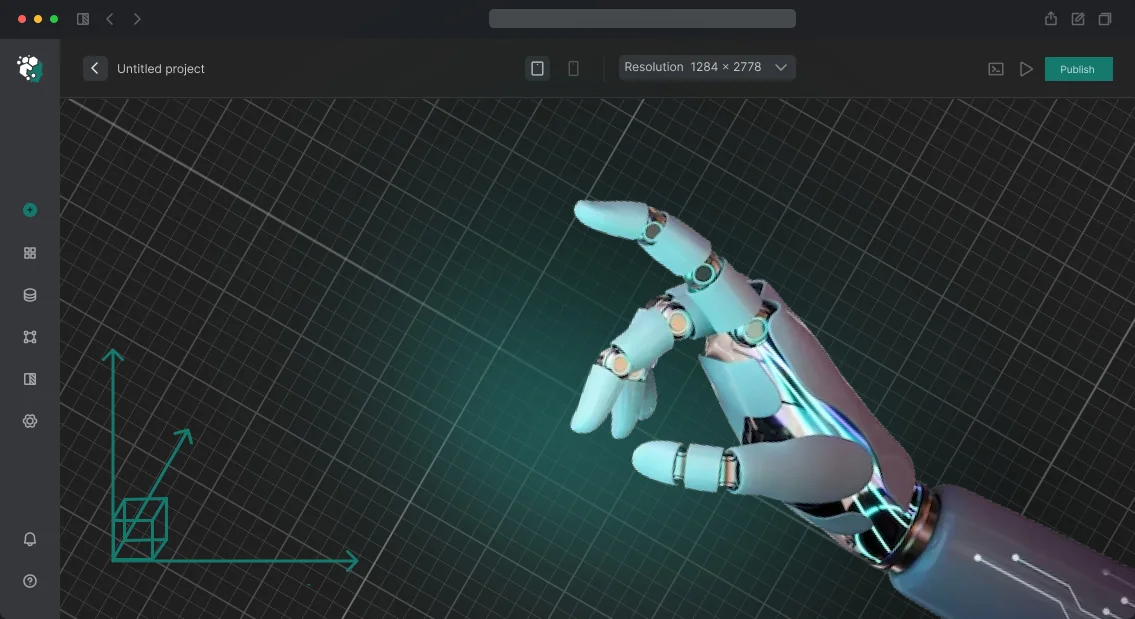
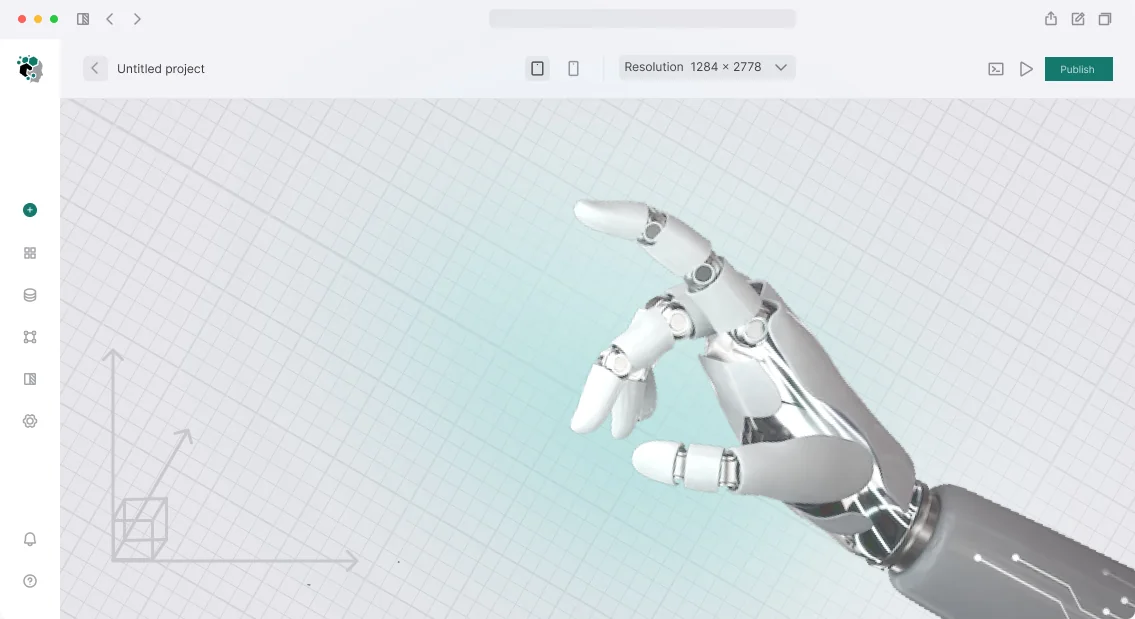






מדוע Valve Index מפסיד למתחרים ללא גרפיקת תלת-ממד
אנשים לא קונים את Valve Index כ"עוד גאדג'ט" — הם מחפשים חווית מציאות מדומה מקסימלית.
לכן תוכן ויזואלי במציאות מדומה מכריע את גורל הפרויקט: אם התמונה נראית חיוורת ו"זולה", תחושת הנוכחות נעלמת תוך שניות, ושיעור שמירת תשומת הלב צונח באופן דרמטי.
בעל משקפי Valve Index כבר ניסה הרבה: הוא בררן לגבי איכות ויש לו עם מה להשוות.
גרפיקת תלת-ממד חלשה במקרה כזה פועלת נגד המותג — המשתמש מתאכזב במהירות, לא מקבל את הרגשות שהובטחו לו, ועובר למתחרים.
זו לא בעיה "טכנית"; זו אובדן קהל והחמצת הכנסות: פרויקט VR שאנשים לא רוצים להישאר בו לא מושך לקוחות חדשים ולא נותן סיבה לחזור.
כשאתה מציג מוצר במציאות מדומה, כל פריים הוא נקודת מגע עם הקונה. אם הסביבה, המרקמים, התאורה והאנימציה נראים לא משכנעים, לאורח אין מה לשמור, אין מה לשתף ואין מה לזכור.
סרטון רגיל או צילום מסך עדיין יכולים להיות "מושלמים בדמיונו של הצופה" — אבל ב-VR הכל נראה מיד: גרפיקה באיכות נמוכה הורסת את האמון במוצר שלך, ואיתו גם את הנכונות לשלם.
אנחנו פותרים את הבעיה הזו עם הפקת גרפיקת תלת-ממד במחזור מלא המותאמת למשקפי Valve Index. אנו מעצבים סצנות, פירוט סביבתי והתנהגות אובייקטים כך שהמציאות המדומה תיראה חיה ופרימיום.
כתוצאה מכך, אתה מקבל לא רק "תמונה יפה", אלא תרחיש חוויתי שעובד בשבילך: מבקרים נשארים בפרויקט זמן רב יותר, מתערבים בקלות רבה יותר בחקר המוצר, ומוכנים יותר להמליץ על המותג למכריהם.
זה מה ששומר על הקהל, מגדיל המרה חוזרת ויוצר חשיפה שאי אפשר לקנות בפרסום.
מה ויזואליזציית תלת-ממד מקצועית נותנת לפרויקט שלך
תמונות וסרטונים רגילים כבר לא מחזיקים את תשומת הלב של הקונה: מידע נגלל הלאה תוך שניות. ויזואליזציית תלת-ממד מקצועית הופכת את המוצר שלך לחוויה חיה — הלקוח בוחן אותו מכל זווית, בתנועה ובסביבה ריאליסטית.
זה עובד ביעילות שווה בתערוכה, בחנות מקוונת ובמצגות לשותפים.
מעורבות: הלקוח נשאר איתך זמן רב יותר
מודל אינטראקטיבי או סרטון דינמי מחזיק תשומת לב פי כמה יותר מתמונה סטטית. זה בולט במיוחד במשקפי מציאות מדומה: כשאדם מרכיב Valve Index ומוצא את עצמו בתוך המוצר שלך, הוא חווה רגש שאי אפשר לשכוח. ולהיות זכור הוא הצעד הראשון לאמון ולבחירה בחברה שלך.
חשיפה: מדברים עליך אחרי הפגישה
חוויה ויזואלית מרשימה הופכת לסיבה לשיחה ולפוסטים ברשתות החברתיות. כל מי שרואה את הוויזואליזציה התלת-ממדית שלך מספר עליה לעמיתים ולשותפים — אתה מקבל חשיפה חינמית ללא תקציב פרסום נוסף. כך מותג מחזק את מעמדו כמנהיג מודרני שיודע להפתיע.
מכירות: ויזואליזציה מקצרת את הדרך להחלטה
כשקונה רואה את המוצר בפירוט, עם חומרים ריאליסטיים ובהקשר הנכון, יש לו פחות ספקות לפני ההזמנה. למוצרים מורכבים, נדל"ן או פנים, ויזואליזציית תלת-ממד מחליפה דוגמיות יקרות וצילומים, ומאיצה את העסקה.
הדגמה במציאות מדומה הופכת מצגת לאירוע, שלאחריו הלקוח מוכן לדון בתנאים.
גמישות: פרויקט אחד, פלטפורמות רבות
מודל תלת-ממדי שנוצר יכול לשמש בסרטון, באתר, בקטלוג ובאולם תצוגה וירטואלי. אתה לא משלם על צילום חדש לכל ערוץ — אתה משקיע פעם אחת בנכס רב-תכליתי שעובד לכל משימות העסק. זה הופך ויזואליזציה להשקעה משתלמת עם אפקט ארוך טווח.
אנחנו מייצרים ויזואליזציית תלת-ממד במפתח מלא — מרעיון ועד סצנה מוגמרת שמערבת, נזכרת ומוכרת. תאר את המשימה שלך, ואנחנו נציע פורמט שמתאים ללוח הזמנים ולציפיות שלך.
פורמטי תלת-ממד וגרפיקה עבור Valve Index לעסקים
פורמט ההצגה קובע בדיוק איך הקהל יראה את המוצר או הרעיון שלך. עבור Valve Index, אנחנו מכינים תוכן שמנצל במלואו את יכולות המשקפיים: תמונות תלת-ממדיות, עומק ריאליסטי וחופש תנועה.
האורח לא רק מסתכל על מסך — הוא מוצא את עצמו בתוך הסצנה, וזה משנה את רמת תפיסת המותג.
חשוב שכל פורמט פותר בעיה עסקית ספציפית: הצגת המוצר בפירוט, הובלת הקונה דרך מתקן עתידי או יצירת סרטון ויראלי לרשתות חברתיות. הטבלה שלהלן מפרטת את האפשרויות העיקריות שאנחנו עובדים איתן.
| פורמט | למי | מה זה נותן ללקוח |
|---|---|---|
| מודל תלת-ממדי אינטראקטיבי | יצרנים, חנויות, מרקטפלייסים | היכולת לבחון את המוצר מכל צד, ללמוד פרטים ולהגביר את ביטחון הקונה לפני ההזמנה |
| אנימציית מוצר בתלת-ממד | מחלקות שיווק, מצגות, תערוכות | סיפור ויזואלי של איך המוצר עובד, הדגשת יתרונות ושמירת תשומת הלב של הקהל |
| ויזואליזציה אדריכלית בתלת-ממד | יזמים, משרדי אדריכלות | "הליכה" דרך מתקן עתידי לפני תחילת הבנייה, מכירות מהירות יותר ואמון מוגבר בפרויקט |
| וידאו 360° | רשתות חברתיות, קמפיינים פרסומיים, אירועים | תוכן חי שמערב ומתפשט בקלות — ללא צורך בידע מיוחד מצד הצופה |
זו לא רשימה מלאה. אם המשימה שלך לא מתאימה לאף אחד מהפורמטים האלה, בואו נדון בתרחיש אישי. נראה דוגמאות לפרויקטים דומים ונתאים את הפתרון לקהל שלך.
איך נוצרים מודלים וסרטוני תלת-ממד: מהבריף ועד ההשקה
אתה מקבל מוצר מוגמר, לא רק אוסף קבצים. בנינו את התהליך כך שאתה שולט בכל שלב ומבין מה קורה עם הפרויקט — מהבריף הראשון ועד ההשקה והתמיכה. כך זה נראה בפועל.
- בריף והתעמקות — אנו דנים במטרות, בקהל ובתרחיש השימוש. אנו נועלים ציפיות כך שתקבל בדיוק מה שאתה צריך עבור Valve Index.
- קונספט ותוכנית — אנו מציעים פתרון ויזואלי, מבנה הסרטונים העתידיים ושלבי ההפקה. אנו מסכמים לוחות זמנים ונקודות בקרה כך שתמיד תדע באיזה שלב העבודה נמצאת.
- פיתוח מודל תלת-ממדי — אנו יוצרים אובייקטים וסצנות מפורטים תוך התחשבות במאפייני הפלטפורמה. אנו מציגים תמונות ביניים להערכה לפני ההרכבה הסופית.
- אישור ותיקונים — אנו מציגים גרסאות טיוטה ומבצעים שינויים עד להשגת התוצאה הרצויה. אתה רואה פרויקט חי, לא "קופסה שחורה" עם תהליכים לא ברורים.
- ויזואליזציה ואנימציה סופית — אנו מרכיבים סרטונים וסצנות כדי לעמוד בדרישות מכשיר היעד. אנו מוודאים שהכל עובד כראוי על Valve Index — ללא תקלות או "הקפאות".
- השקה ומסירה — אתה מקבל את הקבצים המוגמרים, הוראות התקנה והמלצות להדגמה. אנו עוזרים להתאים את המוצר למקום או לאירוע שלך.
- תמיכה לאחר הפרויקט — אנו נשארים בקשר: מייעצים, משכללים פרטים ומרחיבים את הפרויקט למשימות עתידיות אם צריך. אתה לא נשאר לבד עם התוצאה.
מה כלול במסירה: חבילת הלקוח
חבילת המסירה המלאה היא לא רק "קובץ מוגמר", אלא פתרון עבודה שאתה יכול להקים מיד באירוע, להציג ללקוחות או להשתמש בו במצגות.
אנחנו בונים את החבילה כך שבכל שלב — מהאישור ועד ההשקה והשימוש העתידי — לצוות שלך יש כל מה שהוא צריך, ללא "נסיים אחר כך" חלקי.
- קבצי מקור של הפרויקט — כל הסצנות, מודלי התלת-ממד, המרקמים והאנימציות. אתה לא בן ערובה של סטודיו אחד: כל מעצב פנימי או קבלן יכול לבצע עריכות למשימה חדשה.
- זכויות שימוש מסחריות — חבילה מלאה של זכויות תוכן, ללא הגבלות פלטפורמה או זמן. השתמש בזה בפרסום, בתערוכות, ברשתות חברתיות ובכל פרויקט עתידי — לנצח.
- תיעוד טכני — מדריך ברור להפעלה והתקנה: איך לפרוס סצנה על Valve Index, אילו פקודות נדרשות למעבר בין מצבים ואיך לחבר ציוד נוסף.
- גרסה מותאמת ל-Valve Index — פתרון מוכן שנבדק ועובד ללא הפתעות. אתה מקבל תוצאה צפויה באירוע שלך, לא רגע של "האם זה ירוץ או לא" ברגע הקריטי ביותר.
- תצוגות מקדימות וויזואליזציות לאישור — תמונות וסרטוני הדגמה של פריימים מרכזיים. זה הארכיון שלך למצגות, דוחות ושיווק עוד לפני ההשקה הרשמית.
- מדריך לצוות שלך — רשימת בדיקה קצרה למפעיל או למנהל האירוע: איך להתחיל סשן, מה לעשות במקרה של תקלה ואיך לעדכן טקסט בממשק. האנשים שלך יכולים לנהל תוכן ללא מפתח.
- תמיכת אחריות ל-30 יום לאחר המסירה — מהנדס זמין, עוזר בהשקה הראשונה במקום שלך ופותר כל שאלה. אם משהו עולה בתנאי "קרב" אמיתיים, אתה לא נשאר לבד עם הבעיה.
החבילה הזו חוסכת שבועות של עבודה חוזרת ומשא ומתן. אתה מקבל לא רק תמונה, אלא מוצר עצמאי שחי ומתפתח בתוך החברה שלך.
מקרה בוחן: הגדלת מעורבות באפליקציית מציאות מדומה
מקרה בולט הוא פיתוח סיור תלת-ממדי לפרויקט תערוכה על משקפי Valve Index.
הלקוח הגיע עם נקודת כאב אופיינית: מבקרים איבדו עניין במהירות באזור ה-VR, משך הסשן הממוצע היה כארבע דקות, ורק שליש מהאורחים הגיעו לסצנה הסופית. הבעיה לא הייתה הטכנולוגיה, אלא התרחיש וההצגה.
עיצבנו מחדש את החוויה: במקום סרטונים מפוזרים, יצרנו מסלול אינטראקטיבי מגובש עם רמזים ברורים ותנועה טבעית. למשתמש תמיד יש תחושת שליטה — הוא יכול להסתכל סביב, לחזור אחורה ולבחור את הקצב שלו. זה מפחית את הפחד מהחמצת משהו חשוב ומחזיק תשומת לב.
תוצאות מהחודש הראשון לפעילות: משך הסשן הממוצע גדל מארבע לתשע דקות, 78% מהמבקרים השלימו את הסיור עד הסוף, וחלק הביקורים החוזרים באזור ה-VR שולש.
המארגנים גם שמו לב לאפקט עקיף — אורחים החלו לשתף קישורים לפרויקט ברשתות החברתיות, כך שהחשיפה גדלה ללא השקעה פרסומית נוספת.
עבורנו, המקרה הזה מאשר שגרפיקת תלת-ממד איכותית ותרחיש משתמש מחושב היטב משפיעים ישירות על מדדים עסקיים. הלקוח היה מרוצה והזמין את הסיור הבא למתקן חדש.
אנחנו ממשיכים לפתח את הפרויקט: מוסיפים סצנות עונתיות ומעדכנים תוכן לפי בקשות הקהל.
שאלות נפוצות על פיתוח גרפיקת תלת-ממד ואנימציה
לפני תחילת פרויקט, לקוחות שואלים את אותן שאלות: האם נעמוד בלוחות הזמנים, איך תיראה התוצאה והאם זה יעבוד על הציוד הנדרש.
אספנו תשובות לשאלות אלה — ללא פרטים טכניים, רק מה שמשפיע על התכנון והתוצאה שלך.
אם השאלה שלך לא כאן, כתוב לנו — נשלח תשובה מפורטת תוך יום עסקים אחד.
האם הסרטון יעבוד על Valve Index?
כן, אם אתה מתכנן להציג אותו במשקפיים. בתחילת הפרויקט, אנו מבהירים את ציוד היעד ומיד בונים תאימות ל-Valve Index ולמכשירים פופולריים אחרים. זה מבטל את הסיכון שהתוכן "לא ירוץ" באירוע.
כמה זמן לוקח הפיתוח?
פרויקט טיפוסי לוקח שלושה עד שמונה שבועות — מהבריף ועד הסרטון הסופי. בפגישה הראשונה, אנו נועלים את השלבים ונקודות הבקרה, כך שתמיד תדע באיזה שלב אנחנו ומתי גרסאות ביניים יהיו מוכנות.
ממה מורכב התקציב?
העלות תלויה במשך, במורכבות הסצנה וברמת הפירוט. לאחר הבריף, אתה מקבל הערכה שקופה ללא סעיפים נסתרים.
אם הפרויקט כולל אינטגרציה עם Valve Index, נדון בזה מראש גם כן — כך שלא יהיו חיובים נוספים בדרך.
איך אתם מבטיחים איכות?
אנחנו לא מציירים "בעיוורון". בכל שלב, אתה רואה גרסאות ביניים ומבצע תיקונים — לפני שהסרטון נכנס להרכבה סופית. אתה מאשר את התמונה שמופיעה מאוחר יותר על המסך ובמשקפיים.
מה קורה אחרי שהפרויקט נמסר?
אנחנו מוסרים את קבצי המקור והקבצים הסופיים, ואם צריך, עוזרים בהתקנה במקום שלך. אם האירוע אינו חד-פעמי, נדון בתמיכה ובעדכוני תוכן להשקות עתידיות.
האחריות על התוצאה מצוינת בחוזה, כך שלאחר המסירה לא תישאר לבד עם שאלות.
מוכן ליצור תוכן תלת-ממדי שמחזק את המוצר שלך?
Valve Index פותח רמת מעורבות חדשה ללקוחותיך — אבל רק אם תוכן התלת-ממד באמת שובה לב. תמונה סטטית רגילה לא עובדת כאן: אתה צריך מודלים אקספרסיביים, תנועות טבעיות וסצנות שמחזיקות תשומת לב ויוצרות תחושת נוכחות.
זה בדיוק סוג התוכן שאנחנו יוצרים — מותאם למוצר שלך, לתרחיש ולמטרות העסקיות שלך.
כשאתה פונה לצוות שלנו, אנחנו לא רק מציירים "תמונה יפה". אנחנו לוקחים על עצמנו את כל התהליך: אנו מנתחים את המשימה, מציעים פתרון ויזואלי, מפתחים את התוכן ומשכללים אותו לריצה יציבה על מכשירי היעד. הנה מה שאתה מקבל אחרי הפנייה:
- ניתוח המשימה שלך וייעוץ — תלמד איך תוכן תלת-ממדי יכול לפתור את הבעיה העסקית הספציפית שלך.
- תוכנית קונקרטית עם שלבים ולוחות זמנים — אתה מבין את היקף העבודה לפני ההתחלה, ללא שינויים בלתי צפויים.
- בחירת סגנון ופרמטרים טכניים עבור Valve Index והקהל שלך — התמונה תתאים לציפיות הלקוח.
- סקירות ביניים בכל שלב — אתה רואה את התוצאה לפני שהיא סופית ומבצע תיקונים כשזה זול לעשות זאת.
- אופטימיזציה של הסצנה המוגמרת לביצועי VR יציבים — ללא גמגום או "חספוס" ברגע המכריע.
- אחריות ותמיכה לאחר מסירת הפרויקט — אנחנו נשארים בקשר אם אתה צריך שיפורים או הרחבה.
אל תדחה את היתרון התחרותי שלך לאחר כך. ספר לנו על המשימה שלך — נציע אפשרויות, נעריך את לוח הזמנים ונראה איך תוכן תלת-ממדי יחזק את המוצר שלך. השאר בקשה באתר, ואנחנו ניצור קשר תוך יום עסקים אחד.
איך לבחור פורמט גרפיקת תלת-ממד למשימה שלך?
בחירת פורמט גרפיקת תלת-ממד מתחילה לא בטכנולוגיה, אלא במשימה שאתה פותר. תחשוב מה חשוב יותר: להציג את המוצר בצורה הטובה ביותר, להטביע את הלקוח באווירת המותג או להכשיר עובדים בתרחיש חדש?
התשובה קובעת מה אתה צריך — סרטון מושך עין, ויזואליזציה מפורטת או סביבה אינטראקטיבית למציאות מדומה.
אם המטרה שלך היא להציג מוצר באתר, בתערוכה או ברשתות חברתיות, סרטון אנימציה או ויזואליזציית תלת-ממד היא הבחירה האופטימלית.
הם נותנים לך שליטה מלאה על התמונה: אתה מחליט אילו פרטים להציג, באיזה אור להציג את המוצר ואיך לקבוע את ההדגשים.
גרפיקה כזו עובדת על כל מכשיר ומשתלבת בקלות בחומרים שיווקיים — ללא צורך בציוד מיוחד מצד המשתמש.
כשהמטרה היא ליצור חוויה רגשית ורושם שנשאר, כדאי לבחור בסביבת תלת-ממד אינטראקטיבית עבור Valve Index ומערכות VR אחרות.
כאן, האדם לא מסתכל על מסך אלא נמצא בתוך המוצר שלך: בוחן אותו מכל הצדדים, מתקשר עם פרטים, זוכר את התחושות.
זה מערב חזק יותר ומגביר נאמנות, אבל דורש יותר השקעה בפיתוח ויותר הכנה מהצופה.
חשוב להבין: לכל פורמט יש תפקיד משלו. סרטון יעיל לחשיפה רחבה ולהעברת רעיון במהירות; ויזואליזציה לחקר מוצר מפורט; סביבת VR לחוויה עמוקה וייחודית למשתמש.
לעתים קרובות אנו ממליצים לשלב פורמטים: להתחיל עם סרטון בולט, ולהציע חוויית משקפיים אינטראקטיבית ללקוחות מפתח.
כדי לבחור נכון, מספיק לענות על כמה שאלות: מי הקהל שלך, היכן תשמש הגרפיקה ואיזו תוצאה אתה רוצה למדוד.
אנחנו עוזרים ללקוחות למצוא את הכיוון בהתחלה: אנו מנתחים מטרות, בוחרים את פורמט גרפיקת התלת-ממד הנכון ומכינים פתרון שפותר את המשימה הספציפית שלך. בסופו של דבר, אתה מקבל לא רק תמונה יפה, אלא כלי שעובד למכירות, להכשרה או למודעות למותג.