







למה אובדן WebGL פירושו אובדן לקוחות
הקונה מקבל החלטה תוך דקות — וברגע זה יש לו רק תמונות ותיאור קצר. לא ניתן לסובב את המוצר, להתקרב אליו, או לבחון את המרקם והמנגנון שלו.
הספק מתגנב פנימה: "מה אם זה נראה אחרת במציאות?" הספק הוא האויב העיקרי של המכירות: הפנייה נדחית, העגלה ננטשת, וההזמנה הולכת למתחרה.
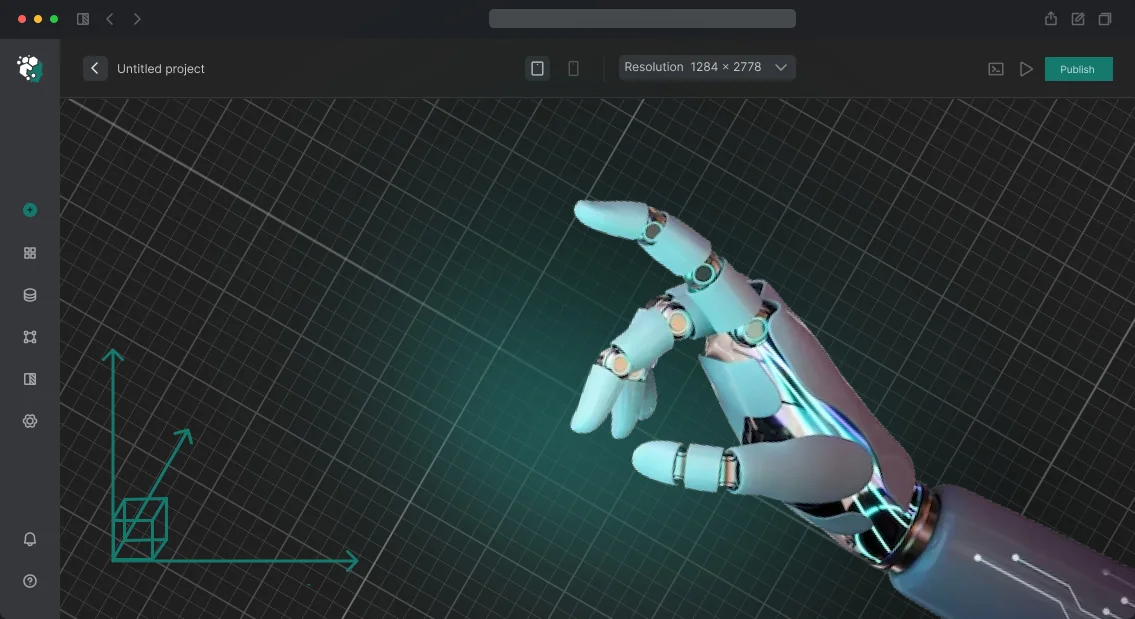
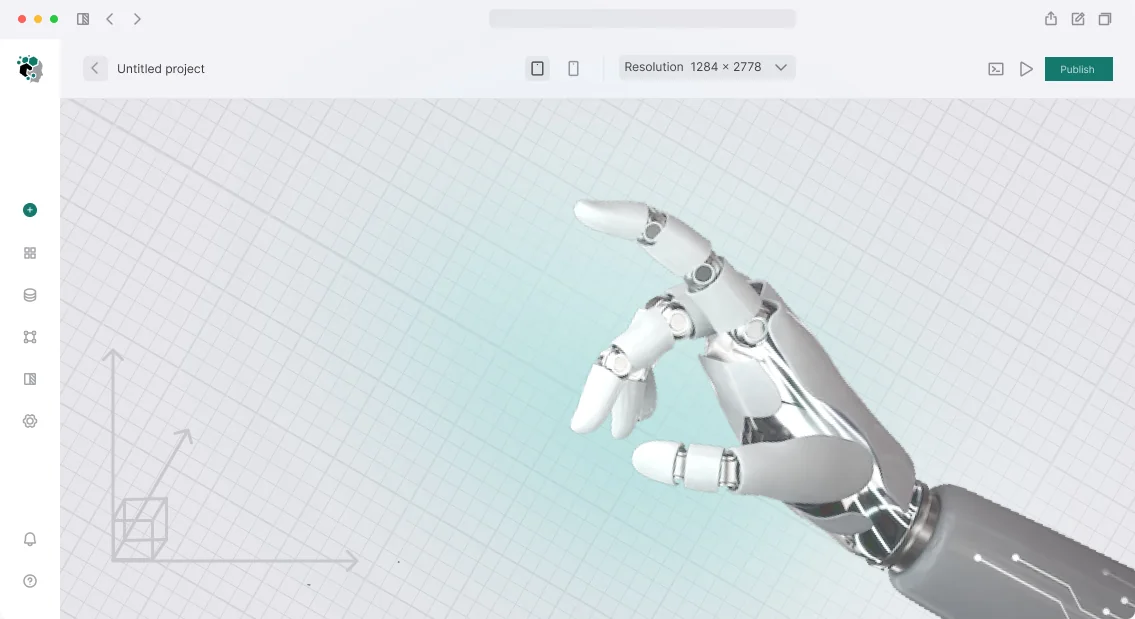
WebGL סוגר את הפער הזה בין חלון הראווה למוצר בפועל. הדמיית תלת-ממד אינטראקטיבית נפתחת ישירות בדפדפן, ללא התקנת אפליקציות או זמני טעינה ארוכים.
המבקר מסובב את המודל בעצמו, מתקרב לפרטים, משנה צבע או תצורה — ומקבל את התחושה של "לראות במציאות" עוד לפני הקנייה.
בעצם, אתם בונים קטלוג אינטראקטיבי שעובד כמו יועץ מכירות: הוא מציג את המוצר מהזווית הנכונה, עונה על השאלה "איך זה באמת נראה," ושומר על תשומת הלב הרבה יותר מתמונה סטטית.
זו הסיבה שעבודת ההדמיה התלת-ממדית שלנו מתמקדת בפורמט הדפדפן — הלקוח לא צריך להוריד כלום, ואתם לא צריכים לשנות את משפך המכירות הקיים שלכם.
בעבודתנו אנו משתמשים בספריית Three.js על גבי WebGL — היא מספקת תגובתיות חלקה אפילו במחשבים רגילים ובסמארטפונים.
מבחינתכם, זה אומר תצוגה חלקה לכל קהל: מהמבקר המזדמן ועד למומחה הטכני שרוצה לבחון מקרוב את המבנה.
התוצאה — החלטות בטוחות יותר, פחות החזרות, והמרה גבוהה יותר להזמנה. חלון ראווה אינטראקטיבי לא רק מיידע, הוא מוכר: הקונה רואה את המוצר כחי, לא כתמונה בקטלוג. אנחנו עוזרים לכם ליישם זאת באתר שלכם כך שהתוצאה תורגש כבר בשבועות הראשונים.
אילו יתרונות WebGL נותן לחנות המקוונת שלכם
קונה לא יכול "לחוש" מוצר בחנות מקוונת, ולכן הוא מהסס: האם הצבע נכון, האם המידה מתאימה, איך המוצר נראה במציאות. תמונות וסרטונים רגילים לא נותנים תמונה מלאה — ומכאן חוסר אמון, התלבטות ממושכת ועגלות נטושות.
טכנולוגיית WebGL מאפשרת ללקוחות לסובב מודל תלת-ממדי של המוצר ישירות בדפדפן, להתקרב לפרטים ולבחון אותו מכל זווית. זה מסיר את הפחדים העיקריים ודוחף לרכישה.
מה העסק מרוויח? האמון בחנות גדל: הקונה רואה שהמוצר באמת קיים ונראה בדיוק כמו שמוצג. הזמן המושקע באתר גדל — אנשים לומדים את המודל, בוחנים מרקמים וחוזרים אליו לפני ביצוע ההזמנה.
יחד, כל זה משפיע ישירות על ההמרה ומפחית החזרות שנגרמות מ"אי-התאמה לציפיות."
בואו נשווה את המדדים המרכזיים של חנות רגילה וחנות עם הדמיית תלת-ממד:
| מדד | חנות רגילה | חנות עם הדמיית תלת-ממד |
|---|---|---|
| אמון הלקוח | ממוצע, רכישה "עיוורת" | גבוה, המוצר נראה מכל הצדדים |
| זמן בדף המוצר | 1–2 דקות | 5–8 דקות |
| המרה להזמנה | קו בסיס | גבוהה בעד 40% |
| החזרות מוצר | תכופות יותר | פחות תכופות באופן ניכר |
אנחנו — הצוות שלנו — השקענו למעלה מ-10 שנים ביצירת מודלים וגרפיקות תלת-ממד ב-WebGL עבור חנויות מקוונות. הפתרונות שלנו עובדים על כל מכשיר: הקונה לא צריך להוריד או להתקין כלום — הוא פשוט פותח את הדף ומיד רואה מוצר תלת-ממדי.
השילוב לא שובר את הממשק המוכר, והדפים נטענים במהירות, כך שגם המבקרים וגם מנועי החיפוש מרוויחים. הוסיפו הדמיית תלת-ממד לקטלוג שלכם — והלקוחות יפסיקו לעזוב למתחרים.
פורמטים של הדמיית תלת-ממד ל-WebGL ולרשתות חברתיות
אותה הדמיית תלת-ממד לא מתפקדת באותה מידה בערוצים שונים: מה שמושך ברשתות חברתיות לרוב לא נוח לבחינה מפורטת באתר, ומודל אינטראקטיבי לא יכול להתחרות בסרטון קצר בפיד.
זו הסיבה שאנחנו מפרידים פורמטים לפי מטרה עסקית — ומציעים לבנות פתרון מלא לערוץ המכירות שלכם.
| פורמט | למי זה מיועד | מה זה נותן ללקוח |
|---|---|---|
| מודל תלת-ממד אינטראקטיבי ב-WebGL | חנויות מקוונות, יצרני מוצרים, משווקים | הקונה מסובב ומתקרב לאובייקט ישירות בדף — ללא צורך בהתקנת אפליקציות. יותר זמן על המוצר, פחות החזרות בגלל "זה נראה אחרת" |
| וידאו תלת-ממדי מונפש | שיווק, רשתות חברתיות, קמפיינים פרסומיים | סרטון דינמי קצר המותאם לפורמט הפלטפורמה: מגדיל טווח הגעה וזיהוי, קל לשימוש חוזר בקמפיינים ממוקדים ובדפי נחיתה |
| סיור וירטואלי | נדל"ן, מלונות, בנייה, ביתני תערוכות | הלקוח "מטייל" בנכס ללא נסיעה — מקבל החלטות מהר יותר, והמנהלים לא מבזבזים זמן על הקרנות נוספות |
עבור קטלוג מוצרים, מודל תלת-ממד אינטראקטיבי ב-WebGL הוא אופטימלי: הוא נטען בדפדפן ומושך מבקר שכבר הגיע עם כוונת קנייה. עבור פידים ופרסום, אנימציה קצרה עובדת טוב יותר — היא תופסת תשומת לב בשניות הראשונות ומניעה טווח הגעה. סיור וירטואלי מתאים במקום שבו צריך למכור את החלל והרגש של השהייה בו.
אנחנו מפתחים כל אחד מהפורמטים הללו בנפרד או משלבים אותם למערכת: למשל, מודל אינטראקטיבי לכרטיס המוצר ופריימים מונפשים לפוסטים ברשתות חברתיות. כך ההדמיה עובדת לאורך כל המחזור — מגילוי המותג ועד להחלטת הרכישה.
איך אנחנו בונים פתרונות WebGL ב-6 שלבים
כדי שתקבלו לא רק תמונה יפה, אלא כלי עסקי עובד, פיצלנו את התהליך לשישה שלבים. בכל שלב אתם רואים תוצאה ביניים ויכולים להשפיע על התוצאה.
-
בריף והתעמקות. אנחנו לומדים את המשימה: מכירות, הדרכה, הצגת מוצר. מגדירים מטרות, קהל ותרחיש שימוש.
-
אב-טיפוס. אנחנו בונים גרסה מפושטת של הפתרון. במקום תמונות סטטיות, אתם רואים את ההתנהגות והמבנה, כך שהתאמות נעשות לפני תחילת הפיתוח המלא.
-
עיצוב וגרפיקת תלת-ממד. אנחנו יוצרים את הסגנון, המודלים והאנימציות, ומתאימים אותם למותג שלכם כך שהתוצאה תיראה אורגנית.
-
הרכבה ותכנות. אנחנו מעבירים את הגרפיקה לבניית web קלה על WebGL ומבצעים אופטימיזציה. הפתרון נטען מהר, רץ בצורה חלקה על מכשירים שונים ולא מסיח את הדעת מהמוצר שלכם.
-
בדיקות. אנחנו בודקים תרחישים בדפדפנים פופולריים, על מסכי מחשב ונייד, ותחת חיבורי אינטרנט חלשים. אנחנו מתקנים בעיות לפני שהלקוחות שלכם נתקלים בהן.
-
השקה ותמיכה. אנחנו פורסים באתר שלכם, מגדירים אנליטיקה ומוסרים הוראות לצוות שלכם. לאחר ההשקה אנחנו נשארים בקשר: מעדכנים תוכן, עוקבים אחר תאימות ומוסיפים אפשרויות ככל שהמשימות שלכם גדלות.
מה כלול במסירת הדמיית תלת-ממד
כשאתם מזמינים הדמיית תלת-ממד, חשוב להבין מה אתם מקבלים — לא רק "תמונה," אלא נכס עובד לאתר, לפרסום או לאירועים שלכם.
בצוות שלנו אנחנו מבנים את המסירה כך שניתן יהיה להשתמש בתוצאה מיד, ללא תלות נסתרת בספק.
הנה מה שכלול בחבילה:
- מודלים וסצנות תלת-ממד מוכנים — בפורמטים שנפתחים בעורכים שלכם. אתם יכולים לערוך פרטים, לשנות זוויות או צבעים בלי לחזור אלינו.
- קבצי מקור לכל האנימציות וההדמיות — קבצי פרויקט מלאים עם טקסטורות והגדרות. זה הרכוש שלכם, לא גרסת הדגמה "נעולה".
- זכויות מודל ושימוש מסחרי — העברת זכויות רשמית. אתם יכולים להשתמש בהדמיה בפרסום, ברשתות חברתיות, באתר ובאירועים ללא הגבלות.
- קוד WebGL מותאם — אפשרות קלה ומהירה לשילוב באתר או בדף נחיתה. נטען מיידית ועובד נכון על כל מכשיר.
- תיעוד השקה והתקנה — הוראות ברורות כיצד למקם את ההדמיה במשאב שלכם, לעדכן תוכן או לחבר אותה לסעיף הרצוי.
- הדרכה לצוות שלכם — מפגש קצר שבו העובדים שלכם לומדים להעלות פריימים חדשים, לשנות טקסטים ולנהל את התכונות האינטראקטיביות בעצמם.
- תמיכה טכנית לאחר המסירה — ייעוץ למשך חודש. אם עולות שאלות לגבי השקה או שילוב, אנחנו עוזרים במהירות.
החבילה הזו מבטלת את הפחד הגדול ביותר של הלקוח: אתם אף פעם לא נשארים לבד עם פיתוח של מישהו אחר. מודלים, קבצי מקור וזכויות נשארים אצלכם, וכל מומחה שלכם יכול לשלב אותם לפי ההוראות.
מקרה בוחן: קטלוג WebGL הגדיל מכירות פי 1.5
חנות מקוונת טיפוסית מציגה מוצרים עם תמונות סטטיות. כשהמבחר גדול, קשה לקונה לבחון פרטים ולהשוות אפשרויות — ולכן הם עוזבים למתחרים.
זו המשימה שיצרן התאורה "SvetLife" הביא אלינו: דגמים יקרים, תכונות מורכבות, ותמונות רגילות פשוט לא סיפקו את הבהירות הנדרשת.
הצענו להחליף תמונות שטוחות בקטלוג WebGL אינטראקטיבי. הקונה מסובב את מודל גוף התאורה בעצמו, משנה צבע וחומרים, ומתקרב לאלמנטים שהוא צריך.
הבחירה הפכה לתהליך מרתק: אנשים לומדים את המוצר במשך זמן רב ומבינים טוב יותר מה הם קונים.
מה השתנה לאחר ההשקה
בתוך החודשים הראשונים לאחר עליית הקטלוג, המכירות גדלו פי 1.5 — עם אותה תנועה וללא הגדלת תקציב הפרסום.
הזמן הממוצע בדף שולש, ושיעור ההחזרות ירד: הלקוחות עשו פחות בחירות שגויות כי הם יכלו לראות את המוצר מכל הצדדים.
מנהל המכירות של SvetLife ניסח זאת כך: "הלקוחות עצמם אומרים שהבחירה הפכה להרבה יותר קלה.
הקטלוג עובד כמו היועץ הטוב ביותר — הוא מציג כל פרט ללא עיוות ולא ממהר אתכם להחליט." המקרה הזה הוכיח שגם בנישה מסורתית, קטלוג אינטראקטיבי מחזיר את ההשקעה בהגדלת הכנסות ונאמנות.
אנחנו מוכנים לבנות את אותו כלי לעסק שלכם: נבקר את המבחר שלכם, נמצא את הפורמט הנכון ונשיק פתרון שמשפיע על מכירות. פנו אלינו — נראה דוגמאות מהתחום שלכם ונחשב את התוצאה.
איך לבחור פורמט אנימציה לפי התקציב שלכם?
אין תשובה ישירה כמו "הנה הפורמט הטוב ביותר" — הכל תלוי במשימה ובתקציב. אם אתם צריכים להציג מוצר במהירות ובצורה מרשימה באתר או ברשתות חברתיות, וידאו מספיק.
אם אתם רוצים שהמבקר "ירגיש" את המוצר בעצמו, ישנה צבע וזווית צפייה — בחרו במודל תלת-ממד אינטראקטיבי. וכשמדובר בחלל גדול — משרד, אולם תצוגה או נכס נדל"ני — סיור וירטואלי עובד הכי טוב.
העלות מורכבת משלושה דברים: מורכבות הסצנה, מספר האובייקטים ורמת הפירוט. וידאו בדרך כלל זול יותר מאינטראקטיבי כי זה קליפ קבוע: אנחנו יוצרים את התמונה פעם אחת, והיא מוצגת באותו אופן לכולם.
WebGL אינטראקטיבי עולה יותר — הוא דורש יותר לוגיקה ואופטימיזציה — אבל הוא נותן למבקר חופש פעולה, שמשפיע ישירות על הזמן באתר ועל החלטת הרכישה.
סיור וירטואלי נמצא באמצע: הוא מאפשר לנוע בתוך מיקום ולהסתכל סביב, אבל לא מציע את אותה חופש אינטראקציה עם כל פריט. העלות שלו תלויה במספר הסצנות, בצפיפות הפרטים וברמת הריאליזם הנדרשת.
כדי לא לשלם יותר מדי, התחילו מהמטרה העסקית: מה האדם צריך לעשות לאחר הצפייה — לגלות מחיר, להשאיר פנייה, לבקר במשרד? בחרו את הפורמט סביב המטרה הזו.
תמיד נייעץ לכם איזו אפשרות תניב תוצאות מקסימליות במסגרת התקציב שלכם, ואם צריך, נציע השקה בשלבים: קודם וידאו, אחר כך אינטראקטיבי אחרי שהוא מחזיר את ההשקעה.
שאלות נפוצות על הדמיית תלת-ממד
הזמנת הדמיית תלת-ממד מלווה בשאלות: כמה מהר אפשר לקבל תוצאה, האם המודל ייפתח על מכשירי הלקוחות, וכמה זה עולה. אספנו תשובות לדאגות הנפוצות ביותר של לקוחות — כדי שיהיה קל יותר להחליט לפני תחילת הפרויקט.
כמה זמן לוקח ליצור אנימציית תלת-ממד?
לוחות הזמנים תלויים במורכבות הסצנה ובמספר הסרטונים. מודל אינטראקטיבי פשוט — 3–5 ימים, מצגת מוצר — 2–3 שבועות. בשלב הבריף, אנחנו קובעים לוח זמנים ומספקים את העבודה בשלבים: אתם רואים תוצאות ומבצעים תיקונים.
האם ההדמיה התלת-ממדית תיפתח על כל המכשירים?
כן. אנחנו משתמשים ב-WebGL — טכנולוגיה שעובדת בדפדפן על מחשבים שולחניים, טאבלטים וסמארטפונים. הלקוחות שלכם יראו את המודל על כל חומרה, כולל טלפונים ישנים. עבור מכשירים חלשים, אנחנו מתאימים גרסה מפושטת.
כמה קשה לשלב מודל תלת-ממד באתר?
השילוב לא דורש בנייה מחדש של האתר או שכירת מפתח. אנחנו מוסרים בלוק מוכן שמשולב כמו וידאו רגיל. בעת ההשקה, אנחנו מוודאים שהוא עובד על מכשירים שונים ומבצעים התאמות.
ממה מורכבת העלות, ואיך להימנע מתשלום יתר?
המחיר תלוי בפירוט המודל, באנימציה ובתכונות האינטראקטיביות. כדי להימנע מתשלום יתר, אנחנו מתאימים את הפורמט למשימה: תצוגת 360 לחנות, וידאו לפרסום, או קונפיגורטור תלת-ממד מלא. בשלב הבריף, אנחנו מראים פתרון לתקציב שלכם מבלי לאבד איכות.
השאירו פנייה — ונכין אב-טיפוס תלת-ממד
השאירו פנייה באתר — ונכין אב-טיפוס תלת-ממד של הווידאו או ההדמיה העתידית שלכם. זה לא רק "תצוגה מקדימה," אלא דוגמה עובדת: אתם רואים את הסגנון, איכות התנועה, התאורה וההצגה לפני שההפקה המלאה אפילו מתחילה.
כך אתם מקבלים החלטה ללא סיכון — אתם מבינים איך התוצאה תיראה, ורק אז מאשרים את התקציב.
אנחנו מעריכים את הזמן של הלקוח, ולכן לאחר הפנייה שלכם העבודה מתנהלת לפי תרחיש ברור:
- אנחנו דנים במשימה — שיחה או הודעות, הבהרת המטרה, הקהל ולוח הזמנים.
- אנחנו מכינים אב-טיפוס תלת-ממד — תוך מספר ימי עסקים, אתם מקבלים דוגמה של הסגנון והתנועה.
- אתם מבצעים תיקונים באב-הטיפוס — אנחנו מתאימים צורה, צבע וקצב כדי שתוכלו להרגיש את התוצאה הרצויה.
- אנחנו מסכמים על ההערכה ולוח הזמנים הסופי של ההפקה — בשקיפות, ללא חיובים נסתרים.
- אנחנו מריצים את המחזור המלא: מידול, אנימציה, עריכה, רנדר סופי.
- אנחנו מוסרים את הווידאו המוגמר בכל הפורמטים הנדרשים — לאתר, לרשתות חברתיות ולמסכי אירועים.
אב-הטיפוס החינמי נשאר שלכם, גם אם תחליטו לא להמשיך. זו הדרך שלנו להראות את איכות העבודה שלנו, לא "למכור בדלת." השאירו פנייה — תוך 15 דקות, נחזור עם הצעה לשלב הבא.