







תפאורה תלת-ממדית לתיאטרון: הבמה שמחזיקה את הקהל
אם צופה מסתכל בטלפון שלו במהלך ההצגה, זו לא שאלה של חינוך אלא אות מהבמה: התפאורה לא מצליחה להחזיק את תשומת הלב. רקעים קלאסיים ומבנים סטטיים נראים שטוחים לעומת החוויה החזותית של קולנוע ומשחקי וידאו.
כתוצאה מכך, התיאטרון מפסיד לא רק תשומת לב אלא גם הכנסות מכירת כרטיסים — אורח מגיע פעם אחת ולעולם לא חוזר, וההמלצות מפה לאוזן נפסקות.
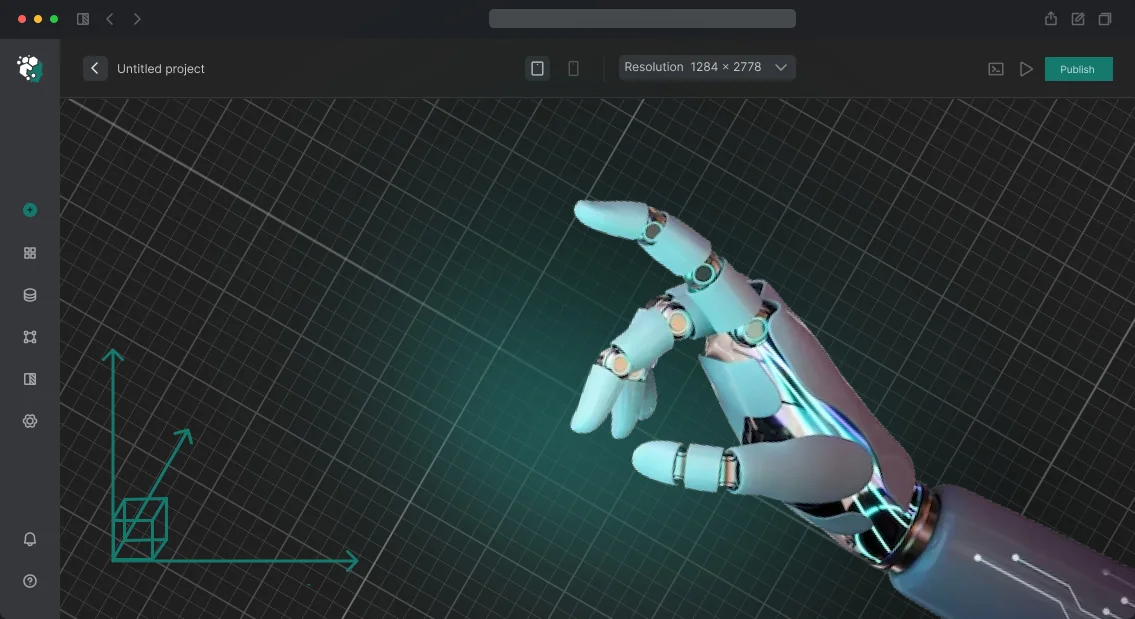
תפאורה תלת-ממדית לתיאטרון מחזירה את הקסם לבמה. הקרנות תלת-ממדיות, אלמנטים נעים, אור ווידאו יוצרים תחושת נוכחות שאי אפשר לשכוח.
תיאטרון אימרסיבי אינו מחווה לאופנה אלא דרך להחזיק את הצופה המודרני: הוא לא רק צופה בסיפור — הוא חי אותו יחד עם השחקנים.
הפקות כאלה הופכות לאירועים — אנשים כותבים עליהן בבלוגים, תמונות של הבמה מופיעות ברשתות החברתיות, כרטיסים נמכרים מראש, והתיאטרון זוכה לחשיפה חינמית.
אנחנו משלבים טכנולוגיות דיגיטליות בהפקות תיאטרון כבר למעלה מעשר שנים. המהנדסים שלנו בונים תפאורה תלת-ממדית שעובדת על במות קיימות ללא שיפוץ מורכב, ומופעלת בקלות על ידי צוות אחד.
בהפקה "חלומות" לאחד מתיאטרוני הבירה, פתרונות אלה הגדילו את שיעור הביקורים החוזרים בשליש — צופים הביאו חברים כדי לחוות שוב את הרגש.
אנחנו לוקחים על עצמנו את כל המחזור: מהקונספט ועד ההתקנה והתחזוקה, כך שאינך צריך צוות מהנדסים נפרד.
עבור התיאטרון, זו אינה הוצאה אלא השקעה במוניטין ובתוצאות קופתיות. תפאורה תיאטרלית מודרנית גורמת להפקה לבלוט בין עשרות אחרות, נותנת לאנשים סיבה לדון בה ברשתות החברתיות, ומושכת קהל צעיר יותר. ועבור הצופה, זו חוויה רגשית עוצמתית שהוא רוצה לשתף.
מה מקבלים מוויזואליזציה מקצועית
וויזואליזציה תלת-ממדית מקצועית הופכת את הבמה למרחב שתופס את הצופה מהשנייה הראשונה. במקום תפאורה סטטית — עולמות חיים שמעצימים רגשות ומטביעים את הקהל בסיפור.
עבור התיאטרון, זו דרך לבלוט בין הפקות אחרות וליצור חתימה ויזואלית מזוהה.
רגשות הקהל הם התוצאה העיקרית. כשהתפאורה היא לא רק רקע אלא חלק מהפעולה, הצופה מרגיש בתוך ההצגה.
זה מגביר את המעורבות: אחרי ההצגה, אנשים מדברים לא רק על משחק השחקנים אלא גם על האווירה שנשארת בזיכרון. כתוצאה מכך, המוניטין של התיאטרון והרצון לחזור גדלים.
ייחודיות. לכל הפקה יכול להיות מראה ייחודי משלה — מהקרנות מינימליסטיות ועד עולמות פנטסטיים. וויזואליזציה מקצועית מאפשרת לממש את החזון של הבמאי ללא מגבלות של מרחב פיזי.
התיאטרון מקבל תפאורה שאי אפשר לשכפל — זה מעלה את ערך הכרטיס ואת עניין הקהל.
אפקט מדיה. תמונה מרהיבה הופכת לנושא חדשותי: צופים משתפים תמונות וסרטונים ברשתות החברתיות, ומושכים קהלים חדשים. כל הצגה היא חשיפה נוספת ופרסום חינמי. עבור התיאטרון, זו הזדמנות להרחיב את הקהל ולחזק את המותג.
גמישות. סט ויזואלי אחד יכול להיות מותאם למקומות ופורמטים שונים: שינוי זוויות, קנה מידה והדגשים צבעוניים. זה חוסך זמן בהכנת הפקות חדשות ומאפשר עדכונים ויזואליים מהירים ללא החלפה מלאה של התפאורה.
בנוסף, הוויזואליזציה משתלבת בקלות עם שחקנים חיים, ויוצרת הצגה מודרנית ודינמית.
בסופו של דבר, וויזואליזציה מקצועית היא לא רק תמונה אלא כלי שמעצים רגשות, מגביר את הייחודיות של הפקות, מוסיף אפקט מדיה ומספק גמישות בעבודה. זו השקעה באיכות שמחזירה את עצמה בעניין הקהל ובתוצאות קופתיות יציבות.
פורמטי וויזואליזציה ואנימציה למשימה שלך
תיאטרון מודרני הוא לא רק שחקנים ותפאורה פיזית אלא גם שכבות דיגיטליות שמעצימות רגשות ומרחיבות את האפשרויות האמנותיות.
פורמטי אנימציה תלת-ממדית ווידאו מפינג מאפשרים לבמה להשתנות תוך שניות, ליצור אשליה של מרחבים עצומים ולהחזיק את תשומת הלב של הצופה.
אנחנו בוחרים את הפורמט עבור ההפקה, התקציב והיכולות הטכניות של המקום — כך שהתוצאה משרתת את הדרמטורגיה ולא מסיחה ממנה.
| פורמט | למי | מה הוא נותן ללקוח |
|---|---|---|
| סצנה תלת-ממדית מלאה (תפאורה וירטואלית) | להפקות רחבות היקף, סיבובי הופעות ומקומות עם שטח במה מוגבל | מחליף תפאורה פיזית, מאפשר שינויי מיקום מהירים וחוסך באחסון, הובלה והרכבה |
| אפקטים תלת-ממדיים בודדים | לסצנות מפתח שצריכות לבלוט | מחזק את השיא, יוצר אפקט וואו ללא בנייה מחדש של הבמה או הוספת אביזרים |
| קטעי אנימציה (סרטוני רקע) | למעברים, פתיחות והסברת העלילה | ממלא הפסקות, מטביע באווירה, עוזר לצופה להיכנס להקשר מהר יותר |
| וידאו מפינג לתיאטרון | לעבודה עם תפאורה אמיתית, חזיתות ומשטחים לא סטנדרטיים | הופך כל אובייקט למסך דינמי, יוצר אשליה של שינוי מרחב — מקירות "חיים" ועד שינוי שעות היום |
כל אחד מהפורמטים האלה יכול לשמש בנפרד או בשילוב בתוך הפקה אחת.
לדוגמה, סצנה וירטואלית מלאה למערכה הראשונה, וידאו מפינג לשיא, וקטעי אנימציה למעברים — כך מקבלים מחזה אחיד ללא זמן השבתה או סיבוכים לוגיסטיים.
אנחנו עוזרים לבחור את השילוב האופטימלי של פורמטי אנימציה תלת-ממדית ווידאו מפינג למשימה שלך, כך שכל השקעה הופכת לעונג קהל וביקורים חוזרים.
איך אנחנו יוצרים תפאורה וירטואלית: שלבי העבודה
הפקות משתנות, והזמן לפני הבכורה תמיד מוגבל. כדי שלא תצטרכו לנחש מה יופיע על הבמה, בנינו את תהליך פיתוח התפאורה הווירטואלית כמסלול ברור: מהרעיון הראשון ועד ההצגה הסופית.
שלבי העבודה על תפאורה וירטואלית
-
בריף והתעמקות בהפקה. אנחנו מנתחים את המשימה של הבמאי, הז'אנר, מאפייני המקום והתקציב. מגדירים איזה אפקט הצופה צריך לחוות.
-
קונספט וסקיצות. אנחנו מציגים אפשרויות לתפאורה וירטואלית כתמונות וסצנות קצרות. אתה רואה איך הבמה תיראה לפני שההפקה בכלל מתחילה.
-
אישור ותיקונים. אנחנו דנים בסקיצות ומבצעים שינויים בצבע, באור ובדינמיקה. תיקונים לא דוחים את לוחות הזמנים כי הם מובנים בתהליך.
-
פיתוח תפאורה ואנימציה תלת-ממדית. אנחנו יוצרים מודלים שנראים טבעיים על הבמה ומתרחבים בקלות לכל מסך או הקרנה.
-
בדיקה טכנית. אנחנו מיישרים את החומר עם התאורה, תנועות השחקנים והציוד שלך. בשלב זה, אנחנו מבטלים את הסיכון של "מה אם זה לא יעבוד".
-
השקה ותמיכה. אנחנו משתתפים בחזרות ובבכורה ועוזרים בהתקנה. אחרי ההשקה, אנחנו נשארים בקשר — אפשר לחדד את התפאורה להפקות חדשות.
מה כלול במסירת פרויקט הוויזואליזציה
לאחר אישור הקונספט, אתה מקבל לא רק תמונות יפות אלא חבילת עבודה שצוות התיאטרון יכול להשתמש בה כדי להכין את ההפקה לפני הבכורה ובעונות הבאות.
מסירת פרויקט התלת-ממד כוללת כל מה שצריך למעבר מבמה "וירטואלית" ליישום אמיתי על הבמה.
- תמונות וסרטונים ברזולוציה גבוהה מוכנים לשימוש לאישור, להצגה ללהקה ולהדפסת תוכניות.
- קבצי פרויקט עבודה כדי שהאמנים והטכנאים שלך יוכלו לבצע עריכות במהלך ריצות עתידיות.
- הוראות להרכבה, פירוק ואחסון של התפאורה — ללא ניחושים או פגישות מיותרות.
- תרשירי פריסה של אלמנטים על הבמה והסידור הכללי לפי מיזנסצנות.
- תוכנית אינטגרציה לתאורה ותוכן וידאו כך שכל המערכות יעבדו כמכלול אחד.
- תיאור חומרים והמלצות להחלפתם בחלופות משתלמות מבלי לאבד את המראה.
- ארכיון של כל חומרי המקור ועותק גיבוי של הפרויקט לשם בטיחות.
אנחנו לא מוסרים את העבודה "על אחריותך בלבד". מהנדס מלווה את ההתקנה והחזרות הראשונות, ואחרי הבכורה אנחנו נשארים בקשר — אם ההפקה יוצאת לסיבוב הופעות או חוזרת אחרי שנה, אתה יכול לבקש ייעוץ או כוונון עדין. זה הופך את התהליך לצפוי ומסיר סיכונים טכניים ממנהל המחלקה.
מקרה בוחן: איך תפאורה וירטואלית שינתה הפקה
מה עשינו
הפקה משפחתית הפסידה לבכורות רגילות: האולם היה חצי מלא, והקהל לא זכר את העיצוב. ההנהלה של התיאטרון העירוני פנתה אלינו כדי להפוך את הבמה למסע אמיתי.
בנינו תפאורה וירטואלית שמשתנה ככל שהפעולה מתפתחת: יער, כיכר עירונית, חדר קסום. השחקנים מופיעים באור חי, והעולם סביבם מתעורר לחיים תוך שניות. הצופה מרגיש בתוך הסיפור, לא צופה פסיבי.
מה השגנו
בחודש הראשון, ההפקה זכתה ל-40% יותר צופים מהמתוכנן, ושיעור הביקורים החוזרים הוכפל.
משך מחיאות הכפיים הסופיות גדל בשליש, והצופים החלו לפרסם תמונות של הבמה ברשתות החברתיות בעצמם — התיאטרון ראה צמיחה ניכרת באזכורים ללא כל תקציב פרסום.
התיאטרון גם ציין את היתרונות המעשיים. תפאורה וירטואלית עולה פחות ממבנים פיזיים, מותאמת בקלות לגרסאות ילדים וערב, וסיבובי הופעות אינם דורשים הובלת מטען.
כמה חודשים לאחר מכן, התיאטרון הזמין הפקה שנייה וכלל טכנולוגיית תלת-ממד ברפרטואר הקבוע שלו.
מקרה בוחן זה של תיאטרון תלת-ממדי מראה: וויזואליזציה מודרנית מחזירה את ההשקעה לא רק ברגשות אלא גם במספרים קונקרטיים.
איך לבחור פורמט וויזואליזציה לפי התקציב שלך?
בחירת פורמט הוויזואליזציה תלויה ישירות בתקציב ההפקה ובמאפייני הבמה — אין פתרון אוניברסלי. אנחנו עוזרים לתיאטרונים למצוא איזון בין המטרה האמנותית להשקעה, כך שלא תשלמו יותר מדי על מורכבות.
ראשית, ענה על שלוש שאלות: כמה זמן ההפקה תישאר ברפרטואר, מה קנה המידה של המקום, ובאיזו תדירות אתה מוכן לעדכן את התפאורה.
התשובות קובעות אם כדאי להשקיע בסצנה תלת-ממדית מלאה מיד או שפורמט פשוט יותר מספיק.
להלן טבלה משוערת לבחירת פורמט וויזואליזציה. ההערכה הסופית מחושבת לאחר שנכיר את המקום שלך ואת החזון של הבמאי.
| פורמט | למי | מה הוא נותן |
|---|---|---|
| רקע וידאו | סצנות אינטימיות, תקציב מוגבל | שינויי מיקום מהירים ללא מבנים פיזיים |
| סצנה תלת-ממדית בהקרנה | במות עם גיאומטריה לא סטנדרטית | הופך את הצדדים למרחב חי ללא בנייה מחדש |
| תפאורה תלת-ממדית מלאה | הפקות גדולות, ריצות ארוכות | התעמקות מקסימלית, טרנספורמציה דינמית |
זו לא קלסיפיקציה נוקשה: אנחנו מרבים לשלב פורמטים כדי לשמר את הקונספט ולהתאים לתקציב. לדוגמה, אנחנו עושים את מרכז הבמה פיזי, בעוד הרקע והצדדים מבוססי הקרנה.
לאחר בחירת הפורמט, אנחנו מטפלים בכל הצד הטכני — מיצירת הגרפיקה ועד ההתקנה וההגדרה על הבמה שלך. אתה מקבל פתרון מוכן שקל להתאים להפקות עתידיות, כך שההשקעה עובדת עבור הרפרטואר שלך.
ספקות נפוצים של לקוחות לפני התחלה
רוב הלקוחות השוקלים תפאורה תלת-ממדית מודאגים מאותם דברים: האם נעמוד בזמנים לבכורה, האם זה יעלה יותר, האם הגרפיקה תיראה "חיה" על הבמה. אנחנו יוצרים תפאורה דיגיטלית לתיאטרונים כבר שנים רבות, ולכן אנחנו מסירים את הסיכונים האלה בשלב האישור.
אנחנו קובעים את התקציב ואת לוחות הזמנים לפני ההתחלה, בוחרים פתרון לציוד שלך, ובודקים את התוצאה יחד עם צוות ההפקה. הנה התשובות לחששות העיקריים:
האם נעמוד בזמנים לפני הבכורה?
אנחנו עובדים בשלבים: קודם סקיצות ופריימים סטטיים, אחר כך אנימציה והרכבה. אתה רואה גרסאות ביניים ומבצע תיקונים, כך שהתוצאה לא תהיה הפתעה ביום האחרון.
האם התקציב יחרוג?
ההערכה קבועה לפני שאנחנו מתחילים, וכל השלבים מתוארים בשקיפות. תיקונים נוספים נדונים בנפרד — אתה תמיד יודע על מה אתה משלם מראש.
האם התפאורה תתאים לבמה ולתאורה שלנו?
אנחנו מדגמים את התמונה לפי הפרמטרים האמיתיים של הבמה: מיקום מקרנים, עיצוב תאורה ונקודות צפייה. יחד עם אנשי התאורה שלך, אנחנו משיגים שילוב טבעי.
מי יתמוך בנו אחרי ההשקה?
אנחנו מספקים אחריות על העבודה שבוצעה ונשארים בקשר אחרי הבכורה. אנחנו עוזרים להתאים את התפאורה להפקות שונות ולבצע שינויים.
נדון בפרויקט התלת-ממד שלך? כתוב לנו
כדי להזמין וויזואליזציה תלת-ממדית של תפאורה, אינך צריך לבנות מודל פיזי או לחכות לתקופת התקנה. אנחנו יוצרים עותק דיגיטלי של הבמה שלך עם פרופורציות מדויקות, תאורה ומרקמים — אתה רואה את ההפקה לפני הבכורה.
עבור הבמאי והמעצב, זו דרך לבדוק את המיזנסצנות; עבור ההנהלה, זו דרך להימנע מעבודות חוזרות שעולות תקציב וזמן.
כל פנייה כוללת רשימת בדיקה ברורה של מה אתה מקבל:
- אנחנו לומדים את הבמה שלך, מלאי התאורה ומשימות ההפקה — ומציעים פתרון מותאם ספציפית לתיאטרון שלך.
- אנחנו מציגים את הסקיצות הראשונות תוך מספר ימים — אתה מיד מבין אם התמונה נעה בכיוון הנכון.
- אנחנו מאשרים תיקונים עד למסירה הסופית — אתה שולט בכל פרט במקום לקבל "מה שיצא".
- אנחנו קובעים את ההערכה ואת לוחות הזמנים לפני תחילת העבודה — אין תשלומים נוספים באמצע הדרך ואין הפתעות בחזרה הגנרלית.
- אנחנו מספקים קבצי מקור ופורמטים להדפסה, רקעים ומסכי וידאו — החומרים יכולים לשמש בעבודה ובפרסום.
- אנחנו נשארים בקשר אחרי המסירה — אנחנו עוזרים ביישום ועונים על שאלות של אלה שיתקינו את התפאורה.
אנחנו עובדים בכלים תלת-ממדיים מקצועיים (Cinema 4D), כך שהתמונה יציבה ותואמת בדיוק למה שתראה על הבמה.
השאר פנייה — נשלח דוגמאות של פרויקטים תיאטרליים ונחשב את העלות תוך יום עבודה אחד. כתוב לנו, ומחר נדון בהפקה שלך.