

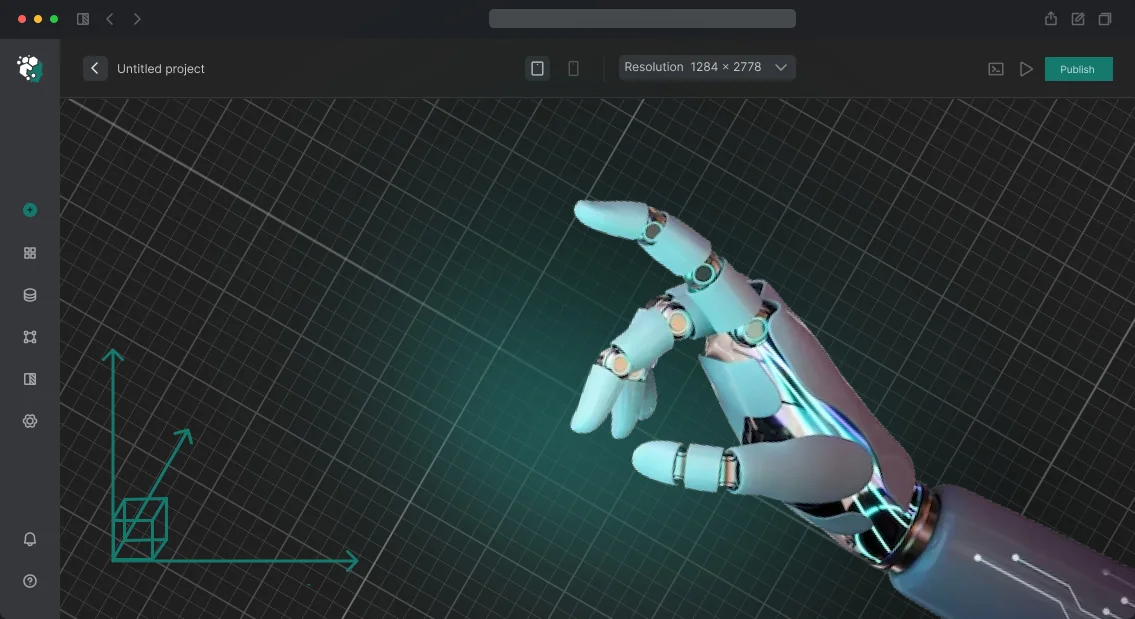
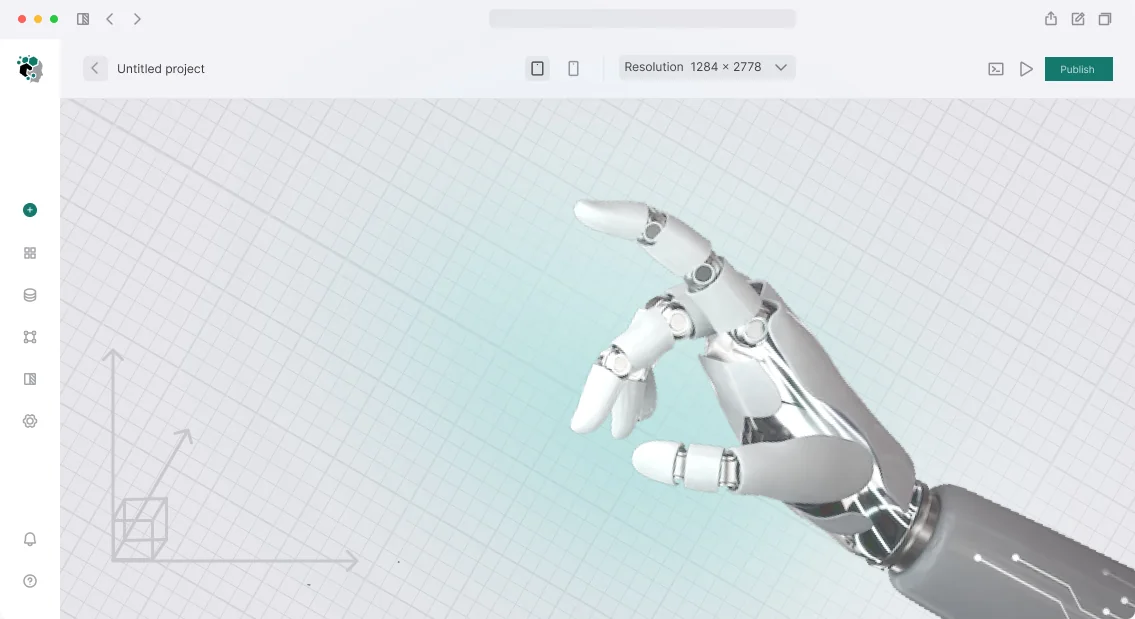






מדוע תוכנת מידול מחסנים לא נמכרת לבד ללא אנימציית תלת-ממד?
קונה של תוכנת מידול מחסנים מקבל החלטה על סמך הערך שהיא מביאה למחסן שלו, אבל במצגת אמיתית, הוא לרוב רואה צילומי מסך ורשימות תכונות.
ללא וידאו ברור, הוא צריך "להשלים את הפערים" בעצמו, ולדמיין כיצד המוצר ישנה את התפעול שלו. זהו הסיכון הגדול ביותר בשלב המכירה: ככל שיש יותר הפשטה, כך ההחלטה אורכת יותר זמן.
כתוצאה מכך, העסקה נמשכת: הלקוח מבקש הדגמות חוזרות, מעביר חומרים לבעלי עניין אחרים ברכש, אבל תמונת המוצר נשארת מטושטשת. מנהל לא יאשר תקציב אם הוא לא מבין מה העסק יקבל.
ומתחרים עם אנימציית תלת-ממד ברורה נראים משכנעים יותר אפילו עם פונקציונליות שווה, וזוכים בלקוח בשלב האחרון.
אנימציית תלת-ממד לתוכנה פותרת את הבעיה הזו. תוך דקה, היא מראה כיצד מידול המחסן הופך תהליכים לאוטומטיים, מדגימה ויזואלית אופטימיזציה של מסלולים, ניצול שטחי אחסון, והשפעת השינויים.
הצופה רואה את התוצאה הסופית לפני הקנייה, כך שההתנגדויות לגבי ערך מוסרות ומחזור האישור מתקצר. הכי חשוב, התמונה הזו נשארת בראש כשההחלטה נדונה בלעדיכם.
המהנדסים שלנו יוצרים סרטונים שמוכרים מוצרים: באמצעות אנימציה במצגות, באתרים, ובקמפיינים במייל.
אתם מפסיקים להיות תלויים בכישרון של מנהל מכירות "לצייר יתרונות במילים." במקום זאת, הלקוח רואה בעצמו כיצד המחסן שלו יעבוד ומקבל החלטה מהר יותר. עבור מנהלים, זה אומר צמיחה צפויה בהמרות ופחות זמן על כל עסקה.
מה ויזואליזציית תלת-ממד נותנת למוצר התוכנה שלכם
ויזואליזציית תלת-ממד הופכת את מוצר התוכנה שלכם מ"פתרון מחסן" מופשט לכלי ויזואלי שהלקוח מבין תוך דקה.
במקום מצגות ארוכות ותיאורים טכניים — תמונה חיה: כיצד המערכת מנהלת מדפים, ציוד וזרימות מוצרים. זה חשוב במיוחד ללקוחות שמחליטים על סמך תחושת ערך ולא על סמך רשימת תכונות.
אנימציה וסרטונים בונים הכרה. קל להציג תוכן כזה באתרים, במדיה חברתית ובתערוכות — הוא מושך את העין ונשאר בזיכרון.
כשקונים רואים שהמוצר שלכם נראה מודרני ומקצועי, האמון בו גדל עוד לפני המגע הראשון עם מנהל מכירות.
הדגמת מוצר בפעולה מגדילה ישירות את זרם הלידים. מבקר באתר שרואה וידאו תלת-ממדי מבין כיצד התוכנה פותרת את הבעיות שלו וסביר יותר שישאיר פנייה.
וידאו מסיר את ההתנגדויות העיקריות לפני השיחה: אין צורך להסביר "איך זה עובד" — פשוט מראים.
היתרון המרכזי הוא מהירות המכירה. מנהל מכירות לא צריך לבזבז 40 דקות בתיאור תכונות: הלקוח כבר רואה את התוצאה. העסקה מתקדמת מהר יותר, ולצוות שלכם יש זמן לפרויקטים נוספים.
אנימציה קצרה שמראה את המחסן לפני ואחרי ההטמעה עוזרת להצדיק את ערך המוצר להחלטות פיננסיות — זה טיעון חזק במשא ומתן.
כתוצאה מכך, ויזואליזציית תלת-ממד מחזקת כל שלב בשיווק: היא מושכת תשומת לב, מגדילה מודעות למותג, מייצרת לידים ומאיצה סגירת עסקאות.
המהנדסים שלנו בונים סרטונים כאלה על סמך הנתונים האמיתיים ותרחישי השימוש שלכם, כך שהלקוחות רואים בדיוק את התוצאה העתידית שלהם.
פורמטים של ויזואליזציית תלת-ממד להצגת פתרונות מידול מחסנים
כשמציגים פתרונות מידול מחסנים, פורמט אחד לא מתאים לכל הקהלים. מנהל לוגיסטיקה מתעניין במדדים ותהליכים, משקיע בפוטנציאל ובהיקף, ומפעילים בתרחישי עבודה ספציפיים.
פורמט ויזואליזציית תלת-ממד שנבחר נכון עוזר לכל בעל עניין לראות את הנקודה המרכזית ולקבל החלטה.
| פורמט | למי | מה זה נותן ללקוח |
|---|---|---|
| סרטון קצר (1-2 דקות) | לקמפיינים במייל, לאתר ולמדיה חברתית | מראה במהירות את מהות הפתרון, מגביר הכרה וטווח הגעה |
| אנימציית מחסן מפורטת | למכרזים ולמשא ומתן עם צוותי לוגיסטיקה | מדגים תהליכי קליטה, אחסון ושילוח — מסיר התנגדויות |
| מודל תלת-ממד אינטראקטיבי | לפגישות עם מנהלים ומשקיעים | מאפשר "סיור" עצמאי במחסן, בחינת נקודות מפתח — מגביר אמון |
| סיור וירטואלי במתקן | לתערוכות והדגמות | מטביע בפרויקט, יוצר תחושת נוכחות ונשאר בזיכרון |
חשבו מי קהל המצגת שלכם: אם זו תפוצה רחבה, סרטון קצר מספיק; אם זה משא ומתן ממוקד — סיור אינטראקטיבי או וירטואלי.
אנחנו נעזור לכם לבחור את הפורמט האופטימלי למשימה, לתקציב וללוח הזמנים שלכם, וניצור ויזואליזציית לוגיסטיקה שעובדת למכירות. הלקוח שלכם יראה לא רק תמונה אלא פתרון מוכן — ויהיה לכם קל יותר לקבל אישור לפרויקט.
איך פרויקט ויזואליזציית תלת-ממד מתנהל
אנחנו נכנסים לפרויקט כשותפים: קודם כל מבינים את המשימה, ואז מציעים פתרון שמאושר לפני שמתחילה העבודה המפורטת. התהליך מתוכנן כך שתראו תוצאות בכל שלב ותוכלו להשפיע עליהן — בלי הפתעות בסוף.
- בריף ומטרות. אנחנו דנים היכן וכיצד הסרטון ישמש: מצגת, אתר, תערוכה, הדרכת עובדים. אנחנו לוכדים מסרים מרכזיים, לוחות זמנים והתוצאה הצפויה — זה מגן מפני אי-הבנות.
- תסריט ומבנה. על סמך הבריף, אנחנו מציעים קו עלילה: שוטים, סצנות, היגיון נרטיבי. אתם מקבלים תסריט טקסטואלי ומבינים כיצד המשימה שלכם תטופל.
- קונספט וסגנון. אנחנו מראים רפרנסים וכיוונים ויזואליים: פוטוריאליזם, סטייליזציה, טכניקת צילום. אנחנו מאשרים את המראה הכללי כך שהעבודה הנוספת תלך בדיוק בכיוון הצפוי.
- פיתוח סצנות תלת-ממד. אנחנו ממדלים אובייקטים, מגדירים תאורה וחלל. בשלב זה, אתם מקבלים רנדרים ביניים של זוויות מפתח ויכולים להעריך איך הסרטון העתידי ייראה.
- אישור ותיקונים. אנחנו אוספים משוב על הגרסה הביניים ומבצעים שינויים בצבע, קומפוזיציה והדגשים. אנחנו מסכמים על המראה הסופי לפני הרנדר המלא — ממזערים עלויות עבודה חוזרת.
- רנדר סופי ועריכה. אנחנו מפיקים את התמונה הנקייה, מוסיפים עריכה, גרפיקה וסאונד. אתם מקבלים קובץ מוגמר בפורמטים הנדרשים: למצגות, לאתר או למדיה חברתית.
- מסירה ותמיכה. אנחנו מוסרים חומרי מקור ועוזרים להתאים את הסרטון לפלטפורמות שונות. במידת הצורך, נבצע תיקונים במהירות או נכין גרסאות חדשות על סמך הפרויקט.
תהליך העבודה הזה הוכח בעשרות פרויקטים: הוא עומד בלוחות זמנים ומפיק סרטון שבאמת עובד למטרות עסקיות. אתם תמיד יודעים מה קורה ומה יימסר.
מה כלול במסירה: חבילה מלאה לפרויקט שלכם
כשאנחנו מסיימים פרויקט, אתם מקבלים לא רק סרטון או ויזואליזציה, אלא חבילה מלאה שמיועדת לעבודה שוטפת.
זה לא "ארכיון קבצים על דיסק" אלא חומרי עבודה שאתם יכולים להשתמש בהם מיד באתר, במצגות, במדיה חברתית ולהדרכת עובדים פנימית.
אנחנו בכוונה בונים את המסירה כך שלא תהיו תלויים בנו בכל שלב. הנה מה שכלול בחבילה הסטנדרטית:
- סרטונים מוכנים בפורמטים הנדרשים — לאתר, למדיה חברתית, לקמפיינים פרסומיים ולאירועים פיזיים. גרסאות שונות לכל פלטפורמה, ללא פגיעה באיכות.
- קבצי פרויקט מקוריים — מבנה מלא של סצנות, שכבות ואנימציות. הצוות שלכם או קבלן חדש יכולים לבצע עריכות ללא בנייה מחדש מאפס.
- מודלים וחומרים בתלת-ממד — מאורגנים וניתנים לשימוש חוזר. הם יהיו שימושיים לאבות-טיפוס עתידיים, קטלוגים או אזורים אינטראקטיביים.
- תיעוד נלווה — תיאור התסריט, התזמון וההיגיון של האנימציה. תמיד תבינו מה קורה בכל פריים ולמה.
- המלצות פרסום — איפה, מתי ואיך לפרסם את הסרטונים כדי לקבל טווח הגעה ותגובת קהל מקסימליים.
- גרסאות בדיקה ואיטרציות ביניים — אתם רואים את נתיב התפתחות הפרויקט ויכולים לחזור לכל גרסה אם תשנו את דעתכם.
- תמיכת אחריות לאחר מסירה — בתוך תקופה מוסכמת, אנחנו מבצעים התאמות ועונים על שאלות כדי שההשקה תתנהל חלק.
עם החבילה הזו, אתם לא קשורים אלינו: אתם יכולים לפתח את הפרויקט עם הצוות שלכם או להזמין איטרציות חדשות cheaper ומהיר יותר — קבצי המקור כבר מוכנים. זה הנכס שלכם, ואנחנו מוסרים אותו במלואו.
מקרה בוחן: איך וידאו תלת-ממדי הגדיל מכירות של תוכנת מחסנים
מכירות של תוכנת מחסנים מסתכמות בדבר אחד — הלקוח לא רואה איך המוצר עובד בתנאים אמיתיים. טקסט וצילומי מסך לא מעבירים דינמיקה, כך שלקוח פוטנציאלי נשאר בספק ודוחה את הרכישה.
נתקלנו בזה בפרויקט ליצרן מערכות מחסנים: החברה "SkladTech" ביקשה מאיתנו עזרה בהשקת מודול ניהול מלאי חדש לשוק.
במקום מצגת נוספת, הצענו ליצור וידאו תלת-ממדי שמראה בבירור את התוכנה עובדת על מחסן וירטואלי: תנועת מוצרים, זרימות עבודה של מפעילים, אופטימיזציה של מסלולים.
הסרטון רץ דקה וחצי ומספר את הסיפור של מחסן בימי שיא — מצב שכל מנהל מכיר. הלקוח יכול היה לראות איך העובדים שלו יעבדו במערכת לפני הקנייה.
ההשפעה הייתה חזקה מהצפוי: תוך חודשיים, מספר הפניות הנכנסות גדל ב-45%, ושיעור ההמרה לרישיונות בתשלום גדל פי 1.8. הסרטון שימש במשא ומתן במקום ההדגמה הסטנדרטית — הוא ענה על שאלות והתנגדויות מראש.
שישה חודשים לאחר מכן, החברה חזרה אלינו עם הזמנה לאנימציה של המוצר הבא, כבר כשהם מבינים את הערך של פורמט כזה.
המקרה הזה מאשר: ויזואליזציית תלת-ממד מוכרת לא תמונה אלא תוצאה. כשעסק רואה איך התוכנה פותרת את המשימות היומיומיות שלו, החלטת הרכישה הופכת למובנת מאליה.
אנחנו מטפלים בתהליך מקצה לקצה: מכתיבת תסריט ועד סרטון מוגמר שמספק צמיחת מכירות מדידה.
איך לבחור את פורמט הוויזואליזציה הנכון למשימה שלכם?
בחירת פורמט הוויזואליזציה תלויה במשימה ובקהל. משקיע צריך אנימציית תלת-ממד מרשימה שמראה איך תוכנת מידול מחסנים עובדת בתנועה. עובדים שישתמשו במערכת צריכים אנימציית ממשק דו-ממדית ברורה עם דגש על פעולות מפתח. יש גם אפשרויות משולבות שבהן גרפיקה ריאליסטית עוברת לתרשימים וצילומי מסך.
קחו בחשבון גם את הפלטפורמה שבה הסרטון יחיה. לאתרים ולמדיה חברתית, סרטונים דינמיים קצרים עובדים היטב — הם תופסים תשומת לב בשניות הראשונות ומובנים ללא סאונד.
למצגות ותערוכות, ויזואליזציה מפורטת יותר עם אפשרות לבחון את כל יתרונות המוצר עדיפה. אנחנו בוחרים פורמט לכל ערוץ כך שהסרטון ייראה מקצועי בכל מקום.
גם לוח הזמנים והתקציב חשובים. אם ההדגמה נדרשת בדחיפות, אנימציה דו-ממדית או הקלטת מסך עם קריינות היא אופטימלית: זה מהיר וזול.
לחוזה גדול או לסבב גיוס, כדאי להשקיע בוויזואליזציית תלת-ממד שמדגישה את מעמד המוצר. אנחנו תמיד ממליצים בכנות איזו אפשרות תניב תוצאה מקסימלית בהתחשב בנתונים שלכם.
העצה המרכזית — אל תרדפו אחרי יופי, חשבו על משמעות. הצופה צריך להבין איך התוכנה שלכם מפשטת את תפעול המחסן ואילו יתרונות היא מביאה. סרטון טוב הוא כזה שמוביל לפעולה: פנייה, רכישה, אישור פרויקט.
אם אתם לא בטוחים בבחירה, ספרו לנו על המטרה שלכם — נבחר את הפורמט האופטימלי ונהפוך אותו לעובד עבור העסק שלכם.
שאלות נפוצות על הזמנת ויזואליזציית תלת-ממד
לפני הזמנת ויזואליזציית תלת-ממד, למנהלים יש בדרך כלל את אותן שאלות: כמה יעלה הפרויקט, מתי הוא יהיה מוכן, והכי חשוב — האם תשתמשו בנתונים שלנו. להלן אנו עונים על החששות המרכזיים כדי שתוכלו לקבל החלטה בתנאים ברורים.
כמה עולה ויזואליזציית תלת-ממד?
העלות תלויה בשטח, ברמת הפירוט ובמספר האובייקטים. לאחר הבריף, אנחנו נותנים מחיר מדויק וקובעים אותו באומדן — הוא לא ישתנה במהלך העבודה. אתם יכולים לבחור את רמת הפירוט כדי להתאים לתקציב שלכם.
זה בדרך כלל חוסך 10–20% מהתקציב בהשוואה להצעות שבהן המחיר ידוע רק בסוף.
כמה מהר נקבל את התוצאה הסופית?
פרויקט סטנדרטי אורך 5–10 ימי עסקים; סצנות מורכבות עד 3 שבועות. לוח הזמנים כתוב בחוזה, ואנחנו אחראים לעמוד בו. אתם יודעים את תאריך הסיום מראש ויכולים לתכנן את ההשקה.
אילו ערבויות אתם נותנים?
אנחנו מבטיחים שהתוצאה תואמת את המפרט הטכני המאושר. תיקונים מבוצעים ללא עלות עד לאישור מלא. אם תשנו את דעתכם בשלב הראשוני, נחזיר את התשלום המוקדם. זה מפחית סיכונים והופך את שיתוף הפעולה לצפוי.
האם תשתמשו בשרטוטים ובנתונים שלנו?
כן, אנחנו עובדים עם התוכניות, השרטוטים והמודלים הדיגיטליים שלכם. אם אין נתונים זמינים, נכין בעצמנו פריסת תלת-ממד מפושטת לצורך בהירות. זה מזרז את ההתחלה ומפחית את הסיכון לאי-הבנות.
מוכנים לדון בפרויקט שלכם? קבלו הצעה מסחרית
ספרו לנו על המשימה שלכם — ונכין הצעה מסחרית מותאמת לפרויקט שלכם. תיאור קצר מספיק: תחום העסק שלכם, המטרה של הסרטון העתידי והיכן הוא ישמש.
אנחנו עובדים עם ויזואליזציית תלת-ממד ואנימציה כבר למעלה מ-10 שנים, אז אנחנו יודעים להפוך רעיון לסרטון שמגביר הכרה ומוכר את המוצר.
לאחר פנייתכם, תקבלו:
- הצעה מסחרית תוך 1-2 ימי עסקים — עם היקף עבודה שקוף, לוח זמנים ועלות.
- המלצות פורמט: אנימציית תלת-ממד, ויזואליזציה או וידאו — מותאמות למשימה ולתקציב שלכם.
- הערכת לוחות זמנים ושלבים — תדעו מראש מתי הפרויקט יהיה מוכן ואילו נקודות אישור נדרשות.
- דוגמאות לפרויקטים דומים מהניסיון שלנו — כדי להעריך את הרמה והסגנון לפני ההתחלה.
- צוות ייעודי: מנהל פרויקט ומהנדסים שמלווים את הפרויקט מבריף ועד מסירה.
- תוכנית עבודה ברורה עם דוחות סדירים — אתם שולטים בתהליך ומשפיעים על התוצאה בכל שלב.
כדי להזמין ויזואליזציית תלת-ממד או לדון בפרויקט שלכם, פשוט השאירו פנייה באתר — אנחנו זמינים בשעות העבודה ונשיב תוך יום. פרטי יצירת קשר מהירים נמצאים בכותרת העליונה, בכותרת התחתונה ובטופס המשוב. נתחיל בייעוץ חינמי ונכין פתרון שמתאים לעסק שלכם.