







למה הייצור שלך צריך תאום דיגיטלי של ייצור
הייצור מפסיד עד 20% מהרווחים בגלל השבתות, מעברים בין מוצרים ושגיאות שמתגלות מאוחר מדי. כל שעה של השבתת ציוד משמעותה לא רק מוצרים שלא יוצרו, אלא גם החמצת מועדים, אובדן הזמנות ועלויות נוספות מכיבוי שריפות ברגע האחרון.
הסיבה היא שמנהלים רואים את הייצור בקטעים: נתוני הסדנה מגיעים באיחור, ההשפעה של שינויים מוערכת בעין, וניסויים על הקו האמיתי דורשים עצירה. מנהלים נאלצים לקבל החלטות תחת אי-ודאות — וזה יקר.
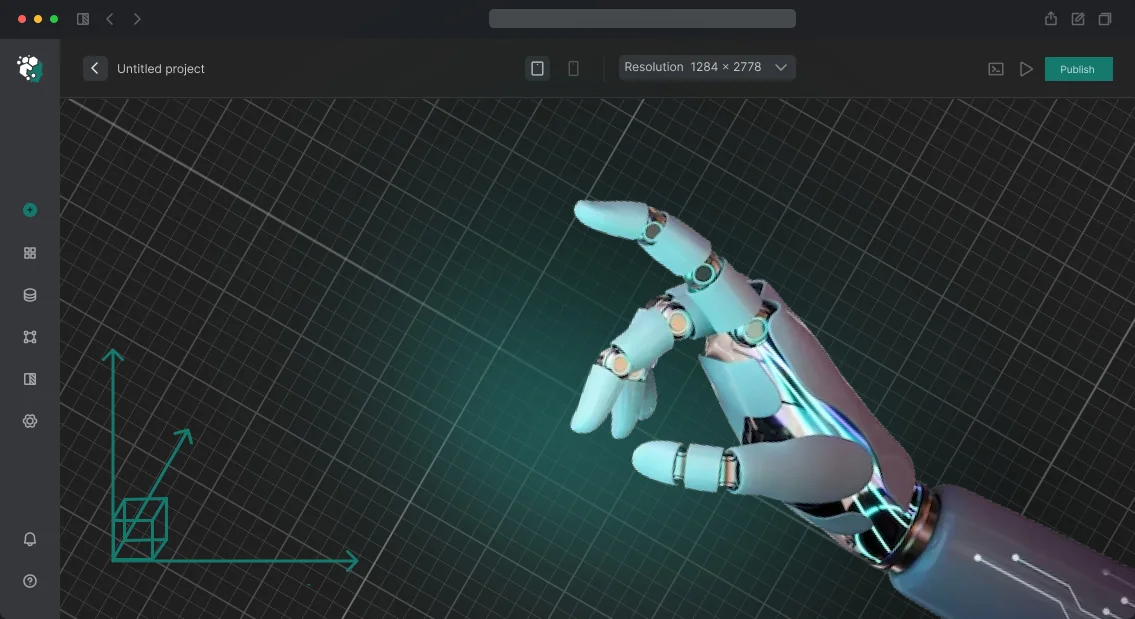
תאום דיגיטלי של ייצור הוא העתק וירטואלי מדויק של הסדנה או המפעל שלך שחי בזמן אמת. הוא משלב נתונים על ציוד, עומס, עובדים וחומרים, ומאפשר לך לראות את כל התמונה בבת אחת ולבחון תרחישים מבלי לסכן את הפעילות השוטפת.
עם תאום כזה, ניתן לזהות צווארי בקבוק מראש, לחדד מוצר חדש לפני שהוא מגיע לפס הייצור, להכשיר עובדים מבלי לעצור את הייצור, ולתכנן תחזוקה כך שהקווים המרכזיים לעולם לא יעצרו.
השקעות בתאום דיגיטלי מחזירות את עצמן דרך הפחתת השבתות וביטול טעויות יקרות.
אנחנו מפתחים תאומים דיגיטליים לייצור המותאמים לארגון שלך: ממודל תלת-ממדי ויזואלי ועד לכלי תכנון מלא. נעזור לך להעריך את ההפסדים הנוכחיים, לבחור אזור פיילוט ולהראות תוצאות על נתונים אמיתיים — לפני שתחליט להרחיב.
אילו יתרונות מקבל ארגון מתאום דיגיטלי
תאום דיגיטלי הוא העתק וירטואלי מדויק של הייצור שחי בסנכרון עם האתר האמיתי. הארגון יכול לראות, לנתח ולשפר תהליכים מבלי לסכן עצירות קו.
הגדלת יעילות הייצור
מנהלים רואים את מצב הציוד ועומס העובדים בזמן אמת, לא בסוף המשמרת. זה מאפשר למצוא במהירות צווארי בקבוק ולחלק מחדש משאבים. בפרויקט אחד ליצרן רכיבי רכב, Прецизион-М, התפוקה גדלה ב-8% ברבעון הראשון.
הפחתת עלויות
לפני ביצוע שינויים בסדנה, אפשר "לחזרות" אותם על ההעתק הדיגיטלי: פריסה חדשה, לוגיסטיקה, מצבי פעולה של מכונות. טעות עולה כמה דקות של זמן וירטואלי, לא שעות של השבתה ופגמים. בממוצע, עלויות המעבר והתיקונים הלא מתוכננים יורדות ב-15–20%.
הכשרת עובדים בטוחה
עובדים חדשים מתאמנים על תאום דיגיטלי, לא על ציוד אמיתי. כל טעות בטוחה: היא פשוט מאתחלת את התרחיש. קליטת עובד עד לתפוקה מלאה מהירה פי 1.5–2, והסיכון לפציעות ותקלות מתקרב לאפס.
אופטימיזציה של תהליכים
המערכת צוברת נתונים על כל מחזור ופעולת מפעיל. אנליטיקה חושפת היכן זמן אובד ורזרבות שבקרה ויזואלית לא יכולה לראות. זה הופך שיפורים מפעולות חד-פעמיות לזרם רציף של רווחי יעילות.
תאום דיגיטלי בדרך כלל מחזיר את ההשקעה תוך חצי שנה עד שנה, ואחר כך ההשפעה רק מצטברת.
פורמטים של הטמעת תאום דיגיטלי: מסימולטור להעתק מלא
תאום דיגיטלי של ייצור אינו מוצר אחד אלא מגוון פורמטים: מסימולטור אימון אינטראקטיבי ועד להעתק דיגיטלי מלא של הייצור.
כל פורמט פותר בעיה עסקית ספציפית — הפחתת תאונות, האצת השקה או אופטימיזציה של ניצול ציוד. לכן, בחירת הפורמט הנכון קובעת את ההחזר על ההשקעה.
אנחנו עוזרים למנהלים להימנע מתשלום יתר על עומק מיותר: אם הבעיה היא מחסור במפעילים מוסמכים, סימולטור מספיק; העתק מלא נדרש כשהשקיפות התהליכית אבדה. להלן שלושת הפורמטים העיקריים שאנחנו מיישמים באתרי ייצור.
| פורמט | למי | מה הוא נותן ללקוח |
|---|---|---|
| סימולטור אינטראקטיבי | מפעילים, צוות תחזוקה, עובדים חדשים | תרגול מיומנויות ללא סיכון לציוד: פחות שגיאות, קליטה מהירה יותר, עלויות הכשרה נמוכות יותר. |
| השקה וירטואלית | צוותי פרויקט, טכנולוגים, שירות המהנדס הראשי | אימות תרחישי השקה לפני ההתקנה: אנחנו מבטלים השבתות, עבודות חוזרות ומצבי חירום במהלך ההשקה. |
| העתק ייצור מלא | מנהלים, שירותי שיגור, אנליסטים | ניטור בזמן אמת, חיזוי עומס ובדיקת "מה-אם" מבלי לעצור את הסדנה או לסכן את התקציב. |
הטמעה הדרגתית היא הדרך הבטוחה ביותר: אתה מקבל תוצאה מהירה באזור פיילוט, ואז מרחיב את הפורמט לכל המפעל. קבוצות ייצור גדולות משתמשות בגישה זו: לדוגמה, סימנס מתחילה עם סימולטורים ליחידות מורכבות ואז בונה העתק מלא.
אנחנו מתאימים אסטרטגיה זו לאתר שלך, למאפייני התהליך ולתקציב — כך שאינך מסכן השקעות גדולות ושולט בכל שלב.
תהליך פיתוח תאום דיגיטלי שלב אחר שלב
תהליך בניית תאום דיגיטלי לוטש בעשרות פרויקטי ייצור. בכל שלב, אתה רואה מה נמסר, כמה זה עולה ומתי זה יהיה מוכן — ללא עבודה נסתרת או חיובים מפתיעים. רק חמישה שלבים ברורים.
-
בריף ואבחון. אנחנו אוספים קלט: איזה אזור ייצור אנחנו הופכים לדיגיטלי, אילו משימות המודל פותר, ועם אילו מערכות הוא חייב לעבוד. הפלט הוא סט קבוע של דרישות ומועדים שאתה מאשר לפני ההתחלה.
-
תכנון. אנחנו יוצרים תוכנית מפורטת: כיצד נתונים ייאספו ויועברו, איך המודל נראה ומתנהג. אתה מקבל שלבים, נקודות ביקורת והעלות של כל שלב.
-
אישור אב-טיפוס. אנחנו מראים גרסה מקדימה של התאום באמצעות נתונים אמיתיים מהייצור שלך. אתה רואה איך המודל עובד ומבצע התאמות לפני השקה מלאה — ללא חיובים נוספים.
-
פיתוח והטמעה. אנחנו מחברים מקורות נתונים, מגדירים ויזואליזציה של ציוד ותרחישי עבודה. אנחנו מוודאים שהמודל משקף במדויק את התהליכים שלך.
-
השקה ותמיכה. אנחנו מכניסים את התאום לפעולה באתר שלך, מאמנים את הצוות שלך ומוסרים תיעוד. אנחנו מנטרים את דיוק הנתונים ומעדכנים את המודל כשהציוד משתנה.
לוחות הזמנים תלויים בהיקף הייצור — משבועיים עד כמה חודשים. אתה מקבל את הזמן המדויק בימים בתחילת הדרך, ודוחות התקדמות קבועים לאורך הדרך. אתה תמיד יודע מתי התאום יהיה פעיל ויתחיל לספק ערך.
זו לא מסירה חד-פעמית: לאחר ההשקה, המודל חי ומתפתח יחד עם הייצור שלך.
מה כלול במסירה: ערכה להפעלת התאום
ערכת המסירה לתאום דיגיטלי של ייצור היא פתרון מוכן להפעלה, לא ערימת קבצים רופפים. אנחנו מוסרים כל מה שהצוות שלך צריך כדי להשתמש בתאום מהיום הראשון: ממודל תלת-ממדי מדויק ועד להכשרת עובדים ותיעוד.
- מודל תלת-ממדי של מתקן הייצור — העתק דיגיטלי מדויק המציג את מצב הציוד והתשתיות בזמן אמת.
- תרחישי עבודה — אלגוריתמים מובנים שממחישים תהליכים, עוזרים למצוא צווארי בקבוק ובוחנים השערות מבלי לעצור את הייצור.
- ממשק עובדים קל לשימוש — מסכים עם מדדי מפתח כך שכל חבר צוות מקבל במהירות את המידע שהוא צריך.
- הוראות ונהלים — מדריכים שלב אחר שלב להפעלה, הגדרה וניהול של התאום.
- הכשרת עובדים — מפגשים מעשיים לצוות שלך, ממפעילים ועד מנהלי מחלקות.
- אחריות ותמיכה לאחר השקה — ייעוץ, עדכונים וחידוד תרחישים לפי בקשותיך.
התוצאה היא לא רק מודל אלא כלי שהמהנדסים והמנהלים שלך משתמשים בו ישירות על רצפת הייצור לשליטה ואופטימיזציה. כל ערכת המסירה מותאמת למשימות שלך, ואנחנו מלווים את ההשקה כך שהתאום מתחיל לספק ערך מיד.
מקרה בוחן: איך תאום דיגיטלי חסך ללקוח עלויות משמעותיות
השבתת ייצור היא הפסד ישיר: הקו עומד, משכורות ממשיכות לרוץ, חוזים נדחים. הלקוח שלנו — מפעל «ПромКомплект» — הפסיד סכום משמעותי מדי חודש בגלל מעברים לא יעילים בין מוצרים ועצירות לא מתוכננות.
כל שעת השבתה נשאה עלות כבדה, ומכיוון שהמשמרות לא היו מתואמות, ההפסדים הצטברו בשקט. ההנהלה הבינה את הבעיה אך לא יכלה להתנסות בבטחה על הקו הרץ.
בנינו תאום דיגיטלי של ייצור — העתק וירטואלי מדויק של אזור ההרכבה. המהנדסים יכלו כעת להריץ קדימה משמרת, לשנות פרמטרים ולבחון השערות מבלי לסכן עצירה של ציוד אמיתי.
זה חשף צווארי בקבוק שהיו נראים בעבר רק במהלך כיבוי חירום. ההעתק הווירטואלי משחזר במלואו את התנהגות הקו, כך שאפילו התרחישים המסוכנים ביותר ניתנים לבדיקה מבלי לפגוע בייצור.
במקביל, הכשרנו את הצוות לעבוד עם התאום — כעת הם מדמים שינויים בעצמם ובוחרים הגדרות אופטימליות. המפעל כבר לא תלוי בנו לפעולות יומיומיות.
תוצאה
ההשבתות ירדו ב-30%, והחיסכון השנתי עלה על עלות הפרויקט — הנתון המדויק מחושב לאחר ביקורת. התאום החזיר את עצמו תוך 4 חודשים, והמפעל החל לספק אצוות מהר יותר ובאמינות רבה יותר, מה שחיזק את הקשרים עם לקוחות מפתח.
המפעל קיבל גם כלי לשיפור מתמיד: כל שינוי נבדק תחילה על התאום ואז מיושם. זה הפחית סיכונים והאיץ את מודרניזציית הקו.
אם הציוד שלך עומד בטל או שהמעברים אורכים זמן רב מדי, סביר שיש לך רזרבה דומה. אנחנו יכולים לעזור לך למצוא אותה ולהפוך אותה לערך אמיתי — האם נדון בתהליך שלך?
שאלות נפוצות על הטמעת תאום דיגיטלי
אימוץ תאום דיגיטלי מואט בדרך כלל לא על ידי טכנולוגיה, אלא על ידי חששות: "כמה זמן זה ייקח," "כמה זה יעלה," ו"האם נצטרך לבנות מחדש את כל המערכת." הנה תשובות ישירות לשאלות המפתח — ללא פרטים טכניים, רק העיקר.
כמה זמן אורכת ההטמעה?
פרויקט פיילוט באזור ייצור אחד אורך 2–4 שבועות — מספיק כדי להראות תוצאות ולהעריך את ההשפעה. פריסה מלאה ברחבי המפעל בדרך כלל נכנסת ל-1–3 חודשים, תלוי במספר הסדנאות ובמוכנות הנתונים.
אנחנו מתחילים עם ביקורת קצרה ותוכנית מוסכמת: אתה יודע את לוחות הזמנים לכל שלב מראש. אם נתוני תהליך חסרים חלקית, אנחנו מוסיפים זמן לאיסוף, אבל אנחנו מזהירים אותך בכנות לפני ההתחלה.
כמה עולה תאום דיגיטלי?
העלות תלויה בהיקף המשימה. מודל תלת-ממדי מדויק של מתקן בודד מתחיל בתעריף המחושב לאחר ביקורת, ותאום מקיף של כל הייצור עם אנליטיקה וחיזויים נכנס לטווח שמכסה 90% מהפרויקטים שלנו. טווח המחירים המדויק נקבע לאחר הבריף.
הנתון הסופי מחושב לאחר ביקורת ואז מקובע בחוזה; הוא לא משתנה במהלך התהליך. אין תשלומים נסתרים עבור "שעות נוספות" — ההיקף ברור לפני שאנחנו מתחילים.
איך התאום משתלב עם המערכות הקיימות שלנו?
אין צורך להחליף דבר. התאום מתחבר למה שכבר עובד: מערכות הנהלת חשבונות, חיישנים, קווים אוטומטיים. אנחנו אוספים נתונים ממקורות קיימים ומביאים אותם למודל ויזואלי אחד.
אם אזור מסוים אינו דיגיטלי, אנחנו מוסיפים חיישנים בדיוק שם או מגדירים הזנה ידנית. עבור הצוות שלך, זה אומר מסך אחד מוכר במקום כמה תוכנות מפוזרות.
מה קורה אם ציוד מתקלקל או נתונים אובדים?
התאום הדיגיטלי הוא בדיוק מה שעוזר למנוע תקלות: הוא מראה סטיות בפעולת רכיבים ומזהיר על סיכון הרבה לפני כשל. למודל עצמו אין השפעה על ציוד פיזי והוא לא יכול להזיק לו.
אנחנו מספקים אחריות על כל העבודות ונשארים בקשר לאחר ההשקה. אם המערכת נכשלת, המהנדסים שלנו מאבחנים את הבעיה מרחוק ובמידת הצורך מתחברים במהירות לשרת שלך. הצוות שלך לעולם לא נשאר לבד עם הטכנולוגיה.
מוכן לקבל את התאום הדיגיטלי שלך? השאר בקשה
אתה כבר יודע איזו תוצאה הייצור שלך צריך: פחות השבתות, תכנון מדויק, מודל ויזואלי להכשרה ושליטה. עכשיו הגיע הזמן להפוך את זה לפרויקט ברור עם תמחור שקוף. השאר בקשה, ותוך 3 ימים נכין הצעה למשימה שלך.
מה תקבל לאחר פנייה אלינו:
- אב-טיפוס של תאום דיגיטלי — ראה איך הפתרון ייראה ויעבד על הנתונים שלך.
- תוכנית הטמעה שלב אחר שלב — הבן מה קורה בכל שלב ומי אחראי על מה.
- הערכה עם פירוט ברור — חשב את העלות והתאם את ההיקף ללא תוספות נסתרות.
- לוחות זמנים ריאליים — עם נקודות ביקורת כדי שתוכל להתאים את הפרויקט ללוח הייצור שלך.
- המלצות פורמט — אנימציה תלת-ממדית, מודל אינטראקטיבי או וידאו, תלוי במטרה שלך.
זה לא מחייב. אתה מקבל קלט קונקרטי להחלטה שלך, לא מילים כלליות. השאר בקשה — ותוך 3 ימים תדע איך נראה התאום הדיגיטלי של הייצור שלך, כמה הוא עולה ומתי הוא יופיע על רצפת הייצור שלך.
איך לבחור את פורמט התאום הדיגיטלי הנכון לייצור שלך?
בחירת פורמט תאום דיגיטלי מתחילה לא בטכנולוגיה, אלא בשאלה: איזו בעיית ייצור אתה פותר קודם? אם אתה צריך לשלוט בניצול ציוד ולחזות השבתות, מודל תלת-ממדי אינטראקטיבי של הסדנה עם נתונים בזמן אמת מספיק.
אם המטרה היא להכשיר עובדים או לכוונן קו חדש לפני השקה, נדרש סימולציה מפורטת יותר של תהליכים.
התעשייה קובעת דרישות: ייצור בדיד דורש דיוק הרכבה, תהליכים רציפים דורשים תגובה מהירה לסטיות, ולוגיסטיקה דורשת אופטימיזציה של זרימה.
ההיקף קובע את עומק הפירוט. עבור אזור קטן או קו בודד, אין טעם לבנות העתק דיגיטלי של כל המפעל — זה תקציב וזמן מיותרים.
גישה חכמה היא להתחיל עם אזור פיילוט שמספק השפעה מהירה וניתנת למדידה, ואז להרחיב את המודל לשלבי ייצור סמוכים. כך, אתה מקבל כלי עובד תוך שבועות, לא שנה.
התקציב מתפרס בהדרגה, וכל שלב מחזיר את עצמו דרך הפחתת השבתות או הגדלת תפוקה.
המהנדסים שלנו בוחרים פורמט שמתאים למאפיינים שלך: ממודל ויזואלי קל למצגות ועד סימולציה מלאה עם אנליטיקה. בכל מקרה, אתה מקבל כלי ברור המשולב בתהליכים הקיימים שלך — ללא צורך לשנות ציוד או להכשיר מחדש צוות.
אם אינך בטוח איזו רמת פירוט אתה צריך, נבצע ביקורת קצרה: נראה היכן התאום יספק השפעה מקסימלית על הייצור שלך ונספק טווח תקציב לפני תחילת העבודה.
ההחלטה הסופית היא תמיד שלך — אנחנו פשוט עוזרים לך להימנע מתשלום יתר על פירוט מוגזם ולהימנע ממימון חסר של מה שקריטי למשימה שלך.