

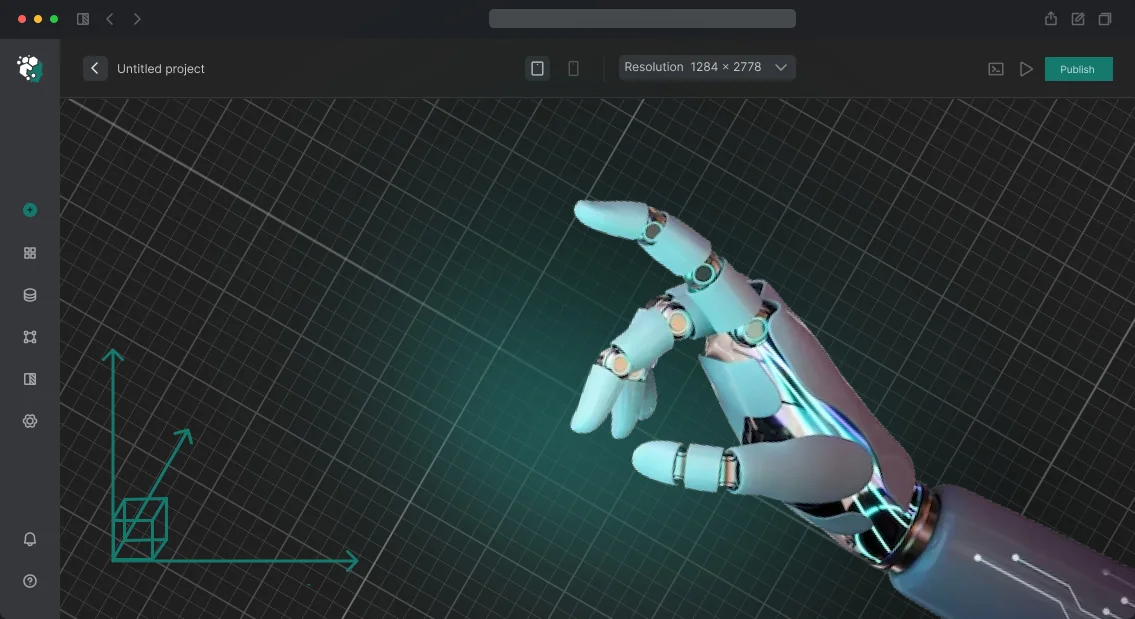
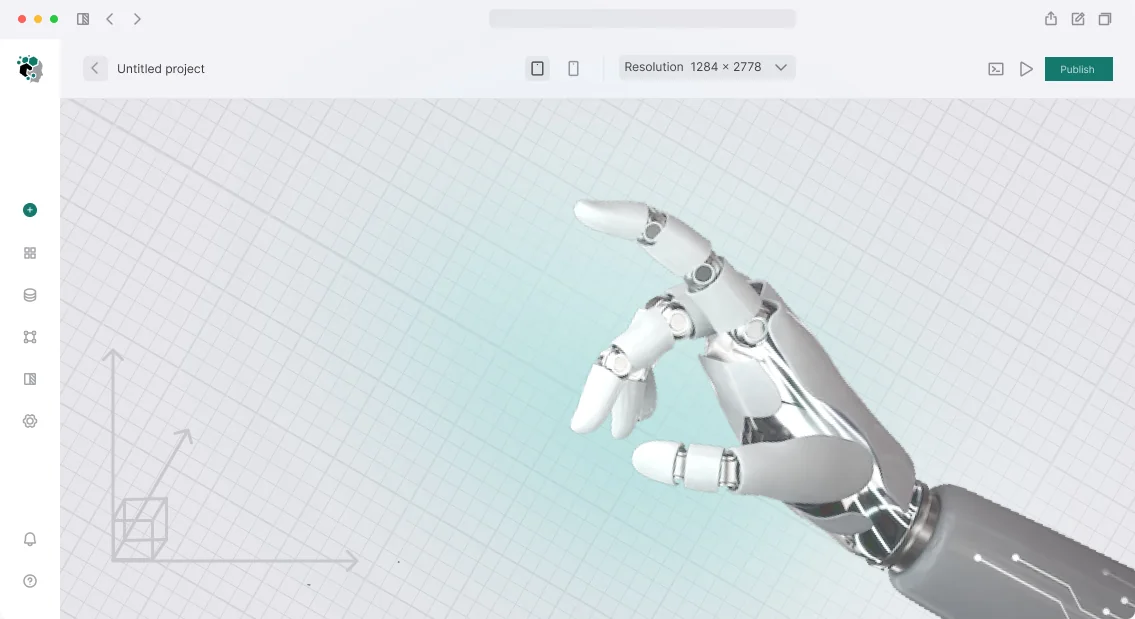






פיתוח תאום דיגיטלי לניהול שדות תעופה: מה הוא מספק
שדה תעופה הוא מערכת מורכבת שבה עשרות תהליכים מתנהלים במקביל: טיפול בטיסות, זרמי נוסעים, מטען, ציוד קרקעי וצוות.
כל שיבוש בחוליה אחת — טיסה מעוכבת, תור בביטחון, גשר עלייה בטל — מתורגם לדקות וכסף שאבדו. ככל שתנועת הנוסעים גדלה, הניהול הידני נעשה קשה יותר, ומחיר הטעות עולה.
תאום דיגיטלי של שדה תעופה פותר בדיוק את הבעיה הזו. הוא העתק וירטואלי של תשתיות ותהליכים הפועל על נתונים בזמן אמת. מנהל יכול לראות היכן נוצרים צווארי בקבוק, להריץ תרחישי "מה יקרה אם..." ולקבל החלטה לפני שתקלה עוצרת את הפעילות.
גישה זו משפיעה ישירות על היעילות התפעולית: פחות עיכובים, תפוקה גבוהה יותר ושימוש צפוי במשאבים.
למי שמשקיע בתשתיות תעופה, זהו גם כלי תכנון. אפשר לבדוק כיצד ישתנה זרם הנוסעים עם בניית טרמינל חדש או רכישת ציוד נוסף לפני התחייבות לכספים. הסיכונים מצטמצמים, וההחזר על ההשקעה הופך למדיד.
אנחנו בונים תאומים דיגיטליים לשדות תעופה המותאמים למשימה הספציפית של הלקוח — ממודל של זרמי נוסעים ועד ניהול טיפול בטיסות. אנו מנתחים תהליכים, בונים את המודל, מחברים מקורות נתונים ומשיקים פתרון שעוזר לנהל את שדה התעופה על סמך עובדות, לא ניחושים.
מה מקבלים לאחר השקת מודל שדה תעופה דיגיטלי
מקבלים לא רק תמונה תלת-ממדית יפה, אלא כלי ניהול עובד. המודל הדיגיטלי מאחד נתוני שדה תעופה מפוזרים למערכת אחת שעוזרת לראות בעיה לפני שהיא עוצרת את הפעילות.
נראות נתונים לפעילות שדה התעופה
המודל הדיגיטלי מרכז מידע על תנועות מטוסים, נוסעים ושירותים קרקעיים לתצוגה אחת. המנהל רואה את המצב בזמן אמת — מתורים בדלפקי הצ'ק-אין ועד עומס על המסלולים. זה מאפשר קבלת החלטות מהירה ומונע השבתות.
חיזוי עומסים
בהתבסס על מדדים היסטוריים ועדכניים, המודל מעריך עומסי שיא על טרמינלים, עמדות חניה וצוות. יודעים מראש מתי יידרשו משאבים נוספים ויכולים לחלק אותם מחדש ללא לחץ או הוצאות יתר.
חיסכון בתקציב
תכנון מדויק מפחית הוצאות על דלק, חשמל ושעות נוספות. המודל מזהה מסלולי ציוד לא יעילים ומציע היכן ניתן לחסוך מבלי לפגוע באיכות. מניסיון הפרויקטים שלנו, תקציב התחזוקה יורד ב-10–15%.
הגדלת תפוקה
אופטימיזציה של זרמי נוסעים ומטוסים מגדילה את מספר הטיסות והלקוחות המטופלים ללא הרחבת תשתיות. שדה התעופה מטפל ביותר תנועה באותם מבנים, מה שמגביר הכנסות ושביעות רצון חברות התעופה.
פורמטי פריסה לתאום דיגיטלי של שדה תעופה
תאום דיגיטלי של שדה תעופה אינו מוצר אחד מוכן מראש אלא כמה פורמטי פריסה. ההבדל טמון בעומק האינטגרציה ובכיסוי הנתונים: ממודל תלת-ממדי ויזואלי להדרכה ועד לולאה תפעולית אחידה שמנהלת זרמי נוסעים בזמן אמת.
אנחנו בוחרים את הפורמט לפי המשימה הספציפית — לא "פורסים הכל בבת אחת" אלא מתחילים במה שיניב תוצאות מוחשיות בתוך החודשים הקרובים. להלן השוואה של תרחישים אופייניים.
| פורמט | למי | מה הוא מספק |
|---|---|---|
| ויזואליזציה להדרכה ומצגות | לעובדים חדשים, שירותי ביטחון תעופתי, משקיעים | נראות תהליכים, קיצור זמן הדרכה, הגברת אמון בפרויקט |
| פרויקט פיילוט | להנהלה שזקוקה לתוצאות מהירות בתחום אחד — טרמינל, חניה או אזור בידוק ביטחוני | אימות טכנולוגיה ללא השקעה גדולה, הדגמה ברורה של השפעה, בסיס להרחבה עתידית |
| אינטגרציה עם מערכות קיימות | למחלקות תפעול ו-IT | נתונים עדכניים בלולאה אחידה, פחות עבודה ידנית ופחות שגיאות, שליטה במצב בזמן אמת |
| לולאה תפעולית בקנה מידה מלא | להנהלת שדה התעופה ולכל שירותי התפעול | מודל תהליכים דיגיטלי אחיד, אופטימיזציה של זרימות, הגדלת תפוקה ללא הרחבת תשתיות |
כיצד מתנהל הפרויקט: שלבים ולוחות זמנים
העבודה על תאום דיגיטלי לשדה תעופה היא תהליך מנוהל עם נקודות בקרה ברורות. אנו מתעדים הסכמות בכל שלב, כך שתמיד יודעים מה יסופק ובאיזה פרק זמן.
- בריף וראיונות עם מחלקות — אנו מנתחים כיצד שדה התעופה ישתמש בתאום הדיגיטלי: בקרת זרמי נוסעים, ניהול טיסות, תחזוקת ציוד. זהו השלב לאיסוף נתוני מקור.
- אישור אב-טיפוס ותרחישים — אנו מראים כיצד ייראו אזורי הטרמינל, מסלולי ההמראה והתנועה על המסכים. אתם מאשרים את ההיגיון התפעולי לפני תחילת הפיתוח המפורט.
- אישור סגנון ויזואלי — אנו מגדירים רמות פירוט, סטטוסי צבע לעומס עמדות ותורים. אתם מקבלים מודל שניתן להציג להנהלה.
- פיתוח והרכבת התאום הדיגיטלי — אנו בונים מודל של הטרמינל והסביבה וממלאים אותו בנתונים מהמערכות הפנימיות של שדה התעופה.
- בדיקות עם הצוות שלכם — אנו מוודאים כיצד התאום הדיגיטלי מתנהג במצבים רגילים וחריגים. אתם מספקים משוב, ולאחר מכן מאושרת המוכנות.
- השקה ותמיכה — אנו משלבים את התאום הדיגיטלי בתהליכים היומיומיים, מאמנים עובדים ונשארים זמינים לשיפורים נוספים.
לוח זמנים אופייני לפרויקט הוא 2 עד 4 חודשים, תלוי במספר המודולים ומקורות הנתונים. לכל שלב יש נקודת בקרה משלו, כך שתמיד מבינים בעד מה משלמים ומה מקבלים.
מה כלול במסירה: חבילה מלאה לצוות שלכם
המסירה כוללת לא רק סרטון אלא חבילת עבודה מלאה שנשארת אצלכם וממשיכה לספק ערך לאחר סיום הפרויקט.
אנו מוסרים את כל הנכסים בפורמט נוח כך שהצוות שלכם יוכל לעדכן, לפתח ולהשתמש בתאום הדיגיטלי באופן עצמאי, ללא תלות בנו.
- מודל שדה תעופה דיגיטלי מוכן. אתם מקבלים מודל תלת-ממדי אופטימלי של השטח, הטרמינלים והתשתיות. ניתן להשתמש בו לתוכניות פיתוח, הדרכת צוות, מצגות ויישור קו עם קבלנים.
- תיעוד מלא. תיאורים של ההיגיון התפעולי, מבני נתונים ותרחישי שימוש. התיעוד כתוב בשפה פשוטה — גם ראשי מחלקות וגם צוות טכני יכולים להבין אותו.
- חומרי הדרכה והעברת ידע. אנו מאמנים את הצוות שלכם: מראים כיצד לנהל את המודל, לעדכן מידע ולהוסיף אובייקטים חדשים. לאחר מכן, המומחים שלכם עובדים באופן עצמאי.
- תרחישי אינטגרציה מוכנים. אנו מספקים סט הגדרות ונהלים לחיבור למקורות הנתונים שלכם — לוחות טיסות, מערכות ביטחון, חיישנים. האינטגרציה מתבצעת ללא הפרעה לפעילות שדה התעופה.
- קבצי פרויקט מקור. אנו מוסרים את כל קבצי המקור, הטקסטורות וקבצי הסצנה. אינכם תלויים בנו: ניתן להביא צוות אחר או לשפר את המודל בבית בכל עת.
- תמיכה טכנית במהלך ההטמעה. אנו עוזרים להגדיר את המודל בסביבה שלכם, עונים לשאלות הצוות ומבטיחים פעילות יציבה לתקופה מוסכמת.
חבילה זו מכסה את צורכי הניהול המרכזיים: מקבלים לא "קופסה שחורה" אלא כלי שניתן להטמיע בתכנון היומיומי ובתהליכי הבקרה.
אם עולות משימות חדשות — למשל הוספת אזור בנייה או שינוי תבנית תנועה — הצוות שלכם יכול לבצע זאת במהירות ללא הזמנה חדשה ויקרה.
מקרה בוחן: כיצד תאום דיגיטלי צמצם עיכובי טיסות
ניהול כאוטי של זרמי נוסעים וציוד קרקעי הופך לגורם העיקרי לעיכובי טיסות. בשעות השיא, פקח צריך לפתור עשרות משימות במקביל, וכל היסוס גורר עיכובים וקנסות.
בנינו תאום דיגיטלי עבור מוקד בינלאומי גדול — העתק תלת-ממדי מדויק של רחבת החניה עם תנועת כל האובייקטים בזמן אמת. מנהל המשמרת רואה את התמונה המלאה על המסך במקום נתונים מפוזרים ממערכות שונות. זה מאפשר לשנות מסלולים מראש ולהימנע מעימותים.
והכי חשוב — העבודה לא נשארה אב-טיפוס אלא הפכה לכלי עובד בפעילות היומיומית. הנה התוצאות המדידות שהלקוח השיג בחודשים הראשונים.
תוצאה עסקית
זמן העיכוב הממוצע בהמראות ירד ב-18% — עבור שדה תעופה, זה עשרות מיליונים בשנה בחיסכון בקנסות ובנזקי מוניטין. במקביל, הדיוק בנחיתות השתפר ב-7%, שכן פריקת המטען וההכנה לסיבוב מתנהלים כעת בצורה חלקה יותר.
הפקחים הפסיקו לעבוד במצב כיבוי שריפות מתמיד. במקום זאת, הם קיבלו יכולת לדמות תרחישים 30–40 דקות קדימה. במילותיו של מנהל שדה התעופה: "לראשונה ראינו את כל רחבת החניה בפעולה. עכשיו אנחנו מקבלים החלטות לפני שצצה בעיה."
אמון ושלבים הבאים
הפרויקט החזיר את השקעתו תוך עונה אחת, והלקוח הרחיב את הפריסה לטרמינל שכן. אנו מפתחים כעת את המערכת לחיזוי זרמי נוסעים — זה יאפשר תכנון משאבים ולוחות זמנים מדויק עוד יותר.
מערכת ניהול שדה התעופה נמצאת בשימוש יומיומי, והמהנדסים שלנו תומכים בה ומוסיפים תרחישים חדשים ככל ששדה התעופה גדל. עבורנו, זה מאשר שתאום דיגיטלי הוא לא רק תמונה תלת-ממדית יפה אלא כלי שמשפיע ישירות על הכנסות ויעילות.
כיצד לבחור את הפורמט המתאים למשימה שלכם?
בחירת הפורמט מתחילה בשאלה: מי ישתמש בתאום הדיגיטלי וכיצד. לדוח לדירקטוריון, סרטון מרשים שמראה זרמי נוסעים ועומס טרמינל בשתי דקות עשוי להספיק.
לניהול יומיומי, נדרש מודל אינטראקטיבי שבו הפקח יכול לשנות תרחישים בעצמו — לנתב זרימות, לפתוח דלפקים ולראות השלכות בזמן אמת.
הקריטריון השני הוא רמת הפירוט וטריות הנתונים. לאישור תכנית, ויזואליזציה תלת-ממדית ריאליסטית עם אזורי מפתח מספיקה. כשהתאום הדיגיטלי עוזר בקבלת החלטות כל יום, הדחיפות חשובה: עומס עמדות, תורי ביטחון, תנועת כלי רכב. אנו בוחרים את רמת הפירוט שמניבה תוצאות מבלי לשלם יותר מדי עבור גרנולריות מוגזמת.
הקריטריון השלישי הוא הקהל. ההנהלה הבכירה זקוקה לבהירות ויזואלית ותרחישים מובנים; מנהלי משמרות זקוקים לתגובה מהירה; מחלקת ההדרכה זקוקה ליכולת לתרגל מצבים חריגים.
על ידי הבנת המשתמשים, אנו מציעים פורמט שבאמת ישמש, לא תמונה סטטית "ליופי".
המסקנה פשוטה: אנו מגדירים את המטרה, הקהל והדיוק הנדרש, ואז בוחרים את הפורמט — מסרטון מצגת ועד מערכת אינטראקטיבית.
אנו עוזרים למצוא כיוון בהתחלה ולתעד בבריף מה התאום הדיגיטלי צריך להראות ואילו החלטות עליו לתמוך. כך מקבלים כלי למשימה ספציפית, לא אוסף של תמונות מושכות.
חששות נפוצים: תשובות לפני שמתחילים
תאום דיגיטלי לשדה תעופה הוא פרויקט רציני, ולפני ההתחלה למנהלים יש שאלות לגיטימיות: האם לוחות הזמנים יחליקו, כיצד מוגנים נתונים, וכמה קשה לחבר את המודל למערכות קיימות. אנו עונים בקצרה ולעניין, ללא אותיות קטנות. אם נותרו ספקות, נדון בהם בהדגמה אישית.
מה אם הפרויקט יתעכב?
אנו עובדים בשלבים עם תאריכים קבועים וקריטריוני מוכנות ברורים. אתם מאשרים כל שלב לפני המעבר לשלב הבא — כך שנינו רואים התקדמות ומסירים סיכונים בזמן. החוזה מפרט לוחות זמנים ואחריות: אם נפספס מועד, תקבלו פיצוי.
האם נתוני שדה התעופה עלולים לדלוף?
האבטחה היא היסוד. אנו מפרידים גישות: העובדים שלכם רואים רק את הנתונים הדרושים למשימותיהם, השידור מתבצע בערוצים מוגנים, וכל המידע מאוחסן בהתאם לדרישות התעשייה.
לפני ההשקה, אנו עורכים ביקורת אבטחה ומשתפים אתכם בדוח — אתם יודעים בדיוק מי ניגש למערכת ובאילו תנאים.
האם קשה לשלב את התאום הדיגיטלי עם המערכות שלנו?
אנו מתכננים אינטגרציה מההתחלה: מנתחים את התשתית שלכם, בוחרים נקודות חיבור ומתכננים את המעבר מבלי לעצור את פעילות שדה התעופה. נתונים ממכ"מים, חיישנים ולוחות זמנים נמשכים למודל אחד, בעוד אתם ממשיכים לעבוד בממשקים מוכרים. בדרך כלל מספיקים שבועיים עד שלושה לאזור פיילוט כדי לאשר את התוצאה.
מוכנים לדון בפרויקט שלכם? שלחו בקשה
בואו נדון בפרויקט התאום הדיגיטלי שלכם ללא התחייבות: אתם מספרים על המשימות שלכם, ואנו מציעים אפשרויות פתרון. הצעד הראשון הוא בקשה קצרה — לאחר מכן, אנו קובעים ייעוץ שבו מבהירים מטרות, היקף והשפעה צפויה.
מהבקשה נוצר בריף — מסמך שבו אנו מתעדים בדיוק מה התאום הדיגיטלי ידגם: זרמי נוסעים, עומס מסלולים, טיפול בטיסות או כל התשתית. לאחר מכן אנו מראים כיצד זה ישפיע על ניהול שדה התעופה.
מה מקבלים בהתחלת הבקשה
- תשומת לב עדיפות — אנו לוקחים לא יותר מכמה פרויקטים בו-זמנית כך שכל אחד מקבל את רמת המעורבות הנדרשת.
- הערכה ברורה של לוחות זמנים ועלות לפני תחילת הפיתוח — אתם מבינים מתי ובעד מה אתם משלמים, ללא שלבים נסתרים.
- המלצה כנה — אם פתרון פשוט מספיק למשימה שלכם, נציע אותו כדי שלא תשלמו יותר מדי עבור פירוט מוגזם.
- תוכנית עבודה לשלב הראשון — לאחר הייעוץ, תקבלו את המבנה של התאום הדיגיטלי העתידי ורשימת נתונים הנדרשים מהצוות שלכם.
- דוגמאות מותאמות לפרטים שלכם — אנו מראים כיצד משימות דומות נפתרות עבור שדות תעופה בגדלים שונים ודנים במה שרלוונטי במקרה שלכם.
- נקודת קשר קבועה — מנהל אחד מטפל בכל השאלות, כך שלעולם לא מאבדים הקשר במעברים.
שלחו בקשה — נגיב בתוך יום עסקים אחד, נקבע ייעוץ של 30 דקות, ויחד נקבע כיצד תאום דיגיטלי יפחית עלויות ויגדיל את התפוקה של שדה התעופה שלכם. זה לא מחייב, אבל יבהיר לכם את הצעד הנכון הבא.