

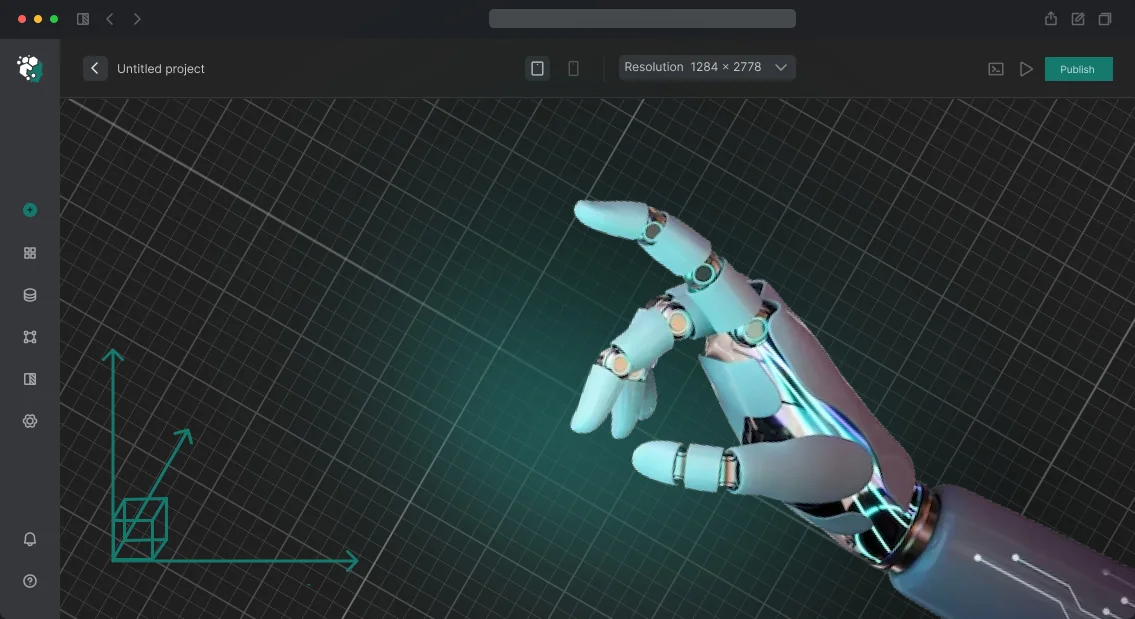
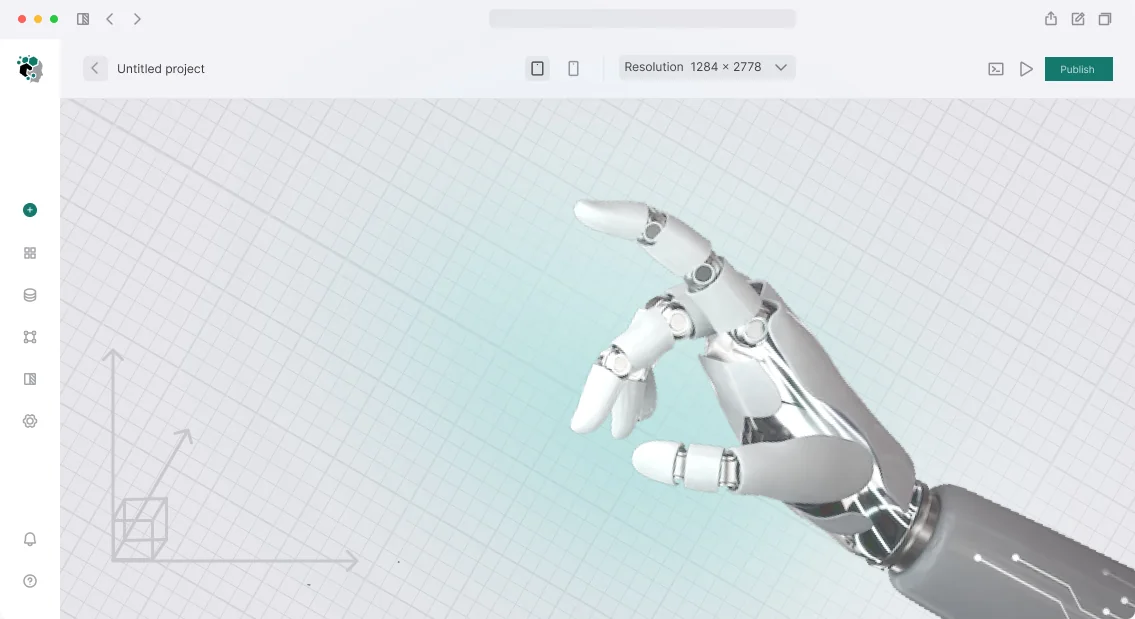






חברות תוכנה לתאומים דיגיטליים מפסידות ללא ויזואליזציית תלת-ממד
חברות תוכנה לתאומים דיגיטליים משקיעות שנים בפיתוח, אך לעיתים קרובות מפסידות בשלב המכירות. מאחורי ממשקים מורכבים ושרטוטים, הלקוח אינו יכול לראות את הערך של המערכת העתידית.
החלטות רכישה מתקבלות תוך דקות, ואם הצגת התאום הדיגיטלי נראית כמו אוסף של דיאגרמות, העניין דועך. ללא ויזואליזציית תלת-ממד איכותית, אפילו מוצר חזק נתפס כאב-טיפוס גס.
אנימציית תלת-ממד הופכת מודל טכני לסיפור ויזואלי של יתרונות. ניתן להראות כיצד אובייקט מתנהג בתרחישים אמיתיים: תנועת זרימה, תגובה לעומסים, מצבי חירום ותחזוקה מתוכננת.
הלקוח רואה את התוצאה במו עיניו במקום להסיק אותה ממפרטים. זה מקצר את מחזור האישורים ומפחית את מספר ההתנגדויות במכרז.
מנהלים סומכים על תמונה המדברת בשפת העסק שלהם. דקה אחת של וידאו מחליפה שעה של הסברים מילוליים ועשרות שקופיות עם פרמטרים.
לאחר הצגה כזו, חברות תוכנה לתאומים דיגיטליים מקבלות פחות שאלות כמו "איך זה יעבוד אצלנו?" ויותר בקשות קונקרטיות לפרויקט פיילוט.
במשך יותר מעשר שנים, אנו יוצרים ויזואליזציית תלת-ממד ואנימציה למוצרים תעשייתיים ודיגיטליים. המהנדסים שלנו מבינים את הפיזיקה של התהליכים, ולכן אין גרפיקה דקורטיבית בסרטונים שלנו.
כל פריים עונה על שאלת הלקוח: איך התאום הזה יחסוך כסף, יאיץ עבודה או ישפר בטיחות. אתה מקבל לא רק הדגמה, אלא כלי שמקצר את הדרך מהצגה לחוזה חתום.
מה אתה מקבל מסטודיו לאנימציה וויזואליזציה
אתה מקבל לא רק וידאו, אלא כלי מכירה: אנימציית תלת-ממד מסבירה מוצר מורכב תוך דקה. הלקוח צריך רק לראות איך המכשיר עובד, איך הוא נראה מבפנים, ואיך הוא משתלב בתהליכים שלו.
זה חשוב במיוחד עבור תאומים דיגיטליים — כאשר המוצר עדיין לא קיים פיזית או מורכב מדי להדגמה אמיתית.
היתרון הראשון הוא זיהוי. ויזואליה וסרטונים בהירים מתפשטים ברשתות החברתיות ובתערוכות, ובונים תדמית של מותג מודרני. תוכן כזה מושך לקוחות ללא עלויות פרסום נוספות וממשיך לעבוד לאחר ההשקה.
היתרון השני הוא גידול בלידים ובהמרות. כאשר קונה רואה תמונה מדויקת וברורה, יש לו פחות ספקות והוא מגיע להחלטה מהר יותר. מחלקת המכירות לא צריכה לשכנע; עסקאות נסגרות לעיתים קרובות יותר. בפרויקטים שלנו, פניות גדלות ב-20–40% לאחר החלפת חומרים סטטיים באנימציה.
היתרון השלישי הוא חיסכון בזמן. וידאו אחד מחליף עשרות הדגמות: הוא מוטמע במצגות, מוצב באתר ונשלח באמצעות קישור. מנהלים עובדים רק עם אנשי קשר חמים, והוויזואליזציה מסבירה פרטים טכניים.
אנו משלימים פרויקטים על ציוד מקצועי עם צינור עיבוד יעיל — כך שהתוצאה יציבה ומועדים נשמרים. מהנדסים מבינים את התעשייה שלך ובוחרים את הפורמט: מטיזר קצר ועד ויזואליזציה אינטראקטיבית מלאה. התוצאה היא לא רק שוטים יפים, אלא כלי עבודה לצמיחת מכירות.
פורמטים של אנימציית תלת-ממד/דו-ממד למשימה שלך
תאום דיגיטלי הוא כלי חזק, אך ללא הצגה נכונה ערכו אובד. שרטוטים, טבלאות ודיאגרמות לוגיות מובנים למומחים מצומצמים, אך משקיע, מנהל או עובד חדש זקוק לפורמט אחר — ויזואלי, מהיר ובלתי נשכח.
לכן אנימציה, ויזואליזציה ווידאו הפכו לחלק חיוני בעבודה עם תאומים דיגיטליים.
אנחנו לא רק יוצרים "תמונה"; אנו בוחרים פורמט למשימה שלך: היכן וכיצד החומר יוצג, ואיזו תגובה אתה צריך לקבל. להלן תרחישים טיפוסיים המכסים את הצרכים העיקריים של הלקוחות.
| פורמט | למי | מה זה נותן ללקוח |
|---|---|---|
| וידאו תלת-ממד | מנהלים, משקיעים, לקוחות | מציג במהירות את האובייקט בפעולה, מדגיש את הריאליזם וההיקף של הפתרון, מפשט מכירות והגנת פרויקט. |
| אינפוגרפיקה דו-ממדית | שיווק, מצגות, תיעוד | מסביר איך דברים עובדים בפשטות ובהירות, הופך תהליכים מורכבים למובנים ללא הכשרה מיוחדת. |
| אינטראקטיבי | אתר, תערוכה, פורטל לקוחות | מאפשר למשתמש לחקור את המודל בעצמו — מגביר מעורבות, מגדיל את זמן השהייה בעמוד. |
| קורס הדרכה | צוות, מומחים טכניים | מקצר את זמן הקליטה, מפחית טעויות ומספק תקן אחיד לעבודה עם המוצר. |
אלה אינם גבולות נוקשים: אנו часто משלבים פורמטים ויוצרים סגנון אחיד למותג שלך. בייעוץ, נציג דוגמאות ונעזור לך לבחור את האפשרות האופטימלית למשימה ספציפית.
איך מתנהלת עבודת הפרויקט: מבריף ועד השקה
תהליך ברור פירושו תוצאה צפויה. חילקנו בכוונה את העבודה לשלבים כך שבכל שלב אתה רואה מה קורה, שולט בלוחות הזמנים והתקציב, ומקבל בדיוק מה שסוכם.
להלן איך אנו עובדים על וידאו תלת-ממד, אנימציה דו-ממדית וויזואליזציה.
- בריף והתעמקות. אנו דנים במשימה, בקהל ובמטרת הווידאו. אנו מבהירים היכן הוא ישמש: אתר, תערוכה, מצגת לשותפים. כתוצאה מכך, אנו קובעים לוחות זמנים והערכה.
- תוכנית ותסריט. אנו מציעים קונספט, סטוריבורד וטקסטים. אתה רואה את המבנה של הווידאו העתידי לפני העיבוד ומבצע עריכות מראש.
- אישור סגנון. אנו מציגים דוגמאות ויזואליות ופתרונות צבע. אנו מסכימים על מראה האובייקטים, הדמויות והממשקים כך שיתאימו למותג שלך.
- יישום. אנו יוצרים סצנות תלת-ממד, אנימציה, עריכה וסאונד. במקביל, אנו מקיימים סקירות ביניים — אתה לא מקבל הפתעות בסוף.
- השקה. אנו מספקים את הווידאו בפורמטים הנדרשים ומתאימים אותו לפלטפורמות: אתר, רשתות חברתיות, מסכי אירועים, מצגות.
- תמיכה. לאחר ההשקה, אנו נשארים בקשר: אנו מבצעים עריכות, יוצרים גרסאות לקהלים שונים ומעדכנים את האנימציה אם מוצרים או נתונים משתנים.
מה כלול במסירה: ערכה לפרויקט שלך
אנו מספקים ערכה, לא רק כמה קבצים — אתה מקבל את כל מה שצריך כדי לעבוד עם התוצאה ולהשתמש בה בערוצים שלך.
המסירה כוללת סרטונים מוגמרים, קבצי מקור מלאים, גרסאות מותאמות לרשתות חברתיות והוראות ברורות, כך שהצוות שלך יכול להשיק את הפרויקט ללא קבלנים נוספים.
- סרטונים ואנימציות מוכנים — קבצים סופיים בפורמטים ובאיכות הנדרשים לאתר, מצגות, תערוכות וקמפיינים פרסומיים. אתה משתמש בהם מיד לאחר המסירה.
- פרויקטי מקור וכל חומרי העבודה — סצנות, מודלים, טקסטורות, שכבות וספריות נשארים אצלך. אם צריך, אתה יכול לבצע עריכות בעצמך או להזמין אותנו לחדד אותם ללא אובדן זמן בהרכבה מחדש.
- התאמות לרשתות חברתיות ופלטפורמות שונות — גרסאות אנכיות לסטוריז ורילס, פוסטים מרובעים, טיזרים מקוצרים. אתה לא צריך לחשוב איך לחתוך את הווידאו לכל פלטפורמה — הכל מוכן.
- מדריך לשימוש והצבה — הוראה קצרה: אילו קבצים להשתמש לאילו משימות, אילו הגדרות הכי טובות לפרסום, וכיצד לאחסן את הפרויקט. אפילו עובד חדש יבין את זה תוך שעה.
- תמיכה טכנית לאחר המסירה — אנו נשארים בקשר ועוזרים לשלב את האנימציה במוצר או באירוע שלך, ובמהלך תקופת האחריות אנו מתקנים שגיאות וליקויים בחינם אם הם מתעוררים.
ערכה כזו חוסכת לצוות שלך בין 20 ל-40 שעות על עבודה חוזרת, חיפוש פורמטים ותיאום עם קבלנים. אתה מקבל לא רק תמונה, אלא כלי עבודה שקל להשיק, להציג ללקוחות ולהשתמש בו להמשך פיתוח המוצר.
מקרה בוחן: איך אנימציה עזרה לפתרון התאום של לקוח לזכות במכרז
מפתח פתרונות תאומים הגיע אלינו עם נקודת כאב: המוצר היה חזק, אבל מתחרים ניצחו אותו באופן קבוע במכרזים.
במהלך 15 דקות של שקופיות, הלקוח לא הצליח להבין איך תאום דיגיטלי ישנה את המפעל שלו — הפתרון נראה מופשט ויקר. המכירות נתקעו בשלב ההדגמה, למרות שהמערכת עצמה עבדה מצוין.
הכנו סדרה של אנימציות תלת-ממד: סדנה דיגיטלית, תנועת זרימת חומרים, תרחיש תאונה וחלוקת עומסים אוטומטית. במקום שקופיות, היה תהליך חי שמסביר תוך דקה ללא-מומחה היכן התאום יחסוך כסף.
בדקנו את האנימציה במשא ומתן אמיתי עם האינטגרטור Индастриал Системс — זה היה מכרז עם שלושה משתתפים. מנהל הפרויקט הפסיק לשאול על "ארכיטקטורה" ועבר מיד לשאלות של יישום, לוחות זמנים ועלות.
תוצאות במספרים
עבור הלקוח שלנו, מחזור העסקה התקצר מ-4-5 שבועות ל-2-3, ההמרה מהדגמה לחוזה גדלה מ-11% ל-24%, והמכרז המרכזי שהחברה רדפה אחריו במשך שישה חודשים — נזכה. סכום החוזה הוא עלות המחושבת לאחר ביקורת. לאחר המקרה הזה, הלקוח חזר וביקש להכין סרטונים לשלושה מוצרים נוספים.
אם גם פתרון התאום שלך קשה להצגה ללקוח, אנימציה היא בדיוק מה שמעביר את השיחה ממחיר לערך, מסיר התנגדויות ומאיץ החלטות. בסופו של דבר, אתה לא מוכר "תאום דיגיטלי" — אתה מראה אילו תוצאות הוא משיג.
איך לבחור פורמט ויזואליזציית תלת-ממד לתאום דיגיטלי?
בחירת פורמט ויזואליזציית תלת-ממד לתאום דיגיטלי מתחילה במטרה: מה התאום אמור לספק לעסק. אם אתה צריך לשכנע משקיע או לקוח, ויזואליזציה פוטוריאליסטית ווידאו עובדים.
אם עובדים משתמשים בתאום לניטור והדרכה, תוכנית אינטראקטיבית עם נתונים עדכניים חשובה יותר מתמונה קולנועית.
קריטריונים מרכזיים הם הקהל, תרחיש השימוש, רמת הפירוט הנדרשת והתקציב. מנהל צריך רק לראות את המראה הכללי של האובייקט ומדדי מפתח; מפעיל צריך רכיבים ספציפיים, הוראות ברורות ויכולת "לפרק" את היחידה.
לכן אנחנו מתחילים בראיונות עם משתמשים עתידיים של התאום — זה חותך את העודף וממקד את העבודה במה שבאמת מאיץ תהליכים.
קריטריון נוסף הוא היכולת של הוויזואליזציה להתעדכן יחד עם נתוני התאום. תמונה סטטית מתאימה למצגת, אבל תאום מלא דורש פורמט המחובר למקור נתונים: מצב פעולה, עומס ציוד, קריאות חיישנים. אז ויזואליזציה הופכת לממשק לאובייקט האמיתי, לא רק לאיור יפה.
המהנדסים שלנו בוחרים את הפורמט למשימה: מתוכניות דו-ממד קלות שמשיקים במהירות וזולות לתחזוקה, ועד אנימציית תלת-ממד פוטוריאליסטית לתקשורת חיצונית.
אנו לוקחים בחשבון היכן התאום ישמש — על מחשב, טאבלט של טכנולוג או מסך גדול בחדר ישיבות — וכמה הצוות מוכן להשקיע בתמיכה.
פורמט שנבחר נכון עושה את ההבדל: התאום מפחית זמני השבתה, מאיץ הדרכה והופך מצגות למשכנעות יותר.
אנו נעזור לך לקבוע את האפשרות שמספקת תועלת מקסימלית במסגרת התקציב שלך — תאר את המשימה שלך, ואנו נציע שתיים או שלוש פתרונות מתאימים.
שאלות נפוצות על שיתוף פעולה ואחריות
לפני תחילת פרויקט, לקוחות שואלים לרוב על לוחות זמנים, תקציב, זכויות תוכן ומה קורה אם התוצאה לא מספקת. אנו עונים מיד — כך ששיתוף הפעולה שקוף וללא הפתעות.
כמה זמן לוקחת אנימציה או ויזואליזציית תלת-ממד?
לוח הזמנים תלוי בפורמט ובמורכבות: וידאו של 30–60 שניות בדרך כלל לוקח 2–4 שבועות, ויזואליזציית תלת-ממד אינטראקטיבית לוקחת מחודש. אנו קובעים את לוח הזמנים המדויק בחוזה לאחר הבריף ומציגים תוצאות ביניים בכל שלב.
איך מחושבת העלות?
המחיר תלוי בפורמט, ברמת הפירוט, בלוחות הזמנים ובמספר העריכות המאושרות. לאחר הבריף, אנו מספקים הערכה שקופה ומקבעים אותה בחוזה — היא לא תשתנה אלא אם תשנה את הפרויקט עצמו.
למי שייכות הזכויות על התוכן המוגמר?
לאחר תשלום מלא, אתה מקבל זכויות בלעדיות על הווידאו המוגמר וכל חומרי המקור. השתמש בהם באתר שלך, ברשתות החברתיות, בתערוכות ובפרסום ללא הגבלות או עמלות נוספות.
מה אם לא תאהב את התוצאה?
אנו מציגים גרסאות ביניים בכל שלב, כך שאתה רואה את כיוון העבודה מראש. אם משהו לא בסדר, אנו מבצעים עריכות בחינם במסגרת ההיקף המוסכם. המטרה שלנו היא תוצאה שאתה מוכן להציג ללקוחות.
אנו קובעים אחריות בחוזה: לוחות זמנים, תקציב וזכויות. תשלום בשלבים וגרסאות הדגמה קבועות — כך אתה מוגן בכל שלב.מוכן לדון בפרויקט שלך? השלבים הבאים
כדי להזמין אנימציית תלת-ממד או ויזואליזציה, התחל בבקשת ייעוץ. נחזור אליך תוך יום עסקים אחד, נדון בפרויקט שלך ונייעץ לך כיצד ליישם אותו בצורה הטובה ביותר. תקבל הערכה מקצועית של הרעיון שלך ללא צלילה לפרטים טכניים.
לאחר בקשת הפרויקט שלך, אנו עוברים חמישה שלבים יחד איתך. כך, מההתחלה, אתה רואה איך העבודה מתקדמת ומה אתה מקבל בסוף.
- אנו קובעים שיחה בזמן נוח, מבהירים מטרות, קהל והעדפות סגנון.
- אנו מכינים הצעה אישית: קונספט, לוח זמנים, עלות — אתה מיד רואה על מה אתה משלם.
- אנו מסכימים על תוכנית עבודה ומקבעים את התקציב. אין תשלומים נסתרים או תוספות בלתי צפויות.
- אנו מציגים תוצאות ביניים בכל שלב ומבצעים עריכות לפני הגרסה הסופית.
- אנו מספקים את החומר המוגמר ונשארים בקשר לתמיכה ועדכונים אפשריים.
כך אתה מקבל שליטה מלאה על התהליך: מהבריף הראשון ועד הגרסה הסופית. אם זה דחוף, נדון בסדרי עדיפויות ונציע לוח זמנים מואץ ללא אובדן איכות.
קביעת ייעוץ היא קלה: השאר בקשה באתר, שלח לנו דוא"ל או התקשר אלינו. מנהל יחזור אליך בזמן נוח, יבהיר את הפרטים ויקבע פגישה. אנו נאשר את ההסכמות בכתב כך שתדע בדיוק למה לצפות.