







תעודות מזויפות הן נפוצות. נתוני שרשרת האספקה מפוזרים על פני מערכות ERP שונות ואינם ניתנים לאימות על ידי צדדים שלישיים. צרכן אינו יכול לאשר שמוצר 'אורגני' הוא אכן אורגני. אנו פותרים זאת עם ארכיטקטורת בלוקצ'יין—אנו בונים את המערכת במפתח מלא, מתכנון ועד פריסה.
בלוקצ'יין לבדו אינו פותר את אותנטיות הנתונים—נתונים המוזנים לחוזה חכם מוזנים על ידי בני אדם. אם מוזנים נתונים שגויים, הבלוקצ'יין מבטיח רק אי-שינוי, לא דיוק. ארכיטקטורת מערכת הסמכה נכונה מבינה היכן הבלוקצ'יין באמת עוזר והיכן לא.
הבעיה שבלוקצ'יין פותר
בלוקצ'יין מספק שקיפות ורשומות בלתי ניתנות לשינוי. במערכת מסורתית, שרשרת אספקה כוללת משתתפים רבים, כל אחד מפעיל ERP משלו. במהלך ביקורת או תלונת צרכן, נתונים מיושרים ידנית—לוקח שבועות ומאפשר הונאה. חוזים חכמים מתעדים אוטומטית כל אירוע: שחרור אצווה, העברה, בדיקת איכות, ביטול תעודה. כל משתתף (כולל צרכנים) יכול לאמת את ההיסטוריה באופן עצמאי. האימות אורך שניות, לא שבועות—חוסך עד 70% מזמן הביקורת.
יתרונות של רשת היברידית
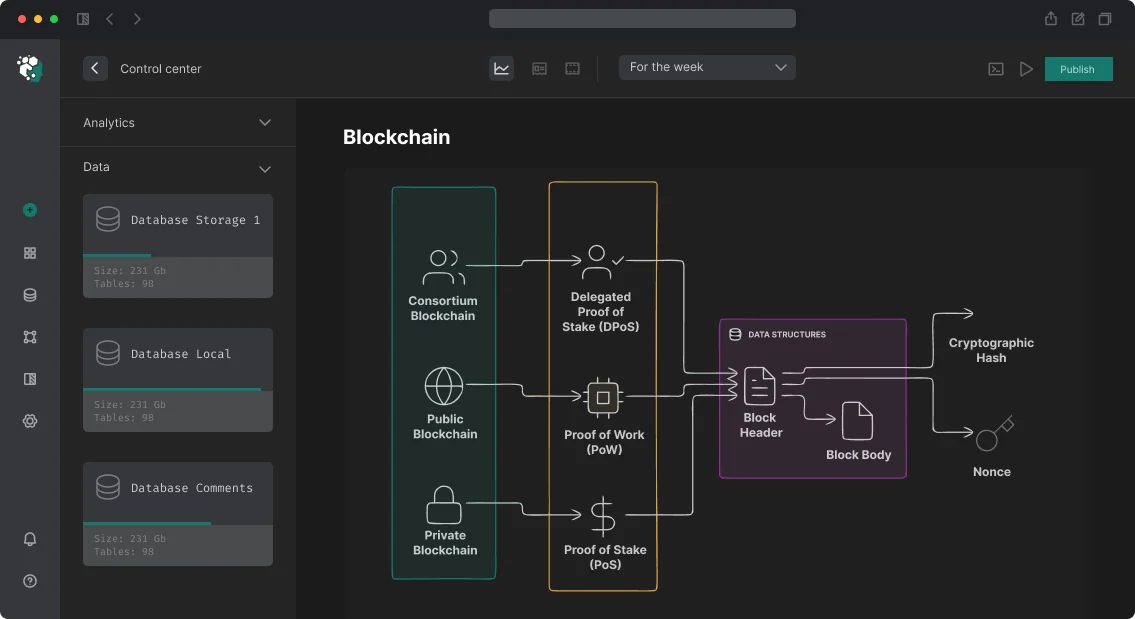
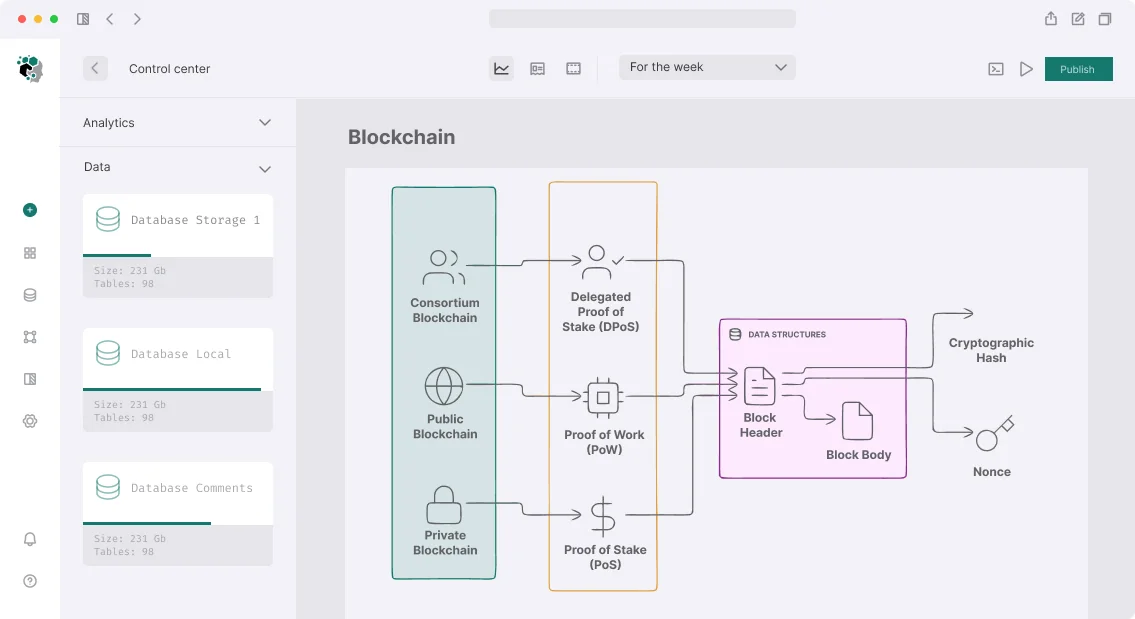
משתתפים ארגוניים דורשים לעתים קרובות סודיות נתונים מסחרית (מחירים, כמויות). בלוקצ'יין ציבורי טהור חושף את כל הנתונים, דבר שאינו מקובל. רשתות פרטיות (Hyperledger Besu, Quorum) מבטיחות פרטיות אך מאבדות ערבויות ללא-אמון. רשת היברידית—רשת פרטית לנתונים תפעוליים + עיגון hashes על בלוקצ'יין ציבורי—נותנת את הטוב משני העולמות. רשת היברידית מפחיתה את עלויות אחסון הנתונים פי חמישה בהשוואה לרשת ציבורית מלאה. אנו משתמשים בארכיטקטורה זו ברוב הפרויקטים הארגוניים.
פתרונות ארכיטקטוניים
בחירת רשת
עבור מערכות שרשרת אספקה עם משתתפים ארגוניים, שתי מחלקות של פתרונות מתאימות:
רשתות ציבוריות (Polygon, Avalanche, Base)—שקיפות עבור הצרכן הסופי. כל אחד יכול לאמת נתונים דרך דפדפן בלוקים. חסרון: כל הנתונים ציבוריים, דבר שעשוי להיות בלתי מקובל עבור נתוני B2B על צדדים נגדיים ומחירים. הביצועים של רשתות כאלה הם בדרך כלל עד 200 TPS.
רשתות מורשות (Hyperledger Besu, Quorum, Fabric)—פרטיות משתתפים, ביצועים גבוהים (עד 10,000 TPS, פי 50 גבוה יותר מציבורי), קבוצה קבועה של מאמתים. מתאים לקונסורציומים. חסרון: אובדן ערבויות ללא-אמון האופייניות לרשתות ציבוריות.
רשת היברידית: רשת פרטית לנתונים תפעוליים + עיגון hashes על בלוקצ'יין ציבורי לצורך ביקורתיות. הבחירה האופטימלית עבור רוב המקרים הארגוניים.
מזהי מוצר
התקן הוא GS1 EPCIS 2.0 עבור אירועי שרשרת אספקה. כל אובייקט פיזי מקבל מזהה ייחודי (EPC—קוד מוצר אלקטרוני) המקושר לרשומה על השרשרת:
contract ProductRegistry {
    struct ProductBatch {
        bytes32 batchId; // хэш от GS1 GTIN + lot number + expiry
        address certifiedBy; // аккаунт сертифицирующего органа
        bytes32 documentHash; // IPFS CID документов в bytes32
        uint256 certifiedAt;
        CertificationLevel level;
        bool revoked;
    }

    enum CertificationLevel {
        ORIGIN_DECLARED, // продавец задекларировал происхождение
        AUDITOR_VERIFIED, // независимый аудитор верифицировал
        LAB_TESTED, // лабораторные анализы подтверждены
        CERTIFIED // полная сертификация пройдена
    }

    mapping(bytes32 => ProductBatch) public batches;
    mapping(bytes32 => bytes32[]) public batchEvents; // цепочка событий

    // только аккредитованные сертификаторы
    mapping(address => bool) public certifiers;

    modifier onlyCertifier() {
        require(certifiers[msg.sender], "Not authorized certifier");
        _;
    }

    function certifyBatch(
        bytes32 batchId,
        bytes32 documentHash,
        CertificationLevel level
    ) external onlyCertifier {
        batches[batchId] = ProductBatch({
            batchId: batchId,
            certifiedBy: msg.sender,
            documentHash: documentHash,
            certifiedAt: block.timestamp,
            level: level,
            revoked: false
        });
        emit BatchCertified(batchId, msg.sender, level);
    }

    function revokeCertification(bytes32 batchId, string calldata reason) external onlyCertifier {
        require(batches[batchId].certifiedBy == msg.sender, "Not your cert");
        batches[batchId].revoked = true;
        emit CertificationRevoked(batchId, reason);
    }
}
NFT לעומת SFT לעומת אסימון פונגיבילי
אנו משתמשים בסוגי אסימונים שונים עבור הסמכת אצוות. השוואה:
| סוג אסימון | מקרה שימוש | דוגמאות מוצרים |
|---|---|---|
| ERC-721 (תעודת NFT) | כל אצווה ייחודית, יש צורך להבחין בין כל האצוות | יין, פריטי יוקרה |
| ERC-1155 (חצי-פונגיבילי) | יחידות בתוך אצווה זהות, אצוות שונות; העברה חלקית אפשרית | רוב המוצרים (אורגני, תרופות) |
| ERC-20 (פונגיבילי) | מוצרים בתפזורת/נוזליים ללא אצוות קבועות | דגנים, שמן |
למידע נוסף על תקנים ב-תיעוד Ethereum.
שרשרת אירועים (העברת משמורת)
כל תנועת מוצר בשרשרת האספקה מתועדת כאירוע. אירועים יוצרים נתיב ביקורת:
contract SupplyChainEvents {
    struct CustodyEvent {
        bytes32 batchId;
        address from; // предыдущий владелец / производитель
        address to; // следующий владелец / дистрибьютор
        bytes32 locationHash; // хэш GPS-координат или адреса склада
        bytes32 conditionsHash; // хэш данных IoT (температура, влажность)
        uint256 timestamp;
        EventType eventType;
    }

    enum EventType {
        PRODUCED,
        QUALITY_CHECKED,
        PACKAGED,
        SHIPPED,
        CUSTOMS_CLEARED,
        RECEIVED,
        RETAIL_LISTED,
        SOLD
    }

    event CustodyTransferred(
        bytes32 indexed batchId,
        address indexed from,
        address indexed to,
        EventType eventType
    );
}
אחסון נתוני מיקום ותנאי אחסון גולמיים על השרשרת הוא יקר. התבנית הנכונה: נתונים → IPFS/Arweave → hash נתונים על השרשרת. מאמת מוריד נתונים מ-IPFS ובודק שה-hash תואם לרשומה על השרשרת.
שילוב IoT
חיישנים פיזיים (טמפרטורה במהלך הובלה, לחות במחסן) הם קריטיים למזון ותרופות. בעיה: מכשירי IoT אינם יכולים לחתום על עסקאות Ethereum בשל משאבי מחשוב מוגבלים.
פתרון ארכיטקטוני—תבנית oracle:
IoT Device → Edge Gateway → Oracle Service → Smart Contract שער קצה (Edge Gateway) אוסף נתונים ממכשירים, מאגד אותם, ושולח אותם דרך ערוץ מאובטח לשירות oracle (Chainlink, API3, או מותאם אישית). ה-oracle כותב נתונים על השרשרת עם חתימת מפעיל מהימן.
לאמון בנתוני IoT: TEE (סביבת ביצוע מהימנה) על שער הקצה—Intel SGX או ARM TrustZone. נתונים נחתמים בתוך הסביבה המבודדת, וניתן לאמת הוכחת ביצוע TEE על השרשרת. גישה זו אמינה פי 3 מרישום ידני מסורתי.
אימות צרכני
קוד QR על המוצר מקודד את batchId. הצרכן סורק את ה-QR ורואה:
- סטטוס הסמכה (רמה, רשות, תאריך)
- שרשרת משמורת מלאה מיצרן למדף
- מסמכים (תעודות, ניתוחי מעבדה) על IPFS
- האם התעודה בוטלה
- פרטי הסמכת Ethereum דרך דפדפן בלוקים
זה מיושם כאתר סטטי או אפליקציה ניידת הקוראת נתונים ישירות מהבלוקצ'יין דרך JSON-RPC או דרך The Graph (לשאילתות מורכבות יותר).
בקרת גישה והסמכה
רכיב קריטי הוא ניהול מי יכול לכתוב רשומות הסמכה. אפשרויות:
| מודל | מתאים עבור | סיכונים |
|---|---|---|
| רשימה לבנה מרכזית | פרויקטי פיילוט | נקודת אמון יחידה |
| ממשל DAO | מערכות אקולוגיות פתוחות | קבלת החלטות איטית |
| גוף הסמכה על השרשרת | תעשיות מפוקחות | דורש חוקיות מחוץ לשרשרת |
| ועדת multi-sig | קונסורציום | תיאום משתתפים |
עבור תעשיות מפוקחות (מזון אורגני, תרופות), המודל האופטימלי הוא שבו גופי הסמכה לאומיים מנהלים את הרשימה על השרשרת של מאשרים מורשים. זה יוצר גשר בין המערכת הרגולטורית המסורתית לבלוקצ'יין.
איך אנחנו עושים זאת: תהליך שלב-אחר-שלב
- ניתוח דרישות: לימוד תהליכים עסקיים, מספר משתתפים, סוגי מוצרים. זיהוי נקודות קריטיות שבהן בלוקצ'יין מביא תועלת מקסימלית (למשל, הפחתה של 70% בזמן אימות, עד 40% חיסכון בביקורת, חיסכון בעלויות של $30,000 בשנה).
- עיצוב ארכיטקטורה: בחירת רשת (היברידית או ציבורית), עיצוב חוזים חכמים, אינטגרציה עם ERP ו-IoT.
- פיתוח וביקורת קוד: כתיבת חוזים חכמים ב-Solidity 0.8.x, בדיקות עם Foundry, ביצוע ביקורת אבטחה (Slither, Mythril).
- פריסה והגדרה: פריסה ברשת הנבחרת, הגדרת oracle, פיתוח ממשק אינטרנט צרכני.
- תמיכה ושיפור: ניטור, עדכון חוזים חכמים, הדרכת צוות.
השקעה טיפוסית בפרויקט: $50,000–$150,000, עם תמיכה שוטפת החל מ-$5,000 לחודש.
תוצרים
עם סיום הפרויקט, תקבלו:
- קוד מקור של חוזה חכם שעבר ביקורת
- תיעוד API וארכיטקטורה
- Oracles מוגדרים ומאמת צרכני
- הדרכת צוות
- 3 חודשי תמיכה לאחר פריסה
צרו קשר לייעוץ—נעריך את הפרויקט שלכם ונציע את הפתרון האופטימלי.
למה לבחור בנו?
לצוות שלנו ניסיון של למעלה מ-10 שנים בפיתוח בלוקצ'יין, מסרנו 50+ פרויקטים מוצלחים, ואנחנו בשוק כבר 5 שנים. המהנדסים שלנו פרסמו ביקורות עבור פרויקטים בקוד פתוח ותרמו לפיתוח תקני ERC. אנו מלווים כל פרויקט בכל השלבים.