

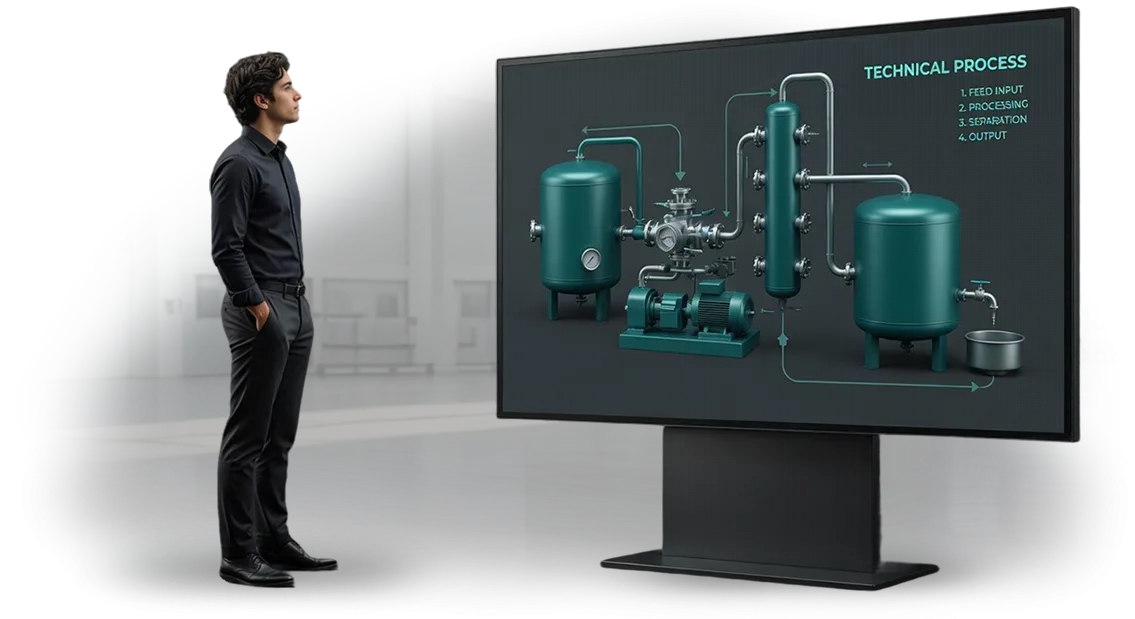
הפסדים בייצור משאבות: כיצד הוראות וידאו מפחיתות פגמים
טעויות בהרכבת ציוד שאיבה עולות יותר ממה שנראה במבט ראשון. רכיב שהותקן בצורה לא נכונה, אטם שהתערבב, או רצף פעולות שנשבר — והפגם מתגלה במהלך הבדיקות, כשהזמן והחומרים כבר בוזבזו. כל טעות כזו היא לא רק חלק שהתקלקל, אלא גם אזור ייצור שנתקע וזמן השבתה.
למה זה קורה? לרוב בגלל הוראות שצריך לפענח: תיאורים טקסטואליים לא עוזרים לדמיין איך חלקים צריכים להשתלב, וניסוחים מעורפלים משאירים מקום לפרשנות.
עובד חדש מבלה חודשים עד שהוא מגיע לרמה של מרכיב מנוסה, וכל הזמן הזה הייצור ממשיך להפסיד כסף. הצוות שלנו פותר את הבעיה הזו עם הוראות וידאו תלת-ממדיות הכוללות תצוגות מפוצלות.
במקום טקסט — רצף פעולות ברור, שבו כל הרכבה מוצגת בסדר ההרכבה הנכון. העובד רואה איך חלקים צריכים להתחבר, איפה צריכים להיות מרווחים, ואיך להימנע מטעויות אופייניות. אפשר לצפות בהוראה בכל רגע במקום לקרוא שוב ושוב שרטוטים מורכבים.
הוראות וידאו כאלה מפחיתות פגמים במהלך ההרכבה ומאיצות את הכשרת הצוות. העובד מבין את המשימה בפעם הראשונה במקום לפעול בעיוורון. זה חשוב במיוחד כשמועדי חוזה ומוניטין הייצור על הפרק.
העסק מקבל איכות צפויה: צריכה מופחתת של רכיבים פגומים, שיעור פגמים נמוך יותר בבדיקות, ועובדים חדשים שמגיעים מהר יותר לקצב עבודה מלא. אנו יוצרים הוראות וידאו לציוד ספציפי — והייצור מפסיק להפסיד כסף על טעויות יקרות.
היתרונות של הוראות וידאו תלת-ממדיות להכשרת צוות
עובדים חדשים בייצור משאבות צריכים להבין ציוד מורכב שבו כל טעות עלולה לגרום להשבתה או תיקונים. הכשרה מסורתית אורכת שבועות, וחלק מהידע אובד כשמועבר ממנטור לעובד חדש.
הוראות וידאו תלת-ממדיות עם תצוגות מפוצלות פותרות את הבעיה: העובד רואה את המבנה הפנימי של המשאבה, מבין את ההיגיון של ההרכבה, וזוכר פעולות נכונות ללא ניסויים יקרים על ציוד אמיתי.
היתרון העסקי העיקרי הוא קיצור זמן הכשרת הצוות. במקום הרצאות ארוכות וקריאת תיעוד טכני, אדם מקבל תרחיש ויזואלי: איך לפרק יחידה, להחליף חלק, לבצע תחזוקה.
תצוגות מפוצלות מראות מה מחובר ובאיזה סדר, כך שחניך עובר לעבודה עצמאית מהר יותר. כתוצאה מכך, העומס על המנטורים פוחת והתקופה שבה עובד חדש עובד לאט יותר מצוות מנוסה מתקצרת.
אפקט חשוב נוסף הוא פחות שגיאות. כשכל העובדים מתאמנים באמצעות וידאו ייחוס אחד, מתבטלות אי-התאמות ו"שיטות אישיות" שלעתים קרובות מובילות לתקלות.
הוראות וידאו תלת-ממדיות מאפשרות לסקור ויזואלית טעויות אופייניות: חוסר יישור במהלך ההרכבה, הידוק לא נכון, רצף פעולות שגוי. זה מפחית את מספר הפגמים והעצירות החירום — תרומה ישירה ליציבות תהליך הייצור.
התאמה מהירה של צוות היא יתרון נוסף שהופך למורגש כבר בשבועות הראשונים לעבודה. עובדים חדשים מפסיקים להטריד עמיתים מנוסים בעניינים טריוויאליים: הם יכולים לסקור את השלב הנדרש בכל רגע בטאבלט או במחשב.
הספרייה הארגונית של הוראות וידאו הופכת לסטנדרט אחיד שעובדים חוזרים אליו גם כשהציוד מתעדכן וגם במהלך הסבה מקצועית. זה מאיץ קליטת עובדים חדשים והופך את תהליך הלמידה לצפוי עבור כל סדנה.
הטמעת הוראות וידאו תלת-ממדיות היא השקעה באיכות של כל הייצור. אתם מפחיתים את העלויות של תיקון טעויות של אחרים, מגבירים את ביטחון הצוות, ויוצרים בסיס להרחבת ההכשרה לאזורים נוספים.
זו הסיבה שפתרונות כאלה מחזירים את ההשקעה במהירות — דרך הפחתת השבתות, פחות פגמים, והשגה מהירה יותר של פרודוקטיביות מלאה על ידי עובדים חדשים.
פורמטים של סרטוני הדרכה לייצור משאבות
בייצור משאבות, עובדים לומדים על ציוד מורכב: לא כל הרכבה אפשר לפרק בשידור חי, וטעות במהלך הרכבה או תיקון היא יקרה. פורמט הווידאו משפיע ישירות על המהירות שבה עובד חדש מתחיל לעבוד בבטחה וללא פגמים.
אנו מתאימים את הפורמט למשימה ולתקציב הספציפיים במקום ליצור "וידאו לשם וידאו".
| פורמט | למי | מה זה נותן ללקוח |
|---|---|---|
| אנימציה עם תצוגות מפוצלות של משאבות | הכשרה בתיקון, הרכבה, מבנה ציוד | מציג את החלקים הפנימיים של היחידה, מפרק אותה חלק אחר חלק, מקצר את זמן ההכשרה הראשונית |
| צילום במציאות רבודה | תדרוך על ציוד אמיתי | מציג רמזים על גבי חלקים אמיתיים, מפחית את הסיכון לשגיאות במהלך הפעלה ותחזוקה |
| וידאו אינטראקטיבי | הערכת ידע ותרגול | העובד בוחר שלבים ועונה על שאלות בעצמו — החומר נקלט בצורה פעילה יותר, ויש לכם סטטיסטיקות השלמה |
אנימציה לייצור היא הפורמט הבסיסי כשצריך להראות את המבנה הפנימי של משאבה או תהליכים שאינם נראים לעין. היא עובדת היטב במחשבים, טאבלטים וסמארטפונים, כך שהיא משתלבת בקלות במערכת ההכשרה הקיימת.
מציאות רבודה ווידאו אינטראקטיבי הם השלבים הבאים: העובד לא רק צופה אלא גם מתקשר עם החומר. זה משפר את הזיכרון ונותן לכם נתונים ברורים על מי כבר סיים את ההכשרה ומי לא.
לרוב, אנו משלבים פורמטים עבור אזור ייצור ספציפי. לדוגמה, לסדנת תיקונים — אנימציה עם תצוגות מפוצלות, להשקת משאבות חדשות — מציאות רבודה, ולהסמכה — וידאו אינטראקטיבי.
אתם מקבלים סט של הוראות וידאו שמכסה גם הכשרה ראשונית וגם שיפור מיומנויות. צריכים פורמט שמתאים לעובדים שלכם? נייעץ לכם במהלך פגישת ייעוץ — נראה דוגמאות המבוססות על מגוון המוצרים שלכם.
איך מפתחים הוראת וידאו במפתח מלא
התהליך בנוי כך שתמיד תבינו היכן הפרויקט עומד ומה הצעד הבא. אתם רק צריכים לאשר נקודות בקרה — אנחנו מטפלים בפרטים הטכניים והביצוע. בממוצע, פרויקט אורך שבועיים עד ארבעה שבועות, וכל שלב מסתיים בתוצאה מוחשית.
שלבי הפיתוח
- בריף — אנו דנים באילו פעולות להציג, כמה עובדים יעברו הכשרה, ורמת הניסיון שלהם. תוצאה: מפרט טכני ברור והערכת עלות קבועה.
- תסריט וסטוריבורד — אתם מאשרים את הטקסט שלב אחר שלב ואת ההיגיון של הצילומים לפני תחילת האנימציה. זו נקודת הבקרה המרכזית שלכם; אחרי זה, אין שינויי תוכן.
- מודלים תלת-ממדיים ותצוגות מפוצלות — עבור ייצור משאבות, זה הלב של ההוראה. אנו מפרקים את המוצר לחלקים, מציגים את סדר ההרכבה/פירוק, ומדגישים אלמנטים חשובים עם תוויות ותאורה.
- קריינות ועריכה — קריין מקצועי, כתוביות, והדגשות על פעולות מפתח. הטיוטה המוגמרת ברורה גם לעובדים חדשים וגם למנוסים.
- הקרנת ניסיון — אתם נותנים את הטיוטה לשניים או שלושה עובדים, אנחנו אוספים את השאלות שלהם, ומבצעים תיקונים לפני ההשקה המלאה.
- השקה — אנו מספקים את הוראות הווידאו המוגמרות בפורמטים הנדרשים יחד עם המלצות כיצד לשלב אותן בתוכנית ההכשרה ולעקוב אחר הצפיות.
מנהל אישי מלווה את הפרויקט: הוא שולח חומרים לאישור, עונה על שאלות, ורושם תיקונים. אתם חוסכים זמן ותמיד יודעים מה קורה בכל שלב.
מה כולל חבילת המסירה: מתסריט ועד וידאו מוגמר
כשאתם מזמינים סרטון הדרכה לייצור משאבות, חשוב להבין: אתם מקבלים לא רק וידאו מוגמר, אלא חבילה מלאה להכשרה ורענון ידע של העובדים.
אנו מספקים את כל החומרים שמאפשרים להשתמש בווידאו מיד לאחר העריכה וגם חודשים אחר כך — כשהתקנות משתנות או ציוד חדש מופיע.
חבילת המסירה כוללת:
-
תסריט ומדור מתודולוגי. אתם רואים את מבנה השיעור: אילו פעולות הווידאו מציג ובאיזה סדר, ואילו הדגשות מופיעות. זה מאפשר לכם לאשר את ההיגיון לפני הצילום ולהתאים אותו לתקנות שלכם במידת הצורך.
-
קריינות מקצועית. הטקסט נקרא על ידי קריין עם הגייה ברורה וקצב המתאים להוראה. עובדים לא צריכים לקרוא שקופיות שוב — הם קולטים את החומר בשמיעה, אפילו בזמן עבודה בסדנה רועשת.
-
כתוביות וסיכומים טקסטואליים. כל שלב מוכפל על המסך, כך שעובדים יכולים ללמוד את הווידאו ללא קול או לחזור לרגעים מרכזיים. זה שימושי במיוחד להסבה ולעובדים חדשים עם רמות מיומנות שונות.
-
קבצי מקור של הפרויקט. אתם מקבלים את החומרים שמהם הורכב הווידאו. זה לא רק נוח לביצוע עריכות, אלא גם מאפשר ליצור סרטונים חדשים על בסיסם — לדוגמה, לדגמי משאבות אחרים או סדנאות אחרות.
-
הוראות עדכון. אנו מתארים כיצד להחליף במהירות קטע בודד או לשנות את רצף הפעולות אם תקני העבודה משתנים. במידת הצורך, נייעץ לכם כיצד לעשות זאת עם הצוות שלכם, או נציע תמיכה מהצד שלנו.
כל החומרים מסופקים עם תעודת קבלה בפורמט המוסכם, עם זכויות שימוש. אתם מקבלים סטנדרט הכשרה ארגוני שקל להרחיב: להכשיר מספר משמרות, להשתמש בווידאו כחלק מתוכנית קליטה, או לשלב אותו בלמידה מקוונת.
בסופו של דבר, אתם משקיעים פעם אחת במוצר שנשאר רלוונטי ועובד עבור הבטיחות והפרודוקטיביות שלכם.
מקרה בוחן: כיצד הוראות וידאו קיצרו את זמן הרכבת המשאבות ב-30%
ייצור משאבות הוא פס ייצור שבו כל דקת השבתה עולה כסף, וטעות הרכבה גורמת לתביעות.
הלקוח הגיע עם כאב אופייני: עובדים חדשים למדו מתקנות טקסטואליות במשך שבועות, ומאסטרים מנוסים עדיין בילו זמן בתיקון הרכבות שהידוק לא תקין.
הצענו להחליף חלק מההוראה בהוראות וידאו תלת-ממדיות קצרות עם פירוט תצוגות מפוצלות — כך שאדם רואה לא דף עם שרטוט, אלא את רצף הפעולות המדויק.
"עובד שמרכיב יחידה בפעם הראשונה עושה את זה אחרי צפייה בווידאו ללא כל הנחיה מהמאסטר." שמענו את המשפט הזה מהמנהל הטכני של NasosPro חודש בלבד אחרי השקת פרויקט הפיילוט.
תוצאות על רצפת הייצור
תוך חודשיים, הוראות וידאו יושמו על שלושה פסי הרכבה. זמן הרכבת המשאבה ירד ב-30%: בעוד שעובד חדש נהג להשקיע כשעה ביחידה, עכשיו הוא מסיים אותה ב-40 דקות.
מספר השגיאות הקשורות לרצפי פעולות שגויים ירד בכמעט חצי — כלומר פחות עבודות חוזרות, פחות גרוטאות, ופחות מחלוקות בין משמרות.
עבור העסק, זה אומר שעובד חדש מגיע במהירות לתפוקה מלאה והמנטורים משוחררים.
המאסטרים הפסיקו להיות מוסחים על ידי הסברים חוזרים על אותם דברים, ומנהל הסדנה קיבל סטנדרט הכשרה אחיד: כל עובד צופה באותה הוראת וידאו מדויקת ופועל באותה דרך.
המלצת לקוח
המנהל הטכני ציין במפורש שהווידאו לא מתיישן אחרי חודש: מסרנו קבצי מקור הניתנים לעריכה, והמפעל עצמו מעדכן את הווידאו כשהעיצוב משתנה.
שישה חודשים אחר כך, הלקוח חזר עם הזמנה דומה עבור שירות התיקונים והמחסן — הזמנה חוזרת הייתה האישור הטוב ביותר לתוצאה.
איך לבחור את פורמט הוראת הווידאו למשימה שלכם?
בחירת פורמט הוראת וידאו מתחילה לא מהחזות אלא מהמשימה: מה בדיוק העובד צריך ללמוד ובאילו תנאים הוא יישם את המיומנות.
עבור ייצור משאבות, לעתים קרובות יש צורך להראות לא רק את רצף הפעולות אלא גם את המבנה הפנימי של היחידה — היכן נמצאת ההרכבה, איך היא מתקשרת עם חלקים אחרים, ומה קורה במהלך פעולה שגויה.
לכן, לקוח אחד צריך רק סרטון קצר שמתעד פעולות אמיתיות, בעוד אחר צריך אנימציה תלת-ממדית עם פירוט מנגנון.
קריטריוני הבחירה ברורים: מורכבות הציוד, רמת המיומנות של הצוות, תדירות עדכוני התקנות, והתנאים שבהם העובד צופה בהוראה.
אם מדובר בפעולה סטנדרטית כמו "החלפת אטם," וידאו רגיל הוא מהיר וזול יותר להפקה.
אבל אם צריך להסביר תיקון של יחידת שאיבה שבה טעות היא יקרה, הוראת וידאו תלת-ממדית עם תצוגה מפוצלת אמינה יותר: היא מציגה חלקים פנימיים ללא פירוק ציוד אמיתי וברורה באותה מידה לעובד חדש ולטכנאי הגדרה מנוסה.
המהנדס שלנו בוחר את הוראת הווידאו למשימה שלכם: הוא חוקר את התהליך הטכנולוגי, מדבר עם מומחי ייצור, ומעריך איזה פורמט יביא ללמידה המהירה ביותר ולמינימום שגיאות.
אנחנו לא מציעים את האפשרות "הכי אטרקטיבית" — אנחנו מציעים את זו שמחזירה את ההשקעה בתנאים שלכם. זה יכול להיות סדרה של מודולים קצרים, סרטון מפורט יחיד, או שילוב של צילומי 2D וקטעי 3D.
הכלל המרכזי הוא שהפורמט נקבע לא לפי טרנדים אלא לפי התוצאה הסופית: שהעובד מבצע בביטחון את הפעולה יום אחרי הצפייה. בואו עם המשימה שלכם — נעזור לכם לבחור את הפורמט ואז נכין תוכנית הפקה לתקציב וללוחות הזמנים שלכם.
תשובות לשאלות נפוצות על הוראות וידאו ארגוניות
שאלות על עלות, לוחות זמנים והבטחות עולות בכל חברה לפני הזמנת סרטוני הדרכה. הנה איך אנחנו עובדים כדי שתוכלו לקבל החלטה ללא סיכון.
כמה עולה פיתוח הוראת וידאו?
העלות תלויה במורכבות התסריט, במספר הסצנות התלת-ממדיות וברמת הפירוט של התצוגות המפוצלות. אחרי בריף קצר, אנו נותנים לכם את המספר המדויק ונועלים אותו בחוזה — הוא לא ישתנה במהלך העבודה.
עבור ייצור משאבות, פרויקט טיפוסי כולל 2–5 הוראות להרכבה, תחזוקה ותיקון.
כמה מהר נקבל את החומר המוגמר?
לוח הזמנים הסטנדרטי הוא 2–4 שבועות להוראה, תלוי בהיקף. אם דחוף, אפשר לפצל את הפרויקט לשלבים ולספק קודם את הווידאו הבסיסי כדי להתחיל בהכשרה. אתם רואים גרסאות ביניים בכל שלב ומבצעים עריכות.
אילו הבטחות אתם נותנים?
אנו מבטיחים שההוראה תעבוד: אחרי הצפייה, העובד יוכל לבצע את הפעולה ללא שגיאות. אנו גם מספקים תמיכה לאחר ההשקה — אנו מעדכנים את הווידאו אם עיצוב המשאבה או התקנות משתנים. כל העריכות בתוך התסריט המאושר הן בחינם במהלך תקופת האחריות.
האם אפשר להעלות את הווידאו למערכת ניהול הלמידה שלנו?
כן. אנו מכינים סרטונים בפורמטים המתאימים לכל LMS — מהעלאת קבצים פשוטה ועד לשילוב במשימות מבחן עם פרוטוקול SCORM.
הצוות שלנו כבר שילב קורסי הכשרה למפעלים ומתקני ייצור, כך שאנו מכירים את הדרישות לתוכן ולהגדרות גישה.
הניסיון מראה שהוראות וידאו ארגוניות מחזירות את ההשקעה אחרי היישום המוצלח הראשון. עובדים שולטים בפעולות חדשות מהר יותר, יש פחות שגיאות בתחזוקת משאבות, וקל יותר לקלוט עובדים חדשים. אם נשארו לכם שאלות — השאירו פנייה, ונכין הצעה מסחרית למשימה שלכם.קבלו סרטון הדגמה והערכת עלות מדויקת לפרויקט תוך יום אחד
הכשרת עובדים בייצור משאבות כוללת פרטים שקשה להסביר במילים: מבנה הרכבות, סדר הפירוק, שגיאות התקנה אופייניות.
אפילו טכנולוג מנוסה יבלה שבועות בהכשרת עובד חדש, ותחלופת עובדים מאלצת לחזור על זה שוב ושוב.
הוראת וידאו מקלה על המנטורים ומאיצה את הדרך של העובד לעבודה עצמאית — אבל לפני שמשקיעים בפרויקט, אתם רוצים לראות את התוצאה.
לכן אנו מציעים להתחיל עם סרטון הדגמה והערכת עלות מדויקת לפרויקט תוך יום עבודה אחד. אחרי שיחת ייעוץ קצרה, נכין חבילת חומרים למשימה שלכם:
- סרטון הדגמה תלת-ממדי המבוסס על קו המשאבות שלכם — עם חתכים, תצוגות מפוצלות ופעולות הרכבה מרכזיות.
- חישוב עלות הפרויקט: כמה סרטונים תצטרכו, אילו סצנות והרכבות להציג, ואיזה פורמט נוח לצוות שלכם.
- ניתוח צרכים: אילו פעולות מהוות טעות אופיינית של עובד חדש, אילו הוראות כבר קיימות, ומה כדאי לצלם מחדש.
- המלצות תסריט: טקסט קריין, כתוביות, הפסקות לחזרה — כדי שעובדים באמת יקלטו את החומר.
- תוכנית עבודה ולוח זמנים ליישום: שלבי יצירה, נקודות בקרה לאישור, ומועדי מסירה לסרטונים המוגמרים.
אתם לא צריכים להבין בנבכי גרפיקה תלת-ממדית או עריכה — אנחנו מטפלים בזה.
במשך למעלה מ-10 שנים, הכנו מאות הוראות וידאו למפעלים תעשייתיים, כולל יצרני משאבות, כך שההדגמה כבר תתחשב בתרחישי הכשרה אופייניים ובדרישות בטיחות.
תקבלו לא תיק עבודות מופשט, אלא חלק מההוראה העתידית שלכם, מותאם לציוד שלכם.
השאירו פנייה באתר — תוך יום, נשלח את סרטון ההדגמה והערכת עלות מדויקת. זה לא מחייב אתכם לכלום, אבל נותן לכם בהירות מלאה על תקציב ולוחות זמנים. התחילו בצעד קטן — והדרך להכשרת עובדים ברורה כבר תהיה סלולה.