

הוראות לבניית ספינות: כיצד להפחית טעויות עובדים פי 3
הרכבת ספינה היא תהליך שבו מחיר הטעות נמדד לא בחלק שעובד מחדש, אלא במועדי אספקה שנדחו ובמוניטין של המפעל.
אפילו מרכיב מנוסה מבלה שעות בקריאת שרטוטים שטוחים, בעוד שמתחיל מבזבז עוד יותר זמן בניסיון להתאים את התרשים ליחידת ההרכבה בפועל. התוצאה היא שגיאות התקנה, פגמים וזמני השבתה שמנפחים את העלות של כל מוצר.
הוראות טקסט קלאסיות ודיאגרמות סטטיות אינן פותרות את הבעיה: הן משאירות מקום לפרשנות. במקום שבו אדם אמור לתפוס את הסידור המרחבי של חלקים תוך דקה, הוא מבלה עשר ועדיין מסתכן בטעות.
זו הסיבה שתקני עבודה בבניית ספינות דורשים רמת בהירות ויזואלית ששוללת פרשנויות כפולות. מצידנו, אנו מציעים גישה שמסירה לחלוטין את הסיכון הזה: הוראות וידאו תלת-ממדיות עם תצוגות מפורקות.
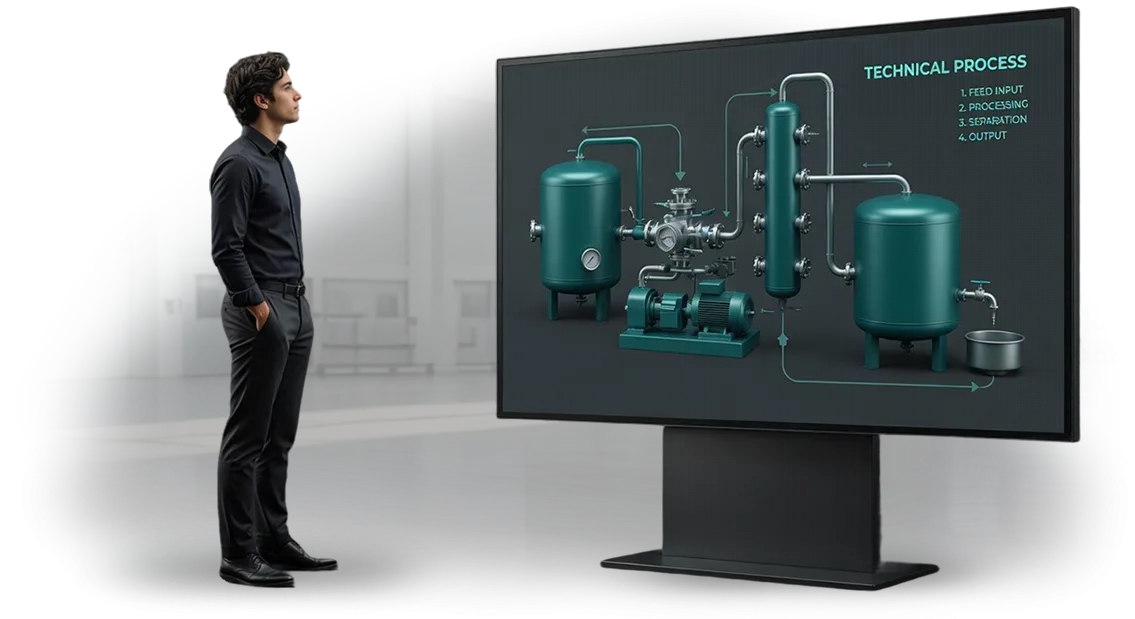
זה כבר לא שרטוט — זו הדגמה מדויקת של כל שלב הרכבה, רכיב וחיבור שלא ניתן להבין לא נכון.
עובד רואה לא קווים מופשטים, אלא מודל תלת-ממדי עם חלקים מפורקים וסדר התקנתם.
הוראות וידאו הדרכה כאלה מפחיתות את מספר הטעויות פי כמה: מחקר על הפרויקטים שלנו מראה הפחתה בפגמים של עד פי שלושה בתוך החודש הראשון לשימוש.
מפעלי בניית ספינות מקבלים לא רק סרטון הדרכה, אלא כלי בקרת איכות עובדתי שמשתלב בתהליכים יומיומיים ואינו תלוי בגורם האנושי.
אנו יוצרים הוראות וידאו לייצור תעשייתי, כולל בניית ספינות, כבר 10 שנים. אנו יודעים איך בתי מלאכה אמיתיים עובדים ואילו דרישות מפעלים תעשייתיים מציבים לתקני עבודה.
אם בוני ספינות מנסים לשמור על איכות ברמה של "הסתמכות על ניסיון של מנהלי עבודה" — אנו נותנים להם מערכת שבה האיכות מובנית בהוראה עצמה.
מה מספקת הוראת וידאו תלת-ממדית: דיוק ומהירות למידה
בעת הרכבת רכיבים מורכבים במפעל בניית ספינות, מחיר הטעות גבוה: פגמים, עבודה חוזרת וזמני השבתה של צוות.
הוראות טקסט ושרטוטים סטטיים נקראים אחרת על ידי כל אדם, כך שעובד מבצע פעולה כפי שהבין אותה, לא כפי שהיא נועדה.
כתוצאה מכך, אפילו מומחים מנוסים מבזבזים זמן בעבודה על מצבים טיפוסיים, בעוד שמתחילים לומדים מטעויות על חלקים אמיתיים.
הוראת וידאו תלת-ממדית פותרת בעיה זו. תצוגה מפורקת של רכיב מציגה את כל החלקים ואת רצף החיבור שלהם: עובד רואה כל שלב בתנועה במקום לנחש אותו.
ניתן להתקרב לרגע המורכב ביותר, להריץ שוב את הקטע הדרוש, ולפרק את הפעולה לפרט הקטן ביותר. הוראות ויזואליות כאלה לעובדים מבטלות פרשנות שגויה ועוזרות למזער טעויות עוד לפני שהעבודה מתחילה על הרכיב בפועל.
מהירות הלמידה גם עולה. מתחיל צריך לצפות בסרטון פעם או פעמיים כדי להבין את הפעולה, ומחלקת ההדרכה מפסיקה לחזור על אותו חומר בלי סוף.
הסרטון תמיד בהישג יד — אפשר לעיין בו לפני משמרת או ממש בבית המלאכה בלי להסיח את דעתו של חונך. לפי הפרויקטים שלנו, זמן קליטת עובדים חדשים מצטמצם פי שניים עד שלושה.
אנו יוצרים הוראות וידאו ארגוניות לפעולות העבודה הספציפיות של המפעל שלך: מהכנת משטח ועד התקנת רכיבים גדולים. הפורטפוליו שלנו כולל עשרות פרויקטים כאלה למספנות.
כל סרטון מצולם על הציוד האמיתי של הלקוח, כך שעובדים רואים בדיוק את הרכיבים שלהם ואת הכלים שלהם — וזה מאיץ את ההדרכה בלי לפגוע באיכות.
פורמטים של הוראות וידאו לבניית ספינות: 2D, 3D ותצוגות מפורקות
בבניית ספינות, כל טעות במהלך הרכבה או תיקון של רכיב גורמת לזמני השבתה ולעלויות עבודה חוזרת.
הוראות טקסט ושרטוטים סטטיים מועילים מעט כאן: מנגנונים מורכבים קשים לתיאור במילים, וללמומחים שונים יש רמות הכשרה שונות.
לכן, חשוב לבחור פורמט הוראת וידאו שיהיה ברור לעובד ספציפי ויפתור בדיוק את המשימה שלך — מהדרכה ראשונית ועד תיקון יחידה מורכבת.
הכנו השוואה של שלושת הפורמטים העיקריים כדי שתוכל להתמצא לפני הבריף:
| פורמט | לאיזו משימה | מה הוא נותן ללקוח |
|---|---|---|
| אנימציית 2D | תהליכים כלליים, כללי בטיחות, רצף פעולות | מסביר בבירור אפילו למתחיל, קל לעדכון כשמתרחשים שינויים, תקציב מינימלי |
| הוראת הרכבה תלת-ממדית | הרכבה, פירוק, העברת רכיבים וחלקים גדולים | מציג הרכבה "כמו במציאות", מפחית סיכון לטעויות ופציעות, מקצר זמן הדרכה |
| תצוגה מפורקת של מנגנון | תיקון, אבחון, החלפת חלקים, לימוד מבנה פנימי | מדגים ויזואלית את המבנה הפנימי של רכיב, סדר הפירוק ואינטראקציה בין חלקים — המורכב הופך לברור |
ככלל, פורמטים משולבים בפועל. לדוגמה, עבור קורס הדרכה גדול, נוצרת הוראת הרכבה תלת-ממדית, ובתוכה — בלוק נפרד של תצוגה מפורקת לניתוח רכיב בעייתי. אנימציית 2D עובדת היטב כחלק מבוא או לסקירת חומר.
כלל הבחירה העיקרי הוא להתחיל מרמת המיומנות של הקהל ומהקריטיות של הפעולה: ככל שהפעולה מורכבת ואחראית יותר, כך הפורמט צריך להיות מפורט יותר.
אם אינך בטוח מה יתאים לעובדים שלך, שלח לנו תיאור של התהליך — נמליץ על האפשרות האופטימלית וננמק אותה במונחים של מהירות למידה ואיכות שימור החומר.
שלבי פיתוח הוראה תלת-ממדית: מהבריף ועד הטמעה בייצור
אנו מבינים: הכנסת הוראה חדשה לייצור היא לא רק "עשיית סרטון". זה תהליך שמערב את המהנדסים, הטכנולוגים, העובדים ומשאבי האנוש שלך.
אם השלבים לא מתוכננים מראש, הפרויקט נמשך, ועובדים מקבלים סרטון שאינו עונה על המשימות האמיתיות שלהם.
לכן מבננו את התהליך כך שאתה רואה כל שלב, שולט בלוחות זמנים ובתוצאות, והוראות הווידאו באמת נכנסות לעבודה במקום לשבת בחוסר מעש.
- בריף והבנת המשימה. אנו לומדים את הפעולה הטכנולוגית שלך: איזה רכיב, מה רצף ההרכבה, היכן מתרחשות הטעויות האופייניות. התוצאה היא הבנה ברורה של יעדי ההדרכה ולוחות הזמנים.
- תסריט סרטון הדרכה. אנו הופכים את התהליך הטכני לתסריט שלב-אחר-שלב: אילו פעולות להראות, היכן לשים דגש, אילו רכיבים "לפרק". אתה מאשר את הטקסט וההיגיון לפני תחילת האנימציה.
- אישור פריים מפתח. אנו מציגים פריימים סטטיים של סצנות תלת-ממד עתידיות ו"תצוגות מפורקות". אתה רואה איך החלק ייראה, איך הפירוק וההרכבה יתנהלו, ואתה מבצע עריכות בלי לעשות מחדש את כל הסרטון.
- אנימציה ויזואליזציה תלת-ממדית. אנו יוצרים אנימציית פירוק והרכבה לרכיב, ומוסיפים תוויות והדגשים. עבורך, זו ערובה לכך שהעובד יראה כל חיבור מהזווית הנכונה, לא "איך שיצא".
- צילום ועריכה (אם נדרש הקשר חי). אנו מצלמים קטעים של בית המלאכה האמיתי כדי שהעובד יזהה את מקום העבודה שלו ויבין שההוראה מתייחסת לציוד הספציפי שלו.
- הטמעה והגדרת גישה. אנו עוזרים לארוז את הסרטונים במערכת הדרכה או לספק קבצים בפורמטים הנדרשים: ממסכי תחנות ועד מכשירים ניידים של מנהלי בתי מלאכה.
- תמיכה לאחר השקה. אנו אוספים משוב ממנהלי עבודה ומהנדסי עבודה, מתאימים הדגשים במידת הצורך, ומעדכנים את האנימציה לתהליך טכני חדש.
כך, בכל שלב אתה מבין מה אתה מקבל ומנהל את הפרויקט בלי "אזור אפל". ואנו מבטיחים שההוראה תהיה ברורה לעובד לפני ההשקה הראשונה על הקו.
מה כלול במסירה: חבילה מלאה למחלקת ההדרכה
מה כלול במסירה? חבילת הוראות וידאו מלאה לבניית ספינות מכסה את כל הצרכים של מחלקת ההדרכה — מסרטונים מוגמרים ועד קבצי מקור וזכויות שימוש.
לא תצטרך לחפש קבלנים לשיפורים או להבין פרטים טכניים: הכל כבר ארוז ומוכן לעבודה.
- סרטונים מוגמרים לפורמטי הדרכה שונים: הוראות תלת-ממד עם תצוגות מפורקות להרכבה, תיקון ותחזוקה של ציוד ספינה. כל תרחיש מותאם לפעולה ספציפית ומאומת על ידי טכנולוגים.
- קבצי מקור של אנימציה ועריכה — קבצים ניתנים לעריכה שנשארים אצלך. מחלקת ההדרכה יכולה לבצע עריכות, לעדכן פרטים או ליצור חומרים חדשים על בסיסם בלי לפנות אלינו.
- זכויות להוראת הווידאו — אתה מקבל זכויות מלאות לשימוש ושינוי בסרטונים. אין הגבלות על מספר עובדים, סניפים או שכפול בתוך החברה.
- חומרים מתודולוגיים למחלקת ההדרכה: סיכומי עזר, רשימות בדיקה להערכת ידע, שאלות הסמכה והמלצות לשילוב הווידאו בתכנית.
- תיעוד נלווה ותקנות — תיאור מבנה הקורס, הוראות עבודה עם הפלטפורמה ועצות לארגון הדרכה בייצור בניית ספינות.
- מזכר כיסוי המתאר את כל החומרים והמלצות לעדכוני תוכן.
הכל נמסר בחבילה אחת, עם מבנה תיקיות ברור והוראות מובנות. זה חוסך זמן למחלקת ההדרכה שלך ומאפשר להשיק את התהליך תוך מספר ימים לאחר מסירת הפרויקט.
מקרה בוחן: כיצד הוראה תלת-ממדית הפחיתה טעויות במספנה
הרכבת גוף ספינה כוללת מאות פעולות שבהן טעות בשלב מוקדם גורמת לעבודה חוזרת יקרה של רכיבים.
במספנה אחת, עובדים חדשים הוכשרו באמצעות שרטוטים שטוחים והסברים מילוליים מחונכים: שליטה ביחידה מורכבת ארכה עד שלושה שבועות, ושיעור הפגמים במהלך ההרכבות העצמאיות הראשונות הגיע ל-12%.
הצענו להחליף תקנות טקסט בהוראת וידאו תלת-ממדית עם תצוגות מפורקות. העובד רואה כל רכיב בצורה מפורקת, את סדר חיבור החלקים ונקודות בקרה — בלי קריאת שרטוטים או הסברים ארוכים.
הצוות שלנו לקח על עצמו את הפיתוח, והמפעל סיפק טכנולוגים לאימות הדיוק של כל שלב.
תוצאת ההטמעה
לאחר מעבר ההדרכה להוראה התלת-ממדית, המפעל מדד מדדים במשך חודשיים. זמן הכשרת עובדים חדשים ירד משלושה שבועות לארבעה ימים, שיעור הפגמים במהלך ההרכבה הראשונה ירד מ-12% ל-3%, ודיוק חיבורי החלקים עלה ב-40%.
מנהל בית המלאכה ציין שחונכים הפסיקו להיות מוסחים מהעבודה להסברים חוזרים — ההוראה משתלטת על השגרה.
נקודות בקרה בסרטון עוזרות לעובד לבדוק את היחידה באופן עצמאי לפני מסירתה למפקח, כך שמספר מקרי העבודה החוזרת ירד בחדות.
המפעל לא עצר ביחידה אחת: שלושה תהליכי הרכבה מורכבים נוספים צולמו מחדש באותה שיטה. ההוראות נמצאות כעת בשימוש בבית המלאכה ובמרכז ההדרכה, ועובדים חדשים מתחילים עבודה עצמאית בתוך השבוע הראשון.
חשב כמה המפעל שלך מפסיד על עבודה חוזרת והדרכה — והשווה לעלות של סדרת סרטונים אחת. ברוב המקרים, הוראה תלת-ממדית מחזירה את עצמה לאחר החודש הראשון לשימוש.
כיצד לבחור את פורמט הוראת הווידאו התלת-ממדית הנכון למשימה שלך?
בחירת פורמט הוראת וידאו תלת-ממדית היא לא עניין של העדפה, אלא של התאמה למשימה שלך. הקריטריונים המכריעים כאן הם: מורכבות הרכיבים המורכבים, לוחות זמנים בייצור ותקציב הוראת הווידאו.
לפעולות פשוטות — למשל, החלפת מחברים או ביצוע בדיקת בקרה — מספיקים סרטונים קצרים של עד 2 דקות. הם מהירים להפקה וזולים, אך אינם מתאימים להדרכה על הרכבת מנגנונים מורכבים.
לרכיבים עם עשרות חלקים וחיבורים נסתרים, נדרשת הוראה מפורטת עם תצוגות מפורקות, מעבר שלב-אחר-שלב בכל שלב ודגש על בטיחות.
כאן, התקציב ולוחות הזמנים יהיו גבוהים יותר, אבל התוצאה משתלמת: פחות טעויות עובדים ופחות זמן קליטה.
נסכם את הקריטריונים המרכזיים בטבלה כדי להקל על ההחלטה.
| פורמט | מורכבות רכיב | מאפיינים | מתי לבחור |
|---|---|---|---|
| סרטון קצר | נמוכה | 1–2 דקות, שחרור מהיר, תקציב נמוך | צריך לכסות פעולה פשוטה, מהירות וחיסכון חשובים |
| הוראה תלת-ממדית סטנדרטית | בינונית | 3–5 דקות, אנימציה מפורטת עם רכיבים מפורקים | יחידות מורכבות מכמה חלקים, נדרש איזון בין עלות לפרט |
| קורס הדרכה מלא | גבוהה | סדרת סרטונים, הפסקות אינטראקטיביות, שאלות בקרה | הדרכת מתחילים בפעולות הרכבה מורכבות, עלות גבוהה של טעויות |
ברור שבהתחלה קשה להעריך איזה פורמט יניב את התוצאה הרצויה במסגרת לוחות הזמנים והתקציב שלך.
אנו לוקחים את זה על עצמנו: אנו מנתחים פעולות טכנולוגיות, מחשבים את עלויות העבודה של יצירת תוכן תלת-ממדי ומציעים פורמט ספציפי עם לוחות זמנים ברורים. אתה מקבל פתרון למשימה שלך, לא סרטון "אוניברסלי".
בעת פנייה אלינו, שלח תיאור של רכיבים ופעולות טיפוסיים — תוך יום עסקים אחד נחזור עם המלצת פורמט והערכת עלות.
שאלות נפוצות על פיתוח הוראה תלת-ממדית: עונים לפני שמתחילים
לפני תחילת פרויקט הוראת וידאו תלת-ממדית לבניית ספינות, לקוחות שואלים שאלות דומות — על ערבויות, לוחות זמנים, עדכונים ועלות. אנו עונים מראש כדי שתוכל לקבל החלטה בלי סיכונים נסתרים או הפתעות.
מהי הערבות על הוראת הווידאו?
אנו קובעים את הדרישות במפרט הטכני ואחראים לתוצאה: אם ההוראה המוגמרת אינה תואמת את התסריט או שיש שגיאות ברכיבים, אנו מתקנים אותה ללא תשלום. אתה מקבל את העבודה כשהכל תואם לציפיות.
מה קורה לסרטון אם העיצוב משתנה?
מכיוון שהמודל התלת-ממדי בנוי מהשרטוטים שלך, כאשר מתרחש שינוי מספיק להחליף את הרכיב המושפע — אין צורך לעשות מחדש את כל הסרטון. חיסכון בזמן ובתקציב, וההוראה תמיד מעודכנת.
כמה מהר מייצרים הוראה תלת-ממדית?
אנו קובעים את לוח הזמנים בחוזה לפני ההתחלה. רכיב טיפוסי לוקח כשבועיים, הרכבה מורכבת — מארבעה. אנו נותנים נתונים מדויקים לאחר הבהרת הפרטים, כאשר היקף ומספר הרכיבים ידועים.
כמה עולה פיתוח הוראת וידאו תלת-ממדית?
העלות מורכבת מעוצמת העבודה: מספר הרכיבים, מורכבות המכניקה ורמת הפירוט. אנו מעריכים את השרטוט שלך ללא תשלום ומספקים הערכת עלות לפני ההתחלה. הסכום אינו משתנה במהלך התהליך ללא הסכמתך.
האם אפשר לשפר את ההוראה?
במהלך התהליך, אתה מקבל גרסאות ביניים ומבצע עריכות. אנו עובדים עד שתגיד "מקובל" — התוצאה עומדת בסטנדרטים הפנימיים של החברה.
השאר בקשה: קבל הוראת וידאו תלת-ממדית לייצור שלך
הזמנת הוראת וידאו לייצור בניית ספינות היא לא רק קניית סרטון, אלא דרך להפחית את זמן קליטת עובדים ולהוריד את הסיכון לטעויות במהלך הרכבה ותחזוקה של רכיבים.
אנו נכין הוראת וידאו תלת-ממדית שעובד יבין מהצפייה הראשונה: התצוגה המפורקת מראה כיצד הרכיב בנוי, היכן נקודת החיבור ובאיזה סדר הפעולה מתנהלת.
השאר בקשה — ותוך יום עסקים אחד נחשב את העלות ונבחר פורמט למשימה שלך: מסרטון קצר לפעולות חוזרות ועד תכנית הדרכה מלאה עם בדיקות ידע. בתגובה, תקבל:
- הערכת עלות ולוחות זמנים להיקף שלך: מספר הפעולות, יחידות ההרכבה ורמות פירוט המודל התלת-ממדי;
- בחירת פורמט הוראת וידאו: תצוגה מפורקת, הרכבה שלב-אחר-שלב, תיקון ותחזוקה, ומבחן לשימור ידע;
- דוגמאות למקרי בוחן וידאו לבניית ספינות: פירוק מנוע, התקנת צנרת, עבודה עם רכיבים גדולים;
- תכנית פיתוח הוראת וידאו תלת-ממדית: שלבים, נקודות אישור ורשימת מה שיידרש מהצוות שלך;
- ליווי אישי: מנהל ייעודי מוביל את הפרויקט מהבריף ועד ההטמעה במערכת ההדרכה.
אין צורך בבריף מפורט כדי להתחיל — פשוט תאר את המשימה במילים, ואנחנו נבהיר את השאר בעצמנו. תקבל הערכה קונקרטית, דוגמאות עבודה ותכנית פרויקט, ואז תחליט אם זה מתאים לייצור שלך. הבקשה אינה מחייבת: אנו נותנים נתונים ולוחות זמנים, לא הבטחות כלליות.