

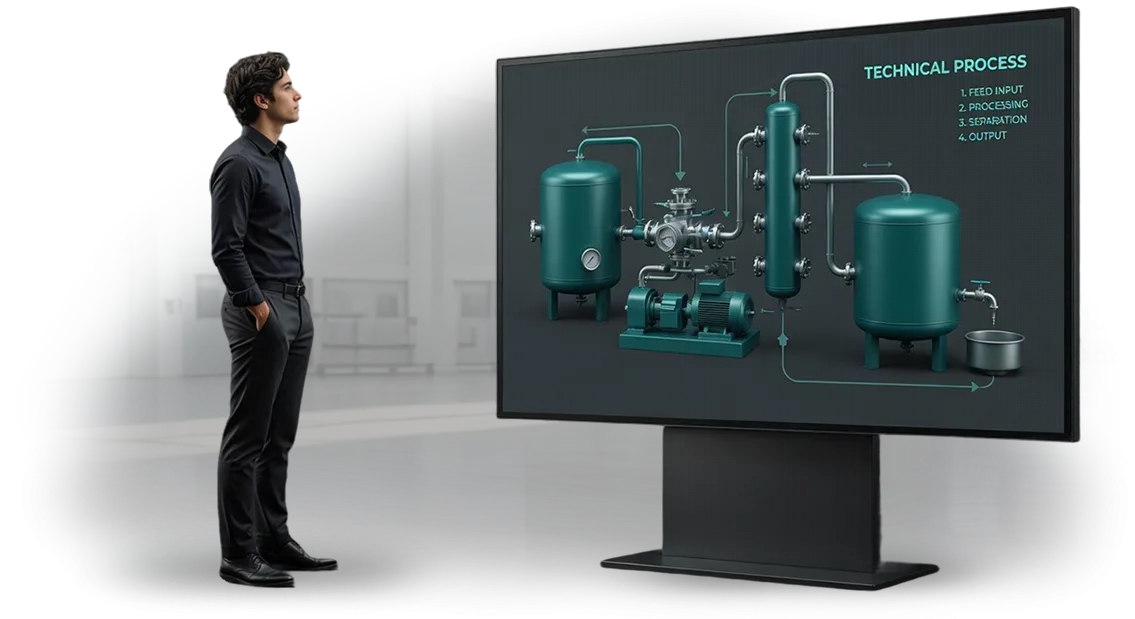
לקוחות עוזבים בגלל שגיאות בפעולות מערכת התשלומים
שגיאות בפעולות מערכת התשלומים קורות כמעט בכל חברה: עמלה שחושבה באופן שגוי, אישור תשלום שהתעכב, החזר כספי שעובד באופן לא נכון. עבור הלקוח, זו לא טעות קטנה אלא אות לכך שאי אפשר לסמוך על החברה.
כשל אחד כזה מול הלקוח יכול למחוק את כל המאמצים לבניית נאמנות ולעורר ביקורות שליליות שיפגעו במוניטין לאורך זמן.
ההפסדים הכספיים אינם מוגבלים לעלות תיקון השגיאה. לקוחות שאבדו, תהליכים ממושכים, מומחים אחראיים עמוסים מדי ומוניטין שנפגע — כל אלה מצטברים לסכום משמעותי של רווח שאבד.
הגרוע מכל הוא שהמנהל לומד על הבעיה בדיעבד, כשהלקוח כבר עבר למתחרה או השאיר ביקורת שלילית על החברה.
הכשרה מסורתית — טקסטים, מצגות, חניכה — משאירה לעיתים קרובות פערים. עובדים זוכרים עקרונות כלליים אבל הולכים לאיבוד במצבי תשלום אמיתיים, במיוחד במקרים לא סטנדרטיים.
כדי להפחית את מספר השגיאות, יש צורך בהכשרה ברורה ושיטתית שמראה כל שלב ומביאה את פעולות העובדים לרמה של אוטומציה.
בדיוק הכשרה כזו אנחנו יוצרים: אנחנו מפתחים הוראות וידאו שמכסות את כל פעולות מערכת התשלומים המרכזיות. העובד רואה דוגמה, חוזר על הפעולות ומחזק את המיומנות בצורה אמינה יותר מאשר בקריאת מדריך.
כתוצאה מכך, החברה מפחיתה שגיאות של צוות, חוסכת זמן ומוניטין, ולקוחות נשארים איתכם לאורך זמן.
מה פיתוח הוראות וידאו להכשרה למערכות תשלומים נותן לכם
עובדי מערכות תשלומים עובדים בתנאים שבהם המחיר של שגיאה גבוה: מתשלום שהתקבל באופן שגוי ועד לכשל בעיבוד עסקה.
הוראות וידאו להכשרה פותרות את הבעיה הזו באופן שיטתי — הן הופכות נוהל מורכב לתהליך ברור שאפשר לחזור עליו ולצפות בו בכל עת.
היתרון המרכזי הוא פחות שגיאות. במקום ללמוד הוראות טקסט ודיאגרמות, העובד רואה מודל תלת-ממדי של ציוד או ממשק על המסך, שבו כל רכיב מוצג בפירוק (exploded view).
זה עוזר להבין במהירות איך הכל עובד ולפעול נכון אפילו במצב לא סטנדרטי. כתוצאה מכך, מספר הכשלים, ההחזרים והתיקונים הידניים יורד, מה שאומר שהעלויות של תיקון ההשלכות מופחתות.
היתרון השני הוא קליטה מהירה יותר של עובדים חדשים. עובד חדש לא מחכה שהחונך יתפנה, אלא מפעיל את הוראת הווידאו ולומד את תהליך העבודה שלב אחר שלב.
הווידאו תמיד זמין: אפשר לחזור לקטע קשה, לעצור ולחזור על הפעולה מיד בפועל. זה מקצר את הזמן עד להגעה לתפוקה מלאה מכמה שבועות לכמה ימים, ועובדים מנוסים מפסיקים להיות מוסחים מהמשימות שלהם.
היתרון השלישי הוא חיסכון בזמן לכל הצוות. ההכשרה הופכת לסטנדרטית: כל העובדים מקבלים את אותו הידע בלי לחזור על אותו דבר עשרות פעמים. המנהל משקיע מאמץ בפיתוח תהליכים במקום בהסברת דברים בסיסיים.
הוראות וידאו קלות לשימוש גם לפיתוח מקצועי תקופתי וגם להסבה מחדש כשהנוהלים משתנים.
פיתוח הוראות וידאו ארגוניות הוא השקעה ביציבות הפעילות שלכם. אתם מקבלים כלי שמחזיר את ההשקעה במהירות דרך פחות שגיאות, התאקלמות מהירה יותר ויעילות מוגברת של העובדים. מערכת התשלומים עובדת כמו שעון — והאנשים שלכם יודעים בדיוק איך לתחזק אותה.
פורמטים של הוראות וידאו תלת-ממדיות למשימות עסקיות
הוראת טקסט רגילה לא מראה איך התהליך באמת עובד מבפנים. העובד קורא את השלבים אבל לא רואה את ההשלכות של שגיאה ולא מבין את ההיגיון של המערכת.
אנימציה תלת-ממדית עם פירוק (exploded views) פותרת את הבעיה הזו: נוהל מורכב הופך לסרט ברור שבו כל בלוק מוצג בנפרד ובפעולה. זה חשוב במיוחד למערכות תשלומים — שם המחיר של שגיאה גבוה וזמן ההכשרה מוגבל.
פורמט הווידאו תלוי במשימה ובקהל. חלקם צריכים סרט הכשרה מלא למתחילים, אחרים צריכים קליפ קצר להסבה מהירה, וקבוצה טכנית צריכה פירוק מפורט של המכשיר. להלן הפורמטים הסטנדרטיים שבהם אנו משתמשים בפרויקטים.
| פורמט | למי | מה זה נותן ללקוח |
|---|---|---|
| הוראת וידאו תלת-ממדית מלאה | עובדים חדשים, מתמחים | כניסה מהירה לקצב עבודה, פחות שגיאות בשבועות הראשונים |
| פירוק ציוד (Exploded View) | תמיכה טכנית, מהנדסים | תמונה ברורה של מבנה המערכת, איתור תקלות מהיר |
| קליפ קצר של "אלגוריתם פעולה" | צוות תפעול | סטנדרט עבודה אחיד, חזרה בלי לעזוב משימות |
| סדרת אנימציות לעדכון נוהלים | מנהלי מחלקות | ידע עדכני לכל הצוות בלי פגישות ארוכות |
אנחנו עושים הכל במפתח אחד (turnkey): מפתחים תסריט, יוצרים מודלים תלת-ממדיים, מבצעים אנימציה של פירוקים ומרכיבים את הווידאו הסופי בפורמטים הנדרשים. עריכה והתאמה למסכים שונים — מפורטל למידה ועד טלפון נייד — כלולות בפרויקט. כתוצאה מכך, החברה מקבלת חבילה מלאה שאפשר להשתמש בה מיד.
איך עובד פיתוח הוראות וידאו לעובדים
אנחנו מתחילים בבריף — ראיון קצר עם הצוות שלכם, שבו אנחנו מתעדים אילו פעולות להציג ובאיזה סדר עדיפות.
זה מאפשר לנו לבנות את הנוהלים הפנימיים וסטנדרטי השירות שלכם לתוך מבנה הסרטונים העתידיים כבר מההתחלה, במקום להשתמש בתסריטים "גנריים".
לאחר מכן, כל שלב עובר את האישור שלכם, כך שאתם שולטים בתוצאה בכל השלבים — מהטקסט ועד התמונה הסופית. להלן מסלול פרויקט טיפוסי שנמשך מ-10 ימי עבודה ואינו דורש מכם לצלול עמוק לתוך ההפקה.
- בריף ובדיקת חומרים — אנחנו לומדים את ההוראות, הנוהלים ודוגמאות הווידאו שלכם, מגדירים את רשימת הפעולות המרכזיות ואת קהל העובדים היעד.
- תוכנית תסריט — אנחנו מפרקים את תהליך ההכשרה למודולים קצרים (1.5–2 דקות כל אחד), כותבים את הטקסט ואת ההיגיון של ההצגה החזותית לכל שלב.
- אישור תסריט — אתם מקבלים מסמך עם טקסט הסטוריבורד ומבצעים עריכות ללא הגבלה על מספר האיטרציות. כאן מקובעים המונחים המדויקים של מערכת התשלומים ודרישות האבטחה העדכניות לפעולות.
- הפקת וידאו — אנחנו יוצרים גרפיקה תלת-ממדית, אנימציות וקריינות בהתאם לתסריט המאושר. גרסאות ביניים זמינות למעקב בחשבון האישי שלכם.
- אישור סופי — אנחנו מציגים גרסת טיוטה, מקבלים עריכות אחרונות ומשכללים פרטים במידת הצורך.
- השקה והטמעה — אנחנו מעלים את הסרטונים בפורמטים הנדרשים: לפלטפורמת LMS, לפורטל הארגוני או למסנג'ר פנימי. אנחנו מספקים את קבצי המקור והוראות לעדכונים.
- תמיכה לאחר ההשקה — אם הנוהלים במערכת התשלומים שלכם משתנים, אנחנו מבצעים התאמות במהירות ושולחים גרסאות מעודכנות.
הודות לתהליך הזה, העובדים שלכם מקבלים הכשרה ברורה בלי לעזוב את העבודה, ואתם מקבלים לוח זמנים שקוף ותוצאה צפויה שניתן להרחיב בקלות למחלקות חדשות.
מה כלול במסירה להשקת הכשרה
במקום קבצים מפוזרים, אתם מקבלים חבילה אחת שניתן להשתמש בה כדי להשיק הכשרת עובדים כבר בשבוע הבא. אנחנו מכסים את כל השלבים — מהגדרת המערכת ועד תסריטים מתודולוגיים — כך שהצוות הפנימי שלכם צריך רק להקצות את הקורס ולנטר את התוצאות.
- הוראות וידאו מוכנות למערכות תשלומים — עם פירוקים מפורטים כך שהעובד יוכל לראות את סדר הפירוק וההרכבה של רכיבים, להבין את היגיון הפעולה ולזכור את רצף הפעולות בלי לקרוא מדריכים שוב.
- חבילה למערכת ניהול הלמידה שלכם (LMS) — הגדרת אינטגרציה, ייבוא קורס, הקצאת קבוצות. כל מה שצריך להשקה חלקה בלי אינסוף מיילים או מעורבות של מפתחים.
- חומרים מתודולוגיים למדריך — תסריטי שיעורים, רשימות בדיקה לבדיקה עצמית ומבחני הערכת ידע. מנהל מחלקה יכול להעביר הכשרת היכרות באופן עצמאי.
- דיווח על השלמת קורס — אתם רואים מי למד את ההוראות, היכן עובדים עושים טעויות ומי צריך חזרה נוספת. זה יוצר בסיס לקבלת החלטות כוח אדם.
- תמיכה בהשקה — אנחנו עוזרים לשלב את ההכשרה בשגרת העבודה, עונים על שאלות עובדים ומבצעים תיקונים במהירות אם משהו לא תואם לפרקטיקה שלכם.
- אחריות לעדכונים — כשהנוהלים משתנים, אנחנו שולחים גרסאות חדשות של הסרטונים והחומרים המתודולוגיים. החבילה אף פעם לא מתיישנת, והעובדים תמיד עובדים עם מידע עדכני.
הסט הזה מכסה את כל המשימה: מהצפייה הראשונה בווידאו ועד לעבודה בטוחה של כל מומחה. כל מה שנשאר לכם הוא למנות אדם אחראי ולהשיק את התהליך — כל השאר כבר מטופל.
מקרה בוחן: איך הוראות וידאו הפחיתו שגיאות בעיבוד
שגיאה בעיבוד היא לא רק כשל. זה אומר תשלומים מעוכבים, לקוחות לא מרוצים והפסדים כספיים ישירים. אפילו עובדים מנוסים מתבלבלים עם נוהלים רב-שלביים, ומתחילים צריכים שבועות כדי להתחיל לעבוד בלי שגיאות.
עבור אחד ממרכזי העיבוד, פיתחנו סדרה של הוראות וידאו תלת-ממדיות עם פירוקים. במקום תזכורות PDF ארוכות, העובד רואה על המסך איך הפעולה מתפרקת לשלבים בודדים — מקבלת עסקה ועד לאישור. זה מבהיר גם את הרצף וגם את ההיגיון של כל פעולה.
יישמנו את הסרטונים האלה במרכז העיבוד PayHub, שבו מעובדות עשרות אלפי עסקאות מדי יום. אחרי חודשיים, שגיאות המפעילים ירדו ב-64%.
הזמן להכשרת עובד חדש ירד משלושה שבועות לחמישה ימים — הוראות הווידאו החליפו את החונך בשלבים המוקדמים.
והכי חשוב — הסרטונים החזירו את ההשקעה תוך רבעון אחד: פניות לתמיכה ירדו, מהירות העיבוד עלתה, והלקוח הגדיל את היקף ההזמנה שלו.
אחרי בלוק הפיילוט, הם הרחיבו את הפרויקט ל-12 הוראות וידאו למחלקות סמוכות — מעבודה עם מגבלות ועד לניתוח אירועים.
אנחנו מוכנים עכשיו ליצור הוראות וידאו דומות עבור מערכת התשלומים שלכם: נראה את התהליך מבפנים, נאיץ את ההכשרה ונבטל את הטעויות שעולות כסף.
איך לבחור את פורמט הוראת הווידאו המתאים למשימה שלכם
כדי לבחור פורמט, ענו קודם: איזו פעולה העובד צריך לבצע אחרי הצפייה? אם הם עובדים עם ציוד של מערכת תשלומים, שגיאה עלולה להוביל לכשל והשבתה.
במקרה כזה, הבחירה הטובה ביותר היא פירוק תלת-ממדי (exploded view): הוא מראה את המבנה הפנימי ואת סדר החלקים, והעובד מתאמן ויזואלית בלי סיכון לשבור רכיב יקר.
אם המשימה היא ללמד במהירות עבודה בממשק הטרמינל, הקלטת מסך קצרה עם קריינות מספיקה.
הקריטריון השני הוא מי יצפה בהוראה ואיפה. דיאגרמות שטוחות קשות יותר להבנה עבור עובדים חדשים, בעוד מנוסים לא צריכים פרטים מיותרים.
חשבו על אילו מכשירים ובאילו תנאים: בטלפון בשטח, בטאבלט בדלפק או במחשב במשרד. גודל הפריים, אורך הווידאו וכמות הטקסט על המסך תלויים בזה.
הקריטריון השלישי הוא תדירות השינויים וגודל הקהל. אם הנוהלים משתנים כל חודש, סרטונים קצרים שקל לצלם מחדש הם הגיוניים יותר.
אם התהליך יציב ומאות עובדים מוכשרים עליו, השקעה באנימציה תלת-ממדית מפורטת מחזירה את עצמה מהר יותר ממה שנדמה במבט ראשון.
אנחנו עוזרים לכם לבחור בלי הוצאות מיותרות: אנחנו מנתחים את המשימה, את רמת המיומנות של העובדים ואת תדירות העדכון הנדרשת לחומר. אנחנו מציגים דוגמאות של פורמטים מתאימים, מסבירים מה כל אחד נותן ומגדירים ציפיות ברורות לגבי לוחות זמנים.
כתוצאה מכך, אתם מקבלים הוראה שעובדים באמת צופים בה ומיישמים בעבודתם, לא קובץ שאוסף אבק בחשבון אישי.
ספקות נפוצים: מה אם הוראת הווידאו לא תביא תוצאות
כן, "מה אם זה לא יעבוד?" היא השאלה הנפוצה ביותר לפני הזמנת סרטוני הכשרה. עובדים מדלגים על טקסטים ומצגות רגילים, וטעויות חוזרות.
הוראת וידאו מסירה את הספק הזה: העובד רואה את רצף הפעולות דרך עיניו של חונך וחוזר עליו בלי סיכון לפספס משהו.
אנחנו מבינים שאתם אחראים לתוצאה, לא לתהליך. לכן אנחנו רושמים בחוזה יעדים מדידים: הפחתת זמן קליטת עובדים חדשים, הפחתת מספר השגיאות במהלך פעולות, הפחתת העומס על התמיכה הטכנית. אחרי ההשקה, אנחנו משווים מול מדדים בפועל ומראים את הדינמיקה.
אם משהו משתבש — אנחנו לא גורמים לכם לשלם על "תמונה יפה". אנחנו תומכים בפרויקט בכל שלב, מבצעים עריכות עד שהוא תואם לחלוטין להיגיון הפנימי שלכם, ואחרי היישום אנחנו נשארים בקשר כדי שהווידאו יעבוד ולא יאסוף אבק.
מה אם עובדים פשוט לא יצפו בווידאו?
אנחנו צופים את התרחיש הזה ומעצבים הוראות קצרות מההתחלה — עד 3 דקות, עם סמנים ויזואליים ברורים.
עבור הצוות שלכם, נכין המלצות כיצד לשלב את הווידאו בתהליך הקליטה וההסמכה כך שהצפייה תהפוך לשלב חובה, לא אופציונלי.
צברנו ניסיון מעשרות פרויקטים, ואנחנו מוודאים שההוראה באמת משנה את התנהגות העובדים.
אילו ערבויות יש לנו שההכשרה תחזיר את ההשקעה?
אנחנו מחשבים את ההחזר בשלב הבריף: אתם רואים כמה זמן וכסף אתם מאבדים על שגיאות נוכחיות ומשווים את זה לתקציב הפרויקט. בדרך כלל, שגיאת מפעיל אחת עולה יותר מכל הוראת הווידאו.
ברוב הפרויקטים, אנחנו מבנים חיסכון כבר מהחודש הראשון ליישום — בזכות העובדה שעובדים חדשים מגיעים לקצב עבודה מהר יותר ופניות חוזרות לתמיכה יורדות.
מה אם הווידאו יתיישן אחרי עדכון מערכת?
אנחנו בונים הוראות בצורה מודולרית: כל פעולה היא בלוק נפרד. אם התהליך משתנה, אתם פונים אלינו ואנחנו מעדכנים רק את הקטע הנדרש במקום לצלם הכל מחדש. זה יוצא משמעותית יותר זול ומהיר מאשר הפעלה מחדש של פרויקט מלא.
כל העבודה מכוסה באחריות שלנו — עד לקבלה סופית, אתם יכולים לבקש כל תיקון ללא עלות נוספת.
קבעו ייעוץ — תוך 30 דקות נעבור על המצב שלכם ונראה כיצד הוראת וידאו פותרת משימות ספציפיות: מאיצה הכשרה, מפחיתה שגיאות ומפנה את הזמן שלכם.השאירו פנייה לפיתוח הוראות וידאו לעסק שלכם
השאירו פנייה לפיתוח הוראות וידאו ארגוניות — ונכין עבורכם חישוב עלות למשימה שלכם.
במהלך הייעוץ, נדון באילו תסריטי הכשרה העובדים שלכם צריכים וכיצד פורמט תלת-ממדי עם הדגמות פירוק (exploded view) יעזור לקצר את הזמן עד לתפוקה מלאה ולשפר את איכות העבודה.
אנחנו יוצרים מוצרי הכשרה לחברות שבהן דיוק ומהירות חשובים כבר למעלה מ-10 שנים. אנחנו משתמשים בכלי ויזואליזציה תלת-ממדיים מקצועיים ומתאימים את התוצאה למערכת ניהול הלמידה שלכם.
נראה לכם מצגת עבודה של פתרונות עם דוגמאות מהמגזר הבנקאי וממערכות תשלומים — תראו איך הפרויקט שלכם ייראה לפני תחילת ההפקה.
מה תקבלו אחרי שליחת הפנייה:
- הערכת עלות ולוחות זמנים ראשונית בהתבסס על היקף הוראות הווידאו שלכם.
- המלצות על פורמטים: מקליפים דו-ממדיים קצרים ועד פירוקים תלת-ממדיים מפורטים עם exploded views.
- בחירת תסריטים לתפקידי עובדים שונים — מקופאי ועד מומחה עיבוד.
- דוגמאות מהעבודה שלנו עבור מערכות תשלומים ותעשיות קשורות.
- תוכנית שלבים ברורה: מהבריף ועד הוראות וידאו מוכנות.
- תמיכה טכנית בכל השלבים — מהפקה ועד אינטגרציה בפורטל ההכשרה שלכם.
אנחנו עובדים מרחוק, כך שלא משנה היכן המשרד שלכם נמצא. השאירו פנייה לייעוץ — נדון בפרטים, נראה דוגמאות וניתן לכם את העלות המדויקת. מלאו את הטופס למטה או כתבו לנו במסנג'ר — נשיב תוך יום עסקים אחד.