

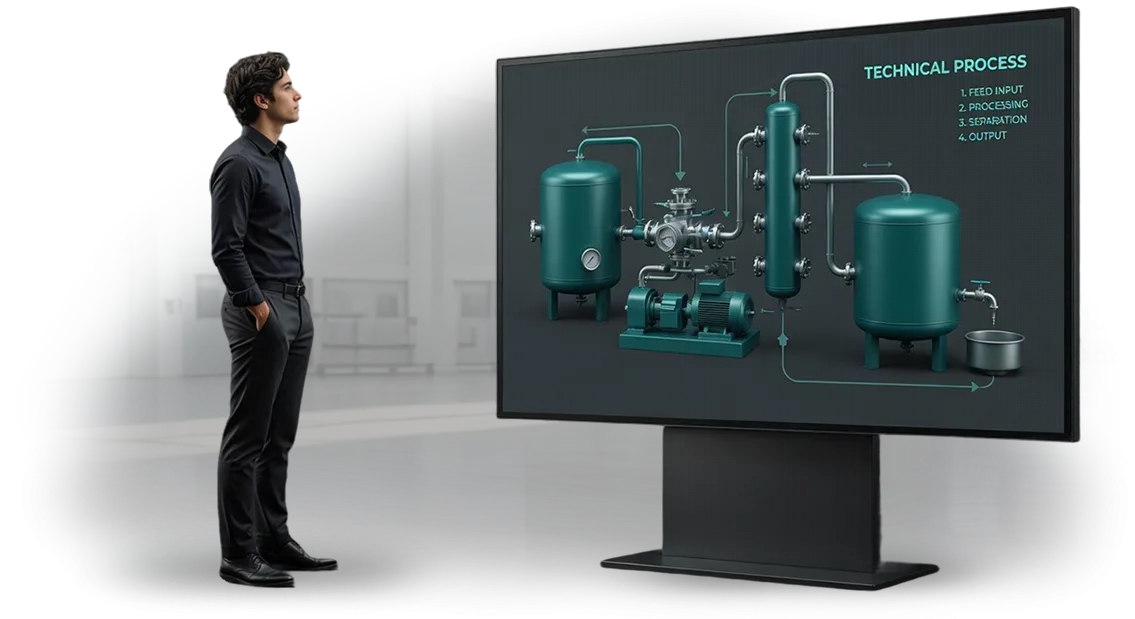
טעויות בתפעול ציוד עולות לעסקים כסף
עובד שמתפעל ציוד ספורט ללא הוראות ברורות הוא סיכון לכל העסק. הרכבה לא נכונה, אי-עמידה בנהלי תחזוקה או התעלמות מכללי בטיחות מובילים לתקלות בציוד, לפציעות של צוות ולקוחות.
כל מקרה כזה הוא לא רק עלות של תיקון לא מתוכנן ופיצויים, אלא גם שיבוש של תהליך האימון, שמשפיע ישירות על ההכנסות.
המוניטין עולה אפילו יותר. טעות של צוות בחדר כושר שנראית על ידי מבקרים, או ציוד פגום, היא סיבה לביקורות שליליות ולסירוב לחדש מנויים. תיקון ההשלכות יקר פי כמה ממניעתן במהלך הדרכת הצוות.
אבל מדריכים מסורתיים מבוססי טקסט והדרכות פרונטליות נדירות לא עובדים: המידע נשכח, וכל אדם מבצע משימות "מן הזיכרון" אחרת בכל פעם.
הוראות וידאו פותרות את הבעיה הזו. סרטון קצר שבו עובד רואה את רצף השלבים הנכון לטיפול בציוד ספורט נזכר מהר יותר מטקסט ומבטל פרשנות שגויה.
זה חשוב במיוחד עבור ציוד מורכב, שבו טעות בשלב אחד גורמת לשרשרת של תקלות או תאונות עבודה.
אנחנו יוצרים הוראות וידאו שהופכות ידע מפוזר לסטנדרט עבודה אחיד — מובן לכל עובד, ללא קשר לניסיונו.
הדרכת צוות מובנית כהלכה מפחיתה את מספר הטעויות, מאריכה את חיי השירות של ציוד הספורט ומגנה על העסק מעלויות מיותרות.
אתה מקבל חומר ויזואלי שניתן להשתמש בו לגיוס, להטמעת עובדים חדשים ולבדיקות ידע תקופתיות — מבלי להסיח את הצוות ממשימותיו העיקריות ומבלי להביא מאמנים חיצוניים.
כך אתה מטפל בתאונות עבודה וב"גורם האנושי" באופן שיטתי, לא באיסורים נקודתיים.
מה הוראת וידאו תלת-ממדית נותנת לחברה שלך
הוראות מבוססות טקסט בלבד לא עוזרות לעובדים להבין איך ציוד ספורט עובד מבפנים. הם משננים את הרצף, אבל הולכים לאיבוד בעת כוונון או פתרון תקלות.
הוראת וידאו תלת-ממדית עם תצוגות מפורקות פותרת את זה: מומחה רואה את רכיבי המכונה מפורקים ומבין את ההיגיון של פעולה בטוחה. הטכנולוגיה הופכת מדריכי יצרן מורכבים לתרחישים ויזואליים שמתחיל יכול להבין.
הפחתת פציעות
רוב תאונות העבודה קשורות לשימוש לא נכון בציוד. כאשר עובד רואה בסרטון מה קורה אם מדלגים על מחבר או מתעלמים ממנעול, הוא מבין את הסיכונים. זה מפחית את מספר ההפרות והפציעות, מה שבתורו מקצר השבתות ותשלומים.
הטמעה מהירה יותר של עובדים חדשים
במקום לבזבז שבוע בקריאת מדריכים ושאילת שאלות של עמיתים ותיקים, עובד חדש משלים הדרכה מבוססת וידאו תוך כמה ימים. הוא רואה את מבנה המכונה האמיתי מפורק לרכיבים ומיד מבין איך לעקוב אחר הנהלים. החברה משקיעה פחות זמן בהדרכה, והעובד מגיע לתפוקה מלאה מהר יותר.
סטנדרט הדרכה אחיד
כל עובד מקבל את אותה הוראת וידאו — ללא פרשנות שגויה או אובדן משמעות כשהחומר עובר ממדריך לחניך. הווידאו לא מתעייף מלחזור על אותו דבר, לא מוסח ולא מדלג על שלבים. כתוצאה מכך, כל המומחים עובדים לפי אותם כללים, מה שמפשט את בקרת האיכות.
הערכת ידע
לאחר הצפייה, ניתן להטמיע שאלות מבחן ולקבל תמונה אובייקטיבית של מי שלט בחומר ומי זקוק לחזרה נוספת. המנהל רואה את ההתקדמות של כל עובד בלוח בקרה אישי ותמיד יודע שהצוות מוכן לעבודה. זה הופך את ההדרכה מפורמליות לתהליך ניתן לניהול.
פורמטים של הוראות וידאו תלת-ממדיות לציוד ספורט
עובדים קולטים מידע אחרת, והמשימות שלהם שונות. אחד צריך את המסלול המלא מהפעלה ועד ניקוי, אחר צריך עזר מהיר לרכיב ספציפי, ושלישי צריך להבין מה יש בתוך המכונה.
וידאו אוניברסלי ממלא רק לעתים רחוקות את כל התרחישים: מתחיל מפספס פרטים, בעוד שעובד מנוסה מבזבז זמן על מה שהוא כבר יודע.
לכן אנחנו מחלקים את ההדרכה לפורמטים — לפי משימה ולפי קהל. אלה לא "תמונות יפות" אלא כלי עבודה שמקצר את הזמן עד למיומנות מלאה ומפחית טעויות בעת טיפול בציוד ספורט.
פורמט לכל תרחיש
| פורמט | למי זה מיועד | מה זה נותן ללקוח |
|---|---|---|
| סרטון הדרכה מלא | עובדים חדשים, צוות חדר כושר | מעבר מהיר לעבודה עצמאית ללא חונך |
| קליפ קצר | עובדים מנוסים, החלפות משמרות | תזכורת לנהלים, פחות טעויות בפעולות יומיומיות |
| תצוגה מפורקת של רכיב | מהנדסי שירות | הבנה ויזואלית של המכונה, אבחון תקלות מדויק |
| אנימציית הרכבה וכוונון תלת-ממדית | אלה שמרכיבים ומגדירים מחדש ציוד | פחות טעויות התקנה, חיסכון בזמן על תדרוכים |
קל לשלב בין הפורמטים: אפשר להוסיף תצוגה מפורקת לסרטון מלא, וקליפים קצרים יכולים לכלול קישורים לגרסה המלאה. הלקוח מקבל ספריית ידע שעובדת גם כהדרכה ראשונית וגם כעזר בכל רגע.
איך אנחנו יוצרים הוראת וידאו: שלבי הפרויקט
בנינו את התהליך כך שתמיד תדע איפה הפרויקט עומד ומה השלב הבא. כל השאלות והתיקונים מתועדים בכתב, מה שמונע אי-הבנות ועיכובים.
מחזור סטנדרטי אורך 3–4 שבועות, בעוד פרויקטים מורכבים מחולקים לאיטרציות קצרות עם דוחות סדירים.
- בריף וידאו — אנו שולחים לך שאלון על הקהל, סוגי הציוד ומטרות ההדרכה. אתה ממלא אותו תוך 30–40 דקות, ואנחנו מקבלים את הנתונים הדרושים לכתיבת התסריט ולחישוב העלות.
- אישור תסריט — אנו מכינים את טקסט הקריינות, תוכנית שוט-אחר-שוט ותיאור של הרכיבים המרכזיים שיוצגו בתלת-ממד. אתה מאשר את היגיון ההדרכה לפני תחילת ההפקה.
- הפקת וידאו — אנו יוצרים מודלים תלת-ממדיים עם תצוגות מפורקות, אנימציית הרכבה/פירוק, ומוסיפים כתוביות וקריינות. בשלב זה אתה מקבל גרסאות טיוטה ויכול לבקש שינויים.
- השקת ההדרכה — אנו מספקים את הקבצים הסופיים בפורמטים הנדרשים ועוזרים להעלות אותם למערכת ניהול הלמידה או לפורטל הארגוני שלך. העובדים יכולים להתחיל את ההדרכה מיד עם פרסומה.
- תמיכה לאחר ההשקה — אם דגם הציוד או נהלי התחזוקה משתנים, אנו מעדכנים את הסרטונים לפי בקשה. זה הרבה יותר מהיר וזול מאשר להזמין הפקה חדשה מאפס.
אתה שולט בתוכן ומאשר כל שלב, בעוד שכל העניינים הטכניים נשארים בצד שלנו. גישה זו מספקת הוראות וידאו מלוטשות ללא החמצת מועדים או התכתבויות מיותרות.
מה כלול בחבילת המסירה של הוראת הווידאו
חבילת המסירה המלאה היא לא רק אוסף של סרטונים מוגמרים, אלא מערכת שמשתלבת בהדרכת עובדים. אתה מקבל חומרים שניתן להשתמש בהם מיד להטמעה, להכשרה מתקדמת ולהסמכה לעבודה עם ציוד ספורט.
- הוראות וידאו מוגמרות. סרטונים קצרים עם ויזואליזציה תלת-ממדית ותצוגות מפורקות: כל שלב של הרכבה, פירוק ותחזוקה מוצג בבירור. הסרטונים עובדים על כל מכשיר — ממחשב ועד טאבלט ברצפת המחסן או בחדר הכושר.
- תסריט וידאו. תסריט שלב-אחר-שלב עם טקסט קריינות ותיאורי שוטים. אתה רואה את היגיון ההסבר מראש, מאשר אותו לפני העריכה ויכול לבצע שינויים ללא צילום מחדש.
- חומרים מתודולוגיים. דפי עזר, רשימות בדיקה ומדריך לחונך: איך לשלב את הווידאו בתהליך ההדרכה, אילו שאלות לשאול עובד ואיך לוודא שימור ידע.
- מבחנים לעובדים. מערכת הערכת ידע עם שאלות על כל הוראה. העובד נבחן לאחר הצפייה, ואתה מקבל תוצאות — אישית ולכל הצוות.
- ארכיון הפרויקט. כל קבצי המקור וחומרי העבודה: מודלים תלת-ממדיים, אנימציות, קבצי עריכה ונכסים מפנים. זה מאפשר עדכון מהיר של ההוראות כשקו הציוד או הנהלים משתנים.
- דרכון איכות ואחריות. מסמך עם פרמטרי תוצאה ולוחות זמנים קבועים לתיקונים במהלך תקופת האחריות — אתה מוגן מפני טעויות ואי-התאמות.
חבילה זו מכסה את כל מחזור ההדרכה: צפייה — בדיקת ידע — התחלת עבודה עם פחות טעויות. אתה חוסך זמן של חונכים, מפחית את הסיכון להשבתות ומקבל כלי שניתן להרחיב בקלות לסניפים ואזורים חדשים.
מקרה בוחן: איך צמצמנו השבתות ופציעות
כשרשת מועדוני הכושר פנתה אלינו, נקודת הכאב הייתה מוכרת לכל מנהל עם צי של ציוד ספורט: עובדים חדשים למדו ממדריכי נייר, התבלבלו ברצף ההרכבה ועשו טעויות בפירוק רכיבים.
זה הוביל להשבתות בחדר הכושר, קריאות מיותרות למהנדסי שירות ואפילו פציעות שנגרמו מטיפול לא נכון במכונות.
הצענו להחליף הוראות טקסט בסרטוני תלת-ממד עם תצוגות מפורקות מפורטות. תוך שבועיים הכנו הוראות וידאו ויזואליות לחמשת הדגמים הבעייתיים ביותר: הרכבה, כוונון, החלפת חומרים מתכלים ואבחון תקלות.
מה השתנה לאחר היישום
חודש לאחר ההשקה, מדדנו את האפקט יחד עם הלקוח. טעויות ההרכבה ירדו ב-70%, זמן ההדרכה של עובדים חדשים קוצר מחמישה ימים לשניים, והקריאות למומחים חיצוניים ירדו בשליש. הכי חשוב — לא הייתה אפילו פציעה אחת הקשורה לתחזוקת ציוד במשך שישה חודשים.
"נהגנו לבזבז שבועות על חונכות ועדיין סיימנו עם תקלות בגלל הרכבה לא נכונה. עם הוראת הווידאו, עובד רואה כל רכיב בעיניים שלו, מבין את הרצף ולא הולך לאיבוד בעבודה על הציוד בפועל.
הטעויות כמעט נעלמו, והמהירות שבה עובד חדש מתחיל לעבוד באופן עצמאי הוכפלה," שיתף ראש מחלקת התפעול.
המסקנה המרכזית לעסקים: הוראת וידאו ויזואלית עובדת ביעילות רבה יותר מכל מדריך טקסט, במיוחד כשמדובר בציוד ספורט מורכב.
זה אומר הטמעה מהירה יותר של עובדים, פחות השבתות ואיכות שירות עקבית ללא עלויות בקרה נוספות.
איך לבחור פורמט הוראת וידאו לפי המאפיינים של הציוד שלך?
בחירת פורמט לא מתחילה ב"תמונה יפה", אלא בשאלה הזו: אילו פעולות העובד צריך לבצע, ומה המחיר של טעות?
זה חשוב במיוחד עבור ציוד ספורט: רכיבים לא סטנדרטיים, הידראוליקה, כוונון מדויק, דרישות בטיחות. אם ההוראה לא מתייחסת למשימות עבודה אמיתיות, העובדים פשוט לא יצפו בה.
אין פתרון אחד שמתאים לכולם. החלפת חומר מתכלה פשוטה או תחזוקה יומיומית מכוסה היטב לעתים קרובות על ידי צילומי לייב-אקשן שמתמקדים בפעולות נכונות.
אבל כשמדובר בהרכבה מורכבת, תיקונים נדירים או ציוד שאי אפשר להבין מתמונה, וידאו תלת-ממדי עם תצוגה מפורקת עובד טוב יותר: הוא מציג את המבנה הפנימי, את רצף חיבור הרכיבים ואת הטעויות האופייניות מבלי לדרוש ממך לפרק את המכונה בפועל.
דרישות ציוד ספציפיות משפיעות גם על רמת הפירוט. אם עובד עובד עם כמה דגמים, הוראת הווידאו חייבת להתחשב בהבדלים בין הגרסאות.
אם יש תקנות בטיחות, צריך לשלב אותן בתסריט, לא לצרף כקובץ נפרד.
לכן אנחנו תמיד מתחילים בניתוח מקדים: הנהלים שלך, תקלות נפוצות, רמות מיומנות הצוות ואיך ההוראה תשמש — בטאבלט בחדר הכושר, בטלפון או במערכת ניהול למידה.
גישה אישית היא לא תוספת — היא חלק חיוני מהפיתוח. אנחנו בוחרים את הפורמט לפי המשימה: מסרטונים קצרים של 1–2 דקות לפעולות מהירות ועד הוראות מודולריות מפורטות שבהן כל חלק מכסה את השלב שלו.
אם הציוד שלך לא סטנדרטי, שלח לנו תיאור, שרטוט או וידאו — זה מספיק כדי שנציע את הפתרון האופטימלי ונראה דוגמה ממשימה דומה.
אל תשאיר את זה לניחושים — קבע ייעוץ: נדון במאפייני הציוד שלך, בנקודות הסיכון ובתוצאות הצפויות. תוך 2–3 ימים תקבל המלצה על פורמט, מבנה ותקציב — ללא התחייבות וללא מצגות מיותרות.
שאלות נפוצות על פיתוח הוראות וידאו
אספנו את השאלות האופייניות שנשאלות לפני תחילת פרויקט: לוחות זמנים, תקציב, אחריות ומורכבות היישום. להלן תשובות כנות כדי שתבין איך אנחנו עובדים ומה לצפות.
כמה זמן לוקח לפתח הוראת וידאו?
פרויקט סטנדרטי אורך שבועיים עד ארבעה שבועות. לוח הזמנים תלוי במורכבות הציוד, במספר הסצנות ובשאלה אם נדרש צילום לייב-אקשן או מודל תלת-ממדי מלא.
בהתחלה, אנחנו מגדירים לוח זמנים ועומדים בו — המסירה היא בשלבים, ואתה רואה גרסאות ביניים לאורך הדרך.
אם אתה צריך את זה בדחיפות, אפשר לדון בלוח זמנים עדיפות. במקרים כאלה, אנחנו מקצים צוות ייעודי ומסיימים את העבודה תוך שבוע עד עשרה ימים.
כמה עולה הוראת וידאו לעובדים?
העלות תלויה בפורמט: אנימציה המבוססת על השרטוטים שלך, לייב-אקשן עם שכבות תלת-ממדיות או תצוגה מפורקת מסונתזת לחלוטין. לאחר הבריף, אנחנו מכינים הערכת עלות מדויקת שנקבעת בחוזה ולא משתנה במהלך הפרויקט. אתה משלם עבור תוצר ברור, לא עבור שעות עבודה.
אין חיובים נסתרים עבור תיקונים במסגרת ההיקף המוסכם. כל משימה נוספת נדונה בנפרד ורק אם אתה מחליט להרחיב את הפרויקט בעצמך.
אילו ערבויות יש לנו שהווידאו יעבוד עבור העובדים שלנו?
אנחנו מבטיחים תוצאה: הווידאו נבדק על המכשירים האמיתיים שהמומחים שלך משתמשים בהם, מלפטופים ועד טאבלטים. אם מתעוררות בעיות השמעה לאחר ההשקה, נשפר את הווידאו בחינם.
אנחנו גם מספקים קבצי מקור ומגדירים הרשאות גישה — לא תהיה תלוי בנו לאחר מסירת הפרויקט.
אתה מאשר גרסאות ביניים בכל שלב. אנחנו לא מציגים את התוצאה הסופית ביום האחרון — אתה שולט באיכות לאורך כל הפרויקט ויכול לבצע שינויים כל עוד הם לא דורשים עיבוד מחדש מלא.
האם קל לשלב את הווידאו במערכת ה-LMS שלנו?
כן. אנחנו מספקים סרטונים בפורמטים אוניברסליים שנתמכים על ידי כל מערכות ניהול הלמידה הפופולריות. במידת הצורך, נייעץ כיצד להעלות את הקובץ בצורה נכונה, להגדיר גישה ולעקוב אחר צפיות ותוצאות מבחנים.
אם אין לך LMS, נציע אפשרויות אחסון והפצה פשוטות: פורטל ארגוני, כונן ענן או רשת פנימית.
היישום לא דורש מתכנתים בצד שלך. לכל היותר, שיחה אחת למומחה שלנו — אחרי זה, מנהל משאבי אנוש רגיל או מנהל מערכת יכול להתמודד עם זה.
האם תהיה תמיכה טכנית לאחר המסירה?
כן, אנחנו תומכים בפרויקט בחודש הראשון לאחר ההשקה — עונים על שאלות ועוזרים בהתקנה ללא תשלום. אם הציוד משתנה או מופיעים דגמים חדשים, אתה יכול להזמין עדכון וידאו בהנחה ללקוחות קבועים.
חברות רבות חוזרות אלינו אחרי חצי שנה עד שנה כשהן מרחיבות את קו המוצרים וצריכות הוראות חדשות.
בנוסף, אנחנו מספקים המלצות לעדכון תוכן כך שהוראות לא יתיישנו ויישארו מיושרות עם תקנות הבטיחות העדכניות.
הזמן הוראת וידאו לציוד שלך
אנחנו מוכנים לדון בפרויקט שלך ולהציע פתרון מותאם לצרכי הדרכת העובדים שלך. השאר בקשה להזמנת הוראת וידאו לציוד שלך — נכין בריף ונחשב את העלות תוך יום עסקים אחד.
הנה מה שאתה מקבל כשאתה פונה אלינו:
- בריף: אנחנו לוכדים את המטרות, הקהל והפורמט שלך כך שהוראת הווידאו תפתור במדויק את הבעיה העסקית שלך.
- לוח זמנים והערכת עלות: אנחנו מספקים את הערכת העלות לפני תחילת העבודה, ללא עמלות נסתרות או הפתעות בשלב הסופי.
- הצגת תיק עבודות: אנחנו מציגים מקרי בוחן לציוד ספורט ותעשיות קשורות כדי שתוכל לראות את איכות העבודה שלנו.
- אישור תסריט וסטוריבורד: אתה רואה את המבנה וההיגיון של ההוראה מראש ויכול לבצע שינויים לפני ההפקה.
- תמיכה לאחר ההשקה: אנחנו מעדכנים תוכן כשדגמים או נהלים משתנים, ושומרים על ההוראה עדכנית.
- אנשי קשר נוחים: אנחנו מגיבים דרך מסנג'רים וטלפון, מבהירים פרטים במהירות ותומכים בך בכל שלב.
אנחנו עובדים מרחוק עם עסקים מכל עיר. במשך יותר מעשר שנים הפקנו יותר ממאה סרטוני הדרכה — מקליפים קצרים ועד קורסים מעמיקים. השאר בקשה בעמוד או כתוב אלינו דרך אנשי הקשר, והיום נתחיל להכין את הבריף החינמי שלך.