

נזקים מטעויות צוות בעבודה עם ציוד בנייה
כל טעות של מפעיל בעבודה עם ציוד בנייה פוגעת בתקציב החברה: תקלת ציוד עוצרת את הבנייה לימים, תיקונים דורשים חלקי חילוף וצוותי שירות, והשבתת הצוות משמעותה משמרות ללא תשלום.
אם עובד מפעיל רכיב בצורה לא נכונה, ההשלכות לא מופיעות מיד, אבל כשמתרחשת תקלה, עלות הבעיה כבר גבוהה.
למה זה קורה? הוראות טקסט רגילות ודיאגרמות PDF לא מספקות את הבהירות החזותית הנדרשת. קשה למתחיל לדמיין איך מנגנונים פנימיים עובדים, ועובד מנוסה часто פועל לפי תחושה.
כתוצאה מכך, הכשרת צוות אורכת חודשים, וטעויות חוזרות שוב ושוב. בינתיים, עובדים עונתיים או צוותים חדשים מגיעים לאתר ללא הכנה מספקת.
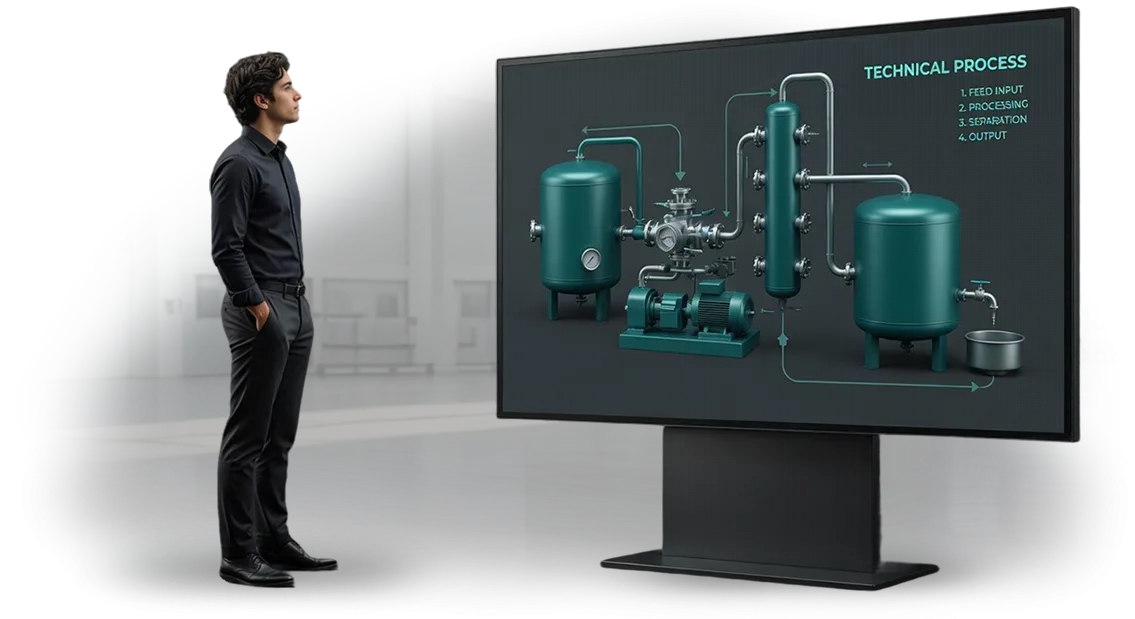
הוראת וידאו תלת-ממדית חזותית פותרת את הבעיה הזו. התצוגה המפורקת מראה את המבנה הפנימי של הרכיבים, את סדר הפירוק, הבדיקה וההרכבה—העובד רואה כל פעולה במקום לנחש מתוך שרטוט.
סרטונים כאלה מתאימים להכשרת עובדים חדשים ולבחינת הידע של צוותים קיימים. חברות שמיישמות אותם מפחיתות תקלות ציוד בעד 40% ומאיצות את קליטת העובדים פי כמה.
הצוות שלנו מפתח הוראות כאלה עבור הציוד שלך: אנו לוכדים מנגנונים אמיתיים, יוצרים עותקים תלת-ממדיים שלהם, ובונים תרחישים ברורים. אנו מטפלים בכל התהליך—מחקר הציוד שלך ועד סרטונים מוכנים שעובדים על מסכי טאבלט, טלפונים או קיוסקים אינטראקטיביים. זה מכסה את הצורך בהפעלה בטוחה של ציוד בנייה ומפחית עלויות תיקון.
מה הוראות וידאו תלת-ממדיות מספקות: בהירות חזותית, מהירות הכשרה, חיסכון בעלויות
כל עובד חדש באתר בנייה או במרכז שירות הוא סיכון לטעויות והשבתות. מדריכי טקסט ושרטוטים שטוחים לא נותנים את התמונה המלאה: באיזה סדר לפרק את היחידה, איפה המחברים, למה לשים לב.
הוראת וידאו תלת-ממדית עם תצוגה מפורקת מראה את הציוד מבפנים—העובד רואה כל חלק ואת מקומו במנגנון.
פיתוח הוראות וידאו תלת-ממדיות על ידי הצוות שלנו נותן מענה לאתגרים אלה. אתה מקבל חבילה מוכנה שפותרת חמש בעיות עסקיות מרכזיות:
- קליטה מהירה — עובד חדש מתעדכן בציוד תוך ימים, לא שבועות.
- פחות טעויות — רצף פירוק והרכבה ברור מבטל טעויות נפוצות.
- עלויות תיקון נמוכות יותר — הפעלה נכונה מפחיתה הוצאות על שירות וחלקי חילוף.
- תקן הכשרה אחיד — אותן הוראות לכל הסניפים והמשמרות.
- בטיחות עובדים — רכיבים מסוכנים מוצגים מראש, מה שמוביל לפחות פציעות ופחות השבתות.
הוראות וידאו זמינות בכל רגע: עובד פותח את הסרטון הדרוש בטאבלט ממש באתר ועוקב אחר הפעולות על המסך. זה מקל על המנטורים ומאיץ את הכנת הצוות.
בהתבסס על ניסיון הפרויקטים שלנו, חברות קולטות עובדים מהר יותר, פונות לשירות פחות, וחוסכות בתיקוני ציוד.
פורמטים של הוראות וידאו תלת-ממדיות לציוד בנייה
הפורמט של הוראת וידאו קובע כמה מהר עובד ישלוט בחומר וכמה חזק המיומנות תישמר.
עבור ציוד בנייה, חשוב לא רק להראות את רצף הפעולות, אלא להסביר את מבנה הרכיבים, את סדר הפירוק ואת הסיכונים של טעויות.
פורמטים למשימה שלך
אנו מכינים הוראות במספר פורמטים ובוחרים אותם לפי המשימה הספציפית: הכשרת מתחילים, השתלמות מתקדמת או סקירה מהירה לפני משמרת. הנה תרחישים אופייניים שאנו משתמשים בהם עבור צוות.
| פורמט | למי | מה זה נותן ללקוח |
|---|---|---|
| וידאו תלת-ממדי עם תצוגה מפורקת | מהנדסי שירות, מכונאים | פירוק שכבה-אחר-שכבה של היחידה: כל חלק ומקומו בהרכבה נראים, מה שמפחית את הסיכון לטעויות תיקון |
| הוראה אינטראקטיבית שלב-אחר-שלב | מפעילים חדשים, צוות קו | העובד עובר את השלבים בקצב נוח וחוזר על פעולות מורכבות עד שהן הופכות לאוטומטיות |
| אנימציית תזכורת קצרה | מנהלי משמרות, עובדי אתר | תזכורת מהירה לפעולות מפתח ללא עצירת עבודה, תקן אחיד לכל הצוות |
התצוגה המפורקת והאנימציה התלת-ממדית עוזרים להציג דברים מורכבים בפשטות, בעוד אינטראקטיביות הופכת צפייה להכשרה. בבחירת פורמט, אנו מתבססים על מה שהכי חשוב לעסק: מהירות הכשרה, פחות תקלות או בטיחות באתר. אנו נבחר פורמט עבור הציוד והצוות שלך.
איך אנחנו יוצרים סרטוני הדרכה: תהליך מהבריף ועד ההשקה
כדי שפיתוח סרטון הדרכה לא יהפוך ל"קופסה שחורה", בנינו תהליך שלב-אחר-שלב עם נקודות בדיקה ברורות. אתה תמיד יודע באיזה שלב נמצא הפרויקט ויכול להשפיע על התוצאה לפני שהיא נכנסת לייצור. להלן השלבים העיקריים מהבריף הראשון ועד הסרטון הסופי והתמיכה.
-
בריף וגילוי משימה. אנו מתחילים בראיון קצר: אילו פעולות צריך להראות, אילו טעויות עובדים עושים הכי הרבה, ומה רמת המיומנות של הקהל.
זה מאפשר לנו לכוון נכון מההתחלה, במקום לעבוד מחדש על סרטון מוגמר בגלל קלט שגוי.
-
ניתוח ציוד ותרחישים. אנו לומדים תיעוד ושרטוטים, ובמידת הצורך מתייעצים עם המהנדסים שלך. אנו קובעים אילו רכיבים להראות בתצוגה מפורקת ואילו בהרכבה רגילה כדי שההוראה תהיה מדויקת ולא מטעה.
-
תסריט וסטוריבורד. אנו מתארים כל שוט עם טקסט וסקיצות: מה קורה על המסך, אילו חלקים מודגשים, ואילו הערות מוקראות. אתה מקבל מסמך לאישור—שינויים נעשים לפני שהאנימציה מתחילה, כך שאין צורך לעבוד מחדש על עבודה מוגמרת.
-
מידול ואנימציה תלת-ממדית. אנו יוצרים עותקים דיגיטליים של רכיבים ותצוגות מפורקות מציאותיות שמראות את המבנה הפנימי ללא צורך בפירוק הציוד. בשלב זה, אתה רואה פריימים ביניים ויכול לוודא שהכל נראה נכון.
-
קריינות ועריכה. אנו מקליטים קול קריין, מוסיפים כתוביות, סמנים והפסקות כדי שלעובד יהיה זמן לעכל את המידע. אנו שולחים טיוטה מוגמרת לבדיקה—אתה מקבל את הסרטון בפורמט נוח למערכת ההכשרה שלך.
-
השקה ותמיכה. לאחר אישור הגרסה הסופית, אנו מעבירים את קבצי המקור והסרטונים המוכנים. אנו נשארים בקשר: אם אתה צריך עריכות או גרסאות נוספות—למחלקות שונות, שפות או סוגי ציוד—אנו מבצעים אותן במסגרת לוחות הזמנים המוסכמים.
גישה זו מקצרת את זמן האישור ומבטיחה שהסרטון הסופי פותר את משימת ההכשרה. אתה מקבל לא רק גרפיקה יפה, אלא כלי עבודה להכנה מהירה של צוות ולהפחתת מספר הטעויות בעבודה עם ציוד.
מה כלול במסירה: חבילה מלאה להשקת הכשרת צוות
לאחר סיום הפרויקט, אתה מקבל לא רק סרטון, אלא חבילה מלאה להשקת הכשרת צוות על ציוד בנייה. כל מה שצריך לקליטה מהירה של עובדים חדשים ולהתפתחות מקצועית של קיימים נמצא בחבילה אחת.
הנה מה שכלול במסירה:
- סרטון מוכן עם תצוגה תלת-ממדית מפורקת של הציוד. העובד רואה איך המכונה בנויה מבפנים ואיך מוציאים רכיבים—ללא סיכון לפגיעה בציוד אמיתי.
- תסריט הדרכה. אנו מגדירים את ההיגיון הסיפורי והדגשים עבור הציוד שלך וטעויות עובדים אופייניות כך שכל פריים תומך בלמידה.
- קריינות מקצועית. קול קריין ברור עם טרמינולוגיה נכונה—הסרטון מובן אפילו למי שלא אוהב לקרוא מדריכים.
- כתוביות וסמנים אינטראקטיביים. שמות רכיבים ורצף פעולות מופיעים על חלקים מורכבים—תשומת הלב נשארת ממוקדת, והחומר נזכר מהר יותר.
- סרטון סופי במספר פורמטים. אנו מכינים גרסאות לפורטל הלמידה, טאבלטים וסמארטפונים כך שניתן להשלים הכשרה בכל מכשיר.
- מדריך יישום קצר. אנו מייעצים כיצד לשלב את הסרטון במערכת ההכשרה הקיימת שלך ולבדוק במהירות אם העובדים קלטו את החומר.
כל החומרים מסופקים אלקטרונית עם זכות שימוש בתוך החברה—ללא עמלות נוספות או הגבלות על מספר העובדים.
מקרה בוחן: איך הוראות וידאו הפחיתו השבתות ציוד בנייה
יצרן ציוד בנייה התמודד עם בעיה אופיינית: מפעילים חדשים עשו טעויות במהלך הרכבה והתקנה של ציוד. כל טעות משמעותה השבתת מכונה באתר, שיבוש לוח זמנים ועלויות נוספות לביקור מהנדס.
הוראות נייר רגילות וסרטונים לא הניבו את האפקט הרצוי—העובדים לא הבינו את המבנה הפנימי של הרכיבים ואת רצף הפעולות.
פיתחנו סדרה של הוראות וידאו תלת-ממדיות עם תצוגות מפורקות עבור דגמי ציוד מרכזיים. במקום שרטוטים שטוחים, המפעיל רואה איך רכיב מפורק ומורכב, איפה כל חלק נמצא, ואיך הם מתקשרים. בזכות הבהירות החזותית, זמן הלמידה התקצר, וטעויות הרכבה הפכו פחות נפוצות.
תוצאות הפרויקט
- השבתות ציוד שנגרמו מטעויות צוות ירדו ב-35% בשלושת החודשים הראשונים.
- זמן הכשרת מפעילים חדשים ירד משבועיים לחמישה ימים.
- מספר פניות השירות הקשורות לבעיות תפעול ירד ב-40%.
קיבלנו נתונים אלה מנתוני הלקוח לאחר יישום ההוראות. מנהלי מחלקת השירות ציינו שעובדים חדשים מתחילים לעבוד באופן עצמאי מהר יותר, ועובדים מנוסים מוסחים פחות על ידי שאלות שגרתיות.
למה זה עובד
SpetsTechService, מפיץ מרכזי של ציוד בנייה, משתמש בהוראות וידאו אלה במערכת ההכשרה שלו ומספק אותן לשותפים.
לאחר השלב הראשון של הפרויקט, הלקוח הזמין הרחבה של הספרייה לדגמי ציוד אחרים וביקש גרסאות למכשירים ניידים.
מקרה הבוחן מאשר: הוראות וידאו מחזירות את ההשקעה באמצעות הפחתת השבתות והאצת קליטה. עבור העסק, זה אומר עלויות הכשרה נמוכות יותר, פחות תקלות ועבודה יציבה באתרים.
שאלות נפוצות: מה אם הציוד משתנה או מתקלקל?
אנו מבינים: ציוד מתעדכן, ולכן הסרטון חייב להישאר עדכני. אחרת, עובדים יתאמנו עם הוראות מיושנות, מה שיוביל לטעויות בעבודה ולשאלות מיותרות למחלקת השירות.
זו הסיבה שאנו בונים את הייצור כך שניתן להתאים הוראות במהירות לתצורה או שינוי חדש של ציוד.
במקום צילום מחדש מלא, אנו מבצעים עריכות ממוקדות: רכיב הוחלף, נוסף כפתור חדש, רצף הפעולות השתנה—הסרטון מותאם לציוד האמיתי בזמן קצר. אתה מקבל תרחיש הדרכה עדכני ללא הוצאת תקציב על הפקה מאפס.
להלן תשובות לשאלות שמעסיקות לקוחות לרוב לפני תחילת פרויקט.
מה אם הציוד משתנה לאחר מסירת הפרויקט?
אנו נשארים בקשר לאחר סיום העבודה. אתה שולח תיעוד מעודכן או תצורה חדשה—אנו מתאימים את המודל התלת-ממדי ומצלמים מחדש רק את הסצנות שהושפעו מהשינויים. שאר השוטים נשארים זהים, כך שעדכון אורך ימים, לא חודשים.
האם לוקח זמן רב להתאים הוראה לדגם ציוד אחר?
אם מדובר בשינוי דומה, מספיק להחליף חלקים בודדים ולחשב מחדש את האנימציה. אנו מבנים את הפרויקט כך שהעריכות נשארות מקומיות. אתה מקבל סרטון לכל גרסת ציוד מבלי להתחיל את מחזור ההפקה מחדש.
אילו ערבויות יש שהסרטון לא יתיישן?
אנו מגדירים את תנאי התחזוקה בחוזה: תקופת שמירת הסרטון עדכני והליך ביצוע עריכות. ככלל, מדובר בשנה אחת לאחר המסירה, וניתן להאריך את התקופה.
הנקודה המרכזית היא שלא תישאר לבד עם הוראה מיושנת: אנו ממנים אדם אחראי שמעדכן במהירות את הסרטון כשהציוד משתנה.
שלח בקשה לפיתוח הוראות וידאו עבור הציוד שלך
מתחיל לא צריך שבוע כדי ללמוד מדריך נייר. הוראת וידאו עם תצוגה תלת-ממדית מפורקת מראה איך רכיב של מכונת בנייה עובד ואיך לטפל בו—הכשרה אורכת דקות במקום שעות, וטעויות תיקון מצטמצמות לאפס. סרטונים כאלה מפחיתים השבתות ציוד ומביאים עובדים במהירות לרמת ביצוע.
שלח בקשה לפיתוח הוראות וידאו עבור ציוד הבנייה שלך. נדון בפרויקט, נבהיר אילו פעולות גורמות לרוב לקשיים לעובדים, ונכין הצעה למשימה שלך.
מה תקבל לאחר פנייתך:
- ייעוץ על פורמט: נבחר את סוג הסרטון—מסקירת רכיב ועד פירוק והרכבה מלאים;
- ביקורת על חומרים קיימים: נראה אילו הוראות כבר קיימות ואיפה זמן הצוות מתבזבז;
- תסריט עבור הציוד שלך: כל פעולת עובד תוצג חזותית, ללא שרטוטים מורכבים;
- הערכת לוח זמנים: נגיד לך מתי הסרטון יהיה מוכן, תוך התחשבות בלוח הזמנים שלך;
- דוגמאות להוראות הווידאו שלנו על ציוד בנייה;
- הצעה ברורה: נקבע את היקף העבודה, לוחות הזמנים והתוצאה ללא תנאים נסתרים.
הצוות שלנו עובד על הפרויקט: אנו מייצרים סרטוני הדרכה כבר יותר מעשר שנים ועובדים מרחוק—אין צורך לארגן אתר צילום. אנו מסכימים על התסריט מראש, ואתה מקבל את הסרטון הסופי בדיוק בזמן.
שלח בקשה לפיתוח—ניצור איתך קשר תוך יום עסקים אחד, נענה על שאלותיך ונציע פתרון שיאיץ את הכשרת הצוות ויפחית השבתות ציוד.
איך לבחור את הפורמט הנכון של הוראת וידאו למשימה שלך?
יש לבחור את הפורמט של הוראת וידאו על סמך שתי שאלות עיקריות: איזה ציוד ספציפי צריך להסביר ואיזו מטרה אתה מציב להכשרה.
כמה מהר עובד שולט בחומר וכמה בביטחון הוא עובד עם הציוד תלוי בכמה נכון הפורמט נבחר.
עבור ציוד פשוט, שבו ניתן להראות את רצף הפעולות בכמה דקות, מספיק סרטון קצר עם קריינות. אבל כשמדובר בציוד בנייה מורכב, רצף וידאו ליניארי לא יספק את העומק הנדרש.
המפעיל צריך לראות את הרכיבים הפנימיים, להבין איך הם מתקשרים, ולדמיין את התמונה המלאה לפני שמתחיל בעבודה אמיתית. אלה בדיוק המשימות שהוראות מונפשות שמדגימות את המבנה הפנימי ורצף ההרכבה מכסות.
מטרת ההכשרה היא הגורם המרכזי השני בבחירה. להדרכה ראשונית והיכרות עם תקנות, סרטון סקירה עובד היטב.
אם אתה צריך להכין עובד למצבים לא סטנדרטיים או ללמד נהלי בטיחות לפני השקת קו יקר, נדרש פירוט מעמיק עם דגש על רכיבים קריטיים וטעויות נפוצות.
ככל שעלות התפעול של הציוד גבוהה יותר, כך הגיוני יותר להשקיע בחומר חזותי מפורט.
לכן, אנו תמיד מתחילים פרויקט בניתוח קצר: איזה ציוד אתה משתמש, מי יצפה בהוראות, ואיזו תוצאה חשובה לך יותר—מהירות קליטה, פחות תקלות או עבודה בטוחה בתנאים קשים.
כך אנו בוחרים פורמט שבאמת פותר את המשימה שלך, לא רק יוצר "סרטון יפה". בחירה נכונה של פורמט חוסכת זמן לעובדים ומפחיתה השבתות ציוד, מה שאומר שהיא מחזירה את ההשקעה בהכשרה במהירות.