

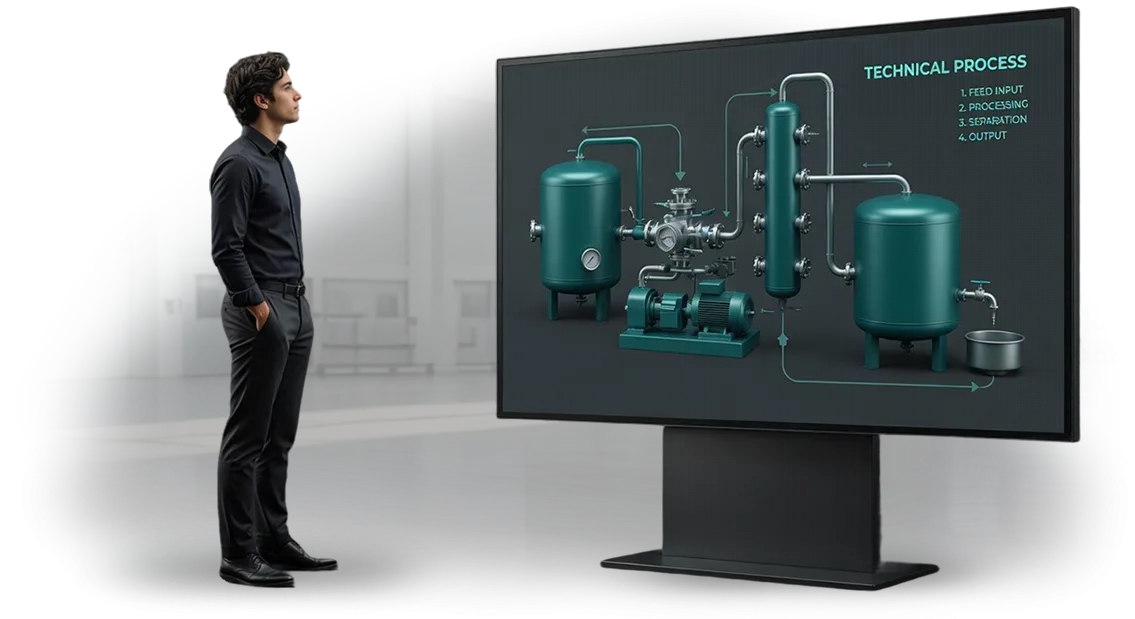
שגיאות התקנת ציוד תקשורת: עלות וסיכונים
שגיאות בהתקנת ציוד תקשורת נמדדות לא רק בזמן המושקע בתיקונים. רצף הרכבה משובש, חיבור שגוי של רכיב, או דילוג על שלב מובילים להשבתה, קריאות חירום, החמצת מועדים ולקוחות לא מרוצים.
כשהציוד משרת מאות מנויים, המחיר של שגיאה כזו הוא אובדן אמון וכסף אמיתי.
לרוב, מתקינים טועים לא בגלל חוסר זהירות, אלא בגלל היעדר דוגמה ויזואלית ברורה של ההליך הנכון. הוראות טקסט ודיאגרמות סטטיות משאירות מקום לפרשנות: כל מומחה מבין אותן אחרת.
כתוצאה מכך, הכשרת עובדים המבוססת על חומרים כאלה נמשכת זמן רב, בעוד החברה ממשיכה לתקן ליקויים ולשלם עבור ביקורים חוזרים באתר.
הוראות וידאו משנות את הגישה: העובד רואה את המבנה של ציוד התקשורת בפירוט ואת רצף ההתקנה הנכון לפני שהוא מרים כלי עבודה.
תצוגות מפורקות מראות בבירור מה מוסתר בתוך המארז, ומבטיחות שאף אלמנט חשוב לא יעבור ללא תשומת לב. ההכשרה מפסיקה להיות תלויה בניסיון האישי של המדריך והופכת לתקן ניתן לשחזור שגם מתחיל יכול להבין.
זו הסיבה שאנו יוצרים הוראות וידאו להכשרה המשולבות במערכת פיתוח העובדים. זה מפחית את מספר שגיאות ההתקנה, מזרז את הזמן שבו מומחים מגיעים לפרודוקטיביות, ומקצץ בעלויות תיקון ליקויים.
החברה זוכה באיכות עבודה עקבית, ולקוחותיה זוכים בביטחון באמינות התקשורת שלהם.
מה הוראות וידאו משיגות עבור החברה שלך
כשהפעולה הבלתי פוסקת של הרשת על כף המאזניים, כל טעות של עובד גורמת להשבתה, תקלות ואובדן לקוחות.
הוראות וידאו עם הדגמות תצוגה מפורקת של ציוד תקשורת הופכות תהליך תחזוקה מורכב לאלגוריתם ברור שלא ניתן לפרש לא נכון. במקום מדריכים עבים — וידאו ויזואלי שבו כל רכיב וכל שלב נראים לעין.
היתרון המרכזי הוא בטיחות. העובד רואה כיצד לטפל בציוד כראוי, היכן נמצאים האלמנטים הקריטיים, ומה קורה אם הרצף מופר. זה מפחית את הסיכון לנזק לרכיבים יקרים ולפציעות בשטח.
כל מתקין, מהנדס או טכנאי עובד לפי תקן אחד ולא מסתמך על זיכרון או על "כך לימדו אותנו בפעם הקודמת."
היתרון השני הוא מהירות. הוראת וידאו מקצרת את זמן ההכשרה והקליטה פי כמה. מומחה חדש מגיע לרמת עבודה תוך ימים ספורים במקום חודשים, ועבור צוות מנוסה, הווידאו הופך למדריך מהיר לפני תיקונים מורכבים.
פחות זמן המושקע בניתוח שגיאות ותיקונים — יותר הזמנות שהושלמו ותגובה מהירה יותר למקרי חירום.
היתרון השלישי הוא הפחתת עלויות. כל שגיאה בעבודה עם ציוד תקשורת משמעותה עלות חלקי חילוף, קריאת צוות וזמן אבוד. הוראות וידאו מחזירות את ההשקעה כבר לאחר התקלה הראשונה שנמנעה.
החברה מוציאה פחות על הדרכה חוזרת ופיקוח, ותחלופת עובדים מפסיקה להיות אסון: הידע נשאר בחברה במקום לעזוב עם העובד.
לבסוף, ההכשרה הופכת לשיטתית. ההנהלה רואה שכולם עובדים לפי אותם תקנים, ואיכות השירות כבר לא תלויה בניסיון של אדם מסוים.
קל לעדכן את הווידאו כשהנהלים משתנים, והעובדים מקבלים חומר ברור שהם יכולים לעיין בו בכל עת. בסופו של דבר, גם ביטחון הצוות וגם שביעות רצון הלקוחות של החברה שלך גדלים.
פורמטים של וידאו להכשרה למשימות שונות
עובד מבין הוראות מהר יותר כשהפורמט תואם למשימה: להראות איך מחברים כבל זה דבר אחד; להראות איך מפרקים ספק כוח כדי להחליף מודול זה דבר אחר. בחירת פורמט שגוי מובילה לשגיאות ולהכשרה חוזרת, שעולה לחברה זמן וכסף.
פיתוח סרטוני הדרכה אינו על תמונה יפה — זה על תוצאות מדידות. אנו משתמשים בשלושה פורמטים המכסים תרחישים שונים, מהכשרה המונית של חדשים ועד תיקונים של ציוד תקשורת מורכב. ניתן לשלב אותם בתוך מערכת הכשרה אחת.
| פורמט | למי ומתי | מה הוא משיג עבור החברה |
|---|---|---|
| הוראות וידאו דו-ממדיות | עובדים חדשים ופעולות המוניות: תצורה, חיבור, נהלים. | קליטה מהירה ללא מדריך, תקן ביצוע אחיד. |
| אנימציית תלת-ממד עם תצוגות מפורקות | מהנדסים וצוותי תיקון: פירוק, החלפת רכיבים, תחזוקה. | העובד רואה את המבנה הפנימי ואת אלגוריתם הפעולה ללא סיכון לנזק לציוד. |
| סרטונים משולבים | קבוצות מעורבות: במקום שבו נדרשים גם צילומים אמיתיים וגם מבנה פנימי. | סרטון אחד מכסה מספר משימות, וחוסך בתקציב ההפקה. |
אנו עוזרים לבחור את הפורמט האופטימלי למשימה שלך: אנו מנתחים את הקהל, מורכבות הפעולה ותדירות השימוש בהוראה.
עבור ציוד תקשורת, אנו משלבים לרוב תצוגות מפורקות בתלת-ממד ודיאגרמות דו-ממדיות כך שהעובד יכול לעבור מהבנה כללית לפעולות מדויקות.
כתוצאה מכך, אתה מקבל סרטוני הדרכה שמקצרים את זמן הקליטה, מפחיתים את מספר השגיאות ואינם תלויים בתחלופת מדריכים.
כיצד עובד תהליך יצירת הוראת וידאו: 7 שלבים
תהליך שקוף של שבעה שלבים עוזר ליצור הוראה שבאמת עובדת בהכשרת עובדים. אתה לא רק מזמין סרטון — אתה שולט בכל שלב, מהבריף הראשוני ועד הקבצים הסופיים. כך זה עובד.
-
בריף וניתוח משימה. אנו מגדירים את קהל היעד: עובד חדש, צוות שירות או צוות מחסן. אנו מבהירים אילו פעולות צריך להראות, באילו תנאים העובדים עובדים, ומהי התוצאה הנחשבת מוצלחת.
-
תסריט וסטוריבורד. אנו מתארים כל פעולה במילים ומשרטטים את הפריימים באופן סכמטי. אתה רואה את ההיגיון ההדרכתי לפני שמשקיעים משאבים באנימציה ומאשר אותו.
-
תיאום עם הצוות שלך. אנו דנים בתסריט עם הטכנולוגים והעובדים המנוסים שלך ומבצעים תיקונים. זה חשוב כדי שהווידאו יתאים לנהלים האמיתיים ולא להוראה מופשטת המבוססת על מסמכים.
-
הכנת מודל תלת-ממדי ותצוגה מפורקת. עבור ציוד תקשורת כגון ארונות ומודולים, אנו מראים את המבנה הפנימי: כיצד להסיר את המכסה, לחבר לוח או להחליף רכיב. העובד רואה פרטים שאינם נראים בצילום רגיל.
-
אנימציה והפקת וידאו. אנו מרכיבים את הסצנות לנרטיב אחד: תנועות מצלמה חלקות, הדגשה על פרטים חשובים והפסקות לקריאה. זה הופך את ההוראה למחזיקת תשומת לב ונזכרת טוב יותר מטקסט.
-
עריכה והתאמה. אנו מוסיפים קריינות וכתוביות ויוצרים גרסאות למחשבים ולטאבלטים. אנו מוודאים שהווידאו רץ בצורה חלקה על המכשירים שלך.
-
מסירה ותמיכה. אנו מספקים קבצי מקור ונכסים מוגמרים ועוזרים לשלב אותם בתוכנית ההכשרה. אם הציוד משתנה, אנו מעדכנים את הסצנות הרלוונטיות ללא צילום מחדש של כל הווידאו.
כתוצאה מכך, אתה מקבל שיעור שמקצר את הזמן שבו עובדים חדשים מגיעים לפרודוקטיביות ומפחית את מספר השגיאות בעבודה עם ציוד יקר.
מה כלול בחבילת המסירה של הוראת הווידאו
לאחר אישור הבריף והתסריט, אנו מרכיבים עבורך חבילת מסירה מלאה. זה לא קובץ הקלטת מסך בודד אלא מערכת שלמה להכשרת עובדים חדשים ולהעלאת המיומנות של עובדים קיימים.
הנה מה שהחבילה כוללת:
- הוראות וידאו להכשרה — סרטונים המכסים פעולות בציוד תקשורת: מהליכים בסיסיים ועד תהליכים מורכבים. כל סרטון מחולק לשיעורים קצרים כך שעובדים יכולים למצוא במהירות את השלב הדרוש.
- תסריטי טקסט וכתוביות — טקסטים מוכנים לעיון בחומר, ליצירת דפי עזר ולבדיקות ידע. התסריטים נוחים כדפי רמאות בעבודה.
- מדריך למדריך — המלצות לשילוב הסרטונים בתוכנית ההכשרה: היכן להראות אותם, אילו שאלות לשאול וכיצד להעריך תוצאות.
- פלטפורמת הכשרה — מרחב מאובטח שבו מתארחים כל הסרטונים, המבחנים והחומרים. אתה מקבל גישה למספר בלתי מוגבל של עובדים, וההנהלה יכולה לעקוב אחר ההתקדמות של כל אדם.
- מבחני הערכה ומשימות — שאלות המשולבות בפלטפורמה עבור כל שיעור. אתה יכול לראות מיד מי שלט בחומר ומי זקוק לתמיכה נוספת.
- הוראות עדכון — כשהציוד או הנהלים משתנים, אתה יכול להתאים את החומרים במהירות מבלי לשלם שוב עבור מחזור פיתוח מלא.
אנו מוסרים את החבילה בשלבים: תחילה התסריטים ומבנה הקורס, לאחר מכן גרסאות טיוטה של הסרטונים, ורק לאחר קבלת המשוב שלך — הסרטונים הסופיים, מדריך המדריך והגדרת הפלטפורמה.
רצף זה מבטל את הסיכון לעבודה חוזרת ומבטיח שהמוצר הסופי תואם את הציפיות שלך.
לאחר מסירת החבילה, אנו נשארים בקשר: לתקופה מוסכמת, אתה יכול לשאול שאלות, להגיש תיקונים ולקבל עדכוני מדריך. זה אומר שיישום ההכשרה לא ייתקע בגלל פרטים טכניים — אתה מקבל מערכת עובדת, לא ערימת קבצים.
מקרה בוחן: הפחתה של 40% בשגיאות על פס ייצור
הלקוח, יצרן גדול של ציוד תקשורת, התמודד עם נקודת כאב אופיינית לתעשייה: הרכבת רכיבים מורכבים ארכה זמן רב, ושגיאות על פס ההרכבה הובילו לליקויים ולהשבתה.
הוראות נייר ואפילו הקלטות וידאו רגילות לא סיפקו תשובה חד-משמעית כיצד לחבר נכון אלמנטים לפי התצוגה המפורקת.
הצענו להחליף אותן בהוראות וידאו בתלת-ממד עם תצוגות מפורקות מפורטות. העובד רואה לא תמונה שטוחה אלא פירוק ממדי של הרכיב: כל חלק, מיקומו, סדר ההתקנה וזווית החיבור. זה מבטל את הבעיה המרכזית — קריאה שגויה של הדיאגרמה.
תוצאה: 40% פחות שגיאות והכשרה מהירה יותר
לאחר יישום הוראות התלת-ממד, מספר השגיאות על פס הייצור ירד ב-40%. הליקויים הפסיקו להיות מקור ההפסדים העיקרי: המפעילים מזהים באופן עצמאי את רצף הפעולות הנכון מבלי לחכות לרמז של המפקח.
במקביל, זמן הקליטה של עובדים חדשים קוצר — במקום שבוע של חונכות, יומיים מספיקים כעת. צוות מנוסה החל לעבור בין דגמים ללא הכשרה חוזרת, והחברה הזמינה הזמנה חוזרת תוך שלושה חודשים בלבד.
מדוע מקרה זה מעיד
זו לא דוגמת מעבדה אלא עבודה במפעל פעיל עם צוותים אמיתיים. התוצאה הושגה ללא שינוי ציוד או גיוס מפקחי איכות נוספים — רק פורמט ההוראה השתנה. זו הסיבה שאותן הוראות תלת-ממד משמשות כיום באזורי ייצור אחרים של הלקוח.
אנו ממשיכים לתמוך בפרויקט גם היום: מחדדים סרטונים לדגמים חדשים, מעדכנים תסריטים ומבטיחים שהחומר יישאר מובן גם למתחילים.
שאלות נפוצות על הוראות וידאו ארגוניות
לפני הזמנת הוראות וידאו ארגוניות, לרוב המנהלים יש את אותם ספקות: האם העובדים יבינו את פורמט התלת-ממד, כמה זמן זה ייקח, והאם הפרויקט יהיה יקר מדי? להלן תשובות ישירות לשאלות טיפוסיות כדי שתוכל לראות את הערך האמיתי לפני תחילת העבודה.
האם עובדים ללא הכשרה טכנית יבינו הוראת תלת-ממד?
כן, זו בדיוק המטרה של פורמט התלת-ממד. תצוגה מפורקת מראה חלקי ציוד תקשורת כפי שהם נראים במהלך פירוק: רכיבים נפרדים, מסתובבים וחושפים את רצף ההתקנה.
העובד לא צריך לקרוא שרטוטים מורכבים — הוא פשוט צופה במסך וחוזר על התנועות. אפילו מומחים חדשים עם ניסיון מינימלי מבינים הוראה כזו.
ההכשרה הופכת למהירה יותר, ומספר שגיאות ההרכבה יורד. במקום לפענח דיאגרמות שטוחות, האדם פשוט מתאים את פעולותיו למודל הממדי.
האם הפיתוח יימשך מספר חודשים?
פרויקט טיפוסי אורך בין שבועיים לשישה שבועות בהתאם למספר הדגמים ומורכבות הפעולה.
זה לא מחזור הפקה ארוך: חידדנו תהליך שבו מודלי התלת-ממד, התסריט והקריינות מוכנים במקביל, בעוד אתה מאשר גרסאות ביניים ללא המתנה מיותרת.
אם אתה צריך שעובדים יוכשרו עד תאריך מסוים — למשל, עד השקת קו ציוד חדש — אנו בונים מרווח זמן סביר ועומדים באבני דרך ביניים. אתה תמיד יכול לראות התקדמות ולהתאים סדרי עדיפויות.
האם זה יהיה יקר מדי עבור המשימה שלנו?
העלות מחושבת לפי הסרטונים הספציפיים ומורכבות מודלי התלת-ממד, אבל חשוב להסתכל על ההחזר על ההשקעה. הוראת וידאו איכותית אחת מחליפה מספר שעות של מפגשי הכשרה חיים שחוזרים על עצמם עבור כל עובד חדש.
תוך מספר שבועות של הכשרה, הווידאו מחזיר את ההשקעה באמצעות קיצור זמן קליטה והפחתת ליקויים.
בנוסף, אתה משלם פעם אחת ומשתמש בחומר במשך שנים — כשהציוד משודרג, מספיק לעדכן את המודל במקום לצלם הכל מחדש. הערכת עלות שקופה ננעלת לפני ההתחלה, ללא תוספות נסתרות.
האם אפשר לוותר על תלת-ממד ופשוט להפיק וידאו רגיל?
צילום וידאו רגיל עובד היטב עבור תהליכים גלויים, אבל בציוד תקשורת, רוב הרכיבים הקריטיים מוסתרים מתחת למארז.
ללא תצוגה מפורקת, תצטרך להראות פירוק על מכשיר אמיתי — זה גוזל זמן, דורש טייקים מרובים ויוצר סיכון לנזק לציוד יקר.
מודל תלת-ממד מאפשר להראות את החלקים הפנימיים ללא פירוק אמיתי אחד, להתקרב על מחברים קטנים ולהפריד חלקים לשלבים.
חומר כזה הוא יותר המחשה ובטוח יותר לחומרה, והעובד רואה את התמונה המלאה: מהמראה החיצוני ועד החיבור הנכון של כל מגע.
אם נותרו שאלות או שיש לך משימה לא סטנדרטית, נדון בפרטים ונכין הערכת עלות המותאמת לדרישות הספציפיות שלך. שתף את הפרמטרים, ואנו ניצור איתך קשר לייעוץ.מוכן להזמין פיתוח הוראת וידאו לעובדים שלך?
שליחת בקשה היא הצעד הראשון לעזור לעובדים שלך לשלוט בעבודת ציוד התקשורת מהר יותר ובאמינות רבה יותר. אתה מקבל לא רק סרטון אלא פתרון הכשרה מלא שמקצר את זמן הקליטה ומפחית את הסיכון לשגיאות במהלך התחזוקה.
מלא את הטופס או התקשר אלינו — תוך יום עסקים אחד, נשלח דוגמאות של הוראות הווידאו התלת-ממדיות שלנו, הערכת עלות ראשונית ונציע פורמט נוח למשימה שלך. ללא התחייבויות — רק ניתוח ממוקד של המצב שלך.
מה תקבל לאחר שליחת בקשה
- ייעוץ מומחה — אנו מנתחים את המשימה שלך וממליצים על פורמט הוראת הווידאו האופטימלי עבור הציוד והקהל שלך.
- דוגמאות עבודה — אנו מציגים פרויקטים אמיתיים של ציוד תקשורת כדי שתוכל לראות את רמת הפירוט והאיכות.
- הערכה מדויקת — עלות ולוחות זמנים לפי היקף העבודה, מספר הסצנות ומורכבות הרכיבים. ללא עמלות נסתרות או אותיות קטנות.
- תסריט המותאם למקרה שלך — אנו מתאימים את התוכן הוויזואלי לדגמי הציוד הספציפיים ולרמות המיומנות של העובדים שלך.
- התחייבויות חוזיות — אנו מגדירים את השלבים, המועדים והתוצאה הסופית שתקבל.
- תיקונים לאחר מסירה — אנו מחדדים את הסרטונים עד שהם תואמים לחלוטין את הנהלים והתקנים של החברה שלך.
להערכת עלות, מספיק לציין את סוג הציוד ואת מספר ההוראות. נבהיר את שאר הפרטים במהלך התהליך — תקבל פרויקט מפתח מלא.
צור איתנו קשר באמצעות הטופס, בטלפון או בהודעות — פרטי ההתקשרות נמצאים בתחתית העמוד.
כיצד לבחור פורמט וידאו לציוד תקשורת?
בחירת פורמט הוראת וידאו לציוד תקשורת מתחילה לא בגרפיקה אלא במטרת ההכשרה. צילום רגיל של ארונות ומתגים אמיתיים אינו חושף את המבנה הפנימי ודורש כיבוי ציוד.
אם עובד צריך להרכיב או לטפל ברכיב, הוא זקוק לפורמט שמסביר את היגיון ההתקנה ולא רק מציג חלק מוגמר.
למשימות כאלה, וידאו תלת-ממדי עם הדגמות תצוגה מפורקת הוא ההתאמה הטובה ביותר. הוא "מפרק" את הציוד למודולים בודדים, מראה את מיקומם היחסי ואת נקודות החיבור.
העובד רואה את התהליך כאילו הוא כבר מחזיק את המכשיר בידיו — מורכבות הפירוק האמיתי אינה מפריעה להבנה.
לכן, בבחירת פורמט לציוד תקשורת, התמקד במהירות הלמידה ובמספר השגיאות לאחר הצפייה.
וידאו תלת-ממדי מספק תמונה ברורה באותה מידה גם למתקינים וגם למהנדסים, וכשמודל משתנה, ניתן לעדכן את הווידאו מהר יותר מאשר לצלם מחדש עם ציוד אמיתי.
בחירת הפורמט הנכון היא פשרה בין זמן הפקה לערך הכשרתי. הניסיון מראה: וידאו תלת-ממדי קצר של עד 5–7 דקות עם דגש על רכיבים קריטיים מכסה את רוב הפעולות הסטנדרטיות.
אנו עוזרים לקבוע פורמט כזה עבור הנהלים שלך, רמות העובדים ומערכת הלמידה מרחוק — ומקבלים על עצמנו את כל המסע מתסריט ועד וידאו מוגמר.