

שגיאות עובדים בלוגיסטיקה אוכלות את הרווח — איך עוצרים את זה?
לוגיסטיקה היא שרשרת רציפה של פעולות, ולכל טעות יש מחיר. מטען שהתקבל בצורה שגויה, מיון שגוי, שילוחים שנדחו או כשלים בעיבוד מסמכים מובילים להחמצת מועדים, קנסות ואובדן אמון הלקוחות.
לרוב, הבעיה אינה רשלנות העובדים אלא אופן ההכשרה שלהם: הוראות מילוליות נשכחות, חוקים נקלטים בצורה שונה, ועובדים חדשים נאלצים ללמוד מטעויות של אחרים.
בזמן שהעסק משקיע מאמצים בסילוק ההשלכות, המתחרים בונים תהליכים ברורים ומנצחים באמצעות מהירות ואיכות.
כשהכשרת הצוות מסתכמת בחזרה על תקנות וסדנאות מזדמנות, שגיאות עובדים הופכות לשגרה. כל כשל כזה משמעותו שעות נוספות, תיקונים, הוצאות נוספות ורווח שאבד.
ההפסדים העסקיים מצטברים בלי משים, ודווקא ההפסדים האלה מונעים מהלוגיסטיקה לספק את הרווח הצפוי.
אנחנו מציעים לעצור את המעגל הזה. אנו מפתחים סרטוני הדרכה ארגוניים שמראים את הפעולות הנכונות בצורה ברורה ומובנת.
העובד רואה כל שלב בתהליך, זוכר את הרצף ועושה פחות טעויות — אפילו במצבי לחץ או תחת עומס עבודה כבד.
זה לא סתם וידאו אלא כלי הדרכה שיטתי: הוא זמין בכל רגע, אינו תלוי בניסיון של חונך, ומספק רמת הכנה גבוהה ואחידה לכל עובד.
התוצאה — פחות שגיאות בלוגיסטיקה, לוחות זמנים יציבים למשלוחים ורווח מוגן. צרו קשר, ואנחנו נסגור את בעיית ההפסדים העסקיים עם סרטוני הדרכה ברורים לעובדים בכל רמה.
מה סרטוני הדרכה נותנים לעסק: מהירות, תקנים, פחות בזבוז
חברות שבהן עובדים צריכים ללמוד תהליכים טכנולוגיים מורכבים מתמודדות עם אותה משימה כל יום: איך להכשיר כוח אדם במהירות וללא הפסדים.
סרטוני הדרכה פותרים את זה באופן מקיף — הם קובעים תקן עבודה אחיד ומקצרים את זמן הקליטה משבועות לימים ספורים. במקום הרצאות ארוכות ותקנות כתובות, העובד מקבל דוגמה ברורה שהוא יכול לצפות בה כמה פעמים שצריך.
זה משפיע ישירות על המהירות שבה עובד חדש מגיע לתפוקה מלאה ועל היציבות של כל תהליכי העבודה.
היתרון בולט במיוחד בקליטת עובדים חדשים. עם סרטוני הדרכה, אין צורך להיות תלויים בחונך מנוסה — כל אדם חדש לומד את החומר בקצב שלו ומיד רואה את רצף הפעולות הנכון.
העסק מקבל תוצאה צפויה: כל העובדים משתמשים באותם אלגוריתמים מוכחים במקום בפרשנויות אישיות. זה מפחית את מספר השגיאות וכתוצאה מכך את הבזבוז, שלעתים קרובות מתרחש דווקא בשלב ההכשרה.
תקינה באמצעות סרטוני הדרכה חשובה במיוחד לחברות עם מספר אתרים או סניפים. אותו סרטון מבטיח איכות פעולות עקבית בכל מחלקה, ללא קשר לניסיון של המומחה.
וכשהתהליך הטכנולוגי משתנה, מספיק לעדכן הוראה אחת במקום להכשיר מחדש את כל העובדים מההתחלה. זה חוסך זמן למנהלים ומפחית עלויות הקשורות לפעולות שגויות של עובדים.
בסופו של דבר, מהירות, תקנים ופחות בזבוז הם לא רק שיפורים אלא מדדי ביצוע הניתנים למדידה. סרטוני הדרכה מחזירים את ההשקעה באמצעות קיצור זמן הכשרה, איכות עבודה גבוהה יותר והפסדים תפעוליים נמוכים יותר. המנהל מקבל צוות שפועל באופן אחיד ומוכן לעבוד בזמן הקצר ביותר האפשרי.
פורמטים של סרטוני הדרכה ללוגיסטיקה: איזה מהם לבחור למשימה שלך?
בלוגיסטיקה, רוב התהליכים מוסתרים מהעין: תנועת זרימות, פעולת אוטומציה, אינטראקציה בין אזורים ומשמרות. המפעיל רואה את התוצאה, לא את ההיגיון — ולכן וידאו רגיל במצלמה פעמים רבות לא מסביר מה בדיוק קורה ולמה.
סרטון הדרכה חייב להראות את התהליך עצמו, לא רק את הצד החיצוני שלו — ואז העובד מבין את תפקידו וזוכר את רצף הפעולות.
אנחנו משתמשים בשלושה פורמטים בסיסיים — אנימציית 2D, אנימציית 3D והשילוב ביניהם. לכל אחד יש תפקיד משלו, ויחד הם מכסים את מחזור ההכשרה המלא: מהבנת עקרון הפעולה ועד תרגול פעולות ספציפיות על ציוד.
| פורמט | לאילו משימות לוגיסטיות | מה הוא נותן ללקוח |
|---|---|---|
| אנימציית 2D | דיאגרמות תנועה, רצפי פעולות, כללי בטיחות, אלגוריתמים של קבלה ושילוח | הבנה מהירה של החומר, עדכונים קלים כשהתקנות משתנות, עלות הפקה נמוכה |
| אנימציית 3D | פעולת קו מיון, מבנה מלגזה, מדפים, מערכות אחסון אוטומטיות | הצגה מפורטת של מנגנונים ורכיבים, יכולת פירוק התהליך לשלבים, בהירות לטכנאים ומכונאים |
| פורמט משולב | הוראות מורכבות ורב-שלביות שבהן נדרשים גם דיאגרמה כוללת וגם פירוט אזורי | תסריט גמיש: קודם התמונה הגדולה, אחר כך מיקוד באזור מפתח — נוח להכשרה שלב-שלב ולהסבה |
אנחנו בוחרים את הפורמט בשלב הבריף: אנו מנתחים את התהליך הטכנולוגי, מסמנים נקודות בקרה ומציעים סרטון שעובדים יבינו בניסיון הראשון.
כל פורמט מתאים את עצמו לתקנות הקיימות ומתעדכן במהירות כשצריך — אתם לא תלויים בצילומים באתר, כך שעדכון הוראה אורך ימים, לא שבועות.
איך עובד פיתוח סרטון הדרכה: שלבים ולוחות זמנים
פיתוח סרטון הדרכה הוא פרויקט שבו הלקוח לא צריך לחפש תשובות בכל שלב. יש לנו תהליך מסודר עם שלבים ברורים, לוחות זמנים ונקודות אישור: אתם תמיד יודעים מה קורה ומתי תקבלו את התוצאה. להלן מפת הדרכים מהבריף ועד לסרטון הסופי והתמיכה.
- בריף וניתוח משימה — אנחנו דנים באילו עובדים ופעולות צריך להדריך ומה הקשיים הקיימים כיום. ממלאים שאלון קצר ומתעדים מטרות וקריטריוני איכות.
- תסריט וסטוריבורד — אנחנו הופכים את התהליך הטכנולוגי לסרטון הדרכה ברור. מאשרים את הטקסט וההיגיון של הצילומים — זהו מסמך הבסיס לכל העבודה הנוספת.
- פיתוח גרפיקה ואנימציה — אנו יוצרים ויזואליזציה של כל שלב: דיאגרמות, הדגשות, תזמונים. גרסאות ביניים זמינות לצפייה מקוונת, כך שאתם רואים את ההתקדמות.
- אישור ביניים — אנו בוחנים את טיוטת הסרטון יחד איתכם ועם מומחים שמכירים את התהליך. מבצעים תיקונים מבלי לפספס מועדים הודות למערכת הערות.
- הרכבה סופית והתאמה — אנו מכינים את הסרטון בפורמטים הנדרשים: גרסה מלאה, מודולים קצרים לסקירה, גרסה למערכת ניהול למידה.
- מסירה ותמיכה — אנו מספקים קבצי מקור ומעדכנים הוראות, עוזרים להטמיע את הסרטון בקורס ועונים על שאלות לאחר ההשקה.
מחזור העבודה הממוצע הוא שבועיים עד ארבעה שבועות: לוחות הזמנים תלויים במורכבות התהליך ובמספר התיקונים. כל השלבים מתועדים בתוכנית לוח שנה, והאישורים אורכים לא יותר מיום-יומיים.
בסופו של דבר, אתם מקבלים לא רק סרטון אלא כלי עבודה שקל לעדכן ולהשתמש בו להכשרת עובדים חדשים.
מה כלול במסירה: חבילת סרטון הדרכה מלאה
לאחר סיום הפרויקט, אתם מקבלים לא רק סרטונים מוכנים אלא כלי הכשרת עובדים מן המניין. החבילה מורכבת כך שתוכלו להשיק הכשרה מיד, לבצע שינויים במהירות ולא להיות תלויים בקבלן בעתיד.
להלן היקף המסירה. הוא זהה לכל הפרויקטים; הפרטים מתועדים בחוזה ובמפרט הטכני.
- סרטוני הדרכה מוכנים — סרטונים סופיים באורך 2–7 דקות, מותאמים לפורטל הארגוני, ל-LMS ולמכשירים ניידים. כל עובד יכול להשלים הכשרה ממחשב עבודה, טאבלט או טלפון.
- קבצי מקור של הפרויקט — כל חומרי העבודה שניתנים לעריכה על ידי הצוות שלכם. כשהתקנות משתנות או מתווספות פעולות חדשות, אין צורך להזמין צילום מחדש מההתחלה — רק לעדכן את הפריים או הטקסט הנדרש.
- תסריטים ותמלילי טקסט — כל סרטון מלווה במסמך טקסט. זה מפשט את האישורים, עוזר ליצור הוראות חדשות על בסיס קיימות ומאפשר תרגום מהיר של חומרים לשפות אחרות כשצריך.
- תיעוד טכני — תיאור מבנה הפרויקט, החומרים בהם נעשה שימוש והכללים לעבודה עם קבצי המקור. מנהל המערכת או המתודולוג שלכם יכול להבין את התיעוד ביום אחד ללא הכשרה מיוחדת.
- המלצות מתודולוגיות להטמעה — טיפים כיצד לשלב סרטוני הדרכה בתהליך ההכשרה: רצף קורסים, נקודות בקרה, אפשרויות לחיזוק החומר.
- מבחני ידע — שאלות ומשימות מוכנות לכל הוראה. העריכו הבנת החומר וזהו עובדים שזקוקים להכשרה נוספת.
- תמיכת אחריות — בתוך התקופה המוסכמת, אנו מבצעים תיקונים על סמך המשוב שלכם, עוזרים בהשקה ועונים על שאלות הצוות.
התוצאה: אתם מקבלים חבילה שניתן להטמיע מיד לאחר המסירה. הכשרת עובדים חדשים מואצת, השגיאות הופכות לניתנות לניהול, וכל החומרים נשארים אצלכם לנצח — להמשך פיתוח מערכת ההכשרה.
מקרה אמיתי: איך סרטוני הדרכה הפחיתו פציעות במחסן
מחסן הוא אזור סיכון גבוה, ועבור מפעיל הלוגיסטיקה TransLogistik, פציעות היו כאב ראש: עובדים חדשים עלו לקווים עם הכשרה מינימלית, והוראות נייר עבדו בצורה גרועה.
ההנהלה חיפשה פתרון שיביא את כוח האדם במהירות לרמה הנדרשת ויפחית את מספר התאונות.
מה עשינו
ניתחנו את התהליכים הטכנולוגיים העיקריים במחסן — מקבלה ועד שילוח — וזיהינו את הרגעים המסוכנים ביותר.
במקום תקנות יבשות, הכנו סדרה של סרטוני הדרכה קצרים: העובד רואה את התרחיש הנכון במו עיניו, כולל טעויות אופייניות והשלכותיהן.
הצילומים נעשו בציוד מקצועי, כך שהתמונה יצאה ברורה ונקראת היטב בכל מכשיר — מטאבלט הדרכה ועד טלפון בשטח.
סרטוני ההדרכה חולקו למודולים לפי תפקיד: עובד מחסן, מרכיב הזמנות, נהג מלגזה. כל סרטון אורך 1–2 דקות — קל לשלב במשמרת ולסקור לפני תחילת העבודה.
התוצאות
שישה חודשים לאחר ההשקה, פציעות המחסן ירדו ב-40%, ומספר הימים לקליטת עובד חדש ירד משלושה שבועות לעשרה.
הצוות הפך לבטוח יותר בעבודה עם ציוד, מספר מקרי הנזק למטען ירד, והתצפיות הראו שעובדים ממלאים רצפי פעולות בטוחים בתדירות גבוהה יותר.
התוצאה הייתה כה יציבה עד שהלקוח חזר אלינו שוב — הפקנו סדרה שנייה של סרטוני הדרכה למחסנים הנותרים ועדכנו את התקנות. כעת עבודה זו משמשת בסיס להכשרת כל העובדים החדשים של מפעיל הלוגיסטיקה.
איך לבחור פורמט סרטון הדרכה ללוגיסטיקה שלך?
בחירת פורמט סרטון הדרכה ללוגיסטיקה מתחילה לא בסרטון מלוטש אלא בניתוח המאפיינים של התהליכים שלכם. אין פתרון אוניברסלי: פעולות במחסן, במרכז מיון ובמשלוח דורשות גישות שונות.
למחזורים פשוטים — קבלה, אריזה, תיוג — מספיקים סרטונים קצרים שלב-אחר-שלב עם דגש על אלגוריתם הפעולה.
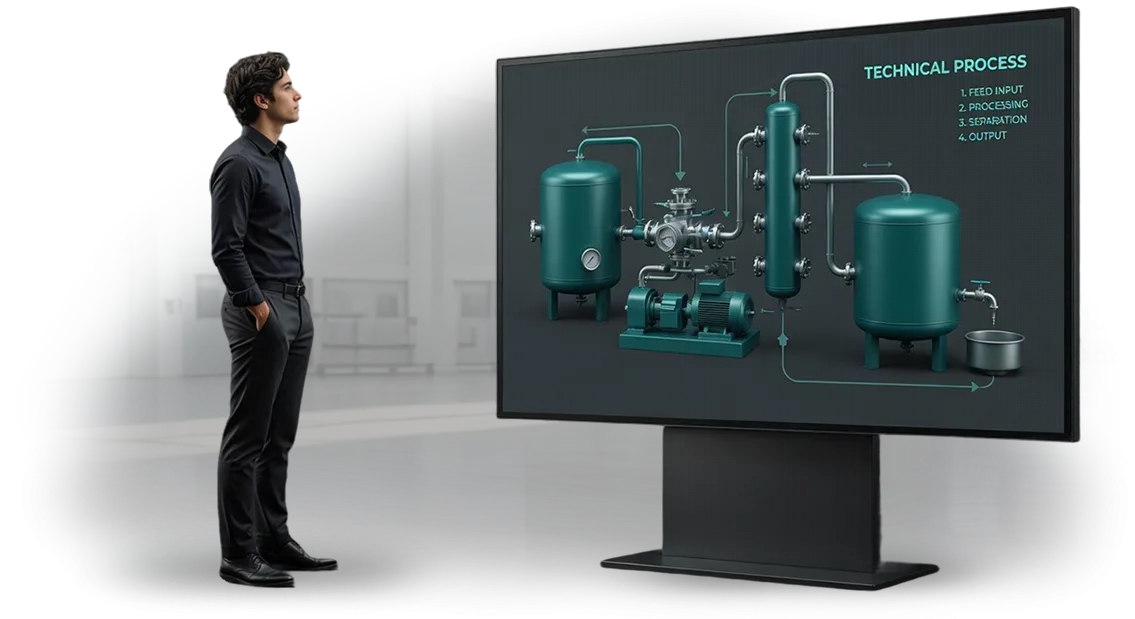
תהליכים מורכבים ורב-שלביים שבהם רצף או אינטראקציה בין ציוד חשובים, מוסברים ביעילות רבה הרבה יותר באמצעות אנימציית CGI: היא מראה את תנועת זרימות המטען, פעולת המנגנונים וההיגיון של הפעולות ללא צורך בצילום מתקן אמיתי.
שימו לב לתנאים שבהם העובד יצפה בהוראה. סרטון למחסן חייב להיות מותאם לסביבת העבודה הספציפית: רקע, תאורה, רמת רעש.
אם הצוות עובד עם אוזניות או מסוף איסוף נתונים, השתמשו בתקריבים, כתוביות וקריינות כפולה. סרטונים ארוכים מדי מאבדים תשומת לב — חלקו את החומר למודולים של 1–2 דקות כדי שעובד יוכל לרענן את הידע במהירות לפני משמרת.
עצה מעשית: לפני השקת ההפקה, נתחו את הטעויות האופייניות של עובדים חדשים ואת השאלות הנפוצות ביותר של צוות הקו. הן יגידו לכם איזה פורמט נדרש.
סרטון מלא מתאים להכשרה ראשונית, כרטיסי אנימציה קצרים מתאימים לחזרה שוטפת, ודיאגרמת 3D מפורטת מתאימה להדגמת תהליכים נסתרים, כמו תנועת מטען לאורך מסוע או אזורי בטיחות.
פורמט שנבחר נכון משפיע ישירות על התוצאה העסקית: זמן ההגעה למיומנות מתקצר, מספר השגיאות במיון ובשילוח יורד, והבטיחות הכוללת באתר משתפרת.
אם אתם לא בטוחים מאיפה להתחיל, נתחו את הפעולות הבעייתיות ביותר שלכם — אלה שכדאי להפוך לסרטוני הדרכה קודם. ואנחנו נעזור לכם לבחור פורמט שעובד במיוחד עבור הצרכים והתקציב שלכם.
מה אם ההוראה לא מתאימה? מענה לחששות נפוצים
לוגיסטיקה לא סובלת אי-דיוקים: כל כשל מאט את שרשרת האספקה, והכשרה מחדש של עובדים עולה זמן וכסף. אז ספקות לגבי האם סרטון הדרכה יעביר את התהליך אחד-לאחד הם טבעיים. הצוות שלנו שומע אותם כל יום ומוכן להתייחס לשלושת החששות המרכזיים.
מה אם ההוראה לא תואמת את התהליך האמיתי?
אנחנו מתחילים בביקורת: אנו מבקרים במחסן או במרכז המיון שלכם ולומדים כל שלב יחד עם טכנולוגים ומפקחים. רק מה שבאמת קורה נכנס לסרטון — ללא "תמונה אידיאלית" שלא עובדת.
מה אם התהליך משתנה? האם עיבוד מחדש יפגע בתקציב?
תהליכים בלוגיסטיקה משתנים כל הזמן, וזה נורמלי. אנחנו בונים הוראות מודולריות: אפשר לעדכן שלב אחד בלי לצלם מחדש את כל הסרטון.
התיקונים אורכים ימים, והעלות נשארת צפויה — אתם יודעים את מחיר השינויים מראש ויכולים לתכנן את התקציב ללא סיכונים.
מה הערובה לכך שעובדים יקבלו את התוצאה?
אנחנו מספקים ערובת התאמה: אתם מקבלים את העבודה רק לאחר בדיקתה עם הצוותים שלכם. אם משהו לא תקין — אנחנו מביאים את התוצאה לרמה הנדרשת בחינם. זה מתועד בחוזה, כך שהתקציב שלכם מוגן.
ספקות לגבי סרטוני הדרכה הם נורמליים. העיקר שהם לא יעצרו את ההכשרה ולא יאטו את הלוגיסטיקה שלכם. ספרו לנו על התהליך שלכם — נראה לכם איך אנחנו יכולים לפתור את המשימה במדויק, בזמן ובמסגרת התקציב.קבלו ייעוץ על סרטוני הדרכה ללוגיסטיקה שלכם
לעשות את הצעד הראשון הוא פשוט: השאירו בקשה לייעוץ, ואנחנו נכין הצעה לתהליך הלוגיסטי שלכם. לא תצטרכו להיכנס לפרטים טכניים — אנחנו נציע את הפורמט, ההיקף והתסריט שגם עובד חדש יבין.
מה תקבלו לאחר שליחת הבקשה:
- ייעוץ מומחה לסרטון הדרכה: אנו מנתחים את המשימה שלכם וקובעים אילו פעולות כדאי להראות בתנועה ואילו עדיף לתאר בטקסט.
- הערכת פרויקט ללוגיסטיקה שלכם: עלות מדויקת ולוחות זמנים למספר הפעולות והעובדים שלכם — ללא חיובים נסתרים.
- אב-טיפוס תסריט: אנו מראים איך ייראה צומת מפתח אחד (קבלה, מיון, אריזה) כדי שתוכלו להעריך את הסגנון וההיגיון של ההצגה מראש.
- המלצות על משך ופורמט: אנו מייעצים כמה דקות של וידאו אופטימליות לקטגוריות כוח אדם שונות — מעובדי קו ועד מפקחי משמרות.
- תוכנית הטמעת הכשרה: אנו מסבירים כיצד לשלב את הסרטון במערכת ההכשרה הקיימת שלכם כך שהוא באמת יקצר את זמן הקליטה.
הבקשה אינה מחייבת. תקבלו את מבנה הפתרון והנתונים שבעזרתם תוכלו לקבל החלטה בשלווה. אם הפרויקט מתאים — ננעל את לוח הזמנים ונתחיל.
אם לא — נגיד לכם בכנות איך להפוך את התהליך לזול או יעיל יותר, למשל באמצעות שימוש בפורמט המשולב.
כבר עזרנו לחברות לוגיסטיקה ומחסני ייצור. פנו אלינו עכשיו — נחזור אליכם תוך יום עסקים אחד ונענה על שאלותיכם.