

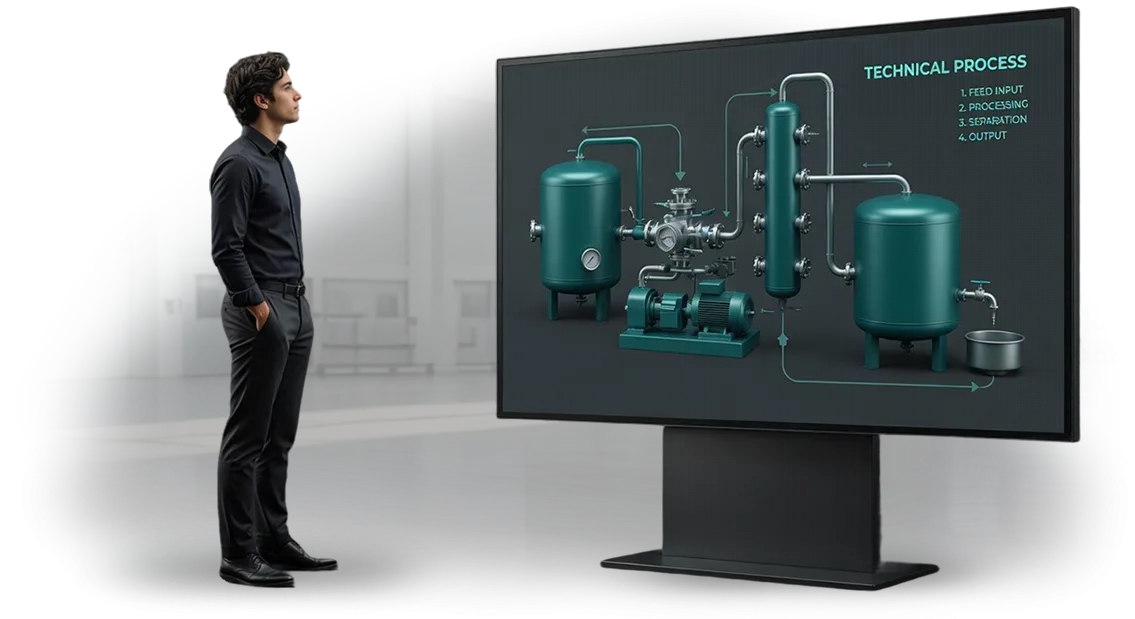
מדוע הוראות וידאו למיקרואלקטרוניקה מפחיתות הפסדים
כל כשל בשרשרת הייצור של מיקרואלקטרוניקה הוא יקר: פרוסת סיליקון פגומה, הרכבה באיכות ירודה או פגם שהוחמץ משמעותם זמן, חומרים ומוניטין שאבדו.
במקביל, רוב הבעיות הללו קשורות לא לציוד אלא לגורם האנושי — עובד לא הבין את הנוהל, דילג על שלב או אימץ טעות של מישהו אחר.
הוראות טקסט רגילות ודיאגרמות עובדות כאן בצורה גרועה: תהליכי מיקרואלקטרוניקה הם רב-שלביים, דורשים דיוק וסטריליות, וקשה למתחיל לזכור את כל הפרטים.
הוראות וידאו פותרות בעיה זו בדרך שונה מהותית — הן מציגות את רצף הפעולות בזמן אמת, עם דגש על נקודות קריטיות.
העובד רואה לא דיאגרמה מופשטת אלא תקן מוכן: איך נראה אחיזה נכונה, לאן להסתכל, מה לבדוק.
התוצאה ניתנת למדידה: עד 40% קיצור בזמן הכשרת צוות, פחות שגיאות ייצור ופחות פסולת בתפוקה.
הוראות וידאו הופכות לתקן אחיד לכל המשמרות — אין יותר צוות "מנוסה" ו"לא מנוסה", רק רצף פעולות נכון.
זה חשוב במיוחד במיקרואלקטרוניקה, שבה מחיר השגיאה נמדד לא במטבע אלא בקבוצות ייצור שלמות.
הצוות שלנו מפתח הוראות וידאו הדרכתיות כבר יותר מעשר שנים עבור סביבות ייצור שבהן דיוק הוא קריטי.
אנחנו יודעים איך לצלם תהליך כך שעובד יזכור את האלגוריתם מהצפייה הראשונה, ואיך להתאים את הווידאו לפעולה ספציפית — מהרכבת רכיבים ועד בקרת איכות.
תארו את המשימה שלכם, ואנחנו נראה כיצד הוראות וידאו יפחיתו את ההפסדים שלכם ויזרזו את הדרך של מתחילים לתפוקה מלאה.
אילו תוצאות תקבלו מהדרכת עובדים ב-CGI
עובד במיקרואלקטרוניקה לא עושה טעויות בגלל חוסר תשומת לב — הוא לא יכול לראות את הבלתי נראה: תהליכים על הפרוסה, תחריט, השקעת שכבות. הדרכה על ציוד אמיתי היא מסוכנת, ודיאגרמות מופשטות קשות לזכירה.
הדרכת CGI מציגה כל שלב בצורה ויזואלית ובטוחה, כך שהעובד מתחיל לעבוד עם הבנה מוצקה ולא עם תיאוריה מופשטת.
קיצור תקופת ההכשרה
מתחיל מגיע לתפוקה מתוכננת מהר יותר. במקום לבזבז שבועות בהתבוננות במנטור, הוא מיד מתרגל את הפעולות הנכונות בסביבה וירטואלית.
בפרויקטים של הצוות שלנו, לקוחות קיצרו את תקופת ההכשרה בחצי — חניך מפסיק להיות "משקל מת" בתוך החודש הראשון.
שיפור איכות הפעולות
כל עובד עובד לפי תקן אחד. וידאו CGI לוכד את הרצף הנכון היחיד, כך שהמפעיל לא מסתמך על הפרשנות האישית שלו להוראות. התוצאה — פחות עבודות חוזרות ואיכות עקבית בכל המשמרות.
הפחתת פסולת
פסולת במיקרואלקטרוניקה היא לא רק קבוצה הרוסה, אלא גם הזמן שמהנדסים מבזבזים על ניתוח שגיאות. כשעובד רואה את ההשלכות של פעולות שגויות על מודל, הוא לא חוזר עליהן בפס הייצור. בפעולות טיפוסיות, הפסולת יורדת בשליש לאחר מחזור ההדרכה הראשון.
הקלה על עומס המנטורים
מומחים מנוסים כבר לא צריכים להסביר את אותם דברים למתחילים. הדרכת CGI לוקחת על עצמה את החלק השגרתי של ההכנה, והמנטור מתערב רק במקרים מורכבים.
זה אומר הכשרה מהירה יותר, שימור כישרונות יקרי ערך ומשאב נוסף למשימות ייצור.
פורמטים של הוראות וידאו הדרכתיות למשימות שונות
פורמטים של הוראות וידאו חייבים להתאים למטרת ההדרכה בפועל; אחרת, אפילו וידאו באיכות גבוהה לא יניב תוצאות. וידאו הדרכתי קצר לפעולה אחת חוסך זמן משמרת, בעוד קורס אינטראקטיבי בונה מסגרת הכשרה שיטתית. מהירות ההגעה לתפוקה מלאה ומספר השגיאות תלויים בפורמט הנבחר.
במיקרואלקטרוניקה, רוב התהליכים מוסתרים מהעין: תחריט, השקעת סרטים והרכבת שבבים מתרחשים בציוד סגור. אי אפשר להראות אותם בצילום חי — רק אנימציה מספקת תמונה ברורה.
לכן אנחנו בוחרים את הפורמט כך שיתאים לשלב ההדרכה ולא מצלמים "הכל ללא הבחנה".
| פורמט | למי מיועד | מה הלקוח מקבל |
|---|---|---|
| וידאו אנימציה קצר (1–3 דקות) | מפעילים, טכנאי הגדרה | שליטה מהירה בפעולה אחת, פחות שגיאות במשמרת |
| קורס וידאו מלא המחולק לשלבים | עובדים חדשים | הכשרה שיטתית ללא עצירת ייצור |
| קורס אינטראקטיבי עם מבחני ידע | הסמכה, מחלקת איכות | תמונה ברורה של מי שלט בחומר ומי מאושר לעבודה |
| אנימציית CGI של התהליך הטכנולוגי | טכנולוגים, מהנדסים | נראות של שלבים נסתרים — מתחריט ועד הרכבה |
ניתן לשלב את הפורמטים בקלות למערכת אחת: קורס מלא להכשרה ראשונית, סרטונים קצרים לתזכורות לפני משמרת, ומבחן אינטראקטיבי לאישור עבודה.
זה נותן לכם הכשרה מקצה לקצה — מההיכרות הראשונה ועד לעבודה עצמאית — ללא עלויות צילום מיותרות.
איך פועל פרויקט הוראות וידאו
יצירת הוראות וידאו היא פרויקט לכל דבר עם ניהול ברור. חילקנו את העבודה לחמישה שלבים, כל אחד עם נקודות ביקורת ותוצר ברור. אתם תמיד יודעים מי עושה מה ומתי זה יהיה מוכן — בלי הפתעות ובלי הפסקות ארוכות.
-
בריף והתעמקות בתהליך. אנחנו לומדים את הפעולה הטכנולוגית, התקנות והדרישות של ייצור המיקרואלקטרוניקה שלכם. אנחנו מתעדים את מטרות ההדרכה ושיטות בדיקת הידע — כך שהווידאו פותר בעיה אמיתית ולא רק "קיים".
-
תסריט הדרכה. מתודולוג הופך את תיאור התהליך לתסריט שלב-אחר-שלב: צילומים, פעולות ודגש על רגעים מסוכנים וקריטיים. אתם מאשרים את הטקסט לפני תחילת ההפקה — זה מפחית את התקציב ואת לוח הזמנים.
-
בחינת מומחים. אנחנו מביאים את מהנדסי התהליך שלכם כדי לוודא את דיוק כל פרט. תיקונים נעשים ברמת התסריט, לא לאחר שהאנימציה הושלמה, כך שהפתעות נשללות מראש.
-
הפקת אנימציית תלת-ממד. אנחנו יוצרים מודלים של ציוד ומנפישים את התהליך כפי שהמומחים הטובים ביותר רואים אותו. העובד בוחן כל רכיב מקרוב ברצף הנכון — זה מקל על זכירת החומר.
-
השקה ותמיכה. אנחנו מספקים את הווידאו בפורמטים הנדרשים ועוזרים לשלב אותו בהדרכה הארגונית. אם התהליך משתנה, אנחנו מעדכנים את החומרים במהירות כך שההדרכה תמיד משקפת את המציאות.
מה כלול במסירת קורס וידאו ארגוני
מסירת קורס הווידאו כוללת לא רק סט של סרטונים מוגמרים אלא חבילת חומרים מלאה המאפשרת להשיק את ההדרכה כבר למחרת.
אנחנו מספקים קבצים בפורמטים נוחים למערכת שלכם, קבצי מקור לעבודה עתידית ומדריכים מתודולוגיים למדריכים — לא תצטרכו להבין או להשלים שום דבר בעצמכם.
- שיעורי וידאו מוכנים לכל תהליך טכנולוגי — מסרטון אחד עד כמה תלוי במורכבות הנושא. הפורמטים נבחרים כך שהסרטונים נפתחים מיד בכל מערכת ניהול למידה.
- קבצי מקור לכל הסצנות והאנימציות. אם הציוד או הנהלים משתנים, תוכלו לעדכן רק את הקטע הדרוש ללא הזמנת צילום מחדש מלא.
- מדריכים מתודולוגיים למדריכים: מטרות השיעור, מערך שיעור, שאלות לחיזוק החומר וניתוח טעויות אופייניות של עובדים.
- טקסטים של שיעורים וכתוביות. שימושיים להכשרת עובדים חדשים בקצב נוח ולעבודה בסדנאות רועשות.
- רישיונות שימוש ארגוניים — הזכות הרשמית להשתמש בקורס הווידאו לכל מספר עובדים בתוך החברה ללא הגבלות.
- מדריך השקה: המלצות כיצד להטמיע את השיעורים במערכת ניהול הלמידה שלכם, להקצות אחראים ולעקוב אחר התקדמות.
חבילת חומרים זו מכסה הכל — מהצפייה הראשונה ועד להערכת ידע.
אתם מקבלים מסירה שקופה שבה כל אלמנט פועל למען התוצאה: עובדים שולטים בתהליכים מהר יותר, ואתם רואים סטטיסטיקות השלמה ומבינים שההדרכה אכן השפיעה.
מקרה בוחן: אנימציית CGI למיקרואלקטרוניקה משפרת את איכות ההדרכה
עובדים במתקני ייצור מיקרואלקטרוניקה עובדים עם תהליכים שאי אפשר לראות בעין בלתי מזוינת. אפילו מהנדסים מנוסים מבלים חודשים בחידוד פעולות, ושגיאות בשלב ההרכבה או הבדיקה עולות למפעל בעבודות חוזרות יקרות ובפסולת.
הוראות רגילות ומצגות לא מספקות את הבהירות הנדרשת — העובד לא מבין מה בדיוק קורה בתוך מארז השבב.
פתרנו בעיה זו עבור NPO "Kremniy" — יצרן שבבים מותאמים אישית. יצרנו סדרת אנימציות CGI של התהליך הטכנולוגי: מהשקעת שכבות ועד לבדיקה סופית.
בניגוד לצילום ציוד אמיתי, אנימציה יכולה להראות את התהליכים הפנימיים הנסתרים מהעין ולהדגיש את הנקודות הקריטיות שבהן שגיאות מתרחשות לרוב.
תוצאות הפרויקט
חודשיים לאחר שילוב האנימציות במערכת ההדרכה, מספר השגיאות בקרב מפעילים חדשים ירד ב-40%. זמן ההכשרה של הצוות קוצר בחצי, ומנהל הסדנה ציין שעובדים הפסיקו לבלבל את רצף הפעולות. החברה הזמינה שלושה סרטונים נוספים לאזורי ייצור אחרים.
| מדד | לפני יישום CGI | אחרי יישום CGI |
|---|---|---|
| שיעור שגיאות הרכבה | 12% | 7% |
| זמן הכשרת מתחילים | 6 שבועות | 3 שבועות |
| הזמנות חוזרות | — | 3 סרטונים נוספים |
אבל המספרים הם רק חלק מהתמונה. הנקודה המרכזית היא שהאנימציה שינתה את הגישה להדרכה: במקום לשנן הוראות בעל-פה, עובדים רואים את כל התהליך כתמונה אחת קוהרנטית ומבינים לאיזה תוצאה מוביל חוסר דיוק בכל שלב. זה מפחית לחץ, מגביר ביטחון ובסופו של דבר הופך את הייצור ליציב יותר.
מה אם יש לי דרישות ספציפיות להוראות וידאו?
דרישות ספציפיות הן לא בעיה — הן נקודת פתיחה מוכרת. לקוחותינו במיקרואלקטרוניקה עובדים לעתים קרובות עם תהליכים טכנולוגיים ייחודיים שעבורם אין חומרים מוכנים.
לכן אנחנו מפתחים הוראות וידאו לא מתבנית אלא לתרחיש הספציפי שלכם: מרצף הפעולות ועד למאפייני הציוד.
ראשית, אנחנו מתעמקים בתהליך שלכם: לומדים את הנהלים, צופים בפעולות ומבהירים אילו פעולות קריטיות לבטיחות ולאיכות המוצר.
לאחר מכן אנחנו מנפישים בדיוק את המאפיינים שלכם — גם אם הם לא סטנדרטיים ושונים מכל מה שנתקלנו בו בעבר. עובדים רואים את שלבי העבודה האמיתיים שלהם ולא דיאגרמה מופשטת וזוכרים את הנוהל הנכון מהר יותר.
הגישה האישית באה לידי ביטוי ברמת הפירוט, בקצב המסירה ובדגש על פעולות מורכבות. אנחנו יכולים לפרק את החומר למודולים קצרים, להוסיף שאלות בדיקה ולהדגיש שגיאות נפוצות.
כל זה מותאם לרמת המיומנות של העובדים שלכם ולתקנים הפנימיים של המפעל שלכם.
בסופו של דבר, אתם מקבלים הוראות שתואמות בדיוק את הדרישות שלכם ואת מאפייני הייצור. תהליכים לא סטנדרטיים מפסיקים להיות אתגר הדרכתי: אפילו פעולות ייחודיות הופכות ברורות וניתנות לשחזור.
ספרו לנו על המשימה שלכם — נציע גישה ונראה איך הפתרון היה נראה באמצעות הדוגמה שלכם.
חששות נפוצים בהזמנת הוראות וידאו הדרכתיות
כל לקוח שמזמין הוראות וידאו הדרכתיות ארגוניות בפעם הראשונה עובר את אותם ספקות: האם לוחות הזמנים יחליקו, האם זה יעלה יותר מהצפוי, איך לשלב את הסרטונים בתהליכים הנוכחיים, והאם נאבד שליטה על מידע פנימי.
זה נורמלי — פרויקט חשוב תמיד מעלה שאלות. להלן, אנו מתייחסים לחששות הנפוצים ביותר ומראים כיצד אנו פותרים אותם בפועל.
האם הפיתוח ייקח יותר מדי זמן? יש לנו לוח זמנים צפוף.
לוחות הזמנים נקבעים בחוזה בשלב הבריף. אנחנו בוחרים את הפורמט לפי התקציב וההיקף שלכם: מסרטוני אנימציה קצרים ועד מחזור צילום ועריכה מלא.
הודות לכלים יעילים ותהליך ברור, הייצור מתנהל במקביל לאישורים, כך שאתם מקבלים את התוצאה המוגמרת ללא הפתעות.
האם העלות תהיה גבוהה מהתקציב שלנו?
ההערכה מוכנה לפני ההתחלה ואינה משתנה במהלך התהליך אלא אם המשימה משתנה. אתם משלמים עבור התוצאה — הוראת וידאו ברורה שבאמת מקצרת את זמן ההכשרה ומפחיתה את מספר שגיאות העובדים. אין עמלות נסתרות: כל העבודה והשלבים קבועים מראש.
האם קשה לשלב הוראות וידאו בהדרכה?
השילוב אינו דורש ידע מיוחד מהצוות שלכם. אנחנו מספקים קבצים מוכנים בפורמטים הנדרשים ובמידת הצורך עוזרים להטמיע אותם במערכת ניהול הלמידה שלכם או פשוט משתפים קישור לצפייה.
עובדים מתחילים להשתמש בחומר ביום מסירתו — ללא הכנה ממושכת או כלים נוספים.
האם נתונים פנימיים עלולים לדלוף?
אנחנו עובדים תחת הסכם סודיות ומשתמשים בערוצים מאובטחים להעברת חומרים. כל המידע הרגיש נשאר בתוך התחום שלכם: ניתן לארח את הסרטונים רק במערכת הסגורה שלכם, ורק אתם שולטים בגישה לקבצי המקור.
אנו מבינים שההחלטה להזמין הוראות וידאו היא אחריות לתקציב ולזמן של הצוות שלכם. לכן אנו מציעים להתחיל בבריף: נדון במשימה שלכם, נעריך את לוח הזמנים ונכין הערכה שקופה. כך תקבלו תשובות לכל החששות לפני שהפרויקט יוצא לדרך ותוכלו לקבל החלטה מושכלת.הזמינו פיתוח הוראות וידאו וקצרו את תקופת ההכשרה
ההכשרה של עובדים חדשים נמתחת לעתים קרובות על פני שבועות שבהם החברה מפסידה זמן וכסף בגלל שגיאות אופייניות.
הוראות נייר מפוזרות והסברים בעל-פה מתיישנים ומתפרשים בצורה שונה — התוצאה תלויה בניסיון של המנטור ולא במערכת.
הזמנת הוראות וידאו מאיתנו פירושה הפיכת ההדרכה לתהליך ברור וניתן לשחזור. עובד צופה בסרטון קצר, רואה כל שלב על המסך ומיד מבצע בהתאם.
הזמן עד למיומנות מלאה מצטמצם פי כמה, ואיכות העבודה משתווה אפילו בקרב מתחילים ללא ניסיון בתעשייה.
מה אתם מקבלים יחד עם הוראות הווידאו:
- הכשרה מהירה — עובד חדש מתחיל להניב תוצאות כבר בימים הראשונים, לא אחרי חודש.
- תקן הדרכה אחיד — כולם פועלים לפי אותם כללים, ללא "פרשנויות אישיות" של עמיתים מנוסים.
- פחות שגיאות בפס הייצור — הדגמה ויזואלית מבטלת "נקודות עיוורות" בעבודה עם ציוד יקר.
- חיסכון בזמן המנטורים — עובדים בכירים מפסיקים לחזור על אותם דברים אינסוף פעמים ומתמקדים במשימות שלהם.
- עדכונים קלים — התהליך השתנה? אנחנו מצלמים מחדש קטע אחד במקום להדפיס מחדש את כל הנוהל.
- מתאים לכל פורמט הדרכה — הסרטונים עובדים לקורסים פרונטליים, תוכניות מרחוק וללמידה עצמית.
כבר עזרנו לחברות במיקרואלקטרוניקה ובתחומים קשורים ליישם הוראות כאלה — עובדים מאמצים את הפורמט במהירות, ומנהלים מקבלים מערכת שקופה לבקרת ידע.
השאירו פנייה עכשיו — ננתח את המשימות שלכם, נציע את הפורמט האופטימלי ונראה דוגמאות עבודה המותאמות לסוג הייצור שלכם. נדון בכל שאלות לוח הזמנים והעלות באופן אישי — השאירו את פרטי הקשר שלכם בטופס, ונחזור אליכם בזמן נוח. תוכלו להזמין הוראות וידאו כבר היום — הכשרת העובדים שלכם לא תצטרך לחכות.