

טעויות עובדים — החוליה החלשה בתחבורה הרכבתית
טעויות כוח אדם נקראות לעיתים קרובות "הגורם האנושי", אך מאחורי מונח זה עומדים הפסדים קונקרטיים מאוד: שיבושים בלוח הזמנים, נזק למטען, רכבות מושבתות, ובמקרה הגרוע ביותר — איום על בטיחות התחבורה.
אפילו הליך אחד שבוצע באופן שגוי יכול להפוך לתאונת תחבורה ולהפסדים של מיליונים עבור המוביל. יחד עם זאת, איכות ההכשרה קובעת ישירות באיזו מהירות ובדייקנות עובד פועל במצב חירום.
הכשרה מסורתית — תדריכים, מצגות, נהלים מבוססי טקסט — לא משיגה את המטרה. ללמוד נוהל ממדריך נייר וליישם אותו בפועל תוך שניות הם שני דברים שונים.
הזיכרון האנושי שומר רק חלק קטן ממה שנקרא, ותהליכים טכנולוגיים מורכבים נשארים דיאגרמה מופשטת ולא אלגוריתם פעולה מוכן.
כתוצאה מכך, הידע קיים, אבל המיומנות לא — ומחיר הפער הזה נמדד לא בציוני מבחנים אלא בבטיחות תנועה אמיתית.
כאן מתחילות הבעיות עבור העסק. החברה משקיעה זמן בהכשרה אך לא מקבלת תוצאה צפויה: עובדים מפרשים הוראות בצורה שונה, חוזרים על אותן טעויות שוב ושוב, ותהליך התחבורה נותר פגיע.
כל כשל כזה הוא לא רק עלות תיקון ההשלכות, אלא גם מכה למוניטין של מוביל אמין שנבנה במשך שנים.
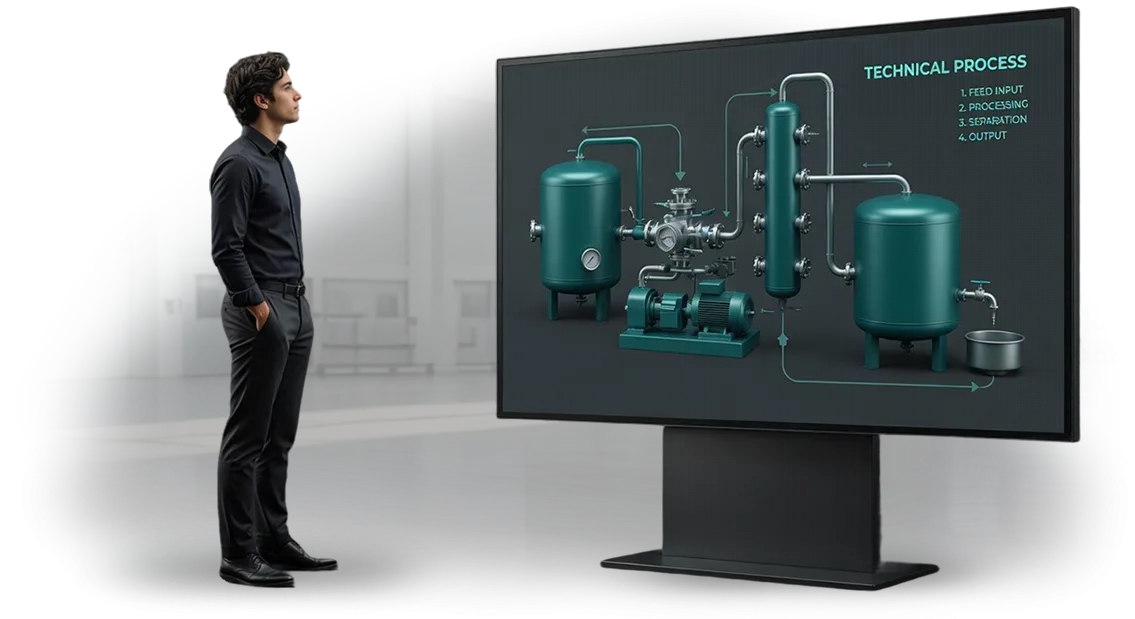
הפתרון הוא להראות לעובד לא דיאגרמות מופשטות, אלא מודל ויזואלי מדויק של איך כל תהליך טכנולוגי צריך להתבצע.
הוראות וידאו ארגוניות עם גרפיקת תלת-ממד באיכות גבוהה הופכות נוהל מורכב לאלגוריתם ברור: העובד רואה כל רכיב, כל פעולה ותוצאתה לפני שהוא בכלל דורך במתקן אמיתי.
פורמט הכשרה זה מפחית משמעותית את השפעת הגורם האנושי והופך את בטיחות התחבורה למשתנה שניתן לניהול.
אנחנו יודעים איך לתת מענה לצורך הזה: אנו מפתחים הוראות וידאו להכשרה שהן ברורות לעובדים בכל רמת מיומנות ומותאמות באופן מלא לנהלים הטכנולוגיים שלכם.
כתוצאה מכך, אתם מקבלים יציבות תפעולית, פחות טעויות וביטחון שכל עובד פועל נכון — אפילו במצבי לחץ.
מה הכשרה מונפשת נותנת לעובדים שלכם
סרטוני הכשרה מונפשים הופכים נהלי ייצור מורכבים לתרחישים ברורים. במקום מדריכים מרובי עמודים, העובד רואה כל שלב בפעולה — מהדלקת יחידה ועד פעולות במצב חירום.
גישה זו מזרזת קליטת עובדים חדשים ומפחיתה את מספר הטעויות. היא עובדת לכל התמחות — מצוותי קטר ועד שירותי תחזוקה.
מה העסק מקבל:
- קליטה מהירה יותר של כוח אדם. זמן ההכשרה לעובד חדש מצטמצם פי כמה: אין צורך לפענח שרטוטים ותיאורי טקסט — רק לצפות בסרטון ולחזור על הפעולות.
- בהירות ויזואלית לתהליכים מורכבים. פעולות נדירות, מסוכנות או נסתרות ניתן להראות בתקריב ללא סיכון לאנשים או לציוד. זה חשוב במיוחד בתחבורה רכבתית, שבה מחיר הטעות גבוה.
- שימור חומר טוב יותר. אנימציה מפעילה זיכרון חזותי, כך שהכללים נשמרים טוב יותר מאשר בקריאה. עובדים נזכרים ברצף הנכון מהר יותר בעבודה אמיתית.
- תקן פעולות אחיד. כולם מתאמנים לפי אמת מידה אחת ולא לפי הניסיון האישי של חונכים שונים. זה מבטל חוסר עקביות בפעולות ומפשט את בקרת האיכות.
אנחנו יוצרים את הסרטונים האלה מתוך דיאגרמות הזרימה הטכנולוגיות והמדריכים שלכם. התוצאה היא נכס הכשרה מוכן לשימוש שניתן להטמיע במערכת למידה מקוונת או להציג בהכשרות פרונטליות. קל לעדכן את הסרטונים כשהנהלים משתנים, ועובדים יכולים לצפות בהם בכל עת.
בדקו את מערכת ההכשרה הנוכחית שלכם: אם קליטה אורכת שבועות, התוצאות תלויות ב"וותיקים", וטעויות חוזרות על עצמן — הוראה מונפשת תפתור את הבעיות האלה.
פורמטים של הוראות וידאו להכשרה בתחבורה רכבתית
לכל התמחות בתעשיית הרכבות יש משימות משלה, ולכן סרטון הכשרה אוניברסלי לא קיים.
נהג קטר צריך אלגוריתמי התנהגות ברורים בתא הנהג, עובדי תחזוקה צריכים פירוט מפורט של התהליך הטכנולוגי, ופקח צריך תרחישי תיאום למצבי חירום.
פורמט הוראות הווידאו הנכון מקצר את תקופת הקליטה ומפחית את מספר הטעויות במקום העבודה.
להלן הפורמטים העיקריים שבהם אנו משתמשים להכשרה ארגונית בתחבורה רכבתית.
| פורמט | למי | מה הלקוח מקבל |
|---|---|---|
| הוראת וידאו לנהג קטר | צוותי קטר | שליטה מהירה יותר במסלולים ובנהלים, פעולות בטוחות במצבים לא שגרתיים |
| שיעור וידאו לפקח | צוותי פיקוח | תרחישי ניהול תנועה ויזואליים, זמן תגובה קצר יותר בזמן תקלות |
| הכשרת עובד תחזוקה | שירותי תחזוקה ומוסכים | המחשה שלב-אחר-שלב של התהליך הטכנולוגי, תקן איכות תיקון אחיד |
| מודול בטיחות כללי | כל הצוות | פחות פציעות והפרות, הגנה לעובדים ולחברה |
אנחנו לא נועלים את עצמנו לפורמט אחד: לכל התמחות אנו בוחרים את האורך האופטימלי, סגנון ההצגה ורמת הפירוט. במידת הצורך, אנו משלבים אנימציה וצילומי לייב — זה שומר על בהירות ויזואלית ומקל על עדכון ההוראות.
מה שהלקוח מקבל מעל הכל הוא שיעורי וידאו מוגמרים שקל להטמיע במערכת למידה מקוונת ולהשתמש בהם במהלך הסמכה. ספרו לנו על המשימה שלכם — נייעץ לכם איזה פורמט יניב תוצאות הכי מהר.
איך הפיתוח עובד: מבריף ועד סרטון מוגמר
הוראות וידאו ארגוניות דורשות דיוק: מהבנת התהליך הטכנולוגי ועד סרטון שעובד מבין בצפייה ראשונה. אנחנו מסירים את הכאוס והופכים את ההפקה לצפויה.
להלן שלבי הפקת הווידאו, שבהם אתם תמיד רואים מה קורה ומקבלים החלטות בכל שלב.
-
בריף וסקירת תהליך. אנו לומדים את הנהלים שלכם, הוראות הבטיחות בעבודה וטעויות אופייניות של מתחילים. אנו מתעדים את המטרה, הקהל והפעולות המרכזיות שעובדים צריכים לזכור.
-
תסריט וסטוריבורד. אנו מתארים כל שלב בשפה פשוטה, ללא ז'רגון בירוקרטי ומונחים מורכבים. אישור התסריט מתבצע בפורמט נוח: אתם מקבלים מסמך, עורכים שינויים ומאשרים לפני תחילת האנימציה.
-
אנימציית תהליך. אנו ממחישים רכיבים, מנגנונים ותנועות עובדים עם גרפיקה מקצועית. תהליכים מורכבים מפורקים לפריימים ברורים — עם דגש על מה שחשוב לבטיחות ולמהירות תפעול.
-
טיוטת וידאו. אנו מרכיבים את הסצנות לגרסת טיוטה עם קריינות וטיימקודים. אתם רואים איך תיראה ההוראה העתידית ומציינים מה לתקן.
-
תיקונים ומשוב. אנו עובדים במחזורים: ההערות שלכם — ההתאמות שלנו. בדרך כלל מחזור אחד או שניים מספיקים כדי להפוך את הסרטון למדויק וקל למעקב.
-
מסירה סופית. אנו מוסיפים כתוביות, קריינות סופית ואורזים את הסרטון בפורמטים הנדרשים — לפורטל, מסרונים או הכשרה לא מקוונת. אנו מוסרים את קבצי המקור והוראות השימוש.
בכל שלב אתם מתקשרים עם מנהל פרויקט, לא עם "קופסה שחורה" של הפקה. התוצאה היא הוראת וידאו שמתאימה למערכת ההכשרה שלכם ומקצרת את זמן קליטת העובדים.
מה כלול בחבילת המסירה של הוראת הווידאו
כשמזמינים הוראות וידאו להכשרה, חשוב להבין מה יישאר אצלכם אחרי סיום הפרויקט. אנחנו מוסרים לא רק סרטון מוגמר אלא סט שלם של חומרים וזכויות שהופך לכלי עבודה של מערכת ההכשרה שלכם.
החבילה כוללת:
- תסריט וסטוריבורד מאושרים. לפני תחילת ההפקה, אתם רואים כל פעולה על המסך ועורכים שינויים ללא צילום מחדש יקר.
- סרטון מוגמר במספר פורמטים. הסרטון מותאם לכיתות, תחנות עבודה ומכשירים ניידים — עובדים לומדים את החומר במקום שנוח להם.
- קבצי מקור של הפרויקט. כל הקבצים ומוצרי העבודה נשארים אצלכם: אתם יכולים לשנות את הסרטון עם הצוות שלכם או לחזור אלינו בעוד שנה — התשתית כבר מוכנה.
- זכויות שימוש מלאות. אתם הבעלים של התוכן ויכולים להפיץ אותו בין סניפים, לעדכן אותו ולהשתמש בו בכל תקשורת פנימית ללא אישורים.
- נוהל עדכון. כשהתקנים או התהליכים הטכנולוגיים משתנים, אנו מבצעים עדכונים במהירות. התסריט והחומרים כבר מאושרים — העדכון אורך ימים, לא חודשים.
- המלצות מתודולוגיות. הנחיות למדריכים: איך לשלב את הסרטון בתוכנית ההכשרה, לארגן בדיקות ידע ולמדוד תוצאות למידה.
גישה זו הופכת הפקה חד-פעמית לנכס שתומך בבטיחות ובמהירות הכשרת העובדים במשך שנים.
מקרה בוחן: איך צמצמנו זמן השבתה בחצר מיון
בחצר מיון עם עומס תנועה גבוה, כל דקת השבתה נוספת תורגמה להפסדים. עובדים חדשים הוכשרו באמצעות הוראות טקסט ודיאגרמות — שליטה בתהליך ארכה עד שבועיים, וטעויות בהרכבת רכבות עדיין התרחשו. ההנהלה חיפשה דרך לזרז את ההכשרה ולהפחית את מספר הליקויים.
אנחנו הצענו להחליף חלק מההכשרה בהוראות וידאו עם אנימציית תלת-ממד של תהליכים טכנולוגיים רכבתיים.
במקום דיאגרמות מופשטות, האנימציה הראתה כל שלב בעבודה מנקודת המבט של המפעיל: איך קרונות נעים, איפה צריך לזרוק את המסוט, ואיך להימנע ממצבי התנגשות. עובדים יכלו לחזור על רגעים מורכבים בכל עת.
תוצאות יישום האנימציה עלו על הציפיות. טעויות בטיפול ברכבות ירדו בכמעט 40%, וזמן ההכשרה הממוצע לעובד חדש נחתך בחצי — משבועיים לשבוע אחד.
הכי חשוב, זמן ההשבתה בחצר המיון ירד ברבע כי הצוות החל לפעול בביטחון ובמהירות רבה יותר. דוגמת פרויקט זו הראתה שהוראות וידאו איכותיות מחזירות את ההשקעה בתוך החודשים הראשונים.
מאז, החצר הזמינה מאיתנו עוד כמה תוכניות הכשרה למחלקות אחרות. אם אתם רוצים את אותה תוצאה עבור הארגון שלכם — ספרו לנו איזו פעולה צריך להפוך לאוטומטית.
שאלות נפוצות על פיתוח הוראות וידאו
לפני הזמנת הוראות וידאו להכשרה, לקוחות שואלים לרוב על לוחות זמנים, דיוק האנימציה ומה קורה כשהתהליך הטכנולוגי משתנה. אנחנו עונים ישירות — בשפת העסקים, ללא עומק טכני מיותר.
כמה זמן אורך פיתוח הוראת וידאו?
לוח הזמנים תלוי במורכבות התהליך ובמספר הפעולות. בממוצע, פרויקט אורך 2 עד 6 שבועות. כך בנויה העבודה:
- בריף והתעמקות בתהליך הטכנולוגי.
- אישור תסריט וסטוריבורד.
- יצירת מודלי ציוד תלת-ממדיים ואנימציה.
- אישור ביניים של פריימים ראשוניים.
- הקלטת קריינות והוספת הנחיות טקסט.
- עריכה ועיבוד סופי של הווידאו.
- מסירת הסרטון המוגמר והעברת חומרי המקור.
בכל שלב אתם רואים את התוצאה הביניים ועורכים שינויים — זה מבטל הפתעות בקו הסיום.
מה קורה אם התהליך הטכנולוגי משתנה?
אנחנו בונים את האנימציה על עיקרון מודולרי: כל פעולה ורכיב הם קטע נפרד. אם שלב אחד משתנה, אנחנו עורכים שינוי רק לאותו שלב בלי לבצע מחדש את כל הסרטון. זה מהיר וזול יותר מבנייה מחדש מלאה.
האם הוראות וידאו יעזרו בהסמכת עובדים?
כן. הסרטון מתעד את רצף הפעולות הנכון ומשמש כחומר הכשרה לפני המבחן. העובד צופה בסרטון בכל עת ואז ניגש לבחינה — זה משפר את שימור החומר ומפחית את מספר הטעויות בייצור האמיתי.
כמה מדויקת תהיה האנימציה?
דיוק פירושו התאמה לציוד ולנהלים האמיתיים. אנחנו עובדים עם מהנדסי התהליך שלכם ומאמתים כל פעולה מול תיעוד ותמונות.
כתוצאה מכך, האנימציה משחזרת את התהליך האמיתי ברמת פירוט מספקת להכשרה ולאישור עבודה.
לאחר מסירת הפרויקט, אתם מקבלים את כל הזכויות על החומרים. במידת הצורך, נכלול בחוזה ערבות לתיקונים וזמני תגובה.הזמינו פיתוח הוראת וידאו לארגון שלכם
הזמנת פיתוח הוראת וידאו פירושה קבלת כלי מוכן שמאיץ את הכשרת העובדים ומפחית את הסיכון לטעויות ברצפת הייצור.
אנחנו לא רק מקליטים מסך או מקריאים שקופיות — אנחנו מעצבים את החומר סביב המשימות האמיתיות של הארגון שלכם והדרישות הרגולטוריות. כתוצאה מכך, עובדים חדשים נקלטים מהר יותר, וותיקים נוטים פחות לסטות מהתקנים.
מה תקבלו לאחר ההזמנה
- הוראות וידאו המשקפות את רצף הפעולות שלב-אחר-שלב לפי הנהלים ותקני הבטיחות שלכם — עובדים פועלים באופן עקבי וצפוי.
- חומרי הכשרה שניתן לצפות בהם בכל עת: אין צורך להפריע לחונך או לעצור את העבודה ברצפת הייצור.
- זמן תדריך ראשוני קצר יותר ופחות טעויות של גורם אנושי.
- הבנה ברורה של האחריות של כל עובד בכל שלב — ניטור עמידה בנהלים הופך לקל יותר.
- ייעוץ מומחה בכל השלבים: מהבריף ועד שילוב החומרים בתהליך ההכשרה.
- הצעה מסחרית עם לוחות זמנים ברורים והיקף עבודה מוגדר — אתם יודעים מראש מה תקבלו ומתי.
כדי להתחיל, פשוט השאירו בקשה באתר. אנו נספק ייעוץ, נבהיר את התרחישים האמיתיים שלכם ונכין הצעה מסחרית מותאמת לארגון שלכם.
לאחר אישור התסריט והתאמתו לנהלים הפנימיים שלכם, אנו משיקים את ההפקה — ואתם מקבלים הוראות וידאו מוגמרות שניתן להשתמש בהן בהכשרה מיד.
איך לבחור פורמט הוראת וידאו למשימה שלכם?
בחירת פורמט הוראת וידאו מתחילה לא בוויזואליה אלא בשאלה: איזו משימה ההקלטה צריכה לפתור? אם צריך להכיר לעובד במהירות את ממשק המערכת או רצף פעולות במצב סטנדרטי, מספיק סרטון מסך קצר.
אם מדובר בתהליך טכנולוגי מורכב שבו פרטי ציוד, רכיבים נסתרים ובטיחות חשובים, צריך אנימציית תלת-ממד מלאה שמראה איך מנגנונים עובדים מבפנים.
שלושה פרמטרים הופכים לקריטריונים המכריעים: מטרות ההכשרה, מספר העובדים ותקציב הפרויקט.
המטרה קובעת את עומק הפירוט: לדוגמה, הכשרה המונית בפרקטיקות עבודה בטוחות דורשת תרחיש ברור עם דגש על סיכונים, בעוד הכשרת מומחים צרים דורשת פירוט מפורט של פעולות מזוויות שונות.
ככל שיותר עובדים יוכשרו, כך משתלם יותר להשקיע בפורמט איכותי פעם אחת: ההקלטה מחזירה את ההשקעה דרך קנה המידה ומפחיתה זמן המושקע בהסברים חוזרים.
תקציב הפרויקט קשור ישירות לפורמט. סרטון מסך או צילומי שטח זולים יותר ומתאימים להוראות פשוטות שמתיישנות במהירות.
אנימציית CGI עולה יותר upfront, אבל היא לא תלויה במיקום צילום נוכחי, קל לעדכן אותה והיא מחזיקה שנים. בתחבורה רכבתית, שבה התהליכים יציבים ומוסדרים, היתרון הזה בולט במיוחד.
הנה קו מנחה מעשי: אם ההוראה תשמש יותר משנה ובטיחות או איכות עבודה תלויות בה, בחרו באנימציה; אם אתם צריכים התייחסות מהירה של "ממש עכשיו", הקלטת מסך מספיקה.
בכל מקרה, אנחנו עוזרים ללקוח לקבוע את הפורמט האופטימלי בשלב הבריף ולהישאר במסגרת התקציב בלי לפגוע במטרה המרכזית — הוראה ברורה לעובדים.