

טעויות יקרות של עובדים: כיצד ויזואליזציות BIM פותרות אותן
טעויות של עובדים עולות לעסקים יותר ממה שנראה במבט ראשון: ליקויים, תקלות בציוד, החמצת מועדים, ובמקרה הגרוע ביותר — פציעות ותאונות. לרוב הסיבה אינה חוסר תשומת לב אלא הוראות הדרכה שאינן מספקות תמונה מלאה.
תקנות טקסטואליות ודיאגרמות שטוחות הן מופשטות, ולכן אדם זוכר רק חלק קטן ופועל באקראי במצב אמיתי.
עובד אינו יכול לדמיין איך נראית היחידה הנכונה, רצף הפעולות או אזור הסכנה — וזה הופך למקור לטעויות חוזרות. כל טעות כזו משמעותה עבודה חוזרת, השבתה והפסדים כספיים, אף שבמהותה מדובר בכשל הדרכתי. כאשר אדם רואה איך דברים צריכים להיראות במקום לקרוא תיאור, הוא עובד אחרת.
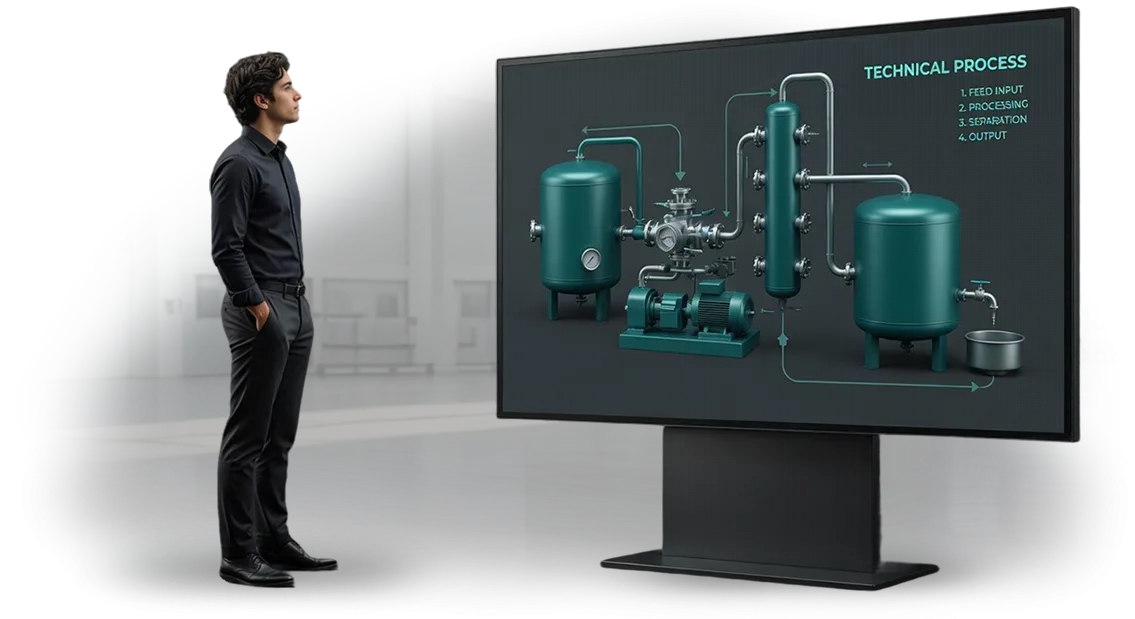
בדיוק כאן ויזואליזציות BIM עוזרות — מודלים תלת-ממדיים ברורים שמציגים את האובייקט והתהליך מכל זווית.
העובד רואה לא דיאגרמה מופשטת אלא העתק מדויק של היחידה העתידית או תרחיש העבודה: היכן נמצאים המחברים, איך עובר קו התשתית, מה נחשב לשגיאה קריטית.
הדרכה כזו מעבירה את הכשרת העובדים מהקטגוריה של "הוכרו" לקטגוריה של "הובן ונזכר".
בהירות חזותית מספקת שלושה אפקטים מרכזיים: פחות טעויות בשבועות הראשונים בעבודה, מעבר מהיר יותר של העובד לעבודה עצמאית, ושיעור תאונות מופחת.
במקום לתקן את ההשלכות של אי-הבנה, אתם משקיעים בפתרון שמונע את הטעויות עצמן. ויזואליזציות BIM הופכות הדרכה לכלי עבודה שמחזיר את ההשקעה כבר בפרויקט הגדול הראשון.
מה הדרכת תלת-ממד מציעה במקום הרצאות משעממות
הרצאות רגילות וחוברות PDF מאבדות את תשומת הלב של העובדים: לאחר הדרכה סטנדרטית רק חלק מהחומר נקלט, ואחרי חודש נשאר ידע מקוטע.
הדרכת תלת-ממד פותרת בעיה זו — במקום דיאגרמות מופשטות, אדם רואה את כל התהליך ויכול מיד לחזור עליו בפועל. הצוות שלנו בונה הוראות וידאו הדרכתיות בדיוק על העיקרון הזה: ברור, שלב אחר שלב, וללא תיאוריה מיותרת.
יתרון: שימור החומר גדל פי כמה
כאשר עובד רואה פעולות בנפח, הוא לא צריך "להשלים" את התמונה בראשו. הדרכה ארגונית עם אנימציית תלת-ממד מקצרת את הזמן עד להגעה למיומנות — אדם חדש עובר מתיאוריה לעבודה עצמאית מהר יותר.
זה קריטי לפעולות מורכבות: טעות בייצור או בשירות עולה הרבה יותר מההכנה.
יתרון: פחות טעויות ופחות עבודה חוזרת
הוראות וידאו הדרכתיות מציגות את רצף הפעולות הנכון ואת הטעויות האופייניות — לפני שהעובד נתקל בהן במשימה אמיתית. זה מפחית את מספר הליקויים, ביקורים חוזרים ותלונות לקוחות. כל עובד פועל לפי תקן אחד ולא לפי ניסיונו האישי.
יתרון: תקנים אחידים לכל המחלקות
סרטונים המבוססים על ויזואליזציית BIM מחזקים תקנות ארגוניות בצורה חזותית. גם עם תחלופת עובדים או צוותים מפוזרים, כל עובד מקבל את אותה הדרכה: במוסקבה, נובוסיבירסק או מרחוק. אתם מפסיקים להיות תלויים בתכונות האישיות ובמצב הרוח של חונך.
יתרון: בקרת תוצאות למנהל
לאחר צפייה במפגש הדרכתי תלת-ממדי, קל לבדוק עד כמה העובד קלט את החומר — באמצעות שאלות או מטלות מבחן בתוך הקורס. המנהל רואה סטטיסטיקות השלמה ואת המוכנות של כל חבר צוות.
במקום "נראה שכולם היו שם", מופיעים נתונים אובייקטיביים על איכות הכשרת העובדים.
פורמטים של ויזואליזציית BIM להכשרת עובדים
הוראות טקסט ושקופיות אינן מספקות תמונה מלאה, במיוחד כשמדובר בציוד מורכב או בתוכנה.
כל משימה עסקית דורשת פורמט הדרכה משלה: חלקם צריכים רק הוראת וידאו קצרה, ואחרים זקוקים לסימולטור מלא המשכפל את האובייקט האמיתי.
לכן אנו משתמשים בוויזואליזציות BIM — הן מאפשרות לנו ליצור סרטוני הדרכה עם אנימציית תלת-ממד שתואמים בדיוק לתהליכים ולציוד שלכם.
חילקנו את הפורמטים לתרחישים אופייניים כדי שתוכלו מיד להבין איזו אפשרות מתאימה לעובדים שלכם. הטבלה שלהלן משווה ביניהם לפי משימות, קהל ותוצאות.
פורמטים למשימות הדרכה
| פורמט | למי | מה הוא נותן ללקוח |
|---|---|---|
| סרטון קצר (1–2 דקות) | כל העובדים, הדרכה המונית | קליטה מהירה של פעולות בסיסיות ללא הפרעה לעבודה |
| הוראת וידאו סטנדרטית (5–7 דקות) | עובדים חדשים, מתמחים | הבנה מלאה של תהליך העבודה ופחות טעויות בשבועות הראשונים |
| מעוף תלת-ממדי באובייקט או מנגנון | צוות טכני, מחלקות תחזוקה | לימוד המבנה ורצף הפעולות באמצעות אנימציית תלת-ממד ברורה |
| סימולטור אינטראקטיבי מבוסס BIM | עובדים במתקני ייצור מורכבים | תרגול מיומנויות בטוח ללא סיכון לציוד |
| סדרת סרטוני הדרכה | קליטת עובדים חדשים | הדרכה מתוקננת בכל הסניפים, הגעה מהירה למיומנות |
אנו בוחרים את משך הזמן המדויק, הסגנון ורמת הפירוט לאחר ניתוח התהליכים שלכם. גישה זו מבטיחה שתקבלו את הפורמט שעובדים באמת יצפו בו ויישמו.
איך אנחנו מכינים הוראות וידאו: 7 שלבים מבריף ועד השקה
תהליך שקוף הוא הדבר העיקרי שמבדיל פיתוח הוראת וידאו אמין מ"קופסה שחורה". בצוות שלנו בנינו את העבודה כך שאתם שולטים בכל שלב ביצירה: מהבריף הראשון ועד הסרטון הסופי שניתן להשיק להדרכה מיד. אין הפתעות: אתם תמיד יודעים מה קורה ורואים תוצאות ביניים.
-
בריף וסקירת משימה. אנו אוספים דרישות: את מי אנחנו מלמדים, אילו מיומנויות, ואיזה פורמט הכי נוח למסירה. אנו יוצרים מפת תרחישים, מסכמים תקציב ולוחות זמנים — ומתעדים את ההסכמות כדי למנוע אי-הבנות.
-
תסריט וסטוריבורד. אנו הופכים את ההוראה לשלבים ברורים: טקסט, רצף פעולות, הדגשים. אתם מקבלים את התסריט ותוכנית חזותית של הסרטון העתידי — עריכות נעשות לפני תחילת האנימציה התלת-ממדית.
-
יצירת סצנות ואובייקטים תלת-ממדיים. אנו מדמים את סביבת העבודה, הציוד או הממשק — מה שהעובד יראה על המסך. אנו משתמשים בכלי אנימציית תלת-ממד מקצועיים כדי שהתמונה תהיה מפורטת וריאליסטית.
-
טיוטת וידאו. אנו מרכיבים תצוגה מקדימה עם קריינות זמנית ותזמון. אתם צופים איך הפעולה זורמת, מעריכים את הקצב וההיגיון — ואנו מתקנים לפני הגרסה הסופית.
-
אישור ותיקונים. אנו מספקים קישור נוח לצפייה ואוספים הערות מכל בעלי העניין. אנו מבצעים שינויים במסגרת לוחות הזמנים המוסכמים.
-
גימור ובדיקת איכות. אנו מכינים את הסרטון בפורמטים הנדרשים: ל-LMS, לאירוח וידאו או לפורטל פנימי. אנו בודקים סאונד, כתוביות ודחיסה — כך שההדרכה רצה ללא תקלות טכניות.
-
השקה ותמיכה. אנו מוסרים את קבצי המקור והוראות שימוש. אם יש צורך לעדכן קטע לאחר ההשקה, אנו מבצעים עריכות במהירות ללא ביצוע מחדש של כל הסרטון.
גישה זו מאפשרת לכם לקבל אנימציית הדרכה תלת-ממדית שפותר במדויק את המשימה שלכם: עובדים קולטים תהליכים מהר יותר, ואתם לא מבזבזים זמן על עבודה חוזרת אינסופית. כל שלב מאושר — אתם יכולים להיות בטוחים בתוצאה.
מה כלול בחבילת הוראת הווידאו הארגונית
חבילת המסירה היא לא רק סרטונים מוכנים. זהו פתרון מלא להפעלת הדרכה: וידאו מותאם למערכת ניהול הלמידה שלכם (LMS), תיעוד והכשרת מנהלים. אתם מקבלים כלי עבודה ולא אוסף קבצים שעדיין צריך להבין איך להשתמש בהם.
ויזואליזציית תהליכים בפורמט BIM הופכת אפילו תקנות מורכבות לברורות. להלן הרשימה המלאה של מה שתקבלו לאחר סיום הפרויקט.
- הוראות וידאו מוכנות בפורמטים לכל מכשיר — עובדים צופים מטלפון, טאבלט או מחשב ללא אובדן איכות.
- התאמת קורס ל-LMS שלכם: אנו מעלים ומגדירים את הסרטונים, מוודאים הפעלה נכונה ודיווח. ההדרכה מתחילה מיד ללא מעורבות מחלקת ה-IT שלכם.
- תיעוד תומך: המלצות מתודולוגיות, מדריך מנהל ותיאור של כל סרטון. זהו הבסיס להמשך פיתוח הקורס.
- הכשרת מנהלים: אנו מראים כיצד להקצות קורסים, לעקוב אחר השלמה ולאסוף סטטיסטיקות. העובדים שלכם עובדים עצמאית מהיום הראשון.
- אינטגרציה עם מערכת הדיווח: אתם רואים מי השלים את ההוראה ומי לא, ומקבלים החלטות על סמך הנתונים.
- חומרי מקור וזכויות תוכן: אתם יכולים להשתמש, לעדכן ולהרחיב את הסרטונים בחופשיות ללא הגבלות.
- תמיכה בהטמעה: אנו עוזרים לשלב את החבילה, עונים על שאלות צוות ומבצעים עריכות במהירות אם התקנות משתנות.
גישה זו מבטלת את החשש הנפוץ ביותר של לקוחות — שההדרכה "תשב על המדף". החבילה כוללת כל מה שצריך כדי שהעובדים הראשונים ישלימו את קורסי הווידאו בימים הראשונים לאחר ההתקנה.
מקרה בוחן: איך חברת בנייה הפחיתה טעויות ב-60%
חברת בנייה עם אלפיים עובדים באתר התמודדה עם בעיה אופיינית: אפילו מתקינים מנוסים התבלבלו ברצף הפעולות, ועובדים חדשים עשו עד שלוש טעויות במשמרת. זה הוביל להשבתות, עבודה חוזרת וסכסוכים עם לקוחות. תקנות נייר והרצאות של שעתיים לא עבדו — הידע לא נשמר.
הצענו להחליף את ההוראה בסדרת הוראות וידאו קצרות המבוססות על מודל BIM. במקום שרטוטים שטוחים, עובדים ראו אנימציית תלת-ממד מדויקת של כל יחידה: איך להקים את הטפסות, באיזה סדר להדק את המחברים, היכן עוברים קווי התשתית. בהירות כזו מבטלת אי-בהירות — אדם זוכר את האלגוריתם לאחר צפייה אחת.
מה עשינו
עבור «StroyGroup» פיתחנו 12 סרטונים המכסים את האזורים הרגישים ביותר לתאונות: התקנת רצפות, ניתוב רשתות תשתית ועבודה עם פיגומים. כל סרטון בנוי כוויזואליזציית BIM בבנייה — מתוכנית האתר הכללית ועד תצוגה מקרוב של היחידה הבעייתית. משך 3–5 דקות כך שעובד יכול לעיין בחומר ממש לפני המשימה.
במקביל, הטמענו מערכת גישה: הוראות הווידאו הועלו לפורטל הארגוני וחולקו לפי תפקידים ורמות סיווג. כעת מנהל צוות יכול למצוא את הסרטון המתאים לעובד ספציפי תוך דקה.
תוצאה
לאחר חודשיים, החברה רשמה הפחתה של 60% בטעויות — משלוש עד ארבע הפרות בשבוע לאחת עד שתיים. זמן קליטת עובדים חדשים ירד משבועיים לשלושה ימים.
עובדים החלו לעיין בהוראות בעצמם לפני תחילת המשמרת — זה נראה בסטטיסטיקות הצפייה.
הנקודה המרכזית — הפרויקט החזיר את ההשקעה באמצעות הפחתת עבודה חוזרת, והלקוח חזר אלינו עם בקשה ל-8 סרטונים נוספים לאזורים סמוכים.
מקרה ההדרכה הוכיח: ויזואליזציית BIM בבנייה היא לא רק "תמונה יפה" אלא כלי שמשנה התנהגות עובדים וחוסך כסף לחברה.
תשובות לשאלות נפוצות על הטמעת סרטוני הדרכה
אספנו את החששות האופייניים שלקוחות מביאים: לוחות זמנים, תקציב, דרישות טכניות ואינטגרציה עם מערכות למידה פנימיות. אנו עונים עליהם ישירות ולעניין — כדי שתבינו מראש איך העבודה תתנהל.
הצד הטכני מדאיג לקוחות לרוב, אף שבדרך כלל הוא נפתר במהירות. הנה איך נראים התנאים הבסיסיים וחלק האחריות שלנו.
| פרמטר | מה נדרש מכם | מה אנחנו עושים |
|---|---|---|
| פורמט וידאו | מחשבים וטאבלטים של עובדים עם דפדפן מודרני | אנו בוחרים פורמט ורזולוציה אוניברסליים |
| אינטגרציית LMS | גישה להעלאת בדיקה | אנו מכינים סרטונים למערכת שלכם ומוודאים הפעלה |
| מהירות התחלה | אישור תרחיש ותוכנית | אנו מטפלים בכל השלבים: מתסריט ועד עריכה סופית |
| עדכונים | רשימת שינויים בתקנות | אנו מבצעים עריכות ומעלים מחדש גרסאות מעודכנות |
כמה זמן לוקח ליצור סרטון אחד?
מסגרת הזמן האופיינית היא 3 עד 6 שבועות בהתאם למורכבות הסצנה ולכמות החומר. כמה ימים מוקדשים לבריף ולתוכנית, לאחר מכן תסריט, אנימציית תלת-ממד, קריינות ואישור. אם המשימה דחופה, אנו מפרקים את הפרויקט לשלבים ומשיקים את המודול הראשון מהר יותר.
אילו דרישות טכניות נדרשות מהחברה שלנו?
מספיק שלעובדים יהיה מחשב או טאבלט עם דפדפן מודרני ואינטרנט יציב. אנו מתאימים את הסרטונים לפורמטים שנתמכים על ידי המערכת הפנימית שלכם. אם אתם משתמשים ב-LMS, אנו זקוקים לגישה להעלאת בדיקה — את השאר אנו מטפלים.
איך עובדת אינטגרציית LMS?
אנו מכינים סרטונים בפורמטים תואמים, ומוסיפים כתוביות ואלמנטי ניווט במידת הצורך. לפני ההשקה, אנו מבצעים העלאת בדיקה ומוודאים תצוגה נכונה ורישום תוצאות בסטטיסטיקות. בסופו של דבר, אתם מקבלים מבנה קורס מוכן שקל להרחיב.
איך מחושב תקציב הפרויקט?
העלות תלויה במספר הסרטונים, במורכבות הסצנות התלת-ממדיות ובלוח הזמנים הנדרש. אנו מציעים מספר רמות הטמעה: מהוראות בסיסיות ועד מוצרים מונפשים עשירים שמגבירים מעורבות.
לפני ההתחלה, אנו קובעים את ההיקף ואת הערכת העלות כך שתדעו את התקציב הסופי ולא תשלמו יותר מדי עבור תיקונים בלתי צפויים.
מה לגבי אחריות ותמיכה?
אנו מספקים אחריות לכל פרויקט: אם תמצאו אי-דיוקים לאחר הבדיקה, נתקן ללא עלות. לאחר ההשקה, אנו נשארים בקשר — עוזרים בהעלאות, עונים על שאלות עובדים ומעדכנים סרטונים במהירות כשהתהליכים משתנים. במידת הצורך, אנו חותמים על חוזה לתחזוקה שוטפת.
הזמינו פיתוח הוראת וידאו וקבלו סרטון בדיקה
כדי שתוכלו להבין איך אנחנו עובדים — ללא כל סיכון לתקציב שלכם. אנו מציעים להתחיל עם סרטון בדיקה: המבוסס על התהליך האמיתי שלכם, עם הציוד שלכם ומשימת עובד אופיינית.
זו לא "הדגמת יכולות" אלא קטע מוכן מתוך הוראה עתידית שתוכלו להראות לצוות ולמנהלים תוך מספר ימים בלבד.
לאחר מכן, זה פשוט: אתם מאשרים את הדוגמה, ואנו לוקחים על עצמנו את שאר התרחישים. כך אתם מקבלים תוצאה צפויה, לוחות זמנים ברורים והדרכה שאנשים באמת צופים בה במקום לסגור אותה בטאב אחר.
מה אתם מקבלים בהזמנת פיתוח הוראת וידאו מאיתנו
- סרטון בדיקה על התהליך שלכם — לפני תחילת הפרויקט המלא, אתם רואים את הסגנון, הקריין, ההצגה ואיכות האנימציה.
- מבנה הדרכה ברור — אנו מפרקים פעולות מורכבות לשלבים קצרים של 1–3 דקות כך שעובד יכול מיד לחזור עליהם.
- תקן אחיד לכל החברה — כל ההוראות נראות אותו דבר ללא קשר למי מקליט אותן והיכן.
- חיסכון בזמן קליטה — עובד חדש שולט בתהליכים פי 2–3 מהר יותר, וחונכים מפסיקים להיות מוסחים על ידי חזרה על אותו דבר.
- תוכן עדכני ללא כאב — כשהתקנות משתנות, אנו מעדכנים במהירות את הבלוק הנדרש במקום לצלם מחדש את כל הסרטון.
- תמיכה בכל השלבים — מבריף ועד הטמעה ב-LMS או בפורטל הארגוני שלכם.
אנו עובדים מרחוק ומנהלים את התהליך במלואו: אנו מנתחים את המשימה, כותבים את התסריט, יוצרים אנימציית תלת-ממד ועורכים. אתם לא צריכים לשכור קבלנים חלק אחר חלק — אתם עובדים עם צוות אחד שאחראי לתוצאה.
איך להתחיל
השאירו בקשה לייעוץ — נספר לכם איך לשלב את סרטון הבדיקה במערכת ההדרכה שלכם ונראה דוגמאות לתעשייה שלכם. זה שלב ראשוני.
הזמינו פיתוח הוראת וידאו היום — ותוך מספר ימים תראו איך תהליך מורכב הופך להוראת תלת-ממד ברורה שעובדים יעיינו בה במקום לשאול שאלות בצ'אט.
איך לבחור פורמט הדרכה לתעשייה ספציפית?
כשמדובר בתעשייה ספציפית, קורסי הדרכה סטנדרטיים כמעט אף פעם לא עובדים. תהליכים ייחודיים, ציוד לא סטנדרטי, תקנות פנימיות — אף אחד מאלה לא ניתן להסבר עם תבנית אוניברסלית.
עובדים או שלא מוצאים תשובות לשאלותיהם או שצריכים להתאים מידע כללי למשימות אמיתיות, מבזבזים זמן ועושים טעויות.
לכן הדבר הראשון שאנו עושים הוא ללמוד את הפרטים שלכם: איך התהליכים שלכם בנויים בפועל, היכן נוצרים קשיים, ומה רמת המיומנות של העובדים שלכם.
בהתבסס על ניתוח זה, אנו מציעים את הפורמט שמתאים לכם: מהוראות וידאו קצרות ועד סרטוני CGI מפורטים עם אנימציית תלת-ממד.
גישה זו מאפשרת לנו להציג אפילו את הפעולות המורכבות ביותר בבהירות — עד למבנה הפנימי של מנגנונים או רצף הפעולות במצב לא סטנדרטי.
לתעשיות שבהן דיוק חשוב, כמו בנייה או ייצור, ויזואליזציות BIM יעילות במיוחד. הן לא רק ממחישות פעולות — הן משחזרות את הגיאומטריה האמיתית של אובייקטים ואת הסביבה שבה העובד עובד.
זה מסיר את החשש העיקרי של הלקוח: "האם אנשים יבינו איך ליישם את ההדרכה בפועל" — ומקצר את הזמן עד להגעה למיומנות.
אנו לא מציעים פתרון "ארוז בקופסה". יחד אתכם, אנו קובעים אילו תרחישים צריך לכסות קודם, מהו זמן הריצה הנוח לצוות שלכם, וכיצד לוודא שהחומר נקלט.
אתם מקבלים פורמט שמוטמע בתהליכי העבודה שלכם ולא קיים בנפרד מהם — עם לוחות זמנים ברורים וללא הוצאות מיותרות.
אם אתם לא בטוחים איזו אפשרות מתאימה, זה נורמלי. נשאל את השאלות הנכונות, נציע מבנה ונראה דוגמאות מותאמות לתעשייה שלכם. כל מה שאתם צריכים לעשות הוא לאשר את התוכנית — ואז ניצור הדרכה שעובדים באמת משתמשים בה.