

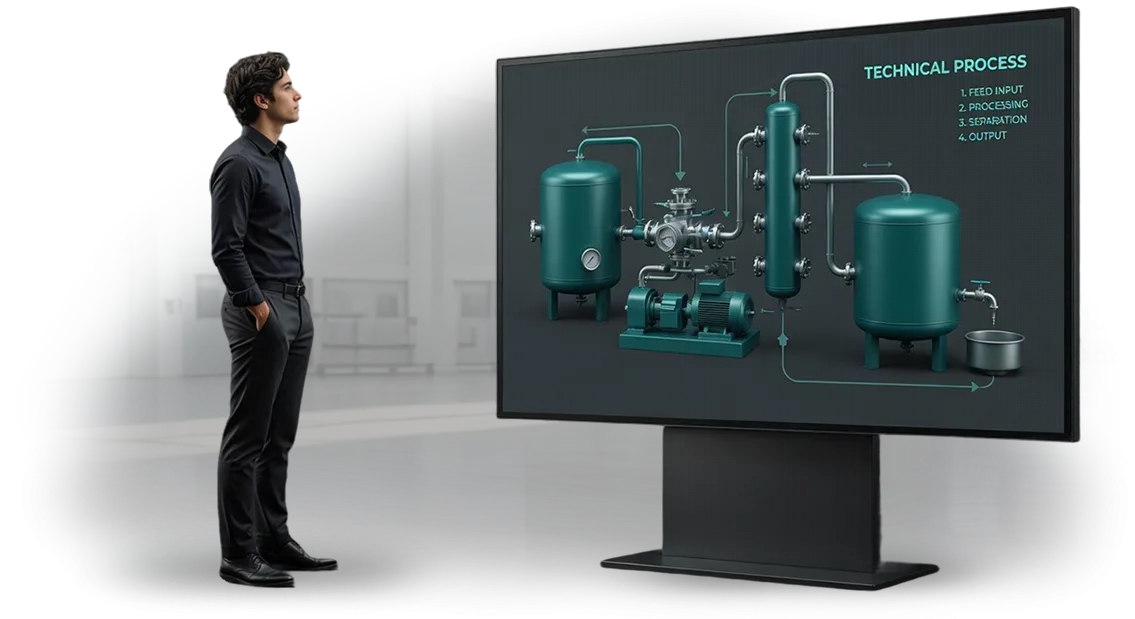
מדוע עובדים מאבדים מיומנויות ללא ויזואליזציה כירורגית
כאשר עובד נדרש לבצע פעולה מדויקת — במיוחד ברפואה, תרופות או עבודה עם ציוד מורכב — מחיר הטעות נמדד לא בזמן, אלא בבריאותם של אנשים ובמוניטין של החברה.
הוראות טקסט שטוחות ודיאגרמות סטטיות אינן יכולות להעביר את רצף התנועות האמיתי, את עומק הרקמה או את זווית המכשיר.
העובד משלים רשמית את ההכשרה, אך בפועל פועל בעיוורון מכיוון שתמונה תלת-ממדית מדויקת של התהליך מעולם לא נוצרה במוחו.
הוראות וידאו ארגוניות פותרות בעיה זו רק חלקית: צילום רגיל מראה את הפעולה מזווית אחת, בעוד פרטים מרכזיים נשארים מחוץ למצלמה.
כתוצאה מכך, המיומנות לא נטמעת, העובדים חוזרים להרגלים הקבועים שלהם שלא תמיד נכונים, והמנהל מגלה על כך רק לאחר שמתרחש אירוע. אובדן מיומנות אינו עניין של מוטיבציה, אלא עניין של דיוק בהעברת ידע.
הפתרון הוא סרטוני הדרכה עם אלמנטים של ויזואליזציה כירורגית. גישה זו מאפשרת להראות את התהליך ללא שום דבר מיותר, עם דגש על ביומכניקה נכונה ורצף תקין.
העובד רואה לא תמונה מופשטת, אלא תרחיש פעולה ברור שנזכר ומשוכפל בדיוק הנדרש.
אנחנו בונים הכשרת עובדים בדיוק בדרך זו: אנו משלבים את הניסיון של מומחים בענף שלך עם טכנולוגיית ויזואליזציה תלת-ממדית, כך שלאחר ההדרכה כל עובד מבצע את השלבים בצורה נכונה — לא "בערך נכון."
מה הוראת וידאו עם אנימציית תלת-ממד נותנת לצוות שלך
מעוררת עניין במקום שקופיות משעממות
עובדים מתעייפים מתקנונים טקסטואליים ומשקופיות, ולכן הם לעתים קרובות מכריחים את עצמם לשים לב. וידאו עם אנימציית תלת-ממד נתפס כתוכן מודרני: ויזואליה דינמית, הדגשים ברורים, פירוט התהליך שלב אחר שלב. אנשים צופים בשיעור עד הסוף ושואלים פחות שאלות הבהרה.
וידאו קצר וויזואלי עובד גם למתחילים וגם לצוותים מנוסים. במיוחד כאשר קשה להראות את התהליך בשידור חי: ניתוחים כירורגיים, הגדרת ציוד, פעולות במצב חירום.
נזכר באמצעות תמונות
תמונות נזכרות פי כמה וכמה טוב יותר מטקסט. ויזואליזציה כירורגית מראה פרטים שלא ניתן להעביר באמצעות תמונות או דיאגרמות: מבנה פנימי, מסלולי תנועה, מכלולים נסתרים.
לאחר הצפייה, העובד משחזר את רצף הפעולות בביטחון רב יותר ושואל את המנטור פחות שאלות המשך.
תמונה ויזואלית חיה נשארת בזיכרון לאורך זמן. זה מזרז את דרכו של מתחיל למיומנות מלאה ומפחית את מספר השגיאות הנגרמות מהוראה שלא הובנה.
תקן אחיד לכל הצוות
כל אחד מפרש הוראות טקסט בדרכו שלו — ומכאן הפערים בפעולות. הוראת וידאו אחת עם אנימציית תלת-ממד קובעת את הרצף הנכון היחיד שכל העובדים רואים באותה דרך. המנהל כבר לא צריך להסביר פעמיים או לבדוק כיצד מפרשים את התקנון.
התקן קל לקנה מידה: עובד חדש עובר את אותו קורס כמו מומחה מנוסה. זה מיישר את הצוות והופך את ההכשרה לשקופה לבקרת איכות.
אמון בדיוק
אנו משתמשים בכלים מקצועיים לאנימציית תלת-ממד ובניסיון בויזואליזציה כירורגית כדי להפוך את הווידאו למדויק וברור. הלקוח מקבל שיעור וידאו מוגמר שמשתלב במערכת ההכשרה מיד ומניב תוצאות.
פורמטי וידאו עם ויזואליזציה כירורגית למשימה שלך
צוות קליני לומד בדרכים שונות: חלקם צריכים רק וידאו קצר, אחרים דורשים אנטומיה מפורטת של כל שלב. לכן אנו יוצרים פורמטי הוראת וידאו למטרה ספציפית — מהכשרת היכרות המונית ועד פירוט של ניתוח מורכב.
עבור כל פורמט, אנו מפתחים את התסריט, הסגנון הוויזואלי ורמת הפירוט כך שהעובד יקבל בדיוק כמה מידע שצריך לעבודה בטוחה. זה מפחית את העומס על המנטורים ומאיץ את המעבר של מתחילים לפרקטיקה עצמאית.
אנו מתאימים את כל סרטוני התלת-ממד עם ויזואליזציה כירורגית למערכת ניהול הלמידה שלך או לפורטל הפנימי. פורמט אחד לכל הסניפים, תקן אחד לכל החברה. הסרטונים נראים טוב באותה מידה על כל מסך: מסמארטפון ועד מסך בחדר ניתוח.
| פורמט | למי | מה זה נותן ללקוח |
|---|---|---|
| סרטון סקירה קצר להכשרה המונית | כל העובדים ללא הכנה מיוחדת | התעמקות מהירה בתקנים, רמת ידע אחידה, מעורבות גבוהה |
| אנימציה שלב אחר שלב לפרוצדורות מורכבות | מנתחים, צוותי ניתוח | תרגול פרוטוקול לפני ניתוח, פחות שגיאות, ביטחון הצוות |
| מודול לקורס למידה מרחוק | צוות רפואי בסניפים | חיסכון בזמן, איכות הכשרה עקבית, מעקב אחר השלמה |
אנו מטפלים בהפקה במפתח מלא: מתסריט ומודל תלת-ממדי ועד עריכה ושילוב במערכת ההכשרה שלך. התוצאה היא ספריית פורמטי הוראת וידאו שקל לעדכן כאשר מופיעה מתודולוגיה חדשה או מצטרף עובד חדש.
כיצד בנויה העבודה על הוראת וידאו: מתסריט ועד השקה
תהליך ברור הוא המפתח לתוצאה צפויה, במיוחד כשמדובר בהכשרת עובדים בפרוצדורות מורכבות. חילקנו את ההפקה לשישה שלבים כך שתמיד תדע מה קורה, אילו החלטות מתקבלות ומה תקבל בסוף.
- בריף והתעמקות במשימה. אנו מנתחים אילו פרוצדורות העובד צריך לשלוט בהן, אילו קשיים מתחיל מתמודד איתם ואילו שגיאות מתרחשות לרוב. אנו מציבים יעדי הכשרה וקריטריוני הצלחה — כך שהווידאו מכוון מיד לתוצאה עסקית.
- תוכנית הפקה. אנו יוצרים לוח זמנים ריאלי עם נקודות אישור ומועדים ברורים. אתה רואה את כל הדרך עד להשקת ההכשרה ומבין מתי ואילו חומרים יידרשו מצידך.
- תסריט וידאו. אנו כותבים את התסריט והסטוריבורד: כל שנייה מסבירה שלב ספציפי, מדגישה רגעים קריטיים ואינה מעמיסה במידע מיותר. אתה מקבל גרסת טקסט של הווידאו העתידי לפני תחילת האנימציה.
- אישור ותיקונים. אנו מציגים גרסאות ביניים — מסגנון ועד סצנות מוגמרות. אתה מספק משוב, ואנו מתקנים עד שזה תואם לחלוטין את התקנים והתקנונים הפנימיים שלך.
- אנימציה ועריכה. אנו יוצרים ויזואליזציה של הפרוצדורות באמצעות ציוד מקצועי וכלים מעודנים. זה מייצר תמונה מפורטת ואנטומית מדויקת שברורה גם למנתח וגם למומחה מתחיל.
- השקת ההכשרה. אנו אורזים את הווידאו עבור מערכת ניהול הלמידה שלך או הפורטל הפנימי, מגדירים גישה ובודקים השמעה. אנו גם מספקים המלצות לשילובו בתוכנית הקליטה שלך ולתמיכה בו לאחר ההשקה.
מה כלול בסרטון הדרכה ארגוני מוגמר
וידאו מוגמר הוא לא רק תמונה — הוא כלי הכשרה שניתן להשתמש בו בפועל מיד. חבילת המסירה כוללת את כל מה שצריך כדי להשיק הכשרה: קבצי וידאו בפורמטים הנדרשים, תיעוד ותמיכה טכנית מהצוות שלנו.
- וידאו בפורמטים עבור מערכת ניהול הלמידה והפורטל הארגוני שלך — עובדים יכולים לקחת את הקורס מכל מכשיר.
- קבצי מקור וקבצי עבודה — כאשר התקנים מתעדכנים, אתה יכול בקלות לבצע עריכות או להזמין גרסה חדשה של הווידאו ללא פיתוח מחדש.
- מדריך שילוב במערכת ניהול הלמידה — רשימת בדיקה פשוטה שהמנהל שלך יכול להשתמש בה כדי להעלות את הווידאו ולהגדיר גישה תוך יום עבודה אחד.
- המלצות מתודולוגיות למדריך: כיצד להשתמש בווידאו בשיעורים, אילו שאלות לשאול לאחר הצפייה וכיצד לחזק מיומנויות ויזואליזציה כירורגית.
- כתוביות וגרסאות לקהלים שונים: וידאו בסיסי למתחילים ומורחב לעובדים מנוסים.
- תמיכה במהלך תקופת האחריות: אנו מבצעים תיקונים במהירות אם עולות הערות לאחר הצפייה או אם צריך להתאים את ההדגשים.
אנו מעבירים סרטונים בערוץ מאובטח ובמידת הצורך עוזרים להתאים אותם למיתוג החברה שלך. חבילה זו הופכת את הווידאו לכלי הכשרה שיטתי שמניב תוצאות ואינו דורש ידע טכני מהצוות שלך.
דוגמה מעשית: כיצד וידאו האיץ קליטה
עבדנו עם מפעיל רפואי גדול שהשיק מחלקה חדשה ובילה כמעט שבועיים בקליטת אחיות בכירות.
עובדים מנוסים נמשכו מהמשימות שלהם כדי להראות אישית לכל מתחיל כל פרוצדורה, ובגלל הבדלים בגישות, שגיאות המשיכו לחזור.
המשימה הייתה פשוטה ומורכבת בו זמנית: ליצור פורמט הכשרה אמת מידה שאינו תלוי בגורם האנושי.
פיתחנו סדרת סרטוני הדרכה עם ויזואליזציה כירורגית — כל שלב, מהכנת מכשירים ועד מניפולציות סופיות, מוצג באנימציית תלת-ממד ללא פרטים מיותרים.
במקום תזכורות טקסט והסברים מילוליים, העובדים קיבלו מקור אמת יחיד, ומנטורים קיבלו כלי בקרה מוכן.
תוצאה לאחר חודשיים
זמן הקליטה ירד ב-40%: משבועיים לשמונה ימי עבודה. דיוק הפרוצדורות, לפי הביקורת הפנימית, השתפר — מספר השגיאות בשלב ההסתגלות ירד ביותר מחצי.
ההשפעה הבולטת ביותר הורגשה על ידי עובדים בכירים: הם הפסיקו לבזבז 3–4 שעות ביום על הדגמות חוזרות וחזרו לאחריות שלהם.
שישה חודשים לאחר מכן, הלקוח הזמין סדרת סרטונים שנייה למחלקה סמוכה וכלל אותם בתקן ההכשרה לכל העובדים החדשים.
מדדים כמו אלה — מהירות הסתגלות, דיוק פעולות והפחתת עומס על מנטורים — מראים שהוראת וידאו מחזירה את עצמה בתוך מחזור הגיוס הראשון.
כיצד לבחור את פורמט סרטון ההדרכה הנכון?
בחירת פורמט סרטון ההדרכה משפיעה ישירות על המהירות שבה עובד שולט בחומר ומתחיל ליישם אותו בעבודה.
אין פתרון אוניברסלי: גישה אחת מספיקה להיכרות עם תהליך, אחרת לתרגול רצף פעולות מורכב, ושלישית לבדיקת שגיאות.
כדי להימנע מתשלום יתר ואובדן זמן על צילומים חוזרים, חשוב להעריך שלושה פרמטרים: רמת ההכנה של הקהל, מורכבות החומר והכיסוי שאתה רוצה להשיג.
להלן טבלה עם קריטריונים מעשיים שיעזרו לך לבחור את הפורמט האופטימלי בשלב הבריף.
| פורמט | למי | מה זה נותן ללקוח |
|---|---|---|
| דיאגרמה מונפשת (2D) | עובדים חדשים ללא ניסיון | התעמקות מהירה בלוגיקת התהליך, עלות נמוכה, קל לבצע עריכות |
| וידאו אינטראקטיבי עם בחירות פעולה | עובדים מנוסים, תרחישים נדירים | תרגול מיומנות ללא סיכון לציוד, בדיקת שגיאות בסביבה בטוחה |
| וידאו CGI עם ויזואליזציה מפורטת | פרוצדורות טכניות או רפואיות מורכבות | דיוק מושלם בהעברת התהליך, תקן איכות אחיד, נראות ברורה של פרטים נסתרים |
| פורמט משולב (וידאו + טקסט + מבחן) | הכשרה המונית של צוות גדול | מחזור מלא: הסבר, חיזוק, הערכה. קל לשילוב במערכת ניהול למידה |
אם עובדים פשוט צריכים להבין את העיקרון הכללי — דיאגרמה מונפשת מספיקה. אם הם מבצעים פרוצדורה שבה מחיר השגיאה גבוה ופרטים נסתרים חשובים — בחר ויזואליזציית CGI.
זה מאפשר להראות את התהליך בצורה שאי אפשר עם צילום חי ומבטל פערים בפרשנות ההוראה.
לעתים קרובות התוצאה הטובה ביותר מגיעה משילוב פורמטים: סרטון סקירה קצר למוטיבציה וויזואליזציה מפורטת ללימוד מעמיק. מפיק יעזור לך לבחור את התצורה האופטימלית לתקציב וללוח הזמנים שלך.
תאר את המשימה שלך בבריף — ואנו נציע פתרון שמגביר באופן מדיד את המהירות והאיכות של הכנת העובדים.
שאלות נפוצות על יצירת הוראות וידאו לעובדים
ללקוחות יש לעתים קרובות ספקות לפני הזמנת הוראות וידאו: לא ברור כמה זמן ייקח הפיתוח וכמה זה יעלה. אנו שומעים שאלות אלה באופן קבוע, לכן אספנו תשובות לשאלות הנפוצות ביותר.
להלן ארבע התנגדויות שניתן לפתור לפני שהפרויקט בכלל מתחיל. אם המצב שלך לא מופיע כאן, פשוט כתוב לנו — נייעץ לך אישית.
כמה זמן ייקח ליצור הוראת וידאו?
בדרך כלל, פיתוח הוראה אחת אורך בין שבועיים לשישה שבועות — תלוי באורך הווידאו, ברמת הפירוט של אנימציית התלת-ממד ובמספר הסצנות.
בשלב הדיון, אנו מציינים מועדים מדויקים וכוללים אותם בחוזה, כך שתוכל לתכנן את השקת ההכשרה מראש.
כיצד מחושב העלות?
העלות מורכבת משלושה חלקים: תסריט, ויזואליזציה ועריכה. סגנון מורכב — למשל, ויזואליזציה כירורגית מפורטת — מוסיף עבודה, אבל אתה תמיד רואה את ההערכה לפני תחילת הפרויקט. אין חיובים נסתרים: לאחר אישור הבריף, המחיר אינו משתנה.
האם הווידאו יעבוד בפלטפורמת ההכשרה שלנו?
אנו יוצרים הוראות וידאו בפורמטים אוניברסליים שמופעלים בכל מערכת ניהול למידה, בפורטל אינטרנט או במצגת. אתה לא צריך להמיר שום דבר — פשוט העלה את הקובץ. במידת הצורך, נתאים את הווידאו לפלטפורמה שלך.
מה אם נדרשים תיקונים?
תיקונים כלולים בעלות — בכל שלב אתה יכול להוסיף הערות, ואחרי המסירה אנו מבצעים מספר סבבי התאמות. אם אתה צריך לעדכן את הווידאו בעוד כמה חודשים (למשל, כדי לשנות תקנון), נבצע את השינויים במהירות. כך התוכן תמיד נשאר עדכני.
הזמן פיתוח הוראת וידאו במפתח מלא
עובדים לא קוראים טקסטים ארוכים ולא צופים שוב במצגות משעממות. הם צריכים הוראה קצרה וברורה שהם יכולים לצפות בה לפני העבודה ולחזור עליה מיד.
הוראת וידאו ארגונית פותרת בעיה זו: אדם רואה את הפעולה הנכונה, מבין את משמעותה ומיישם אותה ללא שגיאות.
אנו מספקים פיתוח במפתח מלא — מתסריט ועד וידאו מוגמר. אנו משתמשים בעקרון הוויזואליזציה הכירורגית: אנו מראים את התהליך בדיוק של דיאגרמת חדר ניתוח, כך שלעובד לא נשארות שאלות אחרי 30 השניות הראשונות של הצפייה. אתה לא צריך להבין בפרטי הפקה — פשוט הגדר את המשימה וקבל את התוצאה.
לאחר פנייתך, אתה מקבל:
- תסריט מותאם למשימות האמיתיות של העובדים שלך, לא תיאוריה מופשטת
- וידאו עם אנימציית תלת-ממד שמסביר תהליכים מורכבים ללא מילים מיותרות
- פירוט למודולים קצרים — נוח לשימוש גם במערכת ההכשרה וגם בטאבלטים
- סגנון מותג ויזואלי עקבי בכל פריים
- קבצים בכל הפורמטים הנדרשים — מהפורטל הארגוני ועד מסכי טלוויזיה ברצפת הייצור
- מערכת מעוצבת של הפסקות וחזרות כך שכל עובד יוכל ללמוד בקצב שלו
- תמיכה לאחר המסירה: נתקן פרטים אם התקנון משתנה
הזמנת הוראת וידאו היא פשוטה: השאר פנייה, ונחזור אליך תוך יום עבודה אחד. נדון בתסריט, נראה דוגמאות של פרויקטים דומים ונציע מועדים שמתאימים ללוח הזמנים שלך.
תקבל כלי הכשרה מוכן, לא רק קובץ — עובדים יתחילו לעבוד בצורה אחידה, וזמן הקליטה יקטן.