

מדוע הכשרת עובדים בייצור רכב נכשלת לעתים קרובות
בייצור רכב, העלות של טעות על רצפת הייצור נמדדת לא בדקות של השבתה, אלא בהפסדים כספיים משמעותיים ובפגיעה במוניטין המותג.
אפילו פעולה אחת לא מדויקת במהלך ההרכבה עלולה להוביל למנה פגומה, לעצירת קו ייצור או לקריאות תיקון לרכבים. לכן הכשרת עובדים כאן היא לא פורמליות, אלא גורם להישרדות החברה.
עם זאת, הניסיון מראה שרוב תוכניות ההכשרה לא משיגות את המטרה שלהן, ושורש הבעיה טמון בחוסר התאמה בין חומרי ההכשרה לתהליכים האמיתיים.
עובדים מגיעים לרצפת הייצור עם רמות הכנה שונות, בעוד שהוראות סטנדרטיות בצורת טקסטים ודיאגרמות שטוחות עמוסות ומנותקות מהפרקטיקה.
לעובד חדש קשה להתאים שרטוט להרכבה תלת-ממדית, להבין את רצף הפעולות ולראות אלמנטים מבניים נסתרים. כתוצאה מכך, טעויות של עובדים חוזרות על עצמן, שיעור הפגמים גדל, ותהליך הקליטה נמשך שבועות וחודשים.
במהלך תקופה זו, החברה מפסידה כסף על תיקון פגמים, תשלום עבור שעות נוספות ובקרת איכות נוספת.
המצב לא טוב יותר בכל הנוגע להכשרה מחדש של עובדים מנוסים לקראת השקת דגם חדש או הכנסת ציוד חדש. מצגות וסרטונים מיושנים לא מספקים את הפירוט הנדרש, והדרכה בסגנון "עשה כמוני" תלויה בגורם האנושי.
התוצאה היא שעלויות ההכשרה עולות בעוד ששימור הידע נשאר נמוך. ידע שאינו נתמך בהמחשה ויזואלית ברורה נשכח תוך מספר ימים, והעובדים שוב פועלים מתוך הרגל, ויוצרים סיכונים חדשים.
יש פתרון: במקום דיאגרמות שטוחות וטקסטים מופשטים, עובדים צריכים לעבוד עם הוראות תלת-ממדיות מדויקות שמשחזרות כל פעולה בהקשר של ציוד ספציפי.
חומרים כאלה הם בדיוק מה שמקצר את זמן הקליטה, מפחית את מספר הטעויות ומחזיר את ההשקעה בהכשרה. אנו יוצרים הוראות וידאו להכשרה המבוססות על מודלים הנדסיים — ויזואלית, שלב אחר שלב, ובהקשר של ייצור אמיתי.
מה הוראת וידאו המבוססת על מודל תלת-ממדי מספקת
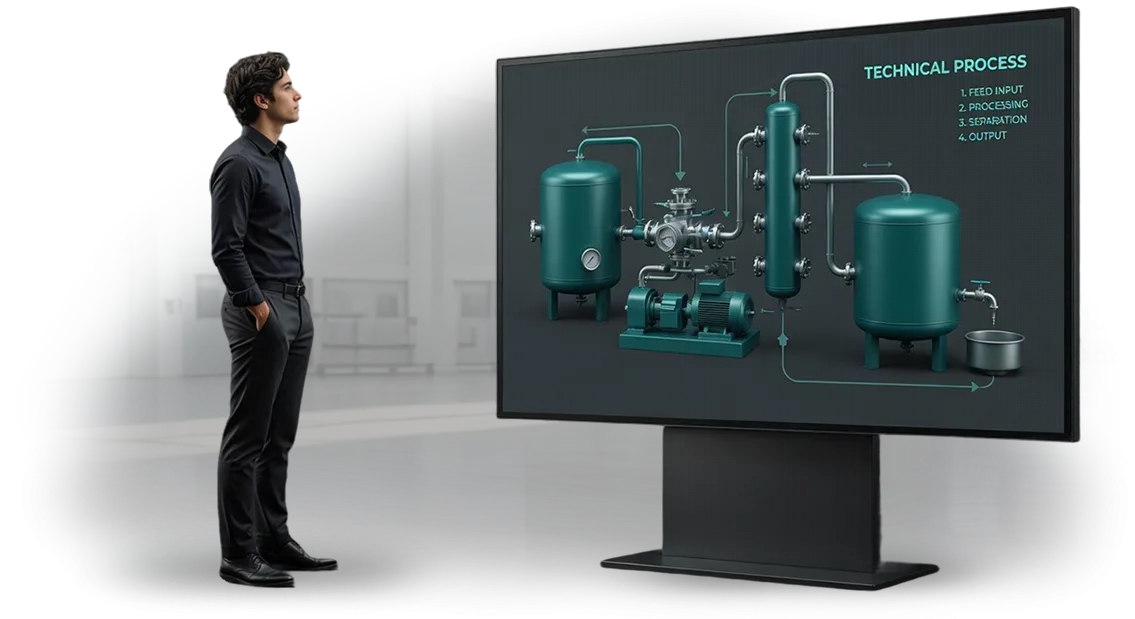
הוראות טקסט רגילות ודיאגרמות שטוחות משאירות מקום לטעות: כל עובד מבין את התהליך בדרכו שלו. הוראת וידאו המבוססת על מודלים תלת-ממדיים שנוצרו מתיעוד תכנוני מציגה את הציוד בצורה ברורה ככל האפשר — מכל זווית ובקצב הנכון. העובד רואה עותק מדויק של ההרכבה האמיתית איתה הוא עובד, לא תמונה מופשטת.
היתרון הראשון הוא הפחתת עלויות. מודל תלת-ממדי מדויק לוקח בחשבון את כל הניואנסים של חלק מראש, כך שעובדים עושים פחות טעויות במהלך הרכבה ותחזוקה.
פחות גרוטאות, פחות עבודות חוזרות ופחות השבתות — החברה חוסכת בחומרים ואינה מוציאה תקציב על צילום מתקני ניסוי יקרים.
היתרון השני הוא תקן הכשרה אחיד. הוראת הווידאו מגדירה את רצף הפעולות הנכון היחיד והופכת אותו למחייב עבור כולם: גם חדשים וגם עובדים מנוסים.
איכות הביצוע כבר לא תלויה בוותק ובניסיון אישי, ועובדים חדשים שולטים בחומר מהר יותר — ללא הסברים ארוכים ממנטור.
כדאי גם להזכיר את הפחתת פגיעות העבודה. במודל תלת-ממדי קל להראות אזורים מסוכנים וטכניקות עבודה נכונות מבלי לסכן את העובד במהלך ההכשרה.
הבנה ברורה של פעולותיו הופכת את העבודה לבטוחה יותר, בעוד שטיפול זהיר בציוד מאריך את חיי השירות שלו ומשפר את איכות המוצר.
בסופו של דבר, הוראת וידאו המבוססת על מודל תלת-ממדי היא כלי לניהול איכות. החברה מקבלת תוצאה צפויה מכל עובד, מפחיתה עלויות תפעול ומביאה עובדים חדשים לרמת עבודה מהר יותר.
פורמטים של הוראות וידאו ארגוניות לייצור רכב
אותה פעולה נקלטת בצורה שונה בהתאם למי שמבצע אותה וכיצד: עובד חדש צריך את התמונה המלאה, עובד מנוסה צריך תזכורת מהירה, ומפקח צריך לשלוט ברצף הפעולות.
בייצור רכב, שבו מחיר הטעות הוא בטיחות אנשים ואיכות ההרכבות, הפורמט של הוראה חשוב לא פחות מהתוכן שלה.
אנו משתמשים בשלושה פורמטים בסיסיים המכסים הכשרה בכל השלבים: מהדרכה introductory ועד תמיכה על פס הייצור. להלן — למי מתאים כל פורמט ומה הוא נותן לעסק.
| פורמט | למי זה מיועד | מה זה מספק ללקוח |
|---|---|---|
| סרטוני תלת-ממד מפורטים משרטוטי CAD | עובדים חדשים, צוות מחלקת תיקונים, מהנדסי תהליך | הבנה מדויקת של מבנה הרכבה ללא פירוק ציוד אמיתי. מקצר את זמן הקליטה ואת מספר הטעויות במהלך הרכבה, תחזוקה ותיקון. |
| מודולים אינטראקטיביים | עובדים המבצעים פעולות מורכבות ורב-שלביות | מוודא הבנת החומר ומספק תרגול של רצף הפעולות ללא סיכון לציוד. מפקח רואה מי באמת מוכן לעבוד ומי זקוק להכשרה נוספת. |
| שכבות מציאות (מציאות רבודה) | עובדי פס ייצור, טכנאי אבחון, שירות בשטח | תזכורות ישירות בשדה הראייה: העובד רואה היכן להרכיב חלק או לבצע מדידה מבלי להסיט את המבט למסך. מאיץ את הפעולה ומפחית את שיעור הפגמים. |
מערך פורמטים זה מכסה את כל המחזור: תחילה העובד צופה ומבין את ההרכבה, לאחר מכן מתאמן ללא סיכון, ובמהלך עבודה אמיתית מקבל תמיכה ברגע הפעולה.
אנו לוקחים על עצמנו את כל התהליך — מניתוח חומרי CAD ועד קבצים מוכנים להעלאה למערכת ניהול הלמידה שלכם. כל מה שנדרש מכם הוא להקצות קורסים ולעקוב אחר התקדמות העובדים.
כיצד אנו יוצרים הוראות וידאו להכשרה
פיתוח סרטוני הכשרה לעובדים הוא לא רק צילום — זה תהליך שקוף שאנו בונים יחד איתכם. אנו תומכים בלקוח בכל שלב, מתעדים הסכמות בלוח הזמנים ותמיד עונים על שאלות. אתם מקבלים כלי שמקצר את זמן הקליטה ומפחית את מספר הטעויות.
כיצד מתנהלת העבודה
- בריף וניתוח משימה. אנו קובעים אילו פעולות צריך להציג, מי יצפה בסרטון ואילו טעויות עובדים עושים לרוב. זה הופך את ההוראה לממוקדת.
- תסריט הוראה. אנו פורסים את מבנה הסרטון מפשוט למורכב, מדגישים נקודות בקרה מרכזיות ומשתמשים בניסוח ברור. אנו מתאמים זאת עם מהנדסי התהליך שלכם.
- ויזואליזציה תלת-ממדית של ציוד. בהתבסס על שרטוטים הנדסיים, אנו יוצרים מודלים מפורטים של הרכבות, המציגים את המבנה הפנימי ואלמנטים שלא ניתן ללכוד במצלמה.
- אישור. אנו מציגים טיוטות תסריט וויזואליזציה מקדימה כדי שתוכלו לבצע עריכות לפני הפקה סופית. זה מבטל עבודות חוזרות יקרות.
- עיבוד סופי ועריכה. אנו מרכיבים את הסרטון עם אנימציות, כתוביות והסברים בקריינות. הסרטון ברור אפילו לעובד ללא הכשרה טכנית.
- הטמעה ותמיכה. אנו עוזרים להעלות את הסרטונים למערכת הלמידה שלכם, להגדיר גישה ולעדכן את החומר כאשר ציוד או נהלים משתנים.
כל שלב מלווה בתוצאות ביניים שאתם רואים ומאשרים. התוצאה היא הוראה שתואמת בדיוק את תהליכי הייצור שלכם ובאמת מפחיתה את מספר הטעויות בעבודה.
מה כלול בתוצרים ובדוחות התקדמות
כאשר אתם מזמינים פיתוח של הוראות וידאו להכשרה, חשוב להבין מה תקבלו בסופו של דבר. אנו מספקים לא רק סרטונים, אלא חבילה מלאה להשקה מהירה של הכשרה — מחומרים מוכנים ועד קבצי מקור ודוחות.
מה כלול בתוצרים:
- הוראות וידאו מוכנות לכל הפעולות המרכזיות: הרכבה, פירוק, תחזוקה, בקרת איכות. עם קריינות והדגשה של נקודות קריטיות.
- גרסאות מותאמות לתפקידים שונים — מפעילים, מהנדסים, טכנולוגים, מחלקות שירות. אותו תהליך מוצג ברמת הפירוט הנדרשת.
- קבצי מקור של סצנות תלת-ממד ואנימציות — כל קבצי הפרויקט נשארים אצלכם. זה מאפשר לבצע עריכות או ליצור הוראות חדשות ללא פנייה לקבלן.
- כרטיסי מתודולוגיה — דפי עזר קצרים לסקירה לפני משמרת. נוחים לשימוש על נייר או בפורטל הפנימי.
- גישה לפלטפורמת הכשרה — חשבון אישי לעובד, לוח זמנים, מבחנים לאחר כל שיעור וניווט ברור.
- דוחות תוצאות הכשרה למפקחים: מי סיים את הקורס, עם איזו תוצאה, כמה ניסיונות נדרשו והיכן עובדים עושים טעויות לרוב.
- הזכויות לכל החומרים מועברות ללקוח — אתם יכולים להשתמש, לעדכן ולהרחיב אותם בחופשיות עבור סדנאות ואתרים חדשים.
הדוחות נוצרים אוטומטית וזמינים בכל עת. אתם רואים לא רק את העובדה שסרטון נצפה, אלא את ההתקדמות האמיתית של כל עובד. זה עוזר לזהות נושאים קשים בזמן ולקבל החלטות כוח אדם על סמך נתונים.
כל הסרטונים נוצרים מהשרטוטים ומהתיעוד התהליכי שלכם, כך שהמודלים התלת-ממדיים תואמים בדיוק לציוד במפעל שלכם. החבילה נמסרת במסגרת הזמן המוסכם, יחד עם הוראות להשקה מהירה של ההכשרה.
מקרה בוחן: כיצד קיצרנו את זמן הקליטה במפעל רכיבי רכב
עבדנו עם מפעל גדול לרכיבי רכב שבו קליטת מפעיל חדש ארכה עד 14 ימים. ההכשרה התבצעה ישירות על הקו — העובד עצר את העבודה, סיכן את הציוד ועשה טעויות במהלך השבועות הראשונים.
המפעל הפסיד זמן וכסף על כל עובד חדש, בעוד שמנטורים מנוסים הוסחו מהמשימות שלהם.
הצענו דרך אחרת: פיתחנו הוראות וידאו ארגוניות עם מודלים תלת-ממדיים של ציוד שנוצרו משרטוטי CAD.
כעת עובד חדש לומד את מבנה המכונה, ההרכבות ורצף הפעולות על מחשב — מבלי לעצור את הייצור וללא סיכון לתקלה. הוראות הווידאו מחולקות למודולים קצרים, כל אחד מכסה מיומנות אחת: מהתקנה ועד החלפת כלים.
תוך 6 שבועות, הכנו סט מלא של סרטוני הכשרה לשלוש פעולות מפתח. זמן הקליטה קוצר ב-40% — מ-14 ל-8 ימים.
טעויות של עובדים חדשים בחודש הראשון לעבודה ירדו בכמעט חצי, ומנטורים קיבלו יותר זמן לבקרת איכות במקום לחזור על אותה הוראה שוב ושוב.
ראש ההכשרה השאיר חוות דעת: "לראשונה, ראינו עובדים חדשים הולכים לקו בביטחון וללא תזכורות.
הוראות הווידאו החזירו את ההשקעה בתוך החודש הראשון, ומערכת ההכשרה עובדת כעת באותו אופן בכל משמרת." הצגנו מקרה זה בכנס תעשייתי — הוא מראה שהצגה נכונה של חומר מאיצה תוצאות גם בסביבות ייצור מורכבות.
«AvtoDetal» — כך קראנו לפרויקט. אם יש לכם אתגר דומה, ספרו לנו על המצב שלכם — נראה לכם כיצד להתאים גישה זו למפעל שלכם ואילו תוצאות לצפות.
כיצד לבחור את פורמט ההכשרה המתאים לעובדים שלכם
התשובה הקצרה היא שאין פורמט אוניברסלי.
הבחירה נקבעת על ידי המשימה הייצורית הספציפית: דבר אחד הוא להכיר לעובד נוהל תחזוקה, ודבר אחר הוא ללמד אותו לעבוד בבטחה בתחנת ציוד חדשה או לאתר תקלה בהרכבה מורכבת.
בססו את ההחלטה על תדירות הפעולה, רמת האחריות ותחלופת העובדים.
אם המשימה היא הכשרה המונית על פעולות בסיסיות בפס הייצור, סרטונים ברורים עם שלבים מוגדרים היטב והדגשה על בטיחות הם בחירה טובה.
כשמדובר בתיקון הרכבות יקרות או עבודה על קווים ייחודיים שבהם טעות עולה בהשבתות ארוכות, העובד צריך דיאגרמה תלת-ממדית אינטראקטיבית שמאפשרת לו, בקצב שלו, לפרק את המנגנון, לראות את המבנה הפנימי ולשנן את רצף הפעולות — אלו בדיוק המשימות שאנו פותרים בדרך כלל על ידי הפיכת שרטוטי CAD למודלי הכשרה.
קחו בחשבון גם את הרכב כוח העבודה: גילאים ורמות ניסיון שונות קולטים פורמטים בצורה שונה.
מומחים צעירים מוצאים לעתים קרובות סימולציות אינטראקטיביות נוחות יותר, בעוד שעובדים מנוסים מסתפקים בהוראות קצרות הממוקדות בפרטים של גרסה מסוימת.
הכלל המעשי: ככל שהפעולה מורכבת ופחות תכופה יותר, כך ההכשרה צריכה להיות מפורטת ו"תלת-ממדית" יותר.
הוראות הווידאו הארגוניות שלנו בנויות בדיוק כך — תחילה אנו מנתחים את הפעולות והקהל הספציפיים, ולאחר מכן בוחרים את הפורמט שיביא את העובד לעבודה עצמאית וללא שגיאות במהירות האפשרית ובעזרה מינימלית ממנטור.
זו הסיבה שאתם מקבלים לא "סרטון יפה", אלא כלי שמקצר את זמן הקליטה ומפחית את מספר התקריות בייצור.
חששות נפוצים: לוחות זמנים, עלות ואינטגרציה
כל פרויקט ליצירת סרטוני הכשרה לעובדים נושא אחריות. במיוחד כשמדובר במפעל או במתקן ייצור שבו כל שעה של השבתת ציוד יקרה.
אנו מבינים את החששות שלכם ומוכנים לטפל בשלושת הפחדים המרכזיים: לוחות זמנים, תקציב ואינטגרציה.
אנו קובעים את לוחות הזמנים בחוזה לפני שהעבודה אפילו מתחילה. הפרויקט מחולק לשלבים עם תאריכים ברורים, ואם משהו לא הולך לפי התוכנית, תדעו על כך מראש, לא ביום המסירה.
התקציב שקוף באותה מידה: אתם מקבלים הערכה לאחר הבריף, והיא לא משתנה במהלך התהליך — ללא תוספות נסתרות עבור "מורכבות".
האינטגרציה גם היא פשוטה. אנו מספקים את הסרטונים המוגמרים בפורמטים סטנדרטיים הנתמכים על ידי כל מערכת ניהול למידה מודרנית. אתם מעלים את הקבצים, מקצים את הקורס לעובדים ורואים סטטיסטיקת השלמה — ללא מעורבות של מפתחים או מודולים נוספים.
וכדי לעזור לעובדים להתרגל לפורמט החדש מהר יותר, אנו מספקים מדריך קצר למנהל מערכת ה-LMS ודף עזר למשתמשים. זה חוסך את זמנכם בהשקה ומפחית שאלות מרצפת הייצור.
מה אם תפספסו את המועד?
אנו בונים חוצצי זמן בכל שלב ומזהירים על כל סיכון. אם העיכוב נגרם על ידינו, נקבע קנס בחוזה. בפועל, 90% מהפרויקטים נמסרים בזמן כי התהליך שלנו מלוטש היטב.
האם ניתן להתאים את התקציב לאחר תחילת העבודה?
ההערכה קבועה לפני ההתחלה. אם תחליטו לשנות את נתוני הקלט — למשל, להוסיף סצנות חדשות או לצלם מחדש חלק מהחומר — נציע הערכה מעודכנת ונסכים איתכם לפני ביצוע העבודה. לא יהיו חשבוניות בלתי צפויות.
האם הסרטונים יעבדו עם מערכת ה-LMS שלנו?
כן, אנו מספקים את הסרטונים בפורמטים נפוצים ובמידת הצורך מתאימים את הרזולוציה והאורך לדרישות הפלטפורמה שלכם. בנוסף, אנו כוללים קבצי כתוביות ומדריך טכני להעלאה.
הזמינו פיתוח הוראת וידאו — קבלו סרטון ניסיון
ספק לפני הזמנת הוראות וידאו הוא נורמלי: לא ברור איך ייראה הסרטון, כמה זמן ייקח האישור והאם תצטרכו לשנות משהו.
עבור מפעלי רכב ומרכזי שירות, הסרנו את אי-הוודאות הזו: אתם שולחים בקשה, מקבלים ייעוץ וסרטון המבוסס על הפעולה שלכם — ורק אז מחליטים על הפרויקט המלא.
כך עובד התהליך שלנו:
- בקשה. אתם מתארים את המשימה: איזו הרכבה, פעולה או נוהל צריך להציג לעובדים. ניתן לצרף תיעוד תהליכי, שרטוטים או תמונות.
- ייעוץ. אנו מבהירים את קהל היעד של ההוראה: עובדים חדשים, צוות מנוסה או קבלנים. רמת הפירוט והקצב תלויים בכך.
- סרטון ניסיון. אנו מפיקים סרטון פיילוט לאחת ההרכבות שלכם — מהחומרים שלכם או משרטוטי CAD. אתם רואים את רמת האיכות לפני תחילת המחזור המלא.
- אישור תוכנית. אנו קובעים את השלבים, לוח הזמנים ותכולת החבילה: מספר ההוראות, האורך ושפות הכתוביות.
- השקת הפקה. אנו מקליטים ועורכים את כל הסרטונים, ומספקים את החבילה המושלמת עם קבצי מקור והמלצות לשילוב בהכשרה.
- בונוסים לאחר הזמנה. בעת חתימת חוזה לפרויקט הראשון — הנחה, ייעוץ מורחב על שימוש בסרטונים במערכת החונכות ותמיכה עדיפה לחודש אחד לאחר המסירה.
סרטון הניסיון נותן לכם ביטחון מההתחלה: אתם רואים כיצד ההוראה תיראה על מסכי העובדים ובחומרי ההכשרה, לפני שמתחייבים לתקציב המלא. זה מסיר סיכונים, מאיץ את האישור והופך את התוצאה לצפויה.
שלחו בקשה בעמוד זה — נחזור אליכם תוך יום עסקים אחד עם תוכנית ספציפית ותאריך מוצע לסרטון הניסיון.