

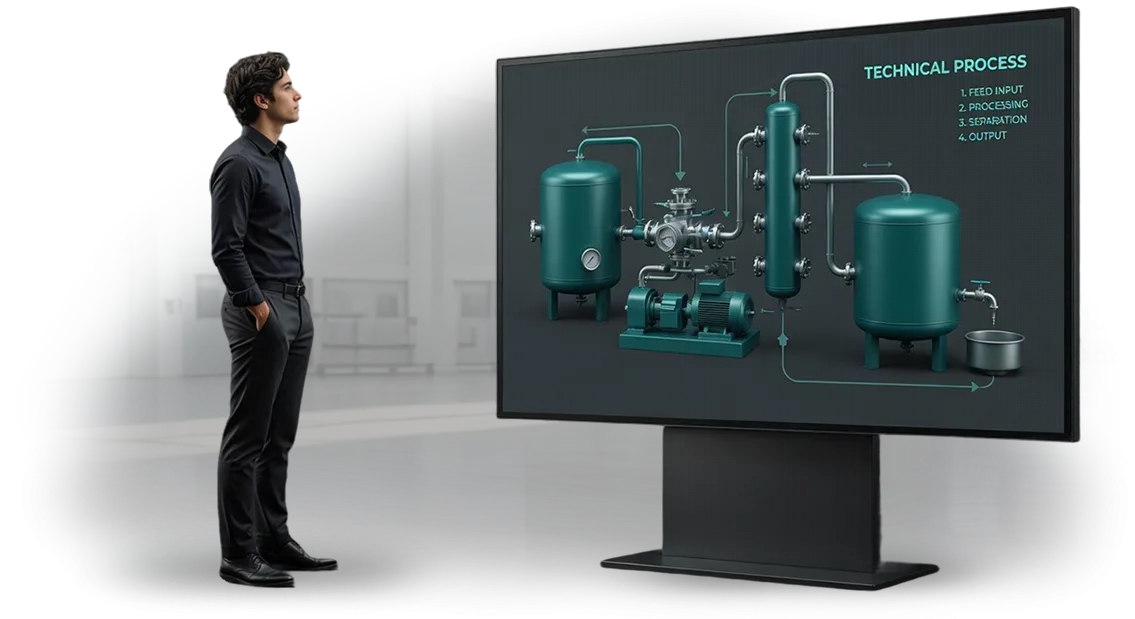
מדוע היעדר הוראות מסוכן בייצור תרופות
הגורם האנושי נותר מקור הסיכון העיקרי בכל מתקן ייצור, ותרופות אינן יוצאות דופן. עובד ששמע הוראה בעל-פה פעם אחת או עיין בתקנון רב-עמודים, בסופו של דבר יטעה.
במפעל תרופות, טעות כזו אינה רק חלק מקולקל — היא הסיכון לשחרור אצווה לא תקינה, הפרת תקני GMP, והשבתת קו הייצור.
מחיר הטעות נמדד לא בדקות של השבתה אלא במוניטין ובכסף. אי-עמידה בדרישות האיכות מובילה להחזרות אצוות, קנסות, ואובדן אמון מצד רשויות הרגולציה.
הכשרת צוותי ייצור תרופות ללא חומרים ויזואליים היא תמיד הימור: היום העובד זוכר את רצף הפעולות, ומחר — כבר לא, במיוחד כשמדובר בהליך נדיר או מורכב.
תחלופת עובדים היא אתגר נפרד. כל עובד חדש הוא תקופה שבה הסיכון לפגמים ולתאונות מוכפל. הסברים בעל-פה ממנטור אורכים שעות אך אינם מבטיחים תוצאות עקביות.
כתוצאה מכך, החברה מבזבזת זמן וכסף, בעוד שתקני האיכות עדיין סובלים מאי-הבנות.
ביקורות ובדיקות הן טריגר נוסף. מבקר אינו מסתפק בהצהרות בעל-פה: נדרשת הוכחה שהצוות אכן הוכשר וקלט את הכללים.
ללא מערכת ברורה של הוראות וידאו, ההכנה לביקורת הופכת ללחץ, ואי-התאמות שזוהו הופכות להנחיות ולהוצאות נוספות.
אנו סוגרים סיכונים אלה על ידי פיתוח חומרי וידאו שמבטלים אי-בהירות והופכים את ההכשרה לצפויה. העובד רואה כל תנועה וכל פעולה ברצף הנכון, והחברה מקבלת תקן הכשרה אחיד במקום משחק טלפון שבור.
אילו יתרונות מביאות הוראות וידאו להכשרת עובדים
כל יצרן תרופות יודע את מחיר הטעות: פעולה שבוצעה באופן שגוי משמעותה אצווה שנדחתה, זמן שהושקע בחקירה, וסיכונים נוספים.
הכשרה קלאסית הופכת פעמים רבות לחוליה החלשה כאן — הכל תלוי בניסיון האישי של המנטור, ועובדים זוכרים הליכים באופן שונה.
הוראות וידאו לעובדים פותרות משימה זו באופן שיטתי: הן קובעות תקן ייחוס אחד לפעולה שכל עובד רואה באופן זהה, ללא קשר למשמרת, לוותק או לתפיסה האישית.
היתרון המרכזי הוא קיצור זמן ההכשרה ברצפת הייצור. במקום לבלות שבועות בליווי עובד חדש, המנטור מדגים את התהליך בוידאו פעם אחת, והעובד צופה בו כמה פעמים שצריך.
זה מהיר יותר מהסברים אישיים תוך שמירה על איכות העברת הניסיון — כל רצף הפעולות מתועד עד לפרט הקטן ביותר, כולל ניואנסים שבדרך כלל נשכחים בתדריכים בעל-פה.
תקנים אחידים משמעם פחות טעויות, פשוטו כמשמעו. כשכולם עובדים לפי אותו וידאו, חילוקי דעות לגבי אופן ביצוע "נכון" של פעולה נעלמים.
זה קריטי לייצור תרופות: עמידה בהליכים אינה תלויה עוד במצב הרוח או בעייפות של מפעיל מסוים, והתוצאות הופכות לצפויות.
במקביל, כישורי הצוות משתפרים — עובדים פונים מעת לעת להוראות כדי לרענן את הידע ולחזק מיומנויות נכונות.
קליטת עובדים חדשים מהירה גם היא תורמת לרצפת הייצור בכך שהיא הופכת את תהליך ההשתלבות לשקוף. מהימים הראשונים, העובד מבין אילו פעולות יידרש לבצע ומרגיש בטוח יותר.
המנהל מקבל יכולת לפקח על ההכשרה — ברור מה העובד החדש לומד, מה כבר שולט, ומה צריך שיפור.
לבסוף, הוראות וידאו כאלה קלות לעדכון: ההליך השתנה — מקליטים גרסה חדשה, וכל הצוות עובד מיד לפי התמונה העדכנית.
פורמטים של הוראות וידאו לייצור תרופות
בהכשרת צוותי ייצור תרופות, לאופן הצגת החומר יש תפקיד מכריע. אותו אלגוריתם פעולות יכול להיות מתואר בטקסט, מוצג על ציוד אמיתי, או מפורק על מודל תלת-ממדי — ותוצאת ההכשרה תהיה שונה.
הפורמט הנכון מקצר את הזמן עד להגעה למיומנות ומפחית את מספר הטעויות בחדרים נקיים ובקווי ייצור.
אנו בוחרים את הפורמט לפי המשימה הספציפית: ללימוד מבנה הציוד אנו משתמשים במודלים תלת-ממדיים המבוססים על השרטוטים שלכם, לרצפי פעולות — אנימציית תהליך, לתיעוד פעולות אמיתיות — צילום, לבדיקת ידע — משימות אינטראקטיביות. להלן תרחישי יישום אופייניים.
| פורמט | מיועד ל | מה הוא נותן ללקוח |
|---|---|---|
| מודלים תלת-ממדיים של ציוד משרטוטים | מפעילי קו, צוותי תחזוקה, מהנדסי תהליך | פירוק מכלולים ללא עצירת ייצור; דיאגרמות ברורות להרכבה, פירוק ותחזוקה |
| אנימציית תהליך | עובדים חדשים, צוותי משמרות | רצף פעולות ויזואלי, תנועת חומרי גלם ומוצרים; פחות טעויות בהתחלה |
| צילום פעולות אמיתיות | צוות בהסמכה, מבקרי איכות | תקן ייחוס לביצוע נכון, תיעוד של תקנים עדכניים |
| הוראות אינטראקטיביות עם בדיקות ידע | מרכזי הכשרה, משאבי אנוש, מחלקת איכות | הערכת הבנת החומר, סטטיסטיקה מהירה, הגנה מפני השלמה פורמלית |
בכל פרויקט אנו משלבים פורמטים: מודל תלת-ממדי כללי, לאחר מכן אנימציה שלב-אחר-שלב, ובדיקה קצרה. אתם מקבלים חבילה שמכסה הכשרה ראשונית, הסמכה תקופתית, וטיפול בחריגות.
כיצד מתבצע פיתוח הוראות וידאו להכשרה
פיתוח הוראות וידאו להכשרה לייצור תרופות הוא תהליך מובנה המתחשב בדרישות רגולטוריות, במאפייני הציוד ובמשימות האמיתיות של הצוות שלכם.
אנו מלווים את כל המסע — מניתוח המשימה ועד לוידאו המוגמר שהעובדים ישתמשו בו בעבודתם. כך זה עובד.
-
ניתוח משימה וסקירת חומרים. אנו לומדים תהליכים טכנולוגיים, תקנונים והוראות עדכניות, ואוספים מידע ממהנדסי תהליך ומפעילים. אנו קובעים את קהל היעד ואת הטעויות המרכזיות שההכשרה חייבת למנוע.
-
יצירת תרחיש ההכשרה. אנו הופכים תיעוד טכני לתרחיש ברור: מפרקים את התהליך לבלוקים לוגיים ומתכננים את הוויזואליזציה והדגשים. בשלב זה, אנו משלבים את מהנדס התהליך שלכם — הם מאמתים את נכונות כל פעולה.
-
הכנת הרצף הוויזואלי. עבור ציוד מורכב, אנו מפתחים מודלים תלת-ממדיים וטקסטורות משרטוטי CAD.
זה מאפשר לנו להציג מכלולים וחלקים שלא ניתן לראות בצילום רגיל — העובד רואה את המכשיר מבפנים ומבין בדיוק כיצד לבצע את הפעולה.
-
הפקת וידאו. אנו מצלמים תהליכים אמיתיים עם ציוד מקצועי ומשלימים אותם באנימציה היכן שדרוש פירוט. אנו עורכים את הווידאו, מוסיפים קריינות וכתוביות כך שהחומר יהיה מובן לכל עובד — ממתחיל ועד מפעיל מנוסה.
-
אישור עם מהנדסי תהליך. אנו מוסרים את גרסת הטיוטה למומחים שלכם ומבצעים תיקונים עד שהיא תואמת לחלוטין את תקני הייצור. זה מבטיח שההוראה אינה מכילה טעויות ובטוחה לשימוש.
-
מסירה סופית ותמיכה. אנו מספקים את הווידאו המוגמר בפורמטים הנדרשים ומסייעים בהעלאה למערכת ניהול הלמידה. אם התהליך ישתנה בהמשך, אנו מעדכנים במהירות קטעים בודדים ללא צילום מחדש של כל הווידאו.
מה כלול בחבילת הוראות הווידאו לארגון שלכם
חבילת הוראות הווידאו אינה רק סרטונים אלא סט שלם של חומרים להשקת הכשרה מהירה. אנו מבנים את אספקת חומרי ההכשרה כך שמחלקת משאבי האנוש תקבל את כל הדרוש: מסרטונים מוגמרים ועד תזכורות טקסט מוכנות לעמדות עבודה.
החבילה הסטנדרטית כוללת:
- הוראות וידאו מוגמרות במספר פורמטים — לצפייה במחשב, בטאבלט ובאזור ההכשרה ליד הציוד.
- גרסאות עריכה של הסרטונים — כדי שתוכלו לבצע שינויים ללא מעורבות קבלן ולהתאים תרחישים לתקנונים חדשים.
- תזכורות טקסט וצ'קליסטים — סיכום קצר של השלבים המרכזיים להדפסה או להצבה בעמדות עבודה.
- גישה לאחסון ענן לכל העובדים — חומרים נפתחים מכל מכשיר ללא התקנת תוכנות נוספות.
- תוכנית יישום הכשרה מוכנה — אילו סרטונים ותזכורות להשיק קודם, כיצד למדוד צפיות וכיצד לחזק תוצאות.
- ארכיון חומרי מקור — סצנות מקור ואלמנטים גרפיים למקרה שהווידאו יצטרך להיות מורכב מחדש לפי תקן ארגוני חדש.
כל אספקת חומרי ההכשרה מלווה במדריך מנהל: כיצד להעניק גישה, לעקוב אחר התקדמות ולעדכן סרטונים כשהתקנונים משתנים. זה שומר על עדכניות הוראות הווידאו ללא צורך בפנייה מתמדת למפתח.
אחסון הענן מוגדר עבור הארגון שלכם: רק עובדי הארגון מקבלים גישה, ואתם שולטים מי צפה בחומרים ומתי. חבילה כזו מכסה את כל המחזור — מלמידה ועד ניטור עמידה בהליכים.
מקרה בוחן: כיצד סרטוני הכשרה הפחיתו את שיעורי הטעויות של הצוות
יצרן מוצרי תרופות התמודד עם כאב אופייני בתעשייה: ציוד מורכב דורש פעולות מדויקות מהמפעיל, בעוד שהכשרה עם הוראות נייר והנחיות בעל-פה מובילה לפרשנויות שונות.
כתוצאה מכך, מספר הטעויות במעברי קו ובניקיון גדל — כל טעות כזו איימה על דחיית אצווה ועל הפרת דרישות איכות.
הנהלת המפעל החליטה לעבור לתקנים ויזואליים אחידים. פיתחנו סדרה של הוראות וידאו תלת-ממדיות להכשרה עבור PharmaPro המבוססות על שרטוטי CAD של הציוד: מפירוק ושטיפת מכלולים ועד הגדרת פרמטרי מילוי.
המפעיל רואה כל שלב בפירוט, יכול להשהות, לחזור ולצפות שוב ברגע קשה — כמו עם מנטור, אך ללא תלות בלוח זמנים.
תוצאת היישום אישרה את יעילות ההכשרה. שלושה חודשים לאחר הצגת הוראות הווידאו, מספר החריגות בפעולות ירד ב-42%, והזמן להבאת מפעיל חדש לקו קוצר בשליש.
פרודוקטיביות הצוות השתפרה: מנטורים הפסיקו לבזבז שעות בחזרות על אותם דברים ולקחו על עצמם משימות מורכבות יותר.
האפקט עבור הלקוח
התוצאה המרכזית אינה רק פחות טעויות אלא איכות מוצר יציבה וביקורות ללא לחץ. הלקוח קיבל מאגר ידע מוכן שקל לעדכן בעת מודרניזציה של ציוד.
הצלחת הפרויקט הובילה להזמנה חוזרת: הרחבנו את הסדרה למחלקות שכנות ולקווי אריזה.
מה מאשר את האמינות
מקרה הבוחן מגיע מתעשיית התרופות הבלארוסית, שבה הדרישות לתיעוד ולהכשרת צוות מחמירות במיוחד. אם הוראות וידאו עובדות שם, הן יעבדו גם עבורכם.
כיצד לבחור את הפורמט הנכון של הוראות וידאו?
בחירת פורמט הוראות הווידאו מתחילה לא בטכנולוגיה אלא במשימה שההכשרה צריכה לפתור. בייצור תרופות, דיוק הוא המפתח: העובד חייב ללמוד את רצף הפעולות ולפעול בקפדנות לפי ההליך.
אז ראשית, קבעו מה בדיוק צריך להשתנות: ללמד פעולה חדשה, להזכיר את ההליך, או להסביר את המבנה של מכלול ציוד מורכב. התשובה קובעת איזה פורמט יהיה יעיל ואיזה פשוט יבזבז את התקציב.
הקריטריון השני הוא מורכבות הפעולה ורמת המיומנות של הצוות. אם הפעולה פשוטה וההליך יציב, סרטון קצר עם צילום אמיתי והסבר קריין מספיק.
אם צריך להציג מנגנונים פנימיים או תהליכים נדירים שקשה לצלם באתר, מודל תלת-ממדי שנוצר משרטוטי CAD עדיף. סרטון כזה מאפשר לבחון את הציוד מכל זווית, להאט רגעי מפתח, ומונע עצירת פעילות המפעל לצורך צילום.
זה חשוב במיוחד בייצור תרופות, שבו כל דקת השבתה משפיעה על התוכנית.
הקריטריון השלישי הוא תדירות העדכונים הנדרשת והתקציב. אם ההוראות צריכות להשתנות כל רבעון, צילום ריאליסטי יקר ישתלם רק עם מספר גדול של עובדים.
במקרה כזה, עדיף לבחור בפורמט גמיש: סצנות תלת-ממד בסיסיות שמתעדכנות במהירות, בתוספת צילום של פעולות בודדות. אם ההליך יציב והקהל הוא מאות עובדים, השקעה בוויזואליזציה איכותית מוצדקת. אנו נעזור למצוא איזון בין עלות לתועלת כך שהווידאו באמת יעבוד להכשרה.
אנו ממליצים להתחיל בסקר קצר: רשמו את הפעולות שצריך לכסות, העריכו את מספר העובדים, וחשבו באיזו תדירות התקנים משתנים. על בסיס זה, נבחר את הפורמט — מסרטונים פשוטים שלב-אחר-שלב ועד הוראות תלת-ממד מפורטות משרטוטי CAD.
אם אינכם בטוחים, הזמינו פרויקט פיילוט על פעולה אחת: תוך כמה ימים תראו כיצד הצוות קולט את הווידאו ותוכלו לקבל החלטה ללא סיכון מיותר. זו הדרך הנכונה לבחור פורמט למשימה ולתקציב שלכם.
שאלות נפוצות על יישום הוראות וידאו
כמו בכל משימה חדשה, יישום הוראות וידאו להכשרה מעלה ספקות מעשיים: האם הפרויקט יימשך חודשים, האם הסרטונים יתיישנו לאחר שינויי הליכים, האם הציוד של הלקוח יעמוד בזה. זה נורמלי — מה שחשוב הוא שתקבלו תשובות לשאלות אלה לפני תחילת העבודה.
לכן ריכזנו את חמשת הנושאים הנפוצים ביותר שמעסיקים לקוחות: לוחות זמנים, עדכוני תוכן, דרישות טכניות, עבודה עם מודלים תלת-ממדיים ומעקב אחר תוצאות. להלן תשובות קצרות וישירות לכל שאלה.
כמה זמן לוקח לפתח הוראת וידאו אחת?
מחזור סטנדרטי הוא שבועיים עד ארבעה שבועות לוידאו באורך עד שלוש דקות. לוח הזמנים תלוי במורכבות הציוד ובמספר הסצנות. אם מעורבים בפרויקט מספר מומחים או נדרש אישור במספר רמות — אנו מתכננים עד שישה שבועות.
יש לנו תבניות סצנות מוכנות ותהליך אישור מכוונן היטב. בזכות זה, אפילו פרויקט גדול של 10–15 הוראות נבנה לתוכנית ברורה עם תאריכי מסירה קבועים לכל שלב.
מה קורה אם הציוד משתנה או ההליכים מתעדכנים?
אנו שומרים על קבצי סצנות המקור וקבצי הטקסטורה. אם רכיב ציוד או רצף הפעולות משתנה, אנו מבצעים את התיקון תוך 3–5 ימי עסקים במקום לצלם מחדש את הווידאו מאפס.
עדכון עולה פי 3–5 פחות מהפיתוח הראשוני מכיוון שאנו עורכים רק את הקטעים ששונו. זה חשוב במיוחד בייצור תרופות, שבו דרישות והליכים מותאמים מעת לעת.
אילו דרישות טכניות נדרשות לצפייה ויישום?
אנו מספקים את הסרטונים בפורמטים אוניברסליים שנפתחים בכל מחשב, טאבלט או סמארטפון. הגישה היא דרך דפדפן — ללא התקנת תוכנות או תוספים נוספים.
ארכיטקטורת השרת תומכת בהכשרה סימולטנית של כמה מאות עובדים ללא האטה בטעינה. לשימוש פנימי, הרשת המקומית הרגילה של המפעל מספיקה.
כיצד מודל תלת-ממדי משרטוטי CAD מסייע בהכשרה?
עותק תלת-ממדי מדויק של הציוד מאפשר להתקרב לכל מכלול, להציג מנגנונים פנימיים ואת רצף הפעולות באופן שאי אפשר בסדנה אמיתית. העובד רואה כל שלב מהזווית הנכונה לפני שהוא בכלל ניגש למכונה.
בהירות כזו מקצרת בממוצע בחצי את הזמן להבאת מפעילים חדשים לרמת מיומנות — ומפחיתה את הסיכון לטעויות במשמרות העצמאיות הראשונות.
כיצד ניתן לדעת אם העובדים באמת קלטו את ההוראה?
בסוף כל וידאו, ניתן לכלול שאלות בקרה. לאחר הצפייה, העובד עונה עליהן ומקבל אישור השלמה — התוצאה נרשמת בדוח למנהל.
במידת הצורך, אנו משלבים את בדיקת הידע במערכת הלמידה או ניהול משאבי האנוש שלכם. כך אתם רואים לא רק את עובדת הצפייה אלא גם את רמת הבנת החומר.
אם עדיין יש לכם שאלות על לוחות זמנים, פורמט או אינטגרציה עם תהליך ההכשרה שלכם — פנו אלינו אישית, ונכין פתרון ספציפי למצבכם תוך יום עסקים אחד.הזמינו פיתוח הוראות וידאו לארגון שלכם
הזמינו פיתוח הוראות וידאו במפתח מלא לארגון שלכם — השאירו פנייה, ונכין הצעה מסחרית המותאמת לצרכים של ייצור התרופות הספציפי שלכם.
אתם מקבלים תוכן הכשרה מוכן שמקצר את הזמן עד להגעה למיומנות ומפחית את הסיכון לטעויות בעבודה עם ציוד יקר.
אנו מטפלים בכל התהליך: לומדים שרטוטי CAD, יוצרים מודלים תלת-ממדיים מפורטים, מגדירים טקסטורות ומפיקים אנימציה ועריכה.
אינכם צריכים להיכנס לפרטים טכניים או לפקח על כל שלב — אתם מאשרים תוצאות ביניים ומקבלים הוראות וידאו מוגמרות שניתן להעלות מיד למערכת ניהול הלמידה שלכם או להשתמש בהן בעמדות עבודה.
כדי להכין הצעה מסחרית מדויקת, אנו זקוקים רק לכמה פרטים:
- רשימת הפעולות שעל העובדים לשלוט בהן (לדוגמה, תחזוקת כורים, אריזה, בקרת איכות).
- חומרי מקור: שרטוטי CAD, הליכים טכנולוגיים, תמונות או אפשרות לצילום וידאו באתר שלכם.
- מספר הוראות הווידאו וקהל היעד: עובדים חדשים, צוות מנוסה או כל קו הייצור.
- פורמט ההצבה: LMS, פורטל ארגוני, מסופי סדנה או קבצים נפרדים למפגשי הכשרה.
- תאריך התחלה והשקה רצויים לקורס המוגמר.
- ההעדפות שלכם לסגנון ולעומק הפירוט — מסרטוני סקירה ועד פירוט שלב-אחר-שלב של כל פעולה.
על בסיס נתונים אלה, נחשב את היקף העבודה, נכין לוח זמנים ריאלי ונקבע את העלות בהצעה המסחרית. תראו מה כלול בכל שלב ותוכלו להתאים את ההיקף לפני תחילת ההפקה — ללא תנאים נסתרים וללא תוספות מחיר בלתי צפויות.
הזמנת הוראות וידאו היא פשוטה: כתבו לנו דרך טופס יצירת הקשר או פנו אלינו דרך פרטי הקשר באתר. נבהיר את הפרטים, נענה על שאלותיכם ונכין הצעה מסחרית אישית תוך שני ימי עסקים.