

הכשרת כוח אדם למיקרואלקטרוניקה: שגיאות וזמני השבתה
כוח אדם למיקרואלקטרוניקה מגיע כבר עם ניסיון לפסי הייצור, אך מחיר השגיאה כאן גבוה במיוחד: לוח פגום, אצווה הרוסה, השבתת ציוד.
הכשרה קלאסית משמעותה שבועות של תיאוריה, מדריכים שנמשכים מהמשימות שלהם, ובכל זאת המפעיל עושה טעויות במשמרות הראשונות. כל כשל כזה גורם לזמני השבתה ועבודה חוזרת, בעוד שעלויות ההכשרה גדלות יחד עם תחלופת העובדים.
הבעיה היא שהוראות טקסט ודיאגרמות על נייר לא מראות את העיקר — רצף הפעולות המדויק הספציפי לציוד שלך. המפעיל נאלץ לשנן עשרות פעולות, ובמצב לחץ מסתמך על ניחושים.
זה מוביל לשגיאות אופייניות: אחיזה לא נכונה של רכיבים, סדר הלחמה שגוי, נזק לרכיבים רגישים במהלך ההתקנה. החברה מפסידה לא רק על חומרים, אלא גם על זמני השבתה כשהקו עומד בזמן שמנתחים את המצב.
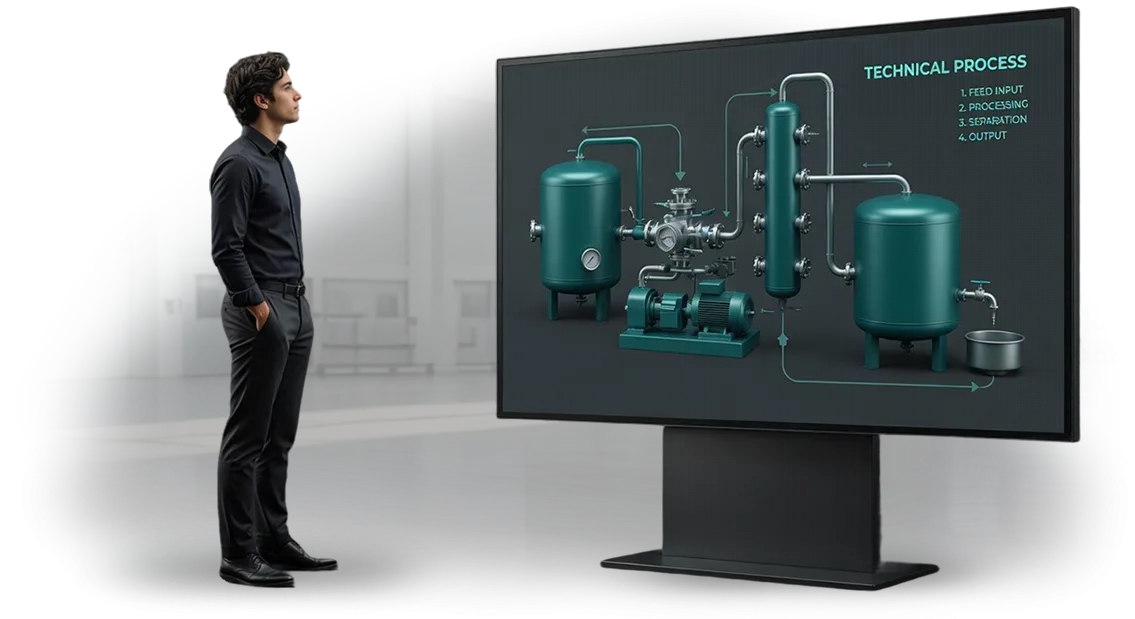
אנחנו פותרים זאת עם הוראות וידאו תלת-ממדיות שנוצרו משרטוטי ה-CAD שלך. העובד רואה כל יחידת הרכבה וכל פעולה בשלושה ממדים — כאילו מהנדס תהליכים מנוסה עומד לידו ומדגים בידיים.
פורמט זה מובן אפילו למתחיל ללא השכלה מיוחדת: הוא חוזר על מה שהוא רואה במקום לפרש שרטוט. הכשרת מיקרואלקטרוניקה הופכת לתהליך צפוי עם תוצאות מדידות.
הוראות וידאו לייצור מקצרות את זמן ההטמעה פי כמה ומפחיתות את מספר שגיאות המפעיל כבר לאחר הצפייה הראשונה. הצוות עובר לעבודה עצמאית מהר יותר, והמדריכים חוזרים למשימות שלהם במקום לחזור על אותו דבר.
זמני השבתה שנגרמים מפעולות שגויות הופכים לנחלת העבר: עובד יכול לחזור לשלב הנדרש על המסך בכל רגע מבלי להסיח את דעתם של עמיתים ובלי לעצור את הקו.
כתוצאה מכך, אתה מקבל מערכת הכשרה מלאה שעובדת ללא מעורבות של מהנדס תהליכים ויעילה באותה מידה לעובדים חדשים, להעלאת מיומנויות ולהכשרה צולבת בפעולות סמוכות.
אלה לא חומרים חד-פעמיים אלא מאגר ידע לייצור שלך שקל לעדכן כאשר תהליכים טכנולוגיים משתנים. גישה זו מאפשרת להפחית את עלות השגיאות ולהעלות את יציבות האיכות בכל שלב.
מה הוראת וידאו תלת-ממדית נותנת לחברת ייצור
הכשרת עובדים חדשים במיקרואלקטרוניקה היא תהליך יקר ותובעני: ציוד מורכב, סובלנות הדוקות ועלות שגיאה גבוהה. הוראות טקסט ודיאגרמות דורשות זמן לקריאה ופרשנות, בעוד שמדריך יכול להראות פעולה רק לאדם אחד בכל פעם.
הוראת וידאו תלת-ממדית הופכת את ההכשרה לפורמט ויזואלי: העובד רואה כל שלב מהזווית הנדרשת, מבין את הרצף והניואנסים של עבודה עם יחידה ספציפית עוד לפני המגע הראשון עם ציוד אמיתי.
היתרון המרכזי הוא האצת הדרך של המתחיל לתוצאה עובדת. במקום שבועות של תמיכת מדריך, העובד שולט בפעולה באופן עצמאי באמצעות סרטון קצר, וחוזר על הפעולות בקצב שלו.
החברה מקצרת את זמן ההסתגלות, ומומחים מנוסים מפסיקים להיות מוסחים מהמשימות שלהם — זה חיסכון ישיר של זמן עבודה.
בהירות ויזואלית מפחיתה ישירות את מספר השגיאות במהלך הרכבה, הגדרה ותיקון. כאשר תלת-ממד מראה בדיוק איך רכיב צריך להיות ממוקם, איך מחברים מחבר או איך מחברים מחבר חשמלי, הסיכון לפרשנות שגויה של שרטוט הוא מינימלי.
במיקרואלקטרוניקה, אפילו סטייה קטנה מובילה לפגמים, ולכן כל שלב מאומת ויזואלית הוא הגנה על איכות המוצר והפחתת עלויות עבודה חוזרת.
תקינה היא אפקט חשוב נוסף. כל העובדים, ללא קשר לניסיון, לומדים מאותו רצף וידאו ייחוס שנוצר על בסיס תיעוד הנדסי עדכני.
משמעות הדבר היא שפעולות מבוצעות באופן אחיד, ומדריכים לא מבזבזים זמן על העברת "טריקים אישיים" שעלולים לסטות מהתקנות. כתוצאה מכך, תרבות הייצור הכוללת משתפרת, ובקרת התהליך והביקורת הופכים לפשוטים יותר.
עבור חברת ייצור, זה אומר לא רק הכשרה אלא גם תהליך מנוהל של הכנת צוות.
הוראות וידאו תלת-ממדיות נשארות בחברה כנכס ארגוני: אפשר לעדכן אותן כשהעיצוב משתנה, להשתמש בהן להכשרה צולבת ולהסתגלות מהירה של צוות בתקופות התרחבות.
ההשקעה בחומרים ויזואליים מחזירה את עצמה דרך האצת הגעת העובדים לתפוקה מתוכננת ואיכות פעולה יציבה.
פורמטים של הוראות וידאו להכשרה למיקרואלקטרוניקה
בייצור מיקרואלקטרוניקה, עובדים נדרשים לעבוד עם ציוד מורכב שאי אפשר לעצור לניסויי הכשרה.
לכן פורמטי הוראות הווידאו קובעים כמה מהר מתחיל מתחיל לפעול ללא שגיאות ועד כמה בטוח התדריך המקדים. אנו מחלקים סוגי סרטוני הכשרה לפי המשימה הסופית: להראות תהליך, להסביר מכשיר או לספק תרגול.
מודלים תלת-ממדיים אינטראקטיביים של ציוד הבנויים משרטוטי CAD מאפשרים לבחון כל יחידה ורצף פירוק ללא כל סיכון לפגיעה במכונות.
אנימציות מתמקדות בתנועת חלקים ופעולות טכנולוגיות, בעוד שצילומי מסך לוכדים את הממשק האמיתי של תוכנות ומערכות אלקטרוניות. סט פורמטים זה מכסה את כל תרחישי ההכשרה — מהיכרות ראשונית ועד הערכת ידע.
| פורמט | קהל יעד | מה זה נותן ללקוח |
|---|---|---|
| מודל ציוד תלת-ממדי אינטראקטיבי | עובדים חדשים, מהנדסי תהליכים, צוות תחזוקה | למידה מהירה של מבנה הציוד משרטוטי CAD ללא סיכון לנזק |
| אנימציית תהליך טכנולוגי | מפעילי קו, מדריכים | רצף פעולות ברור והפחתת שגיאות |
| צילום מסך עם המערכת האמיתית | צוות מערכות בקרה אוטומטיות, מפעילי תוכנה | חזרה מדויקת על פעולות בממשק ופחות בקשות תמיכה |
כיצד מתנהלת העבודה על הוראת וידאו
בנינו את התהליך כך שתראה את התוצאה בכל שלב ותוכל להשפיע על הגרסה הסופית. פיתוח הוראת וידאו אורך בין שבועיים לארבעה שבועות — מסגרת הזמן המדויקת תלויה במורכבות הציוד ובמספר הסצנות שצריך להראות.
השלבים העיקריים של יצירת וידאו תלת-ממדי:
- בריף והגדרת משימה. אנו מתעדים אילו פעולות צריך להראות, מי יצפה בסרטון ורמת הפירוט שחשובה.
- ניתוח ציוד ושרטוטים. אנו לומדים מודלי CAD, תצלומים ותיעוד כדי להעביר במדויק את המבנה והיחידות.
- יצירת סצנות תלת-ממדיות. אנו מדגמים את הציוד, מוסיפים טקסטורות ואנימציות ומראים את רצף הפעולות.
- אישור ביניים. אנו מציגים את הפריימים הראשונים והסצנות המרכזיות ומבצעים תיקונים לפני שהסרטון עובר לעריכה סופית.
- עריכה, קריינות וכתוביות. אנו מרכיבים את הסרטון להוראה אחת ומוסיפים הסברים והדגשים.
- גרסה סופית ומסירה. אתה מקבל את הקובץ המוגמר בפורמטים הנדרשים, וכן אפשרות לבצע התאמות קלות לאחר בדיקה.
בכל שלב אתה יודע מה קורה עם הפרויקט ויכול לתת משוב במהירות. זה מבטל את הסיכון של "עשינו משהו לא נכון" ומקצר את לוח הזמנים הכולל של הפרויקט.
כתוצאה מכך, יש לך הוראת וידאו ברורה שניתן להטמיע במערכת ההכשרה או להשתמש בה כחומר עצמאי לעובדים חדשים.
מה כלול במסירת הוראות וידאו
אסביר מה כלול במסירה. לאחר סיום הפרויקט, אתה מקבל לא רק סרטונים מוכנים אלא ערכה שעובדת מיד על רצפת הייצור: חומרי הכשרה, תקנות ותמיכה במהלך שלב ההטמעה.
גישה זו מבטלת את הסיכון המרכזי של הלקוח — כשסרטונים יושבים על דיסק בעוד העובדים ממשיכים לעבוד בדרך הישנה.
- הוראות וידאו מוכנות בפורמטים לרצפת הייצור, למשרד ולטאבלטים. כל פעולה מחולקת לשלבים קצרים — עובד יכול לחזור לרגע הנכון בלי לצפות בכל הסרטון מחדש.
- קבצי פרויקט מקוריים: מודלי ציוד תלת-ממדיים, שרטוטים, חומרי סצנה מקוריים. אם סדר הפעולות או הגדרות המכונה משתנים, מבצעים תיקונים ללא צילום מחדש מלא וללא תקציב נוסף.
- תקנות ורשימות בדיקה למפעילים ולמדריכים. הם מתארים כיצד להטמיע את הסרטונים בתהליך ההסתגלות, מי אחראי על הצפייה וכיצד לעקוב אחר הבנת החומר.
- הכשרה למדריכים ולמפעילים. אנו מקיימים סדנה קצרה: כיצד להשתמש בערכה, כיצד לענות על שאלות של מתחילים וכיצד להעריך התקדמות. הצוות מתחיל להשתמש בהוראות ביום הראשון.
- תוכנית עדכון ותמיכה לאחר השקה. אנו קובעים לוחות זמנים לעדכון ההוראות ומעדכנים את הסרטונים כשהתהליכים משתנים. ההוראות לא מתיישנות חודש לאחר המסירה.
- דוח תוצאות הטמעה. אנו אוספים נתונים: כמה פעולות הומרו לפורמט וידאו, כמה עובדים הוכשרו וכיצד השתנה הזמן לעבודה עצמאית.
לאחר קבלה סופית, אתה מקבל גישה לכל החומרים ותוכנית ברורה להמשך עבודה. זה לא "קובץ למגירה" אלא כלי שממשיך לספק ערך: הסתגלות מהירה יותר, פחות שגיאות ואיכות פעולה יציבה.
מקרה בוחן: האצת הכשרת עובדים חדשים
כשמספר העובדים החדשים גדל במפעל מיקרואלקטרוניקה, כל שבוע של הכשרה הוא יקר: מדריכים מנוסים מוסחים מהעבודה, ומתחילים עושים טעויות בהגדרת ציוד.
המשימה שלנו הייתה להפחית את הזמן עד לתפוקה מלאה של מפעילי פס ייצור ללא פגיעה באיכות.
פיתחנו סדרת הוראות וידאו שבהן פעולות מורכבות מוצגות על מודלי ציוד תלת-ממדיים שנוצרו משרטוטי ה-CAD של הלקוח.
העובד רואה את מבנה היחידה, רצף הפעולות ושגיאות אופייניות — ללא צורך בפירוק מכונה אמיתית.
תוצאות ההטמעה
חודשיים לאחר השקת ההוראות, מדדנו את התוצאות. הזמן עד לתפוקה מלאה של מפעילים חדשים ירד ב-40% — במקום שישה שבועות, הם מגיעים לביצועים מתוכננים בשלושה וחצי.
מספר השגיאות במהלך מעברי ציוד ירד ב-25%, מה שהשפיע מיד על כמות הפגמים.
אבל הדבר החשוב ביותר היה הפחתת העומס על המדריכים. בעבר, הם הסבירו את אותו רצף פעולות מספר פעמים ביום. עכשיו עובדים יכולים לצפות בהוראת הווידאו בכל רגע, והמדריכים מטפלים רק במקרים מורכבים ולא סטנדרטיים.
הלקוח — יצרן מיקרואלקטרוניקה מרכזי Electron-Micro — היה מרוצה מהתוצאה והזמין סדרת הוראות שנייה לבית מלאכה אחר. לפי מחלקת משאבי האנוש שלהם, הפרויקט החזיר את עצמו בפחות מרבעון בזכות זמן המדריכים שנחסך.
מקרה זה מראה שהוראות וידאו עם מודלים תלת-ממדיים המבוססים על שרטוטים הן לא רק "תמונה יפה" אלא כלי עבודה שמאיץ הכשרה ומפחית הפסדי ייצור.
איך לבחור את הפורמט המתאים למשימה שלך?
כשעולה השאלה איזו הוראת וידאו להזמין, אנו מציעים להתחיל מהעיקר: איזו פעולה העובד צריך לבצע לאחר הצפייה. מסגרת הזמן, רמת הפירוט ופורמט ההצגה תלויים בכך.
למיקרואלקטרוניקה, שבה עבודה עם חלקים קטנים חשובה, האפשרות הטובה ביותר היא מודל ציוד תלת-ממדי המבוסס על שרטוטי ה-CAD שלך: הוא מראה את היחידה מכל זווית, גם אם דגם פיזי עדיין לא קיים.
סרטון סקירה של 3–5 דקות עוזר להכיר את מבנה הקו.
להגדרה או תיקון רב-שלביים, עדיף לחלק את החומר למודולים קצרים, אחד לכל פעולה — קל יותר לעדכן אותם ונוח להשתמש בהם כדף רמאות ישירות על רצפת הייצור.
אם המטרה המרכזית היא בטיחות ומינימום פגמים, אנו מוסיפים דגש על שגיאות אופייניות ונקודות בקרה.
בסך הכול, הבחירה מסתכמת בשלושה קריטריונים: מורכבות הציוד, רמת הכשרת הצוות ותרחיש השימוש. עובדים מנוסים צריכים רק רמזים קצרים, בעוד מתחילים צריכים שלבים מפורטים עם הסברים.
גרפיקה תלת-ממדית אוניברסלית מתאימה גם לקורס היכרות וגם להסמכה כי היא נותנת לכולם את אותה תמונה.
כדי למנוע ניחושים, אנו מכינים סטוריבורד וקטע פיילוט לפעולה אחת — אתה יכול לראות כמה זה נוח לעובדים שלך, ורק אז מאשרים את הסרטון המלא.
תוכנית זו כבר קיצרה זמני הסתגלות והפחיתה את מספר השגיאות בהרכבת מודולים מיקרואלקטרוניים עבור הלקוחות שלנו.
שאלות נפוצות על פיתוח הוראות וידאו
לפני תחילת פרויקט, לקוחות במיקרואלקטרוניקה שואלים את אותן שאלות: כמה קשה לצלם הוראה לציוד ספציפי, כמה מהר זה נעשה והאם הפרויקט יחרוג מהתקציב. להלן שאלות ותשובות קצרות שמסירות את הספקות העיקריים.
הציוד שלך מורכב וקטן — איך הוראת וידאו עדיין תהיה ברורה?
לשם כך, אנו יוצרים מודלים תלת-ממדיים וטקסטורות המבוססות על שרטוטי ה-CAD שלך: כל הפעולות — הרכבה, פירוק, הגדרה, החלפת חלקים — מוצגות על מודלים תלת-ממדיים. העובד רואה כל שלב מהזווית הנדרשת, ללא בוהק או פרטים מיותרים.
אפילו למיקרואלקטרוניקה, שבה ההרכבה נראית רק תחת זכוכית מגדלת, הסרטון יוצא ויזואלי וקל להבנה.
כמה זמן לוקח לפתח הוראת וידאו?
פרויקט טיפוסי אורך בין שבועיים לארבעה שבועות, תלוי במספר הפעולות ובמורכבות היחידות. במהלך הבריף, אנו מתעדים את ההיקף המדויק ונותנים מיד לוחות זמנים ריאליים.
לאורך כל הפרויקט, אתה מקבל את התסריט, גרסאות מקדימות של הוויזואליזציה התלת-ממדית, טיוטת סרטון והחומר הסופי — ללא הפתעות בסיום.
יש לנו תקציב מוגבל — איך נמנע מתשלום יתר?
אנו עובדים על אומדן קבוע שמאושר לפני ההתחלה ואינו משתנה במהלך התהליך. הוא כבר כולל את כל פיתוח הוראת הווידאו: מידול, אנימציה, קריינות ועריכה.
לא תצטרך לשלם תוספת עבור "עבודה שבוצעה בפועל" או איטרציות בלתי צפויות — העלות הסופית ידועה מראש.
ייתכן שעדיין יש לך שאלות על פורמטים, אינטגרציה עם פלטפורמת הכשרה או זכויות על החומרים המוגמרים. שאל אותן במהלך ייעוץ — נשיב תוך יום עסקים אחד ונייעץ איזו אפשרות אריזה מתאימה ביותר לעסק שלך.הזמן פיתוח הוראת וידאו לייצור שלך
העיקר לא לדחות: כל שבוע של השבתה בייצור מיקרואלקטרוניקה עולה יותר מיצירת הוראה.
הזמן הוראת וידאו עכשיו, ובקרוב עובדים חדשים יעבדו ללא שגיאות, והפסדים מפעולות שגויות יהפכו לנחלת העבר.
כדי להתחיל, השאר בקשה באתר או כתוב לנו בהודעות. במהלך הייעוץ, ננתח את המצב שלך, נראה דוגמאות ונציע פורמט שבהחלט יתאים לציוד שלך ולרמת המיומנות של הצוות שלך. אנו בדרך כלל בוחרים אפשרות לצרכים הספציפיים שלך: מתכנית פשוטה ועד מודל תלת-ממדי מפורט.
לאחר בקשתך, תקבל:
- אומדן עלות וזמן בתוך יום עסקים אחד;
- ייעוץ על פורמט: אנימציה דו-ממדית, מודל תלת-ממדי או אפשרות משולבת;
- תוכנית עבודה ברורה עם שלבים ונקודות בקרה;
- גישה לקטע הדגמה עוד לפני השקת הפרויקט המלא;
- חוזה עם אחריות על התוצאה ותמיכה לאחר המסירה.
אנו עובדים מרחוק ברחבי רוסיה וחבר המדינות, כך שלא משנה היכן ממוקם המפעל שלך. התהליך אינו דורש מעורבות מתמדת שלך: אנו מנתחים את שרטוטי ה-CAD, בונים מודלים תלת-ממדיים ומרכיבים את הסרטונים בעצמנו. כל מה שאתה צריך לעשות הוא לאשר את תוצאות הביניים.
השאר בקשה — ותוך 5 דקות נחזור אליך כדי לדון במשימה שלך. אתה מקבל החלטה לאחר ראיית התוכנית והאומדן. הפרויקט הממוצע אורך 2–3 שבועות, אבל משימות דחופות מטופלות מהר יותר.