

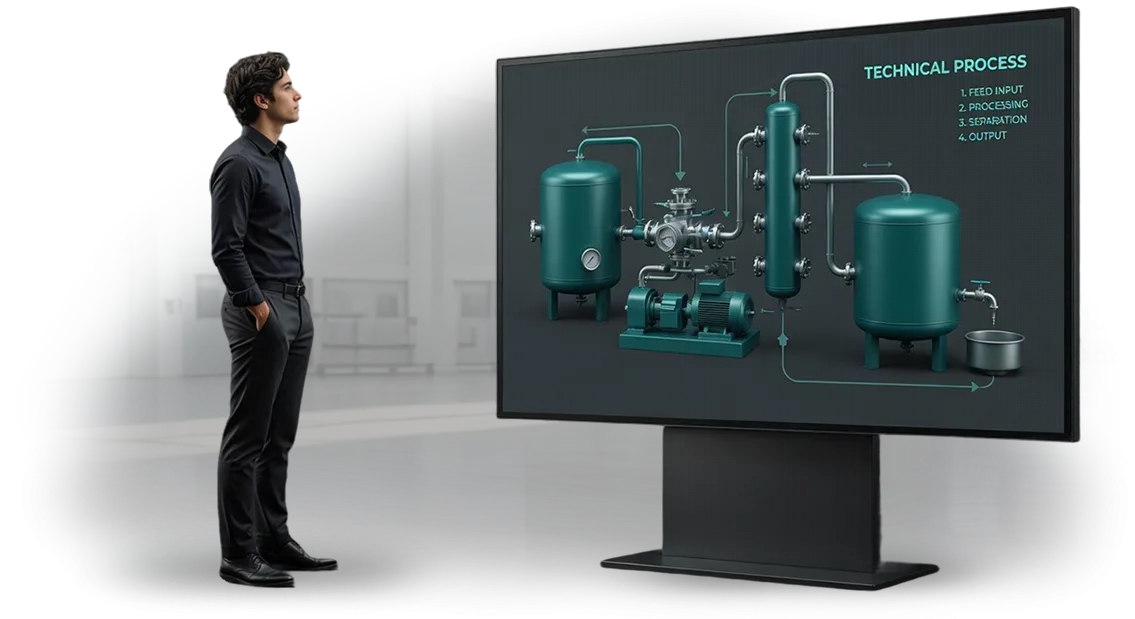
כיצד להפחית עלויות הכשרת עובדים בייצור פולימרים
תחלופת עובדים במפעלי ייצור פולימרים היא אחד מרכיבי העלות היקרים ביותר. כל עובד חדש דורש שבועות של חניכה, וגם לפני שהוא מגיע לפריון המתוכנן, הוא עדיין עושה טעויות שגורמות למוצרים פגומים ולהשבתת ציוד.
כאשר מפעיל מנוסה עוזב, הידע שנצבר במשך שנים עוזב איתו — פשוט אין מי שיעביר אותו הלאה.
בינתיים, עלות ההשבתה גדלה עם כל שעה: הקו עומד, ההזמנה מתעכבת, וההכנסות אובדות.
והכשרה קלאסית תוך כדי עבודה, "לשבת ולצפות מעבר לכתף של המנטור," היא איטית, יקרה, ותלויה בגורם האנושי: המנטור עסוק, מוסח, או שוכח לציין משהו.
כתוצאה מכך, טעויות של עובדים חוזרות על עצמן משמרת אחר משמרת, וכל טעות כזו עולה לחברה כסף.
אנחנו פותרים את הבעיה הזו עם הוראות וידאו ארגוניות שנוצרות מהנהלים ומשרטוטי הציוד שלכם. העובד רואה כל רכיב וכל פעולה בתקריב — כיצד להגדיר נכון את האקסטרודר, להחליף תבניות, או לעבור לגודל מוצר חדש.
הווידאו לא מתעייף, לא מוסח, ולא "שוכח" להראות שלב חשוב.
הכשרת כוח אדם מפסיקה להיות תלויה בתחלופת עובדים: הידע נשאר בחברה במקום לעזוב עם המפעיל שעוזב. עובדים חדשים משתלבים הרבה יותר מהר ומיד עובדים לפי תקן — ללא סיכון לציוד או לאיכות המוצר.
מה הוראת וידאו איכותית מעניקה למפעל ולסדנה
ציוד חדש או תהליך חדש בייצור פולימרים הוא תמיד סיכון לעסק. עובד שלמד ממדריך נייר זוכר רק חלק מהחומר ועושה טעויות על הקו האמיתי: מוצרים פגומים, השבתות, ולפעמים אפילו תאונה.
הוראות וידאו פותרות את הבעיה: הן מראות את רצף הפעולות המדויק, והתנועות הנכונות נזכרות בזיכרון לפני שהעובד בכלל מתחיל את המשמרת.
מהירות ההכשרה גדלה פי כמה. במקום לבלות שבוע בלימוד הנהלים, עובד חדש צופה בסרטונים ותוך כמה משמרות מתחיל לעבוד בביטחון.
למחלקת משאבי אנוש, זה אומר קליטה מהירה יותר מבלי למשוך מנטורים מרצפת הייצור; לייצור, זה אומר דרך מהירה לפריון מתוכנן והפחתת עלויות להבאת כל עובד חדש לרמת ביצוע.
בונוס נוסף הוא הפחתת תאונות. פעולות מסוכנות שצולמו בתקריב, עם דגש על נהלי בטיחות, עובדות טוב יותר מכל טקסט: העובד רואה את ההשלכות של טעויות ולא חוזר עליהן.
זה קריטי בייצור פולימרים: התחממות יתר, ירידת לחץ, או הגדרות מכבש לא נכונות יכולות להיות יקרות מאוד ואף לסכן את בריאות העובדים.
הוראות וידאו מחזקות תקן ידע משותף.
מפעיל מנוסה עשוי לעבוד בדרך שלו, אבל עובד חדש רואה את נקודת הייחוס ולא "מה שהדוד ואסיה הבין." בקרת איכות הופכת לצפויה, ביקורות הופכות לקלות יותר, כי תמיד יש תיעוד של פעולה נכונה שאפשר לחזור אליו בכל רגע.
אנחנו יוצרים הוראות וידאו כאלה על בסיס הקווים והציוד האמיתיים שלכם. יישמו אותן פעם אחת — ותקבלו בסיס הכשרה שמאיץ קליטה, מפחית תאונות, ועובד שנים על כל משמרת.
פורמטים של סרטוני הדרכה למשימות שונות בייצור פולימרים
אותה פעולה נראית אחרת עבור מפעיל קו ועבור צוות תחזוקה.
מפעיל צריך לזכור במהירות את רצף הפעולות, טכנולוג צריך לראות את הקשר בין הרכיבים, ועובד חדש צריך להבין את העיקרון בלי לשבור כלום.
כשפורמט הווידאו תואם למשימה של העובד, ההכשרה מואצת וטעויות ייצור נעלמות.
אנחנו בוחרים את הפורמט לפי קבוצת כוח האדם הספציפית והמטרה: סקירה מהירה, פירוט מלא, או הערכת ידע. להלן תרחישים אופייניים של איך זה עובד בפועל.
| פורמט | למי הוא מיועד | מה הוא נותן ללקוח |
|---|---|---|
| סרטון קצר (עד 1.5 דקות) | מפעילי קו, צוות אריזה | סקירה מהירה של פעולות מפתח מבלי לעזוב את תחנת העבודה, פחות מוצרים פגומים |
| הוראה מפורטת (עד 10 דקות) | עובדים חדשים, מכווני מכונות | תקן עבודה שאינו תלוי בידע "המילולי" של עמיתים מנוסים |
| אנימציית תלת-ממד משרטוטי CAD | שירותי תחזוקה, טכנולוגים | פירוט ברור של מבנה הציוד: רכיבים, מנגנונים, עקרונות פעולה |
| סימולטור אינטראקטיבי | עובדים המורשים לפעולות מורכבות | בדיקת ידע לפני עבודה על הקו, סיכון מופחת לכיבויי חירום |
סרטונים קצרים מכסים את הצורך ב"להיזכר בדקה": המפעיל פותח את הסרטון בטאבלט ממש על הקו ובודק את פעולותיו. אנחנו משלבים הוראות מפורטות עם אנימציית תלת-ממד — העובד רואה גם את התהליך האמיתי וגם את המבנה הפנימי של המכונה.
התצוגה הכפולה הזו חשובה במיוחד בייצור פולימרים, שבו עצירת קו בגלל טעות היא יקרה.
מידול תלת-ממדי המבוסס על שרטוטי ה-CAD שלכם הופך כל רכיב לזיהוי, ללא הפשטות מיותרות. טכנאי תחזוקה רואה כיצד חלקים מתקשרים, מבין את הפיזיקה של התהליך, ומוצא תקלות מהר יותר.
הפורמט האינטראקטיבי מוסיף בקרה: לאחר הצפייה, העובד מבצע שלבים קצרים על המסך, ואתם יכולים לראות היכן הוא מהסס.
אנחנו מפתחים כל פורמט דרך תסריט: אנו מגדירים נקודות תשומת לב מרכזיות ו"פריימים קפואים" שבהם חשוב להראות פרט מקרוב. כתוצאה מכך, העובד לא צופה מחדש בתוכן מיותר אלא מקבל מיד את המידע הנכון ברגע הנכון.
שלבי פיתוח הוראת וידאו במפתח מלא
חילקנו את העבודה לשלבים ברורים — אתם תמיד רואים באיזה שלב נמצא הפרויקט ומה אתם מקבלים כתוצר. כל שלב מסתיים בנקודת אישור, כך שאתם שולטים בתוצאה ולא מקבלים "הפתעות" בגרסה הסופית.
אינכם צריכים להבין בהפקת וידאו — אנחנו מטפלים בכל העבודה הטכנית ומדברים בשפת העסקים: לוחות זמנים, תיקונים, ותוצר מלא.
כיצד מתנהלת העבודה
- בריף ומטרות. אנחנו צוללים לתוך המשימה שלכם: מה ללמד את העובדים, אילו פעולות להראות, אילו טעויות לבטל. אנו קובעים את הפורמט, משך הזמן ופלטפורמת ההצבה.
- ניתוח ציוד. אנו לומדים שרטוטי CAD, דפי תהליך ונהלים לייצור פולימרים. חשוב לנו להעביר במדויק פרטים, רכיבים ורצף פעולות — ללא פשטות שעלולות לבלבל מפעיל.
- תסריט וידאו. אנו כותבים את הטקסט, מפרקים אותו לסצנות ומתכננים את ההדגשים. אנו מאשרים אותו אתכם: אתם רואים בדיוק מה העובד יראה לפני שמתבצע כל רינדור.
- מידול תלת-ממדי וויזואליזציה. אנו יוצרים מודלים ריאליסטיים של ציוד, המציגים הרכבה, פירוק ונקודות שירות. אנימציות מלוות בכיתובים — תהליך מורכב הופך לברור תוך כמה דקות.
- הפקת וידאו. אנו מקליטים קריינות, מוסיפים אנימציות, עורכים ומוסיפים כתוביות. אם יש צורך להראות פעולות אמיתיות, אנו כוללים צילומי שטח, אבל הדגש המרכזי הוא על תלת-ממד כדי להימנע מתלות בתאורה ובזוויות מצלמה.
- אישור ביניים. אתם צופים בגרסת טיוטה ומציינים תיקונים — אנו מבצעים שינויים במהירות. אין "גרסאות סופיות" ללא אישורכם.
- מסירה ותמיכה. אנו מוסרים קבצי מקור ומתאימים את הסרטונים למערכת ההדרכה שלכם או לפורמטי המסך המשמשים בסדנה. לאחר ההשקה, אנו נשארים בקשר: אם הנהלים או הציוד משתנים, אנו מעדכנים את הווידאו מבלי להתחיל מחזור מלא חדש.
כתוצאה מכך, אתם מקבלים סט של הוראות וידאו שמקצרות את הזמן הדרוש להבאת עובד חדש לרמת ביצוע ומפחיתות את מספר הטעויות של עובדים מנוסים.
כל וידאו מובן לאדם ללא רקע טכני — זה מפחית את העומס על המנטורים ומתקנן את ההכשרה.
מה כלול בתוצר: חבילה למחלקת ההדרכה
אתם מקבלים לא רק קליפים, אלא חבילה מלאה להפעלת הדרכה. כל החומרים מותאמים למשימות ייצור פולימרים ומוכנים לשימוש מיידי — מאישור תסריט ועד העלאה לפורטל הלמידה.
- תסריט הדרכה. תסריט מפורט שלב אחר שלב עם תזמונים, טקסט קריינות ותיאור של כל פריים. ניתן לאשרו לפני תחילת העבודה ולהתאימו לנהלי הייצור שלכם.
- קליפים לפעולות. מודולים קצרים על הגדרת ציוד, תחזוקה ותיקון. כל וידאו מכסה משימת עובד אחת — אין צורך לצפות מחדש בשעה של חומר עבור פעולה אחת.
- מודלים תלת-ממדיים ואנימציות ציוד. נוצרו משרטוטי ההנדסה שלכם ומציגים את המבנה הפנימי של מנגנונים, רכיבים וחלקים. זה מאיץ את הבנת התהליך ומפחית את מספר הטעויות במהלך ההפעלה.
- חומרים מתודולוגיים. רשימות בדיקה, כרטיסי עזר מהירים ושאלות מבחן לבדיקת ידע. ניתן להדפיסם, לשלב אותם בהוראות עבודה או להטמיעם בקורס למידה אלקטרונית.
- עריכה וקובץ סופי. אנו מרכיבים את הסרטונים עם גרפיקה, כתוביות וכיתובים מסבירים. אנו מספקים את הקובץ הסופי בפורמט הנדרש — לפורטל ארגוני, מערכת ניהול למידה או פלטפורמת וידאו פנימית.
- גישה לספריית החומרים. אנו מארגנים את כל גרסאות הסרטונים, התסריטים והמדריכים המתודולוגיים בחשבון אישי. תוכלו למצוא את המסמך הנכון בכל עת או לעדכן סרטון כאשר הציוד משתנה.
החבילה המינימלית כוללת תסריט, קליפים, מודלים תלת-ממדיים וחומרים מתודולוגיים. החבילה המורחבת מוסיפה עריכה עם קובץ סופי וגישה לספרייה — מתאימה אם אתם מתכננים להרחיב את ההכשרה לסדנאות או סניפים אחרים. במידת הצורך, אנו יכולים להוסיף לחבילה התאמות לרמות מיומנות שונות של עובדים.
מקרה בוחן: כיצד קיצרנו את הזמן לכשירות מלאה במפעל פולימרים
במפעל ייצור פולימרים אחד, הבאת מפעיל לכשירות מלאה ארכה כמעט שבועיים. עובדים למדו מדריכים רבי-עמודים, המנטור חזר על אותו מידע לכל חניך, וטעויות הגדרה הובילו להשבתות ומוצרים פגומים.
היה צורך בפורמט הדרכה שיפחית את העומס על אנשים ויאיץ את המעבר של העובד החדש לעבודה עצמאית.
החלפנו חלק מחומרי הטקסט בספריית הוראות וידאו הדרכה שנוצרו משרטוטי הציוד של המפעל. במקום דיאגרמות שטוחות, העובד רואה מודל תלת-ממדי מדויק של המכונה ורצף פעולות — מהפעלה ועד מצבי חירום.
ניתן להשלים את הווידאו בקצב נוח, ועובדים יכולים לחזור לרכיבים מורכבים ללא עזרת מנטור.
מה השתנה לאחר ההשקה
- הזמן לכשירות מלאה ירד ב-40% — מ-12 ימים ל-7.
- מספר הטעויות במהלך הגדרות ומעברי מצב ירד בחצי.
- מנטורים החלו לבזבז פי שלושה פחות זמן על הסברים חוזרים — שעות התפנו לכל מפעיל מנוסה.
הנתונים האלה אינם הערכה, אלא נתונים בפועל ממחלקת ההדרכה של מפעל הפולימרים. כפי שציין ראש המחלקה, חניכים מתחילים לתרום מהר יותר, והנשירה בשלב ההסתגלות כמעט נעלמה.
הוראות וידאו לא החליפו תרגול מעשי, אבל הן הסירו את השלב הארוך ביותר — לימוד תיאוריה ושינון רצף הפעולות. חיסכון בזמן מורגש כבר מהסרטון הראשון.
לאחר התוצאות הראשוניות, הלקוח הרחיב את הספרייה לסדנאות שכנות והזמין סרטונים למעברי ציוד. כלי כזה מחזיר את השקעתו עם כל עובד חדש, ולכן שיתוף הפעולה נמשך.
כיצד לבחור פורמט הוראת וידאו המתאים לפרטי הייצור שלכם?
בחירת פורמט הוראת וידאו נשענת תמיד על שלושה דברים: המשימה הספציפית, סוג הציוד ורמת המיומנות של העובדים. אין פתרון אוניברסלי — מה שעובד מצוין למחסן יהיה חסר תועלת עבור מחלקת הזרקה.
אז קודם כל כדאי לענות על השאלה מה העובד באמת צריך: לשלוט בפעולה בסיסית, ללמוד מעברי ציוד, או להבין את המבנה של רכיב מורכב.
לפעולות פשוטות — אריזה, החלפת מסננים, ניטור פרמטרים — מספיקים סרטונים קצרים המדגימים פעולות אמיתיות.
עבור ציוד מורכב לייצור פולימרים, מידול תלת-ממדי משרטוטי CAD עובד טוב יותר: הוא מאפשר להראות את המבנה הפנימי של מנגנונים, את עקרון תנועת הרכיבים ואת האינטראקציה בין חלקים מבלי לפרק את המכונה.
הוראות כאלה ברורות באותה מידה לעובד חדש ולמהנדס כי הן מראות את ההיגיון של התהליך, לא רק את רצף הכפתורים.
פרטי הייצור הם הגורם השני בחשיבותו. קווי אקסטרוזיה, מכונות הזרקה וציוד עזר כוללים אזורי סיכון והגדרות שונים.
אם הווידאו לא לוקח בחשבון את הדרישות הטכניות של מכונה מסוימת — טמפרטורות, לחצים, מהירות משיכה — חומר ההדרכה יוביל לטעויות במקום למנוע אותן.
אנחנו מתאימים את הפורמט למגוון הציוד שלכם, ומדגישים נקודות קריטיות המשפיעות על איכות המוצר ובטיחות.
לבסוף, יש את רמת המיומנות של העובדים. צוות מנוסה צריך רק הוראות קצרות על מצבים לא סטנדרטיים ועצירות חירום. עובדים חדשים צריכים סרטונים שלב אחר שלב עם דגש על כל שלב, כולל טעויות אופייניות.
פורמט שנבחר נכון מקצר את הזמן לכשירות מלאה ומפחית מוצרים פגומים במשמרות הראשונות. אם אינכם בטוחים איזו אפשרות מתאימה לייצור שלכם, נשלח לכם דוגמה לאחר ביקורת קצרה ונעבוד יחד על הפתרון האופטימלי.
חששות נפוצים בהזמנת הוראות וידאו — והתשובות שלנו
לפני הזמנת הוראות וידאו הדרכה, כמעט כל מנהל עובר את אותם חששות: האם לוחות הזמנים יחליקו, האם זה יעלה יותר מהצפוי, האם הסרטונים יישבו ללא שימוש לצד הנהלים הקיימים. אנו עונים על שאלות אלה ישירות, כך שתוכלו לקבל החלטה בבהירות מלאה.
זה יעזור לכם להבין כיצד בנויה העבודה על הוראות לייצור פולימרים ומדוע אנו לוקחים אחריות על התוצאה בכל שלב — מהבריף ועד המסירה הסופית.
מהם לוחות הזמנים לפיתוח הוראות וידאו?
לוחות הזמנים תלויים במורכבות הציוד ובמספר הסצנות. פרויקט אופייני לייצור פולימרים אורך שבועיים עד ארבעה שבועות — זה מספיק כדי למדל רכיבים משרטוטי CAD, לבצע רינדור אנימציות ולהכין קריינות.
אנו קובעים את תאריך המסירה המדויק בחוזה ומספקים תוכנית שלב אחר שלב מיד לאחר הבריף — תוכלו לראות את התקדמות העבודה בכל שלב.
כמה עולה הפיתוח?
המחיר מחושב תמיד למשימה הספציפית: כמה רכיבים וחלקים להראות, איזו רמת פירוט נדרשת, ואיזה פורמט דרוש — וידאו, דיאגרמה אינטראקטיבית או קורס מלא.
ההערכה מפרטת בשקיפות שלבים, היקף עבודה ומספר סבבי תיקונים, כך שלא יהיו חיובים נסתרים. אתם משלמים על תוצאה שמכשירה עובדים מהר יותר ומפחיתה את מספר הטעויות בייצור.
כיצד הוראות וידאו עובדות עם חומרים קיימים?
אנחנו לא מתחילים מדף ריק — קודם כל אנו לומדים את ההוראות הקיימות, דפי התהליך ותקני הארגון. אנו מתאימים את התסריט לתהליכים האמיתיים שלכם כך שהסרטונים משלימים חומרים קיימים או מחליפים נהלי טקסט מיושנים ללא סתירות. כך, הוראות וידאו הופכות לכלי עבודה, לא לקובץ נפרד בארכיון.
אילו ערבויות איכות אתם מספקים?
אנו קובעים איכות והתחייבויות בחוזה: לוחות זמנים, מספר סבבי תיקונים, התאמת המודל לשרטוטי CAD ודרישות טכנולוגיות.
אנו משתמשים בציוד מקצועי ובתהליך מידול תלת-ממדי מוכח, כך שהפרטים בווידאו תואמים לרכיבי הייצור האמיתיים. אם נדרשים עידונים, אנו מבצעים אותם בשלב המוסכם ללא עלות נוספת.
מוכנים לדון במשימות ההדרכה שלכם? קבלו הערכת פרויקט
יש לכם משימות שצריך להפוך להוראות וידאו ברורות לעובדים שלכם? בואו נדון בהן במהלך ייעוץ — נראה כיצד מודלים תלת-ממדיים ואנימציה פותרים בעיות הדרכה אמיתיות בייצור פולימרים.
הערכת הפרויקט היא ללא תשלום וללא התחייבות. תארו את המצב שלכם, ואנו נציע פתרון שמתאים ללוח הזמנים ולתקציב שלכם.
מה תקבלו לאחר פנייתכם:
- הערכה מדויקת של לוחות זמנים והיקף עבודה למשימה שלכם.
- המלצות פורמט: מסרטונים קצרים ועד קורס מלא.
- הדגמות של פרויקטים דומים לענף שלכם.
- ביקורת טכנית של החומרים שלכם: שרטוטים, נהלים, הוראות.
- תוכנית השקה ברורה עם שלבים ואחראים.
- ערבות למחיר קבוע לאחר אישור התסריט.
אנחנו עובדים מרחוק — אין צורך לארגן ביקור באתר. אתם רק צריכים לשלוח שרטוטים או נהלים; אנחנו נטפל במידול, בטקסטורינג ובעריכה.
במשך יותר מ-10 שנים, הפקנו יותר ממאה סרטוני הדרכה למפעלים ומתקני ייצור שבהם דיוק הפרטים חשוב.
השאירו פנייה להערכה — ותוך יום תקבלו אפשרויות פתרון עם לוחות זמנים ריאליים. נתחיל בייעוץ, שבו ננתח את המשימה שלכם ונראה כיצד ההכשרה הופכת לברורה וניתנת למדידה.