

כיצד לשפר את הכשרת העובדים בארגוני תכנון?
בארגוני תכנון, הכשרת עובדים מסתמכת לעיתים קרובות על תקנות מבוססות טקסט, שרטוטים והעברת ידע מילולית.
גישה זו מטשטשת את האחריות: עובד חדש מבלה שבועות בהתעדכנות בתהליכים, בעוד מומחה מנוסה מוסח מהמשימות שלו, ומסביר את אותו דבר בפעם השלישית.
כתוצאה מכך, שגיאות בציוד חוזרות על עצמן, לוחות זמנים נדחים, והתקציב הולך לתיקון אי-הבנות של אחרים.
הוראות חזותיות פותרות בעיה זו, מכיוון שהן הופכות תהליכים מורכבים לפורמט חזותי מוכר. במקום תיאור מופשט, העובד רואה בדיוק כיצד מתבצעת הפעולה: מהדלקת המכונה ועד לבדיקות הפרמטרים הסופיות.
זה מקצר את זמן הקליטה, מסיר את הפחד מציוד חדש, והופך את הכשרת העובדים לצפויה — ללא קשר למי הצטרף לצוות ומתי.
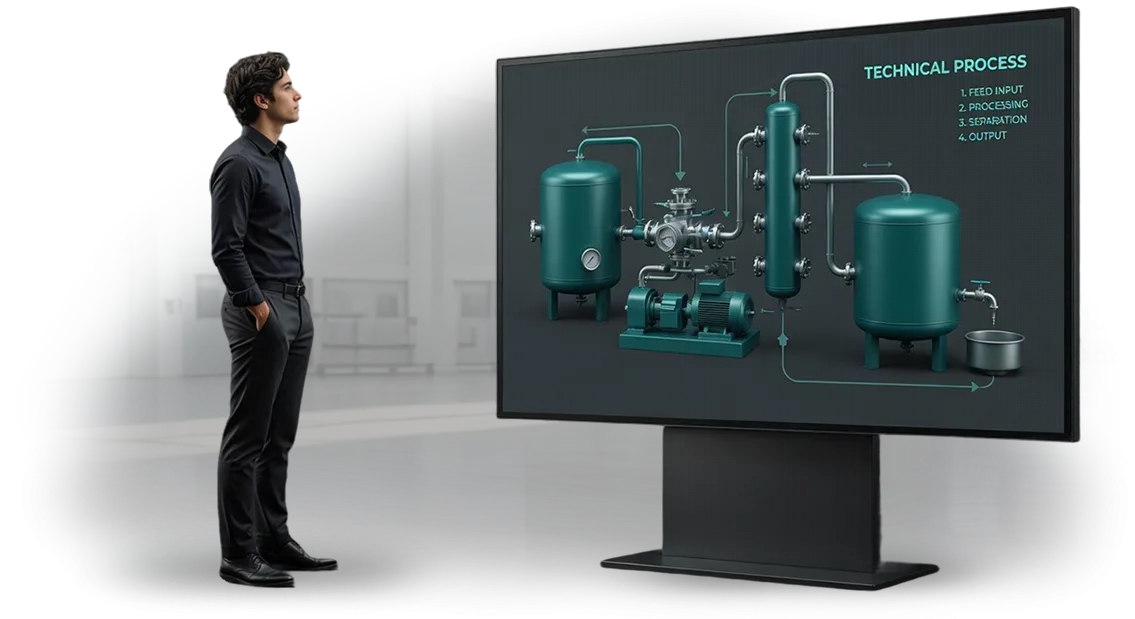
עבור ארגוני תכנון, חשוב במיוחד שההוראות יתאימו לשרטוטים ולציוד האמיתיים. אנו יוצרים סרטוני הדרכה המבוססים על מודלי ה-CAD שלכם: העובד לומד לא תמונה מופשטת, אלא עותק מדויק של הרכיבים שאיתם הוא עובד מדי יום.
גישה זו מבטלת פערים בין תיאוריה לפרקטיקה, מה שמפחית את מספר השגיאות עוד לפני שהן מתרחשות.
הכשרת עובדים מובנית היטב מחזירה את ההשקעה במהירות: פחות לוחות זמנים שהוחמצו, פחות פסולת, פחות שאלות למנטורים. מנהלים מבלים זמן בפיתוח פרויקטים במקום לחזור על הוראות בסיסיות.
אם ההכשרה בארגון שלכם עדיין מסתמכת על "שאלו את הוותיקים" — זהו סיכון נסתר שכדאי לסגור עם פתרון שיטתי.
מדוע הוראות וידאו איכותיות מחזירות את ההשקעה
עבור ארגוני תכנון, הכשרת עובדים חדשים היא תמיד איזון בין איכות למהירות. בעוד עובד חדש מתעמק בתקנות ולומד את פרטי העבודה, מנטורים מוסחים מהמשימות שלהם, ושגיאות פשוטות הופכות לזמן השבתה.
הוראות וידאו איכותיות מסירות בעיה זו: העובד סוקר את החומר בקצב נוח, בעוד מומחים מנוסים חוזרים לאחריותם.
היתרון העיקרי של הוראות וידאו הוא שהן מחזירות את ההשקעה כבר במחזור הקליטה הראשון. מנטור צריך להשתתף ביצירת הווידאו רק פעם אחת, והחומר עובד לאחר מכן עבור כל מומחה חדש.
אנו עוזרים להפחית את זמן ההגעה לכשירות בשלוש פעמים בממוצע — מה שאומר תוצאות מהירות יותר בפרויקטים אמיתיים ועומס פחות על הצוות שמעביר ידע.
זה חשוב במיוחד כאשר ההכשרה מבוססת על האובייקטים האמיתיים של החברה. הצוות שלנו מדגמן ציוד משרטוטי CAD ויוצר הוראות וידאו התואמות למה שהעובד יראה במקום העבודה.
אין פער בין "כמו בסרטון ההדרכה" ל"כמו בעבודה האמיתית" — פחות עבודות חוזרות, דיוק רב יותר בעמידה בטכנולוגיה, וביטחון גבוה יותר עבור העובד החדש.
נוח להשתמש בסרטונים המוגמרים בקליטה, לכלול אותם בתוכניות פיתוח ולסקור אותם כאשר התהליכים מתעדכנים. ההכשרה מפסיקה להיות תלויה בזמינות המנטורים: שיעור וידאו שנוצר פעם אחת מכסה את הצרכים של עשרות עובדים.
עבור ארגון תכנון, זה אומר איכות הכשרה צפויה, עלייה מהירה בפרויקטים, ומומחים מנוסים שעובדים ברוגע ללא הפרעות מתמדות.
פורמטים של סרטוני הדרכה לארגוני תכנון
עבור ארגוני תכנון, חשוב שעובדים יבינו ציוד לפני שהוא מגיע לאתר. דיאגרמות שטוחות ותקנות טקסט משאירות יותר מדי מקום לשגיאה: מתקינים ומהנדסים מדמיינים את אותו רכיב בצורה שונה. סרטון הדרכה מסיר פער זה — נשאר תקן אחד לכולם.
אנו יוצרים הוראות וידאו בשלושה פורמטים — מבסיסי מהיר ועד מקיף עם ויזואליזציה תלת-ממדית מפורטת. הבחירה תלויה במטרה: להציג מוצר, להכשיר לעבודה, או להכין עובדים להסמכה.
| פורמט | למי | מה זה נותן ללקוח |
|---|---|---|
| בסיסי — הקלטת תהליך אמיתי או מסך עם פרשנות מומחה | עובדים חדשים, מפעילים, חזרה על תקנות | עלייה מהירה לקצב עבודה, פחות שגיאות בהשקה |
| עם מודל תלת-ממדי — מודל ציוד מפורט משרטוטי עבודה, חתכים, רצף הרכבה | מהנדסים, טכנולוגים, מחלקות תחזוקה | הבנה מדויקת של המבנה לפני ההתקנה, פחות זמן לימוד |
| מקיף — מודל תלת-ממדי, צילומים אמיתיים, אנימציית תהליך ומבחנים מובנים | תוכניות הכשרה ארגוניות, הסמכה, מחלקת בטיחות בעבודה | מחזור הכשרה מלא עם בדיקות ידע ודיווח ברור |
גישה זו חוסכת בתקציב: הפורמט הבסיסי מכסה הכשרה המונית, בעוד המקיף מכסה פעולות קריטיות ודרישות בטיחות. אנו נמליץ על הפורמט האופטימלי לאחר בריף קצר ונראה דוגמה על הציוד שלכם.
כיצד אנו עובדים: מבריף ועד סרטונים מוגמרים
עבור ארגוני תכנון, העלאה מהירה של עובדים לכשירות עם ציוד חדש היא עניין של פרודוקטיביות ובטיחות. הוראות טקסט לעיתים קרובות מעמיסות בפרטים, ועובדים חדשים מבלים שבועות בשליטה בהן.
בנינו את תהליך פיתוח סרטוני ההדרכה כך שתקבלו סרטונים מוגמרים בזמן עם מעורבות מינימלית של הצוות שלכם.
- בריף וסקר — אנו נפגשים, לומדים את הציוד, השרטוטים והתקנות שלכם. אנו מגדירים מטרות הכשרה וקהל יעד כך שהווידאו פותר בדיוק את המשימה שלכם.
- תסריט וסטוריבורד — אנו יוצרים תסריט ברור: מפרקים את התהליך לשלבים, מדגישים נקודות מפתח. אנו מיישרים איתכם לפני תחילת הצילומים — עריכות בשלב זה אינן עולות דבר.
- צילום ומודל תלת-ממדי — אנו מצלמים תהליכים אמיתיים בציוד מקצועי או בונים מודלים תלת-ממדיים משרטוטי ה-CAD שלכם. זה מאפשר להראות מנגנונים פנימיים ורכיבים שלא ניתן לראות בצילום רגיל.
- עריכה וקריינות — אנו מרכיבים את הווידאו לסיפור אחד: מוסיפים הסברים, מדגישים פרטים חשובים, הפסקות לשינון. התוצאה היא וידאו שעובד צופה בו פעם אחת ומיד מבין את רצף הפעולות.
- סקירה ותיקונים — אתם צופים בגרסת הטיוטה, ואנו מבצעים התאמות: משנים דגשים, משכללים ניסוח, מצלמים מחדש פריימים בודדים. אנו עובדים עד לאישור מלא.
- השקה ומסירת חומרים — אנו מספקים סרטונים מוגמרים בפורמטים עבור מערכת ניהול הלמידה שלכם או הפורטל הפנימי. במידת הצורך, אנו מתאימים אותם למסכים שונים ולמהירויות אינטרנט שונות.
כל התהליך אורך בין שבועיים לארבעה שבועות בהתאם למורכבות הציוד. אתם תמיד רואים באיזה שלב נמצא הפרויקט ומקבלים לוחות זמנים מדויקים לכל שלב.
מה כלול בחבילת המסירה
אתם מקבלים לא קבצים מפוזרים, אלא חבילת הכשרת עובדים מוכנה לפריסה. כל מה שארגון תכנון צריך כדי להשיק את התהליך ולא לחזור לנושא זה — כבר ארוז ומועבר עם הסרטונים.
החבילה הסטנדרטית כוללת:
- ספריית סרטונים מוגמרים — כל הוראות הווידאו שצולמו ונערכו ברזולוציה ובפורמט הנדרשים. ניתן להעלות אותן ישירות למערכת ניהול הלמידה שלכם או לפתוח גישה דרך הפורטל הארגוני.
- גישה לקבצי מקור וחומרים — פרויקטי עריכה, מקורות גרפיים, תמלילים. אתם נשארים בעלי התוכן ויכולים לבצע עריכות עם הצוות שלכם.
- חומרים מתודולוגיים למנטורים — הוראות קצרות כיצד לשלב סרטונים בתוכניות קליטה, הערכה והסמכה. העובד האחראי על ההכשרה מבין את רצף הפעולות ללא הכנה ממושכת.
- מדריך שימוש — תיאור תרחישים: הדרכה ראשונית, הכשרה מתקדמת, עבודה עם גרסאות ציוד חדשות. עוזר להשתמש בהוראות וידאו באופן שיטתי ולא ממקרה למקרה.
- תמיכה לאחר ההשקה — אנו נשארים בקשר לאחר מסירת הפרויקט: עונים על שאלות, עוזרים בפריסה ומבצעים התאמות מהירות בסרטונים בעת הצורך.
- עדכונים ושיפורים לפי בקשה — אם תקנות, ציוד או תהליכים טכנולוגיים משתנים, ניתן להזמין עדכונים לסצנות ספציפיות ללא צילום מחדש של כל הקורס.
חבילה זו מטפלת בסיכון המרכזי של ארגוני תכנון — ידע מפוזר שעוזב יחד עם המומחים. הוראות וידאו נשארות בחברה, ומדריכים מתודולוגיים ותמיכה עוזרים למנטורים להשתמש בהן ביעילות מרבית.
אתם מקבלים לא רק "תמונות", אלא כלי עבודה שמחזיר את ההשקעה כבר מהחודש הראשון לפריסה.
מקרה בוחן: הפחתה של 40% בזמן ההכשרה
עבור ארגון תכנון, הכשרת עובדים חדשים היא תמיד איזון בין מהירות לאיכות. בעוד עובד חדש מבין שרטוטים ופרטי ציוד, מהנדסים מנוסים מוסחים ממשימות אמיתיות.
ב-GeoProekt, הסחות כאלה הגיעו לכמה שעות בשבוע, וזמן ההגעה לכשירות עלה על שישה חודשים.
הצענו להעביר את ההכשרה להוראות וידאו קצרות המבוססות על שרטוטי CAD. על מודלי ציוד תלת-ממדיים, הראינו כל רכיב, את סדר הפעולות ונקודות בקרה — ללא צורך בנוכחות באתר.
מומחה הקליט את ההסבר פעם אחת, וכל העובדים הבאים מקבלים תקן ידע אחיד.
מה ארגון התכנון קיבל
- זמן ההגעה לכשירות ירד ב-40% — במקום חמישה חודשים, עובדים חדשים מגיעים לתוצאות עבודה בשלושה.
- העומס על המנטורים ירד: שאלות בסיסיות מכוסות על ידי הוראות במקום ייעוץ אישי.
- שגיאות במהלך עבודה ראשונית עם ציוד הפכו פחות תכופות בזכות רצף חזותי ברור של פעולות.
"בעבר, הסברנו את אותו דבר לכל עובד חדש כמה פעמים", אומר ראש מחלקת ההכשרה ב-GeoProekt. "עכשיו הוראות וידאו עושות את זה בשבילנו. עובדים חדשים זוכרים רכיבי ציוד מהר יותר, ומהנדסים מתמקדים במשימות שלהם. החיסכון בזמן מורגש כבר מהגיוס הראשון."
עבור ארגון תכנון, גישה זו מחזירה את ההשקעה עם כל גיוס עוקב: פחות זמן בקליטה — יותר משאבים לפרויקטים וסיכון נמוך יותר לשגיאות בציוד מורכב.
מה אם הוראת וידאו לא מתאימה לפורמט שלנו?
הוראת וידאו היא לא קובץ סטטי, אלא כלי עבודה שמשתלב בזרימת העבודה הנוכחית שלכם. אנו לא מספקים פתרון "ארוז בקופסה": התסריט והתוכן מותאמים לתקנות ולפרטים של ארגון התכנון שלכם.
אם תהליכים משתנים, אין צורך לזרוק את ההוראה. אנו בונים סרטונים ממודולים נפרדים — בעת עדכון, מספיק להחליף בלוק אחד ללא צילום מחדש של כל הווידאו. כך אתם מקבלים חומר עדכני ללא עלויות מיותרות.
כדי להסיר ספקות, אנו מציעים תקופת ניסיון: אנו יוצרים קטע קצר על אחד התהליכים שלכם. אתם מעריכים את האיכות והנוחות, ואז אנו מרחיבים את הפרויקט או מתאימים את הגישה.
מה אם הווידאו לא מתאים לתקנות הפנימיות שלנו?
בתחילת הדרך, אנו מנתחים את הסטנדרטים שלכם ואת זרימת העבודה בפועל. ההוראה נוצרת מהחומרים שלכם, כל שלב מאושר על ידכם, והגרסה הסופית מאושרת לפני הפרסום.
באיזו תדירות יהיה צורך לעדכן את ההוראות?
רק כאשר התהליכים שלכם משתנים. אנו מחליפים את הקטע ששונה במקום לצלם מחדש את כל הווידאו. זה בדרך כלל לוקח כמה ימים.
האם נוכל לנסות את ההוראה לפני תשלום מלא?
כן, יש תקופת ניסיון לכך: אנו יוצרים בלוק קצר על אחד התהליכים שלכם; אתם רואים אותו בפעולה ומקבלים החלטה. גישה זו עוזרת להימנע מסיכון.
מה תקבלו לאחר פנייה אלינו
אתם שולחים בקשה — ואנו מיד מתחילים לעבוד עליה. עבור ארגוני תכנון, חשוב לא להסיח את דעתם של מהנדסים ממשימות שוטפות, ולכן אנו מבנים את התהליך כך שלא תצטרכו לשלוט בכל שלב.
בתוך יום עבודה אחד לאחר בקשתכם, תקבלו:
- חישוב עלות — אנו מנתחים את היקף הציוד ותרחישי ההכשרה שלכם וקובעים את העלות המדויקת ללא תוספות נסתרות.
- תוכנית עבודה עם לוחות זמנים — אנו מפרקים את הפרויקט לשלבים: הכנת מודל תלת-ממדי, יצירת סצנות, קריינות, עריכה. אתם רואים מתי כל בלוק יהיה מוכן.
- דוגמאות לפרויקטים דומים — אנו מראים קטעים של הוראות וידאו לציוד מורכב כדי שתוכלו להעריך מראש את הסגנון ורמת הפירוט.
- הבטחות איכות — אנו מאשרים גרסאות ביניים בכל שלב. אתם מבצעים עריכות לפני המסירה הסופית, לא אחרי הבטחות ריקות ל"עבודה חוזרת".
- חומרי מקור — אנו מספקים סרטונים מוגמרים בפורמטים הנדרשים, בתוספת קבצי מקור של הפרויקט. אתם לא "נעולים" אצלנו ויכולים לעדכן הוראות עם הצוות שלכם.
- תמיכה לאחר המסירה — במשך חודש אנו מתקנים אי-דיוקים ללא תשלום שעלולים לצוץ בעת בדיקת ההוראות עם העובדים שלכם.
אתם גם מקבלים סגנון עיצוב אחיד ויכולת לשלב סרטונים במערכת ניהול הלמידה שלכם.
הצוות שלנו יוצר סרטוני הדרכה לארגוני בניית מכונות ותכנון כבר למעלה מ-10 שנים, ולכן אנו יודעים להפוך תיעוד טכני מורכב להוראות ברורות.
שלחו את בקשתכם — ואחרי שיחת הבהרה קצרה, תקבלו חישוב עלות ותוכנית עבודה המותאמים לפרויקט הספציפי שלכם.