

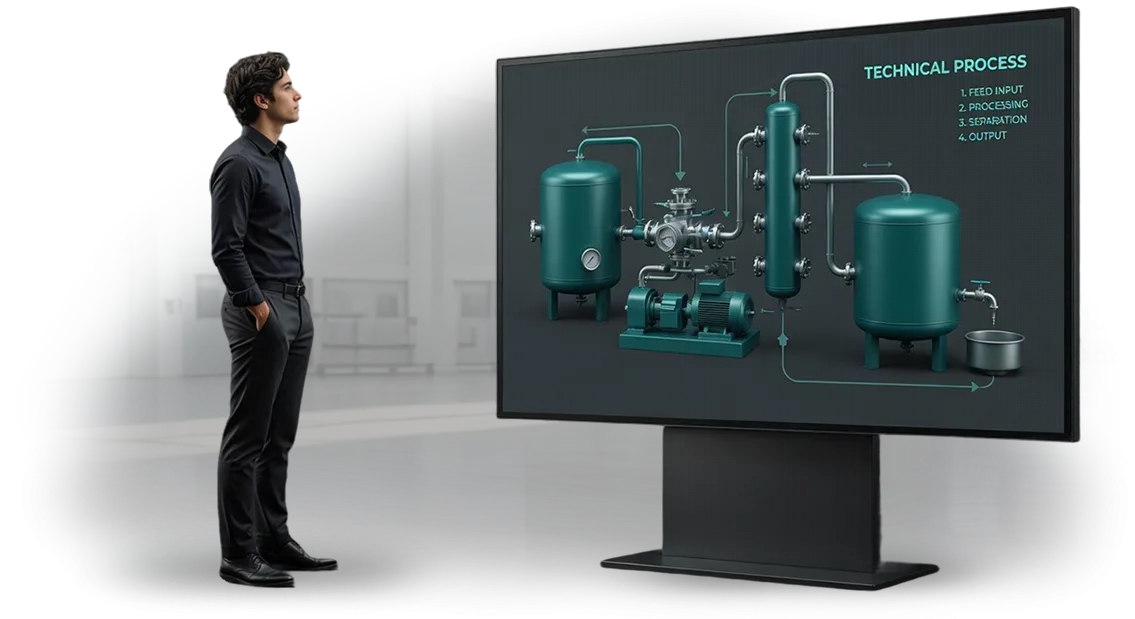
מדוע אימון לא מניב תוצאות ללא סרטוני למידה תלת־ממדיים?
אימון ארגוני הופך פעמים רבות לפורמליות: עובדים צופים במצגות ובסרטונים "כדי שיראו", מוסחים על ידי הודעות והתראות, ושבוע לאחר מכן לא זוכרים אפילו תקנות מפתח.
זמן וכסף של החברה מושקעים בקורסים שאינם משנים את התנהגות העובדים — טעויות חוזרות, העבודה מואטת, ועובדים חדשים לוקח להם יותר זמן מהמתוכנן להגיע לרמה הנדרשת.
בינתיים, עלויות ההכשרה ממשיכות לעלות: השכרת אולמות, מאמנים חיצוניים, ואנשים שנמשכים מהמשימות שלהם. המנהל סופג מכה כפולה — הוצאה ישירה על פיתוח ועלויות נסתרות מחוסר מיומנות: כשלי תהליך, תקלות ולקוחות לא מרוצים.
בתחומים עם דרישות גבוהות לבטיחות או לאיכות שירות, המחיר של טעות גבוה במיוחד, וזה בדיוק המקום שבו הפורמטים המסורתיים נכשלים לרוב.
סרטוני למידה תלת־ממדיים משנים את הגישה. במקום שקופיות מופשטות, העובד נכנס לסביבה אינטראקטיבית ריאליסטית שבה הוא יכול לתרגל פעולות בבטחה, לראות את ההשלכות של טעויות, ולבנות מיומנויות עד שהן הופכות לאוטומטיות.
תרחישים קל יותר לזכור, מעורבות העובדים עולה, והעלות לשעת אימון מעשי יורדת. אנחנו כבר עוזרים ללקוחות לפתור את הבעיות האלה — מהוראות קצרות ועד לתוכניות הכשרת עובדים מלאות.
מה משתנה לאחר הטמעת הוראות וידאו אינטראקטיביות
עובדים חדשים מבלים פעמים רבות שבועות עד שהם מגיעים לרמה: קורס כללי, לימוד תקנות, והסברים מפוזרים מעמיתים.
מהירות הקליטה תלויה ישירות בעומס העבודה של המנטורים ובסגנון ההסבר שלהם — במקרים מסוימים הידע אובד, באחרים הוא נשמר בסוד.
הוראות וידאו אינטראקטיביות סוגרות את הפער הזה: כל הניסיון של המומחים הטובים ביותר נארז לסרטונים ויזואליים קצרים הזמינים בכל רגע.
הקליטה מואצת פי כמה. עובד חדש עובר את החומר בקצב שלו, חוזר על סצנות מורכבות, ומיד מתרגל את רצף הפעולות. הוא לא צריך לחכות שהמנטור יתפנה — הוא פשוט פותח את הסעיף המתאים.
כתוצאה מכך, האדם מתחיל לתרום מהר יותר, והמנהל רואה תמונה שקופה של ההתקדמות.
ההפחתה בשגיאות העובדים הופכת למדידה. במקום הוראות טקסט מופשטות, העובד רואה את רצף הצעדים המדויק ואת הטעויות האופייניות. זה חשוב במיוחד בתהליכים תפעוליים שבהם חוסר זהירות מוביל לפגמים או לעימותים עם לקוחות.
הסרטונים עובדים כמו סימולטור: העיניים זוכרות את הרצף הנכון, הידיים זוכרות את הפעולות הנכונות, כך שיש פחות עבודות חוזרות ובקשות חוזרות.
סטנדרטיזציה של הידע משווה את איכות העבודה של כל הצוות. עובדים עם רמות ניסיון שונות מפסיקים לפעול בדרכם שלהם — הם מסתמכים על סטנדרט אחיד שנוצר מפרקטיקות מומלצות.
הבעלים מקבל תוצאה צפויה: ללא קשר למי במשמרת, הלקוח רואה את אותה רמת שירות, וכשל תהליך לא הופך ליוזמה אישית של המפעיל.
בסופו של דבר, הטמעת הוראות וידאו אינטראקטיביות נותנת למנהל שלוש תוצאות בבת אחת: קליטה מהירה יותר של עובדים חדשים, פחות טעויות שנגרמות מאי־הבנה, וסטנדרט ארגוני יציב.
בנוסף, קל לעדכן חומרים כשהתקנות משתנות, והניטור של השלמת המשימות אינו דורש בדיקות ידניות. זהו פתרון שיטתי שמשתלם דרך תחלופה נמוכה יותר, פחות פסולת ופחות זמן פיקוח ניהולי.
פורמטי אימון: מדפי רמאות קצרים ועד קורס מלא
עובדים במחלקות שונות פותרים משימות שונות, ולכן פורמט אימון אחיד הוא רק לעתים רחוקות אפקטיבי. צוותי מכירות זקוקים למיומנויות מהירות לטיפול בהתנגדויות, אנשי ייצור זקוקים להוראות תהליך מדויקות, ועולים חדשים זקוקים להקדמה ברורה ללא עומס יתר.
אם תתאימו את הפורמט למשימה האמיתית, האימון הופך מפורמליות לכלי לצמיחת הכנסות והפחתת טעויות.
אנחנו משתמשים במספר פורמטים של הוראות וידאו — מדפי רמאות קצרים ועד קורסים מלאים, כולל ויזואליזציה תלת־ממדית של תהליכים מורכבים. הטבלה מראה לאילו משימות כל אפשרות מתאימה ומה התועלת שהיא מביאה לעסק.
| פורמט הוראת וידאו | למי זה מיועד | מה זה נותן לעסק |
|---|---|---|
| סרטונים קצרים | עובדים חדשים, עובדים קו | השתלבות מהירה בעבודה, פחות טעויות בשבועות הראשונים |
| למידה זעירה | מחלקת מכירות, שירות לקוחות | חזרה על טכניקות מפתח, ביצועים גבוהים יותר מכל עובד |
| קורס מלא | ייצור, שירותים הנדסיים | הבנה מעמיקה של תהליכים, איכות מוצר עקבית |
| הוראות אינטראקטיביות | עובדים עם משמרות | אימון בזמן נוח, יכולת לבחון ידע ללא מנטור |
| תוכנית מקיפה | מנהלים ומנטורים | סטנדרט עבודה אחיד לכל הצוות, קליטה מהירה של עולים חדשים לתוצאות |
לעתים קרובות האפקט הטוב ביותר מגיע משילוב פורמטים: סרטונים קצרים מחזקים מיומנות, בעוד קורס מלא יוצר תמונה מערכתית.
לדוגמה, עבור מחלקת מכירות אנו יוצרים סדרה של שיעורים זעירים כך שמנהל יטפל בביטחון בכל שלב בשיחת לקוח, ועבור ייצור אנו מכינים סרטונים מפורטים עם נקודות בקרה שעוזרות להימנע מפגמים.
אנחנו מכינים את התסריט, מצלמים ועורכים סרטונים תוך התחשבות במאפייני העסק שלכם. אתם מקבלים סט חומרים מלא שקל להשתמש בו במערכת ההכשרה הנוכחית שלכם — ללא עיבוד מחדש של תהליכים ועם החזר השקעה מהיר.
כיצד עובד פיתוח קורס וידאו לצוות שלכם
אנחנו מבנים את התהליך כך שתראו את התוצאה בכל שלב ותוכלו להשפיע על העבודה. אתם לא צריכים להבין בהפקה — אנחנו לוקחים אחריות על כל מחזור הוראת הווידאו, סוהר, מבריף ועד השקת הקורס.
- בריף וניתוח. אנחנו צוללים למשימות העובדים ומגדירים את מטרות הקורס. הפלט הוא מפרט טכני ברור ותוכנית עבודה.
- תסריט אימון. אנחנו מפרקים את החומר לשיעורים קצרים וכותבים את הטקסט בשפה של הצוות שלכם. אנחנו מאשרים את התסריט לפני הצילום — ללא תיקונים מיותרים.
- צילום וגרפיקה תלת־ממדית. אנחנו מצלמים קטעים ויוצרים אנימציות לתהליכים שאי אפשר להראות במצלמה. אנחנו משתמשים בציוד מקצועי — תוצאות יציבות בכל מכשיר.
- עריכה ועיצוב. אנחנו מרכיבים את הסרטונים, מוסיפים הדגשות, כתוביות וגרפיקה. אנחנו בודקים שהחומר ברור ומרתק.
- השקת הקורס. אנחנו מעלים את הוראות הווידאו למערכת ניהול הלמידה שלכם, מגדירים גישה ובודקים השמעה.
- תמיכה לאחר ההשקה. אנחנו מעדכנים סרטונים, עונים על שאלות עובדים ונשארים בקשר.
בסופו של דבר, אתם מקבלים לא רק סט סרטונים, אלא מוצר אימון מוכן שמספק ערך מהיום הראשון. אנחנו קובעים מועדים ואבני דרך מדויקים בתוכנית לפני תחילת העבודה.
מה כלול במסירה: ערכה מלאה להשקה
הלקוח מקבל לא "סרטונים כדי שיראו", אלא מוצר אימון מוכן שעובד מיד במערכת ההכשרה שלכם.
אנחנו מרכיבים את הערכה מתסריט ועד אינטגרציה עם LMS — אתם משיקים את הקורס ללא אישורים ארוכים וללא מעורבות של המומחים הטכניים שלכם.
מה כלול במסירה:
- תסריטים לכל שיעור: מבנה ברור וחלוקה למודולים קצרים. העובד קולט את החומר בהדרגה — מעורבות גבוהה יותר ושימור טוב יותר.
- שיעורי וידאו מוכנים בפורמט תלת־ממדי: קריינות מקצועית, הדגשות ויזואליות על פעולות מפתח, ופורמטים עובדים לכל מכשיר. אתם לא צריכים לבנות מחדש סרטונים לפלטפורמות שונות.
- אינטגרציה עם ה-LMS שלכם: העלאת קורס, רישום אוטומטי של צפיות, תוצאות מבחנים ודוחות למשאבי אנוש. אתם רואים מיד מי השלים את ההכשרה ומי צריך תזכורת.
- מבחנים ומשימות מעשיות אחרי כל בלוק: בדיקות ידע מתרחשות אוטומטית, ללא עבודה ידנית או עומס נוסף על העובדים.
- כותרות וכתוביות לכל הסרטונים: עובדים יכולים לצפות בשיעורים ללא קול, לחזור לקטעים קשים ולהשתמש בחומרים כהתייחסות.
- מדריך מנהל: הגדרת קורס שלב אחר שלב ב-LMS שלכם. ההשקה אורכת לא יותר מיום, והתמיכה של המהנדסים שלנו כבר כלולה.
אנחנו גם מספקים חומרי מקור וגישה לגרסאות סופיות כדי שתוכלו לעדכן סרטונים כשהתקנות משתנות. לאחר חודש, אנחנו חוזרים עם ביקורת קצרה: אנחנו בוחנים סטטיסטיקות השלמה ומציעים מה לשפר.
מקרה בוחן: כיצד חברת ייצור צמצמה את זמן הקליטה של עובדים חדשים
עבדנו עם חברת הייצור "Metal-Standard". כמה סדנאות, תחלופה גבוהה, ועובדים חדשים מגיעים בכל משמרת. בעבר, הקליטה ארכה עד שישה שבועות: עובד הקשיב למנטור, קרא הוראות, ורק אז הורשה להתקרב לציוד. הידע אבד, ושגיאות הגדרה הובילו לפגמים ולזמני השבתה.
החלפנו חלק מההרצאות בהוראות וידאו תלת־ממדיות. במקום דיאגרמות, אדם רואה את התהליך האמיתי מבפנים: איך רכיב עובד, איך לתקן חלק, איפה מתרחשים פגמים. ההכשרה הפכה ויזואלית וזהה לכולם — ללא קשר לניסיון של המנטור.
מה השתנה בשלושת החודשים הראשונים
הזמן למוכנות מלאה נחתך בחצי: משישה שבועות לשלושה. חלקם של העולים החדשים שעברו את הבחינה בניסיון הראשון עלה מ-62% ל-91%. פרודוקטיביות המפעילים בחודש השני עלתה ב-34% — זה הפחית את חלק העבודות החוזרות והגדיל את התפוקה.
מנהל הייצור ציין את חיזוי התוצאות: ההכשרה כבר לא תלויה במנטור "חי". עובד חדש מקבל את אותו ידע גם אם המנטור עסוק או עזב. במשך שישה חודשים, אף סרטון לא דרש תיקון.
למה זה עבד
הפורמט התלת־ממדי מציג את התהליך ויזואלית וברצף הנכון — המוח זוכר אותו כחוויה אמיתית. מכאן פחות טעויות בהתחלה ומעורבות גבוהה יותר.
אנחנו מטפלים בתסריט, בצילום הציוד ובעריכה, בעוד הלקוח מקבל מודולים מוכנים למערכת ההכשרה שלו.
רוצים את אותה תוצאה? ספרו לנו על המשימה שלכם — אנחנו נחשב כמה ימי קליטה נוכל לחסוך לכם.
איך לבחור את פורמט האימון התלת־ממדי הנכון?
אין תשובה אחת לאיזה פורמט אימון תלת־ממדי הוא הטוב ביותר.
האפשרות הנכונה נקבעת לא על ידי "האופנתיות" של הטכנולוגיה אלא על ידי המאפיינים הספציפיים של העסק שלכם: מורכבות ומסוכנות הפעולות, מספר העובדים, תחלופת העובדים והגיאוגרפיה של המחלקות.
לחברה אחת מספיקות הוראות וידאו קצרות; אחרת זקוקה לסימולטורים מלאים עם תרגול למצבי חירום.
לכן בחירת הפורמט מתחילה בביקורת של המשימה. הצוות שלנו בודק היכן עובדים טועים לרוב, כמה זמן לוקח להכשיר עולים חדשים, ומה תעלה טעות.
בהתבסס על זה, אנחנו מציעים את סוג האימון התלת־ממדי המתאים: הוראות וידאו אינטראקטיביות לקליטה מהירה, סימולציית תהליך מלאה לציוד מורכב, או תרגול פעולות בסביבה וירטואלית למצבים נדירים אך קריטיים.
התאמה נכונה של הוראות וידאו למשימות חוסכת תקציב: אתם לא משלמים על פירוט מוגזם שאינו נחוץ לפעולות פשוטות, ואתם לא מקבלים תרחיש כל כך פשוט שהעובד לא מוכן לתנאים אמיתיים.
אנחנו בוחרים את עומק המודלים התלת־ממדיים, אורך הסרטון ורמת האינטראקטיביות כך שתוצאות האימון נראות בשבועות הראשונים: פחות טעויות, מהירות עבודה גבוהה יותר, וגיוס וקליטה קלים יותר של אנשים חדשים.
בקיצור, בחירת פורמט אימון תלת־ממדי אינה משימה טכנית אלא החלטה עסקית. תארו מה העובדים צריכים להיות מסוגלים לעשות לאחר האימון — ואנחנו נבחר פורמט שמספק את המיומנויות הנדרשות ללא הוצאות יתר. אתם מקבלים תוכנית יישום ברורה ותוצאה צפויה.
שאלות נפוצות על יצירת הוראות וידאו ארגוניות
מנהלים מהססים פעמים רבות לפני הזמנת הוראות וידאו ארגוניות: האם המועדים יספיקו, האם זה יהיה יקר מדי, מי יהיה אחראי לתוצאה. אספנו תשובות לשאלות אלה, בקצרה ולעניין.
כמה זמן לוקח לפתח הוראות וידאו?
בדרך כלל 2–4 שבועות לקורס אימון אחד. הכל תלוי במספר הסרטונים ובמורכבות החומר: אם עובדים צריכים להופיע מול מצלמה, לוח הזמנים מתארך; עבור הוראות מונפשות, שלושה שבועות מספיקים. אנחנו שמים את לוח הזמנים בחוזה ועומדים בו.
מה העלות של אימון עם הוראות וידאו?
העלות מורכבת מתסריט, צילום, עריכה וקריינות, כך שהסכום הסופי תלוי בהיקף. אנחנו מספקים הערכה מדויקת לפני ההתחלה ולא משנים אותה במהלך התהליך.
אתם יכולים לצפות שהעלות תחושב לאחר ביקורת: בין אם אתם צריכים סרטון בסיסי קצר או תוכנית מקיפה, אנחנו מתאימים את התמחור לדרישות הספציפיות שלכם.
מה אם ההוראה מתיישנת? האם הפתרון לא יתקלקל?
הוראות הן כלי חי. אנחנו מספקים את קבצי המקור ומעדכנים סרטונים כשהתהליכים משתנים. עבודת התאמות מכוסה באחריות, ועריכות עוקבות מחויבות לפי מחירון נפרד.
לדוגמה, עבור רשת קמעונאית יצרנו את הסדרה "תקני שירות" ומעדכנים אותה כבר שנתיים כשהתקנות משתנות — עובדים תמיד עובדים עם הגרסה העדכנית.
מי אחראי לתוצאה הסופית?
מפיק ייעודי אחראי על הפרויקט: הוא שולט באיכות, עומד בלוחות זמנים ומאשר כל שלב איתכם. אנחנו מעבירים את הזכויות לסרטונים לאחר תשלום מלא, ואם הגרסה הסופית לא מספקת אתכם, נשפר אותה בחינם במסגרת המשוב המאושר.
עכשיו המועדים, התקציב והאחריות ברורים. כתבו לנו — נשלח הצעה מסחרית עם הערכה מדויקת ולוח עבודה בתוך שני ימי עסקים.מוכנים להשיק אימון? השאירו פנייה — נכין פתרון
השאירו פנייה להזמנת הוראות וידאו — ובאותו יום נחזור אליכם עם חישוב עלות והכוונה מקצועית. נעבור על המשימה שלכם ונציע כיוון ראשוני. זה אינו מטיל עליכם התחייבות.
לאחר הפנייה שלכם, אתם מקבלים מיד:
- ייעוץ מומחה: נייעץ איזה פורמט הוראת וידאו מתאים לעובדים שלכם — מסרטוני 2D פשוטים ועד מודלים תלת־ממדיים מפורטים.
- חישוב עלות: ניתן לכם נתון מדויק לתרחיש שלכם, מספר סרטונים ולוח זמנים — ללא חיובים נסתרים.
- דוגמאות פרויקטים מהתעשייה שלכם: נראה כיצד פתרנו משימות דומות כדי שתוכלו לראות את רמת האיכות.
- הערכת לוח זמנים להפקה: נציין מתי הוראות מוכנות יהיו זמינות לעובדים — תוכלו לתכנן את השקת האימון.
- המלצות הטמעה: נסביר כיצד לשלב ביעילות סרטונים במערכת ההכשרה כך שעובדים באמת ישתמשו בהם.
- הצעה מסחרית: נפרט מחירים ותנאים — מוכנים לבדיקה עם ההנהלה.
אנחנו מכינים כל פריט בנפרד למשימה העסקית שלכם: הפחתת טעויות, האצת קליטת עובדים חדשים, או הכשרה שיטתית של צוות לעבודה עם ציוד.
השאירו פנייה דרך הטופס — וניצור קשר בתוך יום עסקים אחד, נבהיר פרטים ונכין פתרון סוהר. אנחנו עובדים מרחוק בכל הארץ, כך שההפקה לא תיקח יותר זמן.