

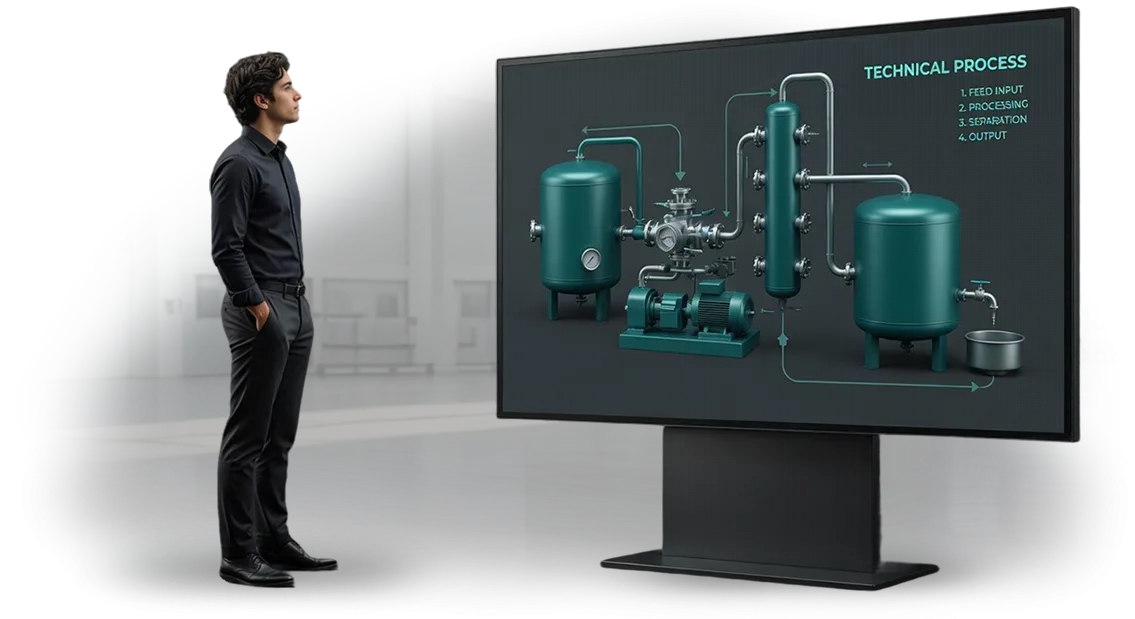
טעויות בהרכבת יחידות חליבה עולות לעסקים ביוקר
טעויות בהרכבת יחידות חליבה אינן מטרד שולי, אלא בעיה מערכתית שפוגעת ישירות בשורה התחתונה. רכיב שהותקן בצורה לא נכונה, צינור שהתערבב, או אטם שנשבר מובילים לליקויים, תקלות בציוד והשבתה כפויה. כל אירוע כזה משמעותו זמן אבוד, כסף ועצבים מרוטים לכל הצוות.
מדוע טעויות חוזרות שוב ושוב? ציוד החליבה מורכב, ותחלופת העובדים בחקלאות גבוהה. עובדים חדשים לומדים תוך כדי עבודה, נשענים על עמיתים או על הוראות כתובות באותיות קטנות.
כתוצאה מכך, הכשרת כוח אדם מצטמצמת לתדריך פורמלי, ומיומנויות אמיתיות נרכשות רק לאחר כמה טעויות יקרות.
ההשלכות נראות מיד. קו ייצור מושבת משמעותו תפוקה אבודה ולוחות זמנים שהוחמצו. תיקון יחידה שנכשלה דורש חלקי חילוף וזמן שירות. והסיכון לפציעה משימוש לא נכון מאיים על בריאות העובדים. כל זה נופל על כתפי בעל העסק.
הדרך החוצה היא הוראות וידאו לעובדים שהופכות תהליך מורכב לשלבים ברורים. קטעי וידאו קצרים ויזואליים מציגים כל שלב, מפריקת האריזה ועד ההפעלה. העובד רואה את רצף הפעולות הנכון וחוזר עליו, ובכך מבטל שגיאות הרכבה.
הדרכה זו פועלת מבלי להוציא עובדים מקו הייצור, וברורה באותה מידה לעובד חדש ולטכנאי מנוסה.
אנו יוצרים הוראות וידאו ארגוניות שפותרות בעיה זו. במקום הוראות מופשטות, אתם מקבלים דוגמאות ברורות לעבודה נכונה. במקום השבתה — תהליך יציב. להלן, אנו מסבירים כיצד זה עובד.
מה חבילת הוראות וידאו תלת־ממדית מעניקה לארגון שלכם
עובדים באים והולכים, בעוד הידע נשאר אצל כמה טכנאים מנוסים. אם הם פורשים או עוברים לחברה אחרת, הארגון מאבד את המומחיות הזו, ומתחילים חדשים מבלים שבועות בללמוד מהטעויות שלהם, עוצרים את העבודה ומגדילים את זמן ההשבתה.
חבילת הוראות הווידאו התלת־ממדיות של הצוות שלנו פותרת בעיה זו: היא הופכת את הניסיון של העובדים הטובים ביותר לשיעורים ברורים וקלים למעקב, הזמינים לכולם מהיום הראשון.
הנה מה שהארגון שלכם מקבל לאחר יישום חבילה כזו:
- קליטה מהירה של עובדים חדשים. במקום הסברים ארוכים וניסויים על ציוד אמיתי, יש 10–15 דקות של צפייה בווידאו. עובד חדש רואה כל רכיב וכל תנועה ומתחיל לעבוד תוך מספר ימים, לא שבועות.
- הפחתת השבתות ותקלות. רוב השגיאות מתרחשות בגלל רצף פעולות לא נכון. הוראת וידאו קובעת אלגוריתם ברור, כך שעובדים מייצרים פחות ליקויים, הציוד מחזיק מעמד זמן רב יותר, ואתם לא מאבדים זמן או כסף על תיקונים לא מתוכננים.
- תקן עבודה אחיד. כל העובדים פועלים לפי נוהל מוכח אחד, ללא קשר לניסיון או לוותק. זה מפשט את בקרת האיכות, וכשהצוות משתנה, אתם כבר לא תלויים ב"נושאי ידע".
- קליטת עובדים חדשים ללא הסחת דעת של חונכים. טכנאים מנוסים ממשיכים לעבוד בעוד עובדים חדשים לומדים בכוחות עצמם. חבילת הווידאו מחליפה חונכות אישית בשלב המוקדם ומשחררת מומחים.
- פחות שגיאות בפעולות מורכבות. כוונון, פירוק, תחזוקה — אפילו פעולות נדירות מוצגות בפירוט, עם דגש על נקודות קריטיות. עובד יכול לצפות בווידאו לפני משימה ולבצע אותה נכון בניסיון הראשון.
בעצם, אתם מקבלים לא רק קבצי וידאו אלא מערכת הדרכה שעובדת גם ללא מדריך. זה מפחית תחלופת עובדים, מגביר את ביטחון העובדים ושומר באופן עקבי על רמה גבוהה של איכות תחזוקת יחידות החליבה.
פורמטים של הוראות וידאו להרכבת יחידת חליבה
עובדים חדשים במתחם חליבה לא יכולים לחכות עד שהחונך יתפנה, ומפעילים מנוסים לפעמים מבלבלים את סדר הפעולות במהלך החלפת משמרות.
הוראת וידאו פותרת את שתי הבעיות: עובד פותח את הווידאו המתאים ונזכר כיצד להמשיך תוך דקות ספורות. זה מפחית תחלופה ומאיץ את הגעת העובדים לתפוקה מלאה.
אנו יוצרים הוראות וידאו להרכבת יחידת חליבה ותחזוקה בשני פורמטים בסיסיים: קטעים קצרים לעיון מהיר ומדריכים מלאים להכשרה מההתחלה.
שניהם מצולמים בציוד מקצועי, כך שכל הרכיבים והמחברים נראים בבירור גם על מסך סמארטפון. קטעים קצרים של 1–2 דקות נוחים לפתיחה ישירות בסדנה, בעוד ההוראה המלאה מתאימה להכשרה בסביבה רגועה.
פורמטים המכסים את משימות הלקוח
| פורמט | למי זה מיועד | מה זה נותן ללקוח |
|---|---|---|
| קטעים קצרים | מפעילים, צוות במשמרות | תשובה מהירה: איך לחבר רכיב, להחליף אטם, לפתור שגיאה. פחות השבתות, פחות קריאות שירות. |
| מדריך הרכבה מלא | עובדים חדשים, צוות בעת השקת דגם חדש | הכשרה שלב אחר שלב מפריקה ועד הפעלה. פעולות מתוקננות וסיכון מופחת להתקנה לא נכונה. |
| וידאו תחזוקה | מהנדסים, טכנאים, צוות תחזוקה | לוח זמני תחזוקה, פירוט תקלות נפוצות ודרכי תיקונן. חיי ציוד ארוכים יותר. |
החלוקה הזו משתלמת: עובדים מגיעים לקצב עבודה מהר יותר ועושים פחות טעויות, והמנהל לא מבזבז זמן על הסברים חוזרים.
במידת הצורך, אנו משלבים פורמטים — למשל, מוסיפים קטעים קצרים למדריך המלא כך שהצוות מקבל גם הכשרה שיטתית וגם דף רמזים מהיר לעבודה.
כיצד אנו יוצרים הוראת וידאו למשימה שלכם
אנו עובדים בתהליך שקוף: אתם רואים את התסריט, את הגרסאות הביניים ואת הווידאו הסופי לפני שהוא נכנס להכשרה. כל שלב מאושר, כך שהתוצאה תואמת את המשימה ואינה דורשת עיבוד חוזר לאחר המסירה. להלן הנתיב הסטנדרטי.
- בריף להוראת וידאו. אנו מנתחים את המשימה: כיצד מתבצעות כיום הרכבת יחידת החליבה והתחזוקה, אילו שגיאות מתרחשות, מי יוכשר. אנו מציעים מבנה, פורמט ולוחות זמנים.
- תסריט וסטוריבורד. אנו מראים על הנייר כל שלב בווידאו העתידי: פעולות, הדגשות על רכיבים מרכזיים, טקסט קריינות. אתם רואים מראש כיצד תיבנה ההכשרה.
- אישור תסריט. אנו מחדדים שלמות, רצף וניסוח. עריכות נעשות לפני ההפקה — זה חוסך זמן ומאמץ.
- הפקת וידאו תלת־ממדי. אנו יוצרים גרפיקה ריאליסטית, מוסיפים קריינות ורמזים על המסך. אנו מציגים גרסת טיוטה, ואתם משאירים הערות.
- עריכות וסיום. אנו מבצעים שינויים לפי המשוב שלכם, מאשרים את הווידאו הסופי ומספקים קבצים בפורמט הנדרש להעלאה למערכת ההכשרה.
- הטמעה ותמיכה. אנו עוזרים להעלות את הווידאו ל-LMS, להגדיר גישה ולהראות כיצד לעקוב אחר צפיות. כשהנהלים משתנים, אנו מעדכנים קטעים בודדים ללא צילום מחדש של הכל.
כתוצאה מכך, אתם מקבלים הוראת וידאו מוכנה שמשתלבת בהכשרה, מפחיתה זמן המושקע בחונכות והופכת את עבודת העובדים עם הציוד לברורה יותר. התהליך מתוכנן כך שאתם שולטים בו מהבריף ועד ההשקה.
מה כוללת חבילת הוראות הווידאו המלאה
אתם מקבלים לא סרטונים נפרדים אלא פתרון הכשרה מוכן ומפתח-ביד. כל ערכה מורכבת, מאושרת וארוזה כך שתוכלו להשיק הכשרה מיד לאחר המסירה — ללא כל עבודה נוספת מצידכם.
הנה מה שהמסירה כוללת:
- תסריטי הוראות (לכל הסרטונים בערכה). טקסטים שלב אחר שלב עם טיימקודים, תיאורי רכיבים ופעולות. אתם רואים את ההיגיון של כל סרטון לפני שהוא נוצר: קל לבדוק את ההדגשות, לבצע עריכות ולהשתמש בטקסט לשאלות מבחן.
- סצנות תלת־ממדיות ויזואליזציות של רכיבי יחידת החליבה. כל אלמנט — מצינור החלב ועד שסתום ההזנה — מוצג בנפח ובחתך. העובד רואה לא תרשים אלא העתק מדויק של הציוד איתו יעבוד מדי יום.
- קריינות וכתוביות. הקריין מקריא מהתסריט המאושר ברוגע וללא "התלהבות" מוגזמת, כך שהקשב מופנה לפרטים. כתוביות רצות במקביל — זה עוזר לעובדים ברמות מיומנות שונות ולאלה שעובדים עם אוזניות בסביבת ייצור רועשת.
- סרטונים ערוכים עם הדגשות. שלבי הרכבה מורכבים מוצגים מזוויות מרובות, בהילוך איטי ועם תיוגים על רכיבים מרכזיים. הקבצים המוגמרים מתאימים לפורטל ארגוני, ל-LMS או לצפייה בטאבלט בסדנה.
- מסמכים תומכים וזכויות שימוש. אתם מקבלים תעודת קבלה, מלאי קבצים וזכויות מלאות לשימוש פנימי בסרטונים ללא הגבלת משך או מספר עובדים. אין "שכירות שנתית" ואין דמי שימוש למשתמש.
מה שחשוב: זו לא רק תיקיית קבצים אלא מערכת. לכל סרטון נוצרות לפחות שתי גרסאות — אחת להכשרה קבוצתית (עם התסריט המלא) ואחת לעיון עצמי (גרסה קצרה עם הדגשות). כך אותו חומר עובד גם בקורס ההיכרות וגם כתזכורת לפני משמרת.
חבילה כזו עונה על השאלה המרכזית שעולה לפני השקת הכשרה: "במה בדיוק נלמד?" יש בידיכם חומרים מוכנים, לא מצגות מפוזרות — אתם יכולים מיד לבנות את התוכנית ולהקצות את זמן העובדים.
מקרה בוחן: כיצד הפחתנו השבתות בחוות רפת
בחוות רפת אחת נתקלנו במצב טיפוסי: תחלופת עובדים גבוהה, הכשרה ארוכה של מתחילים בהרכבת יחידות חליבה ותחזוקתן, וכמה שעות של השבתת ציוד בשבוע בגלל טעויות צוות.
המומחים בצוות שלנו פיתחו עבור החווה הוראות וידאו ארגוניות בתלת־ממד — תרחישים ויזואליים המציגים כל פעולה שלב אחר שלב. העובדים נגשו להוראות דרך טאבלטים בשטח החווה ויכלו לעיין בכל שלב לפני תחילת העבודה.
תוצאות היישום נראו כבר בחודש הראשון. הזמן שעובד חדש נדרש כדי להתחיל משמרת ירד ביותר מחצי, מספר שגיאות התחזוקה צנח בחדות, והשבתות יחידות החליבה ירדו למינימום.
| מדד | לפני היישום | אחרי היישום | השפעה |
|---|---|---|---|
| זמן כניסת עובד חדש למשמרת | 14 ימים | 5 ימים | −64% |
| שגיאות הרכבה ותחזוקה בחודש | 12 | 3 | −75% |
| השבתת ציוד בחודש | 8 שעות | 2 שעות | −75% |
מנהל החווה מציין: "נהגנו לבזבז שבועיים על הכשרה, ומתחילים עדיין עשו טעויות ברצף הפעולות. עכשיו ההוראה עצמה מזכירה את השלב הבא, ומספר העצירות החירום ירד משמעותית."
עבורנו, הנקודה המרכזית היא שהשבתות מופחתות השפיעו ישירות על מדדי הייצור. הכשרת הצוות הפסיקה להיות "צוואר בקבוק" — עובדים חדשים נכנסים לעבודה תוך ימים, וצוות מנוסה משתמש בהוראות כהתייחסות למצבים חריגים.
לאחר השלב הראשון, החווה הזמינה ערכת הוראות נוספת למבנה הסמוך — המדד הטוב ביותר לשביעות רצון.
כיצד לבחור את הפורמט המתאים למשימה שלכם?
בחירת פורמט וידאו להכשרה תמיד מתחילה בשאלה: מה בדיוק העובדים צריכים ללמוד ובאיזו מהירות?
כשמדובר ביחידות חליבה, חשוב להתחשב במורכבות הציוד וברמת המיומנות של הצוות — לחלק מהמשימות מספיק סרטון קצר עם פעולות מפתח; לאחרות נדרשת הכשרה תלת־ממדית מפורטת עם פירוט של כל רכיב.
הקריטריון המרכזי הוא מטרת ההכשרה. כשצריך להכשיר מאות עובדים לתקן תחזוקה אחיד, הוראת וידאו ברורה המדגישה את רצף הפעולות עובדת הכי טוב.
אם הציוד מורכב ושגיאות יקרות, מוסיפים פירוט: אנימציה של מנגנונים פנימיים, ניתוח תקלות אופייניות ופעולות נכונות במצבים חריגים.
תקציב הפרויקט משפיע גם הוא על הפורמט, אבל לא באופן ישיר כפי שנדמה. מודל תלת־ממדי מלא של כל היחידה לא תמיד מוצדק.
לעתים קרובות גישה משולבת יעילה יותר: צילומים אמיתיים להקשר כללי ואנימציה תלת־ממדית רק לתהליכים נסתרים שאי אפשר להראות במצלמה. אפשרות זו מפחיתה משמעותית את התקציב מבלי לפגוע ביעילות ההכשרה.
אורך חיי ההוראה חשוב לא פחות. אם הטכנולוגיה או דגם הציוד מתעדכנים כל כמה שנים, השקעה בפורמט מורכב משתלמת. אם צפויים שינויים מוקדם יותר, עדיף לבחור פורמט קטן יותר שניתן לחדד ללא צילום מחדש מלא.
אנו עוזרים להעריך את כל הגורמים הללו לפני תחילת העבודה ומציעים פורמט שפותר את המשימה ללא עלויות מיותרות. כתוצאה מכך, אתם מקבלים וידאו שבאמת עובד — מקצר את זמן הקליטה ומפחית את מספר שגיאות התחזוקה.
שאלות נפוצות של לקוחות על הוראות וידאו
ללקוח חשוב להבין מה יקרה להוראת וידאו בעוד חודש, באיזו מהירות ניתן לעדכן אותה, ומה לעשות אם נפלה אי-דיוק בתסריט.
בצוות שלנו צילמנו מאות סרטונים ארגוניים במשך עשר שנים ואספנו את השאלות הנפוצות ביותר — אנו עונים עליהן ישירות.
אנו מציינים את לוחות הזמנים לפיתוח בבריף: בדרך כלל שבועיים עד ארבעה שבועות, תלוי במורכבות הצילום והעריכה. לאחר מכן, הכל תלוי במהירות האישורים שלכם — מצידנו, אנו תמיד עומדים במועדים המוסכמים.
האם ניתן לעדכן את ההוראה כשהציוד משתנה?
כן, זה מתוכנן מראש. אנו בונים את התסריט בצורה מודולרית: ניתן להחליף סצנות בודדות בקלות ללא צילום מחדש של כל הסרטון. פשוט שלחו את החומרים החדשים, ותוך מספר ימים תקבלו גרסה מעודכנת שהעובדים יוכלו לצפות בה שוב.
כיצד מתבצעות עריכות לאחר סיום הסרטון?
מספר סבבי עריכה כלולים בעלות. אתם שולחים הערות — אנו מבצעים תיקונים בקריינות, בגרפיקה או בעריכה. אנו מתאמים דרך ערוץ נוח כך ששום דבר לא הולך לאיבוד, ואנו נועלים את הגרסה הסופית.
מה אם עובדים לא מבינים את ההוראה?
אנו מבטיחים תוצאה: לפני המסירה, אנו בודקים את הסרטון עם קבוצה קטנה של עובדיכם ומוודאים שכל השלבים ברורים. אם נותרו שאלות, אנו מצלמים מחדש או מסבירים נקודות מסובכות עם קטעים נפרדים.
האם יש ערובה לכך שהסרטונים באמת ישמשו?
אנו עובדים עם ציוד מקצועי ובפורמט הנכון למערכת ההכשרה שלכם. אבל העיקר הוא שהסרטונים באמת עוזרים: לאחר היישום, עובדים שולטים בתהליך מהר יותר. אנו נשארים בקשר גם לאחר מסירת הפרויקט.
אם תרצו, נוכל להראות לכם דוגמה לעבודה שלנו על משימה דומה, כדי שתראו איך תיראה התוצאה המוגמרת כבר בשלב הדיון.הזמינו פיתוח הוראת וידאו למתקן הייצור שלכם
כדי להזמין הוראת וידאו לייצור, אין צורך להכין מפרט טכני. פשוט השאירו את פרטי הקשר שלכם: נשאל את השאלות הנכונות, נבהיר את המשימות ונציע פתרון ברור גם למתחילים וגם לעובדים מנוסים.
לאחר פנייתכם, תקבלו:
- ייעוץ בנוגע לפורמט ולהיקף הוראות הווידאו — מותאם לפעולותיכם ולרמת המיומנות של הצוות;
- לוח זמנים שקוף לפרויקט והערכת עלות — ללא עמלות נסתרות או אישורים ארוכים;
- דוגמאות להוראות הווידאו שלנו למתקני ייצור דומים, כדי שתוכלו להעריך איכות וסגנון;
- המלצות לשילוב הכשרה בתהליכי קליטה, תדרוכים ופיתוח מקצועי;
- תוכנית עבודה עם שלבים, מועדים ואחראי מקצועי — אתם תמיד יודעים מה קורה.
לצורך הערכת העלות, רק צריך לומר כמה עובדים זקוקים להכשרה ואילו פעולות להציג. אנו מטפלים בתסריט, בצילום, בעריכה ובקריינות.
לאחר ההשקה, אנו עוזרים לשלב את הוראות הווידאו במערכת ההכשרה, כך שהן הופכות לכלי עבודה, לא רק קבצים על דיסק.
השאירו פנייה — נחזור אליכם תוך יום עסקים אחד, נענה על שאלותיכם ונכין הערכת עלות אישית.
תקבלו רצף עבודה מלא — מהגדרת המשימה ועד ההשקה — ותבינו כיצד הכשרת עובדים יכולה להיות מהירה ופשוטה יותר מבלי לוותר על איכות.