

שגיאות בהרכבת מעליות ותחזוקתן: כיצד להימנע מהשבתות ותאונות
כל שעה של השבתת מעלית הופכת לזרם של תלונות דיירים, שיבושים בלוח הזמנים ועלויות נוספות עקב קריאות חוזרות לצוותים.
לרוב, הסיבה אינה אפילו בלאי ציוד, אלא פעולות שגויות של הצוות: רצף פעולות לא נכון, שלב שהוחמץ, הידוק לא תקין — והמנגנון מתקלקל שוב.
תקנות טקסט רגילות ודיאגרמות לא מצילות את המצב: אנשים קוראים אותן אחרת, ותחת לחץ בשטח קל לבלבל רכיבים.
כתוצאה מכך, אותן טעויות חוזרות משמרת למשמרת, מספר העצירות החירום גדל, וכך גם הסיכון לתקריות חמורות.
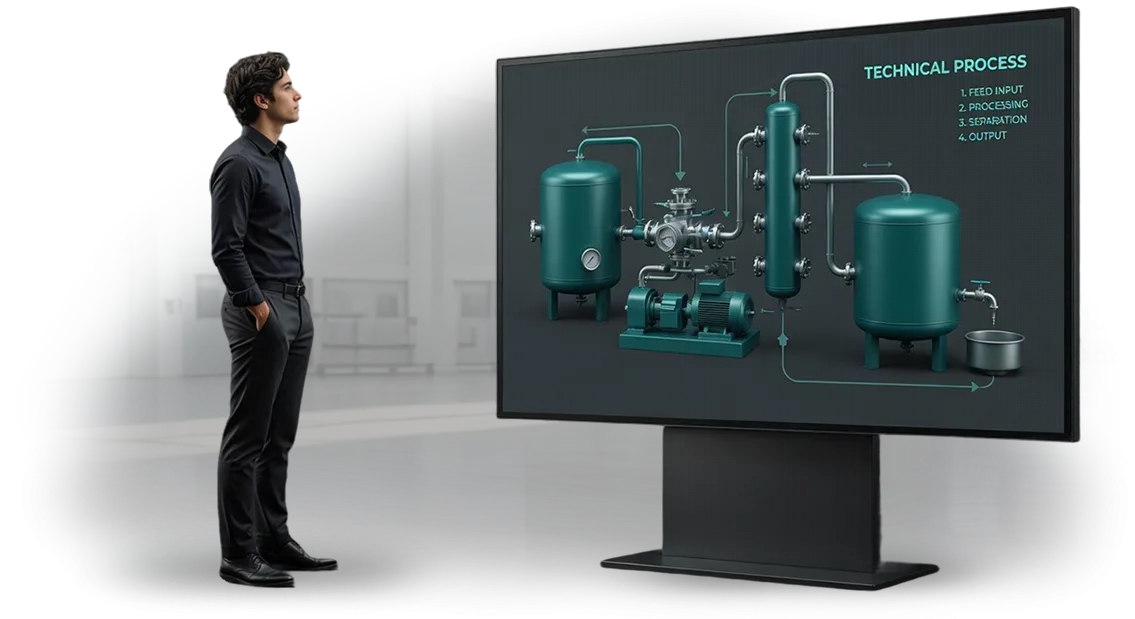
הוראת וידאו תלת-ממדית מסירה את אי-ההתאמות הללו. היא מציגה כל רכיב וכל פעולה בדיוק כאילו העובד כבר עומד מול המנגנון: מה להסיר, באיזה סדר להדק, מה לבדוק לפני ההפעלה.
זו אינה תיאוריה מופשטת — זה אלגוריתם שלב-אחר-שלב שקל לזכור ולחזור עליו באתר אמיתי.
כשצוות פועל לפי תקן אחד וברור, חלק השגיאות יורד, ההשבתות מתקצרות, ומצבי חירום הופכים לנדירים יותר.
ההכשרה הופכת לצפויה: עובד חדש מגיע לעבודה עצמאית מהר יותר, ועובד מנוסה מפסיק "להמציא" שיטות משלו.
אנו מפתחים הוראות וידאו תלת-ממדיות כאלה עבור דגמי המעליות שלכם והתקנות הסטנדרטיות שלכם. בסופו של דבר, אתם מקבלים כלי שמבטל את הגורם המרכזי להשבתות — הגורם האנושי — והופך את עבודת מחלקת השירות לבטוחה ויציבה יותר.
הוראות ברורות, קליטת עובדים מהירה ובטיחות בשטח
כל טעות במהלך התקנת מעלית או תחזוקתה עולה הרבה — מהחמצת מועדים ועד סיכון לחיי אדם. תקנות טקסט מתיישנות, ומנטור לא תמיד יכול להיות לצד עובד חדש.
לכן בצוות שלנו אנו הופכים תהליכים מורכבים להוראות וידאו ברורות: העובד רואה כל שלב, חוזר עליו ומיד מיישם אותו בשטח. המנהל מקבל תוצאה צפויה ושקט נפשי לגבי הבטיחות.
הכשרה כזו מחזירה את עצמה כבר מהפרויקט הראשון: זמן הקליטה יורד, כמות הליקויים וההשבתות פוחתת, והידע כבר לא תלוי ב"העברה בעל-פה" בין דורות של מומחים.
קליטה מהירה יותר
מתקינים ומהנדסי שירות חדשים מתחילים לעבוד באופן עצמאי הרבה יותר מהר: במקום לקרוא הוראות ארוכות, הם צופים בסרטונים קצרים ומיד חוזרים על הפעולות בסימולטור או על רכיב אמיתי.
זה מקצר את התקופה שבה מומחה זקוק למנטור מנוסה ומפחית את העומס על עובדי מפתח בחברה.
פחות שגיאות ועמידה בדרישות הבטיחות
הוראת הווידאו כוללת את כל נקודות הבקרה: סדר הפעולות, כללי הנעילה, דרישות הבטיחות בעבודה. העובד רואה את הרצף הנכון וסוטה מהטכנולוגיה פחות פעמים.
עבור העסק, זה אומר פחות ליקויים, פחות קריאות חוזרות ובטיחות גבוהה יותר בכל אתר.
תקן הכשרה אחיד
הוראות וידאו קובעות תקן אחד לכל הסניפים והצוותים: כל עובד מקבל ידע זהה ועדכני, ללא קשר למי שמכשיר אותו.
זה חשוב במיוחד בעת הרחבת החברה, כניסה לאזורים חדשים ומעבר לבדיקות של רשויות רגולציה.
פורמטים של הוראת וידאו למעליות: בחרו מה שמתאים לאתר שלכם
אותו אובייקט יכול להיות מוצג בדרכים שונות: מישהו צריך תמונה מלאה של כל הרכיבים ושלבי ההתקנה, ומישהו צריך סרטון קצר של 2 דקות שמכסה פעולה ספציפית.
משימות הכשרה שונות דורשות פורמטים שונים של הוראת וידאו למעליות — וזה נורמלי שיש את שני הסוגים בספרייה שלכם.
להלן הפורמטים הסטנדרטיים שאנו מצלמים ועורכים לפי צרכי כל לקוח. הם מכסים גם הכשרה ראשונית לעובדים חדשים, גם השתלמויות לצוותים וגם אישורי עבודה באתרים מורכבים.
| פורמט הוראת וידאו | למי מיועד | מה זה נותן ללקוח |
|---|---|---|
| מחזור הרכבה והתקנה מלא | מתקינים חדשים, מרכזי הכשרה | פריסה מהירה לאתרים ללא מנטור, פחות שגיאות במהלך ההתקנה העצמאית הראשונה |
| תחזוקה ועבודה מתוזמנת | מהנדסי שירות, צוותי שטח | תקן תחזוקת מעליות אחיד, הפחתת השבתות ופחות קריאות חוזרות |
| סרטונים קצרים על רכיבים (דלתות, כננת, לוח בקרה) | עובדים מנוסים, "עזר מהיר" בשטח | סגירת פערים ממוקדת: צפו ב-2 דקות — והמשיכו לעבוד |
| בדיקה והפעלה | מהנדסי בקרת איכות, מתקינים ראשיים | פחות ליקויים שהוחמצו, מסירת פרויקט יציבה ללקוח |
| בטיחות ובריאות בעבודה | כל העובדים, כולל קבלנים | הפחתת פציעות, עמידה בדרישות רגולציה |
אם המשימה היא להכשיר עובדים חדשים מאפס, לכו על המחזור המלא. אם הצוותים כבר עובדים ואתם צריכים "לחזק" נקודות חלשות — סרטונים קצרים על רכיבים יספיקו.
בפועל, לקוחות לרוב משלבים את הבסיס (מחזור מלא) עם הוראות מהירות שנוח לפתוח מהטאבלט ישירות בשטח.
אנחנו עוזרים לכם לבחור פורמט למשימה שלכם: שלחו לנו את התקנה או תיאור של האתר — נציע מבנה וידאו, משך והצגה שיניבו תוצאות, לא רק "וידאו לראווה".
איך מתנהל הפיתוח: מהבריף ועד ההשקה
פיתוח הוראות וידאו תלת-ממדיות להרכבת מעליות ותחזוקתן הוא תהליך שאנו מבנים כך שתמיד תדעו באיזה שלב נמצא הפרויקט. במקום אישורים ארוכים — שלבים ברורים; במקום הפתעות — בקרה בכל שלב. הצוות שלנו עובד לפי תוכנית שקופה; כך זה נראה.
-
בריף והבנת המשימה. אנו דנים באילו פעולות הרכבה או תחזוקה צריך להציג, מי יצפה בהוראות, ואיזה פורמט הכשרה נוח יותר. הפלט הוא מפרט טכני שאתם מאשרים.
-
פיתוח תסריט וסטוריבורד. בהתבסס על הבריף, אנו יוצרים את מבנה הווידאו: אילו רכיבי מעלית מופיעים בפריים, אילו פעולות עובד מודגמות, היכן נדרשים הדגשים ואזהרות. אתם מקבלים את התסריט לאישור.
-
אישור קונספט. אנו מציגים את הסגנון התלת-ממדי, רמת הפירוט וזמן הריצה המשוער של הווידאו העתידי. אתם מבצעים עריכות לפני תחילת ההפקה הראשית — זה חוסך זמן ותקציב.
-
יצירת תוכן תלת-ממדי ורצף וידאו. אנו מדמים את המעלית ורכיביה, מכינים אנימציות ומרכיבים סצנות. בשלב זה מופיע טיוטת וידאו שאתם צופים בה ומגיבים.
-
קריינות, הערות טקסט ועריכה סופית. אנו מוסיפים קריין, כתוביות ורמזים קופצים על פרטים חשובים. לאחר מכן, אתם מקבלים וידאו מוגמר לסקירה.
-
השקה ותמיכה. אנו מספקים את החומרים בפורמטים שאתם צריכים — לפורטל הכשרה, ערוץ וידאו פנימי או מפגשים לא מקוונים. אם תקנה משתנה או מופיעים רכיבים חדשים, אנו משפרים את הווידאו ללא צורך להתחיל מאפס.
מה כלול במסירה: חבילת הכשרה מלאה
אתם מקבלים לא רק סט סרטונים, אלא מערכת הכשרה מוכנה שניתן להשיק מיד לאחר המסירה. כל רכיב בחבילה נותן מענה למשימה ספציפית: מצפייה בהוראה ועד לבדיקות ידע ובקרת כישורי עובדים.
חבילת המסירה
- הוראות וידאו להרכבת מעליות ותחזוקתן — בפורמט נוח לצפייה במחשב, טאבלט או טלפון, כולל ישירות בשטח.
- חומרי הוראה למדריך: תרחישי שיעור מוכנים, שאלות בקרה וקריטריוני הערכה. המדריך לא צריך להמציא כלום — רק לפתוח את מערך השיעור.
- מבחנים ומשימות מעשיות לבדיקת ידע לאחר הצפייה. הם מראים מי באמת קלט את החומר ומי רק "לחץ קליקים" על הווידאו.
- גישה לספריית ההוראות דרך חשבון אישי: כל החומרים במקום אחד, עם חיפוש נוח וניהול הרשאות גישה לצוותים וסניפים שונים.
- עדכונים ותיקונים: אם תקנות או דגמי ציוד משתנים, אנו מבצעים עריכות בהוראות הווידאו במהירות, ואתם תמיד עובדים עם חומרים עדכניים.
- תמיכה בהטמעה: אנו עוזרים למקם חומרים במערכת ניהול הלמידה שלכם או להגדיר גישה למיקומים מרוחקים.
חבילה כזו מכסה את כל מחזור ההכשרה: למדו — נבדקו — יושם בפועל. כתוצאה מכך, עובדים חדשים מגיעים למיומנות מלאה מהר יותר, ומנוסים עושים פחות טעויות בתחזוקת מעליות.
כל מה שנותר לכם הוא לבחור את פורמט ההתחלה — נכין קטע הדגמה על המשימות האמיתיות שלכם.
מקרה בוחן: כיצד קיצרנו את זמן הכשרת המתקינים ב-40%
מתקיני מעליות בדרך כלל מתאמנים חודשים: קודם תיאוריה, אחר כך דיאגרמות, ואז מנטור בשטח. כל עובד חדש משמעותו שבועות של השבתה וסיכון לשגיאות הרכבה.
כשחברת ייצור מעליות פנתה אלינו בצוות שלנו עם בקשה להאיץ את הכשרת הצוותים, ראינו שהבעיה אינה נפח ההוראות, אלא הפורמט שבו הן הוצגו.
מה עשינו
במקום תקנות עבות והרצאות, פיתחנו סדרה של הוראות וידאו תלת-ממדיות להרכבת מעליות ותחזוקתן. הסרטונים מציגים כל פרט ואת רצף הפעולות הנכון — מהתקנת מסילות הנחייה ועד כוונון דלתות התא.
עובד יכול להשהות את הווידאו, לסקור רכיב מורכב ומיד לחזור על הפעולה בסימולטור או בשטח. ארגנו את החומרים לפי תפקיד: מתקין, מכוונן, מהנדס שירות, ולפי סוג מעלית — חמש סדרות עיקריות.
התוצאה
חודשיים לאחר ההטמעה, הזמן של עובד חדש להגיע לעבודה עצמאית ירד משמונה שבועות לחמישה — כלומר ב-40%. החברה הצליחה להכשיר 120 עובדים בשלושה סניפים ללא הפסקת ייצור.
מספר שגיאות ההרכבה ירד בשליש, וקריאות חוזרות של צוותי שירות הפכו לנדירות יותר — פחות זמן מושקע בתיקון ליקויים.
הלקוח האריך את החוזה בשנה נוספת והזמין סדרה נוספת על תחזוקה. עבורנו, זה המדד המרכזי: הוראות הווידאו התלת-ממדיות הביאו חיסכון נראה לעין בהכשרה והגדילו את היעילות של המתקינים.
שאלות נפוצות: מהעלות ועד האחריות
לרוב ללקוחות יש אותן שאלות: כמה זה עולה, כמה מהר אפשר לעשות את זה, ומה קורה אם משהו משתבש. אנו עונים בכנות ובלי יותר מדי פרטים טכניים — כמו שהיינו מדברים בפגישה.
כמה עולה פיתוח הוראת וידאו?
העלות תלויה במורכבות התסריט, במספר הפרטים ובפורמט — דו-ממדי או תלת-ממדי מלא. המחיר הסופי נקבע לאחר הבריף ומקובע בחוזה; הוא לא משתנה במהלך התהליך.
אתם משלמים על תוצאה שימושית: הוראה ברורה שמפחיתה את מספר השגיאות ומאיצה את הכשרת העובדים. למשימות סטנדרטיות יש לנו פיתוחים מוכנים שמאפשרים לנו להתאים לתקציב שלכם מהר יותר מאשר הזמנה מאפס.
מהם לוחות הזמנים לפיתוח?
פרויקט סטנדרטי אורך 3–4 שבועות מרגע אישור התסריט. אפשרות מזורזת אפשרית תוך 10 ימי עבודה אם האבות-טיפוס והחומרים מוכנים.
אנחנו לא רודפים אחרי מהירות על חשבון איכות — אנו עומדים בלוחות זמנים כי אנחנו עובדים לפי תוכנית ברורה: בריף, תסריט, טיוטת וידאו, תיקונים, סיום. אתם תמיד יודעים באיזה שלב נמצא הפרויקט.
אילו אחריות אתם מספקים?
האחריות המרכזית היא חוזה עם הערכה קבועה ושלבים שקופים. אתם משלמים בשלבים ורואים גרסאות ביניים, כך שהסיכון לקבל משהו שלא ציפיתם לו מתבטל.
בנוסף, אנו מספקים שני סבבי תיקונים חינם על התסריט והעריכה. כלומר, אנו מביאים את הווידאו למצב שבאמת מתאים לכם, ולא מוסרים אותו "כמו שהוא".
מה אתם צריכים מאיתנו כלקוח?
אנחנו צריכים גישה לתקנות ולתיעוד הטכני שלכם, וכן קשר עם מומחה שמכיר את התהליך. את כל הצילום, הדוגמנות והעריכה אנחנו לוקחים על עצמנו.
אם העובדים עובדים עם ציוד ספציפי, תמונות ודיאגרמות מספיקות לנו — נשחזר את השאר מהן. זה נוח כי אין צורך לעצור את פעולת המעלית או להסיח את דעת העובדים לצורך צילום.
אם יש לכם שאלה לא שגרתית — פשוט כתבו לנו. נספר לכם איך פתרנו משימות דומות בענף שלכם ונציע אפשרות לתקציב שלכם.הזמינו פיתוח הוראת וידאו עכשיו
הכשרת עובדים שעובדים עם ציוד מעליות היא אחריות רצינית. שגיאות הרכבה או תחזוקה מובילות להשבתות, תאונות והוצאות נוספות. הכשרה חיה דורשת למשוך מומחים מנוסים מהעבודה, והוראות טקסט לרוב לא נקראות.
הוראות וידאו תלת-ממדיות ברורות מציגות את רצף הפעולות המדויק, מיקומי רכיבים וכלים נכונים. חומר כזה נזכר מהר יותר, וניתן לתרגל פעולות בסביבה בטוחה.
אנו מפתחים סרטונים לחברות שמעדיפות בטיחות ואיכות — מארגוני שירות קטנים ועד יצרנים גדולים.
הזמינו פיתוח הוראת וידאו עכשיו — נתחיל בדיון על המשימה שלכם. השאירו בקשה לייעוץ: ננתח איזה סוג סרטונים העובדים שלכם צריכים, ממה מורכב הפרויקט וכמה מהר אפשר להשיק אותו.
כשתפנו אלינו, ספרו לנו כמה תפקידים אתם מתכננים להכשיר ואילו פעולות אתם רוצים לכסות עם הוראות וידאו.
מה אתם מקבלים:
- פורמט מותאם לפרטים שלכם — אנימציה תלת-ממדית, צילום לייב-אקשן או אפשרות משולבת.
- הוראות לתפקידים שונים: מתקינים, מכווננים, צוותי שירות.
- נקודות בקרה מובנות ודרישות בטיחות — העובדים רואים למה לשים לב.
- קבצים מוכנים וחומרי מקור שקל להעלות לפורטל הכשרה או להשתמש בהם בהכשרה פנים-אל-פנים.
- היכולת לעדכן סרטונים כאשר דגמי ציוד או תקנות משתנים.
- תמיכה במהלך ההטמעה והתאמת חומרים לתוכנית ההכשרה שלכם.
קבלו פתרון הכשרת עובדים מוכן שניתן להטמיע בפעילות שלכם מיד. אנו נטפל בתסריט, באנימציה, בעריכה ובמסירת הקבצים, ונתמוך בכם בכל שלב. השאירו בקשה — נדון בפרטי הפרויקט ונציע פורמט מתאים.
איך לבחור את הפורמט הנכון למשימות האתר שלכם?
בחירת פורמט סרטון ההכשרה קשורה ישירות לפרטי האתר שלכם: מספר ודגמי המעליות, ניסיון העובדים והתנאים שבהם הם עובדים.
אין פתרון אוניברסלי — מה שעובד טוב לחברת ניהול אחת עשוי שלא להתאים למפעל עם ציוד ייחודי או כוח אדם גדול. לכן אנחנו לא מציעים תבנית אחת, אלא בוחרים פורמט באופן אישי למשימות ולמאפייני האתר שלכם.
אם באתר מופעלים דגמי מעליות שונים, נוח ליצור הוראה מודולרית שבה כל פעולה היא בלוק נפרד. פורמט זה קל לשימוש חוזר בעת החלפת רכיבים, הרחבת צוות או הסבה מקצועית.
לפעולות נדירות ומורכבות, הוראת וידאו מלאה מתאימה יותר, עם הדגמה מפורטת של כל השלבים, ניתוח טעויות אופייניות ודגש על בטיחות.
זה עוזר לצוות לשלוט בחומר מהר יותר ולפעול בביטחון רב יותר גם ללא מנטור מנוסה בקרבת מקום.
אנחנו מבינים שלא קל ללקוח לקבוע מיד את האפשרות האופטימלית, ולכן אנו מציעים עזרה בתחילת הפרויקט. אנו מנתחים את פרטי האתר, רמות ההכשרה של הצוות, תדירות פעולות מסוימות ותרחישי עבודה אופייניים.
בהתבסס על זה, אנו בוחרים פורמט אישי — מסרטונים קצרים לסקירה תקופתית ועד קורס מלא לעובדים חדשים. כל מה שאתם צריכים לעשות זה לתאר את המשימה; אנחנו נטפל בשאר.
פורמט שנבחר כראוי מביא תוצאות מהירות: זמן הקליטה יורד, מספר השגיאות וההשבתות פוחת, ובטיחות העבודה משתפרת. אתם מקבלים הכשרה שבאמת עובדת בתנאים שלכם, לא הוראה מופשטת.
לכן אנחנו תמיד מתחילים בדיון על פרטי האתר — כדי שנוכל לבחור פורמט שמספק ערך מיד, לא דרך עבודה חוזרת.