

הסיכונים בעבודה עם לחץ: מדוע עובדים מפרים הוראות?
עבודה עם ציוד בלחץ היא תחום של אחריות מוגברת, שבו מחיר הטעות נמדד לא בקנסות, אלא בבריאות האנשים וברציפות הייצור.
אפילו תאונה אחת שנגרמה מהפרת הוראה עוצרת סדנה לימים, משבשת אספקות ופוגעת במוניטין של חברה שבנתה אמון עם שותפים במשך שנים.
מנהלים משקיעים במערכות בקרה יקרות, אבל הסטטיסטיקה מזכירה בעקשנות: רוב התקריות קורות לא בגלל תקלת ציוד, אלא בגלל הגורם האנושי — עובד פשוט לא הפנים את רצף הפעולות.
מדוע זה קורה? הדרכת בטיחות מסורתית היא קריאת תקנות וחתימה בפנקס. המידע מוצג באופן לא אישי ומשעמם, כך שהמוח תופס אותו כרעש משני.
העובד משלים את ההכשרה באופן פורמלי אבל פועל בעיוורון במצב מלחיץ, מסתמך על הרגל או על עצות של עמיתים.
כתוצאה מכך, לחברה יש כוח עבודה "מוכשר" לחלוטין שממשיך לקחת סיכונים בפועל — ואת ההשלכות צריך לטפל בהן אחרי התקרית.
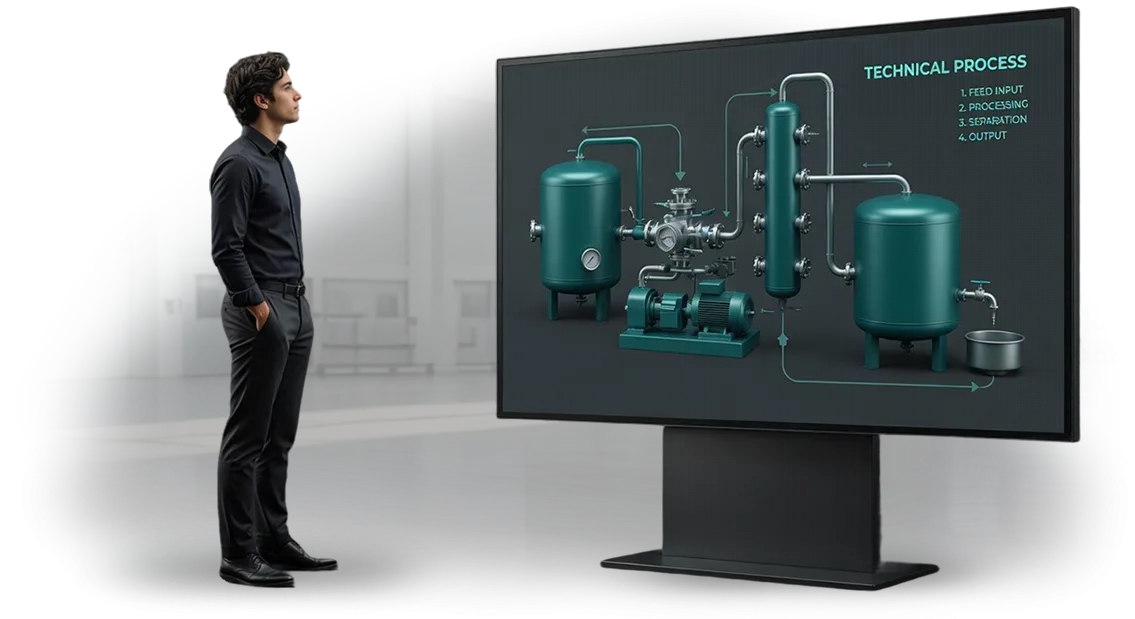
אנחנו פותרים את הבעיה הזו עם הוראות וידאו ויזואליות שמתרגמות כללים מורכבים לשפת תמונות ותרחישים. במקום טקסט יבש, העובד רואה את רצף הפעולות האמיתי, את ההשלכות של טעויות ואת האלגוריתמים הנכונים בתנועה.
הכשרה כזו מנצלת את היכולת האנושית הטבעית לזכור סיפורים ויזואליים, כך שהחומר נקלט מהר יותר ונשאר בזיכרון לאורך זמן.
זה לא רק תרגיל פורמלי של סימון וי על בטיחות. זה כלי שמפחית את הסבירות לתאונות, מקצר זמני השבתה ובונה תרבות של בטיחות מודעת בקרב הצוות.
בהשקעה בהוראות וידאו איכותיות, אתם מגנים על אנשים, ציוד ורווח — וגם מקבלים מערכת הכשרה ברורה לעובדים חדשים שקל להטמיע בכל סניף.
מה ההכשרה מספקת: משמעת, חיסכון ומוניטין
הכשרת בטיחות לעבודה עם לחץ הופכת לעיתים קרובות לקריאה פורמלית של הוראות. אבל מחיר הטעות הוא פציעות, השבתות סדנה וקנסות חמורים.
הוראות וידאו עם סימולציית CGI פותרות את הבעיה הזו: הן מדגימות בבירור פעולות נכונות ואת ההשלכות של הפרות ללא סיכון לאנשים.
חיסכון והגנה מפני סיכונים
תדרוך מובנה כהלכה מפחית את מספר ההפרות ומצבי החירום. פחות תקריות משמעותן פחות שעות השבתה ועלויות נמוכות יותר לחיסול השלכות. החברה נמנעת מקנסות, הוצאות משפטיות וזמן שאבד לחקירות.
משמעת ללא כפייה
עובדים קולטים כללים טוב יותר כשהם רואים מודל ריאלי של מצב מסוכן. רצף וידאו עם פירוט ופירוט תרחישים בונה יחס מודע לתקנות במקום פחד מעונש. הבנת קשרי סיבה ותוצאה יוצרת הרגל של עבודה בטוחה.
נאמנות ומוניטין
הדאגה לבטיחות מגבירה את אמון הצוות והופכת את החברה לאטרקטיבית יותר עבור מומחים מוסמכים. שותפים חיצוניים ומפקחים רואים גישה רצינית לבטיחות תעסוקתית, מה שמחזק את המוניטין של מעסיק אמין.
«אחרי המעבר לתדרוכי וידאו, מספר הפרות הבטיחות ירד פי שלושה», מציין מנהל הייצור ב-EnergoProm.
השקעות בחומרי הכשרה מודרניים משתלמות באמצעות הפחתת סיכונים, חיסכון בזמני השבתה ואחריות גדולה יותר של הצוות. הוראות וידאו קצרות, ברורות וריאליסטיות מביאות עובדים חדשים לקצב מהר יותר ותומכות ביציבות ארוכת הטווח של המיזם.
פורמטים של הוראת וידאו CGI לבטיחות בלחץ
כדי להבטיח בטיחות בעבודה עם לחץ, חלוקת תזכיר לעובדים אינה מספיקה. טעות עולה הרבה: זה סיכון לחיים, השבתה וקנסות. הוראות טקסט נשכחות במהירות, ואי אפשר לשחזר מצב חירום אמיתי לצורכי הדרכה.
לכן ההכשרה חייבת להיות ויזואלית, והתרחיש חייב להיות מחושב עד לפרט הקטן ביותר.
הוראות וידאו CGI מכסות את הצורך הזה. אנחנו יוצרים סרטונים שמראים כל פרט: איך פותחים שסתום, איפה מרכיבים מד לחץ, מה עושים במקרה של עליית לחץ. העובד רואה את התהליך דרך עיני המפעיל במקום לקרוא נקודות מופשטות. זו לא רק אנימציה — זה כלי מוכן לתדרוכים והסמכות.
הפורמט נבחר לפי המשימה והתקציב. הטבלה מציגה תרחישים אופייניים.
| פורמט | למי זה מיועד | מה זה נותן ללקוח |
|---|---|---|
| סרטון קצר (1–2 דקות) | לתזכורות שוטפות ותדרוכים מהירים | חשיפה גבוהה, קליטה קלה, עלות הפקה נמוכה |
| הוראת וידאו CGI (5–7 דקות) | להכשרת עובדים חדשים ובדיקות ידע מתוזמנות | שקיעה מלאה בתרחיש, שינון לאורך זמן של האלגוריתמים |
| סרט CGI מקיף (10+ דקות) | להסמכה, ניתוח תרחישי חירום ותקנים פנימיים | כיסוי מפורט של כל השלבים, מתאים למטרות בחינה |
| סדרת סרטונים קצרים | להכשרה שיטתית בכל התחומים הקשורים ללחץ | תוכנית אחידה במקום חומרים מפוזרים, חיסכון בצילומים חוזרים |
כל אחד מהפורמטים האלה נשאר רלוונטי לשנים: אפשר להציג אותו בתדרוכי היכרות, לכלול אותו בקורסים מרחוק ולחזור אליו בהכשרות רענון. אתם בוחרים את העומק והכיסוי, ואנחנו דואגים לתרחיש, לאנימציה ולהתאמה לתקנות שלכם.
איך אנחנו יוצרים הוראת וידאו: שלבי מפתח
יצירת הוראת וידאו היא פרויקט שבו הרצף חשוב. אם מדלגים על אישור תרחיש, יצטרכו לצלם מחדש את כל הסרטון. לכן בנינו תהליך שבו התוצאות נראות בכל שלב, וקבלן יחיד לוקח את המשימה מהבריף ועד ההשקה. זה חוסך את הזמן שלכם: אתם מאשרים אבני דרך מרכזיות במקום לשלוט בכל פעולה.
- בריף ואודיט. אנחנו לומדים את הוראות הבטיחות שלכם ומצבי עבודה אמיתיים כדי שהסרטון ישקף סיכונים בפועל.
- אישור תרחיש. אנחנו מפתחים את ההיגיון והתסריט; אתם מאשרים לפני הצילומים — זה מבטל תיקונים מיותרים.
- הכנה. אנחנו בוחרים מיקומים, דמויות וסגנון גרפי, תוך שימוש בציוד מקצועי לתמונה יציבה.
- צילום וגרפיקה. אנחנו מצלמים את הווידאו ומוסיפים אנימציית תלת-ממד לפרטים שאי אפשר להראות במתקן אמיתי.
- עריכה וקריינות. אנחנו מוסיפים טקסט קריין, כתוביות והדגשות ויזואליות על כללי בטיחות מרכזיים.
- תיקונים. אנחנו מציגים טיוטה, משלבים את ההערות שלכם ומאשרים את הגרסה הסופית.
- השקה ותמיכה. אנחנו מוסרים את הקבצים, עוזרים להעלות אותם למערכת ההכשרה ונשארים זמינים לעדכונים.
בסופו של דבר, אתם מקבלים הוראת וידאו מוכנה להכשרת עובדים. כל החומרים נשארים שלכם וניתן להשתמש בהם במערכת ניהול הלמידה שלכם או בפורטל פנימי. לוחות הזמנים ברורים מהיום הראשון, ובטיחות בלחץ הופכת לויזואלית ובלתי נשכחת.
מה כלול במסירה: חבילת הכשרה מלאה
אנחנו מבינים שהכשרה לעבודה בטוחה בלחץ לא יכולה להצטמצם ל"צפה בסרטון וחתם." לכן חבילת המסירה כוללת את כל מה שצריך להכשרה מלאה — מתרחיש ברור ועד חומרי הערכת ידע.
- תרחיש הכשרה. אנחנו מתארים שלבים לוגיים לעבודה בלחץ, תוך התחשבות בתקנות שלכם ובטעויות אופייניות של עובדים. התרחיש מאושר איתכם לפני תחילת ההפקה.
- גרפיקה ויזואלית. אנחנו מדמים דיאגרמות, רכיבים ותהליכים שקשה לתפוס במצלמה. העובד רואה מה קורה בתוך הציוד ואיך לפעול במצב חירום.
- עריכה מקצועית. אנחנו מרכיבים את החומר לסרטון אחד מגובש עם הדגשים נכונים: תשומת הלב של הצופה נשמרת על הנקודות המרכזיות, והפרטים לא הולכים לאיבוד.
- קובץ וידאו מוכן. אנחנו מספקים את הווידאו בפורמטים המתאימים למערכת ניהול הלמידה שלכם, למפגשים לא מקוונים ולתדרוכי רענון.
- חומרי הוראה למדריך. אנחנו מוסיפים המלצות למפגשים, שאלות חזרה ותבנית פרוטוקול — המדריך לא צריך להמציא שום דבר נוסף.
עם החבילה הזו, אתם מקבלים לא סרטון חד-פעמי אלא מערכת הכשרה עובדת. עובדים פועלים לפי תקן אחד, המדריך מתעד תוצאות, ובטיחות בלחץ מפסיקה להיות פורמליות.
מקרה בוחן: איך צמצמנו פציעות עבודה פי שלושה
עבור מתקנים שבהם עובדים עובדים עם לחץ, מחיר הטעות הוא לא קנס או השבתה — זה בריאות האדם והשבתת סדנה.
תקנות טקסט נסרקות במהירות: שפה מורכבת, מקרי חירום נדירים, התחושה ש"זה לא נוגע לי." פציעות קורות לפי אותם תרחישים, וכל מקרה עולה לעסק בהפסדים חמורים, השבתות וסיכון מוניטין.
ראינו את זה בפועל כשחברת ציוד תעשייתי גדולה — TechnoProm — פנתה אלינו. לחברה היו תדרוכי בטיחות סטנדרטיים, אבל סטטיסטיקת המיקרופציעות בעבודות לחץ לא השתפרה במשך שנים.
הצענו לא "מצגת נוספת" אלא סדרת הוראות וידאו CGI שבהן כל תרחיש — מהפעלת תחנת שאיבה ועד שחרור לחץ חירום — מוצג דרך עיני המפעיל.
למה זה עבד
העובד רואה לא נקודת הוראה מופשטת אלא רצף פעולות קונקרטי ואת התוצאה של שגיאה. המוח זוכר תמונות פי כמה מהר יותר מטקסט, כך שגם אלה שנהגו "לכבות" במהלך תדרוכים קולטים את החומר. הווידאו קובע תקן אחד: אין צורך להסתמך על הזיכרון של המדריך.
שנה לאחר מכן, החברה רשמה ירידה פי שלושה בפציעות ספציפית בתרחישים הקשורים ללחץ. מיקרופציעות כמעט נעלמו, וזמן תדרוך עובדים חדשים קוצר בחצי. מנהלי הסדנאות הפסיקו סוף סוף "לחזור על אותו דבר" בכל פעם.
כעבור שישה חודשים, הלקוח חזר לסדרת סרטונים חדשה לסדנאות שכנות. עבורנו, זה המדד המרכזי לערך: הוראות לא צוברות אבק בארכיון — הן באמת משנות התנהגות של אנשים ומגינות על בריאותם.
איך לבחור פורמט הוראת וידאו למשימה שלכם?
כשמדובר בהכשרת עובדים לעבודות לחץ, בחירת פורמט הוראת הווידאו משפיעה ישירות על התוצאה. צילום רגיל לא תמיד יכול להראות את התהליך מבפנים, ותקנות טקסט קשה לזכור.
עד כמה החומר מוצג בבהירות ובמובנות קובע כמה מהר נרכשות מיומנויות ואיך העובד מתנהג במצב אמיתי.
אין פתרון אוניברסלי: תדרוך למתחיל, הכשרת רענון, ניתוח חירום ובדיקות ידע פותרים כולם משימות שונות.
אחד צריך פירוט תלת-ממדי מפורט של ציוד ועקרונות פעולה; אחר צריך דגש על רצפי פעולה וטעויות אופייניות; שלישי צריך סרטון קצר שקל לרענן לפני משמרת. לכן אנחנו מתאימים את הפורמט למשימה הספציפית שלכם במקום למכור תבנית מוכנה.
הוראות וידאו CGI יעילות במיוחד לנושאים הקשורים ללחץ: הן מציגות בבטחה תרחישי חירום, מבנה פנימי של ציוד ופיזיקה של תהליכים ללא סיכון לאנשים או למכונות.
זה הופך את ההכשרה לויזואלית ומפחית את מספר השגיאות בעבודה. יתר על כן, קל לעדכן את הפורמט הזה — התקנות השתנו, מצלמים מחדש את הקטע הדרוש, וההכשרה עדכנית שוב.
איך אנחנו בוחרים את הפורמט? בהתחלה, אנחנו לומדים את המשימה שלכם: מי קהל היעד, כמה מורכב החומר, איזו תוצאה צפויה — הבנה, מיומנות או בקרת ידע.
בהתבסס על זה, אנחנו מציעים את אורך, רמת הפירוט והסגנון של הוראות הווידאו שישתלבו במערכת ההכשרה שלכם ויעבדו לקראת מדדים מדידים: פחות שגיאות, קליטה מהירה יותר וביטחון של עובדים בשמירה על תקנות.
כל פרויקט הוא אינדיבידואלי, וההחלטה הסופית מתקבלת תמיד יחד איתכם. אם אתם לא בטוחים איזה פורמט מתאים לכם, שלחו לנו את המשימה — נבחן אותה ונציע את האפשרות הטובה ביותר לדרישות, ללוחות הזמנים ולתקציב שלכם.
חששות נפוצים: תשובות לשאלות על תדרוכי וידאו
לפני הזמנת הוראת וידאו בטיחותית לעבודות לחץ, תמיד עולות שאלות: האם נעמוד בלוחות הזמנים, האם התקציב יתנפח, האם העובדים יבינו את החומר החדש. זה נורמלי — הכשרה חייבת לעבוד, והקבלן חייב להיות צפוי. אז אנחנו עונים על השאלות הנפוצות ביותר ישירות, בלי אותיות קטנות או תנאים נסתרים.
אנחנו עובדים רשמית, תחת חוזה, עם אומדן קבוע ולוחות זמנים. כל פרויקט מתחיל באישור תרחיש, סגנון ויזואלי ולוח הפקה. להלן תשובות לחששות העיקריים של לקוחות.
כמה זמן לוקח ליצור הוראת וידאו?
סרטון סטנדרטי לוקח 2–3 שבועות. אם התרחיש מורכב — עם הוספת סצנות מפורטות — אנחנו מוסיפים כמה ימים. לוח הזמנים קבוע בחוזה ומנוטר לפי אבני דרך: אתם תמיד יודעים באיזה שלב הפרויקט ומתי התוצאה תהיה מוכנה.
האם קשה לשלב הוראת וידאו בהכשרה?
לא. אפשר להציג את הווידאו בתדרוכים, לכלול אותו במערכת ניהול הלמידה או לשלוח לחשבונות האישיים של העובדים. אנחנו מספקים את הקובץ בפורמט נוח ומייעצים כיצד להגדיר אותו — הצוות שלכם לא יצטרך ידע מיוחד.
כמה עולה הפיתוח ומה קובע את המחיר?
העלות תלויה בהיקף התרחיש, במספר הסצנות המורכבות וברמת הפירוט הגרפי. לפני תחילת העבודה, אנחנו מכינים אומדן מפורט המפולח לפי שלבים וכוללים אותו בחוזה — הסכום הסופי לא ישתנה במהלך התהליך.
אילו ערבויות יש שהווידאו יעמוד בתקני הבטיחות?
אתם מקבלים את העבודה בשלבים: אתם מאשרים את התרחיש, את לוח התכנון ואת גרסת הטיוטה. אם נמצאו אי-דיוקים לאחר המסירה או שהתקנות השתנו, אנחנו מתקנים את הווידאו בחינם עד שיעמוד במלואו בדרישות העדכניות.
מה קורה אחרי מסירת הפרויקט? האם אתם תומכים בלקוחות?
כן, אנחנו נשארים בקשר אחרי ההשקה. אם יש לכם שאלות על תפעול, הגדרת נגינה או צורך בעדכון וידאו — פשוט צרו קשר, נעזור במהירות. עבורנו, שיתוף פעולה ארוך טווח חשוב יותר מהזמנה חד-פעמית.
הזמינו פיתוח הוראת וידאו וקבלו תרחיש ניסיון
עובדים קולטים כללי בטיחות טוב יותר כשהם רואים פעולות אמיתיות במקום לקרוא הוראה בת 40 עמודים.
הוראות וידאו קצרות לעבודות לחץ מפחיתות את הסיכון לשגיאות, מקצרות את זמן ההכשרה המקדימה ועוזרות להביא אדם חדש לקצב מהר — בלי להוריד אותו מהמשמרת או לבזבז על מדריכים נוספים.
התחילו עם הערכת עלות: שלחו לנו את המשימה, ואנחנו נציע פורמט, לוחות זמנים ותקציב לפרטים שלכם. להמחשה — קטע קצר של הוראת וידאו המבוסס על תהליך העבודה האמיתי שלכם. תראו את רמת הפירוט והסגנון לפני שהפרויקט המלא בכלל מתחיל.
כדי להזמין פיתוח הוראת וידאו, השאירו פנייה — בתשובה תקבלו:
- הערכת עלות למספר הסרטונים, משך ולוחות הזמנים שלכם.
- ייעוץ על פורמטים: אנימציית 2D, ויזואליזציית 3D או אפשרות משולבת.
- תרחיש ניסיון לאחת מהתקנות שלכם — ללא התחייבות.
- המלצות לשילוב הווידאו במערכת ההכשרה והערכת העובדים שלכם.
- תוכנית שלבים ברורה: מהבריף ועד הקבצים הסופיים.
- תשובות לשאלות על זכויות, קבצי מקור ותיקונים.
אנחנו עובדים מרחוק בכל הארץ, כל החומרים נשארים שלכם, ותרחיש הניסיון עוזר לכם להחליט ללא סיכון. השאירו פנייה לייעוץ — נבחן את המשימה שלכם ונציע פתרון שבאמת משפר את הבטיחות במפעל.