

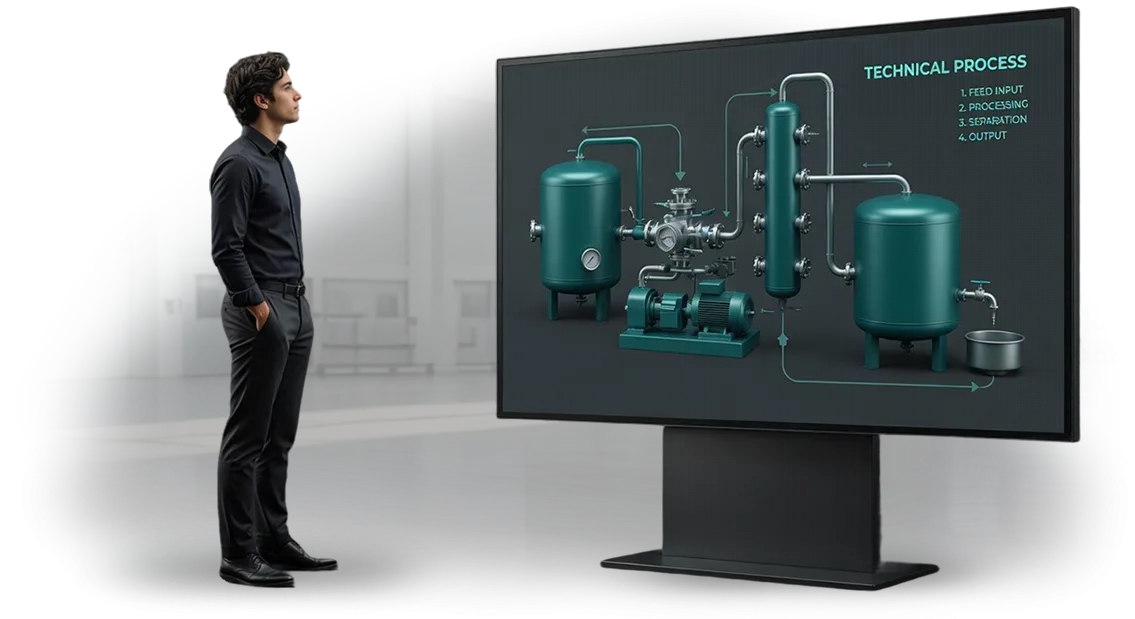
מדוע הוראות בטיחות בווידאו חיוניות בתעשיית התרופות
בייצור תרופות, המחיר של טעות גבוה במיוחד: הפרת תקנות מסכנת את בריאות העובדים, מובילה לדחיית אצוות ופוגעת במוניטין.
בטיחות בעבודה כאן אינה פורמליות אלא הבסיס לפעילות רציפה ולאמון מצד רשויות הרגולציה. תנועה שגויה אחת בטיפול בריאגנטים או שלב ניקוי שהוחמץ מספיקים כדי שהחברה כולה תחוש בהשלכות.
פורמטים מסורתיים—תדריכים, חוברות, מצגות—מעמיסים על העובדים מידע ואינם מצליחים להראות כיצד התהליך מתנהל בפועל. בדיקת ידע בצורת מבחן הופכת פעמים רבות ללחיצות כפתורים מכניות במקום להבנה של הנוהל.
כתוצאה מכך, הצוות פועל מזיכרון, כל אחד בדרכו שלו, והסבירות לסטיות עולה דווקא במצבי לחץ.
הוראות וידאו לתעשיית התרופות פותרות בעיה זו בדרך שונה מהותית. העובד רואה כל שלב בהקשר של בית חרושת אמיתי, עם דגש על נקודות קריטיות—מהכנת ביגוד מגן ועד כיבוי חירום של ציוד.
סוג כזה של הדרכת בטיחות מפעיל זיכרון חזותי ועוזר לעובדים לקלוט את רצף הפעולות הנכון מהר יותר מאשר קריאת הוראות.
עבור מנהל, משמעות הדבר היא תהליך מבוקר: כל העובדים פועלים לפי תקן אחיד ולא לפי ניסיון אישי. פחות שגיאות ייצור מקצצות ישירות בעלויות הקשורות לעיבוד חוזר, בזבוז חומרי גלם והשבתה.
יתרה מכך, חומר וידאו איכותי יכול לשמש בקלות להכשרה ראשונית של עובדים חדשים ולבדיקות ידע תקופתיות—מבלי להסיח את דעתם של המנטורים מעבודתם המרכזית.
חברות שמיישמות סרטונים כאלה מדווחות על מעורבות גבוהה יותר של עובדים והתנהגות בטוחה יותר במצבים חריגים. אנו לוקחים על עצמנו את כל המחזור: מניתוח תהליכי ייצור ועד הפקת סרטונים מוגמרים שהופכים לכלי בטיחות ברור בכל אתר.
מה הדרכת וידאו איכותית מעניקה לחברה
עובדים זוכרים לא את הטקסט של ההוראה אלא איך נראה הנוהל ומה קורה כשמשהו משתבש.
הדרכת וידאו איכותית הופכת תדריך פורמלי לתרחיש חזותי: העובד רואה את ההשלכות, מבין את רצף הפעולות וחוזר עליו בביטחון במצב אמיתי.
כתוצאה מכך, ההכשרה מפסיקה להיות תרגיל של סימון וי ומתחילה להשפיע על הבטיחות ויעילות העבודה.
מעורבות במקום תדריך משעמם
וידאו תופס תשומת לב טוב יותר משקופיות ומדריכים: תוך 5–10 דקות העובד מקבל תמונה מלאה של התהליך במקום נקודות בודדות. הגשה רגשית ומצבים ריאליסטיים יוצרים הד, כך שהחומר נדון ונזכר.
זה חשוב במיוחד בתעשיית התרופות, שבה טעויות יקרות והרצאה מונוטונית אינה יוצרת את רמת האחריות הנדרשת.
שימור נוהל והפחתת סיכונים
כשהוראה מציגה כל שלב וטעות אופיינית, תמונה חזותית של הפעולה הנכונה נשארת בזיכרון. העובד מדלג על שלבים פחות ומתנהג פחות באקראיות במצב חירום.
עבור החברה, זה מפחית ישירות תאונות, פגמים ותקריות—דברים שבתעשיית התרופות נמדדים לא רק בכסף אלא גם במוניטין.
תקן הכשרה אחיד בכל המחלקות
הוראות וידאו מציגות את אותו חומר לעובדים חדשים וותיקים, במשמרות ואתרים שונים. גם אם עובדים שונים מעבירים את התדריך, התוכן והדגשים אינם משתנים.
זה מסיר את בעיית "הגורם האנושי" מההכשרה: כל מומחה מקבל את אותו ידע מוכח, והמנהל בטוח בתוצאה.
נאמנות עובדים ואטרקטיביות המעסיק
דאגה לתהליך קליטה ברור ובטוח מראה שהחברה מעריכה את האנשים שלה. עובדים נוטים פחות לעזוב אחרי תקופת הניסיון, נקלטים מהר יותר ומדברים טוב יותר על המעסיק.
לאורך זמן, זה מחזק את מותג ה-HR: השוק רואה חברה שלא משאירה עולים חדשים לבד עם מדריך אלא באמת מאמנת אותם.
פורמטים של הוראות וידאו למשימות עסקיות שונות
אין פורמט אוניברסלי: מה שעובד טוב להיכרות עם ציוד אינו מתאים לתרגול נהלי חירום. בחירת הפורמט משפיעה ישירות על מהירות הלמידה ומספר הטעויות של עובדים חדשים.
אם נבחר לא נכון, אפילו וידאו איכותי לא יניב את התוצאה הרצויה—העובדים לא יבינו כיצד ליישם את הידע בפועל.
אנו מפיקים הוראות בשלושה פורמטים—צילום לייב, אנימציה ומודלים תלת-ממדיים. כדי לעזור לכם לבחור את האפשרות המתאימה למשימה שלכם, הנה השוואה לפי פרמטרים מרכזיים.
השוואת פורמטים של הוראות וידאו
| פורמט | משימות מתאימות | ערך לחברה |
|---|---|---|
| צילום לייב | תהליכים אמיתיים עם אנשים, עבודה עם ציוד ספציפי, נהלים סטנדרטיים | הכשרה מהירה ויזואלית ללא עצירת ייצור, פרטים מוכרים, עלות הפקה נמוכה |
| אנימציה | דיאגרמות לוגיות, אינטראקציות בין מחלקות, נהלים שלב-אחר-שלב עם ממשקים | הסבר ברור של חוקים מופשטים, דגש על פרטים חשובים, קל לעדכן כשמתרחשים שינויים |
| אנימציה תלת-ממדית והדמיה | מבנה פנימי של מנגנונים, תהליכים נסתרים, תרחישים מורכבים | הדמיה מלאה ללא סיכון לציוד, יכולת להראות מה שלא ניתן לצלם במצלמה, מעורבות גבוהה |
בכל פורמט אנו משתמשים בכלים מקצועיים ותרחישים מוכחים, כך שהתוצאה עקבית וברורה לעובדים בכל רמת מיומנות. לתוכניות מקיפות, אנו מוסיפים אלמנטים אינטראקטיביים: עובדים בוחרים תרחיש, עונים על שאלות ורואים מיד את הטעויות שלהם. גישה זו מאיצה הכשרת עובדים חדשים ומפחיתה את העומס על המנטורים.
כיצד אנו מפתחים הוראות בטיחות בווידאו לתעשיית התרופות
אנו עובדים בשקיפות כדי שתבינו את התהליך ותוכלו להשפיע על התוצאה. שלבי הפיתוח מוגדרים בתוכנית: לכל אחד יש לוח זמנים, אחראי ונקודת אישור.
זה הופך את הפקת הווידאו לצפויה—ללא עיכובים, תיקונים בלתי צפויים או "קופסאות שחורות".
- בריף וניתוח. אנו צוללים לתוך המשימה שלכם: בוחנים תקנות בטיחות בעבודה, תהליכים תפעוליים אמיתיים וטעויות אופייניות של עובדים. אנו מגדירים את הקהל והתרחישים כך שהווידאו יתייחס לסיכונים ספציפיים ולא יהיה פורמליות.
- תסריט הוראת הווידאו. אנו כותבים כל שלב בשפה פשוטה ומדגישים נקודות בטיחות קריטיות. אתם מקבלים טקסט מוכן לאישור על ידי מומחי משפט ובטיחות—התיקונים מהירים ונוחים.
- אישור ותיקונים. אנו מטמיעים משוב בשלב התסריט לפני תחילת ההפקה, כך שהשינויים מהירים וזולים. אתם מאשרים את הגרסה הסופית ואנו נצמדים אליה משם.
- הפקת וידאו. אנו יוצרים רצף ויזואלי מקצועי: אנימציה, אינפוגרפיקה, קריינות. אנו מדגישים פעולות מסוכנות כדי שעובדים יזכרו את הסדר הנכון.
- בקרת איכות. אנו בודקים את הווידאו מול התסריט, התקנות שלכם והדרישות של פלטפורמת הלמידה המקוונת. אנו מספקים קבצים סופיים בפורמטים הנדרשים—ללא עיבוד חוזר או הפתעות במהלך ההעלאה.
- השקת הכשרה ותמיכה. אנו עוזרים לשלב את הוראת הווידאו במערכת ההכשרה שלכם, להגדיר גישה ולעקוב אחר השלמות. אם התקנות משתנות, אנו מעדכנים את החומר במהירות ללא צילום מחדש של כל הפרויקט.
מה כלול בחבילת המסירה של הוראת וידאו
חבילת המסירה אינה רק קבצי וידאו; היא פתרון מלא להשקת הכשרת בטיחות תעסוקתית ובטיחות תרופות.
אתם מקבלים כל מה שצריך כדי ליישם הוראות וידאו ללא קבלנים נוספים או מפתחים פנימיים—מתסריטים ועד זכויות תוכן.
- הוראות וידאו מוכנות בפורמטים לכל מכשיר: מחשבים שולחניים, מחשבים ניידים, טאבלטים בבתי מלאכה ומעבדות. עובדים יכולים לצפות בחומר בכל מקום נוח ללא פגיעה באיכות.
- תסריטים ותמלילים לכל וידאו. הם יכולים לשמש כחומרי עזר, בסיס לשאלות מבחן ומדריכי עזר לעובדים חדשים.
- אינטגרציה עם ה-LMS שלכם—מערכת ניהול למידה. הסרטונים מועלים לממשק מוכר, מטלות הקורס נוצרות אוטומטית, ואתם רואים את ההתקדמות והתוצאות של כל עובד.
- המלצות מתודולוגיות למדריכים: כיצד לשלב הוראות וידאו בתוכנית ההכשרה הקיימת שלכם, אילו שאלות לדון אחרי הצפייה וכיצד להעריך הבנת חומר לפי תקני בטיחות תרופות.
- זכויות תוכן מועברות אליכם במלואן. אתם יכולים להשתמש בסרטונים ללא הגבלות זמן או טריטוריאליות, להתאים אותם לתקנות פנימיות ולעדכן אותם כשהתהליכים משתנים.
- תמיכה טכנית במהלך ההשקה: אנו עוזרים להגדיר גישה, לוודא תצוגה במכשירים שונים ולהכשיר מנהלי מערכת.
חבילה כזו מאפשרת לכם להשיק הכשרה תוך שבוע לאחר מסירת החומרים. אם כבר יש לכם מערכת ניהול למידה משלכם, נברר את דרישותיה מראש ונתאים את הסרטונים—כל מה שנותר לכם הוא להקצות את הקורס ולעקוב אחר ההשלמה.
דוגמה: כיצד עזרנו ליצרן להפחית טעויות עובדים
עבור יצרן תרופות, תקני בטיחות בתעשיית התרופות אינם פורמליות אלא הכרח. כל טעות של עובד מסכנת פגמים, בדיקות נוספות ובזבוז זמן.
הלקוח שלנו התמודד עם בעיה אופיינית: עובדים חדשים לקחו זמן רב עד שהגיעו לפרודוקטיביות מלאה, ועובדים ותיקים הפרו לפעמים תקנות. כל תקרית הייתה יקרה: הפעלות מחדש של קווי ייצור, בדיקות הנהלה, פעולות מתקנות.
ניגשנו למשימה באופן שיטתי. ניתחנו את התקנות, זיהינו 12 טעויות אופייניות ויצרנו סדרה של הוראות וידאו CGI שבהן כל פעולה מוצגת עד לפרט הקטן ביותר, עם דגש על נקודות קריטיות. עובדים לומדים בקצב שלהם, ומנטורים משוחררים משגרה.
תוצאות היישום
שישה חודשים לאחר השקת הכשרת הווידאו, מספר ההפרות ירד ב-40%, וזמן הקליטה קוצר בחצי. רוב העובדים עוברים הסמכה בניסיון הראשון, והפניות למנטורים ירדו בשליש.
כיצד נמדדה היעילות
היעילות נמדדה באמצעות נתונים אובייקטיביים: השווינו את מספר ההפרות, זמני ההכשרה ותוצאות המבחנים לפני ואחרי ההשקה. הלקוח קיבל דוח עם נתונים ספציפיים. אותם מדדים מקלים על חישוב ההחזר על ההשקעה בהכשרה.
בסופו של דבר, ההכשרה חדלה להיות פורמליות. הוראות הווידאו הפכו לכלי עבודה—עובדים מתייעצים איתן לפני פעולות מורכבות. עבור העסק, זה אומר פחות פגמים, ביטחון במהלך ביקורות ונתיב מהיר יותר לעובדים חדשים לפרודוקטיביות מלאה.
כיצד לבחור את פורמט הוראת הווידאו הנכון?
בחירת פורמט הוראת וידאו מתחילה לא בהעדפות המעצב אלא בשלוש שאלות: מה בדיוק צריך להיות על המסך, האם ניתן לצלם באתר ייצור פעיל, ומה התקציב שהוקצה להוראות וידאו השנה.
זה חשוב במיוחד בתעשיית התרופות, שבה יש אזורים נקיים, תקנות מחמירות ותהליכים שלא ניתן לעצור לצורך צילום. אין אפשרות אוניברסלית—רק זו האופטימלית למשימה שלכם.
צילום לייב מספק ריאליזם ואמון מקסימליים: עובדים רואים ציוד מוכר, עמיתים ותנאים אמיתיים, מה שמקל על יישום הכללים במשמרת שלהם. עם זאת, צילום לייב אורך מספר ימים, דורש אישורים באתר ויכול להסיח את דעת הצוות.
אם מדובר בהוראה סטנדרטית שניתן לצלם בחדר רגיל, זו הדרך המהירה והחסכונית ביותר.
אנימציה והדמיה תלת-ממדית נחוצות כשהתהליך לא ניתן לצילום במצלמה: זרימת אוויר באזור המילוי, פעולת מנגנונים פנימיים או התפתחות מצב חירום.
וידאו כזה נבנה מתרשימי התהליך שלכם ולא מצילומים, כך שהייצור לא נעצר. בנוסף, הדמיה תלת-ממדית יכולה להראות טעות והשלכותיה ללא סיכון אמיתי—זה בעל ערך מיוחד להוראות בטיחות בתעשיית התרופות.
הכלל המרכזי הוא לא לבחור בין צילום לאנימציה על סמך מה שנראה מרשים יותר.
השוו מורכבות הפקה, נגישות אתר ותקציב: ככל שהתהליך מסוכן ומורכב יותר, כך האנימציה הגיונית יותר; ככל שהפעולה פשוטה יותר והאתר נגיש יותר, כך צילום לייב הגיוני יותר.
אנו עוזרים לכם להחליט על הפורמט בשלב הבריף ושולחים דוגמה קטנה לפני תחילת הפיתוח המלא, כך שלא תסכנו את התקציב ותקבלו הוראה שעובדיכם באמת יבינו.
שאלות נפוצות על הזמנת הוראות וידאו
לקוחות שמכינים הוראות וידאו להכשרת בטיחות תרופות בפעם הראשונה שואלים לרוב על לוחות זמנים, תקציב וערבויות.
ריכזנו תשובות לשאלות המפתח כדי שתבינו את התהליך ותוכלו לתכנן את השקת ההכשרה ללא הפתעות.
כמה זמן לוקח לפתח הוראת וידאו?
פרויקט טיפוסי עם גרפיקה תלת-ממדית וקריינות אורך 3–5 שבועות, מאישור התסריט ועד הווידאו הסופי. אנו מציגים את לוח העבודה המדויק בחוזה ועומדים בו—אתם מקבלים חומרים מוגמרים עד התאריך הנדרש.
כיצד נקבע התקציב לפרויקט כזה?
ההערכה שקופה: היא כוללת כתיבת תסריט, מידול, קריינות, עריכה ותיקונים. אתם רואים מראש על מה אתם משלמים ולא תקבלו חשבוניות נוספות לאחר מסירת הפרויקט.
אילו ערבויות אתם מספקים ללקוח?
אנו מציינים לוחות זמנים, היקף עבודה וקריטריוני איכות בחוזה. אם וידאו לא עובר אישור פנימי מבחינת תוכן או איכות תמונה, אנו מבצעים תיקונים ללא עלות נוספת.
מה לגבי תמיכה לאחר מסירת הפרויקט?
אנו לא נעלמים לאחר מסירת הקבצים: אנו ממירים סרטונים לפורמטים הנדרשים, עוזרים להוסיף כתוביות או מקליטים מחדש קריינות אם דרישות ההכשרה משתנות.
באילו מכשירים ניתן להשתמש בסרטונים המוגמרים?
הסרטונים עובדים בפורטל הפנימי, בחדרי הכשרה, בטאבלטים ובאופן לא מקוון ללא גישה לאינטרנט. במידת הצורך, אנו מתאימים את החומרים לתהליך הסמכת העובדים.
דונו במשימה שלכם וקבלו הערכת פיתוח
ספרו לנו על המשימה שלכם, ואנו נציע פתרון שמתאים לתקציב וללוח הזמנים שלכם. בדיון של 10–15 דקות, נבין איזה פורמט הוראת וידאו מתאים לעובדים שלכם וכיצד להשיג את התוצאה הרצויה מהר יותר.
לאחר פנייתכם, תקבלו:
- ייעוץ עם מומחה להוראות וידאו להכשרה בתעשיית התרופות.
- הערכת עלות לפרויקט שלכם—ללא עמלות נסתרות או "הפתעות" בהערכה.
- דוגמאות לעבודותינו במגזר התרופות והייצור, כדי שתוכלו לראות את איכות הביצוע.
- תוכנית פרויקט עם שלבים ולוחות זמנים: מתסריט ועד סרטונים מוגמרים.
- רשימה ברורה של חומרי מקור ותחומי אחריות—מה אנחנו עושים ומה אנו צריכים מכם.
- המלצות על פורמט והיקף: סרטונים קצרים להכשרה, גרסאות מלאות להסמכה.
כך, עוד לפני ההתחלה, אתם מבינים את היקף העבודה, לוחות הזמנים והתוצאות. אין מורכבות טכנית מצידכם: אנו מכינים את התסריטים, מצלמים ויוצרים אנימציה תלת-ממדית בעצמנו—אתם מקבלים הוראות מוכנות שפשוט צריך להראות לעובדים.
אנו עובדים מרחוק, כך שנוכל לדון במשימה שלכם בזמן נוח—אין צורך לבקר במשרד או לנסוע. בשיחה אחת, תבינו איך ייראה הפרויקט, מה הוא כולל ואילו חומרים נצטרך מכם.
השאירו פנייה או כתבו לנו במסנג'ר—נכין הערכה ונשלח דוגמאות מעבודותינו. אתם יכולים להזמין הוראת וידאו כבר השבוע: פשוט תארו את המשימה במילים שלכם, ואנו נטפל בכל שלבי הפיתוח משם.