

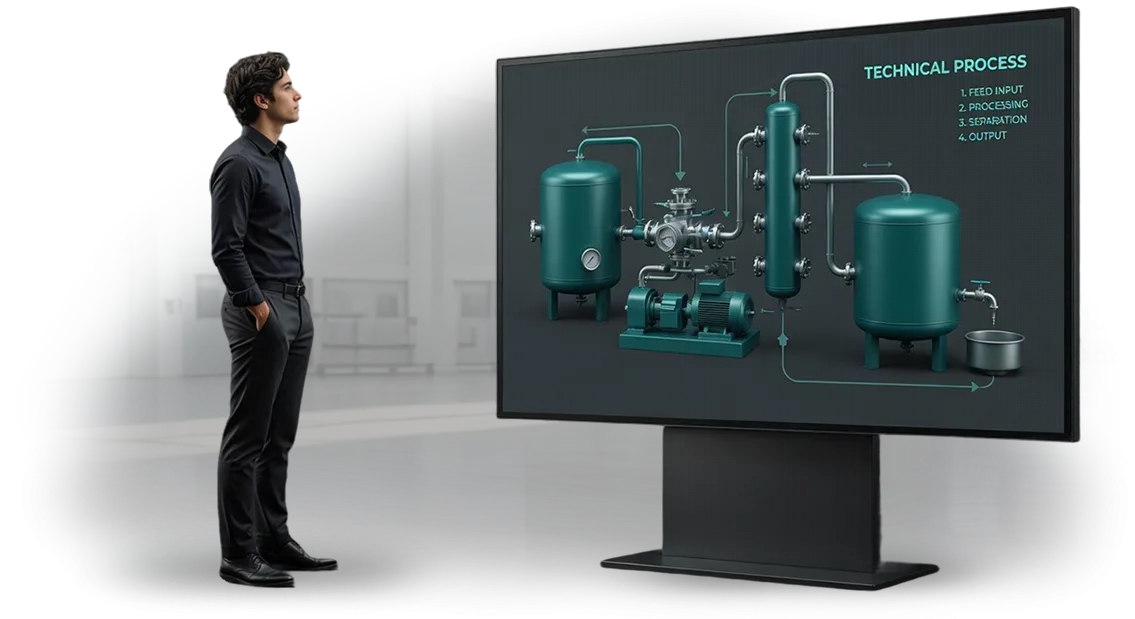
מדוע בטיחות במוסדות חינוך דורשת גישה מודרנית?
בטיחות במוסדות חינוך אינה סעיף פורמלי בתוכנית, אלא אזור של אחריות אמיתית. כל מצב — מפציעה בהפסקה ועד תקרית בקפיטריה או באולם הספורט — נופל על המנהל ועל הצוות שלו.
קנסות, בדיקות, הפסדים מוניטריים והכי חשוב — בריאות האנשים — הופכים הכשרה רצינית של הצוות להכרח.
הבעיה היא ששיטות קלאסיות — הנחיות טקסט, חתימות בפנקס, הרצאות בעל-פה — הפסיקו לעבוד. תשומת הלב של מבוגרים נודדת, ומשפטים מופשטים כמו "תהיו זהירים" אינם מעצבים פעולות נכונות.
עובד עובר את ההדרכה באופן פורמלי, אבל במצב אמיתי פועל על אוטופיילוט — ולעתים קרובות בצורה לא נכונה.
גישה מודרנית היא סרטוני הדרכה ויזואליים שמראים תרחישי "לפני" ו"אחרי": מה לעשות במקרה של שריפה, פינוי, עימות או פציעה. סרטוני CGI קצרים מדמים מצבים מסוכנים ללא סיכון לאנשים, תוך שמירה על תשומת הלב שלהם.
זו הסיבה שיותר ויותר מוסדות חינוך עוברים מתזכירים על נייר לחומרי וידאו: עובדים באמת זוכרים את האלגוריתם במקום רק לחתום על רשימת בדיקה.
זה לא על "טכנולוגיה לשם טכנולוגיה" אלא על תוצאות: פחות תקלות, בדיקות ללא לחץ, וביטחון של הצוות בפעולותיהם.
בצוות שלנו אנו מפתחים סרטוני הדרכת בטיחות ארגוניים שפותרים משימה זו — במהירות, בבהירות ומותאמים לפרטי המוסד שלכם. כל מה שנותר הוא לבחור תרחיש — אנחנו נטפל בתהליך משם.
מה תיתן הכשרת וידאו איכותית לצוות ולניהול?
הכשרת בטיחות בווידאו איכותית היא השקעה שמשתלמת לא בכסף אלא בשמירה על בריאות הצוות ושקט נפשי של המנהל.
בצוות שלנו אנו יוצרים סרטוני הדרכה כאלה למוסדות חינוך, והנה היתרונות שהם מביאים לקטגוריות שונות של לקוחות.
למנהל מוסד חינוכי:
- פחות הפרות ותקלות — עובדים רואים ויזואלית את ההשלכות של פעולות שגויות וזוכרים את האלגוריתם הנכון.
- שליטה בתהליך ההכשרה — המערכת מראה מי סיים את הקורס ומי רק התחיל, כך שאי אפשר "לשכוח" הדרכה.
- חיסכון בזמן למורים ומדריכים — עובדים חדשים לומדים את החומרים בעצמם, מבלי למשוך עמיתים מנוסים מהעבודה.
לעובדים:
- הצגה ברורה במקום מסמכים מופשטים — מצבים מדומים קרוב למציאות, כך שהמידע נקלט מהר יותר.
- תגובה בטוחה במצב חירום — דוגמאות ויזואליות מעובדות מהר יותר מקריאת טקסטים, כך שאדם פועל ללא פאניקה.
למוסד החינוכי בכללותו:
- תקן בטיחות אחיד — כל העובדים משתמשים באותם מונחים ויודעים את הנוהל המשותף, ללא קשר לניסיון ולתפקיד.
- כיסוי מלא של סניפים ללא נסיעות עסקים — חומרי וידאו מופצים מרחוק, וכל אחד משלים את ההכשרה בזמן נוח.
- פורמט מרתק — סרטונים דינמיים שומרים על תשומת לב טוב יותר מהרצאות, כך שהידע נשאר לאורך זמן.
גישה זו מפחיתה את העומס על מומחים ייעודיים ומעלה את רמת ההגנה הכוללת של המוסד החינוכי. והניהול מקבל את העיקר — פעולות צפויות של העובדים בכל מצב חירום.
פורמטים של סרטוני הדרכה למשימות שונות
הדרכות בטיחות במוסדות חינוך פותרות משימות שונות: חלקן מלמדות את אלגוריתם פינוי האש, אחרות מכסות עבודה עם ציוד, ואחרות פעולות במהלך איום.
הפורמט של סרטון ההדרכה משפיע ישירות על המהירות שבה עובדים זוכרים את הכללים ומיישמים אותם במצב מלחיץ.
אנו יוצרים סרטונים בשלושה פורמטים: דוגמנות CGI, אנימציה דו-ממדית וצילום לייב-אקשן. לכל אחד יש את החוזקות שלו. כדי שלא תצטרכו לנחש איזה מתאים, ריכזנו טבלת השוואה.
| פורמט | למי הוא מיועד | מה הלקוח מקבל |
|---|---|---|
| דוגמנות CGI | לתרחישים שבהם צילום במציאות מסוכן או בלתי אפשרי: שריפה, עשן, קריסת מבנה, עבודה עם חומרים מסוכנים | מציג את התהליך ויזואלית ובבטחה, ללא סיכון לעובדים או עלויות לדימוי חירום; מאפשר להראות את המבנה הפנימי של המתקן ואיומים נסתרים |
| אנימציה דו-ממדית | להנחיות על כללים ותקנות: פינוי, פעולות עם אות אזעקה, שימוש בציוד מגן | מפשטת כללים מופשטים, שומרת על תשומת לב ומאפשרת ביצוע שינויים בקלות כשההנחיות מתעדכנות — אין צורך בצילום מחדש של סצנות עם אנשים |
| צילום לייב-אקשן | להדגמת פעולות אמיתיות של עובדים באתר ספציפי: נוהלי סיור, שימוש במטף, אינטראקציה עם שירותים | בונה אמון, מראה חדרים מוכרים ועמיתים, נכנס להפקה במהירות ויוצר תחושת נוכחות |
תוצאה טובה נובעת לעתים קרובות משילוב פורמטים: דוגמנות CGI מראה מה קורה בתוך הבניין במהלך חירום, בעוד צילום לייב-אקשן לוכד את הפעולות הנכונות של אנשים. נעזור לכם לבחור את השילוב האופטימלי לתרחיש ולתקציב שלכם. כתבו לנו — נכין המלצת פורמט למשימות שלכם.
איך לבחור פורמט למוסדות חינוך שונים?
אין פורמט "נכון" אחד לכל מוסדות החינוך — וזה נורמלי.
בית ספר, מכללה ואוניברסיטה פותרים בעיות שונות: במקום אחד צריך להכיר לעובד את הכללים בפעם הראשונה, במקום אחר לתרגל פעולות במצב חירום, ובמקום שלישי לבדוק הבנה של החומר.
לכן אנו מתאימים את הפורמט לסוג המוסד, לקהל שלו ולתשתית, במקום להציע סרטון תבניתי.
כך זה נראה בפועל:
| סוג מוסד | מאפייני קהל | פורמט מתאים | מה הוא מספק |
|---|---|---|---|
| בתי ספר | עובדים במקצועות שונים: מורים, צוות טכני, אבטחה. פשטות ובהירות חשובות | סרטוני אנימציה קצרים עם עלילה ברורה ודגש על כללי מפתח | שינון מהיר, הסחה מינימלית מהעבודה, הבנה קלה גם ללא הכנה מיוחדת |
| מכללות | הרבה שיעורים מעשיים, סדנאות ומעבדות. עובדים עובדים עם ציוד | סרטונים המנתחים מצבים אמיתיים ומדגימים פעולות נכונות | העובד רואה בדיוק כיצד לפעול במקום העבודה שלו וחוזר על האלגוריתם ללא טעויות |
| אוניברסיטאות | צוות גדול, מבנים מרובים, תחלופה גבוהה בקרב צוות זוטר | סרטוני הדרכה מודולריים עם בדיקת ידע בסוף כל בלוק | אפשרות להכשיר עובדים חדשים במהירות ולוודא שהחומר אכן נקלט |
לאחר בחירת הפורמט, אנו מתאימים את הסרטון ליכולות הטכניות של המוסד: משך, אופן הצגה, זמינות קריינות וכתוביות.
לדוגמה, אם חלק מהעובדים עובדים בחדרים ללא גישה קבועה למחשב, נכין סרטונים למכשירים ניידים או לטאבלטים בכניסה.
העיקר — סרטון ההדרכה לא צריך לשבת כמשקל מת אלא באמת להפחית סיכונים ולפשט את ההכשרה.
לכן אנחנו תמיד מתחילים בניתוח המצב שלכם ומציעים פורמט שמתאים למוסד שלכם ספציפית, לא "אפשרות ממוצעת בשוק". פשוט תארו את המשימה — ואנחנו נציע את הפתרון האופטימלי.
שלבי פיתוח סרטוני הדרכה למוסד שלכם
כדי שסרטון הדרכת בטיחות באמת ישנה את התנהגות העובדים, צריך לעבור מרעיון לסרטון מוגמר ללא אישורים ועיכובים מיותרים.
בנינו רצף שקוף של שלבים — מבריף ועד השקה — שבו בכל שלב אתם מבינים מה קורה ושולטים בתוצאה.
- בריף וניתוח משימה. אנו מקיימים פגישה עם הצוות שלכם ולומדים את התקנות ואת הפרטים של המוסד. אנו קובעים אילו מצבים להראות: פינוי, פעולות במהלך שריפה, התנהגות במהלך איום — ולאיזה קהל.
- תסריט וסטוריבורד. אנו מתארים כל סצנה במילים ובאופן סכמטי. אתם רואים את מבנה הסרטון מראש, מבצעים תיקונים ומאשרים — בשלב זה, תיקונים עולים הכי פחות.
- דוגמנות תלת-ממד ומיקומים. אנו יוצרים עותקים דיגיטליים של הבניין, המסדרונות, המשרדים והעובדים שלכם. ההדרכה מתרחשת בסביבה מוכרת — זה משפר את הזיהוי והזכירה של פעולות נכונות.
- אנימציה והרכבת וידאו. אנו מחיים את הדמויות ומראים את רצף הפעולות הנכון. אנו מוסיפים הנחיות טקסט והדגשים כדי ששלבים חשובים לא יאבדו.
- קריינות ובדיקה טכנית. אנו מקליטים קול מקצועי, מסנכרנים אותו עם הסרטון ומגדירים כתוביות. אתם מקבלים טיוטת עבודה, ואנחנו מבצעים תיקונים עד שהיא תואמת לחלוטין לסטנדרטים שלכם.
- השקה ומסירה. אנו מספקים קבצים סופיים בפורמטים הנדרשים ועוזרים לשלב את הסרטון במערכת הלמידה מרחוק או להתאים אותו להצגה במהלך הדרכות. כל התיעוד וקבצי המקור נשארים אצלכם — תוכלו לעדכן את הסרטון כשהתקנות משתנות.
כל שלב לוקח זמן קבוע, ולוח הזמנים הכולל מוסכם לפני ההתחלה. אתם לא משלמים יותר מדי עבור איטרציות אינסופיות — כל התיקונים מובנים בתהליך.
התוצאה צפויה: עובדים מקבלים הדרכה ברורה, ומנהלים מקבלים אישור שהחומר נקלט ונמצא בשימוש בפועל.
מה כלול בחבילת המסירה של סרטון ההדרכה
אתם מקבלים לא רק סרטון מוגמר אלא ערכת חומרים עובדת המוכנה לשימוש מיידי בהכשרת צוות. בפנים — תסריט מחושב היטב, אנימציה ברורה, קריינות מקצועית וכל הקבצים הסופיים בפורמטים הנדרשים. להלן רשימת בדיקה מלאה של מה שכלול במסירה.
- תסריט — טקסט מפורט עם ההיגיון של כל סצנה והשורות. אתם רואים את מבנה ההדרכה מראש, מאשרים אותו לפני תחילת האנימציה ומבצעים תיקונים ללא עיבוד מחדש של הסרטון המוגמר.
- אנימציה — ויזואליזציה מוגמרת של פעולות העובדים: נוהלי פינוי, כללי התנהגות בחירום, טיפול במטף. הליכים מורכבים מוצגים עם ויזואליה ברורה במקום עמודים של טקסט.
- קריינות — הקלטה מקצועית של התסריט עם אינטונציות והפסקות נכונות. עובדים מקבלים מידע בשמיעה, וגם אם הם צופים בסרטון ללא קול — כתוביות מוטמעות בסרטון.
- עריכה — הרכבה סופית של סצנות, דגש על פעולות חשובות ותזמון מדויק. הסרטון מוכן מיד להצגה בפגישות, הדרכות או במערכת הלמידה מרחוק.
- קבצים סופיים — פורמטים מרובים למשימות שונות: לפורטל הפנימי, למצגות, לשליחה למכשירים אישיים. אתם לא קשורים למדיום יחיד ויכולים להשתמש בהנחיות כרצונכם.
- זכויות שימוש — אתם מקבלים רישיון תמידי לשימוש פנימי בהנחיות ללא הגבלה על מספר העובדים או ההפצה. כל החומרים נשארים אצלכם, ללא תנאים נסתרים.
כל הקבצים נמסרים בתיקייה אחת עם מבנה ושמות ברורים. במידת הצורך, נכין בנוסף תזכיר קצר לעובדים — כך שכדי להשיק את ההכשרה, תצטרכו רק לשלוח קישור לסרטון או להציג אותו בפגישה כללית.
מקרה בוחן: כיצד יצרנו הנחיות למרכז חינוכי
מקרה מאלף — המרכז החינוכי «אקדמיית הידע». הדרכות בטיחות במוסדות חינוך נערכו באמצעות תזכירים על נייר: עובדים הקשיבו פורמלית ותוך שבוע לא זכרו כיצד לפעול במהלך שריפה או פינוי. בדיקות של רשויות הפיקוח דרשו מכל מורה לדעת את האלגוריתמים בבירור.
כיצד בנינו את הפרויקט
החלפנו חלק מההדרכה הפרונטלית בסרטוני CGI קצרים. כל תרחיש נמשך 2–4 דקות והראה מצב ספציפי: שריפה במסדרון, ליווי ילדים ליציאת חירום, פעולות עם מציאת חפץ חשוד.
הסרטונים הוצבו בפלטפורמה הפנימית כדי שעובדים יוכלו לצפות בהם בזמן נוח ולחזור לקטעים מורכבים.
התוצאה עבור הלקוח
לאחר חודשיים, המרכז שיתף את המספרים: 180 עובדים השלימו הכשרה בכל התרחישים, הציון הממוצע במבחן הבקרה עלה מ-68% ל-92%, וזמן ההדרכה החובה ירד מ-45 דקות ל-12.
שאלות חוזרות על פעולות חירום בקו הפנימי הפכו נדירות יותר — עובדים פנו לסרטונים במקום לשאול עמיתים.
עבורנו, האישור העיקרי לפתרון היה הזמנה חוזרת: שישה חודשים לאחר מכן המרכז ביקש סרטונים מעודכנים על סיכונים עונתיים והוסיף אותם להכשרה השוטפת. סרטוני ההדרכה הפכו לא לפרויקט חד-פעמי אלא לכלי בטיחות קבוע.
שאלות נפוצות על פיתוח סרטוני הדרכה
לפני הזמנת סרטוני הדרכת בטיחות, לכל לקוח יש שאלות משלו: כמה זמן זה לוקח, כמה זה עולה, אילו ערבויות יש. כאן אנו עונים על החששות העיקריים כדי שההחלטה לשתף פעולה תתקבל בביטחון.
כמה זמן לוקח פיתוח סרטון הדרכה?
סרטון טיפוסי של 2–3 דקות מוכן תוך שבועיים. אם צריך להראות כמה תרחישי פינוי או לערב מבנים שונים, לוח הזמנים יתארך — אבל המועד הסופי תמיד קבוע בחוזה. אתם יודעים את תאריך המסירה מראש ויכולים לתכנן את הכשרת הצוות.
ממה מורכב התקציב?
העלות תלויה במספר התרחישים, משך הסרטון ופירוט הגרפיקה. לאחר בריף קצר, אנו מחשבים אומדן — אתם מקבלים נתון מדויק לפני תחילת העבודה, ללא תשלומים נסתרים. התשלום הוא בשלבים, כך שאתם שולטים בתהליך ולא משלמים על מה שעדיין לא מוכן.
אילו ערבויות אתם מספקים?
אנו עובדים על פי חוזה ואחראים על התסריט, הגרפיקה, הקריינות והעריכה. אם יש אי-דיוקים בסרטון או שתרצו לשנות דגש, אנו מבצעים תיקונים עד לאישור מלא. אנו מוסרים קבצים סופיים בפורמט שניתן להשתמש בו מיד במערכת ההכשרה.
מה קורה לאחר מסירת הפרויקט?
אנו נשארים בקשר: אם התקנות משתנות או נדרש תרחיש חדש, נעזור לעדכן את הסרטון. כך הסרטון לא מתיישן וממשיך לעבוד למען בטיחות המוסד שלכם, ואינכם צריכים לחפש קבלן חדש.
דונו איתנו במשימות המוסד שלכם
הבטיחות של עובדים ותלמידים היא תחום אחריות שאין בו מקום לאלתור. אפילו ההנחיות המפורטות ביותר הולכות לאיבוד בין ניירות, והדרכות פתיחה נשכחות תוך שבוע.
אנו מציעים להתחיל בשיחה קצרה על המוסד שלכם — לאחר מכן, תבינו כיצד להפוך את ההכשרה לתהליך ברור ועובד.
התקשרו או כתבו לנו — נסביר כיצד אנו עובדים ונכין אומדן ראשוני למשימות שלכם. הנה מה שתקבלו לאחר הפנייה הראשונה שלכם:
- ייעוץ עם מומחה לחומרי חינוך — ננתח את המצב שלכם ונייעץ אילו סרטוני הדרכה אתם באמת צריכים.
- חישוב עלות להיקף שלכם — ללא תוספות נסתרות, עם לוחות זמנים ושלבים ברורים.
- גישה אישית — תרחישים וצילומים מותאמים לפרטי המוסד שלכם, לא לקוחים מתבנית.
- תמיכה בכל השלבים — מבריף ועד גרסה סופית, אתם עובדים עם מנהל אחד.
- חבילה מוכנה לבדיקות ולהכשרה — סרטונים מובנים שקל לשלב במערך ההדרכה.
- אפשרות לשיפורים ועדכונים — אם הכללים משתנים, ניתן להשלים את הסרטונים.
נדון במשימות המוסד שלכם? צרו קשר — נענה על שאלותיכם, נתווה את לוח הזמנים ונעשה את הצעד הראשון לשקט נפשי בנושא הבטיחות.