

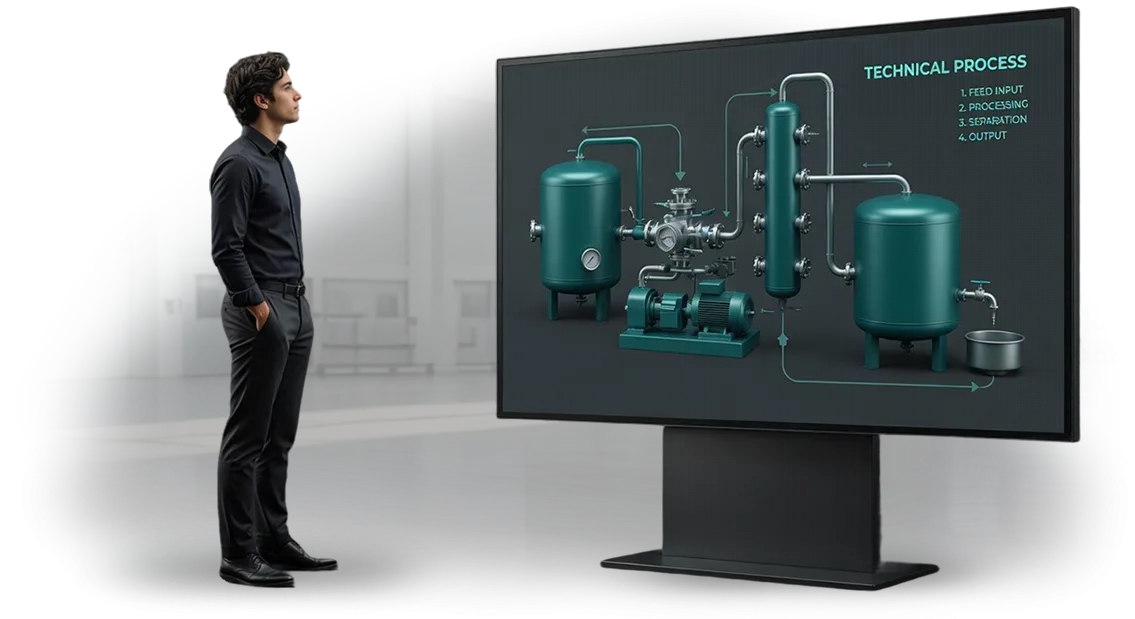
מדוע עובדים מפרים את כללי הבטיחות הביולוגית וכיצד לתקן זאת
בכל יום במפעל, עובדים מפרים את כללי הבטיחות הביולוגית: הם לא מחליפים כפפות, מדלגים על טיפול בציוד, ומזניחים אמצעי הגנה.
לרוב זה קורה לא מתוך כוונה רעה, אלא בגלל חיפזון, הרגלים ותיקים, וחוסר הבנה למה דבר קטן כזה יכול להוביל.
הפרה אחת יכולה לעצור את הייצור, לגרום לזיהום של אצווה, או לסכן את בריאות האנשים. התקנות כתובות על הנייר, אבל בעבודה האמיתית הכללים מיטשטשים, וכל עובד מפרש אותם בדרכו שלו.
הדרכות סטנדרטיות ותזכירים טקסטואליים לא פותרים את הבעיה: הם מתארים את התהליך באופן מופשט ולא מראים את הסכנה שבטעות.
העובד מקשיב, מהנהן, ושעה לאחר מכן עובד כמו קודם, כי המוח לא יצר את הקשר הדרוש בין פעולה לתוצאה.
הדרכות וידאו חזותיות עוזרות לתקן את המצב הזה — כל כלל מוצג במקום עבודה אמיתי: איך להתכונן כראוי, לטפל במשטחים, ולפנות פסולת.
העובד רואה לא רק את האלגוריתם הנכון, אלא גם מה קורה כשהוא מופר — כך המידע נזכר והופך להרגל.
אנחנו מפתחים הדרכות וידאו כאלה עבור מפעלים: אנו לומדים את התקנות שלכם, מצלמים תרחישים ברורים, ואורזים אותם לסרטוני הדרכה קצרים. כתוצאה מכך, עובדים מפרים פחות את כללי הבטיחות הביולוגית, ומנהלים מקבלים כלי שבאמת משנה התנהגות על רצפת הייצור.
מה הדרכת וידאו איכותית תיתן למפעל שלכם
הדרכת וידאו איכותית הופכת תקנות מורכבות לתרחיש ברור שהעובד קולט בצפייה אחת.
במקום עשרות עמודים של טקסט — דוגמה חזותית לפעולות נכונות: העובד רואה כל שלב, זוכר את הרצף, ומבין למה חשוב לבצע אותו בדיוק כך.
זה מפחית ישירות את מספר הטעויות וההפרות, במיוחד בענייני בטיחות ביולוגית, שבהם מחיר הרשלנות הוא בריאות האנשים ומוניטין המפעל.
הדרכה בווידאו חשובה במיוחד לקליטת עובדים חדשים. עובד חדש משתלב בתהליך העבודה מהר יותר כי הוא מקבל מודל התנהגות מוכן במקום תיאוריה מופשטת.
מנהל לא צריך לבזבז ימים על פיקוח אישי — ההדרכה לוקחת על עצמה חלק משמעותי מההכשרה הראשונית. כתוצאה מכך, העובד החדש מתחיל לעבוד באופן עצמאי מהר יותר, והסיכון לטעויות בשבועות הראשונים יורד באופן ניכר.
קורס וידאו אחיד עוזר גם לאזן את ההכשרה של כל הצוות. כל העובדים רואים את אותו רצף פעולות נכון, כך שנקבע במפעל תקן עבודה משותף.
זה חשוב במיוחד במתקני ייצור שבהם בטיחות ביולוגית היא קריטית: כל עובד יודע איך לפעול במצב חירום ועושה זאת בביטחון.
לבסוף, הדרכה בפורמט וידאו קלה להרחבה ולחזרה. עובד יכול לחזור על ההדרכה לפני תחילת משמרת או אחרי הפסקה ארוכה — זה שומר על רמת מודעות גבוהה ללא עלויות נוספות לארגון מפגשים.
עבור המנהל, זה אומר סיכונים מופחתים; עבור הצוות, ביטחון בפעולותיהם; עבור העסק, יציבות והגנה על הייצור.
פורמטים של הדרכות וידאו ארגוניות למשימות שונות
הדרכות וידאו עובדות רק כשהפורמט תואם למשימה. הדרכה ראשונית היא דבר אחד, בדיקות ידע תקופתיות הן דבר אחר, ותהליך ייצור מורכב דורש פירוט שלב אחר שלב.
אם ניגשים לבחירת הפורמט באופן פורמלי, העובדים לא יפנימו את החומר, והעסק יישאר עם סיכונים.
להלן טבלת השוואה של הפורמטים שאנו משתמשים בהם בפיתוח הדרכות וידאו CGI. היא עוזרת להבין איזו אפשרות פותרת משימה ספציפית: להאיץ קליטה, לבדוק ידע, או לעבור על תהליך מסוכן ללא סיכון לעובד חדש.
| פורמט | למי | מה זה נותן ללקוח |
|---|---|---|
| סרטון קצר, 2-3 דקות | עובדים חדשים בהדרכה ראשונית | התעמקות מהירה בכללי הבטיחות הביולוגית הבסיסיים מבלי לבזבז זמן עבודה |
| וידאו עם שאלות והפסקות | לבדיקות ידע תקופתיות | בקרה על הבנת החומר, תיעוד אוטומטי של תוצאות |
| הדרכה מפורטת שלב אחר שלב | לתהליכים מורכבים ומסוכנים | אלגוריתם פעולות ברור, הפחתת טעויות ומצבי סיכון לפציעות |
אנחנו מפתחים הדרכות וידאו לכל אחד מהתרחישים האלה: אנו מכינים את התסריט, יוצרים סטוריבורד, מקליטים קריינות ועורכים את הווידאו. אתם מקבלים חבילה שמשתלבת במערכת ההדרכה שלכם ועובדת מיד לאחר ההשקה.
אם אתם לא בטוחים איזה פורמט מתאים לכם ביותר, נעזור לכם לבחור בהתאם למאפייני הייצור שלכם.
כיצד אנו מפתחים הדרכות וידאו לבטיחות ביולוגית
תהליך הפיתוח בנוי כך שתבינו בכל שלב מה קורה ובעבור מה אתם משלמים. אין "קופסאות שחורות" — רק שלבים ברורים, לוחות זמנים מוגדרים, ותוצאה שעובדים באמת צופים בה ומיישמים.
-
בריף והתעמקות במשימה. אנו לומדים את תקנות הבטיחות הביולוגית שלכם, טעויות אופייניות של הצוות, ודרישות התעשייה שלכם. בשלב זה, אנו קובעים אילו פעולות חשוב ביותר להראות קודם.
-
תסריט הדרכת הווידאו. בהתבסס על המסמכים שלכם, אנו כותבים תסריט — ברור ותמציתי, ללא תיאוריה מיותרת. אנו מפרקים כל שלב לפרקים קצרים כדי שהעובד יוכל לזכור בקלות את רצף הפעולות.
-
אישור התסריט. אתם מראים את התסריט לטכנולוגים ולמומחי בטיחות בעבודה — ואנחנו מבצעים תיקונים יחד. כך אנו מבטלים שגיאות לפני הצילומים, כשהתיקון זול ומהיר.
-
צילום או גרפיקה תלת-ממדית. בהתאם לנושא, אנו בוחרים את הפורמט: צילום חי באתר הייצור שלכם או גרפיקה תלת-ממדית מפורטת לתהליכים שקשה או מסוכן לצלם. זה תמיד ציוד מקצועי, כך שהתמונה נראית נקייה ומרשימה.
-
גרסה ראשונית. אנו מראים לכם את החומר המוגמר לפני העריכה הסופית. אתם בודקים התאמה לתקנות, ואם צריך, מבקשים לשנות דגשים, להוסיף כתוביות או להחליף פרקים.
-
וידאו סופי וקריינות. אנו מאחדים את כל התיקונים, מוסיפים קריינות מקצועית וכתוביות. הווידאו יוצא אחיד: העובד רואה את רצף הפעולות הנכון ושומע את ההסברים.
-
השקה למערכת ההדרכה. אנו מספקים קבצים בפורמטים הנדרשים ועוזרים להטמיע את הדרכת הווידאו במערכת ה-LMS או במרכז ההדרכה שלכם. אנו מארגנים צפיית ניסיון עם עובדים אמיתיים ומתקנים את החומר במידת הצורך.
תהליך זה מאפשר לכם לקבל הדרכת וידאו לבטיחות ביולוגית ללא פספוס מועדים ועבודות חוזרות אינסופיות. אתם תמיד יודעים באיזה שלב נמצא הפרויקט ורואים את התוצאה לפני שהיא נכנסת להדרכה.
מה כלול בחבילת הדרכת הווידאו המוכנה
החבילה המוכנה היא לא רק קבצי וידאו, אלא פתרון שניתן להטמיע בהדרכה מהיום הראשון. אנו מרכיבים אותה עבור מערכת ניהול הלמידה והתקנות הפנימיות שלכם, כך שהעובדים מתחילים לעבוד לפי הכללים החדשים ללא התחלה איטית.
החבילה כוללת:
- הדרכות וידאו סופיות באיכות ובפורמט הנדרשים — לכל מכשיר ופלטפורמה, כולל מחשבי עבודה וטאבלטים בסדנאות או במשרדים.
- גרסאות למערכת ההדרכה: מודולים קצרים שנטענים כקורס ונפתחים ישירות בפורטל הפנימי של העובד.
- פירוט סצנות וכתוביות — נוח לסקירת פעולות מורכבות והתאמת החומר לעובדים עם רמות הכשרה שונות.
- כרטיס עזר לעובד: הוראה קצרה עם שלבים מרכזיים ורשימת בדיקה לעבודה בטוחה לסקירה לאחר הצפייה.
- מדריך הטמעה: באיזה סדר להראות את הסרטונים, איך לחזק את החומר, ואילו מטלות להוסיף כדי שההדרכה תיתן תוצאות מדידות.
- נוהל עדכון: איך להחליף במהירות סצנות מיושנות כשהתהליך הטכנולוגי או דרישות הבטיחות הביולוגית משתנים.
כל זה נארז בערכת מסירה אחת: אנו מוסרים את הסרטונים המוגמרים, חומרי המקור ומדריך מנהל קצר.
אתם מקבלים לא "וידאו לראווה", אלא כלי עבודה — עובדים רואים פעולות קונקרטיות, ומנהלים מבינים שהחומר באמת מגיע לכולם.
מקרה בוחן: הפחתת הפרות לאחר הטמעת הדרכות וידאו תלת-ממדיות
הדרכות בטיחות ביולוגית נשארות לעתים קרובות פורמליות: עובדים צופים במצגות, אבל בעבודה האמיתית הם פועלים מתוך הרגל. התוצאה היא הפרות שעולות לחברה במוניטין, קנסות ובריאות הצוות.
החלטנו לבדוק האם הדרכה תלת-ממדית יכולה לשנות התנהגות ולא רק "לסמן וי" ביומן ההדרכות.
עבור חברת תרופות גדולה, פיתחנו סדרה של הדרכות וידאו CGI על תקנות הבטיחות הביולוגית המרכזיות.
במקום טקסטים יבשים, העובדים ראו תרחישי פעולה מדויקים בסדנה: איך לבלום דליפה, באיזה סדר להוריד חליפת מגן, מה לעשות בזמן אזעקת חירום.
תוצאה: פחות הפרות, משמעת גבוהה יותר
שלושה חודשים לאחר ההטמעה, מספר ההפרות המתועדות של התקנות ירד ב-40%. בדיקות בקרה הראו שעובדים החלו לדלג פחות על שלבי חובה בהליכים — במיוחד במצבי לחץ שבהם בעבר פעלו באקראי.
מהירות הבנת החומר השתנתה גם היא. בעוד שלמידת הוראה אחת ארכה בערך שעה, עם וידאו תלת-ממדי זה לוקח עכשיו 15-20 דקות.
במקביל, תוצאות המבחנים הסופיים השתפרו: עובדים ענו בצורה מדויקת יותר על שאלות לגבי רצף הפעולות במצבי חירום.
מחלקת הייצור ציינה גם אפקט עקיף: עובדים חדשים השתלבו בתהליך מהר יותר. ההדרכות החזותיות צמצמו את הזמן שמנטורים הקדישו להסברת כללים בסיסיים, ותחלופת העובדים בחודשים הראשונים לעבודה כבר לא הייתה קשורה לפחד מטעויות.
שישה חודשים לאחר מכן, החברה הזמינה קבוצה שנייה של סרטונים — הפעם עבור אזורי ייצור סמוכים.
מקרה זה מאשר: כשעובד רואה את התהליך במו עיניו, הוא זוכר את האלגוריתם הנכון ומיישם אותו בעבודה. הדרכות תלת-ממדיות אינן תחליף לתקנות, אלא דרך להפוך את דרישות הבטיחות הביולוגית למובנות, חזותיות וברות השגה.
איך לבחור את הפורמט הנכון להדרכות וידאו?
בחירת פורמט היא לא עניין של העדפה, אלא עניין של משימות: מה בדיוק העובדים צריכים להבין ומהי רמת המורכבות של ההליך.
להוראה סטנדרטית, רצף וידאו פשוט עם הסברים מספיק, אבל לעבודה עם חומרים מסוכנים, נדרשת הדמיה מפורטת של כל פעולה.
כאן אנימציית CGI לבטיחות ביולוגית מספקת ערך מקסימלי: היא מציגה את התהליך ללא הסחות דעת או פרטים מיותרים, ומדגישה שלבים קריטיים.
הדבר הראשון שצריך לשים לב אליו הוא המורכבות והסיכונים של ההליך. אם טעות של עובד יכולה להוביל לזיהום או להפרת תקנים, חיסכון באיכות אינו הגיוני.
הדרכת וידאו CGI מאפשרת ללכוד את רצף הפעולות המדויק ולהראות תהליכים פנימיים (למשל, תנועת וירוסים) שאי אפשר לראות במצלמה רגילה. זה משפר את הזיכרון ומפחית את מספר הטעויות.
הקריטריון השני הוא הקהל שלכם ותדירות ההדרכות. אם אתם צריכים להכשיר עשרות או מאות עובדים ולעדכן את החומר מעת לעת, עדיף לבחור פורמט שקל לשנות.
אנימציית CGI מודולרית מפרקת את ההוראה לבלוקים קצרים: קל יותר לעדכן כשהתקנות משתנות ונוח יותר לבדוק עד כמה העובדים הפנימו את החומר.
לבסוף, התקציב משחק תפקיד מכריע. אבל כאן חשוב לא לחסוך על חשבון הבטיחות: אפילו אנימציית CGI קטנה של שלבים מרכזיים תעלה פחות מההשלכות של פעולות שגויות.
תרחיש שקוף והגדרת משימה ברורה עוזרים להישאר במסגרת התקציב מבלי לאבד איכות.
אנחנו מפתחים הדרכות וידאו כבר 10 שנים, ובתחילת כל פרויקט אנו מבצעים ניתוח משימות כדי להציע פורמט שיביא תוצאות בעלות מתאימה.
אתם מקבלים לא "וידאו לשם וידאו", אלא כלי עבודה להגדלת כשירות העובדים והפחתת סיכונים.
שאלות נפוצות על הטמעת סרטוני הדרכה
כל פתרון חדש מעלה שאלות: האם הוא ישתלב בתהליכים הנוכחיים, כמה זמן ייקח, ואיך מעדכנים את החומר. אנו עונים על הנפוצות ביותר — כדי שתראו שהטמעת הדרכות וידאו היא פשוטה וצפויה.
כמה מהר אפשר להשיק הדרכה?
לוחות הזמנים תלויים במורכבות התסריט ובסוג ההוראה. פרויקט סטנדרטי אורך 2-4 שבועות: אנו מכינים את התסריט, מאשרים אותו אתכם, יוצרים את רצף הווידאו ועורכים את הסרטון. לאחר אישור הבריף, אתם מקבלים את הדרכת הווידאו המוגמרת תוך שבועיים.
האם קשה לשלב הדרכות וידאו בהדרכה הקיימת?
לא. ניתן להשתמש בווידאו כקורס עצמאי, להטמיע אותו במערכת ניהול למידה, או להציג אותו באסיפה כללית. אנו מספקים קבצים בפורמטים נפוצים שנפתחים בכל מכשיר — ממחשב עבודה ועד סמארטפון. כדי להשיק, פשוט שולחים קישור או מעלים את הקובץ למערכת ההדרכה שלכם.
מה קורה כשהכללים או התהליכים משתנים?
הדרכות וידאו קלות לעדכון: אנו שומרים את חומרי המקור ומבצעים תיקונים תוך מספר ימי עבודה. אין צורך לצלם הכל מחדש — פשוט מחליפים את הבלוק ששונה.
זה חשוב במיוחד כשמופיעות דרישות בטיחות ביולוגית חדשות: אנו משחררים גרסה מעודכנת במהירות ומספקים אותה לכם להחלפה.
באיזו תדירות יש לסקור הדרכות וידאו?
אנו ממליצים על סקירה פעם בשנה או עם כל שינוי משמעותי בתקנות. אנחנו יכולים לקחת את זה על עצמנו: ליצור תוכנית עדכון, לעקוב אחר שינויים בענף שלכם, ולשמור על חומרים עדכניים בזמן. כך, העובדים תמיד פועלים לפי הדרישות העדכניות, ואתם לא מבזבזים זמן על פיקוח.
הזמינו פיתוח הדרכת וידאו לייצור שלכם
השקיעו בבטיחות הייצור שלכם — הזמינו פיתוח של הדרכות וידאו ארגוניות לבטיחות ביולוגית. אנו יוצרים סרטוני פורמט CGI שמובנים לכל עובד ומשלבים את החבילה המוגמרת במערכת ההדרכה שלכם.
לאחר ההזמנה, אתם מקבלים הדרכות וידאו המותאמות לתקנות ולציוד שלכם, מבלי להוציא עובדים מהעבודה. אנו מתחילים את הפרויקט מיד לאחר אישור הבריף — תוצאות ראשוניות תוך שבועיים.
מה כלול בהזמנה:
- פיתוח תסריט וטקסטים תוך התחשבות בתקנות הפנימיות ובדרישות הבטיחות הביולוגית שלכם;
- הדמיה מקצועית בתלת-ממד (CGI) של תהליכים מרכזיים — מאלגוריתמים סטנדרטיים ועד מצבי חירום;
- התאמת החומר לקטגוריות עובדים שונות, כולל חדשים וצוות מנוסה;
- שילוב הסרטונים במערכת ניהול הלמידה שלכם — השקת קורס ללא עבודה נוספת;
- תמיכה טכנית ועדכון ההדרכות כשהתקנות משתנות.
כבר השלמנו יותר מ-50 פרויקטים עבור מפעלי מזון, כימיה ותרופות. לקוחות מדווחים על הפחתת הפרות והאצה כפולה של הדרכת קליטה.
קבלו הערכת עלות ראשונית ותוכנית ייצור תוך יום עבודה אחד — פשוט השאירו בקשה או בקשו שיחת חוזר. המומחה שלנו יענה על השאלות שלכם, יבהיר את הפרטים, ויציע פתרון שמתאים לתקציב שלכם.
השאירו בקשה לייעוץ כדי לדון במשימות שלכם ולחשב במדויק את עלות פיתוח הדרכות הווידאו לייצור שלכם.