

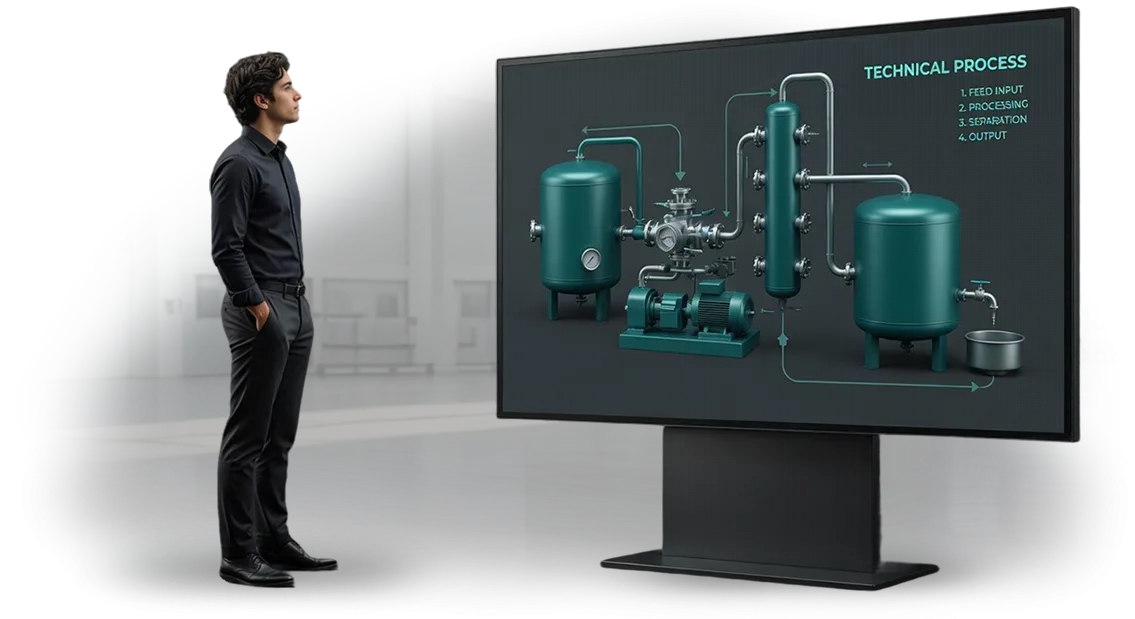
בטיחות חשמל לעובדים: למה הדרכות פרונטליות לא עובדות
בטיחות חשמל היא תחום שבו גישה פורמלית עולה הכי הרבה. הדרכה מסתכמת בהרצאה, חתימה בפנקס ומבחן שאפשר להעתיק.
שבוע לאחר מכן, העובדים כבר לא זוכרים איך לפעול במקרה של קצר חשמלי או ריח של שריפה, והסיכון לפציעה לא נעלם.
ההשלכות אינן רק על בריאות האנשים. השבתות של אזורי עבודה, החמצת מועדים, קנסות וחקירות של רשויות פיקוח, עליית פרמיות ביטוח. המנהל משלם פעמיים: פעם אחת על הדרכה שלא עובדת, ופעם שנייה על הטיפול בהשלכות.
פורמט הווידאו משנה את עצם מהות ההכשרה. במקום חוקים מופשטים — מצבים מדומים שהעובד רואה דרך עיניו של משתתף.
סרטוני וידאו קצרים על בטיחות חשמל שומרים על תשומת הלב, מפעילים זיכרון חזותי ומחזקים את רצף הפעולות הנכון מבלי להרחיק אנשים מהייצור.
כתוצאה מכך, החברה מקבלת לא סימון שההדרכה בוצעה, אלא כישורי עבודה בטוחה אמיתיים. העובד מבין את ההשלכות של טעות לפני שהיא קורית ופועל במודע.
עבור העסק, זה אומר פחות פציעות, פחות השבתות ודיווחי בטיחות תעסוקתית נקיים.
אלה בדיוק סוגי סרטוני ההדרכה שאנחנו מפתחים: מותאמים לפרטים שלכם, לציוד ולתקנות שלכם. כל מה שנשאר הוא לשלב אותם בהכשרה — ולסגור את נושא בטיחות החשמל באופן שיטתי.
מה ישתנה בחברה לאחר הטמעת הדרכת וידאו
הטמעת סרטוני הדרכה לבטיחות חשמל הופכת את מערכת ההכשרה מפורמליות חד-פעמית לכלי עבודה אמיתי להגנה על העסק.
במקום קריאת תקנות, העובדים רואים מצבים אמיתיים ואת הפעולות הנכונות — זה עובד בכל מקום עבודה, לא רק בחדר ההדרכה.
היתרון הראשון והמרכזי הוא הפחתת הפרות ותאונות. העובדים זוכרים את רצף הפעולות דרך תרחישים חזותיים, לא דרך טקסט מופשט.
כשמצבים מסוכנים מוצגים בבירור, טעויות קורות פחות, מה שאומר סיכון נמוך יותר לפציעות, השבתות וקנסות.
שנית, תקן הדרכה אחיד לכולם, מעובד חדש ועד מומחה ותיק. שיעורי וידאו אינם תלויים במצב הרוח או בניסיון של המדריך.
כל עובד מקבל מידע מלא ועדכני באותה מידה, מה שמבטל פערים בידע ובפעולות.
שלישית, חיסכון בזמן. הדרכת וידאו מושלמת בקצב נוח, ללא צורך לרכז קבוצה או שהמדריך יחזור על אותו חומר שוב ושוב.
העובדים קולטים את החומר מהר יותר, מוסחים פחות מהעבודה, והחברה מפחיתה את עלויות ארגון המפגשים.
רביעית, מעורבות גבוהה יותר ואפקטיביות הדרכה. סרטונים קצרים עם תרחישים ריאליסטיים שומרים על תשומת לב טוב יותר מהרצאות ושקופיות. החומר נקלט לעומק, העובדים עוברים את הקורס ברצון רב יותר, ופחות מהם רואים בו חובה משעממת.
חמישית, הגנה על החברה מאחריות. שיעורי וידאו מתעדים את העובדה שכל עובד השלים הכשרה, מה שמספק הוכחה תיעודית לבדיקות ולמחלוקות.
זה מפחית את הסיכון לתביעות מרשויות פיקוח ומחברות ביטוח, וגם מעלה את תרבות הבטיחות הכללית.
כתוצאה מכך, החברה מקבלת צוות מיומן, פעילות יציבה ושקט נפשי להנהלה. סרטוני ההדרכה מחזירים את עצמם לאחר התקרית הראשונה שנמנעה, ואז ממשיכים לעבוד כנכס עסקי קבוע.
אילו פורמטים של סרטוני הדרכה קיימים: בחרו לפי המשימה שלכם
פורמטים של סרטוני הדרכה נבדלים לא בוויזואליה, אלא במהירות שבה העובדים קולטים את החוקים ומיישמים אותם בפועל. זה חשוב במיוחד לבטיחות חשמל: טעות עולה ביוקר. הכנו טבלת השוואה — היא תעזור לכם לבחור את הפורמט למשימה שלכם.
| פורמט | מתאים ל | משימות שהוא פותר |
|---|---|---|
| אנימציית CGI | חברות עם ייצור מסוכן וציוד מורכב | מציג תהליכים נסתרים שמצלמות וידאו לא יכולות לתפוס: נתיב הזרם החשמלי, הקשת, המבנה הפנימי של מתקנים |
| הקלטת וידאו עם מדריך | ארגונים שבהם דוגמאות חיות ופנים מוכרות חשובות | מדגים פעולות אמיתיות של עובדים, כללי התנהגות במקום העבודה וניתוח מצבים אופייניים |
| פורמט משולב | מפעלים גדולים עם קטגוריות שונות של עובדים | משלב צילומי וידאו חיים ואנימציה: המדריך מסביר בעוד CGI מראה בבירור מה קורה בתוך הציוד |
אנימציית CGI חשובה במיוחד כשצריך להראות מה מצלמה לא יכולה לתעד: נתיב הזרם החשמלי דרך גוף האדם, ההשלכות של קצר חשמלי, פעולת מנגנוני הגנה.
סרטוני הדרכה כאלה נקלטים טוב יותר כי הסכנה נראית ממש מבפנים.
הקלטת וידאו עם מדריך יוצרת תחושת נוכחות: העובד רואה מתחמים מוכרים, עמיתים וכלים אמיתיים. זה מגביר את האמון בחומר ומקל על העברת הידע לפרקטיקה. הפורמט הזה עובד היטב להדרכות ראשוניות ולבדיקות רענון ידע.
הפורמט המשולב מכסה משימות שבהן תמונה אחת לא מספיקה: המדריך מדבר על המסך בעוד אנימציה מסבירה במקביל את הפיזיקה של התהליך. אנחנו ממליצים עליו לתוכניות הדרכה גדולות שצריכות גם מעורבות וגם דיוק.
בכל פורמט, אתם מקבלים חומר הדרכה מוכן לשימוש במערכת למידה מרחוק ובמפגשים פרונטליים.
שלבי יצירת סרטוני הדרכה לעובדים
יצירת סרטוני הדרכה היא תהליך ברור של שבעה שלבים. אתם משתתפים בכל שלב, כך שהתוצאה תואמת בדיוק למשימה ולתקנות של החברה שלכם. כך העבודה מאורגנת.
-
בריף. אנחנו דנים במטרות, בקהל היעד, באזורי הסיכון בייצור ובתקנות הפנימיות. מסכמים על לוחות זמנים ועל הפורמט המתאים של הווידאו.
-
ניתוח קהל. אנחנו חוקרים איך עובדים מבצעים משימות עבודה, אילו טעויות קורות הכי הרבה ומה ראוי לתשומת לב מיוחדת. זה הופך את התסריט למדויק ושימושי.
-
תסריט. אנחנו כותבים את הטקסט, מתכננים את הרצף החזותי ואת נקודות ההדגשה המרכזיות. אתם מקבלים תסריט מושלם לאישור ויכולים לערוך שינויים בשלב זה — זה מהיר יותר מאשר לעשות מחדש את הווידאו אחרי ההפקה.
-
אישור. אנחנו מדייקים את התסריט יחד עד שהוא מושלם. אתם רואים את כל הפרטים מראש ויודעים בדיוק מה יכיל הווידאו הסופי.
-
הפקה. אנחנו יוצרים את סרטון ההדרכה: מגרפיקה וקריינות ועד לעריכה סופית. אנחנו מראים גרסאות ביניים כדי שתוכלו לעקוב אחר התהליך.
-
הטמעה. אנחנו עוזרים לשלב את ההדרכות במערכת ההכשרה שלכם: מעלים את הקבצים, מגדירים גישה ובודקים על מכשירים שונים. העובדים מתחילים ללמוד מיד.
-
תמיכה. אחרי ההשקה, אנחנו נשארים בקשר: עונים על שאלות, מעדכנים את החומרים כשהתקנות משתנות ומוסיפים פרקים חדשים.
מה כלול בחבילה: מסמכים, קבצי וידאו והנחיות
החבילה מכילה את כל מה שצריך כדי להשיק הדרכת בטיחות חשמל כבר בשבוע הבא. אתם לא מקבלים רק סרטונים — אתם מקבלים מערכת שלמה: מסמכים, קבצים והנחיות שרק צריך להעלות לפלטפורמה שלכם ולהקצות לעובדים.
הרכבנו את החבילה כך שלא תצטרכו להשלים דבר או לחפש מידע נוסף.
- קבצי וידאו מוכנים — הסרטונים פועלים על כל מכשיר מודרני: מחשב, טאבלט, סמארטפון. העובדים יכולים להשלים את ההכשרה בזמן נוח, אפילו מרחוק.
- תסריטים ותמלילים — הטקסט המלא של כל סרטון. אם התקנות משתנות, תוכלו לבצע תיקונים במהירות או לשלוח לנו את הקבצים לעדכון — התוכן נשאר עדכני ללא צילום מחדש.
- הנחיות העלאה למערכת ניהול למידה (LMS) — תוכנית שלב-אחר-שלב להוספת הקורס, הקצאתו לעובדים ומעקב אחר התקדמות. כל איש מקצוע יכול להתמודד עם זה ללא כישורים טכניים.
- תיעוד הסמכה — פרוטוקולים, יומנים ומסמכים המאשרים שהעובדים השלימו את ההכשרה. כל המסמכים מוכנים להצגה למפקחים.
- המלצות מתודולוגיות — עצות מעשיות למדריך: איך לנהל הדרכה, לענות על שאלות קשות ולחזק את החומר. זה הופך את ההכשרה לחיה, לא פורמלית.
- עדכוני וידאו — כשכללי הבטיחות משתנים, אתם מקבלים סרטונים מעודכנים כחלק מהתמיכה. ההכשרה תמיד תואמת את התקנים העדכניים, ואתם לא צריכים לשלם על הפקה מההתחלה.
- דוח סופי של הפרויקט — אנחנו מתעדים את התוצאות: מספר התסריטים שהושלמו, אישורים, לוחות זמנים והמלצות להמשך פיתוח ההכשרה שלכם. אתם רואים את התמונה המלאה ויכולים להעריך את תרומת הפרויקט לבטיחות.
מקרה בוחן: איך סרטוני הדרכה הפחיתו את מספר ההפרות
באתר ייצור, הפרות בטיחות חשמל הן מקור הסיכון העיקרי. הדרכות רגילות ופוסטרים הפסיקו לעבוד: העובדים נתנו למידע להיכנס מאוזן אחת ולצאת מהשנייה, והטעויות המשיכו לחזור.
כל הפרה משמעותה פציעה אפשרית, השבתת קו וחקירה של רשויות רגולציה.
נתקלנו בזה בפרויקט עבור חברת ייצור. באחד מאתרי הלקוח, תועדו עשרות הפרות בכל חודש.
במקום עוד הרצאה, פיתחנו סדרה של סרטוני הדרכה ב-CGI: תרחישי חירום ריאליסטיים, טעויות מוצגות בבירור ופעולות נכונות. הסרטונים שולבו במערכת ההכשרה החובה — כל עובד השלים אותם לפני כל משמרת.
התוצאה אחרי שישה חודשים: מספר ההפרות ירד ב-60%. הפציעות פחתו, והזמן שהושקע בהדרכות הצטמצם בכמעט חצי. מנהלי הסדנאות ציינו שהעובדים הפכו מודעים יותר לאמצעי הבטיחות — וידאו נזכר טוב יותר מטקסט יבש.
למה זה עובד? CGI מאפשר להראות תרחישים מסוכנים ללא סיכון אמיתי. העובד רואה לאן רשלנות מובילה וחווה את המצב לפני שהוא קורה בפועל.
זו הסיבה שההכשרה משנה התנהגות, ולא רק "מסמנת וי" פורמלית על דרישה רגולטורית.
פחות הפרות משמעותן פחות קנסות, פחות השבתות ופחות תשלומי ביטוח. עבור החברה, הפרויקט החזיר את עצמו בחודשים הראשונים, ואחרי התוצאות הראשוניות הלקוח הרחיב אותו לשאר המחלקות. אנחנו מוכנים ליישם את אותה גישה בחברה שלכם.
איך לבחור את פורמט סרטון ההדרכה המתאים לענף שלכם?
אין תשובה ישירה של "פורמט אחד לכולם" — וזה חדשות טובות. בחירת סרטון ההדרכה תלויה בענף, ברמת מסוכנות התהליכים ובתקציב.
כל פרט קריטי בהכשרת בטיחות חשמל: מחיר הטעות הוא בריאותו של עובד, ולכן הפורמט חייב להראות אזורים מסוכנים ופעולות נכונות בצורה מדויקת ככל האפשר.
התחילו בשאלה "מה העובד צריך להבין?" אם העבודה כרוכה במתח גבוה, ציוד או אלגוריתמים מורכבים — בחרו ויזואליזציה תלת-ממדית.
היא מציגה את המבנה הפנימי של מתקני חשמל, את נתיב הזרם ואת ההשלכות של טעות באופן ששום מצלמה לא יכולה לתפוס.
להדרכות בטיחות פשוטות, אנימציית 2D או וידאו עם שכבות גרפיות מספיקה — זה מהיר וזול יותר.
התקציב קובע לא רק "יקר/זול", אלא גם את היקף ומורכבות התסריט.
הדרכה תלת-ממדית מלאה עם דמויות וסימולציה של התחשמלות היא האפשרות היקרה ביותר, אבל היא גם זו שנותנת את הזכירות המקסימלית והפחתת הסיכון.
אם התקציב מוגבל, אפשר לבחור בפורמט משולב: וידאו חי + שכבות 2D של אזורים מסוכנים. העיקר לא לחסוך בפרטים שמשפיעים על הבטיחות.
אנחנו בוחרים את הפורמט לענף שלכם ולא מוכרים "מה שיש בקטלוג". אנחנו מנתחים את הפרטים של התהליכים שלכם, את מאפייני הקהל ואת התקציב, ואז ממליצים על הפתרון האופטימלי — מסרטוני 2D קצרים ועד הדרכות בטיחות חשמל תלת-ממדיות בקנה מידה מלא. אתם מקבלים הערכת עלות ברורה, לוחות זמנים ודוגמה לפני תחילת ההפקה המלאה.
אנחנו עונים על שאלות על פיתוח סרטוני הדרכה
לפני הזמנת סרטוני הדרכה, לכל לקוח יש את אותן שאלות: כמה זמן זה ייקח, כמה טובה תהיה התוצאה ומה עושים כשהחוקים משתנים. אנחנו עונים על החששות העיקריים לפני ההזמנה — בלי פרטים טכניים, רק העיקר.
כמה זמן לוקח לפתח סרטון הדרכה?
לוח הזמנים תלוי בהיקף החומר ובמורכבות הצילום, אבל אנחנו תמיד קובעים תוכנית לוח שנה לפני שמתחילים. אתם רואים את נקודות הביקורת: תסריט, סטוריבורד, חיתוך גס, גרסה סופית.
המחזור בדרך כלל לוקח שבועיים עד ארבעה שבועות, ופרויקטים דחופים אפשר לסיים מהר יותר — זה נדון בנפרד.
איך אתם מבטיחים את איכות הווידאו?
אנחנו עובדים עם ציוד מקצועי ומאשרים כל שלב איתכם. לפני המסירה הסופית, אתם מקבלים גרסת ביניים ומבצעים עריכות — הפרויקט לא נחשב שהושלם עד שאתם מרוצים מהתוצאה.
עבור סרטוני הדרכת בטיחות חשמל, דיוק הפעולות הוא חיוני, ולכן כל שלב נתמך בהסברים וגרפיקה ברורים.
מה קורה אם החוקים או התקנות משתנים?
ההדרכות לא צריכות להיות מצולמות מחדש מההתחלה. אנחנו שומרים על קבצי המקור ויכולים לבצע עריכות במהירות כשצריך: לשנות פריימים בודדים, את טקסט הקריין או אלמנטים גרפיים.
זה לוקח הרבה פחות זמן ותקציב מהקלטה מלאה מחדש — אתם תמיד יכולים לשמור על הסרטונים מעודכנים.
למי שייכות הזכויות על הסרטונים המוגמרים?
כל הזכויות הבלעדיות מועברות אליכם לאחר התשלום. אתם יכולים להשתמש בסרטוני ההדרכה בתוך החברה, להעלות אותם לפורטל ההכשרה, לשלב אותם במצגות ולהפיץ אותם ללא הגבלות. אנחנו לא משתמשים בחומרים שלכם בתיק העבודות שלנו ללא אישור נפרד.
אם עדיין יש לכם שאלות — פנו אלינו ישירות, ונכין הצעה אישית למשימה שלכם.הזמינו פיתוח סרטוני הדרכת בטיחות חשמל עוד היום
כל עיכוב בהכשרת עובדים על כללי בטיחות חשמל הוא סיכון לאנשים ולמוניטין של החברה.
הזמינו פיתוח סרטוני הדרכה עוד היום: אנחנו משיקים את הפרויקט תוך מספר ימים ומספקים את החבילה המוגמרת בשלבים, כך שתוכלו להתחיל בהכשרה בלי לחכות לעריכה הסופית.
אנחנו עובדים עם ציוד מקצועי ומשתמשים בכלי אנימציית CGI מוכחים, כך שכל סרטון עקבי באיכותו ותואם בדיוק לתסריט.
אלה לא הבטחות מופשטות: הצוות שלנו יוצר סרטוני הדרכה למפעלי תעשייה ורשתות קמעונאיות כבר למעלה מ-10 שנים — אנחנו יודעים להציג חוקים מורכבים בפשטות ובצורה בלתי נשכחת.
מה אתם מקבלים כשאתם מזמינים:
- התחלה מהירה — אנחנו מכינים את הבריף ואת תוכנית הצילום תוך 2 ימי עסקים ומראים את הגרסה הראשונה של הווידאו תוך שבוע.
- תסריטים ברורים — אנחנו מנתחים את התקנות שלכם והופכים אותם לסיפורים קצרים שהעובדים צופים בהם עד הסוף.
- פורמטים לכל ערוץ — מהגרסה המלאה להכשרה פרונטלית ועד לקליפים קצרים למסנג'רים ולפורטל הפנימי שלכם.
- תוצאה מובטחת — אם הווידאו לא עובר אישור, אנחנו מבצעים עריכות ללא תשלום עד לאישור מלא.
- תמחור שקוף — אנחנו קובעים את הערכת העלות לפני ההשקה, ללא תוספות נסתרות עבור "פרטים נוספים".
- תמיכה לאחר ההשקה — אנחנו עוזרים לשלב את הסרטונים במערכת ההכשרה ומעדכנים אותם כשההנחיות משתנות.
אל תדחו את בטיחות העובדים. השאירו פנייה, ואנחנו נחזור אליכם, נענה על שאלותיכם לגבי מחיר ולוחות זמנים, ובשבוע הבא העובדים שלכם יוכלו להתחיל את הכשרת בטיחות החשמל שלהם בפורמט וידאו נוח.