

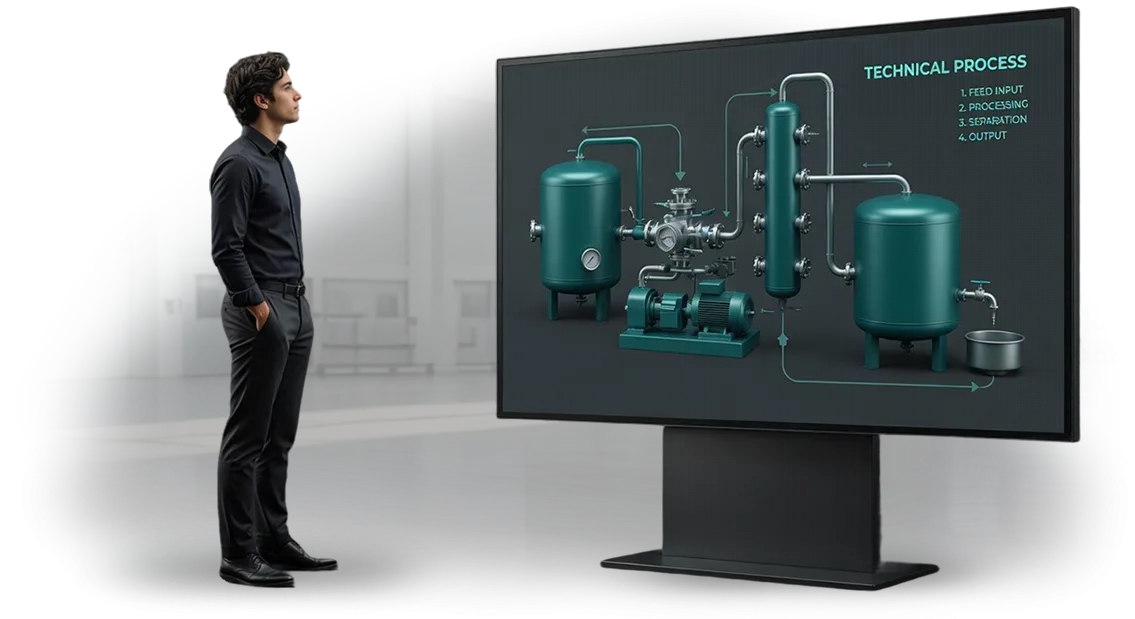
כיצד סרטוני הדרכת בטיחות בעבודה מפחיתים סיכונים עסקיים
כל מנהל יודע: אפילו הפרת בטיחות אחת יכולה להוביל לתוצאות חמורות. קנסות מרשויות הפיקוח, השבתות ייצור, פציעות עובדים — כל אלה פוגעים בתקציב החברה ובמוניטין שלה.
הסיבה היא כמעט תמיד זהה: הצוות "השלים" רשמית את הדרכת הבטיחות בעבודה, אך בפועל אינו מבין כיצד לפעול במצב ספציפי.
תדריכים מסורתיים עם נהלים על נייר אינם תופסים את תשומת הלב ונשכחים במהירות. סרטוני הדרכת בטיחות פותרים בעיה זו: העובד רואה תרחישי עבודה אמיתיים, פעולות נכונות ומסוכנות, ואת ההשלכות של טעויות.
כך, החומר נקלט ב-60-70% טוב יותר מאשר בקריאת טקסט, מה שאומר שהסבירות להפרות ותאונות פוחתת.
עבור העסק, זה אומר ישירות פחות קנסות ועלויות. כשיש לך סרטוני הדרכה ברורים, הכשרת העובדים מהירה יותר, קל לבדוק את תוצאותיה, והמפקחים רואים גישה שיטתית לבטיחות. פחות צווי מניעה ותביעות — יותר יציבות וודאות בפעילות.
יתרון נוסף הוא הגנה על המוניטין. הידיעה על פציעה או תאונה מתפשטת במהירות ופוגעת באמון השותפים והלקוחות. חברות שמשקיעות בסרטוני הדרכת בטיחות איכותיים מפגינות בגרות ואחריות.
זה עובד גם לשימור עובדים יקרי ערך: אנשים רוצים לעבוד במקום שבו דואגים לחייהם ולבריאותם.
אם מערכת ההדרכה הנוכחית שלך אינה מניבה תוצאות מוחשיות, ודוחות על תדריכים שהושלמו מעוררים שאלות אצל המפקחים — הגיע הזמן לשנות את הגישה.
כבר עזרנו לעשרות חברות להעביר את הדרכת הבטיחות בעבודה למסלול הווידאו המודרני: עם תרחישים ברורים, צילומים במתקנים שלך, וחבילת מסמכים מוכנה.
כתבו לנו כדי לדון במצבכם — נראה לכם איך לסגור סיכונים במהירות וללא עלויות מיותרות.
מה נותנת הדרכת בטיחות שיטתית לעובדים
כל יום ללא הדרכת עובדים שיטתית עולה לעסק יותר ממה שנדמה. קנסות מרשויות הפיקוח הם רק קצה הקרחון: כל אירוע באתר הייצור עוצר את העבודה, יוצר מצב של כיבוי שריפות, פוגע במורל הצוות ופוגע במוניטין.
במקום לכבות שריפות, המנהל מקבל מערכת מבוקרת שבה כל עובד יודע את כללי הבטיחות ופועל לפיהם אוטומטית.
סרטוני הדרכה הם פורמט שבאמת נשאר בזיכרון. אדם קולט מידע ויזואלי הרבה יותר מהר מאשר טקסט או תדריך מילולי.
סרטונים קצרים ודינמיים המדגימים פעולות נכונות יוצרים זיכרון שרירי: במצב מסוכן אמיתי, העובד פועל בביטחון כי הוא כבר "ראה" את התרחיש הזה.
זו היעילות של סרטוני הדרכה — לא השלמה פורמלית, אלא קליטת חומר בפועל.
הדרכת בטיחות תאגידית שיטתית גם מגבירה את המעורבות. כשחברה משקיעה בבטיחות העובדים, אנשים מרגישים דאגה ואחריות מההנהלה.
עובדים נוטים פחות לעזוב, מוכנים יותר להשתתף בשיפור תהליכים, ומקדישים יותר תשומת לב לעמיתים. כתוצאה מכך, תחלופת העובדים ומספר הקונפליקטים יורדים, בעוד שהפרודוקטיביות עולה.
לדוגמה, בחברת הייצור Severstal, לאחר הטמעת סרטוני הדרכה קבועים, מספר הפרות המשמעת ירד בשליש בתוך החודשים הראשונים.
העובדים עצמם ביקשו גישה לספריית הווידאו לעיון לפני המשמרות שלהם — ההדרכה הפכה מחובה להרגל.
אנחנו מפיקים סרטוני הדרכה על ציוד מקצועי, עם קווי עלילה ברורים וצילום של תהליכי ייצור אמיתיים. הלקוח מקבל סט מוכן של סרטונים שניתן לשלב בקלות במערכת ההדרכה הקיימת ולעדכן לפי הצורך.
הגישה השיטתית מחזירה את ההשקעה במהירות: הפחתת השבתות ותשלומי הביטוח מכסים את עלויות הפיתוח בתוך השנה הראשונה.
פורמטים של סרטוני הדרכת בטיחות בעבודה לצרכים עסקיים
בחירת הפורמט של סרטון הדרכת הבטיחות בעבודה משפיעה ישירות על אופן קליטת החומר על ידי העובדים ויישומו בפועל.
אנימציה מאפשרת להראות תהליכים שלא ניתן לצלם במצלמה, בעוד שצילום עם עובדים יוצר תחושת נוכחות ואמון. השווינו בין הפורמטים כדי שתוכלו לבחור את האופטימלי למשימה שלכם.
השוואת פורמטים
| פורמט | למי זה מתאים | מה זה נותן ללקוח |
|---|---|---|
| אנימציית CGI | ייצור מסוכן, תהליכים טכנולוגיים מורכבים | מציג מצבי חירום ותאונות ללא סיכון לאנשים, מפשט הבנת נהלים |
| צילום עם עובדים | סביבות ייצור ומשרדיות שבהן דוגמה אישית חשובה | סביבה מוכרת ופנים של עמיתים מגבירים אמון וזכירת כללים |
| גישה משולבת | חברות גדולות עם קטגוריות עובדים שונות | משלבת בהירות של אנימציה עם מעורבות של צילום, מכסה את כל תרחישי ההדרכה |
איך לבחור פורמט
הבחירה הנכונה תלויה במאפייני החברה שלך: מספר עובדים, מורכבות ההנחיות וסיכונים נוכחיים. אם צריך להכשיר במהירות צוות גדול — אנימציה מתאימה: היא מופעלת היטב בכל מכשיר. אם חשוב קשר רגשי עם מקום העבודה האמיתי — בחרו בצילום.
אנחנו עוזרים להחליט על הפורמט בשלב התדריך: אנו מנתחים את המשימה ומציעים פתרון שמכסה את צרכי העסק. אנחנו עובדים על ציוד מקצועי, כך שהתוצאה היא באיכות גבוהה באופן עקבי בכל פורמט.
איך אנחנו מפתחים סרטוני הדרכה: מהתדריך ועד ההשקה
פיתוח סרטון הדרכה חינוכי עובר שלבים שקופים שאתם יכולים לראות מהיום הראשון.
אנחנו לא נעלמים לשבועיים ולא מביאים "משהו יצירתי" — להיפך, כל שלב נותן מענה למשימה שלכם: להפחית את הסיכון להפרות, להכשיר עובדים במהירות ובלי להוציא אותם מהעבודה.
- תדרריך סרטון הדרכה — יש לנו שיחה, אתם דנים בנהלים, במאפייני העבודה ובטעויות נפוצות של עובדים. אנחנו מגלים מה צריך להישאר בזיכרון ומה יכול לחכות.
- אישור תסריט — אנחנו כותבים את הטקסט על בסיס הסטנדרטים שלכם ודרישות הבטיחות בעבודה ושולחים לבדיקה. אתם עורכים את הניסוחים, מוסיפים דרישות משלכם — אנחנו מסיימים את הגרסה המאושרת.
- סטוריבורד וסגנון אנימציה — אנחנו מראים איך כל פריים ייראה. אתם רואים את הדמויות, הגרפיקה והצילומים לפני תחילת ההפקה, כך שאין הפתעות.
- הפקת וידאו וקריינות — אנחנו יוצרים את הסרטונים באמצעות כלים מבוססים ומקליטים קריין עם הגייה ברורה. אתם מקבלים גרסת טיוטה ומשאירים הערות.
- גרסה סופית ובדיקת איכות — לאחר התיקונים, אתם מקבלים את הקובץ המוגמר בפורמטים הנדרשים, כתוביות והוראות שילוב.
- השקת ההדרכה — אנחנו עוזרים למקם את הסרטון במערכת ניהול הלמידה שלכם או מספקים קישור. העובדים יכולים להשלים את החומר מכל מכשיר.
- תמיכה לאחר ההשקה — אם נדרשים תיקונים או מתווספים נהלים חדשים, אנחנו לא משאירים אתכם לבד. בשלב זה בדרך כלל מתבררות תוכניות פיתוח נוספות.
מה כלול בחבילת המסירה עבור סרטוני הדרכה
כשמזמינים סרטוני הדרכה, חשוב להבין: אתם מקבלים לא רק "סרטונים מוגמרים", אלא חבילת עבודה שניתן ליישם מיד בהדרכה.
זה כולל קבצים סופיים, זכויות, הוראות ותמיכה — הכל כדי שלצוות לא יהיו שאלות מיותרות.
- קבצים סופיים מוכנים. סרטונים בפורמטים המתאימים לפלטפורמת ההדרכה, הפורטל או המסנג'רים שלכם. אין צורך בהמרה — פשוט העלו והשתמשו.
- זכויות וידאו. זכויות שימוש מלאות: למקם בכל משאב פנימי, לשלב בקורסים, להפיץ ללא הגבלת זמן.
- מדריך מנהל. תזכיר שלב-אחר-שלב על העלאה, הגדרת גישה וניטור צפיות. כל עובד ללא הכשרה טכנית יכול להתמודד עם זה.
- חומרי מקור. התסריטים וטקסטי הווידאו נשארים אצלכם — אם צריך לעדכן הנחיות, לא תצטרכו להתחיל מאפס.
- המלצות יישום. טיפים כיצד לשלב את הסרטונים בהדרכת הבטיחות בעבודה: מתי להראות אותם, איך לחזק את החומר, מה לעקוב.
- אחריות ותמיכה. אנחנו בודקים כל סרטון מול התסריט, מתקנים שגיאות בחינם ועונים על שאלות לאחר המסירה.
חבילת מסירה זו מכסה הכל: קבצים, זכויות, הוראות ותמיכה. כל מה שנשאר הוא להקצות את הסרטונים לעובדים — וההדרכה תתחיל לעבוד.
מקרה בוחן: איך מפעל הפחית פציעות עם סרטוני הדרכה
מפעל עם 800 עובדים פנה אלינו עם בעיה יוצאת דופן: תדריכי הבטיחות בעבודה נערכו באמצעות נהלים על נייר, ועובדים חדשים קלטו אותם בצורה גרועה.
במהלך שנה נרשמו 11 מיקרו-פציעות באולם הייצור, וכל הסבר חוזר על הכללים לקח למדריכים עד שעתיים בשבוע. ההנהלה הבינה — הבעיה אינה משמעת, אלא פורמט ההעברה.
הצענו להחליף חלק מהתדריכים בסדרת סרטוני הדרכה קצרים שצולמו ישירות בסדנאות, עם העובדים עצמם.
גיבורי הסרטונים לא היו שחקנים אלא עובדי מפעל מנוסים — הם הדגימו טכניקות עבודה בטוחות על ציוד אמיתי. כל סרטון נמשך 3-4 דקות וכיסה תרחיש ספציפי אחד: מעבודה עם ציוד הרמה ועד פעולות במהלך עצירת קו חירום.
ראינו את תוצאות היישום תוך חצי שנה. מספר המיקרו-פציעות ירד ב-37%, וזמן הקליטה הראשונית של עובד חדש קוצץ בחצי — מארבע שעות לשתיים.
בנוסף, מחלקת הבטיחות בעבודה ציינה שהעובדים החלו להפר פחות כללים בעת ביצוע פעולות מסוכנות, ובדיקות ידע חוזרות הראו עלייה של 28% בקליטת החומר בהשוואה לנהלים על נייר.
מפעל הבנייה Progress Machine-Building Plant נשאר הלקוח הקבוע שלנו: במשך שנתיים עדכנו עבורם יותר מארבעים סרטוני הדרכה.
אבל העיקר — הפרויקט הזה הוכיח שכשהעובדים רואים סדנאות מוכרות ועמיתים על המסך, כללי הבטיחות מפסיקים להיות פורמליות.
הם הופכים לברורים ונזכרים ברמת ההרגל, מה שמשפיע ישירות על בטיחות האנשים ובריאות העסק. אם הצוות שלכם משלים תדריכים "רק למראית עין" ופציעות מורגשות — אותה גישה תעבוד גם עבורכם.
איך לבחור את הפורמט של סרטוני ההדרכה לחברה שלכם?
איך לבחור את הפורמט של סרטוני הדרכת הבטיחות בעבודה? אין תשובה אוניברסלית: האפשרות הנכונה נקבעת על פי מאפייני העסק, מטרות ההדרכה ומאפייני הקהל. לפני שבוחרים בין צילום, אנימציית תלת-ממד ופתרון משולב, העריכו ארבעה קריטריונים.
ראשון — רמת ההכשרה של העובדים. מומחים מנוסים צריכים סרטונים קצרים עם דגש על טעויות קריטיות. עולים חדשים ועובדים ללא ניסיון טכני צריכים הוראות שלב-אחר-שלב ברורות, שבהן כל שלב מוסבר עם דוגמה.
שני — המורכבות והסכנה של התהליכים. עבור ציוד בסיכון גבוה, פורמט CGI מאפשר להראות תרחישי חירום שלא ניתן לשחזר בשידור חי. זה מספק הדרכה בטוחה וויזואלית ללא סיכון לאנשים.
שלישי — תנאי הצפייה. בסדנה רועשת או עם כפפות מגן, צריך סרטון קצר עם כתוביות ויכולת לשידור חוזר. ללמידה מרחוק, פורמט מפורט עם חלוקה לנושאים מתאים.
רביעי — תדירות העדכונים. אם הנהלים משתנים באופן קבוע, בחרו פורמט שקל לערוך: בסרטון תלת-ממדי ניתן להחליף סצנות בודדות ללא צילום מחדש. בסופו של דבר, בחירת פורמט היא פשרה בין בהירות, מהירות הפקה ויכולת עדכון.
אנחנו עוזרים למצוא את האיזון הזה: אנו מנתחים את מאפייני העסק שלכם, בוחנים את ההנחיות הנוכחיות ומציעים פורמט שבאמת יעבוד באולם הייצור. התחילו עם ביקורת קצרה — זה יחסוך זמן ויזרז את השקת ההדרכה.
שאלות נפוצות על פיתוח סרטוני הדרכה לעובדים
לפני הזמנת סרטוני הדרכה, לקוחות שואלים את אותן שאלות: לוחות זמנים לפיתוח, עלות, איכות ועדכונים. אנחנו עונים בקצרה — כמו שאנחנו עושים במשא ומתן. אם נותרו ספקות, נשלח דוגמאות ונחשב את הפרויקט שלכם.
כמה זמן לוקח לפתח סרטון הדרכה?
לוח הזמנים הסטנדרטי הוא שבועיים עד ארבעה שבועות מאישור התסריט. פורמט מזורז זמין מחמישה ימי עסקים. אנחנו עובדים בשלבים: אתם רואים התקדמות ושולטים בלוחות הזמנים.
איך מחושבת העלות של סרטוני הדרכה?
זה תלוי במספר הסצנות, במורכבות הגרפית ובאורך הסרטון. העלות כוללת תסריט, איורים, קריינות ועריכה. לאחר התדריך, אנחנו קובעים את ההערכה ולא משנים אותה — אתם יודעים את התקציב לפני שאנחנו מתחילים.
איזו איכות נקבל ומי אחראי על התוצאה?
אנחנו עושים גרפיקת CGI וסרטוני הדרכה לייצור, לוגיסטיקה וקמעונאות כבר למעלה מעשר שנים. אנחנו מספקים קבצים בפורמטים הנדרשים, מתאימים אותם למערכת ניהול הלמידה שלכם ומבצעים תיקונים אם משהו לא עומד בציפיות שלכם.
האם ניתן לעדכן סרטונים לאחר ההטמעה?
כן, עדכון סרטונים הוא חלק מהעבודה שלנו. נהלי הבטיחות בעבודה משתנים — אנחנו מתאימים סצנות, קריינות או כתוביות ללא עיבוד מלא של הסרטון. אתם מקבלים הנחיה עדכנית, לא קובץ ארכיון.
אם השאלה שלכם לא מופיעה כאן — כתבו לנו. נשיב תוך יום עסקים אחד ונציע פורמט למשימה שלכם.השאירו פנייה — קבלו תוכנית מוכנה וחישוב עלות
השאירו פנייה — ותוך יום עסקים אחד תקבלו תוכנית הדרכה מוכנה וחישוב עלות מדויק.
בלי "טווחי מחירים" או מסמכים תבניתיים: להערכת העלות יצורף מתווה שלב-אחר-שלב המותאם לענף שלכם, למספר העובדים ולחומרי הבטיחות הנוכחיים שלכם.
אנחנו לא רק נוקבים במחיר — אנחנו מראים איך נבנה את העבודה.
עם ניסיון של 10+ שנים, חידדנו את תהליך הניתוח המהיר והכנת ההצעות, כך שחישוב העלות יכלול את התרחיש הספציפי שלכם, לא מקרה בוחן משוכתב של מישהו אחר.
במידת הצורך, נקיים ייעוץ קצר כדי להבהיר פרטים ולבחור את פורמט סרטון ההדרכה האופטימלי: מסרטונים קצרים ועד סדרות הדרכה מלאות.
לאחר פנייתכם, תקבלו:
- חישוב עלות המותאם להיקף ולמורכבות שלכם — ללא תוספות נסתרות;
- תוכנית הדרכת בטיחות בעבודה המותאמת לתפקידי העובדים ולאזורי האחריות;
- המלצות פורמט: קורסי בסיס, תדריכים, סקירות מצבי חירום;
- לוחות זמנים להפקה לכל שלב — מהתסריט ועד לסרטון הסופי;
- רשימת חומרים שהחברה צריכה להכין;
- דוגמאות של סרטוני הדרכה שהושלמו עבור הענף שלכם.
זה ללא התחייבות. תוכלו להשוות את ההצעה עם קבלנים אחרים, לראות את ההיגיון והתקציב, ואז לקבל החלטה רגועה.
אם פספסנו משהו — נתאים את התוכנית לפני תחילת העבודה ונעזור לשלב את סרטוני ההדרכה בתוכנית ההכשרה שלכם. השאירו פנייה — החישוב והתוכנית יהיו בידיכם היום.