

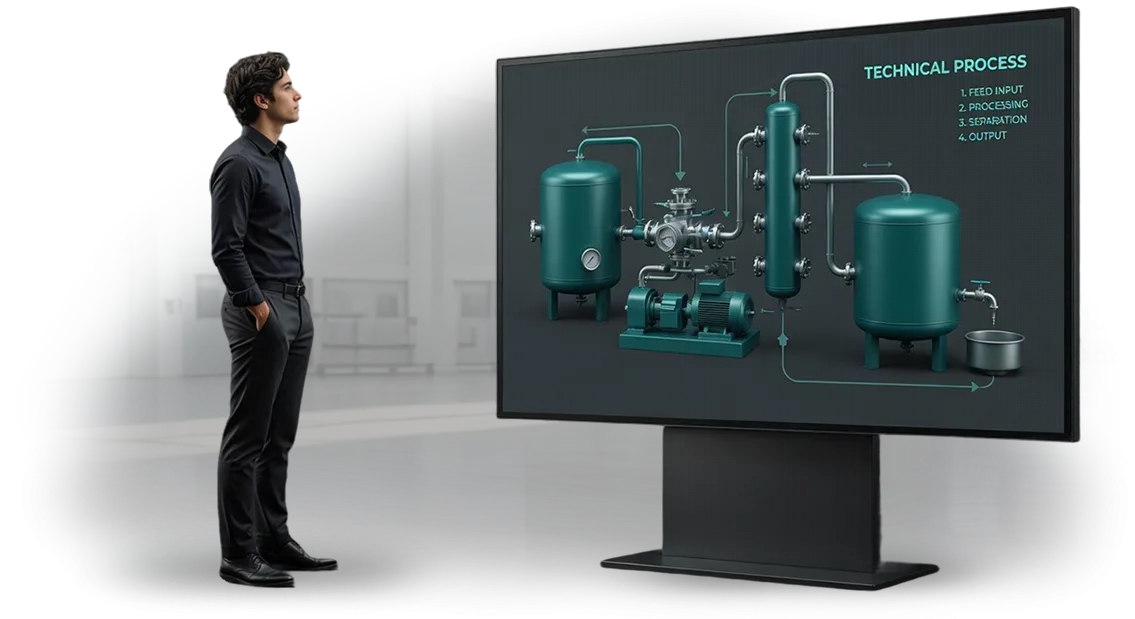
כיצד להימנע מזיהום מדבק במהלך הדרכת צוות
זיהום מדבק הוא איום סמוי לכל מתקן שעובד עם חומרים ביולוגיים. הרצאות ותדריכים רגילים אינם בונים מיומנויות מתמשכות: העובד מקשיב, אך במצב קריטי פועל באקראיות.
זה מגביר את הסיכון להידבקות, גורם להשבתות חירום, ופוגע בבטיחות התעסוקתית.
ביצוע תרגיל בקנה מידה מלא בתנאים אמיתיים אינו אפשרי — עבודה עם חומרים מסוכנים דורשת מעבדות וציוד ייעודי. עם זאת, סרטוני הדרכה המבוססים על סימולציות CGI מאפשרים לעובדים לתרגל כל שלב בסביבה וירטואלית בטוחה.
העובד רואה את התהליך מנקודת מבט של משתתף, זוכר את רצף הפעולות הנכון, ולומד להגיב ללא פאניקה.
הדרכה כזו עובדת טוב יותר מהרצאות: המחשת ההשלכות של טעות מחזקת את החומר לאורך זמן. הצוות מקבל אלגוריתם ברור — מהכלת דליפה ועד חיטוי ופינוי פסולת.
כתוצאה מכך, הסבירות להידבקות פוחתת, ובטיחות תעסוקתית הופכת לחלק משגרת העבודה היומיומית ולא לדרישה פורמלית.
אנחנו מפתחים סרטוני הדרכה ארגוניים לצוות כבר למעלה מ-10 שנים, תוך התחשבות במאפייני התעשייה שלך ובתקנות הפנימיות.
אנחנו עובדים מרחוק בכל הארץ — עוזרים לחברות להפחית סיכונים, לקצץ בעלויות הדרכה, ולהגן על עובדים ממצבים מסוכנים.
מה מספקת הדרכת וידאו עם סימולציות מצבי חירום והפרות
הדרכת וידאו עם סימולציות מצבי חירום והפרות הופכת תדריך מפורמליות לכלי שבאמת מפחית סיכונים. עובדים לא רק קוראים את התקנות — הם רואים כיצד מתפתח מצב מסוכן ומה ההשלכות שלו.
חומר כזה נקלט הרבה יותר טוב מטקסט או מצגת. כתוצאה מכך, החברה מקבלת צוות שפועל נכון ללא תזכורות.
ההשפעה הראשונה והמוחשית היא שיפור שימור הידע. כאשר עובד רואה תרחיש ברור עם טעות והתוצאה שלה, המידע נשאר בזיכרון לאורך זמן.
זה חשוב במיוחד בתהליכים מורכבים שבהם מחיר הטעות גבוה — למשל, בעבודה עם חומרים ביולוגיים או תחת סיכון לזיהום מדבק. ההדרכה הופכת ברורה ומעשית ולא קבוצה מופשטת של דרישות.
ההשפעה השנייה היא סטנדרטיזציה של פעולות. הסרטון מציג רצף פעולות נכון אחד, כך שגם מומחים מנוסים וגם עובדים חדשים פועלים לפי סטנדרט אחיד.
זה מסיר חוסר עקביות בין מחלקות, מפשט את בקרת האיכות, ומקל על קליטת עובדים חדשים.
ההשפעה השלישית והעיקרית היא ירידה בשיעור התאונות. על ידי סימולציה של הפרות ומצבי חירום בסביבה בטוחה, אתה נותן לעובדים את המיומנות לזהות סיכון מראש ולהגיב ללא פאניקה.
הדרכה קבועה על תרחישים כאלה מפחיתה את מספר התקריות ואת העלויות של טיפול בהן. זו הסיבה שהדרכת עובדים באמצעות סימולציית וידאו הופכת לסטנדרט בחברות שבהן הבטיחות היא בראש סדר העדיפויות.
פורמטי וידאו למניעת זיהום מדבק
מניעת זיהום מדבק תלויה ישירות במידת הספיגה של כללי הבטיחות על ידי העובדים.
הוראות טקסט ומצגות רגילות אינן בונות מיומנויות מתמשכות: הצוות חייב לראות את התהליך בעיניים, להבין את תרחיש התאונה האפשרי, ולזכור את רצף הפעולות.
וידאו מתמודד עם משימה זו ביעילות רבה יותר — הוא יוצר תמונה ויזואלית אחידה ומפחית את הסיכון לטעויות בשטח האמיתי.
אנחנו מפתחים סרטוני הדרכה לצרכים עסקיים שונים.
אנימציית CGI מלאה מתאימה להדגמה ברורה של תהליכים מסוכנים, וידאו עם מדריך עובד להסברת נושאים מורכבים לקהל רחב, וסימולטור אינטראקטיבי אידיאלי לתרגול פעולות ובדיקת הבנת החומר.
בחירת הפורמט תלויה בתוצאה שאתה צריך: הדרכה ראשונית, תזכורות קבועות, או הערכת מוכנות כוח אדם.
באיזה פורמט כדאי לבחור?
| פורמט | למי | מה הוא נותן ללקוח |
|---|---|---|
| אנימציית CGI מלאה | עובדים חדשים, כל הצוות | סימולציה מפורטת של מסלול הזיהום, הצגה בטוחה של מצבי חירום, סטנדרט ידע אחיד |
| אנימציה עם מדריך | קבוצות עם רמות מיומנות שונות | הסבר ברור על ידי מגיש בתוספת הדגשים ויזואליים, הפחתת עומס על המדריך, העברה מרתקת |
| סימולטור אינטראקטיבי | עובדים קיימים, הסמכה | תרגול רצפי פעולות ללא סיכון, ניתוח טעויות בתרחישים אמיתיים, סטטיסטיקת תוצאות אוטומטית |
כל פורמט פותר משימה ספציפית: מהכרות ראשונית ועד הערכת מוכנות העובד לפעול במקרה של דליפה או זיהום. אם אתה צריך לכסות צוות גדול ולאזן במהירות את הידע, בחר וידאו עם מדריך או אנימציית CGI.
אם בדיקת רפלקסים ושינון רצפים חשובים יותר, סימולטור אינטראקטיבי הוא הבחירה הנכונה.
אנחנו נעזור לך לבחור פורמט שמתאים לתקציב שלך ולמאפייני הארגון שלך. שילוב אפשרי גם כן: התחל עם אנימציית CGI לכל העובדים, ולאחר מכן השתמש בסימולטור אינטראקטיבי למומחים אחראיים. תאר את המשימה שלך — אנחנו נציע את הפתרון האופטימלי ונראה דוגמאות מהעבודה שלנו.
כיצד אנו מפתחים וידאו לצרכים הספציפיים שלך
אנחנו פועלים לפי תהליך שקוף כדי שתוכל לראות את התוצאה בכל שלב ולהשפיע על הפרויקט. ללא "קופסאות שחורות": אתה תמיד יודע באיזה שלב נמצא הסרטון ומה יקרה בהמשך.
- בריף והתעמקות בפרויקט. אנחנו מגדירים לאיזו קטגוריית עובדים מיועד הסרטון, אילו פעולות צריך להראות, ואיזו תוצאה נחשב להצלחה. בשלב זה אנו קובעים את הפורמט, משך הזמן והסצנות המרכזיות.
- תסריט וסטוריבורד. אנחנו כותבים את טקסט הקריין ומתארים כל פריים ורצף פעולות. אתה מקבל מסמך שניתן לאשר ללא כניסה לפרטים טכניים.
- אישור קונספט. אנחנו דנים בסגנון הוויזואלי: כמה ריאליסטית צריכה להיות הסימולציה, אילו הדגשים חשובים להדרכה, וכיצד הסרטון ישתלב בסטנדרטים הפנימיים שלך.
- הפקת הווידאו. אנחנו מרכיבים את הסרטון לפי התסריט המאושר. בשלב זה אתה רואה גרסאות ביניים ומבצע תיקונים לפני הגרסה הסופית.
- השקה ושילוב. אנחנו מספקים את הקובץ המוגמר בפורמטים שאתה צריך ועוזרים בהתקנה במערכת ניהול הלמידה או בפורטל הפנימי שלך — כך שהעובדים מקבלים גישה מיידית.
- תמיכה לאחר ההשקה. אנחנו עונים על שאלות, מעדכנים את הסרטון כאשר התקנות משתנות, ומבטיחים שהחומר עובד בצורה אמינה עבור כל המשתמשים.
הודות לתהליך עבודה זה, שלבי הפיתוח אינם נמשכים, והסיכון לאי-הבנה ממוזער. אתה מקבל הוראת וידאו שפותר משימת הדרכה ספציפית — לא רק תמונה יפה.
מה כלול בחבילת מסירת קורס הווידאו
חבילת המסירה היא יותר מסתם וידאו מוגמר — זה פתרון הדרכה מלא: וידאו, תסריט, חומרים מתודולוגיים וזכויות שימוש. לאחר המסירה, יש לך כל מה שצריך כדי להשיק את הקורס ולנטר את השלמתו.
- הווידאו הסופי — מותאם ל-LMS הארגוני שלך, מופעל בכל מכשיר. העובדים יכולים להשלים את הקורס במחשב או בטאבלט.
- תסריט וסטוריבורד — תיאור מפורט של סצנות, טקסטים וגרפיקה. תיעוד זה יעזור ביצירת קורסים עתידיים ובקבלת אישור הנהלה.
- המלצות מתודולוגיות למדריכים — מערך שיעור, שאלות לבדיקת ידע וניתוח טעויות אופייניות. אין צורך להכין חומרים מאפס.
- מדריך מהיר לעובדים — גרסה קצרה של הכללים והאלגוריתמים מהסרטון. חלק אותו בשטח או פרסם אותו בפורטל כמדריך מהיר.
- זכויות שימוש — רישיון בלתי מוגבל להקרנות בלתי מוגבלות בתוך החברה. אין תשלומים עבור כל עובד או סניף חדש.
- קבצי מקור של הפרויקט — מועברים כחלק מהחבילה, כך שתוכל לבצע שינויים עם הצוות שלך או להזמין עדכון מבלי להתחיל את הפרויקט מאפס.
כל החומרים נמסרים עם תעודת קבלה, ותכולת החבילה מפורטת בחוזה. אתה יודע בדיוק מה אתה מקבל — ללא הפתעות וללא עמלות נסתרות.
מקרה בוחן: כיצד הפחתנו הפרות ב-30%
עבור מפעיל לוגיסטיקה עם 400 עובדי מחסן, פיתחנו סדרת סרטוני הדרכה המדמים תרחישי זיהום מדבק.
בעבר, התדריכים בוצעו כחומרי טקסט: העובדים זכרו רק חלקית את הכללים, וההפרות חזרו חודש אחר חודש.
הצענו להחליף הוראות טקסט בסרטונים קצרים שמראים בבירור פעולות נכונות ולא נכונות בטיפול במשטחים, פינוי ציוד מגן אישי והתמודדות עם זיהום מקרי.
כל סרטון נמשך 2–3 דקות ומתמקד במצב ספציפי אחד — קל לסקור ממש לפני משמרת.
| מדד | לפני הפרויקט | אחרי |
|---|---|---|
| הפרות בחודש | 42 | 29 (30%-) |
| זמן תדריך קליטה | 40 דקות | 15 דקות |
| חלק הפעולות הנכונות בבדיקות | 63% | 94% |
| טעויות בעבודות חיטוי | 31 | 18 (40%-) |
התוצאות נמדדו חודשיים לאחר ההשקה. ההפרות ירדו ב-30%, וזמן הכנת העובדים החדשים ירד כמעט פי שלושה — הצוות מתחיל משמרות מהר יותר, ומספר התקריות הכרוכות בניקוי המתקן ירד ב-40%.
ראש מרכז ההדרכה של הלקוח אישר את ההשפעה: "הפורמט החדש קל יותר לעובדים לקליטה, והבדיקות מראות שהידע מיושם בפועל.
אנחנו כבר מתכננים להרחיב את הסדרה למחלקות אחרות." לאחר הפרויקט הראשון, חתמנו על חוזה לשנה לתמיכה ועדכוני וידאו.
הצוות שלנו הוא דוגמה לאופן שבו הוראה מוצגת כראוי מפחיתה סיכונים תפעוליים במקום להפוך לעוד פיסת נייר. אם אתה רוצה את אותן תוצאות — בואו נדון בתרחישים שלך ונבחר פורמט לצוות שלך.
כיצד לבחור את הפורמט של הוראת וידאו למתקן שלך
בחירת פורמט הוראת וידאו מתחילה לא בשאלה "איזה וידאו ייראה טוב יותר," אלא במטרת ההדרכה.
קבע מה העובד צריך להיות מסוגל לעשות לאחר הצפייה: לזהות סיכון לזיהום, לעקוב אחר רצף הפעולות, או להגיב במצב חירום. הפורמט תלוי בכך: סרטון תזכורת קצר, פירוט תהליך מפורט, או תרחיש עם מסלולים מסתעפים.
הקריטריון השני הוא המאפיינים הספציפיים של המתקן שלך. אם הזיהום אינו נראה לעין, צילום רגיל אינו יכול להראות לעובד בדיוק כיצד הזיהום מתפשט. אנימציית CGI ממחישה את הבלתי נראה: תנועת חלקיקים, אזורי סיכון, השלכות טעויות.
העובד רואה את האיום ולא רק שומע עליו — ולכן זוכר את החומר מהר יותר.
הקריטריון השלישי הוא הקהל. עולים חדשים זקוקים להדגשים מסוימים, צוות מנוסה לאחרים. להדרכת קליטה, תרחיש מלא עם הסבר על כל שלב עובד הכי טוב.
להדרכה תקופתית מרעננת, וידאו קומפקטי שמעדכן ידע מבלי לעצור את הייצור מספיק.
שקול גם באיזו תדירות התקנות משתנות. אם ההוראות מתעדכנות באופן קבוע, בחר פורמט שקל להשלים: סצנות קצרות במקום סרט אחד ארוך. זה חוסך זמן ותקציב על צילומים מחדש ומביא דרישות חדשות לעובדים מהר יותר.
בהתחלה, אנחנו עוזרים לך לבחור את הפורמט: אנו מנתחים מטרות הדרכה, מאפייני ייצור וקהל, ומציעים פתרון שעובדים באמת יבינו. אתה מקבל לא רק וידאו אלא כלי הדרכה עובד שמשפר בטיחות ואיכות תהליכים.
תשובות לשאלות נפוצות על פיתוח הוראות וידאו
ספקות לפני הזמנה הם טבעיים. הוראת וידאו בטיחותית חייבת להיות מדויקת, ברורה, ולא להתיישן תוך חודש. אנחנו עונים על השאלות שהלקוחות שלנו שואלים הכי הרבה כשהם מזמינים סרטונים עם סימולציית זיהום מדבק.
הצוות שלנו עובד מרחוק ויוצר סרטוני CGI שמקצרים את זמן ההדרכה ומפחיתים את הסיכון לטעויות צוות.
כמה זמן לוקח פיתוח וידאו?
ציר הזמן תלוי במספר הסצנות וברמת הפירוט. הוראת וידאו סטנדרטית לבקרת זיהומים אורכת כשבועיים עד שלושה — מהתסריט ועד הקובץ המוגמר.
אם אתה בלחץ קריטי, אנחנו יוצרים גרסת פיילוט תוך מספר ימים — מציגים את הסגנון והפריימים המרכזיים לאישור.
כמה ריאליסטית נראית הסימולציה?
אנחנו מייצרים ויזואליה שלא ניתן להבחין בינה לבין צילום חי: גרפיקת תלת-ממד מקצועית ותשומת לב לפרטים — מתנועות ידיים ועד השתקפויות על משטחים. התרחישים מתועמים עם מומחים רלוונטיים כך שכל מחווה ורצף פעולות תואמים לתקנות. כתוצאה מכך, העובד תופס את הסרטון כמציאות הדרכה, לא כקריקטורה.
מה קורה אם ההוראה משתנה לאחר זמן מה?
אין צורך לצלם את הסרטון מחדש. אנחנו שומרים על קבצי המקור ויכולים להחליף רק את הסצנה, הקריינות או קטע הטקסט הדרושים — זה הרבה יותר מהיר וזול מהזמנת וידאו חדש מאפס. אתה מקבל וידאו מעודכן תוך מספר ימי עסקים מהבקשה.
אילו ערבויות לתוצאה אתה מספק?
אנחנו קובעים את דרישות הווידאו בחוזה: משך, מספר סצנות, דיוק טרמינולוגי ולוחות זמנים.
אנחנו מבצעים תיקונים עד לאישור מלא של העיצוב, ולאחר מסירת הפרויקט אנחנו נשארים בקשר — במידת הצורך, אנו מעדכנים את הסרטון ועוזרים בשילובו במערכת הלמידה מרחוק של העובדים שלך.
הזמן פיתוח וקבל סרטון הדרכה מוכן
שלח בקשה לפיתוח — ואנחנו נכין וידאו עם סימולציית זיהום מדבק שניתן לשלב מיד בתוכנית ההדרכה שלך.
אתה תקבל לא רק תמונה מונפשת אלא כלי עבודה: העובדים יראו תרחישים ריאליסטיים, יבינו את ההשלכות של טעויות, ויזכרו את רצף הפעולות הנכון.
החבילה לאחר ההזמנה שלך כוללת:
- וידאו מוגמר בפורמטים למפגשים פרונטליים ולמערכות למידה מרחוק — מתאים לכל פלטפורמה.
- תסריט והמלצות מתודולוגיות כך שהמדריך שלך יוכל לשלב בקלות את הסרטון בקורס קיים.
- התאמה לתקנות הפנימיות ולתקני הבטיחות של הארגון שלך.
- הדגמה ויזואלית ברורה של התפשטות זיהום ושיטות הגנה — בלוק מפתח לתרגול מיומנויות.
- שאלות בקרה בסוף הסרטון לבדיקה מהירה של ידע.
- תמיכה במהלך היישום ועריכות מהירות כאשר יש צורך לעדכן חומר.
כל פריט חוסך זמן של המומחים שלך ומפחית סיכונים הנגרמים מהגורם האנושי. העובדים משננים אלגוריתמי פעולה מהר יותר, ותוצאות ההדרכה קלות למעקב.
אתה יכול להזמין וידאו בכמה קליקים בלבד: השאר בקשה באתר שלנו — ניצור איתך קשר תוך יום עסקים, נבהיר את המשימות שלך, ונציע פתרון ללוח הזמנים שלך.
לאחר אישור התסריט, אנחנו מטפלים בהפקה, ואתה מקבל את הווידאו המוגמר בדיוק במועד המוסכם.