

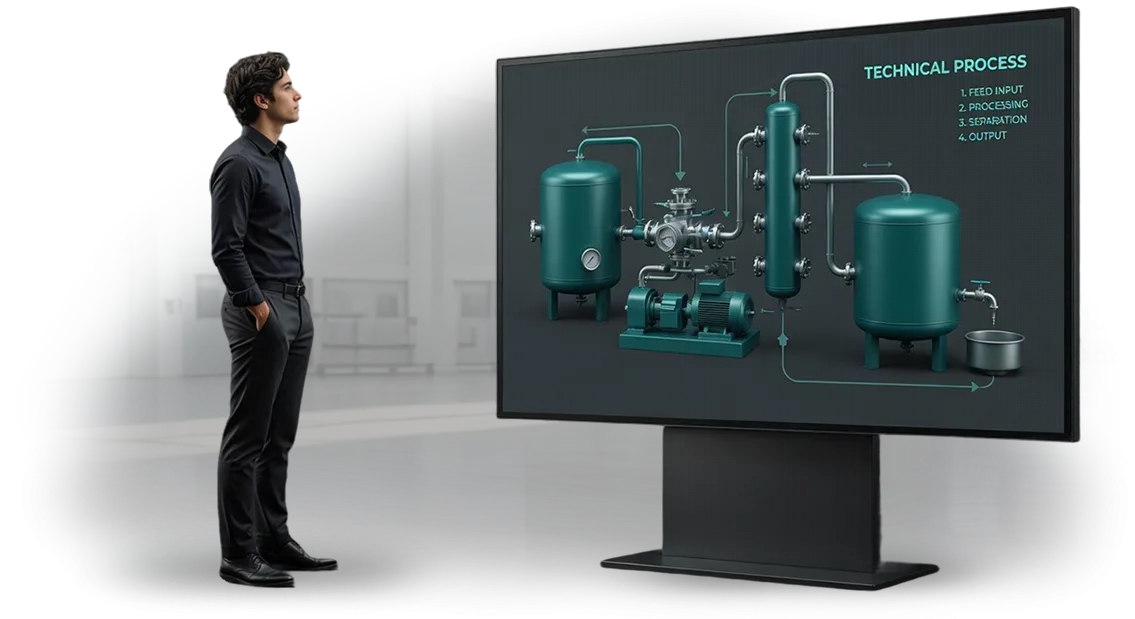
קרע במערכת הידראולית: כיצד למנוע תאונות בייצור?
קרע במערכת הידראולית הוא אחת התאונות המסוכנות ביותר בייצור. לחץ גבוה, התזת שמן וסיכון לשריפה מאיימים על בטיחות העובדים ועלולים לסגור סדנה לימים. פציעות, בדיקות והזמנות שאבדו — אפילו אירוע אחד עולה יותר מכל אמצעי מניעה.
הגורמים לתאונות חוזרות נעוצים לרוב בגורם האנושי. עובד לא הבחין בסימנים הראשונים של נזילה, התעלם מרעש או רטט, או שיבש את רצף הפעולות — והמערכת ההידראולית יוצאת מכלל שליטה.
הדרכות רגילות אינן בונות מיומנויות מתמשכות: במצב לחץ, אנשים פועלים מתוך הרגל, לא מתוך זיכרון.
כדי למנוע קרע במערכת הידראולית, לא מספיק להחמיר את התקנות. יש צורך בהכשרה שיטתית של עובדים שהופכת חוקים להתנהגות אוטומטית.
אנו יוצרים סרטוני הדרכה עם סימולציות של מצבים קריטיים: התרחיש מתפתח מהסימנים הראשונים ועד לקרע מלא. גישה זו בונה תגובה נכונה כשכל שנייה חשובה.
אתם מקבלים סיכונים מופחתים, בטיחות עובדים מבוקרת והגנה מפני השבתה. השקעה בקורס וידאו אחד עולה פי כמה פחות מהנזק הפוטנציאלי מתאונה.
הכשרת עובדים איכותית אינה הוצאה אלא ביטוח שמשתלם עם כל אירוע שנמנע.
מה סרטון הדרכה איכותי מעניק לצוות שלכם
סרטון הדרכה איכותי מעביר את ההכשרה מקטגוריית "אושר" לקטגוריית "תורגל בפועל". במצב של קרע במערכת הידראולית אין זמן לחשוב: התגובה חייבת להיות אוטומטית.
הדרכות ומצגות רגילות אינן משיגות אפקט זה — וידאו עם סימולציית תאונה מאפשר לכל עובד "לחיות" את התרחיש שוב ושוב בתנאים בטוחים.
היתרון העסקי העיקרי הוא שיעור תאונות נמוך יותר. כאשר עובד לא רק קורא על רצף הפעולות אלא רואה מאיפה הסילון נורה, לאן השמן זורם וכיצד הלחץ משתנה, התגובה שלו במצב אמיתי הופכת מדויקת ומהירה.
אין בלבול, אין ניסיונות חסרי תועלת לעצור את הנזילה ביד, ולכן פחות פציעות, נזקים והשבתות ייצור לא מתוכננות.
במקביל, כישורי העובדים גדלים. סרטון הדרכה לצוות קובע סטנדרט אחיד: גם עובד חדש וגם עובד מנוסה פועלים נכון באותה מידה. החומר נשאר במערכת ההכשרה וניתן לחזור עליו לפני משמרת או אחרי הפסקה ארוכה.
זה חשוב במיוחד בייצור, שבו תחלופת עובדים היא בלתי נמנעת ומחיר הטעות גבוה.
חיסכון בהחלפת ציוד הוא התוצאה המוחשית השלישית. תקלה במערכת הידראולית משמעותה לא רק תיקון, אלא גם השבתה, הזמנות שאבדו ואספקת חלקי חילוף דחופה. כל אירוע שנמנע חוסך עלויות משמעותיות.
הכשרה שיטתית של עובדים עם תרחישי וידאו ריאליסטיים משתלמת לאחר הקרע הראשון שנמנע.
בסופו של דבר, אתם מקבלים שלושה אפקטים בבת אחת: עובדים בטוחים, איכות עבודה צפויה ונכסים מוגנים. מנהל רואה תוצאות במדדים תפעוליים: פחות תאונות, השתלבות מהירה יותר, עלויות תיקון נמוכות יותר. סרטוני ההדרכה האלה הם שהופכים הכשרה מפורמליות לכלי לניהול סיכונים.
פורמטי וידאו CGI לקרע במערכת הידראולית
סרטוני הדרכה רגילים אינם מראים מה קורה בתוך הציוד כאשר מערכת הידראולית נקרעת.
עובד רואה רק את ההשלכות החיצוניות — נזילה, ירידת לחץ — אך אינו מבין את מכניקת התאונה ואינו זוכר את רצף הפעולות הנכון.
וידאו CGI פותר בעיה זו: אנימציית תלת-ממד משחזרת את תהליך הכשל בכל רמת פירוט, מה שהופך את ההכשרה לחזותית ובטוחה.
אנו מפיקים סרטונים במספר פורמטים — מאנימציות קצרות להדרכות היכרות ועד לתרחישים אינטראקטיביים עם בחירת פעולות. להלן מה שמתאים לתרחיש שלכם.
| פורמט | למי | מה הוא נותן ללקוח |
|---|---|---|
| אנימציית קרע בתלת-ממד | עובדים חדשים, הדרכות | תמונה ברורה של התאונה, שינון מהיר |
| סרטון הדרכה שלב-אחר-שלב | צוות תחזוקת ציוד | אלגוריתם פעולה ברור, פחות שגיאות |
| תרחיש אינטראקטיבי | מומחים קיימים, הסמכה | בדיקת תגובה בסביבה בטוחה |
| שילוב CGI עם צילומי לייב אקשן | קהלים מעורבים | חיבור בין תיאוריה לפרקטיקה, מעורבות |
אנו בוחרים את הפורמט לפי המשימה: אם צריך הכשרה ראשונית מהירה, אנימציה קומפקטית מספיקה; להכשרה מתקדמת, אינטראקטיב עם משוב עובד הכי טוב.
כל אפשרות ניתנת לשילוב במערכת ניהול הלמידה שלכם ופועלת על מחשבים וטאבלטים ללא הכנה מיוחדת של הצוות.
פורמט שנבחר נכון משפר את שימור החומר: עובדים זוכרים לא רק את טקסט ההדרכה אלא גם את התמונה החזותית של התאונה. זה מפחית את הסיכון לאירועים חוזרים ומקצר את זמן ההשתלבות.
שלבי פיתוח סרטון הדרכה במפתח אחד
כדי שעובד יבין את אלגוריתם הפעולה גם במצב חירום, הסרטון חייב להיות מדויק וברור. אנו מבנים את העבודה על סרטון ההדרכה כתהליך מנוהל: אתם מקבלים מוצר מוגמר מבלי להיכנס לפרטים טכניים.
להלן שלבי פיתוח הווידאו במפתח אחד, מהבריף הראשוני ועד לתמיכה בגרסה המוגמרת.
- בריף וניתוח משימה. אנו אוספים את הנתונים: היכן ישמש הסרטון, מי הקהל ואילו תרחישים צריך להראות. אנו מבהירים דרישות פירוט — למשל, איך צריכה להיראות סימולציית קרע במערכת הידראולית.
- פיתוח תסריט וסטוריבורד. אנו הופכים את ההדרכה לסיפור ברור עם רצף פעולות מדויק. אנו מיישרים איתכם כל פריים מפתח כדי למנוע עבודה חוזרת בשלב הסופי.
- יצירת מודלים תלת-ממדיים ואנימציה. בהתבסס על התסריט המאושר, אנו מדמים את הציוד והסביבה. אנו חושבים על הדינמיקה: איך להראות בצורה ריאליסטית קרע במערכת הידראולית כך שהעובד יזכור את הסימנים ואת רצף הפעולות.
- בדיקת ביניים ותיקונים. אנו מראים גרסת טיוטה של הסרטון ומבצעים התאמות לפי המשוב שלכם. אתם רואים את התוצאה בכל שלב, לא רק בסוף הפרויקט.
- רנדור סופי והתאמת פורמט. אנו מכינים את הסרטון באיכות הנדרשת ולמכשירים שונים: מחשב, טאבלט, סמארטפון. במידת הצורך, אנו מוסיפים כתוביות, קריינות ומשלבים אותו במערכת ניהול הלמידה.
- השקה ותמיכה. אנו מוסרים קבצי מקור ותיעוד ועוזרים בהטמעה. אם התקנות או הציוד משתנים, אנו מעדכנים במהירות את הסרטון — אתם נשארים בקשר איתנו.
גישה זו עוזרת לנו לעמוד בלוחות זמנים מוסכמים ולספק סרטון הדרכה שעובדים באמת צופים בו ומיישמים.
מה כלול במסירת סרטון ההדרכה
המסירה כוללת לא רק סרטון, אלא ערכת עבודה מלאה להפעלת ההכשרה. אתם מקבלים כל מה שהצוות שלכם צריך: מהתסריט המאושר ועד קבצים מוכנים לשימוש והמלצות הטמעה.
זה חוסך זמן ומבטיח שסרטון ההדרכה לא יישאר על המדף, אלא ישמש באופן שיטתי — בתוכניות השתלבות, הדרכות מתוזמנות ובדיקות רענון ידע.
- תסריט הדרכה — מבנה מפורט וטקסט מותאם לענף שלכם, לתקנות ולרמות המיומנות של העובדים. אתם מאשרים אותו לפני תחילת העבודה, כך שתוכלו לבצע שינויים מבלי לשנות את הסרטון המוגמר.
- סטוריבורד — תוכנית חזותית לכל פריים. אתם רואים מראש איך ייראה סרטון ההדרכה ויכולים להתאים את הדגשים לפני הרנדור הסופי.
- סרטון עם סימולציית קרע במערכת הידראולית — אנימציית תלת-ממד מוכנה שהופקה עם ציוד מקצועי, המציגה בבירור את גורמי התאונה, כיצד המצב מתפתח ואת התגובה הנכונה של העובד.
- מדריך למדריך — התייחסות כיצד לשלב את הסרטון בהכשרה: מתי להראות אותו, אילו שאלות לשאול, כיצד להתמודד עם התנגדויות וכיצד לוודא הבנה.
- חומרים מתודולוגיים — מבחנים, רשימות בדיקה ושקופיות נוספות לחיזוק הידע. הם עוזרים להפוך צפייה בסרטון למיומנות אמיתית: לאחר ההכשרה, עובדים יכולים לגשת לחידון קצר ולקבל משוב.
- קבצים לפלטפורמות שונות — גרסאות לפורטל ההכשרה, צפייה פרונטלית וגישה ניידת. אין צורך לקודד או להתאים דבר עם מחלקת ה-IT שלכם.
ערכה זו מכסה את כל מחזור ההכשרה: מהגדרת המשימה ועד לניטור תוצאות. כל מה שאתם צריכים לעשות הוא לבחור זמן התחלה — אנחנו נדאג לשאר.
מקרה בוחן: כיצד סרטון CGI מנע תאונה במפעל
עובדי מפעל לא מתמודדים עם קרעים במערכות הידראוליות כל יום, אבל מחיר הטעות הוא השבתת קו ותיקונים יקרים. הדרכות רגילות אינן בונות תגובות מהירות: אנשים לא רואים כיצד תאונה מתפתחת ופועלים לפי הוראות מאוחר מדי.
בינתיים, תחלופת עובדים מאלצת הכשרה חוזרת מתמדת של אנשים חדשים, ואיכות ההכנה משתנה בכל פעם.
פיתחנו סרטון CGI המדמה קרע במערכת הידראולית מהסימן הראשון ועד לכיבוי מלא של הציוד.
עבור מפעל קמה למכונות, התאמנו את התרחיש לסוגי המערכות ההידראוליות שלהם ולמצבי עבודה אמיתיים, ואז שילבנו את הסרטון בקורס החובה למפעילים ולטכנאי תחזוקה.
מה הראו המדידות
כעבור שישה חודשים, המפעל רשם הפחתה פי שלושה בתאונות מערכות הידראוליות: עובדים החלו להבחין בסימנים המוקדמים של נזילות ולעצור ציוד לפני שהגיע למצב קריטי.
ההוצאות על תיקונים לא מתוכננים וחלקי חילוף ירדו ב-40%, וזמן ההכשרה הממוצע התקצר בשליש — הסרטון ברור וחזותי יותר מחומרי טקסט.
הסרטון משמש גם ככלי הסמכה: לאחר הצפייה, עובדים עוברים מבחן עם ניתוח תרחישים מעשי.
מנהל ההכשרה ציין שאיכות ההכנה כבר אינה תלויה בניסיון של החונך — עובד חדש מקבל את אותו סטנדרט פשוט על ידי הפעלת הסרטון.
התוצאה אושרה בהזמנה חוזרת: המפעל ביקש מאיתנו להפיק שתי סדרות סרטונים נוספות לאזורים מסוכנים אחרים בייצור. זה כבר לא פרויקט חד-פעמי אלא מערכת שהלקוח מסתמך עליה בתוכנית ההכשרה שלו ויכול להרחיב לכל המשמרות.
כיצד לבחור את פורמט הווידאו המתאים למשימה שלכם?
ראשית, קבעו איזו משימה הסרטון צריך לפתור: תרגול פעולות חירום, לימוד תקנות, היכרות ראשונית עם ציוד או בדיקת ידע. הפורמט תלוי בכך — מהדרכה קצרה ועד סימולציה מלאה.
לדוגמה, קרע במערכת הידראולית הוא מצב נדיר אך קריטי שבו עובדים צריכים לראות את רצף הפעולות האמיתי, את ההשלכות של טעות ואת התגובה הנכונה.
סימולציית CGI עם תצוגה מפורטת של התהליך מתאימה כאן, לא רק שקופיות סטטיות.
בחירת הפורמט נקבעת גם לפי המאפיינים הספציפיים של הארגון: מספר העובדים, שיעור תחלופת העובדים, רמות המיומנות ומאפייני הציוד.
עבור מפעל עם כמה סדנאות וסוגי מכונות שונים, סרטונים מודולריים שניתן להתאים בקלות לכל אזור עובדים היטב. עבור חברה עם תחלופה גבוהה, הדרכות קצרות וניתנות לחזרה שימושיות להשתלבות מהירה של חדשים.
ועבור ציוד מורכב עם סיכון לתאונות, סימולציה מלאה עם ניתוח השלכות ואלגוריתמי פעולה היא הטובה ביותר.
אנו לא מציעים "פורמט לשם הפורמט". ראשית, אנו מנתחים את המאפיינים הספציפיים של הארגון שלכם, קבוצות עובדי היעד ומטרות ההכשרה; לאחר מכן אנו בוחרים את פורמט הווידאו האופטימלי: משך, רמת פירוט, אינטראקטיביות והצורך בבדיקות.
כתוצאה מכך, אתם מקבלים לא רק סרטון, אלא כלי שבאמת מפחית את הסיכון לשגיאות ומאיץ את השתלבות העובדים.
שאלות נפוצות על פיתוח סרטוני הדרכה
כל פרויקט פיתוח סרטון הדרכה מתחיל בשאלות — וזה נורמלי. לקוחות שואלים לרוב על לוחות זמנים, עלות, ערבויות לתוצאה והאם הסרטון יעבוד במערכת ניהול הלמידה שלהם. אנו עונים על שאלות אלה בקצרה — ללא ז'רגון טכני, במונחים של יתרונות.
כמה זמן לוקח לפתח סרטון עם סימולציית קרע במערכת הידראולית?
לוח הזמנים תלוי בפירוט התסריט ובמספר הסצנות. סרטון טיפוסי של 2–3 דקות לוקח 3–4 שבועות להפקה, מהבריף ועד לקובץ הסופי.
אם צריך להאיץ, אנו יכולים לדחוס את לוח הזמנים על ידי הפעלת עבודת צוות במקביל, אבל התאריך הסופי תמיד קבוע בחוזה.
כמה עולה סרטון הדרכה CGI?
התקציב תלוי במורכבות המודלים התלת-ממדיים, במספר הסצנות וברמת הפירוט. אנו לא מצטטים מחיר מופשט "לסרטון" — אנו מחשבים לפי המשימה שלכם ומסבירים את ההערכה בבירור.
CGI הוא לרוב חסכוני יותר מצילומי לייב אקשן: אפשר להראות קרע חירום במערכת הידראולית ללא סיכון לציוד ולאנשים, וקל לבצע תיקונים ללא צילום מחדש.
אילו ערבויות יש לנו שהסרטון יתאים להכשרת עובדים?
הערבות היא תהליך שקוף. אנו מאשרים את התסריט לפני ההפקה, מראים גרסאות ביניים ומבצעים תיקונים לפני אישור הקובץ הסופי. אם מתעוררות הערות לאחר הבדיקה, אנו מבצעים תיקונים במסגרת השלב המוסכם ללא חיובים נסתרים.
האם הסרטון יעבוד במערכת ה-LMS שלנו?
כן, ניצור פורמט אוניברסלי הנתמך על ידי כל הפלטפורמות הפופולריות — כולל SCORM ו-MP4 סטנדרטי. במידת הצורך, נגדיר ונבדוק את ההעלאה במערכת שלכם כך שהעובדים יוכלו להתחיל הכשרה ללא קשיים טכניים.
מה אם אין לנו עדיין תסריט?
אין בעיה. אנו עוזרים מהרעיון ועד לסרטון המוגמר: אנו כותבים את הטקסט, הופכים תקנות לתרחיש ברור ומפרקים אותו לשלבים. אין צורך לשכור תסריטאי נפרד — כל הצוות עובד במפתח אחד.
קבלו הערכת עלות ולוח זמנים לפיתוח
סרטון הדרכה עם סימולציית קרע במערכת הידראולית עוזר לעובדים לראות כיצד הציוד מתנהג ברגע קריטי. פורמט זה בלתי נשכח יותר מכל מצגת: הצוות סופג את אלגוריתם הפעולה במקום רק לקרוא הוראה.
אבל לפני השקת פרויקט, חשוב ללקוח להבין מה זה יעלה ומתי התוצאה תהיה מוכנה.
בדיוק לשם כך נועדת בקשת הפרויקט. אתם מתארים את התרחיש והמטרות — אנו מכינים חישוב של עלות, לוח זמנים והפקה. זה שלב ראשוני.
מה כוללת ההערכה:
- העלות המדויקת של יצירת סרטון CGI עם סימולציית קרע במערכת הידראולית לתרחיש שלכם;
- לוח זמנים מפורט לפרויקט עם צירי זמן לכל שלב;
- ייעוץ בבחירת פורמט ההכשרה ומשך הסרטון;
- ניתוח ההדרכות הנוכחיות שלכם והמלצות להתאמתן;
- רשימת נתוני קלט הנדרשים מצדכם;
- תנאים קבועים — ללא תוספות נסתרות או הפתעות.
שלחו בקשת פרויקט כבר עכשיו — ניצור קשר תוך יום עסקים אחד. נבהיר את התרחיש, נענה על שאלותיכם ונכין הערכת עלות ולוח זמנים אישית. כך תקבלו תמונה מלאה ותוכלו להחליט בלי למהר.