

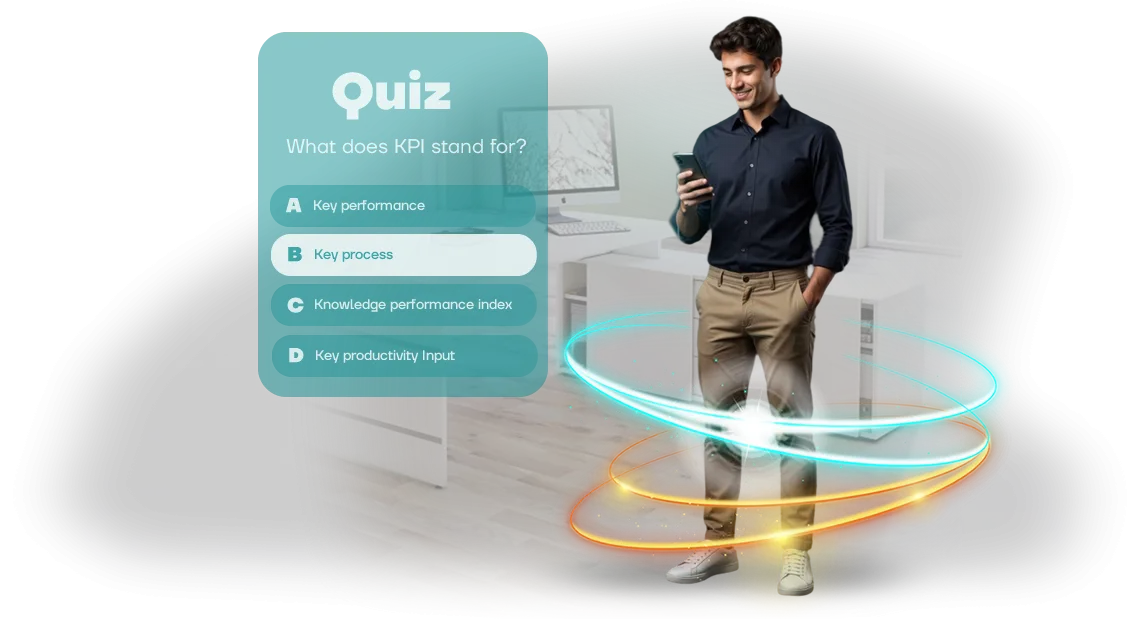
מדוע עובדים שוכחים את ההדרכה ללא חידונים במיראפוליס
עובדים משלימים קורסי חובה, אך תוך שבוע הם זוכרים רק חלק קטן מהחומר. קריאה פסיבית של שקופיות וצפייה בסרטונים לא יוצרים קשרים מתמשכים בזיכרון — המידע נדחק על ידי משימות חדשות ושגרת היום-יום. כתוצאה מכך, העסק משלם על הדרכה שכמעט ואין לה השפעה על תוצאות העבודה בפועל.
הסיבה היא שפורמטים קלאסיים אינם דורשים מאמץ פעיל. כאשר אדם פשוט מקשיב, המוח מסמן במהירות את החומר כ"לא חשוב" ומפסיק לשמר אותו.
חידונים לעובדים משנים את המכניקה: במקום צריכה פסיבית — שליפה פעילה, במקום מבחן משעמם — אתגר מרתק. כך הידע נצמד והופך למיומנות.
מיראפוליס היא המערכת שבה ההדרכה הארגונית שלכם כבר מתקיימת. אבל כדי שהיא תהיה באמת בלתי נשכחת, צריך להוסיף תרגול אינטראקטיבי.
חידונים במיראפוליס מאפשרים לפרק את ההדרכה לבדיקות קצרות לאחר כל בלוק, לשאול שאלות עם הסברים לתשובות, ולהחזיר את העובדים לנושאים קשים שוב ושוב.
גישה זו עובדת גם עם לוח זמנים צפוף — 5–7 דקות לסבב מספיקות לאפקט מתמשך.
למנהל, זה אומר תוצאות מדידות: אתם רואים מי קלט את החומר ומי זקוק להסבר נוסף. במקום תיבת סימון פורמלית המאשרת השלמת קורס — נתונים אמיתיים על הידע של הצוות שלכם.
החברה מפסיקה לבזבז כסף על הדרכה, והעובדים מקבלים פורמט ברור ומרתק שמכבד את זמנם.
אנחנו מפתחים חידונים כאלה לתרחישים ארגוניים ומשלבים אותם במיראפוליס כך ששימור הידע הופך לשיטתי. אתם מקבלים כלי שהופך הדרכות חובה למנגנון עבודה לבניית מיומנויות.
כל מה שנותר הוא להגדיר את החידון הראשון — ותראו את ההבדל בדינמיקת קליטת הידע.
מה חידון חינוכי נותן לעסק ולצוות
הדרכת עובדים הופכת פעמים רבות לפורמליות: הקורס מוקצה, אבל הידע מעולם לא נשמר. חידון משנה את התרחיש — העובד מעורב מהדקה הראשונה, והמנהל מקבל מדדי ביצוע ברורים. נסקור את היתרונות המרכזיים לעסק ולצוות.
מעורבות עובדים
הפורמט התחרותי, הנקודות, הרמות והתגובה המיידית לתשובות מחזיקים תשומת לב טוב יותר מכל הרצאה. שיעורי השלמת הקורס גדלים פי כמה, והעובדים עצמם חוזרים לחומר כדי לשפר את התוצאות שלהם.
צמיחת מיומנויות
ההצגה דמוית המשחק גורמת לאנשים לחשוב על התשובה במקום רק לשנן טקסט. שגיאה מודגשת מיד יחד עם הפתרון הנכון, כך שהידע מתחזק ממש במהלך התהליך ומיושם בעבודה.
מדדי ביצוע למשאבי אנוש
התוצאות נכנסות אוטומטית למיראפוליס — משאבי אנוש רואים מי שלט בנושא ומי זקוק לשיפור. אין צורך לאסוף תשובות ידנית: סטטיסטיקות לפי צוותים ותקופות נוצרות אוטומטית ועוזרות בקבלת החלטות כוח אדם.
מוטיבציה צוותית
לוח משתתפים והכרה בתוצאה הטובה ביותר יוצרים תחרות בריאה. עובדים דנים בחידון בצ'אטים, תומכים זה בזה ושואפים להראות תוצאה ראויה — ההדרכה הופכת לאירוע, לא לחובה.
אפקט ארוך טווח
חומר שנלמד בפורמט אינטראקטיבי נשאר בזיכרון זמן רב יותר מאשר מצגת שנצפתה. חודש לאחר מכן, העובדים משתמשים במה שלמדו במשימות אמיתיות, והמנהל רואה צמיחה מדידה באיכות העבודה.
פורמטי חידון למטרות שונות
חידון חינוכי הוא לא רק מבחן עם שאלות, אלא תרחיש שמנחה את העובד לתוצאה הרצויה: לזכור, לסקור, ליישם. לכן לפני שאנחנו מתחילים, אנחנו דנים באיזו מטרה אתם פותרים — ובוחרים את הפורמט בהתאם.
במקרה אחד, זו הקדמה קלה לעובד חדש; במקרה אחר, זו הערכה פורמלית עם תוצאות מתועדות.
אנחנו בונים את כל החידונים כמשחקים תואמי SCORM ומטמיעים אותם במערכת המיראפוליס שלכם. העובד משלים את ההדרכה בתוך הפורטל המוכר, ואתם מקבלים אוטומטית סטטיסטיקות: מי השלים, מי עבר, היכן השגיאות הנפוצות ביותר. אין בדיקות ידניות או קישורים נפרדים.
| פורמט | למי | מה הלקוח מקבל |
|---|---|---|
| קליטת עובד חדש | עובדים חדשים בימי העבודה הראשונים שלהם | הקדמה מהירה למוצר ולסטנדרטים של החברה. האדם נקלט מהר יותר, עם פחות שאלות למנטורים. |
| הערכת עובדים | צוותים לפני הערכה או לאחר הדרכה | תוצאות אובייקטיביות לכל משתתף. בסיס מוכן למשאבי אנוש ולמנהלים: מי מוכן, מי זקוק להדרכה נוספת. |
| בדיקות ידע תקופתיות | עובדים נוכחיים — חודשי או רבעוני | הידע נשאר עדכני, פערים נראים מראש. אפשר לסגור אותם לפני שהם הופכים לשגיאות בעבודה. |
אפשר לשלב פורמטים: להתחיל בקליטה לעובד חדש, ואז לעבור לבדיקות תקופתיות. כך ההדרכה הופכת לתהליך מתמשך, וההשקעות בכוח אדם הופכות למדידות.
נכין חידון למטרה שלכם: נציע תרחיש, מבנה, ונבנה הכל בתוך מיראפוליס.
איך אנחנו מפתחים חידון: שלבי הפרויקט
אנחנו מבנים את העבודה כך שתראו תוצאות בכל שלב ותוכלו לבצע שינויים בזמן. אין "קופסאות שחורות": אתם תמיד יודעים באיזה שלב נמצא החידון ומה קורה בהמשך. להלן הנתיב האופייני שפרויקט עובר מהרעיון הראשוני ועד ההשקה והתפעול במיראפוליס.
-
בריף ואיסוף דרישות. אנו מנתחים מי קהל היעד של החידון, איזה ידע צריך להיבחן, ובאיזה פורמט מתקיימת ההדרכה. אתם מקבלים מטרות מתועדות וקריטריוני הצלחה.
-
פיתוח ואישור תרחיש. אנו מכינים טקסטים של שאלות, אפשרויות תשובה, לוגיקת ניקוד וסגנון ויזואלי. אנו מיישרים את התרחיש איתכם — בדרך כלל מספיקות אחת או שתי איטרציות לאישור הגרסה הסופית.
-
יצירת החידון. בהתבסס על התרחיש המאושר, אנו בונים את המשחק האינטראקטיבי: אנימציות, מסכים, משוב לעובדים. זה נראה כמו מוצר ארגוני, לא שאלון פשוט.
-
בדיקות ואינטגרציה עם מיראפוליס. אנו מוודאים שהחידון נטען כראוי, שומר תוצאות ומעביר אותן ל-LMS שלכם. תאימות SCORM שומרת על תהליך הלמידה המוכר.
-
השקת החידון. אנו מספקים הוראות ברורות לעובדים, עוזרים למקם את הקישור או המשימה במיראפוליס, ובודקים את הניסיון הראשון. אתם מקבלים פתרון מוכן לשימוש.
-
תמיכה ואנליטיקה. לאחר ההשקה, אנו אוספים נתוני השלמה, עונים על שאלות ומשכללים את התרחיש במידת הצורך — למשל, שינוי שאלות או הגדרות השלמה.
גישה זו מבטלת כאוס: שלבי פיתוח החידון ידועים מראש, ואישור התרחיש מתרחש לפני תחילת הייצור, לא כשהכל כבר בנוי. כתוצאה מכך, השקת החידון מתנהלת לפי התוכנית — ללא עיכובים או שינויים בלתי צפויים.
מה כלול בחידון עובדים מוכן למסירה
כשאתם מזמינים חידון, אתם לא מקבלים "קובץ גולמי" אלא חבילת מסירה מלאה שכל איש משאבי אנוש יכול לעבוד איתה ללא מתכנתים או קבלנים.
הכל מהתרחיש ועד הדוחות כבר מורכב ונבדק — כל שנותר הוא להעלות את המודול למערכת ניהול הלמידה שלכם (כולל מיראפוליס) ולהזמין עובדים.
- תרחיש חידון — שאלות מוכנות בנושא שלכם, אפשרויות תשובה והסברים. אין צורך להמציא תוכן: אנו אוספים אותו מהחומרים שלכם או מפתחים אותו בעצמנו.
- משחק למידה מקוון מוכן לשימוש — קובץ שרץ בצורה חלקה במיראפוליס ובפלטפורמות אחרות. העובד עונה על החידון בדפדפן ללא התקנת דבר.
- מדריך למשאבי אנוש — הוראות בשפה פשוטה: איך להעלות את המשחק, להקצות אותו לעובדים, היכן לצפות בתוצאות, ומה לעשות אם מישהו עצר באמצע.
- דוח תוצאות — ייצוא אוטומטי: מי השלים, אילו ציונים השיג, אילו נושאים גרמו לקשיים. ללא איסוף תוצאות ידני.
- תמיכה בחידון — אנו זמינים לתקופה מוסכמת: עוזרים בהעלאות, מתקנים שגיאות, עונים על שאלות עובדים.
- עריכות ועדכונים — אם צריך להתאים שאלות או להוסיף חדשות לאחר הפיילוט, אנו מבצעים שינויים במהירות ומחזירים את הגרסה המעודכנת.
חבילה זו מכסה את המחזור המלא: מהגדרת המשימה ועד ניתוח תוצאות הלמידה. אתם מקבלים כלי שעובד מיד, לא "טופס ריק" שצריך לסיים לבד.
מקרה בוחן: איך חידון במיראפוליס העלה את המעורבות ב-40%
ברשת קמעונאית עם 300 עובדים בשמונה ערים, הדרכת חובה הפכה לפורמליות: אנשים פתחו את הקורס, עצרו את הסרטון וחזרו לעבודה, בעוד שהמבחן הסופי מדד לא כשירות אמיתית אלא יכולת לנחש תשובות. מחלקת משאבי האנוש בזבזה שבועות ביצירת חומרים שאיש לא קרא עד הסוף.
אז במקום עוד מצגת, הם השיקו חידון במיראפוליס — עם שאלות על סטנדרטי שירות, מצבי קונפליקט ומוצרים חדשים.
העובדים ענו בזמן שנוח להם, ראו הסברים מיידיים לתשובות, ויכלו להתחרות עם עמיתים מסניפים אחרים.
בחודש הראשון עצמו, מעורבות העובדים עלתה ב-40%: 85% מהמשתתפים סיימו את הקורס עד הסוף, והציון הממוצע עלה ב-18 נקודות. זמן ההשלמה ירד בחצי — כי החידון לא דרש יותר מדי מאמץ ואנשים רצו לחזור אליו.
מנהלי סניפים ציינו שאחרי החידון, העובדים עשו פחות טעויות במצבים רגישים והיו מוכנים יותר לשתף תוצאות בצ'אט הפנימי. צוות ההדרכה השתמש בסטטיסטיקות ההשלמה כדי להתאים את התוכנית: נושאים עם ציונים נמוכים כוסו בסמינר מקוון חי.
שלושה חודשים לאחר מכן, הלקוח חזר וביקש שלושה חידונים נוספים — לקליטת צוות מכירות חדש ולרשת הקמעונאית.
מקרה זה מראה שמעורבות היא לא עניין של תקציב למוטיבציה יקרה, אלא של מסירה נכונה. פורמט החידון הופך הדרכה משעממת למשחק עם חוקים ברורים ומשוב מיידי.
אם העובדים שלכם "משלימים" חומרים רק כדי לסמן וי, קל באותה מידה להעביר את התוכן לפורמט אינטראקטיבי — ולקבל צמיחה מדידה במעורבות כבר בחודש הראשון.
איך חידון משתלב עם מערכת ניהול למידה?
החידון הופך לחלק ממערכת המיראפוליס שלכם ועובד ישירות בתוך הממשק המוכר: העובד פותח את הקורס, עונה על החידון, והתוצאות נוחתות מיד ביומן ההדרכה.
אין מעבר בין שירותים, אין ייצוא ידני, אין בניית דוחות — הכל קורה אוטומטית.
לעובד, זה נראה כמו משימת הדרכה רגילה: הוא רואה את החידון ברשימת החומרים, משלים אותו בכמה דקות ומקבל תוצאה. המערכת מתעדת אוטומטית תשובות, ציונים וזמן השלמה.
זה חשוב כשצריך לבדוק במהירות ידע לאחר הדרכה או הנחיה — בלי לגרום לאנשים להבין כלים חדשים.
למנהלים ולמנהלי מערכת, האינטגרציה פותרת את הבעיה המרכזית — כל הסטטיסטיקות נאספות במקום אחד. אתם פותחים את מיראפוליס ורואים מי ענה על החידון, מי ענה נכון, ומי זקוק לתרגול נוסף.
אין צורך לבקש נתונים ממפתחים או להעביר אותם ידנית — הכל מוכן לניתוח וקבלת החלטות.
מבחינה טכנית, אנו משתמשים בפורמט תואם SCORM שמערכת ניהול הלמידה "מבינה" ללא שינוי נוסף.
לכן ההשקה אורכת זמן מינימלי: אתם מעלים את החידון, מציינים לאילו קורסים או קבוצות הוא מיועד, והוא הופך זמין מיד לעובדים הרלוונטיים.
התוצאה היא כלי הערכת ידע עובד שמשתלב במערכת ההדרכה הקיימת שלכם — ללא שינוי תהליכים מוכרים לעובדים וללא עבודה ידנית נוספת למנהלי המערכת.
תשובות לשאלות נפוצות על הטמעת חידונים
הטמעת חידון בהדרכה מעלה שאלות לא כל כך בקרב עובדים אלא בקרב מנהלים: איך תתנהל ההשקה, עד כמה זה מורכב, ומה קורה כשהמידע מתיישן. אנו עונים על חששות נפוצים ומראים איך זה עובד בפועל.
החידונים שלנו מועלים למערכת ניהול הלמידה שלכם (למשל, מיראפוליס) — העובדים עונים עליהם בממשק המוכר, ואתם מקבלים סטטיסטיקות מוכנות. להלן תשובות לשאלות המרכזיות.
האם הטמעת החידון מורכבת? אין לנו מומחים טכניים.
לא תצטרכו להיכנס להגדרות. אנחנו מטפלים בהכל: מהכנת שאלות ועד העלאת החידון למערכת ההדרכה שלכם. המשימה היחידה שלכם היא לומר לעובדים היכן לענות על המבחן ולקבל את התוצאות הסופיות.
איך מעדכנים שאלות אם כללים או מידע משתנים?
עדכון שאלות הוא המשימה הנפוצה ביותר, והיא נפתרת במהירות. אתם שולחים נתונים חדשים, אנחנו מעדכנים את החידון ומעלים את הגרסה החדשה למערכת. זה בדרך כלל לוקח יום או יומיים, כך שהעובדים תמיד רואים חומרים עדכניים, וגרסאות ישנות לא נשארות במחזור.
כמה זמן אורכת הטמעת החידון?
לוח הזמנים הסטנדרטי הוא שבוע עד שלושה שבועות בהתאם למספר השאלות ולפורמט. בהתחלה, אנו קובעים תוכנית ותאריכים כך שתדעו מתי החידון יהיה מוכן ומושק.
אם צריך בדחיפות — בואו נדון בנפרד, יש לנו ניסיון עם השקות מואצות.
העובדים לא אוהבים מבחנים. איך הופכים חידון למרתק?
אנו מעצבים את החידון כמשחק: אלמנט תחרותי, תוצאות ברורות, תרחישים מהחיים האמיתיים במקום שאלות יבשות. המעורבות גדלה דרך המכניקה, והמנהל רואה סטטיסטיקות השלמה — מי שלט בחומר ומי זקוק להדרכה נוספת.
האם חידון באמת יכול למדוד ידע של עובדים?
כן. הדוחות מראים אילו שאלות גורמות לקשיים, איך התשובות מתחלקות בין צוותים, ואילו נושאים זקוקים לחיזוק. זה לא רק הערכה — זה כלי לקבלת החלטות על הדרכה ופיתוח מקצועי.
בואו נדון בחידון שלכם — התחילו בייעוץ ראשוני
ספרו לנו מה אתם רוצים שהעובדים שלכם ילמדו — ואנחנו נציע איך להפוך הדרכה למשחק מרתק. בייעוץ ראשוני של 30–40 דקות, ננתח את המשימה שלכם, את הקהל ואת התוצאה הצפויה.
תבינו איך חידון יכול להגביר מעורבות ולעזור לחזק ידע ללא מבחנים משעממים.
אנו משלבים פתרונות במערכת ניהול הלמידה שלכם, כולל מיראפוליס, כך שנראה מיד איך המשחק מתאים למערכת שלכם. נדון בפורמט: בדיקה קצרה אחרי קורס, סדרת סבבים למחלקה, או תחרות בין סניפים. תקבלו המלצות קונקרטיות המותאמות למטרות שלכם, לא עצות כלליות.
מה תקבלו אחרי הפנייה:
- ניתוח של המשימה שלכם ופורמט חידון המותאם למטרות ההדרכה שלכם;
- תוכנית מוכנה: שלבים, לוח זמנים והיקף עבודה ללא פרטים נסתרים;
- המלצות על שאלות ותרחישים המשפרים שימור ידע;
- אפשרויות אינטגרציה עם מיראפוליס ומערכות ניהול למידה אחרות;
- דוגמאות לחידונים לענף שלכם — מקמעונאות ועד תעשייה;
- הערכה ברורה והצעה מסחרית בתוך שני ימי עסקים.
הזמנת חידון להדרכת עובדים היא פשוטה: התחילו בייעוץ ראשוני. השאירו בקשה באתר או התקשרו אלינו — נדון בפרטים ונציע פתרון שישתלם דרך מעורבות מוגברת ואיכות ידע.