

הדרכות Open edX לא מערבות עובדים — איך מתקנים את זה?
עובדים לא מגיעים לסוף ההדרכה שלהם — וזו לא בעיה של עצלנות, אלא בעיה בפורמט עצמו. כשקורס ב-Open edX מורכב מטקסט רציף ושקופיות סטטיות, הקשב יורד תוך דקות.
אנשים עוברים על החומר רק כדי לסמן וי, לא זוכרים את הנקודות המרכזיות, וכל המטרה של ההדרכה הולכת לאיבוד. החברה מוציאה תקציב על תוכניות שלא מניבות ערך, וההדרכה הופכת למטלה שכולם עייפים ממנה.
מנהלים רואים את זה במספרים: אחוזי סיום נמוכים, ציוני מבחנים חלשים, ואין שינוי בביצועים בעבודה. גרוע מכך, עובדים מפתחים גישה שההדרכה היא פורמליות — כל תוכנית חדשה נתקלת בהתנגדות גדולה עוד יותר. בעיית ההדרכה הופכת למערכתית ומשפיעה על כל הצוות.
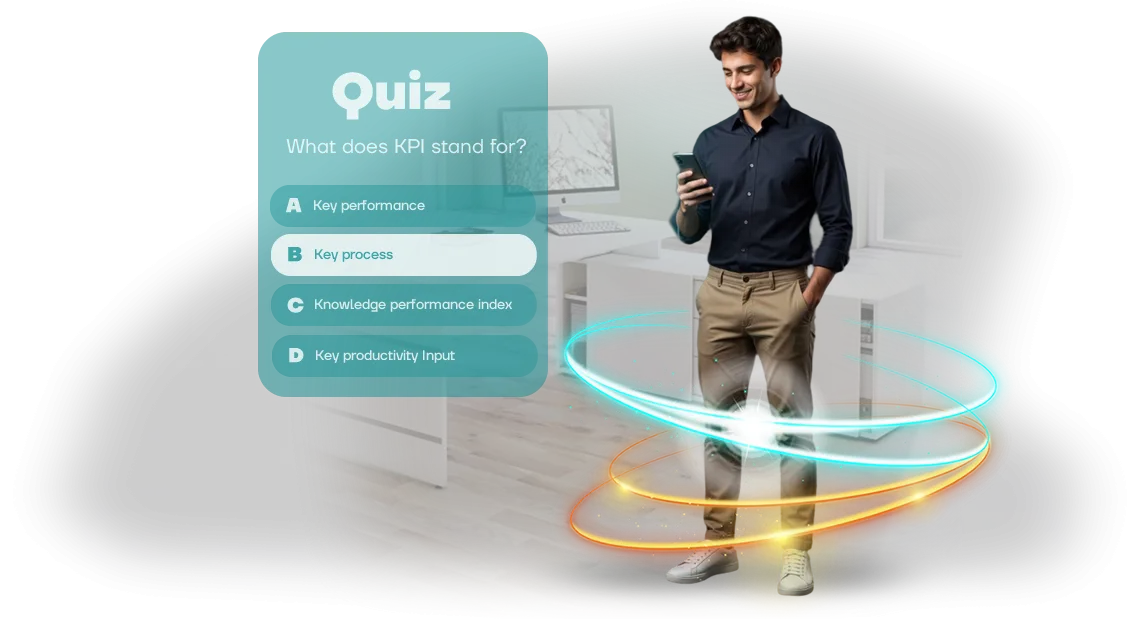
הפתרון הוא הדרכה מעורבת. חידון לעובדים הופך קריאה פסיבית לסצנה אקטיבית: שאלות לאורך החומר, קבלת החלטות, משוב מיידי. אנשים נכנסים לתהליך ולומדים חוקים וסטנדרטים דרך תרגול, לא שינון עיוור. העניין חוזר, שיעורי הסיום עולים, והידע נשאר.
זה מה שאנחנו מספקים: אנחנו בונים חידונים חינוכיים במפתח פתוח ומשלבים אותם במערכת ה-Open edX שלכם. אנחנו מטפלים בסצנה, בשאלות, בעיצוב ובאינטגרציה הטכנית — אתם לא צריכים לדאוג לפרטים.
העובד שלכם עובד בממשק המוכר, אבל במקום טקסט משעמם, הוא עובר סצנה חיה עם בדיקות הבנה בכל שלב. ככה ההדרכה הופכת שוב למשמעותית — גם עבור האנשים וגם עבור העסק.
אילו יתרונות עסקיים חידונים חינוכיים מביאים
מנהלים משקיעים בהדרכת עובדים, אבל התוצאה נמדדת לעיתים קרובות "בעין". חידונים חינוכיים משנים את הגישה: העובד הופך למשתתף פעיל, לא לצופה.
פורמטים אינטראקטיביים קצרים שומרים על קשב, ובשילוב עם Open edX הם מספקים מערכת אחידה לבדיקת ידע ומעקב אחר התקדמות.
היתרון הראשון הוא שיעור סיום גבוה יותר. חידון מפרק את ההדרכה לשלבים קצרים ומשמעותיים עם משוב. עובדים רואים את התוצאות שלהם ורוצים להמשיך, כך שיש פחות מקרים של נשירה באמצע הקורס. קורס שהסתיים אומר שהדרישה מולאה, לא שהזמן התבזבז.
היתרון השני הוא שימור ידע. שליפה אקטיבית עוזרת לחזק דפוסי התנהגות נכונים. החומר נשאר ומיושם בעבודה, לא נשכח אחרי שבוע. זה אומר פחות טעויות והטמעה מהירה יותר של עובדים חדשים.
היתרון השלישי הוא אנליטיקה ברורה למשאבי אנוש. כל תשובה מראה אילו נושאים מובנים ואיפה יש שגיאות מערכתיות.
תוצאות הדרכה שקופות לכל עובד ומחלקה — בלי סקרים ידניים — מאפשרות לכם להתאים את התוכנית ולהראות למנהלים השפעה מדידה.
בסופו של דבר, חידונים נותנים לעסק מעורבות גבוהה יותר, ידע חזק יותר וקשר מדיד בין הדרכה לביצועים בעבודה.
פורמטים של חידונים להדרכה ארגונית ב-Open edX
בחירת פורמט חידון היא לא עניין של נוחות ממשק, אלא שאלה של כמה מהר עובדים יישמו ידע בפועל.
ב-Open edX, אנחנו אורזים מנגנונים שונים של בדיקת ידע כך שהם משרתים מטרה עסקית ספציפית: הטמעת עובדים חדשים, הכנה להסמכה או תרגול מיומנויות מכירה.
להלן השוואה בין פורמטים לתרחישי הדרכה ארגוניים נפוצים.
| פורמט | למי זה מיועד | מה זה נותן לחברה |
|---|---|---|
| מבחן רב-ברירתי | עובדים חדשים, הדרכה המונית | בקרה מהירה על הבנת התאוריה וסטנדרט ידע אחיד |
| מקרה מצבי | מנהלים, מכירות, תמיכה | תרגול מצבים אמיתיים ללא סיכון ללקוחות או למוניטין |
| תחרות עם זמן מוגבל | תוכניות מוטיבציה, הדרכות חוזרות | מעורבות, רוח תחרותית ופעילות גבוהה |
| מבחן עם שאלות אקראיות | הסמכה, גישה למשימות קריטיות | אימות אובייקטיבי של מוכנות העובד לתפקיד |
החידון מוטמע ישירות בקורס ה-Open edX: העובד עובר אותו בחשבון האישי שלו, והמנהל רואה תוצאות בדיווח אחיד. זה לא רק ציון כללי, אלא פירוט לפי נושאים, מהירות סיום והדינמיקה של כל צוות.
זה מאפשר לזהות פערי ידע בזמן ולהתאים את תוכנית ההדרכה לפני שטעות עולה לחברה ביוקר.
הפורמטים משתלבים היטב: בדיקה קצרה אחרי כל פרק והערכה גדולה יותר בסוף המודול. המפתח הוא שכל פורמט עונה על השאלה למה העובד עובר אותו ואיזו החלטה החברה תקבל על סמך התוצאות.
איך נבנה ונשיק את החידון: שלבי הפרויקט
בנינו את התהליך כך שתראו תוצאות בכל שלב ותוכלו להשפיע בכל רגע שנוח לכם. אין "קופסאות שחורות": אחרי הבריף אתם מקבלים תוכנית, אחרי התוכנית — סצנה מוכנה, ורק אחרי ה"אוקיי" שלכם אנחנו עוברים לפיתוח.
- בריף ומטרות — אנחנו דנים לאילו עובדים החידון מיועד, אילו נושאים צריך לחזק, ואיזו תוצאה אתם רוצים: מעבר מבחנים, מעורבות גבוהה יותר, הטמעה מהירה יותר של עובדים חדשים.
- סצנה ותוכנית — אנחנו מפתחים את המבנה: מספר שאלות, רמות קושי, אפשרויות תשובה והגיון רמזים. בשלב הזה אתם רואים איך החידון ילמד, לא רק יבדר.
- אישור — אתם מקבלים מסמך מפורט עם טקסטים והגיון, עורכים שינויים, ואנחנו נועלים את הגרסה הסופית. זה מונע שינויים בלתי צפויים בשלבים מאוחרים יותר.
- פיתוח ועיצוב — אנחנו בונים את החידון בסגנון המותג שלכם: אנימציות, פונטים, ויזואליה והתאמה למחשבים שולחניים וטאבלטים. המשחק מוטמע במערכת ההדרכה שלכם מבוססת Open edX מההתחלה.
- בדיקות והשקה — אנחנו מוודאים זרימות סצנה, דיוק ניקוד ותאימות לפלטפורמה שלכם. אחרי סיום הבדיקות, אנחנו מפרסמים את החידון ועוזרים לכם להפעיל אותו לקבוצת העובדים המתאימה.
- תמיכה בחידון — אחרי ההשקה, אתם לא נשארים לבד עם שאלות. אנחנו עוקבים אחר סטטיסטיקות סיום ועורכים שינויים כשצריך — החלפת שאלות, קושי או עיצוב.
התהליך המלא אורך בין כמה שבועות לחודש — ציר הזמן המדויק תלוי בכמות התוכן ובאישורים. אתם תמיד יודעים באיזה שלב הפרויקט ומה קורה הלאה, והתמיכה נשארת בקשר אחרי הפרסום.
מה כלול במסירה: חבילת הפתרון המלאה
אתם מקבלים לא רק קובץ משחק, אלא מוצר הדרכה עובד לחלוטין. אנחנו מטפלים בהכל — מיצירת שאלות וסצנות ועד אינטגרציה עם מערכת ההדרכה שלכם. כל מה שאתם צריכים לעשות זה לשלוח לעובדים את הקישור ולקבל את התוצאות.
חבילת המסירה כוללת:
- מאגר שאלות וסצנות מוכן. החידון בנוי סביב המטרות העסקיות שלכם ובודק בדיוק את הידע שהעובדים שלכם צריכים. הכל נבדק ומוכן להשקה.
- אינטגרציה עם פלטפורמת ה-Open edX שלכם. ההדרכה רצה בתוך המערכת שלכם, ותוצאות נרשמות אוטומטית בספר הציונים. אין הזנת נתונים ידנית ואין אובדן נתונים.
- מדריך מנהל. מסמך שלב-אחר-שלב ברוסית: איך להשיק את החידון, לשנות שאלה ולייצא דוח. כל עובד ללא ניסיון טכני יכול להתמודד עם זה.
- תמיכה בחידון. לתקופה מוסכמת, אנחנו נשארים בקשר: אנחנו עוזרים בהשקה, עונים על שאלות ומתאימים את הסצנה כשצריך.
- בעלות על התוכן. כל השאלות וההגדרות נשארות שלכם. אתם יכולים לפתח את החידון בעצמכם או להזמין מאיתנו מודולים חדשים.
אחרי ההשקה, אתם לא נשארים לבד עם המוצר. אנחנו נותנים למנהלים סשן הדרכה קצר ותומכים בצוות בימים הראשונים של החידון. ככה אתם מקבלים תוצאות בלי השבתה.
מקרה בוחן: איך חידון הגביר מעורבות ותוצאות
רשת מרפאות החליטה לחדש את ההדרכה החובה שלה לצוות רפואי: הוראות נייר והרצאות לא תפסו את הקשב, ובדיקות הידע צומצמו לסימון פורמלי.
הלקוח רצה שעובדים באמת יזכרו אלגוריתמים של עזרה ראשונה ותקנות חדשות — ויישמו אותם בעבודה היומיומית.
הפכנו את הקורס לחידון אינטראקטיבי על Open edX והוספנו מכניקות משחק: נקודות על מהירות ודיוק, רמות קושי ולוח תוצאות בין עמיתים. במקום מבחן משעמם — התרגשות ותחרות בריאה.
בנינו שלוש רמות קושי כך שעולה חדש לא יוצף ורופא מנוסה יקבל אתגר מעניין — זה גם חיזק את המעורבות.
כבר אחרי החודש הראשון, שיעור סיום הקורס עלה מ-34% ל-78%, והציון הממוצע במשימות בקרה עלה מ-58% ל-91%.
חשוב יותר, הידע לא נשאר כמספרים בדוח. רבעון אחר כך, השווינו בין מחלקות שסיימו את ההדרכה לאלה שלא: מספר שגיאות המסמכים ירד בשליש בערך, ומהירות עיבוד הבקשות עלתה.
הרופאים עצמם חזרו לנושאים קשים כדי לשפר את התוצאות שלהם — לא היה עוד צורך בפיקוח מתמיד.
ראש מרכז ההדרכה ציין: "עובדים הפסיקו לדחות קורסים ליום האחרון; הם נכנסים בעצמם לבדוק תוצאות ולשפר את הדירוג שלהם.
החידון הפך לנושא שיחה במחלקות — עמיתים ממליצים זה לזה על חומרים שלא היו בהרצאות הרגילות."
הפרויקט הזה מאשר כלל מפתח: פורמט מניע עובד טוב יותר מכפייה. הלקוח הרחיב את החידון לכל הסניפים והזמין הסמכה שנתית למנהלים — אנחנו גאים שההדרכה הפסיקה להיות "מס" והפכה לכלי לפיתוח צוות.
איך לבחור את פורמט החידון הנכון למטרה של החברה שלכם?
אין חידון אוניברסלי שמתאים גם לעולה חדש וגם לעובד מנוסה.
יש לבחור את הפורמט לפי מטרה עסקית ספציפית: להכיר לאדם מוצר במהירות זה דבר אחד, לבדוק ידע אחרי קורס זה דבר אחר, ולהריץ הסמכה שנתית זה דבר שלישי. זה קובע את קושי השאלות, הזמן הנדרש ואיך משתמשים בתוצאות.
אם המטרה היא הטמעה, מהירות ומעורבות הן החשובות ביותר. עולה חדש לא צריך מבחן של שעתיים: 10–15 שאלות בפורמט "נכון/לא נכון" או מקרים מצביים פשוטים מספיקים.
חידון כזה עוזר לאדם לראות מיד מה הוא כבר תפס ואילו נושאים ראויים ליותר תשומת לב.
למבחן אחרי קורס, הגיוני להשתמש בשאלות עמוקות יותר על החומר — הנקודה כאן היא לא רק לרשום את עובדת "הסיום", אלא להבין אילו בלוקים נלמדו הכי גרוע.
הסמכה, לעומת זאת, היא הערכה רצינית: ההתאמה הטובה ביותר היא סצנות מורחבות שבהן עובד מיישם ידע במצבים דמויי עבודה, עם מגבלות זמן.
בפועל, שילוב של פורמטים עובד לרוב הכי טוב. חידון קצר במהלך הטמעה קובע את הטון ומערב עולה חדש. מבחן אחרי קורס מחזק את החומר ונותן לכם סטטיסטיקות ברורות על כל עובד.
הסמכה סופית מראה את רמת הכשירות האמיתית אחרי שחלף זמן. אלה שלושה שלבים שמלווים אדם כל הדרך — מהיום הראשון ועד לעבודה בטוחה.
במערכת שלנו מבוססת Open edX, כל הפורמטים האלה מוגדרים למטרות שלכם: אתם רואים את ההתקדמות של כל משתתף, ועובדים מקבלים תוצאות מיידיות ורמזים על איפה הפערים שלהם.
לכן הדבר הראשון שאנחנו שואלים לקוח הוא איזו החלטה החברה תקבל על סמך תוצאות החידון: אישור לעבודה, הנפקת תעודה או התאמת תוכנית ההדרכה. התשובה קובעת את בחירת הפורמט — ואתם לא צריכים לקבל את ההחלטה הזו לבד.
אנחנו ננתח את המטרה שלכם, נציע את סוג החידון הנכון ונראה איך זה ייראה עבור עובד. ואם צריך, נבנה אפשרות לשנות את הפורמט בלי לבנות מחדש את כל התוכנית.
שאלות נפוצות וחששות לפני הזמנת חידון
לפני הזמנת חידון חינוכי, רוב הלקוחות שואלים את אותן שאלות: האם קשה לשלב במערכת שלנו, מי יעדכן את התוכן, ומה קורה במקרה של תקלה טכנית.
אלה חששות נורמליים — עדיף לדון בהם לפני תחילת העבודה מאשר להיתקל בהם בדרך.
להלן תשובות לשאלות הנפוצות ביותר. אם התרחיש שלכם לא כאן, פשוט כתבו לנו: נבחן את המקרה שלכם ונאמר לכם בכנות איך זה יעבוד.
האם החידון יעבוד ב-LMS שלנו?
כן. החידון ארוז בפורמט SCORM הסטנדרטי, ש-Open edX ורוב הפלטפורמות הנפוצות מבינות. אנחנו מעלים אותו יחד איתכם ומוודאים את זרימת ההשקה והסיום, כך שהכל עובד מיד כשההדרכה מתחילה.
מה אם נצטרך לשנות שאלות בעוד חצי שנה?
עדכוני תוכן הם חלק סטנדרטי מהתמיכה שלנו. אתם שולחים לנו את השאלות החדשות, אנחנו מכניסים אותן לחידון ומפרסמים את הגרסה המעודכנת. זה בדרך כלל לוקח 1–2 ימי עסקים, בלי לבנות מחדש את כל הקורס.
מי אחראי אם מתרחשת תקלה טכנית במהלך ההדרכה?
אנחנו. כל עוד החידון רץ במערכת שלכם, אנחנו עוקבים אחר היציבות שלו ונשארים בקשר. אם נמצא שגיאה שלנו, נתקן אותה במהירות וללא תשלום. אתם אף פעם לא נשארים לבד עם הבעיה.
אילו ערבויות אתם נותנים על לוחות זמנים ותוצאות?
לוחות זמנים ותוצאות מקובעים בחוזה לפני שאנחנו מתחילים. עד שהחידון עובד כמו שהסכמנו, אנחנו ממשיכים לשפר אותו. התפקיד שלכם הוא לספק את החומר — אנחנו לוקחים על עצמנו את האמינות הטכנית.
אנחנו עונים על השאלות האלה מראש בכוונה, כדי שתרגישו בטוחים בכל שלב. קודם ריצת ניסיון, אחר כך הדרכה לעובדים — בלי הפתעות.השיקו הדרכה מעורבת שמניבה תוצאות
אתם יודעים מה מפריע בהדרכת עובדים רגילה: סיום קורס פורמלי, מבחנים משעממים ואפס שימור.
אנחנו הופכים בדיקות ידע לחידון מעורב שעובד ישירות בתוך Open edX — הפלטפורמה שכולם כבר מכירים, בלי מערכות חדשות או אינטגרציות מורכבות.
במקום "עוד מבחן", עובדים מקבלים משחק, ואתם מקבלים מספרים ברורים על כמה טוב החומר נקלט.
ככה פרויקט מתפתח אחרי הבקשה שלכם — שלב אחרי שלב, עם תוצאות ברורות בכל שלב:
- יום 1–2. אנחנו ממנים מנהל פרויקט, מקבלים את הבריף ונועלים את ציר הזמן. אתם כבר יודעים מתי החידון יהיה מוכן.
- שבוע 1. אנחנו מסכימים על הסצנה והשאלות המותאמות לפרטים שלכם. אתם רואים את התוצאה העתידית לפני שהפיתוח בכלל מתחיל — בלי הפתעות.
- שבוע 2–3. אנחנו בונים את המשחק ומשלבים אותו ב-Open edX. אתם מקבלים קישור בדיקה, עוברים את החידון כמו עובד ועורכים שינויים.
- שבוע 4. אנחנו משיקים את ההדרכה לכל הצוות. כל מה שאתם צריכים לעשות זה לשלוח הודעה אחת — המערכת מטפלת בשאר.
- אחרי ההשקה. אנחנו פותחים את האנליטיקה: מי סיים, כמה ניסיונות נדרשו ואילו שאלות גרמו לקשיים. זה חומר מוכן לשיפור ההדרכה שלכם.
בטווח הארוך, אתם מקבלים צוות שבאמת יודע את החומר וחיסכון בסשנים חוזרים של הדרכה. המעורבות גדלה, ותוצאות ההדרכה הופכות לשקופות ומדידות.
הזמינו חידון — נתחיל עם בריף קצר כבר בפגישה הבאה שלנו, ותראו את התוצאות הראשונות כבר בשלב הראשון.