

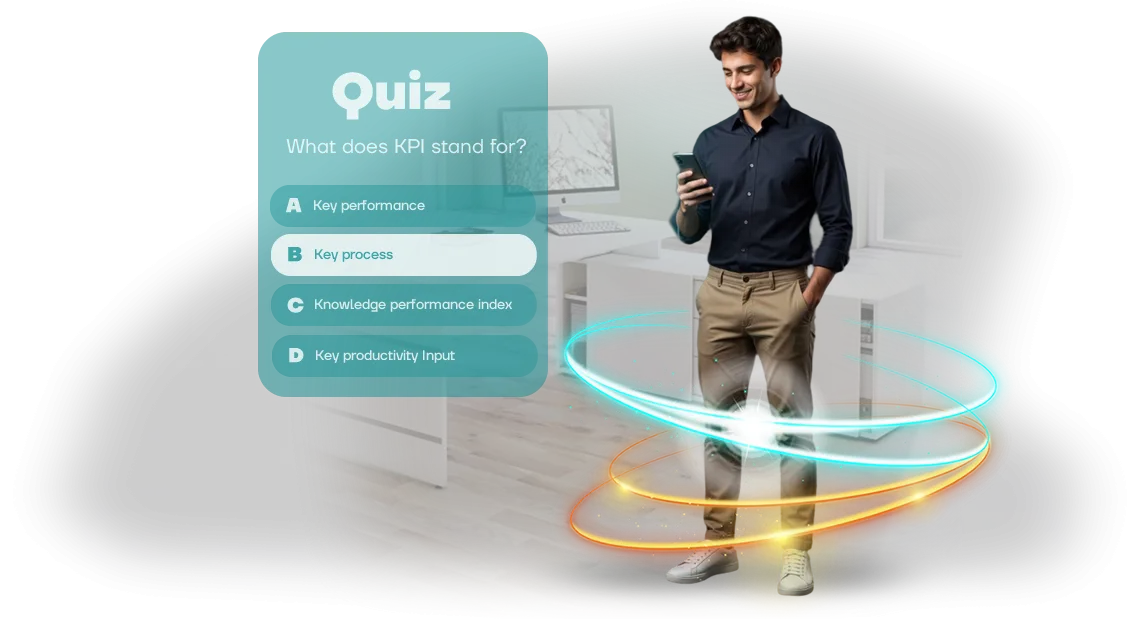
מדוע סוחרים אינם מוכנים לעסקאות ומפסידים רווח
סוחרים ושותפי מכירה הם הפנים של המותג באזורים. ההכנה שלהם קובעת ישירות כמה עסקאות נסגרות וכמה רווח היצרן מרוויח.
אך לרוב, הכשרת סוחרים מסתכמת בסמינרים מקוונים נדירים ומדריכי PDF שאיש לא מסיים לקרוא. כתוצאה מכך, שותפים נכנסים למשא ומתן עם ידע שטחי על המוצר ואינם יכולים לענות אפילו על שאלות בסיסיות של לקוחות.
מכאן טעויות המכירה האופייניות: התנגדויות לא מטופלות, יתרונות לא מוצגים, עסקאות לא נסגרות. הלקוח עוזב למתחרה, והיצרן מפסיד לא רק רווח אלא גם מוניטין.
בינתיים, תקציב השיווק ויצירת הלידים כבר נוצל — המכירות קורסות בשלב הסופי, כאשר הסוחר אמור להפוך עניין לרכישה.
המוטיבציה של השותפים ללמוד יורדת לכמעט אפס: הם חושבים שהם כבר יודעים הכל, ואין זמן ללמידה עצמית.
הבעיה אינה האנשים, אלא הפורמט. הרצאות ארוכות לא עובדות, ומבחנים נתפסים כעונש. חידונים חינוכיים הופכים את ההכשרה למפגשי משחק קצרים: סוחרים מתחרים, רואים מיד את הפערים שלהם, וזוכרים את הטיעונים הנכונים תוך כדי.
גישה זו מגבירה את המוכנות לעסקאות, מחזקת את מוטיבציית השותפים ומובילה ישירות לצמיחת רווח. אנחנו פותרים את האתגר הזה — אנו מיישמים חידונים שהסוחרים משלימים בעניין, לא רק כדי לסמן וי.
מה תקבלו: צמיחת מכירות וביטחון צוותי
שותפי המכירה והסוחרים שלכם מדברים עם לקוחות כל יום, אך לעתים קרובות חסר להם ידע מעמיק על המוצר.
חידון חינוכי הופך את ההכשרה למשחק מרתק: עובדים עוברים את החומר בפורמט נוח, מתחרים זה בזה ומחזקים את כישוריהם בפועל.
כתוצאה מכך, אתם מקבלים צוות שמוכן למשא ומתן אמיתי ומסוגל להוביל לקוחות באופן עצמאי לרכישה.
צמיחת המרות היא התוצאה הראשונה והחשובה ביותר הניתנת למדידה. כאשר סוחר מבין את כל היתרונות של ההצעה שלכם ויודע כיצד להגיב להתנגדויות, המכירות זורמות חלק יותר ומסתיימות ברכישה בתדירות גבוהה בהרבה.
החידון עובד דרך תרחישים טיפוסיים, כך שעובדים מפתחים תגובות אוטומטיות לכל שאלת לקוח, וזה משפיע ישירות על ההכנסות.
במקביל, המודעות למותג גדלה. הפורמט המשחקי נזכר טוב יותר מהכשרה סטנדרטית: המשתתפים לומדים את פרטי המוצרים שלכם, את הערך שלהם ואת ההיסטוריה של החברה.
הם מעבירים את הידע הזה ללקוחות באופן טבעי, והתהליך עצמו הופך לסיבה לשיח בין עמיתים ושותפים, ומרחיב את טווח ההגעה של המותג ללא תקציב פרסום נוסף.
נאמנות הסוחרים חשובה לא פחות. על ידי השקעה בפיתוח צוות השותפים שלכם, אתם מראים שאתם מעריכים שיתוף פעולה ומוכנים להשקיע בתוצאה משותפת.
גימיפיקציה מחושבת יוצרת רגשות חיוביים, מניעה המשך שיתוף פעולה ומפחיתה את הסיכון שהסוחרים שלכם יעברו למתחרים.
לבסוף, החידון הוא מקור אסטרטגי ללידים. במהלך המשחק, אתם יכולים לאסוף פרטי קשר של משתתפים, להעריך את רמת הידע שלהם ולזהות את המומחים המוכנים ביותר.
לאחר מכן תוכלו להשתמש במאגר זה כדי לעבוד עם לקוחות פוטנציאליים: להציע להם חומרים נוספים, ייעוץ אישי או תנאים מיוחדים, מה שמגדיל את מספר הפניות האיכותיות למחלקת המכירות.
ההשפעה של היישום מורגשת בכל התחומים: המרת מכירות גבוהה יותר, מודעות למותג בקרב קהל היעד, נאמנות של שותפים מרכזיים וזרם קבוע של לידים.
כל שעת השקעה בהכשרה מחזירה את עצמה דרך הכנסות מוגדלות ויוצרת יתרון תחרותי בר-קיימא לחברה שלכם בשוק.
פורמטים להכנת שותפי מכירה וסוחרים למכירה
הכנת שותפי מכירה וסוחרים למכירה אינה רק שיתוף מידע על המוצר. מדובר בוודאות שהעובד קולט את הטיעונים המרכזיים, לומד לטפל בהתנגדויות ומיישם בפועל את הידע בשיחות עם לקוחות. מצגות ומבחנים רגילים לא עובדים כאן: מידע נשכח, והמוטיבציה יורדת.
לכן אנו מפתחים חידונים חינוכיים ומכניקות גימיפיקציה שהופכים למידה למשחק. בהתאם למשימה — השקה מהירה, התעמקות עמוקה או שימור כישורים לטווח ארוך — אנו בוחרים את הפורמט המתאים. להלן האפשרויות העיקריות המכסות תרחישים טיפוסיים של רשת סוחרים.
| פורמט | למי זה מיועד | מה הלקוח מקבל |
|---|---|---|
| חידון קצר | סוחרים שצריכים לרענן במהירות ידע על המוצר | הגעה מהירה, בדיקת הבנה מיידית, חסם מעורבות נמוך |
| מסע מבוסס סיפור | שותפים חדשים העוברים הכשרה מלאה | התעמקות עמוקה במוצר, שימור דרך תרחישים ורגשות |
| מטא-משחק (תחרות) | רשת סוחרים פעילה במספר אזורים | שמירה על מומנטום, תחרות בריאה, צמיחת מכירות המונעת מרוח תחרותית |
| גימיפיקציה מקיפה | חברות עם השקות מוצר קבועות | הכשרה שיטתית, חזרתיות, אנליטיקת התקדמות לכל שותף |
אם המטרה שלכם היא לא רק "להשלים את ההכשרה" אלא לשמר ידע ומוטיבציה באופן קבוע, שלבו פורמטים. לדוגמה, חידון קצר אחרי כל מודול ומטא-משחק בסוף הרבעון מספקים תרגול מתמשך והתרגשות בריאה.
בשלב הבריף, נעזור לכם לבחור את התצורה האופטימלית למטרות ולתקציב שלכם — ללא מכניקות מיותרות או תשלום יתר.
כיצד אנו מיישמים חידונים: מבריף ועד השקה
כדי שחידון סוחרים באמת יגדיל מכירות, איסוף שאלות אינו מספיק. צריך מערכת: מהמטרה ועד אנליטיקה. לכן אנו משתמשים בתהליך שקוף בן שישה שלבים — אתם תמיד יודעים מה קורה ומתי תקבלו את התוצאה. כל שלב מסתיים בתוצר ביניים שתוכלו לראות ולאשר.
- בריף וראיון — אנו מנתחים את המוצר, הקהל וההתנגדויות הטיפוסיות. אנו מגדירים את מטרת ההכשרה: ידע חדש, תרגול סקריפטים או הכנה להשקת מוצר חדש.
- אישור קונספט — אנו מציעים את קו העלילה, הרמות ומכניקות המוטיבציה. אתם מאשרים כיצד זה ייראה ומבצעים עריכות לפני תחילת הפיתוח.
- פיתוח תוכן — אנו הופכים את החומרים שלכם לשאלות ותרחישים מרתקים. כל פריט נבדק לבהירות ולערך חינוכי.
- אב-טיפוס ופיילוט — אנו משיקים גרסה עם קבוצה קטנה של עובדים. אנו רואים היכן הם מאבדים עניין ומשפרים עד שנשיג את התוצאה הרצויה.
- השקה והטמעה — אנו מחברים את כל המשתתפים ומספקים הוראות פשוטות. מנהלים רואים סטטיסטיקות השלמה בזמן אמת.
- תמיכה ופיתוח — אנו מעדכנים שאלות, מוסיפים תרחישים ומנתחים ביצועים. אנו נשארים בקשר ועוזרים לשפר את ההכנה של הצוות שלכם.
אתם מקבלים תהליך צפוי: שלבים ברורים, תוצאות ביניים והכשרה שעובדים באמת משלימים. התוצאה — סוחרים מוכנים יותר ומכירות גבוהות יותר.
מה כלול במסירה: ערכה לצוות שלכם
עם סיום הפרויקט, אתם מקבלים לא רק משחק מהנה, אלא כלי עבודה להכנת שותפי מכירה וסוחרים למכירה. הערכה כוללת כל מה שצריך כדי להשיק את ההכשרה מיד — ללא גיוס מפתחים או הגדרה ארוכה.
- תרחישי חידון המותאמים למטרותיכם — פורמטים מוכנים לשלבים שונים: בדיקת ידע על המוצר, טיפול בהתנגדויות וסקירת מצבי מכירה קשים. תוכלו לשנות את סדר השאלות והחוקים כדי להתאים לתוכנית שלכם.
- ספריית שאלות ותוכן — תוכן המבוסס על המוצרים, השירותים והפניות האופייניות של הלקוחות שלכם. החומר מועבר בצורת משחק, כך שעובדים באמת זוכרים את הטיעונים וחוזרים לחידון מספר פעמים.
- אינטגרציה עם פורטל הלמידה — החידון משתלב במערכת הלמידה מרחוק שלכם. תוצאות המשתתפים וההתקדמות זורמות אוטומטית לדיווח הכללי, עם פילוח לפי סניף, צוות או סוחר.
- פאנל ניהול — אתם יוצרים חידונים חדשים, משנים שאלות וקובעים מועדים בעצמכם. אין צורך במתכנתים: ממשק פשוט מספיק, ואנו מעבירים זכויות ניהול ומכשירים את הצוות שלכם.
- דיווח לכל עובד — אתם יכולים לראות מי השלים את ההכשרה, היכן הם טעו ואילו נושאים דורשים תיקון. בהתבסס על נתונים אלה, אתם מתאימים את תוכנית ההכשרה ומשפרים את תוצאות המכירות.
- הוראות צוות ומדיניות — תבניות הודעה, תזכורות למשתתפים ומדריך משאבי אנוש. הכל מוכן לשימוש: מנו אחראי — והתהליך פעיל.
- תמיכה לאחר ההשקה — אנו עוזרים בהטמעה, מקיימים סמינר מקוון למנהלים ועונים על שאלות במהלך החודש הראשון לפעילות. זה מסיר עומס נוסף מהצוות שלכם.
מקרה בוחן: +40% הכנסות דרך הכשרה
עבור רשת הסוחרים KlimatPro, המוכרת ציוד מיזוג אוויר ב-12 ערים, ההכשרה הייתה פורמליות: עובדים צפו במצגות, עברו מבחנים ושכחו הכל כעבור שבוע.
מנהלים לא יכלו לנסח את יתרונות המוצר, איבדו לקוחות בשלב ההשוואה, וכמה "כוכבים" בודדים יצרו את רוב ההכנסות.
פיתחנו חידון חינוכי מגויף ל-140 עובדים: תחרות בין סניפים, סיבובים קצרים בסמארטפון — 15 דקות ביום בתוך יום העבודה. המשימות דימו שיחות לקוח אמיתיות: טיפול בהתנגדויות, השוואת דגמים, מכירת אביזרים נוספים.
כך החומר נשאר בזיכרון והכישורים חוזקו דרך תרגול, לא רק תיאוריה.
תוצאה עסקית
כעבור חודש, השווינו את המדדים לתקופה הקודמת. ההכנסות במיקומים המאומנים גדלו ב-40%, והמרת הרכישה ב-18%. ערך ההזמנה הממוצע עלה: אנשי מכירות החלו להציע בביטחון פריטים נוספים.
כשראו קשר ישיר בין הכשרה למכירות, החברה השיקה את החידון לכל העובדים החדשים והאריכה את הפרויקט בשנה נוספת.
שמנו לב גם לעלייה בעסקים חוזרים: מנהלים מאומנים בנו קשרים ארוכי טווח, ולקוחות חזרו לשירות והמלצות. השפעה זו הוכחה כבעלת ערך לא פחות מצמיחת המכירות החד-פעמית.
ראש מחלקת פיתוח הסוחרים ציין: "נהגנו להשקיע במוטיבציה ולא בידע.
אחרי החידון, הצוות עצמו התחיל למכור פריטים מורכבים — נאלצנו לשנות את תוכנית הרכש." עבורנו, זה אישור: הכשרה שמעסיקה משיגה תוצאות מדידות לעסק.
כיצד לבחור את הפורמט המתאים למשימה שלכם?
בחירת הפורמט משפיעה ישירות על מידת המוכנות של שותפי המכירה והסוחרים שלכם למכירה: השאלה המרכזית היא מה עובד אמור להיות מסוגל לעשות לאחר סיום ההכשרה.
אם אתם צריכים לרענן במהירות ידע על המוצר ולנעול עובדות מפתח, חידון קצר של 10–15 שאלות מספיק.
אם סוחר צריך לטפל בהתנגדויות ולהציג מוצר חדש בביטחון, נדרש תרחיש מסועף: המשתתף חווה את המצב, עושה טעויות, מקבל הסבר ומנסה שוב.
התקציב ולוח הזמנים קובעים את היקף הפתרון. כאשר צריך להשיק הכשרה בכל הסניפים תוך שבועיים, תבנית חידון מוכנה עם השאלות שלכם היא אופטימלית — היא מהירה, צפויה במחיר ומספקת נתונים על כל עובד.
אם יש לכם זמן לפיתוח ואתם רוצים להטביע שותפים בחוויה ייחודית, תוכלו לבנות משחק רב-רמות עם דירוג תחרותי — הוא מחזיק תשומת לב זמן רב יותר ויוצר מוטיבציה נוספת.
מטרת ההכשרה היא נקודת ההתייחסות המרכזית. להשקה המונית של תוכנית חדשה, מבחן קצר עם ציון עובר ותעודה מספיק.
להכנה ארוכת טווח של סוחרים, מפגשים קבועים עם צבירת נקודות, לוח מובילים וחזרה על נושאים קשים חשובים יותר. כך אתם רואים מי באמת שלט בחומר ומי זקוק לתמיכת חונך.
אנו עוזרים לכם לבחור את הפורמט בהתבסס על המדדים העסקיים שלכם: אנו מעריכים את מספר העובדים, הדחיפות, עומק הידע והתוצאה הצפויה. אנו מציגים דוגמאות של פרויקטים דומים ומתאימים את הפתרון לתקציב שלכם.
כתוצאה מכך, אתם מקבלים לא רק משחק, אלא כלי למידה מדיד המשתלב בעבודה היומיומית של צוות המכירות ומגדיל ישירות את המכירות.
שאלות נפוצות וחששות לפני הזמנה
לפני הזמנת חידון להכנת שותפי מכירה וסוחרים, ללקוחות יש אותן שאלות. אנו עונים ישירות — ללא אותיות קטנות וללא הבטחות ל"בלתי אפשרי".
אילו ערבויות אתם מספקים שהחידון יעבוד כשצריך?
הערבות קבועה בחוזה: לוחות זמנים, קריטריוני קבלה ועמידות בעומסי שיא. לפני ההשקה, אנו מקיימים מפגש ניסיון עם משתמשים אמיתיים כדי שהכל יעבוד ללא הפתעות ביום ההשקה.
האם תעמודו בלוחות הזמנים אם התוכן ישתנה?
אנו בונים חיץ בתוכנית ומאפשרים עד שני סבבי תיקונים. בכל שלב, אנו מציגים את התוצאה: בריף, קונספט, שאלות והחידון המוגמר. אם לוח הזמנים באמת משתנה, אנו אומרים לכם בכנות ומציעים אפשרויות כדי שלא נפספס את התאריך שלכם.
שותפי מכירה וסוחרים הם אנשים עסוקים. האם הם ישלימו את ההכשרה?
חידון של 5–7 דקות מרגיש כמו משחק, לא לימוד. משתתפים רואים מיד את התוצאה שלהם, מתחרים עם עמיתים וחוזרים כדי לשפר את הציונים. ידע נספג ללא כפייה.
מה אם נצטרך לשפר משהו לאחר ההשקה?
אנו נשארים לתמיכה: אנו מוסיפים שאלות, מעדכנים תרחישים ומפקחים על פעולה תקינה. אתם אף פעם לא נשארים לבד עם המוצר — תמיכה כלולה ב