

תמריצי מכירות לא יעבדו אם העובדים לא מכירים את המוצר
כל תוכנית תמריצי מכירות מתחילה באנשים שמדברים עם הלקוחות. אם מנהל עונה על שאלות בחוסר ביטחון, מבלבל בין מאפייני המוצר, או לא יודע למה המוצר עדיף על פני המתחרים, אפילו הבונוס הנדיב ביותר לא יציל את העסקה.
הכשרת צוות הופכת לא לחובה פורמלית אלא לבסיס שעליו נשענות תוכניות ההכנסות והכיסוי השוקי.
מפגשי הכשרה מסורתיים ומדריכים לרוב לא מצליחים להשיג את האפקט הנדרש: עובדים מקשיבים, אבל תוך שבוע הם שוכחים חצי מהחומר. המידע נשאר במצגות, לא בפרקטיקה.
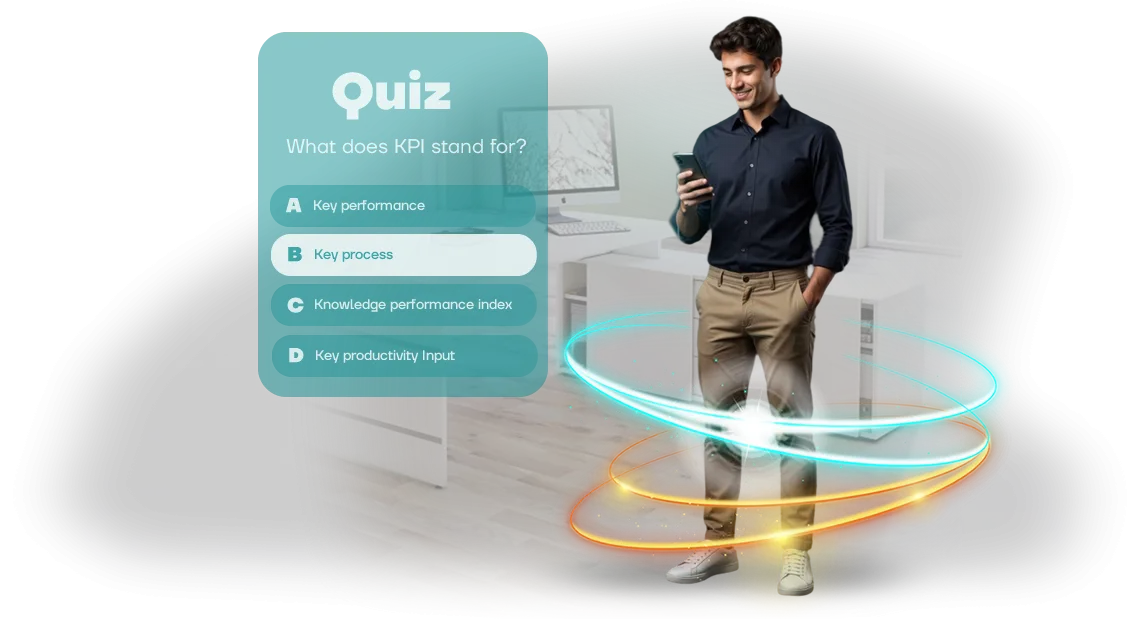
זו הסיבה שחברות צריכות חידונים לעובדים—הם גורמים לאנשים לחזור לעובדות מפתח שוב ושוב עד שהידע הופך לאוטומטי.
כשעובד עונה על שאלות בפורמט משחק, הוא לא דוחס; הוא למעשה זוכר את הטיעונים שבהם ישתמש בשיחות עם לקוחות.
מכניקת משחק מוסיפה אלמנט תחרותי: עובדים רואים את ההתקדמות של עמיתיהם, מנסים להצליח יותר, ולכן צוללים עמוק יותר לתוך המוצר. זה יוצר דינמיקה קבוצתית בריאה, ובמקביל מעלה את רמת המוכנות של כל משתתף.
המנהל מקבל תמונה ברורה: מי מוכן למשא ומתן מורכב, מי זקוק לתמיכה נוספת, ואילו נושאים גורמים לקשיים שיטתיים.
כתוצאה מכך, תמריצי מכירות מפסיקים להיות מטרה מופשטת. אנשי המכירות מציגים ערך בביטחון, מתמודדים עם התנגדויות, ומציעים פתרונות נכונים—לקוחות חשים במומחיות הזו ומוכנים יותר לקנות.
חידוני הכשרה משתלבים בשגרת העבודה בלי להפריע למכירות ומפיקים תוצאות מדידות: המרה גבוהה יותר, סל קניות ממוצע גדול יותר, ועסקים חוזרים.
אם אתם רוצים שתוכניות פיתוח המכירות שלכם יהפכו למציאות, התחילו עם כלי למידה ברורים ומרתקים—וזה בדיוק מה שאנחנו בונים.
מה למידה מבוססת משחק נותנת לצוות ולעסק
איך אפשר לבדוק אם ההכשרה באמת משפיעה על מכירות לפני שסופרים המרה? הסתכלו על שלוש רמות: איך עובדים מגיבים להכשרה, מה הם קולטים, ואיך זה משנה את האינטראקציות שלהם עם לקוחות. למידה מבוססת משחק מעוצבת כך ששינוי נראה לעין בכל רמה.
הרמה הראשונה היא תגובה ומעורבות. הרצאות ומצגות רגילות מאבדות תשומת לב תוך דקות, בעוד חידון לוכד עניין מהשאלה הראשונה: העובד מקבל החלטות, בודק את עצמו, ורואה את התוצאות שלו.
זה מעורר תחרותיות בריאה, כך שאנשים מתערבים במקום לשבת בצד. אחרי כמה מפגשים, הצוות מתחיל לשאול מתי הסיבוב הבא—ככה נולדת מעורבות עובדים בת קיימא, לא פעילות חד-פעמית.
הרמה השנייה היא צמיחת ידע. כשאנשים משחקים, הם זוכרים לא הוראות יבשות אלא תרחישים וטעויות שהם חוו.
שאלות החידון בנויות סביב מצבים אמיתיים מהעסק שלכם, כך שעובדים לא רק משננים תשובות—הם לומדים לקבל החלטות נכונות במהירות. התוצאה היא ידע שמופיע לא במבחן שאחרי ההכשרה אלא בפעולות יומיומיות ובשיחות עם לקוחות.
הרמה השלישית היא תוצאות ופיתוח צוות. כשהרגשות הופכות להרגל, הצוות סוגר עסקאות מהר יותר ובביטחון רב יותר: פחות שאלות המשך, פחות לקוחות שאבדו במהלך טיפול בהתנגדויות, יותר חוזרים.
במקביל, מתפתחת תרבות משוב—דיון בתוצאות החידון מראה מי חזק איפה ומי זקוק לתמיכה. ההכשרה מפסיקה להיות פורמליות והופכת לפרקטיקה קבועה שמחברת מכירות, שיווק ולמידה למערכת צמיחה אחת.
אם אתם לא צריכים תהליך של סימון וי אלא השפעה מדידה על הכנסות וביצועי צוות, אנחנו מספקים אותה דרך פורמטים של משחק. אתם מקבלים כלי שמערב עובדים, מעלה את רמת הידע, ומייצר צמיחה עסקית הנראית במספרי המכירות שלכם.
פורמטי חידון: ממבחנים פשוטים ועד מטא-משחקים
פורמט חידון צריך להתאים למשימה: בדיקה מהירה של ידע בתסריטים זה דבר אחד, בניית תוכנית ארוכת טווח לשיפור מכירות זה דבר אחר.
ככל שהמטרה מורכבת יותר, כך מכניקת המשחק עמוקה יותר—משאלות אמריקאיות פשוטות ועד קווי עלילה, רמות, דירוגים קבוצתיים והתקדמות אישית לכל עובד.
משחקי למידה שימושיים כשהם נבחרים לקהל הנכון ולמדד העסקי הנכון. להלן הפורמטים הסטנדרטיים שאנחנו מספקים במפתח פתוח.
| פורמט | קהל יעד | מה זה נותן לעסק |
|---|---|---|
| מבחן קצר של 10–15 שאלות | עובדים חדשים, צוות קו | בדיקת ידע מהירה, סוגר פערים ב-20 דקות |
| חידון אינטראקטיבי עם פירוט תשובות | צוותי מכירות ושירות לקוחות | תרגול טיפול בהתנגדויות מורכבות על תרחישים אמיתיים |
| תחרות קבוצתית | סניפים, משמרות, מחלקות | מעורבות גבוהה יותר, תחרות בריאה, שיתוף ידע |
| משחק הרפתקאות מבוסס סיפור | מנהלים וצוות בכיר | פיתוח אסטרטגיות מכירה דרך מצבים רב-שלביים |
| מטא-משחק עם רמות, נקודות ותגמולים | כל החברה, תוכנית ארוכת טווח | למידה שיטתית ותוצאות מתמשכות לאורך רבעון |
אנחנו בוחרים את הפורמט לפי המטרה הספציפית שלכם: אם צריך להעלות את הסל הממוצע, מכניקה אחת עובדת; אם צריך לקצר את תקופת הקליטה, אחרת.
בשלב הבריף, אנחנו קובעים את סוג החידון הנכון ואת מבנה התמריצים כך שתהליך הלמידה משפיע ישירות על מכירות.
תהליך פיתוח חידון: מבריף ועד הנעת מכירות
אנחנו מבנים את התהליך כך שתראו תוצאות בכל שלב, לא רק בסוף. החידון הופך לכלי שמניע מכירות: מהבריף הראשון ועד לתמיכה שוטפת, אתם מבינים מה קורה עם מעורבות העובדים ואיך זה משפיע על הכנסות.
-
בריף ומטרות. אנחנו מגדירים בדיוק אילו התנהגויות עובדים צריך לחזק: מכירות בקטגוריה מסוימת, מכירות נוספות, טיפול בהתנגדויות. אנחנו קובעים את קהל היעד של החידון ואת קריטריוני ההצלחה—זה הבסיס לכל השלבים הבאים.
-
תסריט ומכניקת משחק. אנחנו מעצבים את קו העלילה, השאלות ומערכת התגמול כך שהלמידה מתרחשת דרך עניין, לא דרך כפייה. בשלב הזה, אתם רואים איך החידון יניע עובדים להשתמש בידע במכירות אמיתיות.
-
עיצוב ותוכן. אנחנו יוצרים סגנון ויזואלי שמתאים למותג שלכם וממלאים את החידון בחומרים רלוונטיים: מקרים, תסריטים, טעויות אופייניות. כל אלמנט תוכן ממוקד בערך מעשי ברצפת המכירות או במשא ומתן.
-
פיתוח ובדיקות. אנחנו בונים את החידון על הפלטפורמה, בודקים עם משתמשים אמיתיים ומשכללים. אתם מקבלים מוצר שעובד בצורה אמינה—בלי תקלות ברגע ההשקה הקריטי ביותר.
-
השקה ופריסה. אנחנו משלבים את החידון בשגרת העבודה: מספקים גישה, מאמנים מנהלים, ומשיקים יחד עם הצוות. אנחנו לוכדים את מדדי המעורבות הראשונים ומתקנים מיד אם משהו לא הולך לפי התוכנית.
-
תמיכה ופיתוח. אחרי ההשקה, אנחנו נשארים עם הפרויקט: מעדכנים שאלות למוצרים חדשים וקמפיינים עונתיים, עוקבים אחרי סטטיסטיקות השלמה, ועוזרים להפוך פעילות חד-פעמית לכלי שיטתי לשיפור מכירות.
כל שלב מסתיים בתוצאה ברורה שאפשר לאמת. זה מפחית סיכון ומאפשר להתאים במהירות את ההכשרה לשינויים עסקיים—מקווי מוצרים חדשים ועד לשינויים בסדרי עדיפויות מכירות.
מה כלול בפרויקט: החבילה המלאה
אנחנו לא רק מוסרים סט שאלות; אנחנו מספקים חבילת עבודה מלאה להשקה ופיתוח של חידון הכשרה. בפנים, אתם מקבלים את לוגיקת התסריט, בלוקי למידה וכלי ניהול כך שתוכלו להתאים את המשחק למוצרים חדשים בלי לערב מפתחים.
הנה מה שכלול בפרויקט:
- תסריט חידון — לוגיקת שאלות ותשובות למוצרים שלכם ולהתנגדויות אופייניות. אחרי כל תשובה יש הסבר כך שעובדים זוכרים את ההגיון.
- חומרי הכשרה — כרטיסי עזר מהירים ודיאלוגים לדוגמה זמינים לפני ואחרי החידון. הם עוזרים לעובדים ליישם ידע במשא ומתן אמיתי.
- פאנל ניהול — עריכת שאלות, מועדים ומדדים בלי מתכנת. מתאים למבצעים חדשים והצעות עונתיות.
- הוראות למנהלים — השקה שלב-שלב, הוספת משתתפים, ייצוא תוצאות וסקירת נושאים קשים.
- דוחות תוצאות — מי השלים את החידון, כמה ניסיונות, אילו נושאים חלשים. בסיס מוכן לתוכנית הכשרה נוספת.
- מצגת להנהלה — שקופיות עם תוצאות והמלצות להדגמת ההשפעה.
החבילה כולה מתאימה לקו המוצרים ולתסריטי המכירות שלכם. אתם מקבלים כלי הכשרה עצמאי שצוות פנימי יכול לנהל בקלות, ואנחנו נשארים זמינים לשיפורים ותסריטים חדשים.
מקרה בוחן: צמיחת מכירות אחרי יישום משחק למידה
עבור רשת קמעונאות אלקטרוניקה גדולה, המשימה הייתה להעלות מכירות של מותג טכנולוגיה חדש בקרב יועצי מכירות. תדריכים שגרתיים ומבחנים לא סיפקו את המעורבות הנדרשת: עובדים השלימו הכשרה פורמלית ושכחו במהירות טיעוני מכירה מרכזיים.
פיתחנו חידון חינוכי על מנוע משחק מקצועי, משולב בפורטל הארגוני. עובדים השלימו סיבובי משחק קצרים בין משמרות, צברו נקודות על תשובות נכונות, והתחרו בדירוג חנויות.
מה המשחק נתן לעסק
חודש אחרי ההשקה, חלקו של המותג החדש במכירות גדל פי 1.8—יועצים נקבו במאפייני המוצר בביטחון רב יותר וטיפלו בהתנגדויות. הסל הממוצע בקטגוריה עלה ב-12%, ומספר האביזרים הנוספים שנמכרו גדל בשליש.
ראש רשת Gipermarket+ ציין שהמשחק הפך לחלק משגרת העבודה: עובדים ביקשו סיבובים חדשים מיוזמתם, ושימור הידע השתפר ניכר.
הם הזמינו עכשיו הסבה מבוססת חידון לרבעון השלישי ברציפות—הוכחה שהמכניקה עובדת לא כחד-פעמית, אלא כדרך לבנות מיומנות מכירה מתמשכת.
למה זה עובד
מפגשי משחק קצרים של 5–7 דקות נכנסים להפסקות בין לקוחות ולא מעמיסים על הצוות. האלמנט התחרותי יוצר התרגשות בריאה, בעוד משוב מיידי מחזק דפוסי התנהגות נכונים.
לעסק, הפורמט הזה אומר תוצאות צפויות: מכירות גדלות לא דרך הנחות אלא דרך כשירות הצוות. והחלק הכי טוב—הצמיחה הזו קלה למדידה דרך נתוני הקופה והשתתפות חוזרת בחידון.
איך לבחור פורמט ולא לטעות?
בחירת פורמט חידון היא לא עניין של טעם; זה עניין של איזו תוצאה עסקית אתם רוצים מההכשרה. אם המטרה שלכם היא לשפר במהירות ידע במוצר ולתרגל התנגדויות, פורמט אחד מתאים.
אם אתם צריכים לשמור על מעורבות אנשי מכירות חודש אחר חודש, אחר עושה את העבודה. המפתח הוא שהחידון לא יהיה אירוע חד-פעמי אלא כלי המשולב במערכת התמריצים שלכם, ומספק צמיחת מכירות מדידה.
לפני הבחירה, ענו על שלוש שאלות: מי הקהל שלכם, באיזו תדירות עובדים מוכנים לעבור הכשרה, ואיפה הכי נוח להם—במשרד, בטאבלט או בסמארטפון. עומק המכניקה והתסריט תלוי בזה.
לדוגמה, לתרגולים קצרים לפני ישיבת תכנון, שאלות מהירות עם משוב מיידי מספיקות; לבניית מיומנויות מורכבות, משחק מבוסס סיפור עם מקרים אמיתיים מהמכירות שלכם עדיף.
אנחנו עוזרים לכם להימנע מבחירת פורמט שגוי בשלב הבריף. אנחנו מנתחים את המשימות שלכם, תהליכי הלמידה הנוכחיים ופרופילי העובדים, ואז מציעים אפשרות שתספק אפקט מהיר בלי השקעות מיותרות.
אחרי השקת פיילוט, אנחנו מראים איך הפורמט משפיע על פעילות ותוצאות—ובהתבסס על הנתונים האלה, אנחנו מרחיבים או מתקנים את המכניקה. אתם מקבלים לא משחק מופשט אלא כלי ברור עם אפקט צפוי על מכירות.
אם אתם לא בטוחים איזו אפשרות מתאימה לכם, התחילו בייעוץ קצר. אנחנו נסביר את האפשרויות, נשרטט מבנה, ואם צריך, נציע תסריטים מוכנים למצב הספציפי שלכם.
ככה, אתם מקבלים החלטה נטולת סיכון על סמך נתונים אמיתיים ולא ניחושים. כל מה שנשאר זה להשיק את החידון—ובעוד כמה שבועות, לראות איך הוא ממריץ את הצוות ומניע עסקאות חדשות.
שאלות נפוצות
לפני הזמנת חידון לעובדים, לקוחות בדרך כלל שואלים על ערבויות: האם תהיה תוצאה, כמה מהר הכל יושק, ומה קורה אחרי ההשקה. אנחנו עונים על השאלות המרכזיות—בלי פרטים טכניים, רק מזווית התועלת והשקט הנפשי שלכם.
אילו ערבויות יש לנו שהחידון יעבוד ויעלה מכירות?
אנחנו לוקחים אחריות על תוצאות דרך תסריט הקשור למדדים העסקיים שלכם: טיפול בהתנגדויות, ידע במוצר, אינטראקציות עם לקוחות. לפני ההשקה, החידון נבדק על קבוצת בקרה של עובדים—אתם רואים את המספרים הראשונים לפני הזמנת כל המחלקה.
אם הבדיקה מראה שהמכניקה לא מתפקדת כמו שצריך, אנחנו מבצעים התאמות ללא עלות נוספת. אתם מקבלים כלי שכבר הוכיח את עצמו עם הצוות שלכם, לא חתול בשק.
כמה זמן לוקח פיתוח והשקה?
מחזור טיפוסי לוקח שבועיים עד שלושה. בזמן הזה, אתם מקבלים תסריט מוכן, כללים מוגדרים, פריסת חידון ותוכנית תמריצים למשתתפים. אם אתם צריכים שההשקה תתוזמן לתאריך חשוב, אנחנו מאיצים את העבודה ועומדים בלוח הזמנים.
אתם לא צריכים לתאם כלום עם מתכנתים: כל התקשורת עוברת דרך מנהל פרויקט שמדבר בשפה שלכם ודואג לכל שלב.
מה קורה אחרי ההשקה? האם נישאר לבד?
לא. אחרי ההשקה, אתם מקבלים תמיכה: אנחנו מייעצים איך לנתח תוצאות ועוזרים להתאים שאלות אם אנחנו רואים שעובדים קולטים בלוק מסוים פחות ביעילות. זה מפחית את העומס על הצוות שלכם ומבטיח שהחידון ממשיך לספק ערך.
עדכוני תוכן והגדרות לוקחים יום אחד, כך שהחידון לא יושב בטל—הוא ממשיך לעבוד למען המכירות שלכם.
איך אתם מאמנים עובדים ומנהלים לעבוד עם החידון?
אנחנו מספקים הוראות קצרות ופשוטות למשתתפים והוראות נפרדות למנהל המערכת—עם דוגמאות ורשימות בדיקה. בנוסף, אנחנו מקיימים סמינר מקוון ועונים על שאלות הצוות שלכם.
לעובדים צריך רק חמש דקות כדי להיכנס למשחק. המנהל מקבל פאנל תוצאות פשוט ולא מבזבז זמן על פרטי הגדרות.
אם החשש המרכזי שלכם לא ברשימה, שלחו לנו את השאלה שלכם על ערבויות ולוחות זמנים. נגיב תוך יום עסקים אחד ונציע פתרון למשימה שלכם.הזמינו פיתוח חידון במפתח פתוח
הזמנת פיתוח חידון משמעותה קבלת כלי מוכן שהופך הכשרת צוות מחובה פורמלית למנוע צמיחת מכירות. אנחנו מטפלים בהכל: מתסריט ושאלות ועד יישום טכני והשקה.
אתם לא צריכים להבין בפרטים—רק לנקוט כמה צעדים, ואנחנו נטפל בשאר. הנה איך נראה תהליך ההזמנה:
- השאירו פנייה באתר—נחזור אליכם תוך יום עסקים אחד ונבהיר את המטרות שלכם.
- נערוך בריף קצר (15–20 דקות): נלמד את התעשייה שלכם, הקהל ומטרות ההכשרה.
- נכין תסריט חידון ונציע פורמטי שאלות מתאימים—תוכלו לבצע שינויים.
- נסכים על התוכנית, לוח הזמנים והתוצאה הצפויה.
- נפתח את החידון, נבדוק עם עובדים, ונפרוס אותו בשגרת העבודה.
- אחרי ההשקה, אנחנו נשארים בקשר: משכללים שאלות, מעדכנים תוכן ועוזרים לנתח תוצאות.
לא נדרש מכם יותר מזה. אתם מקבלים חידון שהופך למידה לקלה ומרתקת, והכי חשוב—משפר משמעותית מעורבות, שימור ידע, ובסופו של דבר מכירות.
השאירו את הפנייה שלכם לפיתוח חידון—ובעוד כמה ימים בלבד, הצוות שלכם יכול להתחיל להתאמן בפורמט משחק שמספק תוצאות עסקיות מדידות.