

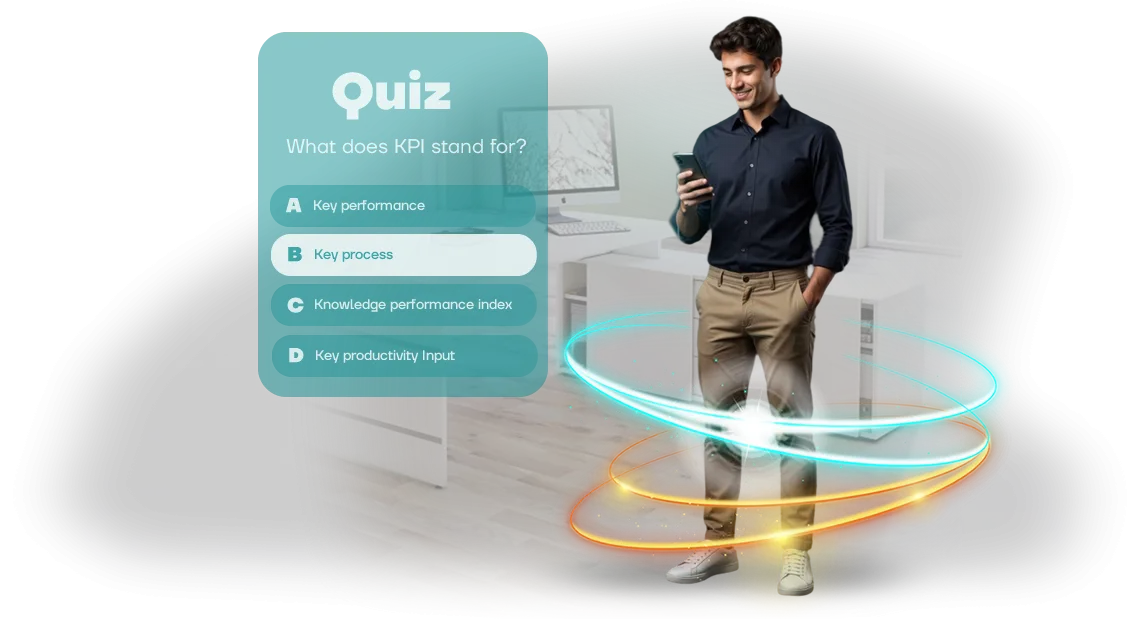
עובדים משועממים בהדרכה? חידונים מצוירים יחזירו להם את העניין
הדרכה ארגונית הופכת פעמים רבות לפורמליות: עובדים ממלאים שעות, מעלעלים במצגות, ותוך שבוע שוכחים את רוב החומר.
קשה במיוחד לעבור הדרכות חובה על תקנות, מוצרים או כללי בטיחות — הקשב מתפזר, המעורבות יורדת לאפס, ומנהלים לא רואים עניין ולא שינוי אמיתי בביצועים.
חידונים מצוירים משנים את מכניקת התפיסה: סגנון מצויר וצבעוני, שאלות דמויות משחק ותרחישים ברורים הופכים את ההדרכה למשימה מרתקת. העובד לא רק קורא את הכללים — הוא עונה על שאלות, מקבל משוב מיידי ורואה את ההתקדמות שלו.
הפורמט המשחקי מסיר את הפחד מטעויות, כך שגם נושאים מורכבים נקלטים בקלות ובאופן טבעי יותר.
עבור העסק, זה אומר צמיחה אמיתית במדדים: פחות שגיאות תהליך, זמן קצר יותר עד להגעה לתפוקה מלאה של עובדים חדשים, ומעורבות גבוהה יותר בהדרכה. עובדים מפסיקים להתנגד להדרכה — הם מצטרפים ברצון למשחק ומתחרים זה בזה.
קל לגשת לחידונים מצוירים מכל מכשיר: במשרד, מרחוק או בנסיעת עסקים, בקצב שלכם.
הסגנון המצויר הוא לא רק "תמונה יפה", אלא כלי עבודה להחזקת קשב. הוא מפחית פורמליות, מוסיף רגש ויוצר אסוציאציה חיובית ללמידה.
כתוצאה מכך, הידע נשמר טוב יותר, והעובדים מסיימים עם רושם נעים גם מההדרכה וגם מהחברה כולה.
אנחנו מפתחים חידונים מצוירים למשימות שלכם: מבדיקת ידע על מוצרים ועד קליטת עובדים חדשים. אנחנו מתכננים את התרחיש, השאלות והסגנון החזותי, ולאחר ההשקה עוזרים לכם לנתח את התוצאות. אם אתם רוצים שההדרכה תפסיק להיות חובה משעממת — בואו נתחיל במודול פיילוט.
מה חידון הדרכתי ייתן לעסק שלכם
הוראות ומצגות רגילות זוכות לתגובה מועטה מצד העובדים. חידון הופך את הלמידה למשחק: אנשים עונים על שאלות בעצמם, מתחרים עם עמיתים וזוכרים את החומר טוב יותר. זה היתרון המרכזי של חידון — ההדרכה הופכת לחלק משגרת העבודה היומיומית.
אנחנו יוצרים חידונים שפותרים בעיות עסקיות: מעורבות גבוהה יותר, היקף חשיפה רחב יותר ולידים. הנה מה שאתם מקבלים:
- מעורבות. גיימיפיקציה עם נקודות ודירוגים — במקום שקופיות משעממות. עובדים משתתפים באמת, והתחרות דוחפת אותם לסיים את המסלול.
- היקף חשיפה. החידון עובד על כל מכשיר: מחשב, טאבלט, טלפון. אפשר לגשת אליו במשרד או מרחוק, בזמן נוח — אידיאלי לצוותים מפוזרים.
- לידים ונתונים. החידון אוסף פניות לשיווק ומידע למשאבי אנוש. כלי אחד — גם הדרכה וגם רכישת לקוחות.
- אנליטיקה. לאחר הסיום, אתם רואים אילו נושאים נלמדו ואילו הוחמצו. זה עוזר לכם להתאים את ההדרכה במהירות וחוסך בתקציב.
חידון כזה מחזיר את ההשקעה: עובדים שולטים בסטנדרטים מהר יותר ועושים פחות טעויות, והמותג מקבל ערוץ נוסף לתקשורת עם הקהל שלו. אתם מקבלים לא רק בידור, אלא כלי עסקי מדיד.
פורמטים של חידונים: סגנון מצויר ומיקומי תלת-ממד לכל משימה
חידונים הדרכתיים עובדים כשהעובדים באמת נהנים לגשת אליהם. סגנון מצויר ומיקומי תלת-ממד הופכים סקר למסע מרתק: במקום מבחן יבש — משחק שבו רוצים לסיים את הרמה ולראות את התוצאה.
הפורמט נבחר לפי המשימה הספציפית: קליטת עובדים חדשים, בדיקת ידע לאחר הדרכה או תרגול מיומנויות מורכבות.
לכל פורמט יש חוזקות משלו, וחשוב שהאפשרות שנבחרה תפתור את הבעיה הספציפית שלכם. אנחנו משתמשים בשני כיוונים עיקריים — חידוני 2D בסגנון מצויר ומיקומי תלת-ממד עם אלמנטים עלילתיים, וכן שילובים של שניהם.
| פורמט | למי ולמשימה | מה הוא נותן ללקוח |
|---|---|---|
| חידון 2D מצויר | קליטת עובדים חדשים, בדיקת תקנות בסיסיות | קליטה מהירה, קלות תפיסה, כיסוי של כל הצוות |
| משימת תלת-ממד עם מטלות | הדרכה לתהליכים מורכבים, מכירות, טיפול בהתנגדויות | שקיעה בסביבה, תרגול מיומנויות ללא סיכון לעסק |
| פורמט משולב: מצויר + פרקי תלת-ממד | תוכניות ארגוניות, צוותים גדולים עם רמות מיומנות שונות | התאמה גמישה לרמה של כל עובד, זכירות גבוהה |
לא משנה איזה פורמט תבחרו, אנחנו מכווננים את התרחיש למטרות הלמידה שלכם: קובעים את מספר השאלות, הסתעפויות העלילה ומערכת הרמזים. זה מאפשר לקבל נתונים אובייקטיביים על מידת ההטמעה של החומר בקרב העובדים.
גישה זו כבר עזרה לחברות בקמעונאות, פיננסים ו-IT להגדיל מעורבות ולקצר את זמן הקליטה. אנחנו מלווים את הפרויקט מהבריף ועד ההשקה, ולאחר מכן מעבירים כלים לעדכון תוכן עצמאי.
איך עובד תהליך פיתוח החידון: מבריף ועד השקה
פיתוח חידון הדרכתי הוא תהליך מובנה שבו כל שלב מקרב אתכם לתוצאה ברורה: עובדים ממונעים שזוכרים טוב יותר סטנדרטים ותקנות.
אנחנו לא רק יוצרים "משחק לשם המשחק" — אנחנו הופכים חומרי עבודה לתרחיש מרתק שמחזיר את ההשקעה דרך מעורבות הצוות. להלן איך אנחנו עובדים על הפרויקט שלכם מהפגישה הראשונה ועד ההשקה ומעבר.
-
בריף והגדרת מטרות. אנחנו מתעדים מה החידון אמור להשיג: לבדוק ידע על מוצרים, לתרגל תסריטי מכירה או להכיר לעובדים חדשים את התקנות.
בשלב זה אנחנו מגדירים את קהל היעד ורמות הקושי, כך שהמשחק יהיה מעניין גם למתחילים וגם לעובדים מנוסים.
-
עיצוב תרחיש ומכניקה. אנחנו הופכים הוראות יבשות לשאלות חיות, דיאלוגים ומצבי משחק. אנחנו חושבים כיצד העובד ישלים את ההדרכה: לבד או בצוות, עם או בלי טיימר, עם רמזים או למען התוצאה. זה הבסיס שקובע אם המשחק ירתק את הצוות שלכם.
-
פיתוח סגנון חזותי ומיקומים. אנחנו יוצרים גרפיקה מצוירת ומרחבי תלת-ממד שמחזיקים קשב ויוצרים אווירה נכונה. דמויות צבעוניות ואווירה ידידותית מפחיתות את הפחד מטעויות, כך שעובדים עוברים את ההדרכה בשלווה ולא תופסים אותה כמבחן.
-
הרכבה, תוכן ובדיקות פנימיות. אנחנו מחברים את כל האלמנטים למערכת אחת על מנוע משחק מקצועי, ואז מוסיפים שאלות, תשובות ומשוב. אנחנו בודקים יציבות במכשירים שונים כדי שההשקה תעבור חלק. בשלב זה אתם כבר רואים תוצאה ביניים ויכולים לבצע עריכות.
-
השקה והעברה לעובדים. אנחנו מפרסמים את החידון המוגמר בפלטפורמה שלכם או מספקים גישה דרך קישור. אנחנו תמיד מלווים את ההשקה במדריך מנהל קצר ובתזכיר למשתתפים, כך שאין צורך להסביר דברים ידנית.
-
תמיכה והתפתחות. לאחר ההשקה, אנחנו נשארים בקשר: עוזרים להוסיף שאלות חדשות, לשנות את העיצוב למבצעים עונתיים או להתאים את החידון לתפקידים חדשים. אתם מקבלים כלי שחי וגדל עם העסק שלכם — לא עמוד חד-פעמי.
מה כלול במסירה: ערכה להשקה מהירה
אנחנו מרכיבים את ערכת המסירה כך שתוכלו להשיק את החידון ללא אישורים ארוכים או עבודה טכנית מעמיקה. בפנים יש כל מה שצריך כדי להתחיל בהדרכה: מגרפיקת תלת-ממד מוכנה ועד הוראות למנהל המערכת שלכם.
-
מודלים ומיקומי תלת-ממד בסגנון מצויר — דמויות, משרד ואזורי עבודה בנויים ב-Unity ושומרים על סגנון חזותי עקבי. זה עוזר לעובדים לשקוע בסיפור מהר יותר ומחזיק את הקשב.
-
תרחישי הדרכה לתפקידים שונים — החידון מותאם למשימות האמיתיות של העובד: הם רואים מצבי עבודה, מקבלים החלטות ומקבלים משוב מיידי. אין תיאוריה מופשטת.
-
אינטגרציה עם מערכת הלמידה שלכם — חשבנו על שיתוף תוצאות: אתם רואים מי השלים את החומר, היכן נוצרו קשיים וכיצד רמות הידע משתנות לפי מחלקה.
-
התאמה לסגנון הארגוני שלכם — קל להתאים את הלוגיקה, הטקסטים והשאלות לתקנות שלכם. אנחנו חולקים קבצי מקור הניתנים לעריכה, כך שתוכלו לעדכן תוכן ללא פיתוח נוסף.
-
הוראות למנהל מערכת — מדריך פשוט: איך להשיק את החידון, להוסיף עובדים ולצפות בדוחות. המומחה שלכם יבין את זה תוך כמה שעות, ללא רקע מקצועי.
-
תמיכה בהשקה — בשלב היישום, אנחנו עוזרים לחבר את הערכה, לבדוק ביצועים ולהכשיר את הצוות שלכם. לאחר מכן אתם עובדים באופן עצמאי, אבל אנחנו נשארים זמינים לתמיכה.
זו חבילה מלאה להתחלה מהירה, ללא עלויות נסתרות וללא צורך ברכישת כלים נוספים. כל מה שנותר לכם הוא לבחור תרחיש — כל השאר כבר מוגדר ומוכן לשימוש.
מקרה בוחן: איך חידון תלת-ממד הגדיל את המעורבות בהדרכה
הרצאות ומבחנים רגילים מרדימים את העובדים: הם עושים אותם "לפרוטוקול" ושוכחים את החומר תוך שבוע.
רשת קמעונאית פנתה אלינו עם בדיוק הכאב הזה — הם היו צריכים להכשיר 400 אנשי מכירות על הכללים לעבודה עם קו מוצרים חדש, מבלי למשוך אותם מהמשמרות שלהם.
הצוות שלנו בנה את ההדרכה כחידון תלת-ממד בסגנון מצויר. במקום טקסט יבש — מיקומי חנות מוכרים, דמויות מצחיקות ושאלות המשולבות בתרחיש.
העובד לא "קורא את ההוראות" אלא משחק במשחק משימה: בודק את התצוגה, מוצא טעויות, עונה על שאלות — ומקבל משוב מיידי.
מה השתנה עבור העסק
כל 400 העובדים השלימו את הקורס, אבל התוצאה המרכזית הייתה מעורבות. זמן ההשלמה הממוצע היה 35 דקות במקום 20 המתוכננות: אנשים שיחקו ברמות שוב בעצמם כדי לצבור יותר נקודות. המבחן שלאחר החידון הראה עלייה בתשובות הנכונות מ-64% ל-91% בהשוואה לתוכנית הקודמת.
למה זה עובד
הפורמט המשחקי מסיר את הפחד מטעויות. בסביבה בטוחה, אנשים מנסים בשלווה, נכשלים, רואים רמז וזוכרים את הפעולה הנכונה. זה בדיוק המצב שבו למידה הופכת להרגל ולא לחובה.
חודש לאחר ההשקה, 78% מהעובדים יכלו לשחזר כללי מפתח ללא רמזים — תחת המודל הישן, לא יותר משליש יכלו.
הלקוח העריך את חיסכון הזמן: שלושה שבועות להשקת המשחק במקום ששת השבועות הרגילים של אישורים, ומנהלים עדכנו מאוחר יותר את התוכן בעצמם — ללא מעורבות מפתחים.
היום החידון הזה עובד כתוכנית הדרכה סטנדרטית לעובדים חדשים, וקיבלנו הזמנת המשך לקורס למנהלי חנויות.
שאלות נפוצות על פיתוח חידונים הדרכתיים
לפני הזמנת חידון הדרכתי, למנהלים רבים יש ספקות דומים: האם העובדים באמת יאהבו את זה, האם לוחות הזמנים יחליקו, והאם בטוח לשתף איתנו תוכן פנימי.
אספנו תשובות לשאלות נפוצות — כדי שתוכלו לקבל החלטה ללא סיכון או דאגה מיותרת. לצוות שלנו יש יותר מ-10 שנות ניסיון בפרויקטים עסקיים, כך שכל תשובה מגיעה מניסיון, לא מתיאוריה.
מה אם העובדים ישתעממו? הם לא משחקים במשחקים בכל מקרה
אנחנו יוצרים חידונים בסגנון מצויר תלת-ממדי עם עלילה פשוטה ומכניקה ברורה — זה מושך אפילו אנשים שרחוקים ממשחקים. המשימות מעוצבות כך שהמשתתפים רואים מיד התקדמות, מקבלים משוב ורוצים לסיים.
אלמנטים מובנים של תחרות וסטטיסטיקות גם מזינים עניין: החידון עצמו הופך לנושא שיחה בצוות.
כמה זמן ייקח הפיתוח, ואיך אתם שולטים בלוחות זמנים?
לוחות הזמנים תלויים במספר השאלות והמיקומים בתלת-ממד, אבל אנחנו תמיד מגדירים אותם בתוכנית בהתחלה. אתם רואים את השלבים: בריף, תרחיש, יצירת מודלים, הרכבת משחק, בדיקות והשקה.
בכל שלב, אנחנו מציגים תוצאות ביניים — אתם יודעים מראש מה אתם מקבלים ויכולים לבקש שינויים מבלי לשבור את לוח הזמנים.
האם בטוח לשתף איתכם חומרים פנימיים ונתוני עובדים?
אנחנו חותמים על חוזה עם סעיף סודיות, והגישה לחומרי ההדרכה מוגבלת לעובדים שלכם בלבד. הנתונים מוגנים, ובמידת הצורך, החידון מתארח על שרת פרטי או בתוך הרשת שלכם — זה מונע דליפות וגישה לא מורשית.
מה אם נצטרך עריכות או תוספות לאחר ההשקה?
אנחנו לא נוטשים את הפרויקט לאחר המסירה. תמיכה לאחר השקה כלולה: אתם יכולים להוסיף שאלות חדשות, להתאים את התרחיש או להתאים את החידון לנושא חדש. זה נוח כשהעסק משתנה וההדרכה צריכה להתעדכן במהירות.
למעשה, אנחנו מתייחסים לשלוש ההתנגדויות המרכזיות: עניין העובדים, לוחות זמנים ברורים ואבטחת הנתונים שלכם. התחילו עם בריף קצר — ותוך כמה ימים תראו גרסת הדגמה של חידון בסגנון שאתם צריכים.התחילו את הפרויקט שלכם: בואו נדון במשימה ונציע פתרון
השלב הראשון הוא פנייה באתר שלנו. נחזור אליכם תוך יום עסקים ונשאל כמה שאלות הבהרה על הצוות והמשימה שלכם.
זה ייעוץ: תוך חצי שעה נבין אם פורמט החידון מתאים למטרה שלכם.
אנחנו לא מוכרים "קופסה" — אנחנו מציעים פתרון למשימה שלכם. במידת הצורך, נראה דוגמאות של משחקים הדרכתיים שכבר עובדים בחברות אחרות. החידון עצמו מפותח שלב אחר שלב, עם הדגמות ביניים, כך שאתם רואים את התוצאה בכל שלב.
לאחר הפנייה אלינו, אתם מקבלים:
- ניתוח של המשימה שלכם והערכה כנה: האם חידון באמת יעזור להכשיר את העובדים הספציפיים שלכם.
- קונספט מוכן: נושא, סגנון, משך, מספר שאלות — כל מה שאפשר לסכם לפני ההשקה.
- תוכנית עבודה עם תאריכים: שלבים, נקודות ביקורת ותאריך השקה. תדעו מראש מתי המוצר המוגמר יהיה מוכן.
- הצעה על סגנון מצויר ומיקומי תלת-ממד — מבלי להיכנס לפרטים טכניים, עם דוגמאות ברורות.
- הערכת עלות ללא תשלומים נסתרים: אנחנו קובעים את היקף העבודה, כך שלא תשלמו יותר מדי על תוספות "בלתי צפויות".
- מנהל אישי: נקודת קשר אחת — מהבריף ועד השקת ההדרכה.
הדרכת העובדים מתחילה מיד לאחר ההשקה: אנחנו חולקים גישה, מדריך למנהל וסשן קצר לצוות שלכם. במידת הצורך, נתאים את השאלות לאחר סבב הבדיקות הראשון.
מלאו את הטופס — ועד מחר תדעו איך פרויקט כזה משתלב בלוח הזמנים והתקציב שלכם.
איך לבחור סגנון ופורמט של חידון להדרכה?
בחירת הסגנון והפורמט של חידון מתחילה לא בתמונה, אלא במטרת הלמידה שלכם. אם אתם צריכים לבדוק ידע במהירות, מבחן רב-ברירתי קלאסי יעבוד.
אם אתם צריכים לתרגל התנהגות במצב קשה, בחרו פורמט מבוסס תרחיש שבו עובדים מקבלים החלטות ורואים את ההשלכות. שתי האפשרויות יכולות להיות מרתקות, אבל המכניקה חייבת להתאים למשימה.
הגורם השני החשוב הוא הקהל. עובדים חדשים צריכים מסירה פשוטה ומשוב מהיר; צוות מנוסה יכול להתמודד עם הסתעפויות מורכבות ומכניקת תחרות. חשבו מה מניע את האנשים שלכם: מהירות, נקודות, ניקוד קבוצתי או הסיפור. הפורמט הוא מה שקובע את רמת המעורבות.
הסגנון המצויר הוא לא רק "תמונות מצחיקות". בחידונים הדרכתיים, הוא מקל על המתח והפחד מטעויות, הופך את החומר לידידותי ובונה אמון בהדרכה.
מיקומי תלת-ממד בסגנון זה יוצרים תרחיש מגובש: העובד לא עונה על שאלות יבשות אלא נע במרחבים שבהם כל מסך מספר סיפור משלו.
כלל מעשי: קודם קבעו את התוצאה המרכזית שאתם רוצים אחרי החידון. ואז בחרו פורמט לאותה תוצאה, ורק אחר כך — את המעטפת החזותית. אם המטרה היא שינון סטנדרטים, מבחן קצר עם חזרה על כללי מפתח יספיק. אם אתם צריכים לשנות התנהגות, השתמשו במקרי בוחן ודיאלוגים.
אנחנו עוזרים ללקוחות לבחור את האפשרות הנכונה למשימות שלהם. במידת הצורך, אנחנו משיקים מודול פיילוט, מודדים השלמות ומתאימים את הפורמט לפני ההשקה בקנה מידה מלא. בסופו של דבר, אתם מקבלים חידון שעובדים נהנים לגשת אליו, והוא מספק תוצאות מדידות לעסק שלכם.