

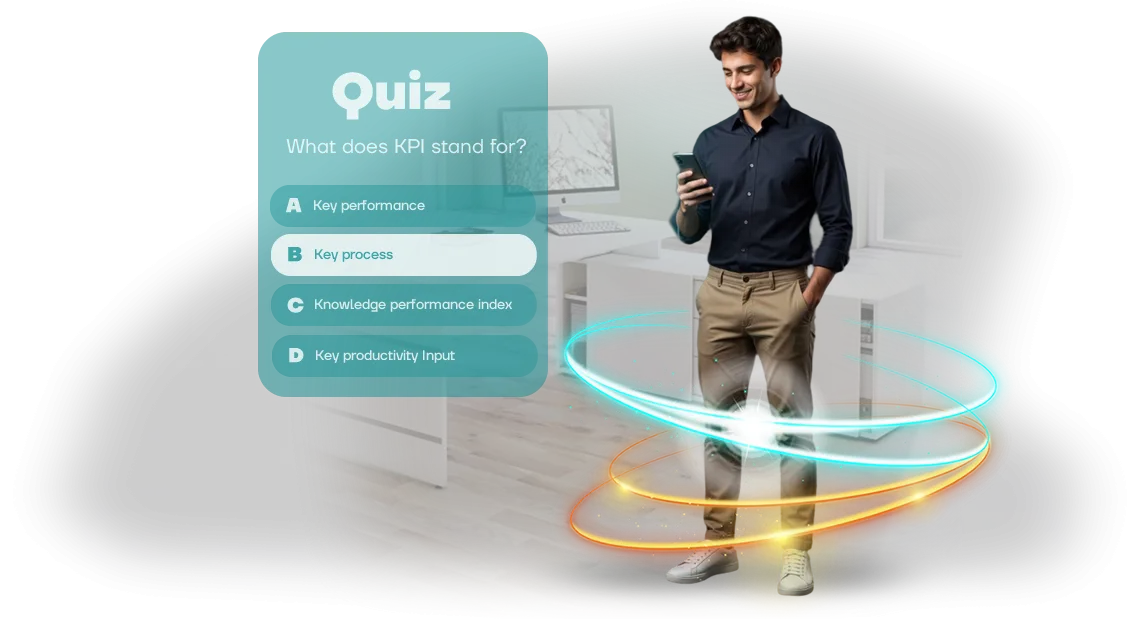
מדוע אימון ללא איזומטרי לא משמר ידע
מנהלים משקיעים בהדרכות, אבל אחרי שבועיים העובדים זוכרים רק חלק קטן מהחומר. הסיבה אינה עצלנות — כך פועל הזיכרון: מצגות יבשות ומבחנים רב-ברירתיים לא יוצרים חיבור רגשי למידע.
השאלה "איזו תשובה נכונה?" נעלמת מהראש מיד אחרי המבחן, כי היא לא הייתה חלק מחוויה אמיתית.
הסגנון האיזומטרי פותר בעיה זו אחרת. במקום טקסט שטוח, העובד נכנס למרחב תלת-ממדי שבו הוא צריך לקבל החלטות, לנוע ולראות את תוצאות מעשיו.
המוח תופס זאת לא כתיאוריה מופשטת אלא כתרגול מדומה: הוא זוכר לא את הניסוח אלא את המצב ואת התגובה הנכונה בתוכו. כך נשמר ידע שמיושם מאוחר יותר בעבודה.
גימיפיקציה בפורמט האיזומטרי מוסיפה שכבה נוספת — מוטיבציה. העובד לא "עובר מבחן" אלא חוקר את המיקום, מחפש תשובות ופותר משימות בהקשר.
זה מעורר סקרנות טבעית ורוח תחרותית, כך שהחומר נקלט מהר יותר ונשאר בזיכרון זמן רב יותר. עבור עסקים, זה אומר שההדרכה מפסיקה להיות פורמליות והופכת לכלי שבאמת משפר את כישורי הצוות.
אנחנו יוצרים חידוני הדרכה בדיוק כך — תלת-ממדיים, אינטראקטיביים, קרובים למצבי עבודה אמיתיים. הסגנון האיזומטרי בפרויקטים שלנו אינו קישוט אלא דרך לגרום לעובדים לחשוב ולזכור.
אם פורמט ההדרכה הנוכחי שלכם לא מניב תוצאות מדידות, הבעיה אינה בחומר אלא באופן הצגתו. אנחנו עוזרים לתקן זאת.
5 יתרונות של חידונים איזומטריים לצוות שלכם
חידונים איזומטריים הם פורמט הדרכה שעובדים משלימים לא תחת לחץ אלא מתוך עניין אמיתי. במקום שקופיות משעממות, יש מרחב משחק שבו כל תשובה נכונה מקרבת אותם למטרה. בואו נפרק חמישה יתרונות עסקיים שתקבלו מיד אחרי היישום.
ראשון — פעילות מוגברת. עובדים פותחים את החידון בעצמם בזמן נוח, וסשני משחק קצרים משתלבים בקלות ביום העבודה. אין צורך להזכיר או לפקח: המערכת מציגה תמונה אמיתית של השלמה בכל החברה או במחלקה מסוימת. זה חוסך זמן למחלקת משאבי אנוש ולמנהלים והופך את תהליך ההדרכה לניהול.
שני — שימור חומר גבוה. באיזומטריה, מידע מוצג חזותית ואסוציאטיבית: העובדות הנכונות עולות לראש בדיוק ברגע העבודה שבו הן נדרשות. העובד עושה פחות טעויות ומשתלב בתפקיד חדש מהר יותר.
עבור קליטת עובדים חדשים, זה אומר הפחתה ניכרת בזמן שלוקח למתחיל להתחיל לעבוד בתפוקה מלאה.
שלישי — מוטיבציה. מכניקות משחק — נקודות, רמות, תגמולים — מספקות תחושת התקדמות ותחרות בריאה.
העובד רוצה להשלים את ההדרכה כי היא מעניינת, לא כי הוא "חייב לעבור מבחן." המעורבות הפנימית גדלה: אנשים שואפים לשפר את כישוריהם בעצמם, וזה משפיע ישירות על איכות העבודה והנאמנות לחברה.
רביעי — מעורבות צוותית. הפורמט האיזומטרי מאפשר תרחישים קבוצתיים שבהם עמיתים רואים התקדמות משותפת, מחליפים טיפים ועוזרים למתחילים. זה מחזק את התרבות הארגונית, מפחית תחלופה בחודשים הראשונים ויוצר תחושת צוות מאוחד גם בפורמט מרוחק.
חמישי — קלות יישום. החידון עובד דרך הדפדפן — אין צורך בהתקנה, הגדרה מורכבת או הכנה מיוחדת של עובדים. פשוט משתפים קישור כדי להשיק את ההדרכה: לחמישה אנשים או לכל החברה.
אתם מקבלים תוצאות מהירות ללא שינוי תהליכים פנימיים וללא עלויות זמן ומשאבים משמעותיות.
פורמטי חידון: ממבחן למסע איזומטרי
בחירת פורמט ההדרכה קובעת עד כמה העובדים יהיו מעורבים וכמה מהר החומר הופך לכישורים אמיתיים. חידונים יכולים להיות חימום קל או טבילה מלאה בתרחישי עבודה — העיקר שהפורמט תואם למשימה.
הנה טבלת השוואה של פורמטים — ממבחן פשוט למסע איזומטרי. השתמשו בה כנקודת ייחוס בתכנון תוכנית ההדרכה שלכם.
| פורמט | למי זה מיועד | מה זה נותן ללקוח |
|---|---|---|
| מבחן קלאסי | בדיקת ידע מהירה אחרי הוראה או הרצאה | הערכה מיידית של הבנת החומר, סטטיסטיקה ברורה לכל עובד |
| מבחן אינטראקטיבי עם משוב | חיזוק נושאים מורכבים כשחשוב להסביר טעויות | העובד רואה מיד את התשובה הנכונה וזוכר אותה — פחות שאלות חוזרות |
| חידון קבוצתי | גיבוש צוות, הדרכה ארגונית | האלמנט התחרותי מגביר מעורבות; ההדרכה מתרחשת בפורמט קל ובלתי נשכח |
| מסע איזומטרי | תרגול כישורים מעשיים בסביבה בטוחה | טבילה מלאה במצבי עבודה אמיתיים — העובד מקבל החלטות ורואה את ההשלכות; הידע נשמר לאורך זמן |
לבדיקות פשוטות, מבחן מספיק: הוא מושק מהר ומספק הערכה אובייקטיבית.
אבל אם אתם צריכים שעובדים לא רק ישננו חוקים אלא ילמדו לפעול במצבים לא סטנדרטיים, בחרו במסע איזומטרי — הוא הופך את ההדרכה להרפתקה מרתקת ומשאיר רושם חי.
פורמט זה יעיל במיוחד לתרגול תרחישי תקשורת עם לקוחות, פרוטוקולי בטיחות או עבודה עם תהליכים פנימיים. העובד חווה את המצב בתוך מיקום וירטואלי במקום לקרוא הוראות מופשטות.
כתוצאה מכך, ההדרכה מרגישה כמו משחק ולא כמו חובה, והעובדים עצמם מבקשים עוד.
שלבי פיתוח חידון איזומטרי במפתח מלא
פיתוח חידון איזומטרי במפתח מלא הוא תהליך שקוף עם אבני דרך ברורות ונקודות אישור קבועות. אנחנו לא דוחים מועדים ומראים תוצאות ביניים כדי שתוכלו לראות איך המשחק צומח במכניקות ובגרפיקה שלו. בסוף, אתם מקבלים מוצר שמכסה בדיוק את צורכי ההדרכה של העובדים שלכם.
- בריף וניתוח משימה. אנחנו דנים במטרות ההדרכה, בקהל, בחומרים הקיימים וברמת הקושי הרצויה. אנו קובעים איזה ידע החידון צריך לחזק ואיזה סגנון יהיה לעולם.
- תסריט ומבנה שאלות. אנחנו הופכים את תוכן ההדרכה לרצף של שאלות ומצבי משחק. אנו עובדים על הלוגיקה של תשובות, משוב ותגמולים — כך שהעובד משחק בעניין וזוכר את החומר.
- עיצוב ומודלים תלת-ממדיים. אנחנו יוצרים מיקום איזומטרי: מרחב, דמויות, אובייקטים ואזורים אינטראקטיביים. אתם מאשרים את הקונספטים לפני תחילת הפיתוח, כך שהסגנון הסופי תואם בדיוק לציפיות.
- פיתוח המשחק. אנחנו בונים את מכניקת החידון, הממשק והאנימציות על מנוע מקצועי. בכל שלב, אתם רואים גרסה עובדת — זה מבטל "הפתעות" בקו הסיום.
- בדיקות והרכבה. אנחנו בודקים חישוב ניקוד, תקינות מעברים בין רמות וביצועים על מחשבי העובדים. אתם מקבלים גרסה שנבדקה ומוכנה להשקה.
- השקה ותמיכה. אנחנו מפרסמים את המשחק בערוצים הפנימיים שלכם, מחברים אנליטיקת השלמה ונשארים זמינים אחרי ההשקה. אם עולות שאלות חדשות או נדרשים עדכונים — פשוט מתקשרים אלינו.
השלבים מסודרים כך שתמיד תבינו לאן הפרויקט הולך ומה תקבלו בסוף. אפשר להתחיל עם בריף קצר — אנחנו נדאג לשאר.
חבילת מסירה: מה אתם מקבלים
לאחר סיום הפרויקט, אתם מקבלים לא רק משחק אלא חבילת מסירה מלאה — כל תוצאת העבודה וכל הארטיפקטים הדרושים להשקה ולפיתוח ההדרכה.
אנחנו מארגנים אותם למבנה אחד כך שהצוות שלכם יוכל להשתמש במוצר מיד, ללא "הפתעות" או תלות בקבלן. זה הנכס שלכם: אתם מבינים מה יש בפנים ויכולים להעביר אותו לכל מומחה.
הנה מה שהחבילה כוללת:
- רמות ומיקומים מוכנים בסגנון איזומטרי — מורכבים, נבדקים ומוכנים למשחק. עובדים מתחילים את ההדרכה מיד, ואתם לא מבזבזים זמן על כיוונון.
- ספריית מודלים תלת-ממדיים ואובייקטים — אלמנטים גרפיים מקוריים שניתן לעשות בהם שימוש חוזר בתרחישים חדשים. שימושי כשאתם רוצים להרחיב את המשחק או ליצור סדרה שנייה.
- ממשק משתמש — מסכים, תפריטים, רמזים, מותאמים לסגנון המותג שלכם. הכל נראה אחיד ואינו דורש עבודת עיצוב.
- לוח בקרה ניהולי — לשינוי שאלות, תרחישים וסדר רמות ללא מתכנתים. פשוט מעלים טקסט חדש או בוחרים אפשרות תשובה.
- הוראות השקה ותפעול — עם תמונות ורשימות בדיקה. מובנות לעובד ללא רקע טכני, גם אם הצוות משתנה.
- קבצי מקור של הפרויקט — עם זכויות מלאות. אתם יכולים לפתח את המשחק עם הצוות שלכם או מפתחים חיצוניים; אנחנו לא שמים הגבלות.
נדגיש: כל קבצי המקור מועברים עם זכויות שימוש, שינוי ושכפול. זו לא השכרה — זה הנכס שלכם.
אם צריך, נספק סשן הדרכה קצר לעובדים שלכם כדי שיוכלו לעבוד עם המערכת בביטחון ולהוסיף שאלות חדשות בעצמם. אם תזדקקו לעזרה אחרי המסירה, אנחנו נשארים זמינים ומשפרים את המערכת לפי בקשותיכם.
מקרה בוחן: חידון איזומטרי לרשת בתי קפה
רשת בתי הקפה "Coffee Day" פנתה אלינו עם נקודת כאב: בריסטות חדשים ערבבו מתכונים, וותיקים עבדו אחרת, מה שהשפיע ישירות על התור ואיכות השירות.
הרצאות וידאו ומבחנים רגילים לא עבדו: הצוות השלים אותם פורמלית, ובתוך שבוע הידע התנדף. לקחנו את המקרה הזה כאתגר — והצענו חידון איזומטרי שנבנה על Unity.
העובד נכנס לבית קפה תלת-ממדי — מיקום מוכר עם דלפק, מכונת קפה ושולחן אורחים. במקום שאלות משעממות, הוא עובר תרחישים: איך לקבל הזמנה, מה לעשות עם בקשה חריגה, איך להרכיב משקה לפי תקן.
החידון עצמו רומז היכן חסר ידע ונותן הזדמנות לחזור על החומר מיד.
תוצאות
אחרי חודשיים של שימוש, שיעורי ההצלחה בהסמכה גדלו ב-29%. מנהלי הרשת שמו לב שעובדים חדשים נכנסו לקצב העבודה יומיים מהר יותר מהרגיל: הפורמט המשחקי נצמד טוב יותר מכל הוראה.
השיפור בידע בא לידי ביטוי גם בחוויית הלקוח: מספר המשקאות שהוחזרו ירד, ובדיקות "לקוח סמוי" החלו לקבל ציונים גבוהים. הם ציינו במיוחד שהחידון באמת מושלם, לא מדלגים עליו — עובדים חוזרים אליו כמשחק.
מיד אחרי ההשקה הראשונה, הרשת הזמינה פרק נוסף להדרכת מנהלי משמרות. עבורנו, זה המדד המרכזי — הזמנה חוזרת פירושה שהמקרה הביא ערך אמיתי לעסק.
איך לבחור את פורמט החידון הנכון?
בחירת פורמט חידון לא מתחילה במכניקה אלא במענה על שלוש שאלות: איזו מטרה אתם מציבים, מי הקהל שלכם, ואיזה תקציב אתם מוכנים להקצות.
זה קובע אם זה יהיה חימום קל של 10 דקות או הרפתקת הדרכה מלאה עם מיקומים תלת-ממדיים בסגנון איזומטרי.
אנחנו יודעים מניסיון: אותו חומר "נוחת" אחרת בהתאם לפורמט, אז קודם אנחנו מגדירים את המשימה העסקית יחד איתכם, ורק אז מציעים פתרון.
אם המטרה היא להכיר לעובדים במהירות חוקים חדשים או מוצר, מספיק חידון קצר עם אפשרויות תשובה והסברים ברורים. פורמט זה קל לשילוב בהדרכה קיימת, אינו דורש מעורבות ארוכה ומספק סטטיסטיקת השלמה ברורה.
אם אתם צריכים לבדוק איך עובדים מיישמים ידע במצבים לא סטנדרטיים, עדיף לבחור תרחיש מסועף: אדם נכנס לסימולציה של תהליך העבודה, מקבל החלטות ומיד רואה את ההשלכות. זה קרוב יותר למציאות ומשפר ניכר את השימור.
הקהל גם משפיע על הבחירה: עובדים מנוסים מתעייפים מהר יותר משאלות פרימיטיביות, מתחילים צריכים גישה תומכת, וצוות מעורב צריך איזון בין פשטות לעומק.
המעטפת החזותית — מיקומים איזומטריים, דמויות, אובייקטים אינטראקטיביים — עוזרת לערב אפילו את אלה שסקפטיים לגבי הדרכה.
אבל אם התקציב מוגבל, אנחנו ממליצים להתחיל בפורמט פשוט יותר ולהוסיף את הסצנה התלת-ממדית בשלב הבא: אתם מקבלים תוצאה מדידה עכשיו ויכולים לתכנן פיתוח בביטחון.
ההמלצה שלנו היא לא לבחור פורמט "בעין" אלא להריץ פיילוט קצר על קבוצה קטנה. אנחנו מכינים שתי גרסאות חידון, משווים מעורבות, זמן השלמה ותוצאות, ואז מציעים את הפתרון האופטימלי לתקציב שלכם.
כך אתם לא מקבלים "חידון לשם חידון" מופשט אלא כלי שפותר משימת הדרכה ספציפית ומשתלם דרך צמיחה בכישורי העובדים.
התייחסות לדאגות נפוצות לגבי פיתוח חידונים
לפני השקת חידון הדרכה, ללקוחות יש ספקות: לוחות זמנים, אינטגרציה עם המערכת הקיימת, עדכוני תוכן ודרישות חומרה. בואו נתייחס לדאגות אלה ונראה איך אנחנו מבטיחים איכות, עומדים בלוחות זמנים ונשארים זמינים אחרי ההשקה.
כמה זמן לוקח הפיתוח?
פרויקט טיפוסי לוקח שבועיים עד ארבעה — לוח הזמנים תלוי בהיקף ובמורכבות. אנחנו קובעים תוכנית עם שלבים ותאריכים כדי שתוכלו לראות את נקודות הביקורת. אם ההשקה קשורה לאירוע, נכין גרסת בסיס מהר יותר ונרחיב אותה אחרי ההשקה.
איך החידון משתלב עם המערכת שלנו?
החידון הוא מודול עצמאי שמתחבר בקלות לפורטל או למערכת ניהול הלמידה שלכם. אנחנו משתמשים בקישור, ווידג'ט או ממשק פתוח להחלפת נתונים. עובדים מתאמנים בסביבה המוכרת שלהם, ואתם מקבלים תוצאות מרוכזות ללא איסוף ידני.
מה אם נצטרך לעדכן את השאלות?
עדכוני תוכן הם חלק מהתמיכה שלנו. אתם שולחים את השינויים, אנחנו מיישמים ומפרסמים אותם במסגרת לוח זמנים מוסכם. אם תרצו, נקים ממשק ניהול כך שהצוות שלכם יוכל לערוך שאלות בעצמם ללא השבתה.
מהן דרישות המחשב ואיך ניתנת תמיכה?
החידון רץ בדפדפן על מחשב משרדי סטנדרטי — אין צורך ברכישת ציוד או תוכנה מורכבת. אחרי ההשקה, אנחנו תומכים בפרויקט: מנטרים יציבות, עונים על שאלות ופותרים בעיות במהירות. זו הערבות שלנו לפעולה חלקה.
דונו במשימה שלכם: קבלו חישוב עלות לחידון
דיון במשימה הוא הצעד הראשון לתוכנית הדרכה אפקטיבית. כדי שתדעו על מה אתם משלמים ולא תבזבזו זמן בניחושים, בנינו תהליך פשוט: פנייה, ייעוץ, חישוב עלות והדגמה. כל זה לוקח יום עד יומיים.
מה תקבלו אחרי הפנייה:
- פנייה — אתם מתארים על מה צריך להכשיר עובדים, כמה אנשים ובאיזה פורמט. ניצור קשר תוך יום עסקים אחד כדי להבהיר פרטים.
- ייעוץ — אנחנו מנתחים את המטרות והקהל שלכם ומציעים תרחיש שמתאים לתהליכי ההדרכה הקיימים שלכם.
- חישוב עלות — אנחנו נותנים לכם את המספר המדויק ולוח הזמנים ומגדירים את היקף העבודה. אין עמלות נסתרות או "הפתעות" נוספות.
- הדגמה — אנחנו מראים קטע מהחידון העתידי בסגנון איזומטרי באמצעות החומרים שלכם. אתם רואים מראש איך זה נראה ועובד.
- תוכנית השקה — אנחנו מציעים לוח זמנים ייצור בשלבים עם נקודות ביקורת ותאריך סיום.
השאירו פנייה בטופס למטה — נגיב תוך יום עסקים אחד, נערוך ייעוץ, נכין חישוב עלות ונראה הדגמה. תקבלו תמונה מלאה של התקציב ולוח הזמנים, ואנחנו נקבל משימה ברורה שנוכל לספק באיכות הנדרשת.