

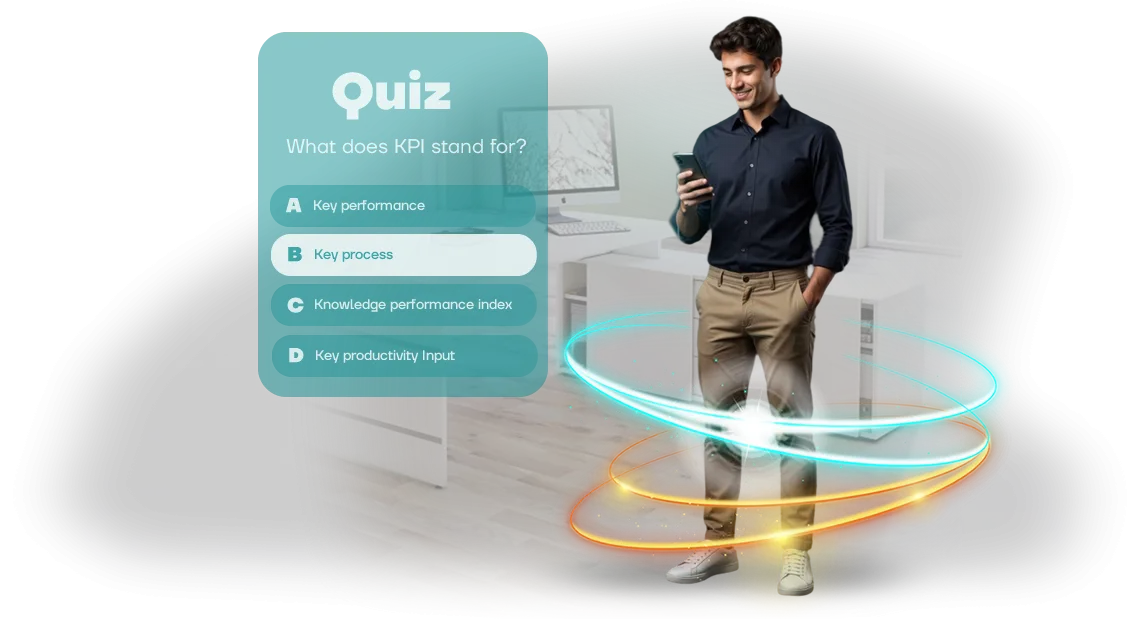
מדוע עובדים מאבדים ידע: איור מדעי להדרכה
הדרכה ארגונית סטנדרטית הופכת פעמים רבות לפורמליות: עובדים מקשיבים להרצאה או מעלעלים במצגת, וכמה ימים לאחר מכן הם זוכרים רק קטעים.
הסיבה פשוטה — טקסט ודיאגרמות ללא רגש לא תופסים את תשומת הלב, והמוח זורק במהירות מידע "משעמם". עבור עסקים, זה אומר תקציב הדרכה שבוזבז לשווא ועובדים שבפועל עדיין עובדים בדרך הישנה.
כאן נכנס לתמונה האיור המדעי (Scientific Illustration) — גישה שבה ידע מקצועי מורכב הופך לתמונות ויזואליות, כמעט מוחשיות. במקום הגדרות יבשות — סצנות ויזואליות מפורטות שבהן כל תהליך נראה כמו חלק מתמונה אחידה.
המוח קולט מידע כזה כחוויה, וחוויה, כידוע, נזכרת הרבה יותר טוב מטקסט שנקרא.
כאשר איורים משולבים בחידון חינוכי עם אלמנטים של גיימיפיקציה, נכנסת גם תחרותיות. העובד לא רק צופה אלא מתקשר, מקבל החלטות ורואה השלכות.
זה מספק מעורבות ברמה של משחק, מה שאומר שידע נקלט מהר יותר ונשאר בזיכרון לאורך זמן.
כך בדיוק אנחנו בונים הדרכה: אנחנו לוקחים את המומחיות שלכם, הופכים אותה לתמונות ויזואליות מדויקות וממקמים אותה במכניקת משחק. התוצאה היא לא "מטלה מחייבת" אלא כלי שעובדים משלימים בעניין — ומיישמים את הכישורים שרכשו בעבודה.
מעורבות, זכירות ו-KPI: מה העסק מרוויח
הרצאות פסיביות ומצגות נקלטות פחות טוב מכל פעולה אינטראקטיבית. כאשר עובד עונה על שאלות, בוחר תרחישים ורואה את ההשלכות של החלטות, המוח רושם מידע בצורה אמינה יותר.
חידונים חינוכיים הופכים הדרכה מ"הקשבתי" חובה לעבודה מודעת עם החומר — ולכן הם נותנים לעסק אפקט מדיד במקום תיבת סימון פורמלית.
התוצאה העיקרית היא מעורבות מוגברת. העובד לא מוסח על ידי התראות ולא "נושר" מהתהליך, כי החידון תופס את תשומת הלב עם מכניקה, עלילה וגרפיקת תלת-ממד ויזואלית.
אנחנו יוצרים חידונים ב-Unity, שבהם כל שאלה נראית כמו איור מתוך אנציקלופדיה מדעית: מודלים תלת-ממדיים, דיאגרמות חיות, רמזים אינטראקטיביים.
הגשה כזו מגבירה את מהירות הלמידה — עובדים מבינים את המוצר, התקנות והסטנדרטים מהר יותר, מה שאומר שהם מגיעים לרמת העבודה הנדרשת מוקדם יותר.
הערך השני הוא אפקטיביות ההדרכה. בהשוואה לתזכירים טקסטואליים, חידונים מאפשרים לעובדים לבחון את עצמם באופן עצמאי לפני, במהלך ואחרי ההדרכה.
טעות הופכת לא לכישלון אלא לנקודת צמיחה: המערכת מציגה את התשובה הנכונה, מסבירה את ההיגיון ומציעה לחזור על השאלה מאוחר יותר.
כתוצאה מכך, הציון הממוצע של הצוות עולה לאחר הניסיון הראשון, וניסיונות חוזרים מחזקים את הידע ללא מאמן חי.
הערך השלישי הוא מדדי הדרכה שקופים. אתם רואים אילו נושאים קלים ואיפה הצוות נתקע: אחוז תשובות נכונות, זמן לכל שאלה, פעילות לפי מחלקה.
הנתונים האלה הופכים הדרכה מ"חובה לקיים" לתהליך ניתן לניהול: אפשר לחזק במהירות אזורים חלשים ולהוכיח את ערך ההדרכה להנהלה במספרים.
עבור משאבי אנוש ומנהלים, זהו כלי מוכן להערכת עובדים שממשיך לעבוד לאחר השקת החידון.
בסופו של דבר, העסק מקבל לא רק מוצר אינטראקטיבי יפה אלא מערכת שמעלה מעורבות, מאיצה הכשרת עובדים חדשים ומספקת מדדי ביצוע אובייקטיביים.
החידון מחזיר את ההשקעה לא בתיאוריה אלא בתוצאות קונקרטיות: התאמה מהירה יותר, פחות טעויות, איכות עבודה גבוהה יותר.
פורמטים של חידון עם איור מדעי לכל משימה
חידונים מעניינים עובדים רק כשהפורמט מתאים למשימת הלמידה. איור מדעי הופך חוקים מופשטים לתמונות תלת-ממדיות ויזואליות — אבל השאלה המרכזית היא לא האיור אלא התרחיש: מה בדיוק העובד צריך אחרי הסיום.
אנחנו משתמשים בכמה פורמטים ובוחרים אותם לפי מטרה ספציפית. השוו בין האפשרויות:
| פורמט | למי | מה זה נותן ללקוח |
|---|---|---|
| מבחן עם איורים תלת-ממדיים | צוות קו, עובדים חדשים | בדיקת ידע מהירה על סטנדרטים והוראות, זיהוי טעויות ברור |
| סימולציית תרחישים | מנהלים, אנשי מכירות, תמיכה | תרגול מצבים מורכבים ללא סיכון לעסק וללקוחות |
| מסע חינוכי | צוות בתקופת קליטה | התעמקות בתהליכי החברה בצורת משחק, הפחתת תחלופה בתקופת הניסיון |
| מצב תחרותי | כל הצוות | מעורבות ומוטיבציה מוגברת, תחרות בריאה על תוצאות |
אם המטרה היא להכשיר במהירות עובדים חדשים, אנחנו בוחרים במסע. אם צריך לחזק כישורים לטיפול בהתנגדויות או בתרחישים נדירים — סימולציה. כשחשוב לבדוק איך עובדים קלטו את החומר, מבחן עם איורים תלת-ממדיים עובד מצוין.
כל הפורמטים ניתנים להתאמה בקלות: מוסיפים שאלות חדשות, משנים רמת קושי, מספר המשתתפים גדל ללא שינויים בתרחיש.
איור מדעי מאפשר להציג ציוד, תהליכים פנימיים ותוכניות בפרטים שאינם נראים בהדרכה רגילה.
העובד רואה מודל תלת-ממדי ומיד מבין איך האובייקט בנוי — זה מאיץ את השינון ומפחית את מספר הטעויות בעבודה. איורים בסגנון אחיד יוצרים תחושה של מוצר ממותג, לא של מבחן טיפוסי.
לא יודעים איזה פורמט מתאים למשימה שלכם? צרו קשר — בייעוץ קצר נבחר אפשרות שתניב תוצאה מדידה.
שלבי יצירת חידון חינוכי: מהבריף ועד ההשקה
עבודה על חידון חינוכי היא כמו בניית בית: קודם התכנון, אחר כך היסודות, ורק אז הגימור הסופי. כדי להבטיח שהתוצאה פותרת את המשימות העסקיות שלכם ולא רק "קיימת", בנינו תהליך של שישה שלבים ברורים.
אתם תמיד יודעים באיזה שלב נמצא הפרויקט, מה קורה בהמשך ומתי ההשקה — בלי הפתעות או השמטות.
- בריף ומטרות. אנחנו מתעדים את מי ומה מלמדים, אילו תרחישי עבודה של עובדים נדרשים, איזה סגנון הצגה קרוב יותר לצוות שלכם. בשלב זה אנחנו קובעים את פורמט החידון: מבחן, מסע, תחרות או שילוב.
- קונספט ותרחיש. אנחנו הופכים את הבריף למבנה: שאלות, הסתעפויות, רמות קושי, משוב לשחקן. אתם מקבלים מסמך שמראה איך תיראה ההדרכה מנקודת המבט של העובד.
- עיצוב בסגנון איור מדעי. אנחנו מאשרים את הסגנון הוויזואלי: מהממשק ועד מודלים תלת-ממדיים ומיקומים ב-Unity — הכל בסגנון אחיד שבלתי נשכח ותומך במותג שלכם.
- פיתוח והרכבה. אנחנו מרכיבים את החידון, משלבים מערכת ספירת תוצאות, מגדירים גישת עובדים. אתם יכולים לראות גרסאות ביניים בכל עת ולבצע עריכות.
- בדיקות והשקה. אנחנו בודקים הכל על תרחישים אמיתיים: יציבות, נכונות שאלות, בהירות ממשק. לאחר מכן אנחנו מעלים את החידון ל-LMS שלכם או כפורטל אינטרנט נפרד — לפי מה שנוח יותר.
- תמיכה טכנית. לאחר ההשקה אנחנו נשארים בקשר: עוזרים בעדכונים, מוסיפים שאלות חדשות, עוקבים אחר ביצועים. האחריות על התוצאה היא לא רק מילים אלא חלק מהחוזה.
הסדר הזה עוזר להימנע מבעיות טיפוסיות: כשהדרכה נוצרת אבל העובדים מוצאים אותה לא נוחה, ושאלות מתיישנות תוך חודש. אנחנו סוגרים את הסיכונים האלה כבר בשלב הבריף, כך שהחידון עובד עבור המדדים שלכם ולא תלוי כמשקולת מתה.
מה כלול במסירה: ערכת חומרים לצוות שלכם
לאחר סיום הפרויקט, אתם מקבלים לא רק משחק אלא ערכת חומרים מלאה שניתן להשתמש בה מיד בהדרכה ולהתאים אותה למשימות שלכם. כל מה שרשום למטה נשאר אצלכם לנצח ואינו דורש השקעה נוספת.
- חידון חינוכי מוכן בסגנון איור מדעי. עובדים מבצעים אותו במחשב או בטאבלט — אתם מקבלים מיד כלי עבודה להערכת ידע.
- תרחיש שאלות ותשובות עם הסברים. אתם יכולים לבדוק אילו נושאים מכוסים ובמידת הצורך להתאים אותם לתוכנית שלכם.
- מדריך מתודולוגי למשאבי אנוש ומנהלים — הוראה שלב אחר שלב כיצד לשלב את החידון בתהליך ההדרכה, להניע עובדים ולפרש תוצאות.
- תוכנית הכשרת מנהלי מערכת — מה לעשות אם עובד שכח סיסמה, איך להפעיל מחדש מבחן, איפה לראות סטטיסטיקות השלמה.
- קבצי מקור של כל האלמנטים: מודלים תלת-ממדיים, מיקומים, טקסטורות ואודיו. הם מסופקים בפורמט ניתן לעריכה, כך שתמיד אפשר לעדכן פרטים ללא הזמנת עבודה "מאפס".
- הוראת התקנה והגדרה — טקסט פשוט עם תמונות, שלאחריו כל מומחה שלכם יבין ללא עזרת מפתחים.
- תיעוד טכני למחלקת ה-IT שלכם — תיאור ארכיטקטורה, דרישות חומרה ונוהל עדכון. זו הגנה מפני "קופסה שחורה": אתם תמיד מבינים איך הכל עובד.
ערכה כזו מכסה את כל צרכי הצוות: מהדקות הראשונות לאחר המסירה ועד להרחבה למחלקות חדשות. אתם מקבלים לא שירות חד-פעמי אלא בסיס שאפשר להשתמש בו שנים.
מקרה בוחן: איך חידון עם גרפיקה מדעית שיפר תוצאות הסמכה
עובדי חברת תרופות עם 800 איש עברו הסמכה שנתית על תקני איכות.
מבחנים טקסטואליים מסורתיים ב-PDF נתנו ציון ממוצע של 62% — חצי מהצוות תפס את הבדיקה כפורמליות ושינן תשובות מכנית מבלי לזכור תקנות מפתח. חודש לאחר מכן הידע דעך, וטעויות חזרו בעבודה האמיתית.
הצענו להחליף את המבחן המשעמם בחידון תלת-ממדי בסגנון איור מדעי. כל מחלקת ייצור — מהמעבדה ועד המחסן — הפכה למיקום וירטואלי עם מודלים מפורטים של ציוד ותהליכים.
העובד נע בין הסדנאות, ענה על שאלות וקיבל מיד הסברים עם רמזים ויזואליים. ההדרכה הפכה לחקירה מרתקת ולא ל"בחינה".
התוצאות עלו על הציפיות: חודש לאחר מכן, 98% מהעובדים עברו את ההסמכה, והציון הממוצע עלה מ-62% ל-89%. זמן ההשלמה ירד ב-40%, ומספר העוברים בניסיון הראשון הוכפל.
העובדה המדהימה ביותר — 85% מהמשתתפים חזרו מרצונם לחידון לצורך חזרה, דבר שמעולם לא קרה עם שום מבחן נייר.
ראש מחלקת פיתוח כוח אדם בחברת "PharmGroup" ציין: "ציפינו לשיפור במדדים, אבל לא ציפינו שעובדים ייקחו את החידון מחוץ לשעות העבודה.
הגרפיקה המדעית והעלילה הפכו את ההדרכה לוויזואלית, ואת תוצאות ההסמכה לאובייקטיביות." לאחר ההשקה הראשונה, החברה הזמינה גרסה מורחבת לקליטת עובדים חדשים.
מקרה זה מאשר: כשההדרכה נראית כמו מסע באיור מדעי ולא כמו מבחן יבש, עובדים מתערבים מעצמם.
אנחנו מוכנים לבנות חידון דומה עבור המאפיינים שלכם — תוך התחשבות בתקנות התעשייה, מספר העובדים ותרחישי ההערכה הנדרשים.
תשובות לשאלות נפוצות על פיתוח חידונים לעובדים
לפני הזמנת חידון חינוכי, ללקוחות יש אותן שאלות: לוחות זמנים, עלות, ערבויות והתאמה למשימות. אנחנו עונים על השכיחות ביותר — ללא ז'רגון טכני.
כמה זמן לוקח פיתוח חידון?
בדרך כלל משבועיים עד חודש וחצי, תלוי במורכבות התרחיש והעיצוב. בהתחלה אנחנו קובעים את השלבים והתאריכים, ואתם רואים התקדמות כל שבוע.
איך מחושבת העלות?
העלות תלויה בכמות השאלות, מספר הרמות ופירוט הגרפיקה. לאחר שיחה קצרה אתם מקבלים הערכה מדויקת ללא תשלומים נסתרים, והתשלום מחולק לשלבים.
אילו ערבויות איכות יש?
אנחנו לא רק אוספים שאלות אלא בונים תרחיש שתופס תשומת לב. החידון עובר ריצת בדיקה, ואתם מקבלים תיקונים ללא תשלום נוסף.
האם אפשר להתאים את החידון למשימות החברה?
כן. אנחנו מתאימים גם את המכניקה וגם את הסגנון לתרבות הארגונית שלכם — ממבחן קפדני ועד חידון קליל. נשלב מיתוג ונושאים נדרשים: מוצר, תקנים, היסטוריית מותג או כללי בטיחות.
אם השאלה שלכם לא ברשימה — כתבו לנו, ונספר לכם על התהליך ולוחות הזמנים למשימה שלכם.השיקו הדרכה שעובדת: שלחו בקשה לפיתוח
עובדים זוכרים רק מה שמעניין אותם. הרצאות ומבחנים רגילים מאבדים תשומת לב בתוך הדקה השנייה, בעוד חידון בסגנון איור מדעי הופך הדרכה לחקירה: מיקומים תלת-ממדיים, תרחישים חיים ושאלות שמתחשק לעבד. שלחו בקשה — נראה איך זה עובד על הנושא שלכם.
מיד לאחר בקשתכם אתם מקבלים:
- ניתוח של תוכנית ההדרכה והחומרים הנוכחיים;
- ייעוץ על פורמט החידון ומיקומים תלת-ממדיים מתאימים;
- הערכת עלות ולוחות זמנים לתרחיש שלכם;
- המלצות לשילוב עם פלטפורמת ההדרכה או הפורטל החינוכי שלכם;
- תוכנית השקה אישית למודול ההדרכה הראשון.
לאחר מכן אנחנו מתקדמים בתוכנית שקופה: בריף קצר, אישור קונספט בסגנון איור מדעי, פיתוח ב-Unity, קבוצת עובדי בדיקה והשקה. אתם משתתפים בהחלטות מפתח, ואנחנו לוקחים על עצמנו את החלק הטכני.
זה מאפשר לחשב עלות ללא תוספות בלתי צפויות ולהתחיל את הפרויקט ללא הכנה ארוכה.
אין צורך להכין מפרט טכני מושלם — פשוט תארו את המשימה במילים שלכם. נשאל שאלות הבהרה, נציע פורמט ונראה דוגמאות.
שלחו בקשה לייעוץ, וכבר בפגישה הראשונה תגלו כמה מהר אפשר להשיק הדרכה שעובדת.
איך לבחור פורמט חידון וסגנון איור להדרכה?
כדי לבחור פורמט חידון, התחילו ממטרת ההדרכה ומאיך העובדים ישתמשו בידע. אם צריך לתרגל תקנות ובטיחות — תרחישים עם בחירת פעולות מתאימים.
אם החומר גדול, עדיף לפצל אותו לסיבובים קצרים עם קושי עולה. הקריטריון המרכזי הוא תועלת לעבודה אמיתית, לא מספר תשובות נכונות לדוח.
בחירת האיורים חשובה לא פחות: הם צריכים לא לקשט אלא להסביר. לנושאים טכניים ורפואיים, איור מדעי הוא אפקטיבי — דיאגרמות ויזואליות מדויקות שמראות תהליכים בחתך.
בשילוב עם מודלים תלת-ממדיים, הם יוצרים תרחישים תלת-ממדיים ויזואליים. העובד רואה חלק, מנגנון או רצף פעולות כפי שהם נראים בחיים האמיתיים, וזוכר את ההיגיון מהר יותר.
קחו בחשבון את המאפיינים של למידת מבוגרים: יש להם מעט זמן וסף שעמום גבוה. לכן, חידון צריך לקחת 5–7 דקות, לספק משוב מיידי ולהסביר טעות. טוב כשעובד יכול לחזור לבלוק קשה ולנסות שוב. מכניקה כזו מפחיתה לחץ ומגבירה מעורבות ללא לחץ נוסף.
התאמת החידון לחברה שלכם היא נקודה חשובה נוספת. השתמשו במונחים אמיתיים, במקרים מהפרקטיקה שלכם ובפלטת הצבעים הארגונית שלכם. איורים עדיף לבנות על בסיס המוצרים והתהליכים שלכם.
אז ההדרכה נתפסת כחלק מסביבת העבודה ולא כמבחן מופשט. זה משפיע לטובה על העברת ידע ועל השלמות חוזרות.
והעצה המרכזית: בחרו פורמט שניתן להרחבה והתאמה. התחילו עם בלוק אחד, העריכו את דינמיקת הטעויות וזמן ההשלמה. אם אתם רואים שחומר קשה עדיין "נופל" — חזקו את החלק הוויזואלי, הוסיפו רמזים ודוגמאות. אנחנו עוזרים לבחור וליישם אפשרות שתעבוד במיוחד עבור המשימות שלכם.