

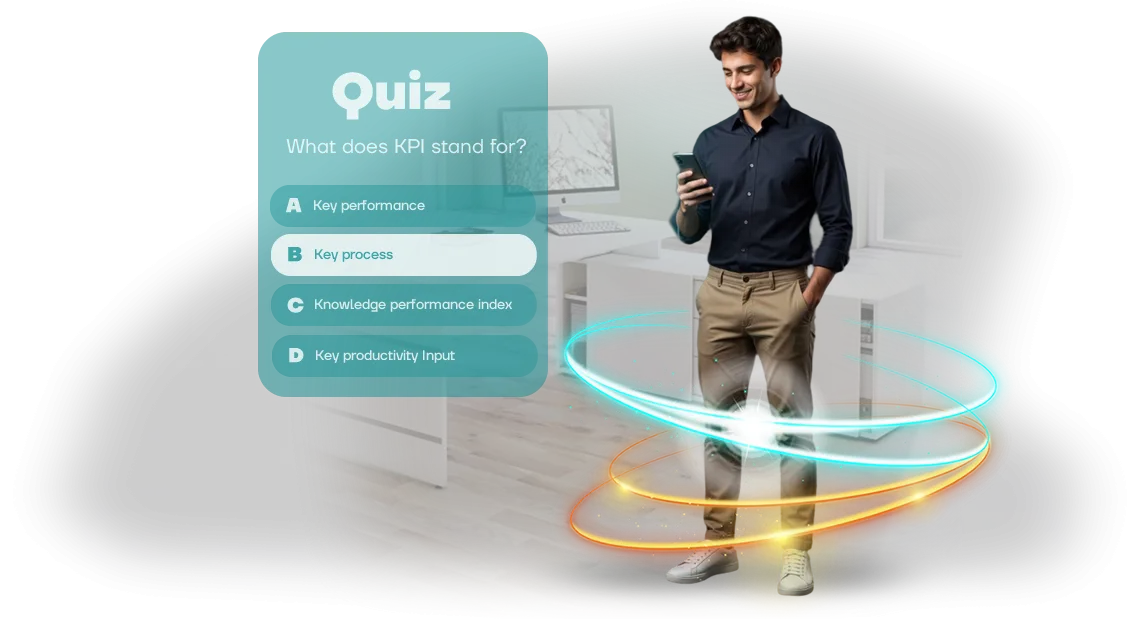
עובדים שוכחים את ההדרכה? חידוני Papercraft מעוררים עניין
כל מנהל מכיר את התרחיש הזה: עובדים משלימים רשמית קורסי חובה, אבל תוך מספר שבועות הם לא מצליחים ליישם את מה שלמדו בעבודה.
הסיבה פשוטה — טקסטים, מצגות ומבחנים נתפסים כשגרה, לא מעוררים רגשות, ונמוגים מהזיכרון במהירות.
הבעיה עם הדרכה היא שהיא מבוססת על שינון, לא על מעורבות. כשאדם פשוט קורא הוראה, המוח שלו לא יוצר קשרים חזקים — המידע נשאר מופשט.
זה מוביל לטעויות חוזרות, לאי-הבנה של נהלים, ולמוטיבציה נמוכה בקרב הצוות לשפר את כישוריהם.
חידונים מבוססי משחק משנים את הגישה: במקום צפייה פסיבית בשקופיות, העובד הופך למשתתף פעיל, פותר בעיות ומתחרה עם עמיתים.
הסגנון של Papercraft מוסיף עונג ויזואלי — עולמות תלת-ממדיים קלילים ו"נייריים" נראים לא כמו ספר לימוד נוקשה, אלא כמו משימה מרתקת. הצגה כזו שומרת על תשומת הלב, מה שאומר שהידע נטמע בפועל.
כתוצאה מכך, המעורבות של העובדים גדלה, ההדרכה מפסיקה להיות "חובה" והופכת לאירוע שאנשים רוצים לחזור אליו.
אנשים מתערבים מעצמם, דנים בשאלות ביניהם, והמנהל מקבל תוצאה מדידה: פחות טעויות, התאקלמות מהירה יותר ופרודוקטיביות גבוהה יותר של הצוות.
אנחנו פותרים את הבעיה הזו עם חידוני הדרכה בסגנון Papercraft — אנחנו מעצבים תרחישים סביב תהליכי העבודה שלך כך שההדרכה היא לא רק מעבר מבחן, אלא חוויה חיה שעובדים זוכרים. ספר לנו על המשימה שלך — נציע כיצד להפוך הדרכה לכלי צמיחה.
אילו תוצאות עסקיות משחק הדרכה מביא לצוות שלך
עובדים עוברים הדרכה בשביל תוצאות, לא רק בשביל לסמן וי. משחק הדרכה בסגנון Papercraft הופך הרצאה משעממת לתרחיש חי שבו כולם עונים על שאלות ומיד רואים איך ליישם ידע בפועל.
זה מספק יתרונות מדידים שבאים לידי ביטוי במדדים עסקיים, לא רק בדוחות השלמת הדרכה.
בדוק אילו תוצאות הצוות שלך יקבל:
- צמיחה בידע אמיתי. עובדים קולטים חומר בצורה יעילה יותר מאשר בצפייה במצגות: הפורמט המשחקי שומר על תשומת הלב וגורם להם להיזכר בכללים הנכונים בהקשר של מצבי עבודה.
- סטנדרט עבודה אחיד. כולם עוברים את אותו תרחיש וזוכרים את אותם נהלים. הפער במוכנות בין עובדים מנוסים לחדשים מצטמצם, ואיכות השירות הופכת ליציבה.
- חיסכון בזמן הדרכה. המשחק נשאר קומפקטי במקום להימתח להרצאות של שעות רבות. העובד חוזר למשימותיו מהר יותר, והמנהל לא מאבד שעות עבודה של הצוות.
- הערכת התקדמות ברורה. אתה רואה סטטיסטיקות: מי סיים את החידון, מי ענה לא נכון, אילו נושאים גורמים לקשיים. זה עוזר לספק חומר בזמן ולשפר את ביצועי העובדים.
- מעורבות ושימור. הסגנון של Papercraft הוא לא רק תמונה, אלא דרך לשמור על עניין. רגשות מהתהליך מבססים ידע, עובדים משתפים את ההתרשמות שלהם, וההדרכה מפסיקה להיות שגרה.
אנחנו יוצרים משחקים כאלה על הפלטפורמה המקצועית Unity — זה מבטיח שהחידון רץ בצורה חלקה על כל מכשיר שהצוות שלך משתמש בו, ואתה מקבל תוצאת הדרכה צפויה. נסה את המשחק עם העובדים שלך: התוצאות יהיו מורגשות כבר אחרי המשחק הראשון.
פורמטים של חידון Papercraft למטרות העסקיות שלך
הדרכת עובדים הופכת לעיתים קרובות לצפייה במצגות ומבחני לחיצה. התוצאה היא מעורבות נמוכה, והידע מתנדף אחרי כמה שבועות.
חידון Papercraft הופך הדרכה למשחק: עובדים עוברים תרחישים, מקבלים החלטות ורואים את ההשלכות בעולמות תלת-ממדיים המורכבים כמו דגמי נייר.
אנחנו יוצרים מיקומים ודמויות תלת-ממדיים על Unity — זה מאפשר לנו להתאים את החידון במהירות למשימה שלך: השתלבות לעובדים חדשים, תרגול סטנדרטים או הסמכה. המפתח הוא בחירת הפורמט הנכון, והנה איך הם מתכתבים עם אתגרים עסקיים טיפוסיים.
פורמטים למשימות שלך
| פורמט חידון Papercraft | למי זה מיועד | מה זה נותן ללקוח |
|---|---|---|
| משימת משרד עם רמות תלת-ממדיות | עובדים חדשים | השתלבות מהירה בלי תדריכים משעממים |
| מאמן מבוסס תרחישים | צוות קו ומחלקות מכירות | תרגול כישורים על מצבים ריאליסטיים |
| תחרות קבוצתית | כל החברה | גיבוש צוות ומעורבות גבוהה יותר |
| חידון מקוון עם לוח בקרה אישי | עובדים מרוחקים | הדרכה בקצב שלך בלי להפריע לעבודה |
כל פורמט בנוי סביב התרחיש שלך. אנחנו בוחרים את זה שפותר את המשימה הספציפית: מהיכרות עם מוצר ועד להערכת ידע. והמודלים התלת-ממדיים בסגנון Papercraft הופכים את הלמידה לוויזואלית ובלתי נשכחת, כך שעובדים מסיימים אותה עד הסוף ומבקשים עוד.
יתרה מכך, אפשר לעשות שימוש חוזר בחידון פעמים רבות: לעדכן שאלות ולהוסיף רמות חדשות בלי להתחיל את הפרויקט מאפס.
איך נוצר חידון: מהבריף ועד ההשקה
בנינו את התהליך כך שתמיד תדע איפה הפרויקט עומד ואיזו תוצאה תקבל. מהבריף הראשון ועד להשקת ההדרכה — כמה שלבים ברורים, שכל אחד מהם מסתיים בתוצר קונקרטי. אנחנו מטפלים בצד הטכני.
- בריף פיתוח. אנחנו דנים במטרות, בקהל, בנושאים ובסגנון המועדף. אם צריך מסר קליל, אנחנו מציעים את הפורמט של Papercraft — הוא בלתי נשכח. אנחנו קובעים לוחות זמנים.
- אישור תרחיש. אנחנו מפתחים שאלות, אפשרויות תשובה, רמות קושי וחוקי משחק. אתה רואה את המבנה לפני תחילת הפיתוח ויכול לערוך שינויים בלי עלויות מיותרות.
- עיצוב סגנון ומיקום. אנחנו יוצרים מודלים תלת-ממדיים וסביבות בטכניקת Papercraft. החידון נראה אחיד, שומר על תשומת הלב ומעורר רגשות חיוביים.
- הרכבת החידון. אנחנו משלבים גרפיקה, לוגיקה וממשק למשחק אחד. אנחנו מגדירים ניקוד תוצאות, רמזים ומשוב, ומשתלבים עם פורטל ההדרכה הארגוני שלך אם צריך.
- בדיקות ותיקונים אחרונים. אנחנו בודקים את התרחיש עם שאלות אמיתיות ומתקנים אי-דיוקים. אתה מקבל גרסת הדגמה ומאשר את התוצאה לפני ההשקה.
- השקת הדרכה. אנחנו מספקים את החידון המוגמר, הוראות לעובדים והמלצות ליישום. אנחנו עוזרים למקם אותו בערוץ הנכון — ממייל ועד פורטל ההדרכה.
מה כלול במסירת החידון הארגוני
עבור חידון ארגוני, תוצאה צפויה חשובה: אתה לא מקבל "פיתוח גולמי" אלא חבילה מלאה שאפשר להשיק, לעדכן ולהעביר לקבלנים אחרים.
אנחנו מגדירים את היקף המסירה לפני תחילת העבודה, כך שאתה יודע בדיוק על מה אתה משלם ומה תקבל בסוף.
הטבלה שלהלן מציגה את הבלוקים הבסיסיים של החבילה. אם התרחיש שלך מורכב יותר (מספר תרחישי הדרכה, אווטארים ממותגים, אזורים נפרדים למחלקות שונות), ההיקף מתרחב בלי להאריך את לוח הזמנים.
| רכיב | מה אתה מקבל | למה זה שימושי |
|---|---|---|
| מיקומים תלת-ממדיים בסגנון Papercraft | סצנות צבעוניות לחידון: משרד, רצפת ייצור, מחסן, חדר ישיבות | עובדים שוקעים בהדרכה במקום לדפדף בשקופיות |
| מודלים של דמויות | גיבורים שמנחים את המשחק ומגיבים לתשובות | דמויות מוכרות מגבירות מעורבות ושימור חומר |
| ממשק חידון | מסכי שאלות, התקדמות, רמזים, סטטיסטיקות סופיות | מסלול ברור לכל עובד — פחות פניות לתמיכה |
| קבצי מקור של הפרויקט | כל החומרים לשינויים עתידיים | אתה לא קשור לקבלן אחד ויכול להחליף צוותים |
| לוח ניהול | העלאת שאלות, הגדרת מפגשים, צפייה בתוצאות | ההדרכה מתפתחת בלי פיתוח חדש — אתה מעדכן אותה בעצמך |
בנוסף, החבילה כוללת:
- תיעוד טכני: תיאור של השקה, הגדרה וניהול החידון.
- סמינר מקוון להטמעה לצוות שיעבד עם המערכת.
- תמיכה באחריות: תיקוני באגים וייעוץ במהלך התקופה המוסכמת.
- תרחישי שאלות מוכנים המותאמים לפרטים שלך — אפשר להחליף אותם ביום אחד.
- גיבוי נתונים והגנה מפני תקלות, כך שתוצאות לעולם לא יאבדו.
בסופו של דבר, אתה מקבל חבילה שקופה: ממודלים תלת-ממדיים ומיקומים ועד תיעוד ותמיכה. זה מאפשר לך להשיק את החידון תוך שבוע מהגרסה הסופית — בלי מעורבות מתמדת של מפתחים ועם העברת ידע ברורה לצוות שלך.
מקרה בוחן: הדרכה מבוססת משחק הגדילה את השלמת הקורס ב-60%
עבור רשת בתי הקפה Coffee Paper, ההדרכה הרגילה הפסיקה לעבוד: עובדים השלימו את הקורס באופן רשמי, ואחרי כמה שבועות שכחו את הסטנדרטים — מה שהוביל לטעויות בהכנת משקאות ולחוסר שביעות רצון של אורחים. מנהלים בילו שעות בהסברים חוזרים, והתחלופה בקרב עובדים חדשים נשארה גבוהה.
הצענו להפוך את הקורס למשחק Papercraft על Unity. במקום שקופיות ומבחנים — מיקום משחקי שבו העובד חווה משמרת: קבלת הזמנות, שיחה עם אורחים, עמידה בסטנדרטים של הכנה.
פעולות שגויות מראות השלכות בזמן אמת, והצלחות מתוגמלות ויזואלית. זה הופך את ההדרכה לוויזואלית ומעוררת רגשית.
המספרים שקיבלנו
- השלמת הקורס עלתה ב-60% — המדד המרכזי של הפרויקט. בעבר, קצת יותר משליש מהעובדים סיימו את הקורס; עכשיו יותר ממחצית עושים זאת.
- זמן ההכנה של עובדים חדשים ירד בכ-30%: השחקנים משננים אלגוריתמים מהר יותר ונכנסים לתפקיד במהירות רבה יותר.
- מספר הפניות למנטורים בשבועות הראשונים בעבודה ירד בחצי — עובדים פועלים בביטחון רב יותר בכוחות עצמם.
התוצאות האלה אושרו לא ביום הראשון, אלא חודשיים אחרי ההשקה. הרשת ראתה אפקט מתמשך: אורחים החלו לשבח את השירות לעיתים קרובות יותר, וביקורות פנימיות הראו פחות הפרות סטנדרטים.
המנהלים האמינו בפורמט כל כך עד שביקשו תרחישים חדשים לתפקידים שונים והרחיבו את הפרויקט לכל אזורי הפעילות.
איך לבחור את פורמט החידון הנכון למשימה שלך?
אין פורמט חידון אוניברסלי אחד: מה שעובד מצוין למחלקת מכירות עלול להיכשל על רצפת ייצור או בצוות מבוזר.
אנחנו לא מביאים תבנית מוכנה; אנחנו מתחילים מהמשימה שלך — מה צריך לבדוק: ידע על מוצר, חוקי בטיחות, נהלים חדשים או מוטיבציה. קודם כל, אנחנו מבינים מי יעבור את החידון, באילו תנאים, ואיזו תוצאה נדרשת בצד השני.
לאחר מכן, אנחנו בוחרים את הפורמט: סקרים קצרים לבדיקות שגרתיות, בחירות פעולה מבוססות תרחישים לתהליכים מורכבים, תחרויות קבוצתיות לגיבוש צוות. אם המשימה יוצאת דופן — נוהל נדיר או נושא חדש — אנחנו מתאימים את המכניקה: מוסיפים רמות, רמזים, משוב.
כאן הסגנון של Papercraft עוזר: מיקומים ודמויות נפחיים אך בכוונה "נייריים" הופכים הדרכה למשחק שבו לכל שאלה יש הקשר. העובד לא רק לוחץ על תשובות אלא מתקשר עם מרחב שמשקף את הפרטים של החברה שלך.
אפשר להריץ את החידון על קבוצת פיילוט, לאסוף משוב, לכוונן את רמת הקושי, ורק אז להשיק אותו בכל החברה. אנחנו מסכימים על מדדי אפקטיביות מראש: אחוז תשובות נכונות, זמן השלמה, מספר ניסיונות חוזרים. כך אתה מקבל לא "קופסה" אלא כלי שפותר את המשימה הספציפית שלך.
בשלב הדיון, נציע שתיים או שלוש אפשרויות מתאימות שמתאימות לתקציב וללוח הזמנים שלך. בסופו של דבר, עובדים משלימים הדרכה בעניין, ואתה רואה את רמת הידע האמיתית.
שאלות נפוצות על פיתוח חידוני הדרכה
לפני הזמנת חידון הדרכה, אולי יש לך שאלות: כמה זמן ייקח הפיתוח, אפשר לשנות תוכן אחרי ההשקה, איך נתמוך בפרויקט. אנחנו עונים על העיקריות — בקצרה ולעניין.
כמה זמן לוקח לפתח חידון?
לוחות הזמנים תלויים בהיקף התוכן ובמורכבות התרחיש. בממוצע, חידון בסיסי של 20–30 שאלות עם סגנון ממותג ומספר אפשרויות תשובה מוכן תוך 2–3 שבועות. אם אתה צריך חידון עם מיקומים תלת-ממדיים ומכניקת משחק — אפשר 4–6 שבועות. אנחנו נותנים את לוח הזמנים המדויק אחרי דיון מקדים ומפרטים אותו בחוזה.
אפשר להתאים תוכן לקבוצות עובדים שונות?
כן, קל להגדיר תוכן. אתה יכול לחלק עובדים לפי מחלקה, רמת ידע או אזור — כל קבוצה רואה את השאלות שלה. זה נוח במיוחד כשחברה מכוונת למספר תחומים: סט נושאים אחד לאנשי מכירות, אחר לייצור. מנהלים מנהלים קבוצות בעצמם בלי לחכות למפתח.
מה אם נרצה לשנות שאלות אחרי ההשקה?
השינויים נעשים במהירות. החלפת ניסוח, הוספת שאלה חדשה או עריכת תשובה אורכת כמה דקות ולא דורשת עיבוד מחדש של כל המשחק. אתה יכול לעשות את זה בעצמך דרך ממשק נוח, ואנחנו נעזור לך להתחיל ולהכשיר את הצוות שלך.
האם יש תמיכה אחרי מסירת הפרויקט?
כן, אנחנו נשארים בקשר. החבילה הבסיסית כוללת תמיכת אחריות ל-3 חודשים: אנחנו מתקנים שגיאות, עוזרים בעדכונים ועונים על שאלות. אם צריך, אנחנו חותמים על הסכם ארוך טווח — ואז כל שיפור הופך לעדיפות.
חשוב להבין: פיתוח חידון הוא לא פרויקט חד-פעמי, אלא כלי שחי לצד החברה שלך. אנחנו הופכים אותו לנוח כך שתוכל לשנות שאלות, לעקוב אחר תוצאות ולהצמיח את ההדרכה שלך בלי עלויות מיותרות.אם עדיין יש לך ספקות — פשוט כתוב לנו. נשאל כמה שאלות על המשימות שלך ונציע פתרון עם לוח זמנים ומחיר ברורים.
הזמן פיתוח חידון במפתח אחד וקבל תוצאה
בחירה בפיתוח במפתח אחד פירושה שאתה מקבל כלי הדרכה מוכן, לא רשימת משימות לניהול. אתה לא צריך להיכנס לפרטים טכניים — רק לתאר איזה ידע של עובדים ההדרכה צריכה להעריך. אנחנו לוקחים על עצמנו את כל המסע: מהבריף ועד להשקת החידון ולתמיכה בו.
מה אתה מקבל מיד אחרי ההזמנה
- תוכנית ברורה ולוח זמנים להשקה — אתה יודע את לוח הזמנים, השלבים ומה קורה בכל שלב.
- הערכת עלות שקופה בלי תנאים נסתרים — אתה רואה את העלות ואת היקף העבודה מראש.
- המלצות על פורמט — ממבחנים פשוטים ועד סצנות תלת-ממדיות מבוססות משחק בסגנון Papercraft הבנויות על Unity, כך שההדרכה שובה את העובדים.
- הדגמה של רמה אחת — הערך את המכניקה והסגנון לפני פיתוח הגרסה המלאה.
- צוות פרויקט ייעודי — תסריטאים, מעצבים, אמני תלת-ממד ומתודולוגים עובדים יחד, בזמן שאתה מתקשר עם מנהל אחד.
- תמיכה אחרי ההשקה — נעדכן שאלות, נוסיף רמות ונסייע בתמיכה טכנית.
התחל את הפרויקט עכשיו — השאר בקשה, ונכין הצעה למשימה שלך. תקבל תוצאה שעובדים ישלימו בעניין, לא "רק כדי לסמן וי."