

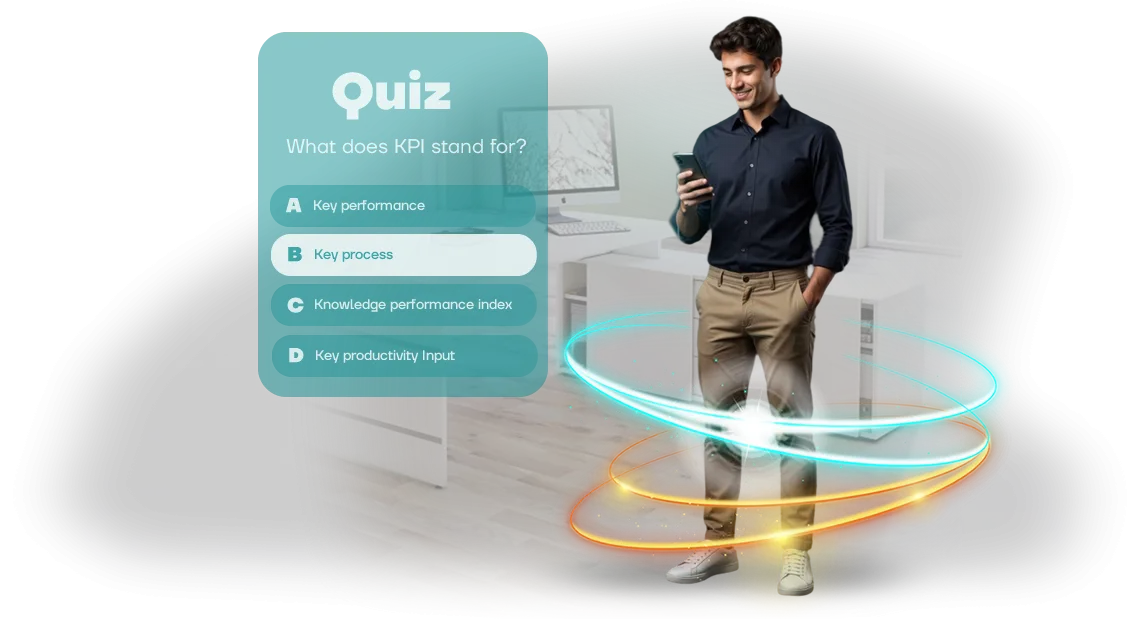
מדוע חידונים חינוכיים מחליפים הרצאות משעממות בתעשיית התעופה
בתעופה, מחיר הטעות נמדד לא בעונש על מבחן שגוי, אלא בבטיחותם של אנשים ובמוניטין של החברה.
הרצאות מסורתיות אינן מבטיחות שהעובד באמת קלט את החומר: אפשר להקשיב שעה שלמה לתקנות ועדיין לא להבין כיצד לפעול במצב חירום.
לכן הכשרת עובדים בתעופה נבנית יותר ויותר על פורמטים אינטראקטיביים, שבהם הידע של כל משתתף נבחן בפעולה.
חידון עובדים הופך הכשרת חובה משעממת לתהליך ברור ומהיר. במקום רישום הערות — שאלות אמריקאיות קצרות; במקום המתנה להסמכה — אבחון מיידי של פערי ידע.
מיד לאחר הסשן הראשון, מנהל רואה באיזה נושא הצוות התקשה ויכול לחזק בדיוק את הנושא הזה מבלי לבזבז זמן על חזרה על כל הקורס.
הכשרה אינטראקטיבית בתעופה פותרת אתגר נוסף: מעורבות. כאשר עובד אינו מאזין פסיבי אלא משתתף פעיל, הוא זוכר את החומר הרבה יותר טוב.
האלמנט התחרותי וסטטיסטיקת תוצאות ברורה יוצרים מוטיבציה בריאה: אנשים סוגרים את הפערים שלהם בעצמם במקום לחכות שההנהלה תצביע על טעות.
עבור הלקוח, זה אומר שליטה שקופה וסיכון מופחת. אתה מקבל לא חתימות נוכחות פורמליות אלא תמונה אובייקטיבית של מוכנות הצוות לעבודה.
בדיקות ידע מהירות של עובדים מאתרות נקודות חולשה לפני שהן מובילות לבעיות ייצור ומאפשרות לעדכן תוכניות הכשרה בזמן כדי להתאים לצרכים האמיתיים.
מה הפורמט המבוסס-משחק מספק: מעורבות גבוהה יותר ופחות טעויות
הכשרת תעופה סטנדרטית היא עשרות תקנות והוראות שעובדים פותחים לעתים קרובות "למראית עין." כתוצאה מכך, טעויות ברצפת הייצור ובתיעוד חוזרות על עצמן, וזמן ההכשרה מחדש גדל.
גיימיפיקציה של הכשרה הופכת את התוכנית המחייבת למשחק מובן: חידונים, רמות, תחרות בין מחלקות — והמעורבות עולה מיד.
הכשרת עובדים מבוססת-משחק בנויה על מצבי עבודה אמיתיים: עובד לא רק בוחר תשובה אלא רואה את ההשלכות של החלטה לפני שהיא משפיעה על העבודה. כך, התקנים נקלטים מהר יותר ונשארים בזיכרון זמן רב יותר.
החידון הארגוני מחולק לסבבים קצרים — אפשר להשלים אותם בזמן נוח מבלי לעזוב את המשמרת.
פלטפורמת Unity מאפשרת להרכיב תרחישים כאלה במהירות ובגמישות, והמנהל מקבל כלי מוכן שמשתלב בקלות במערכת ההכשרה הקיימת ואינו דורש כישורים טכניים מהעובדים.
עבור מנהל משאבי האנוש, מה שחשוב הוא לא התהליך אלא התוצאה. החידון מספק מדדים ברורים: כמה עובדים השלימו את ההכשרה, באיזה ניסיון הם הצליחו, אילו נושאים גורמים לקושי.
השלמת ההכשרה מגיעה ל-95% — כי אנשים באמת מעוניינים לסיים את המשחק ולראות את התוצאה שלהם. האלמנט התחרותי מפחית טעויות: כל ריצה חוזרת מחזקת את רצף הפעולות הנכון.
דוחות נוצרים אוטומטית — אפשר לראות את הדינמיקה עבור כל עובד, מחלקה או משמרת. זה מבטל איסוף נתונים ידני ועוזר להתאים את התוכנית בזמן.
פורמט ההכשרה המבוסס-משחק אינו בידור במקום עבודה אלא כלי שמפחית את הסיכון לטעויות יקרות וחוסך זמן של מדריכים.
פורמטי חידון לתעופה: התאמת הפורמט לתקנה
בתעופה, כל תקנה דורשת צורת בקרת ידע משלה: עולה חדש זקוק לקליטה עדינה, עובד מנוסה זקוק לבדיקה מבלי לעזוב את הייצור, והדרכת בטיחות אינה סובלת פורמליות.
חידון מוכן שמתאים לכולם בבת אחת בדרך כלל לא מתאים לאף אחד — לכן אנו מתאימים את הפורמט למשימה הספציפית.
להלן תרחישים אופייניים שהלקוחות שלנו עובדים איתם.
| פורמט | למי | מה הוא נותן ללקוח |
|---|---|---|
| קליטת עולה חדש | עובדים חדשים בשבועות הראשונים שלהם בעבודה | התעמקות מהירה בתקני החברה ללא מדריך, פחות עומס על עמיתים מנוסים |
| הסמכה תקופתית | כל הצוות או מחלקות בודדות | בדיקת ידע על סכמה אחידה, תוצאות שקופות למנהל, סטטיסטיקה ברורה על נושאים מפגרים |
| הדרכת בטיחות | כל העובדים לפני אישור לעבודה | הבטחה שההוראות נקראו והובנו, פרוטוקול אוטומטי למפקחים |
| בדיקה לאחר סימולטור | מפעילים ומהנדסים לאחר הכשרת ציוד | חיזוק מיומנויות, זיהוי פערים לפני מעבר למשימות אמיתיות |
אנחנו לא רק מרכיבים שאלות — אנו מנתחים את התקנות שלך ומציעים תרחיש שמשתלב בתהליך הקיים. זה חוסך שעות של עבודה למשאבי אנוש ולמנהלי קו, ועובדים רואים בחידון משחק ולא עוד בדיקה בירוקרטית.
יתר על כן, כל התוצאות נאספות בלוח מחוונים אישי: המנהל רואה מי קלט את החומר ומי זקוק להכשרה נוספת. זה הופך יוזמה חד-פעמית לכלי שיטתי לבקרת איכות צוות.
איך אנחנו בונים חידון: מבריף ועד השקה ב-14 יום
בנינו את התהליך כך שתראה את התוצאה עד המועד המוסכם — ללא שלבים נסתרים וללא הפתעות. כל המסע מהשיחה הראשונה ועד ההשקה אורך 14 יום, וכל שלב ברור למי שאין לו הכשרה טכנית.
- בריף והתעמקות. אנו קובעים איזה ידע צריך להיבחן, מי הם העובדים שלך, ואיזה פורמט מתאים להם. אנו רושמים את המשימה, לוחות הזמנים וקריטריוני הקבלה.
- תרחיש ושאלות. אנו מכינים שאלות, אפשרויות תשובה, הסברים ומערכת ניקוד. אנו מבססים זאת על החומרים שלך או עוזרים לבנות את התוכן מאפס.
- אישור תרחיש. אנו מציגים את מבנה החידון בשפה פשוטה ומבצעים תיקונים לפני תחילת הפיתוח. זה מסיר את רוב התיקונים בסוף.
- פיתוח ועיצוב. אנו מרכיבים את החידון על פלטפורמה מקצועית, מוסיפים עיצוב בסגנון המותג שלך ואת לוגיקת חישוב התוצאות.
- בדיקה על תרחישים אמיתיים. אנו מוודאים את נכונות השאלות, את כל המעברים ואת התצוגה במכשירים השונים שהעובדים משתמשים בהם.
- השקה ופריסה. אנו מחברים את החידון, מריצים מעבר ניסיון עם הצוות שלך ומוסרים גישה. לאחר ההשקה, אנו נשארים בקשר כדי לתקן במהירות בעיות קטנות.
גישה זו נותנת ביטחון: אתה לא משלם על "תהליך פיתוח אינסופי" — אתה מקבל כלי הכשרה מוכן עד תאריך מסוים. אם תרצה מאוחר יותר לעדכן שאלות, להוסיף רמות או לשנות את העיצוב, זה משתלב גם בלוחות זמנים ברורים וקצרים.
מה כלול במסירה: חבילה מלאה למחלקת ההכשרה
חבילת המסירה מהצוות שלנו כוללת את כל מה שמחלקת ההכשרה צריכה כדי להשיק ולתחזק את החידון. זה לא רק משחק אלא מערכת מוכנה שמכסה את המשימה מההשקה הראשונה ועד לשימוש שוטף.
- משחק חידון 2D מוכן — מוצר תוכנה המותאם לתחום הנושא שלך ולתקני החברה. עובדים מתאמנים בפורמט מרתק, ומחלקת ההכשרה מקבלת כלי שאינו דורש ידע טכני מעמיק לניהול.
- פאנל ניהול להכשרה — ממשק נוח להגדרת שאלות, תרחישים ותנאי השלמה. אתה יכול לשנות תוכן בעצמך מבלי לערב מפתחים, כך שהחידון תמיד תואם לדרישות הייצור והתקנות העדכניות.
- חומרים מתודולוגיים — המלצות לשילוב החידון בתוכנית ההכשרה, הוראות למנהלים וטיפים לתרחישי שימוש. זה חוסך זמן למתודולוג ועוזר להשיק את התהליך מהר יותר.
- ייצוא תוצאות הכשרה — ייצוא נתונים אוטומטי על השלמה, תשובות נכונות וזמן שהושקע. דוחות נוצרים בפורמטים מוכרים כדי שתוכל לנתח ביצועים ולהכין סיכומים להנהלה.
- סמינר מקוון למנהלים — סשן תמיכה אחד שבו המומחים שלך עובדים על כל פונקציות פאנל הניהול בפועל. לאחר הסמינר, הצוות עובד עם החידון בביטחון מבלי לפנות לתמיכה על כל שאלה.
- אחריות ותמיכה — זמני תגובה קבועים לפניות ותיקוני באגים בחינם. אתה מקבל פעילות יציבה של החידון לאורך כל תקופת השימוש, לא רק בהשקה.
כל מה שרשום לעיל משולב לחבילה אחת — אתה מקבל כלי עובד, לא אוסף של קבצים מפוזרים. מההתחלה, מחלקת ההכשרה מבינה כיצד להשתמש בחידון, כיצד לעדכן חומרים וכיצד להראות להנהלה תוצאות אמיתיות.
מקרה בוחן: מפעל מטוסים השיק חידון לשלוש מאות עובדים
בואו נדבר על אחד ממקרי הבוחן שלנו בתחום חידוני תעופה. המפעל Aviation Systems התמודד עם כאב ייצור טיפוסי: הכשרת קליטה לעובדים חדשים ארכה עד שתי משמרות, וחלק מהמידע אבד עד שהגיעו לרצפת הייצור.
ארזנו את כל החומר לתרחישים אינטראקטיביים — עם בדיקות ידע על בטיחות, תקנות ונהלי חירום.
מה עשינו
במקום הרצאות ומבחני נייר, בנינו סבבי משחק קצרים שניתן להשלים בטאבלט או במחשב בקצב אישי. החידון מראה מיד איזה קטע נקלט בצורה גרועה ושולח אוטומטית את העובד לחזור עליו. המפעל קיבל אנליטיקה ברורה לכל משתתף — ללא בדיקה ידנית.
חודש לאחר ההשקה, זמן הקליטה ירד מיום וחצי לשלוש שעות. מספר הטעויות במעברי משמרת ירד ב-27%, וחזרות על מבחנים הפכו לנורמה עבור אלה שרצו לחזק את כישוריהם.
מספרים לאחר ההשקה
- 300 עובדים השלימו את החידון בשבועיים הראשונים
- 3 שעות — זמן הכנה ממוצע במקום 12 שעות של הרצאות
- 27% — הפחתה בטעויות בנקודות בקרת ייצור
- 92% מהמשתתפים אמרו שהפורמט קל יותר לזכירה
האפקטיביות של חידונים בייצור אושרה על ידי הזמנה חוזרת: המפעל הרחיב את החידון למחלקת בקרת האיכות ומשתמש בו במהלך ההסמכה השנתית.
אם אתה צריך לזרז הכשרה במפעל שלך ולהפחית הפסדים מטעויות אנוש — נחשב תרחיש המותאם לתקנות שלך.
איך לבחור פורמט חידון לייצור הספציפי שלך?
אין חידון אוניברסלי: מה שמתאים למחלקת ההנדסה ייכשל ברצפת הייצור, ולהיפך. כדי לבחור את הפורמט הנכון, הערך שלושה פרמטרים: כמה אנשים מוכשרים, היכן הם עובדים, ואילו מכשירים זמינים להם.
התחל עם גודל הצוות והפיזור. אם מאות עובדי משמרות מועסקים בסדנה, היכולת להשיק את החידון בזמן נוח חשובה — למשל, בתחילת משמרת או מיד לאחר בריף.
חידון לצוות מרוחק או לאתרי ייצור במיקומים שונים דורש סנכרון תוצאות בחלון דיווח אחד.
הקריטריון השני הוא זמינות מכשירים. למהנדסים ולצוות משרדי יש מחשבי עבודה, בעוד שלצוות רצפת הייצור יש לעתים קרובות רק סמארטפון.
השאלה אינה "איזו פלטפורמה עדיפה" אלא להבטיח שהחידון נפתח באותה מידה במחשב ובמכשיר נייד ללא התקנת תוכנה נוספת.
אנחנו בונים חידונים בדפדפן — עבור העובד זה פשוט קישור, ועבורך זה בקרת תהליך ללא מעורבות מחלקת IT.
הנקודה השלישית היא עומק הדיווח הנדרש. האם אתה צריך סימון פשוט של "עבר/נכשל" לאישור עבודה, או שמחלקת האיכות צריכה תוצאות לפי נושא — למשל, על בטיחות בעבודה ועבודה עם מכשירי מדידה?
אם הכשרת עובדים דורשת תיעוד של טעויות וחזרות, בחר פורמט עם סטטיסטיקה מפורטת לכל משתתף.
בהתבסס על קריטריונים אלה, אנו מציעים תרחיש מתאים: חידון הערכה קצר לכיסוי רחב או חידון הכשרה מלא עם משוב על כל תשובה. המפתח הוא שהפורמט משתלב בקצב הייצור הנוכחי ואינו דורש מאמץ נוסף מהעובדים.
שלח לנו תיאור של האתר שלך ומספר העובדים — נמליץ על מבנה החידון האופטימלי ונראה דוגמה המותאמת לפרטים שלך.
התייחסות לחששות העיקריים לפני השקת חידון
כל הכשרה חדשה נתקלת בהתנגדות — וזה נורמלי. מנהלי תעופה דואגים לרוב שעובדים לא ישתתפו בחידון, שקשה לשלב אותו בלוחות זמנים של משמרות, ושלא יהיה מספיק זמן לתמיכה. להלן, אנו מתייחסים לחששות הנפוצים ביותר — ומראים כיצד הם נפתרים בפועל.
האם עובדים יתעלמו מהחידון?
החידון מעוצב כדי לעורר עניין אמיתי: סבבים קצרים, תוצאות ברורות ואלמנטים של תחרות בין צוותים. ההשתתפות אורכת לא יותר מ-5 דקות ביום, ותזכורות מגיעות אוטומטית — המנהל לא צריך לבזבז זמן על פיקוח.
איך נשלב את החידון בלוח זמנים עמוס?
אנו מתאימים את התרחיש לזרימת העבודה שלך: ניתן לפרוס את ההשלמה על פני מספר ימים, והגישה עובדת מכל מכשיר — מחשב, טאבלט או טלפון. עובדים עונים על החידון בהפסקה או בין פעולות מבלי להפריע למחזור הייצור.
האם יש לנו מספיק משאבים לתמיכה?
תמיכה טכנית, עדכוני שאלות ותפעול שרתים הם עלינו. כל מה שאתה צריך זה למנות מנהל אחד שיראה תוצאות בדוחות ברורים. השאר הוא באחריותנו, כולל אחריות לפעילות יציבה ופתרון מהיר של כל בעיה.
מה אם הטכנולוגיה תיכשל?
אנו משתמשים בארכיטקטורת שרת מכווננת היטב ובכלי פיתוח מקצועיים, כך שהחידון עובד באופן אמין גם תחת עומס גבוה. במקרה של תקלות, קיים סנכרון התקדמות אוטומטי — נתונים לא יאבדו, ועובדים תמיד יכולים להמשיך מהנקודה שבה הפסיקו.
בואו נדון במשימה שלך ונכין הדגמה של חידון הכשרה
הכשרת עובדים בתעופה היא לא רק העברת ידע — זה בטיחות, דיוק ומהירות תגובה במצבים קריטיים.
הרצאות ומצגות רגילות לא תופסות תשומת לב, בעוד שחידון הופך למידה למשחק: עובדים עצמם רוצים לבחון את הידע שלהם ולזכור תשובות נכונות.
נעזור לך להזמין פיתוח חידון שמשתלב באופן אורגני במערכת ההכשרה שלך — מקליטה ועד בדיקות כשירות שוטפות.
כדי לעזור לך להבין איך זה יעבוד עבורך, אנו מכינים הדגמת חידון בתוך שני ימי עבודה. שיחה אחת מספיקה — אנו דנים במשימה שלך, בקהל היעד, ברמת הקושי ובתרחיש ההשלמה.
לאחר מכן, אתה מקבל הצעת מחיר ותוכנית הטמעת חידון ללא הבטחות מעורפלות וללא שלבים נסתרים.
איך אנחנו מגיעים לתוצאה
- בריף וייעוץ הכשרה — אנו מבהירים מטרות, קהל, נושאים ופורמטי שאלות.
- פיתוח גרסת הדגמה עם 5–7 שאלות — אנו מראים את הסגנון, המכניקה וההצגה.
- הסכמה על הצעת המחיר ולוחות הזמנים — אנו קובעים את היקף העבודה ותנאי ההשקה.
- בניית גרסת החידון המלאה — אנו ממלאים אותה בתוכן, מגדירים תרחישים ומשלבים עם הפלטפורמה שלך.
- שילוב החידון בתהליך ההכשרה — אנו עוזרים בהשקה, מאמנים מנהלים ומוסרים חומרים.
- סקירת תוצאות ועידון — אנו מנתחים השלמות, מתאימים שאלות ומעדכנים תוכן.
מה אתה מקבל בשלב ההדגמה
- הדגמת חידון מוכנה עם שאלות בתחום הספציפי שלך — הראה אותה להנהלה והערך את הגישה מיד.
- הצעת מחיר עם מבנה שקוף: אין תשלומים נסתרים או סעיפים מעורפלים.
- תוכנית הטמעת חידון עם בעלי תפקידים ולוחות זמנים.
- המלצות על מוטיבציית עובדים ואנליטיקת תוצאות מובנית.
- הבנה ברורה כיצד החידון משתלב בתוכניות ההכשרה הנוכחיות — מקליטת עובד חדש ועד הסמכה שנתית.
- תמיכה בכל שלב: מהייעוץ הראשון ועד לעדכוני תוכן עתידיים.
השאר בקשה באתר שלנו — נתחיל בייעוץ הכשרה קצר. בתוך יומיים, יהיו לך הדגמת חידון, הצעת מחיר ותוכנית פעולה. הזמנת פיתוח חידון קלה יותר ממה שזה נראה: פשוט כתוב לנו.