

לקוחות עוזבים למתחרים — פיתוח לבדו לא מספיק
לקוחות עוזבים למתחרים לא בגלל מחיר או מיקום, אלא בגלל שמנהל לא יכול היה לענות בביטחון על שאלה.
בפיתוח, החלטת הרכישה מתקבלת פעמים רבות בדקות הראשונות של השיחה: אם עובד נתקע על תוכניות קומה, מבלבל בין מועדי מסירה, או לא יכול להדריך את הרוכש באפשרויות המשכנתא — לקוח פוטנציאלי מאבד אמון. הם הולכים למקום שבו קיבלו תשובות ברורות, גם אם ההצעה של החברה האחרת חלשה יותר באופן אובייקטיבי.
כל עזיבה כזו היא לא רק עסקה אבודה, אלא גם מכה למוניטין של היזם. מבקר לא מרוצה משאיר ביקורת שלילית שאלפי רוכשים עתידיים רואים, ואיכות השירות הופכת לגורם המכריע בבחירה בין יזמים.
הכשרה קלאסית — הרצאות, מצגות וחומרי עזר ארוכים — לא עושה את העבודה: עולים חדשים זוכרים רק חלק קטן מהמידע, ואחרי חודש הם עובדים לפי אינטואיציה, וחוזרים על טעויות עם כל לקוח חדש. הכשרה חוזרת היא יקרה, אבל אובדן עסקאות בגלל צוות לא מוכן עולה אפילו יותר.
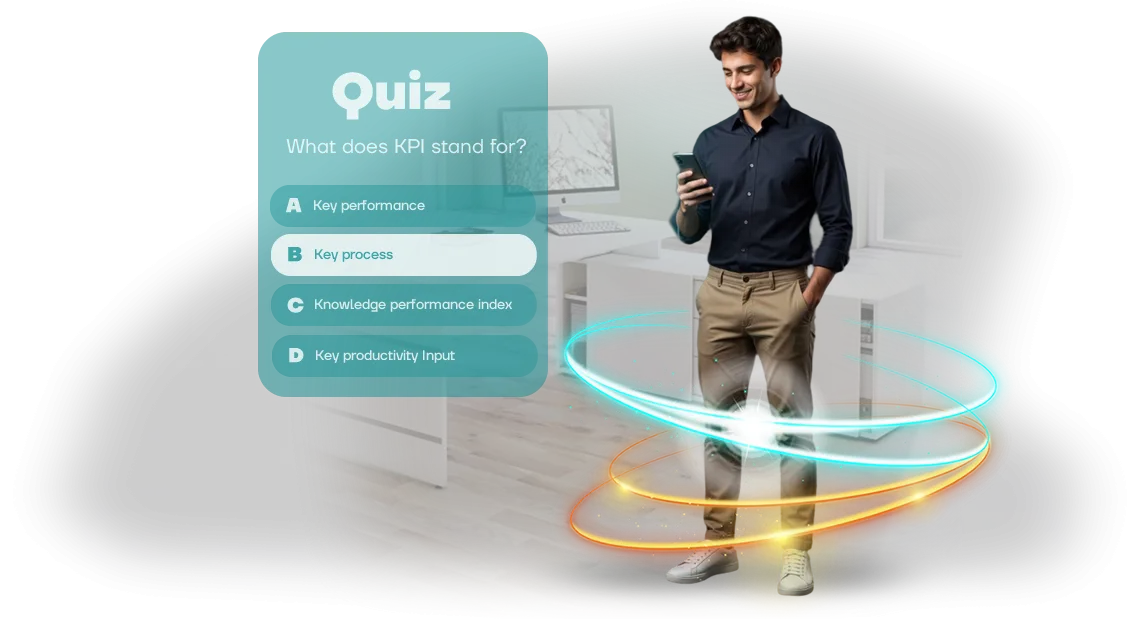
אנחנו פותרים את הבעיה הזו עם חידונים חינוכיים שהופכים את למידת המוצר לתרגול קבוע. הפורמט המשחקי עוזר לעובדים לשנן עובדות מפתח על מתחם המגורים מהר יותר ומלמד אותם להגיב להתנגדויות עם טיעונים מוצקים.
המנהל רואה תמונה אובייקטיבית של מוכנות הצוות ויכול לתמוך בכל עובד לפני שפער הופך גלוי ללקוח. כך, אתם מחזירים לעצמכם שליטה על איכות השירות ומפסיקים לאבד רוכשים.
חידונים חינוכיים: יתרונות עסקיים
יתרון: מעורבות ללא לחץ
עובדים שומרים מידע כשהם משתתפים בתהליך במקום לקרוא הוראות. פורמט משחק החידון יוצר תחרות בריאה: ניקוד ויריבות בין עמיתים שומרים על תשומת הלב עד הסוף. הלמידה הופכת למשחק ברור שעובדים רוצים לשחק שוב ושוב.
יתרון: מהירות קליטה בפיתוח
בפיתוח, עולים חדשים צריכים לשלוט במהירות בתקנים, בתקנות ובפרטי הפרויקט. חידון מקצר את הדרך מתיאוריה לפרקטיקה: החומר מנותח דרך מצבים אמיתיים, וטעויות הופכות לנקודות צמיחה ולא למקור לחץ. התוצאה — הגעה לפרודוקטיביות מלאה בשבועות, לא בחודשים.
יתרון: גיימיפיקציה בונה מיומנויות
מפגשי הכשרה חד-פעמיים מייצרים רק אפקט זמני. חזרה לחידון אחרי כמה שבועות מחזקת את החומר ובונה הרגלים מתמשכים. דירוגים, תגמולים ורמות מניעים עובדים לחזור על נושאים בעצמם — בלי תזכורות מהמנהל.
יתרון: בקרת ידע שקופה
המנהל רואה מי קלט את התכנית ואיך: מספר ניסיונות, ציונים ממוצעים, טעויות אופייניות מפולחות לפי צוות ונושא. זה מאפשר להתאים את ההכשרה בזמן ולסגור פערים לפני שהם משפיעים על העבודה מול לקוחות או מסמכים.
יתרון: אפקט ארוך טווח לעסק
חידונים עושים יותר מאשר להכשיר — הם מגבירים את נאמנות העובדים: תרבות משחקית מפחיתה התנגדות להכשרה פורמלית. בסופו של דבר, החברה מקבלת צוות שמכיר את המוצר ועובד בצורה מגובשת, בעוד עלויות ההכשרה החוזרת יורדות.
פורמטי חידון על Unity לפיתוח
עבור יזם, הכשרת עובדים היא לא פורמליות אלא עניין של מהירות קליטה ואיכות העבודה מול הלקוחות. אבל הרצאות מפוזרות ותזכירי PDF לא תופסים תשומת לב טוב: אנשים זוכרים 10–20% מהחומר, ואחרי חודש הם שוכחים אפילו את זה.
חידון מבוסס Unity הופך את ההכשרה לתהליך מרתק שבו עובדים בודקים את הידע שלהם ורואים פערים מיד.
פיתחנו שלושה פורמטי משחק חינוכיים — מהערכה עצמית פשוטה ועד מפגש צוות מלא. הבחירה תלויה במשימה: קליטה, בדיקת ידע לפני הסמכה, או גיבוש צוות. כל הפורמטים מתאימים לתיק הנכסים, לתקנות ולסטנדרטים של השירות שלכם.
| פורמט | למי | מה זה נותן ללקוח |
|---|---|---|
| מבחן קלאסי עם זמן מוגבל | עובדים חדשים, מתמחים | בדיקה מהירה של ידע ליבה: נכסים, מסמכים, תסריטי מכירה. התוצאות נראות מיד; ניתן להגדיר ציון עובר. |
| חידון סיפורי עם רמות | צוות ליבה, מנהלי מכירות | שקיעה בתרחישים אמיתיים: מסיורים בנכס ועד טיפול בהתנגדויות. מניע עובדים להשלים את ההכשרה ומגביר מעורבות. |
| משחק קבוצתי "קרב ידע" | מחלקות, חטיבות, כל העובדים | פתרון בעיות משותף, דיון והתרגשות תחרותית. מתאים להסמכות, מפגשים ואירועי חברה. |
הגמישות של Unity מאפשרת לשלב מכניקות: למשל, להתחיל עם מבחן אישי ולסיים עם גמר קבוצתי. אתם מקבלים פלטפורמה אחת שבה אפשר לשנות שאלות בקלות, להוסיף נכסים חדשים ולעקוב אחרי ההתקדמות של כל עובד.
נייעץ לכם על הפורמט שמתאים למשימה שלכם ונתאים את החידון לפרטי תיק הנכסים שלכם. השאירו פנייה — נראה לכם הדגמה על דוגמאות אמיתיות מתחום הפיתוח.
איך עובד פיתוח חידון
כדי שתבינו איפה עומד הפרויקט ומה תקבלו בסופו, בנינו את פיתוח החידון כתהליך שקוף עם שלבים ברורים.
לכל שלב יש לוחות זמנים ותוצרים קונקרטיים, והחלטות מפתח — תסריט, עיצוב, מכניקות — מאושרות איתכם לפני המעבר לשלב הבא. להלן נתיב טיפוסי מבריף ועד השקה ותמיכה.
- בריף ומטרות. אנחנו אוספים דרישות: איזה נושא לכסות, אילו עובדים ייקחו את החידון, איזה ידע להעריך. אנחנו מגדירים את פורמט השאלות — משאלות נכון/לא נכון פשוטות ועד אפשרויות מבוססות מקרה.
- תסריט החידון. בהתבסס על הבריף, אנחנו מכינים את המבנה: בלוקים, שאלות, תשובות נכונות והסברים. אתם מקבלים את התסריט לאישור — עורכים שינויים, ואנחנו נועלים את הגרסה הסופית.
- עיצוב ואב-טיפוס. אנחנו יוצרים סגנון ויזואלי במיתוג התאגידי שלכם: מסך פתיחה, שאלות, תוצאות. אנחנו מראים לכם את התצוגה לפני תחילת הפיתוח כדי שתראו בדיוק איך זה ייראה עבור העובדים שלכם.
- פיתוח ואינטגרציה. אנחנו בונים את לוגיקת החידון: ניקוד, טיימר, אפשרויות תשובה. במידת הצורך, אנחנו משלבים את מערכת ההכשרה הפנימית שלכם כך שהתוצאות ייכללו אוטומטית בדוחות.
- בדיקות ותיקונים. אנחנו מריצים בדיקת עמידה: מוודאים טעינה מהירה, פעולה במכשירים שונים, ותוצאות שלעולם לא אובדות. אתם מקבלים קישור לסקירה ומספקים משוב סופי.
- השקת החידון. אנחנו מפרסמים את המשחק ומוסרים קישור, קוד QR או קובץ לפורטל הפנימי שלכם. עובדים יכולים להתחיל לקחת את החידון מיד לאחר ההשקה.
- תמיכה ואנליטיקה. לאחר ההשקה, אנחנו עוקבים אחר יציבות, עוזרים לעדכן שאלות ומספקים דוח: מי השלים, מה התוצאות, איפה טעויות קורות הכי הרבה. במידת הצורך, אנחנו משכללים את המכניקות למשימות חדשות.
מה כלול בחבילת החידון
חבילת המסירה כוללת את כל מה שצריך כדי להשיק הכשרה ארגונית בלי לערב מפתחים או אישורים נוספים.
אתם מקבלים משחק מוכן לשימוש, חומרי הכשרה ודוחות למידה מוגדרים — כל מה שנשאר זה לקבוע תאריך, לשלוח הזמנות ולהעריך את התוצאות עם סטטיסטיקה ברורה.
- תסריט מוכן עם שאלות. מבנה מחושב היטב, אפשרויות תשובה והסברים — החידון מוכן לשימוש מיידי, ואתם יכולים להחליף שאלות במהירות באחרות משלכם אם התקנות או החוקים משתנים.
- עיצוב תאגידי. עיצוב בסגנון החברה שלכם: לוגו, פלטת צבעים, דמויות. מותג מוכר מחייה את ההכשרה ותומך בתדמית הפנימית שלכם.
- מכניקות והגדרות. חוקים, מגבלות זמן, רמות קושי, רמזים — הכל מותאם לצרכים העסקיים שלכם, לא "מה שיוצא".
- חומרים מתודולוגיים. הוראות למנחה, מדריך למשתתפים והמלצות לשילוב החידון בתכנית ההכשרה שלכם. זה חשוב במיוחד אם אתם מריצים את זה בפעם הראשונה וצריכים להעלות את העובדים למהירות במהירות.
- דוחות הכשרה. סטטיסטיקה ברורה: מי השלים את החידון, מי לא התחיל, כמה תשובות נכונות, ואילו נושאים גורמים לקשיים. השתמשו בנתונים האלה כדי להתאים את המודולים הבאים ולתמוך בעובדים שנשארים מאחור.
- לוח בקרה. העלו שאלות חדשות, שנו מועדים והקצו קבוצות בעצמכם — הצד הטכני נשאר אצלנו.
- תיעוד טכני. הוראות השקה, מדריך משתמש וסקירת יכולות כדי שהצוות שלכם יעבוד באופן עצמאי — בלי לקרוא למומחה באמצע מפגש הכשרה.
מקרה בוחן: איך חידון העלה את שיעור השלמת ההכשרה
חברת פיתוח עם ארבעה מתחמי מגורים נתקלה בבעיה: מנהלי מכירות חדשים לא הכירו את המוצר טוב. עובדים כמעט אף פעם לא פתחו את קובצי ה-PDF של ההכשרה, ולמנהל לא הייתה נראות לרמת הידע האמיתית של הצוות. המשימה הייתה פשוטה — להפוך את ההכשרה לקצרה ושימושית כך שלא תפריע למכירות.
פיתחנו חידון 2D על Unity: שאלות על נכסים, תוכניות קומה, משכנתאות וטיפול בהתנגדויות, כשהשאלות משתנות מניסיון לניסיון.
המשחק נפתח בדפדפן, כך שלא נדרשת התקנה, והתוצאות נראות בלוח הבקרה האישי.
מה עשינו
פיצלנו את החומר לחמישה בלוקים קצרים והפכנו כל אחד לחידון עם משוב מיידי. הוספנו דירוג כלל-מחלקתי — זה יצר תחרות בריאה והניע עובדים להשלים את ההכשרה מרצון.
תוצאה
שבועיים לאחר מכן, מספר העובדים שסיימו את הקורס עלה ב-40%, והציון הממוצע במבחן הסופי — ב-15%. במקביל, מנהלים ענו על שאלות לקוחות מהר יותר ובילו פחות זמן בעיבוד פניות.
האפקטיביות של החידון מאושרת על ידי הזמנה חוזרת: החברה השיקה מודול שני על תכניות משכנתא ואז הרחיבה את המשחק למחלקות קשורות. נראה לכם איך להתאים את הפורמט הזה לחומרים שלכם — ולהעלות גם את שיעור השלמת ההכשרה שלכם.
איך לבחור פורמט חידון למשימה שלכם?
בחירת פורמט חידון היא לא עניין של טעם אלא של איזו משימה אתם פותרים. אם אתם צריכים להכיר לעובדים במהירות תקנה חדשה או חוקי בטיחות, מבחן קצר עם אפשרויות תשובה יספיק.
אם המטרה היא לחזק חומר מורכב וללמד קבלת החלטות במצבים לא סטנדרטיים, חידון סיפורי עם ענפים עובד הכי טוב — שבו כל בחירה מובילה לתוצאות.
חשוב להבין שחידון עובד רק כשהמכניקות שלו תואמות את התוצאה הצפויה. שאלון ליניארי עם נקודות ומגבלות זמן מספק סטטיסטיקה ברורה וחושף פערי ידע במהירות.
פורמט משחקי עם רמות, רמזים ומשוב בונה מיומנויות ומשנה התנהגות — העובד לא רק משנן מידע אלא לומד ליישם אותו בעבודה אמיתית.
לפיתוח, שבו עובדים עובדים עם תיעוד, תוכניות קומה ותקני איכות, תרחישי סימולציה יעילים במיוחד.
במקום שאלה יבשה כמו "מה לעשות אם מתגלה ליקוי?", עובד נכנס למצב שבו הוא צריך לבחור רצף פעולות ומיד רואה את ההשלכות של כל שלב. זה מפחית את מספר הטעויות לפני שהן קורות באתר אמיתי.
כשאתם בוחרים בין פורמטים, פעלו לפי עיקרון פשוט: אם התשובה היא "כן/לא", מבחן מספיק; אם השאלה היא "מה לעשות", בחרו תרחיש.
וזכרו שפורמטים משולבים הם גם אפשרות: חימום קצר בהתחלה, אחר כך מקרי בוחן, ובדיקת ידע סופית. העיקר שכל אלמנט בחידון מקרב את העובד לפעולה הנכונה — לא רק מבדר.
שאלות נפוצות: פיתוח חידון
לקוחות מתחום הפיתוח שואלים לרוב את אותן שאלות לפני השקת חידון חינוכי: האם לוח הזמנים יתמשך, איך מעדכנים שאלות, והאם הכל יעבוד בצורה אמינה במכשירים שונים. בואו נטפל בחששות העיקריים כדי שתבינו את התהליך לפני חתימת החוזה.
אילו ערבויות יש לכך שהחידון ירוץ ללא תקלות?
אנחנו עומדים מאחורי התוצאה: לפני ההשקה, אנחנו בודקים את החידון במכשירים ותרחישים שונים, ואחרי המסירה אנחנו תומכים בפרויקט. אם מתגלה שגיאה שמונעת מעובדים להשלים את ההכשרה במהלך תקופת האחריות, אנחנו מתקנים אותה על חשבוננו.
התנאים מתועדים בחוזה — אתם מקבלים לא רק עבודה מושלמת אלא התחייבויות עם זמני תגובה ברורים. זה מסיר את הפחד המרכזי: "מה אם משהו ישבר ברגע הכי קריטי."
כמה זמן לוקח פיתוח חידון?
פרויקט סטנדרטי לוקח 3–5 שבועות תלוי בהיקף: חידון טקסט פשוט מהיר יותר, בעוד אנימציות ותרחישים לוקחים קצת יותר זמן. אנחנו קובעים לוחות זמנים מדויקים בשלב הבריף, בהתבסס על המשימות שלכם ומספר השאלות.
אנחנו קובעים לוח זמנים עם נקודות ביקורת כדי שתוכלו לעקוב אחר ההתקדמות ולתכנן את השקת ההכשרה. הכי טוב להתחיל מראש, אבל התחלה מהירה אפשרית גם כן — אפשר לדון בזה בנפרד.
האם נוכל לעדכן שאלות בעצמנו?
כן, זו אחת התכונות המרכזיות. שאלות ותשובות מועלות דרך פאנל ניהול נוח, כך שאתם יכולים לשנות את התוכן בעצמכם — להוסיף שאלה חדשה, לעדכן הצהרה או להסיר חומר מיושן.
זה חשוב בפיתוח: תקנות משתנות, נכסים ותקנים חדשים מופיעים. החידון נשאר רלוונטי בלי עלויות פיתוח נוספות. ואם אתם מעדיפים להאציל את העדכונים לחלוטין — אנחנו מטפלים בזה כחלק משירותי התמיכה שלנו.
באילו מכשירים עובדים יכולים להשתמש כדי לקחת את החידון?
החידון עובד על מחשבים, טאבלטים וטלפונים — במשרד, באתר או בבית. פשוט פותחים קישור בדפדפן; אין צורך להוריד או להגדיר כלום. זה נוח לחברות עם עובדים במיקומים שונים.
אנחנו בודקים את החידון בגרסאות הדפדפן העדכניות כדי שאף אחד לא יתקל בבעיות באמצע הדרך. אתם מקבלים גישה לתוצאות דרך לוח הבקרה האישי — אתם יכולים לראות מי השלים את החידון ואיפה נוצרו קשיים.
הזמינו חידון לפיתוח עובדים
לעובדים בפיתוח יש פעמים רבות ידע שטחי בלבד על המוצר, ובכל זאת התשובות שלהם קובעות מכירות ואת המוניטין של החברה. הרצאות רגילות ותדריכים נשכחים במהירות, כך שאותן טעויות חוזרות שוב ושוב.
חידון חינוכי הופך את ההכנה למשחק חי: עובדים נכנסים לעניינים, מתחרים, וסופגים בשקט את הידע שהם צריכים.
אנחנו מפתחים חידונים לצרכים הספציפיים של יזם — מתקני החברה ועד לפרטים של מתחמי מגורים ספציפיים. במקום PDF יבשים, עובדים עוברים תרחישים שמשקפים שיחות אמיתיות עם רוכשים. בינתיים, המנהל רואה מי שלט בחומר ומי צריך הכנה נוספת.
השאירו פנייה וקבלו:
- ייעוץ: נבין איזה חידון מתאים לצוות שלכם;
- חישוב עלות ולוחות זמנים בלי תנאים נסתרים או עבודה מיותרת;
- שאלות מבוססות מתודולוגיה שנכתבות עם התחשבות בפרטי הפיתוח והפרויקטים שלכם;
- התאמה לסגנון המותג ולתרבות הארגונית שלכם;
- המלצות על שילוב החידון בהכשרה הנוכחית, בקליטה או בהסמכה שלכם;
- תמיכה לאחר ההשקה ושיפורים בהתבסס על המפגשים הראשונים שהושלמו.
תנו לעובדים שלכם ללמוד בעניין — ולעסק שלכם לקבל תוצאות מדידות. השאירו פנייה באתר: נחזור אליכם תוך יום עסקים אחד, נענה על השאלות שלכם ונציע פתרון שבאמת יעבוד עבור החברה שלכם.