

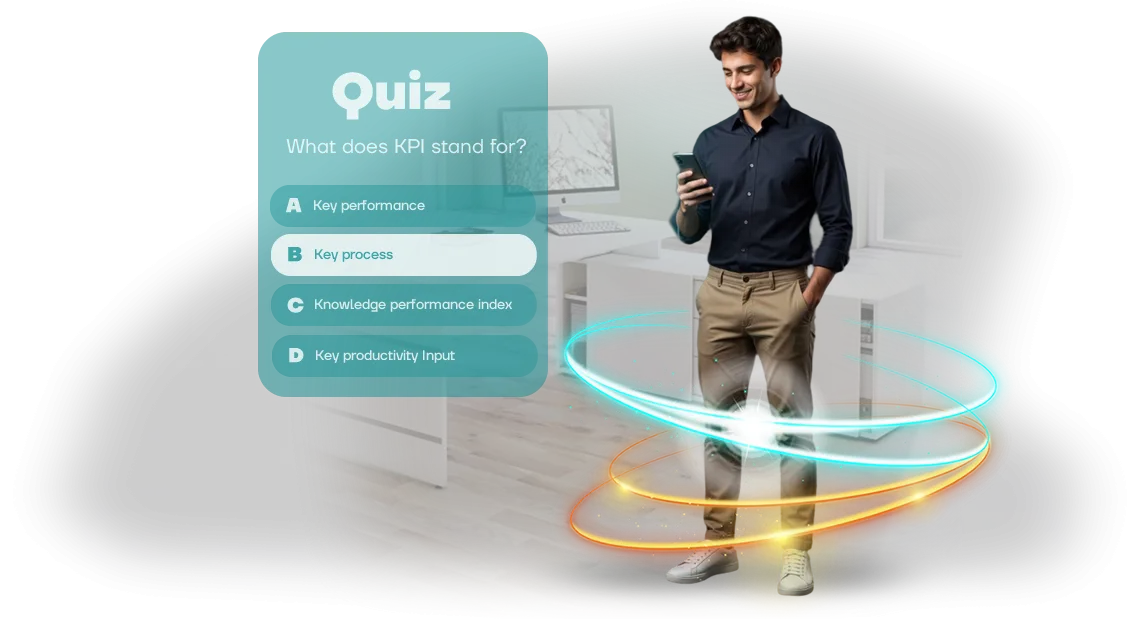
אתגרי מגזר ה-IT: מדוע עובדים לא זוכרים את ההכשרה
בחברות IT, הכשרת עובדים הופכת פעמים רבות לפורמליות: קונים קורסים, רושמים שעות, אבל הידע לא נשאר בראש של העובדים.
מפתחים, בודקי תוכנה ואנליסטים עמוסים במשימות, והרצאה נוספת נתפסת כהסחת דעת ולא כהשקעה בהתפתחותם. יתרה מזאת, הטכנולוגיות משתנות מהר יותר ממה שנכתבים חומרי ההכשרה — הכסף שמושקע בהכשרה לא מניב תשואה. זה בולט במיוחד במגזר ה-IT, שבו עדכונים יוצאים כל הזמן.
הכשרה ארגונית מסורתית מבוססת על צריכה פסיבית: שקופיות, סרטונים, מבחנים מזדמנים. המומחה פשוט מקשיב, וכעבור שבוע שוכח את רוב המידע.
מבוגרים שרגילים לעבודה פעילה לא מגיבים לפורמט הזה: אין אתגר, אין רגשות, אין הבנה של "למה אני צריך את זה". כתוצאה מכך, ההכשרה נתפסת כנטל ולא כתועלת.
זה לא רק לא יעיל — זה מדכא מוטיבציה של עובדים ומוריד את ערך ההכשרה בעיניהם.
פורמטים משחקיים — גיימיפיקציה של הכשרה — פותרים את הבעיה הזו אחרת. חידון הופך את התהליך לתחרות: העובד בודק את הידע שלו, רואה התקדמות ומקבל משוב מיידי.
רגשות ורוח התחרות גורמים למוח לשנן חומר בצורה פעילה יותר. גישה זו עובדת בחברות IT בכל גודל — מצוות קטן ועד משרד מבוזר — כי היא מתאימה עצמה בקלות לכל נושא: מתקנונים פנימיים ועד כישורים טכניים.
אנחנו מפתחים חידוני הכשרה לעסקים כבר עשר שנים. אנחנו יודעים להפוך חוקים יבשים לתרחיש שעובדים משלימים בעניין.
והכי חשוב — זה באמת עובד: הידע שנרכש נמצא בשימוש בפועל ולא נאסף אבק בקובץ מצגת שנשכח. בואו נפרק את זה איך זה עובד.
מה פיתוח חידון הכשרה לצוות שלך נותן לעסק
במגזר ה-IT, המחיר של טעות בגיוס ובקליטה הוא גבוה: עובד חדש נקלט בפרויקט תוך שבועות, לא חודשים. הרצאות ומצגות רגילות לא מצליחות להחזיק תשומת לב, ולכן הידע נשכח עד היום הראשון לעבודה.
חידון הכשרה פותר את הבעיה הזו — הוא מגייס את הצוות דרך פורמט משחקי ומראה תוצאות במספרים.
הנה רשימת בדיקה שאתה מקבל עם פיתוח החידון:
- מעורבות מוגברת — עובדים מתחרים, משלימים רמות וחוזרים להכשרה מרצון, לא בכפייה.
- קליטה מהירה יותר — עובדים חדשים במגזר ה-IT שולטים בתהליכים פנימיים ובתקני איכות מהר יותר כי החומר מוצג בצורה אינטראקטיבית.
- תוצאות הכשרה מדידות — אתה רואה אילו נושאים נלמדו ואילו דורשים חזרה, ואתה יכול להתאים את התוכנית בלי סקרים ארוכים.
- תקן ידע אחיד — כל העובדים מקבלים את אותו בסיס, מה שמפחית את הסיכון לשגיאות בעבודה ומפשט את העברת המשימות בין צוותים.
- חיסכון בזמן בהערכה — החידון בודק תשובות אוטומטית, ומשחרר מנהלים מבדיקה ידנית.
כבר בנינו חידונים כאלה לכמה צוותי IT: חודש לאחר ההשקה, שיעור העובדים שהשלימו את ההכשרה שילש את עצמו, וזמן הקליטה של אדם חדש הצטמצם בשליש.
אנחנו מעצבים את החידון סביב התרחיש שלך — מקליטת עובד חדש ועד הסמכת מוצר — ואתה מקבל כלי מוכן עם סטטיסטיקה ברורה.
פורמטים של חידוני הכשרה למגזר ה-IT: מה לבחור למשימה שלך
במגזר ה-IT, הידע של העובדים מתיישן במהירות: טכנולוגיות, תקנונים פנימיים ותקני איכות משתנים. מנהלים משקיעים זמן בהכשרה אבל לא תמיד מבינים אם החומר נשאר בראש.
חידון הכשרה פותר את הבעיה הזו אם הפורמט מותאם לתרחיש ספציפי — קליטה, הסמכה או חזרה שוטפת.
אנחנו מבחינים בשלושה פורמטים בסיסיים, שכל אחד מכסה צורך עסקי מסוים. הם נבדלים לא במכניקת ההשלמה אלא במטרות ובגישה לכתיבת השאלות.
| פורמט | לאיזו משימה הוא מיועד | מה הוא נותן לעסק |
|---|---|---|
| חידון קליטה | לעובדים חדשים בשבועות הראשונים בעבודה | התעמקות מהירה במוצר ובתהליכים פנימיים, פחות טעויות בהתחלה |
| הסמכת עובדים | לבדיקה מתוזמנת של ידע הצוות | תמונה אובייקטיבית של רמות המיומנות, בסיס להחלטות פיתוח |
| חידון לחזרה שוטפת | לשמירה על ידע עדכני | מעורבות בהכשרה בלי להתנתק מהמשימות, הפחתת אובדן ידע לאורך זמן |
הפורמטים קלים לשילוב ולהתאמה לצרכים שלך. אנחנו מתאימים את עומק השאלות, משך הזמן ורמת הקושי לקהל — ממתחילים ועד מומחים מנוסים. החידון יכול לעבוד ככלי עצמאי או להשתלב בתוכנית הכשרה קיימת.
כתוצאה מכך, אתה מקבל תוצאה מדידה: הקליטה מואצת, ההסמכה מתנהלת בצורה חלקה ואובייקטיבית, והידע של העובדים נשאר רלוונטי למשימות עסקיות אמיתיות. כל מה שנשאר זה לבחור פורמט — ואנחנו נעזור לך ליישם אותו בצוות שלך.
איך עובד פיתוח חידון הכשרה: שלבים ולוחות זמנים
כדי שההשקה של חידון הכשרה לא תהפוך להפתעה, אנחנו עובדים לפי תוכנית שקופה עם נקודות ביקורת. אתה תמיד יודע באיזה שלב נמצא הפרויקט, מה אושר ומתי תהיה התוצאה מוכנה — מהבריף הראשון ועד לתמיכה לאחר ההשקה.
- בריף והתעמקות — אנחנו נפגשים איתך, מתעדים את מטרות הלמידה, הקהל ורמת הקושי. הפלט הוא מפרט טכני ברור ולוחות זמנים מוצהרים.
- תרחיש ומכניקה — אנחנו מגדירים פורמטים של שאלות: מבחנים, מצבים, נכון/לא נכון. התרחיש המוגמר נשלח אליך לאישור — אתה יכול לערוך את הטקסטים לפני תחילת הפיתוח.
- עיצוב ואב-טיפוס — אנחנו מראים אב-טיפוס אינטראקטיבי של מסכים וניווט. אתה רואה איך החידון ייראה ואיך הוא יעבוד לפני שהפיתוח העיקרי מתחיל.
- פיתוח ובדיקות — אנחנו בונים את המשחק על מנוע מקצועי ובודקים אותו במכשירים ודפדפנים שונים. אנחנו מבטלים שגיאות לפני ההשקה — בלי לפספס לוחות זמנים.
- השקה ואינטגרציה — אנחנו מציבים את החידון בפלטפורמה שלך או מייצאים קבצים לפורטל הארגוני שלך. אנחנו מריצים מעבר ניסיון יחד עם העובדים שלך.
- תמיכה ואנליטיקה — לאחר ההשקה, אנחנו אוספים סטטיסטיקות השלמה, עוזרים לעדכן שאלות ומרחיבים את החידון לקורסים חדשים.
פרויקט טיפוסי אורך בין 2 ל-5 שבועות — לוח הזמנים הסופי נקבע בתוכנית לאחר הבריף. בכל שלב אתה מקבל תוצאה ביניים ויכול לבצע עריכות בלי לבזבז זמן.
מה כלול במסירה של חידון הכשרה לעובדים
חידון הכשרה לעובדים הוא לא "משחק לשם המשחק" אלא כלי עבודה עם תוצאה מדידה. המסירה כוללת חבילה מלאה: מקוד המקור ועד לתמיכה — כך שאתה יכול להשיק את החידון ולהשתמש בו בהכשרת מגזר ה-IT בלי טרחה נוספת.
חבילת המסירה כוללת:
- קוד מקור וכל חומרי הפרויקט — הפתרון נשאר רכושך, אתה לא תלוי בקבלן, ואתה יכול לשפר את החידון למשימות חדשות בכל עת.
- פאנל ניהול — שנה שאלות, נושאים, מועדים וגישת עובדים בלי לערב מפתחים. זה עובד דרך דפדפן, וההכשרה אורכת חצי שעה.
- דוחות תוצאות — אנליטיקה לכל עובד, מחלקה ולחברה כולה: שיעור תשובות נכונות, מגמות, נושאים שבהם פערי ידע. קל לייצא את הנתונים למשאבי אנוש ולמנהלים.
- תיעוד — תיאור ברור של מבנה החידון, הוראות התקנה ועבודה עם פאנל הניהול. כתוב עבור הלקוח, לא עבור מומחים טכניים.
- תמיכה טכנית — אנחנו נשארים בקשר לאחר ההשקה: עוזרים בעדכונים, עונים על שאלות ומבצעים תיקונים מהירים כשצריך.
- הכשרת מנהלים — מפגש מעשי קצר כדי שהצוות שלך יוכל למלא את החידון ולעקוב אחר התקדמות העובדים בעצמו מהיום הראשון.
כל זה מורכב לפתרון אחד על מנוע מקצועי — החידון רץ בצורה אמינה על כל מכשיר של עובד, וההשקה אורכת ימים ספורים בלבד. אתה מקבל פרויקט מפתח ביד ואתה תמיד רואה את ההשפעה האמיתית של ההכשרה.
מקרה בוחן: איך חידון הכשרה שיפר את שימור הידע של הצוות
עבור חברת IT עם צוותי פיתוח מבוזרים, בנינו חידון הכשרה על תקנונים פנימיים ומוצרים חדשים. בעבר, ההכשרה ניתנה כמצגות ארוכות: עובדים דילגו עליהן, וכעבור שבועיים זכרו פחות משליש מהחומר.
המשימה הייתה פשוטה — לוודא שהידע באמת נשאר בעבודה היומיומית ושהתהליך לא אוכל חצי יום למתכנתים ולמנהלים.
המרתנו את התוכנית לסיבובי משחק קצרים עם משוב מיידי והסברים על טעויות. במקום "קרא ושנן" — תרחיש עם מצבים אמיתיים מהפרויקטים: בחירות ארכיטקטורה, תעדוף משימות, ניהול תקלות.
העובדים ענו על החידון בזמן שנוח להם, והמנהל יכול היה לראות אילו נושאים גרמו לקשיים לכל הצוות.
מספרים שמאשרים את התוצאה
חודש לאחר ההשקה, שיעור העובדים שהשלימו את ההכשרה גדל מ-40% ל-92%. שימור הידע נבדק כעבור שלושה שבועות — הצוות ענה נכון ב-78% מהמקרים, בעוד שבעבר הנתון הזה לא הגיע ל-30% באותה תקופה.
גם המעורבות השתנתה: הדירוג הממוצע של הפורמט היה 4.8 מתוך 5, והצ'אט התמלא בדיונים על שאלות וצילומי מסך תחרותיים של תוצאות.
המנהלים ציינו גם חיסכון בזמן: במקום הרצאה של שעתיים, העובדים משקיעים 10-15 דקות ביום, וההכשרה משתלבת בקצב העבודה. עבורנו, זה מאשר שמכניקות משחק עובדות לא כבידור אלא ככלי לניהול ידע.
החברה הזמינה כעת סדרה שנייה של חידונים לעובדים חדשים, ומדדי ההכשרה הפכו לחלק מהדיווח השוטף של הצוות.
איך לבחור את פורמט חידון ההכשרה הנכון למשימה של החברה שלך?
אין פורמט חידון הכשרה אוניברסלי: אותה מכניקה עובדת אחרת לקליטה, לבדיקת ידע בתקנונים או לשמירה שוטפת על מעורבות הצוות.
לכן הבחירה מתחילה לא ב"איזה חידון להכין" אלא בשאלה איזו בעיה עסקית הוא צריך לפתור: להביא עובד חדש למהירות מהר יותר, להפחית את מספר שגיאות התהליך או להגביר את העניין של העובדים במוצר.
אם המשימה היא להטמיע בעובד חדש את עקרונות העבודה הבסיסיים, תרחישים קצרים עם רמזים והסברים אחרי כל תשובה עובדים היטב. פורמט זה מפחית חרדה ומאפשר לאדם ללמוד מהטעויות שלו מיד, במקום לחכות לסקירה בסוף.
כשצריך לשמור על הידע של הצוות במגזר ה-IT באופן שוטף, חידונים עם חזרה על נושאים קשים, סטטיסטיקת התקדמות ברורה וניתוח טעויות אופייניות יעילים יותר.
עבור כמויות גדולות של מידע או תקנונים פנימיים מורכבים, חידונים רב-שלביים עם הסתעפות תרחישים הם בחירה טובה יותר. עובד עוקב אחר מסלול שמתאים לתפקידו ולרמת המיומנות שלו: הוא מדלג על חלק מהבלוקים ומשקיע יותר זמן באחרים.
זה מפחית עומס, חוסך זמן ומשפר את דיוק ההכשרה. חשוב גם לקחת בחשבון כמה זמן הצוות יכול בפועל להקדיש להכשרה — החידון לא צריך להפוך לנטל נוסף.
אנחנו עוזרים לך לבחור פורמט למשימה הספציפית של החברה שלך: אנחנו מגדירים מטרות למידה, קהל, תוצאה רצויה ומגבלות זמן. לאחר מכן אנחנו מציעים תרחיש ומכניקה שמשתלבים באופן טבעי בקצב העבודה.
הודות לכלים מקצועיים ותהליך פיתוח מכוון היטב, אפשר לבנות חידון כזה במהירות ואז לעדכן אותו בקלות — להוסיף שאלות חדשות ולהתאים את רמת הקושי ככל שהצוות גדל.
בסופו של דבר, אתה מקבל לא "מבחן לראווה" מופשט אלא כלי הכשרה עם מדדים עסקיים ברורים: מעורבות, שיעור ניסיונות שהושלמו, ניסיונות חוזרים וצמיחה בתשובות נכונות.
והעובדים במגזר ה-IT מקבלים חוויה שימושית ומרתקת שמחזקת את הידע בלי תחושת כפייה.
הזמינו פיתוח חידון הכשרה וקבלו צוות מעורב
הכשרת עובדים הופכת פעמים רבות לפורמליות: מצגות, מבחנים, הוראות ארוכות. אנשים מתעדים את השעות, ולמחרת שוכחים חצי מזה.
אם הפיתוח עבור צוות ה-IT שלך הוא לא רק סימן השלמה אלא כלי לצמיחת המוצר, הגיע הזמן להזמין חידון שבאמת מגייס.
אנחנו עושים פיתוח מפתח ביד: מתרחיש ושאלות ועד פרסום בסביבה הארגונית שלך. אתה מקבל כלי שמשתלב בתהליכי ההכשרה ועובד מהיום הראשון. מיד לאחר ההשקה אתה מקבל:
- תרחיש מותאם למוצרים ולתקנונים הפנימיים שלך — עובדים פותרים מצבי עבודה אמיתיים.
- מכניקות משחק עם נקודות, רמות ולוח מובילים — תחרות בריאה נכנסת לפעולה בלי כפייה.
- אנליטיקה ברורה לכל משתתף — אתה יכול לראות אילו נושאים חלשים ואיפה הצוות צריך תמיכה נוספת.
- השקה מהירה ברשת הארגונית שלך או בענן — בלי התקנה מורכבת או אישורים ארוכים.
- תמיכה טכנית לאחר ההשקה — אנחנו מעדכנים שאלות, מוסיפים תרחישים ועוזרים בניהול.
- יכולת להתרחב למחלקות וסניפים חדשים — הזמנה אחת מכסה הכשרה לכל החברה.
צוות מעורב הוא לא רק שיפור במדדים. זה אומר תחלופת עובדים נמוכה יותר, קליטה מהירה יותר של חדשים וביטחון שידע הופך לתוצאות. פיתוח החידון אורך כמה שבועות, ואתה מבחין בהשפעה אחרי מפגשי המשחק הראשונים.
השאירו פנייה, ואנחנו נכין תוכנית והערכת עלות למשימות שלך. נראה לך דוגמה עובדת כדי שתוכל להעריך את המכניקה והעיצוב. נדון איך לשלב את החידון בצורה הטובה ביותר במערכת המוטיבציה שלך. הזמנת פיתוח היא צעד פשוט לעבר צוות שגדל כל שבוע.