

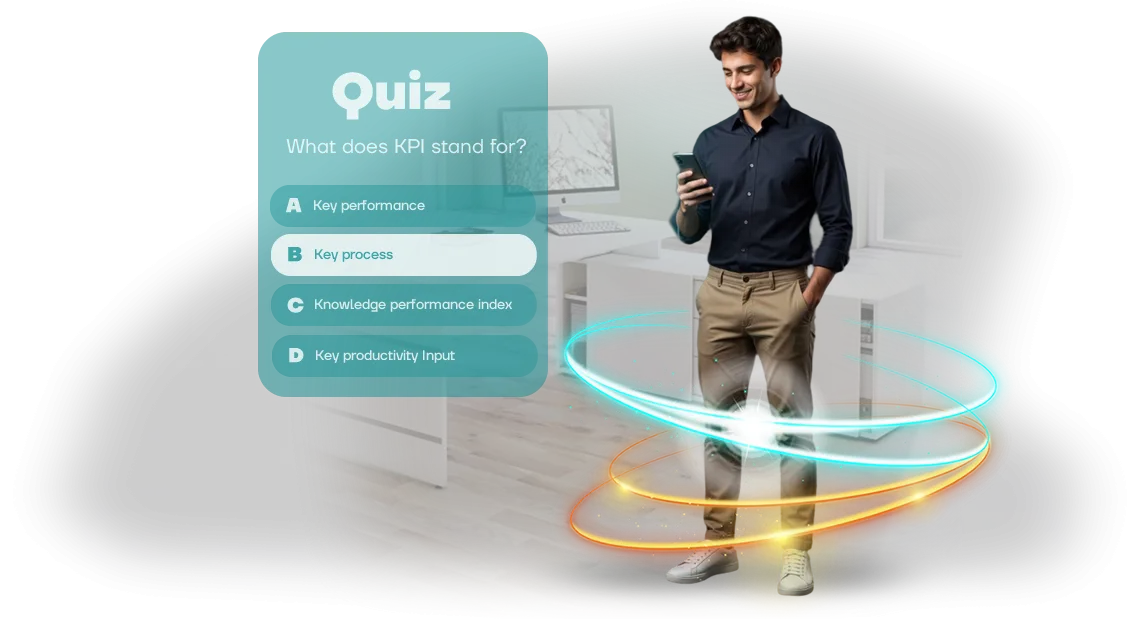
פיתוח חידון לעובדי לוגיסטיקה: הפחתת טעויות
תדריכים מסורתיים בלוגיסטיקה לא עובדים: עובדים מקשיבים לחומר באופן פורמלי, אבל תוך כמה ימים הם מתבלבלים במסלולים, מפרים נהלי שילוח, וממלאים מסמכים בצורה לא נכונה.
כל טעות כזו משמעותה נסיעה מעוכבת, סחורה פגומה שהוחזרה, ועלויות נוספות לתיקון הבעיה. הכשרת כוח אדם לוגיסטי הופכת לפורמליות שלא משנה את הפעולות האמיתיות במחסן או במחלקת ההובלה.
חידון לעובדים פותר את הבעיה הזו אחרת: הוא הופך חוקים מטקסט משעמם לתרחישי משחק שהאדם חווה בעצמו.
כשעובד מחסן חדש מבלה 5 דקות בפתרון מצב של "מה לעשות עם קופסה פגומה" בפורמט חידון, הוא זוכר את האלגוריתם באופן רפלקסיבי, לא רק קורא אותו בעיניים.
פורמט המשחק מאפשר לזהות במהירות את החולשות של כל עובד: היכן הוא עושה טעויות — בקבלה, במיון, או במילוי שטרי מטען.
המנהל מקבל תמונה ברורה של מי זקוק להכשרה נוספת במקום לעבור את התדריך "למראית עין". קליטת עובדים חדשים מואצת משמעותית: במקום שבועות של התבוננות בעמיתים מנוסים, כמה מפגשי חידון מאפשרים למצטרפים חדשים לקבל החלטות בעצמם בסביבה בטוחה.
העיקר הוא שיעילות ההכשרה גדלה עם עלויות זמן נמוכות. אפשר לבצע את החידון ב-10-15 דקות ממש בתחילת המשמרת, בלי להוריד עובדים מהעבודה ליום שלם.
המערכת בודקת ידע ומראה אילו נושאים צריך לחזור עליהם בכל המחלקה ואילו כבר נלמדו. אנחנו מתייחסים בדיוק לנקודת הכאב הזו: פחות טעויות, קליטה מהירה יותר, בקרת כשירות שקופה.
מה חידון נותן לצוות שלך? צמיחת ידע ופחות טעויות
בלוגיסטיקה, טעות היא לא רק חוסר: מאחוריה עומדים מטען שאבד, מועדי אספקה שהוחמצו, והוצאות נוספות. תדריכים סטנדרטיים לא משיגים את האפקט הנדרש: אחרי כמה שבועות שוכחים את החוקים, והפעולות נעשות שוב "בערך". הכשרה ארגונית צריכה להיות תכופה, קצרה ומעניינת, אחרת עובדים דוחים אותה.
הצוות שלנו פותר את זה עם חידון — מבחן מבוסס משחק על ציוד מקצועי, שבו השאלות מעוצבות לפי תהליכי העבודה האמיתיים שלך. החידון לא בודק בשביל ציון — הוא מאמן באמצעות חזרה וטעויות.
ב-10-15 דקות ביום, עובד עובר כמה סבבים ומקבל הסבר מיידי אחרי כל תשובה. כך ידע הופך למיומנויות, ומיומנויות הופכות להרגלי עבודה יציבים.
אילו יתרונות העסק מקבל?
- פחות טעויות בקבלה, בשילוח ובעיבוד מסמכים. עובדים פועלים לפי אלגוריתם ולא לפי זיכרון, ומספר "הגורמים האנושיים" יורד באופן ניכר.
- מעורבות גבוהה יותר בהכשרה. לוחות מובילים, רמות ותגמולים הופכים קורס חובה לתחרות — עובדים משלימים סבבים מרצון, לא "למראית עין".
- קליטה מהירה יותר של מצטרפים חדשים. תרחיש משחק מטביע אותם מיד בסיטואציות מחסן טיפוסיות, כך שעובדים חדשים מגיעים לתוצאה יציבה פי שניים מהר יותר.
- גמישות לכל מחלקה: מעובדי מחסן ונהגים ועד מוקדנים ומנהלים. אותו כלי מתקפל על פני כל החברה.
כתוצאה מכך, הכשרה ארגונית הופכת למקור של שיפורים מדידים: פחות טעויות, שיעור תאונות נמוך יותר, ומהירות עיבוד הזמנות גבוהה יותר. החידון עובד כמו סימולטור אימון המוטמע בתהליך הלמידה שלך, ומספק מספרים גלויים להנהלה.
פורמטי חידון למשימות לוגיסטיות
לוגיסטיקה היא זרם של פעולות שבהן כל טעות עולה זמן וכסף. לכן, ההכשרה חייבת להיות מהירה, ספציפית וניתנת לאימות. אנחנו בוחרים פורמטי חידון בהתאמה למשימה האמיתית: מהכשרה ראשונית על רצפת המחסן ועד בקרת ידע לאחר מפגש הכשרה.
| פורמט חידון | למי | מה זה נותן ללקוח |
|---|---|---|
| חידון למצטרפים חדשים | עובדי מחסן חדשים | הטמעה מהירה בתקנות, פחות טעויות בשבועות הראשונים |
| תרחישים מצביים | עובדי מחסן, מלקטים | תרגול למצבים לא סטנדרטיים, עיבוד הזמנות מהיר יותר |
| חידון בטיחות | כל הצוות | פחות פציעות וקנסות, עמידה בתקני בטיחות בעבודה |
| תחרות צוותית | משמרות ומחלקות | מעורבות, חזרה על תקנים דרך משחק |
| בדיקת ידע לאחר הכשרה | כל המשתתפים | הערכה שקופה, סטטיסטיקה לכל עובד |
כל פורמט מורכב ממבחנים אינטראקטיביים הבנויים כתרחיש עם משוב מיידי. התשובה הנכונה מחזקת את התקן; השגויה מסבירה היכן למצוא את המידע הדרוש. כך הכשרת מחסן מפסיקה להיות פורמליות והופכת לתהליך ברור.
אתה גם מקבל אנליטיקה על השלמה: מי שלט בנושא ומי זקוק לתמיכה נוספת. חידון לוגיסטיקה בצורה זו נותן לא רק תוצאות אלא צמיחה מדידה בכשירות הצוות.
איך אנחנו יוצרים חידון: שלבים מבריף ועד השקה
אנחנו מכירים את הפרטים של לוגיסטיקה: הכשרה חייבת להפוך לחלק מקצב העבודה ולא פורמליות. לכן, שלבי פיתוח החידון פתוחים לפניך — בכל שלב אתה רואה את התוצאה, ומנהל הפרויקט מתריע על קשיים ומועדים מראש.
- בריף הכשרה. אנחנו מבהירים לאיזה תפקיד החידון מיועד: מחסן, משלוחים, מוקד או מחלקת מכירות. אנחנו מגדירים את המטרה, המורכבות ומדדי הביצוע.
- תוכנית ומבנה. אנחנו מציעים את מספר השאלות, סוגי המשימות והתרחיש. אנחנו מסכימים כיצד התוצאות יופיעו בדוחות.
- אישור תרחיש. אנחנו מספקים את טקסטי השאלות והתשובות. אתה עורך שינויים לפי הכללים הפנימיים שלך — אנחנו מאשרים את הגרסה הסופית.
- עיצוב ואב-טיפוס. אנחנו מראים איך החידון נראה במחשב ובטאבלט. אנחנו מתאימים את העיצוב לסגנון הארגוני שלך.
- פיתוח ותוכן. אנחנו מרכיבים את מכניקת המשחק, מעלים שאלות ומגדירים הסברי תשובות. אנחנו בודקים ביצועים במכשירים שונים.
- בדיקות. יחד איתך, אנחנו מריצים את התרחיש על קבוצת בקרה של עובדים. אנחנו מתקנים אי-דיוקים ומוודאים שהתוצאות נשמרות.
- השקת הכשרה. אנחנו מוסרים את החידון המוכן, פרטי גישה והוראה קצרה. בימים הראשונים אנחנו מספקים תמיכה כדי שההשקה תתבצע ללא הפרעות.
לאחר ההתחלה, אנחנו מנתחים את ההשלמות הראשונות, מציעים היכן עובדים נתקעים, ומעדכנים שאלות כדי לשקף תקנות חדשות. זה שומר על החידון ככלי חי ולא כקובץ חד-פעמי.
מה כלול במסירה: ערכה להכשרה ובקרה
כשהפיתוח מסתיים, תקבל לא רק משחק חידון אלא ערכה מלאה להשקה ובקרת הכשרה. הכל ארוז כך שעובדים יתחילו לבצע מבחנים בימים הראשונים, ואתה תראה תוצאות בלי בקשות נוספות.
- חידון הכשרה מותאם לעסק שלך — משחק מוכן עם שאלות לוגיסטיקה: קבלה, אחסון, שילוח ובטיחות. עובדים מבצעים אותו מהסמארטפון או המחשב, בפורמט נוח ובזמן נוח.
- לוח ניהול — אתה משנה שאלות, מוסיף נושאים חדשים ומתאים רמת קושי בעצמך בלי מפתחים. בלי קריאות או המתנה: עדכונים לוקחים דקות.
- חומרים מתודולוגיים — מדריך למנהל, חוברת למשתתף והמלצות להעברת מפגש הכשרה. כל מה שצריך כדי להתחיל את התהליך בלי תלות חיצונית.
- דוחות תוצאות — סיכום לכל עובד ומחלקה: השלמה, מספר תשובות נכונות, טעויות אופייניות. זהו בסיס מוכן להסמכה ולתוכנית שיפור מיומנויות.
- תמיכת הכשרה — תמיכה טכנית בשבועות הראשונים, סיוע בהתקנה וייעוץ לצוות שלך. אם משהו משתבש, לא תתמודד עם הבעיה לבד.
בנוסף, אנחנו מספקים סמינר מקוון קצר למנהלים שלך: אנחנו מראים איך להעלות שאלות, להפעיל את החידון ולייצא דוחות. אתה מקבל כלי ברור ולא "קופסה שחורה" — ואתה יכול להרחיב הכשרה לסניפים חדשים בלי עלויות פיתוח נוספות.
מקרה בוחן: איך למידה מבוססת משחק השפיעה על ביצועים
הצוות שלנו לקח על עצמו אתגר עבור חברת לוגיסטיקה שבה איכות המחסן השפיעה ישירות על זמני האספקה.
מפעילים ומלקטים עשו טעויות בערך באחד מתוך עשרה שטרי מטען: חלק איבדו ריכוז בגלל מונוטוניות, אחרים לא עמדו בקצב של תקני קבלה שהשתנו.
תדריכים רגילים לקחו זמן אבל לא שינו התנהגות — שבוע לאחר מכן, עובדים חזרו להרגלים ישנים.
הצענו להפוך את ההכשרה לחידון משחק קצר המוטמע ישירות בלוח הזמנים של העבודה. עובדים ביצעו אותו במנות קטנות: 5-7 דקות בתחילת משמרת, עם שתיים או שלוש שאלות המבוססות על מצבי ייצור אמיתיים.
החידון לא העניש על טעויות — הוא הראה את החוק והחזיר את העובד לאותו נושא אחרי כמה שאלות.
תוצאות היישום
תוך חודש, מספר הטעויות באיסוף הזמנות ירד ב-28%, ואחרי חודשיים — בשליש. חשוב לציין, גם נפחי העבודה החוזרת ירדו: מחלקת הבקרה הפסיקה לעכב משלוחים, ומהירות עיבוד ההזמנות עלתה בלי לגייס כוח אדם נוסף.
כך אומר מנהל הלוגיסטיקה: "לפני כן, היינו צריכים לדחוף אנשים להכשרה — עכשיו עובדים מבקשים שאלות חדשות בעצמם. החידון הפך למשחק, והמשחק הפך לחלק מוכר מהעבודה שלהם. קיבלנו תוצאות הכשרה טובות יותר עם פחות זמן שהושקע בתדריכים."
מה המקרה הראה
מקרה יישום החידון מאשר שלמידה מבוססת משחק עובדת לא רק במשרד אלא גם בתהליכים תפעוליים. עבור חברת לוגיסטיקה, זה אומר פחות טעויות, זרימת סחורות ללא הפרעות ואיכות עקבית.
משאבי אנוש קיבלו נתונים שקופים על כל עובד — אתה יכול לראות מי שלט בחומר ומי זקוק לתרגול נוסף. ועובדים כבר לא רואים בהכשרה הסחה: החידון הפך להפסקה קצרה, שאחריה העבודה מהירה יותר.
שאלות נפוצות על יישום למידה מבוססת משחק
למידה מבוססת משחק היא כלי לא שגרתי, כך שלפני התחלה, ללקוחות יש שאלות טבעיות. אנחנו עונים על הנפוצות ביותר — על לוחות זמנים, התאמה לפרטי לוגיסטיקה, תמיכה טכנית וניטור ביצועים.
כמה זמן לוקח ליישם חידון?
יישום חידון לוקח בין שבועיים לארבעה שבועות — תלוי בכמות התוכן ובמספר העובדים. ראשית, אנחנו אוספים את החומרים שלך: תקנות, סטנדרטים, הוראות.
לאחר מכן, על בסיסם, אנחנו בונים את המשחק ומוסרים אותו לך לבדיקה כדי שתוכל לערוך שינויים לפני ההשקה.
עבור חברות לוגיסטיקה, אנחנו בדרך כלל נכנסים לשלושה שבועות: מכניקת החידון הבסיסית כבר מוכחת; אנחנו רק צריכים למלא אותה בתרחישים שלך. לאחר האישור, ההשקה מתרחשת תוך יום עבודה אחד.
האם נוכל לעדכן את שאלות החידון בעצמנו?
כן, תקבל גישה ללוח בקרה פשוט שבו תוכל לשנות שאלות, תשובות ורמזים בלי מפתח. זה נוח כשחוקי קבלת מטען משתנים, מסלולים חדשים מופיעים או דרישות תיעוד מתעדכנות.
אם תצטרך להעלות בהמוניהם עשרות שאלות חדשות, נעזור עם ייבוא Excel. התאמת תוכן לתהליכים עדכניים לוקחת למומחה שלך לא יותר משעה בחודש.
איזו תמיכה טכנית ניתנת לאחר ההשקה?
לאחר ההשקה, אנחנו נשארים בקשר: אנחנו עונים על שאלות עובדים, מנטרים יציבות ומתקנים שגיאות במהירות. עבור חברות לוגיסטיקה עם משמרות שונות וחטיבות טריטוריאליות, זה קריטי — המשחק חייב לעבוד בכל רגע.
החבילה הבסיסית כוללת חודשיים של תמיכה. לאחר מכן, אתה יכול להאריך תמיכה או לעבור למודל "לפי בקשה" — בגמישות, בלי להיות כבול לדמי מנוי.
איך נראה שההכשרה באמת עובדת?
בחשבון האישי שלך, אתה רואה את התוצאות של כל עובד: השלמה, מספר תשובות נכונות, זמן לשאלה והתקדמות בין ניסיונות. אתה יכול להשוות ביצועים של מחסנים או צוותים שונים ולזהות בזמן היכן נדרשת הכשרה נוספת.
בהתבסס על תוצאות החידון, נוצר דוח שניתן לייצא בקלות לוועדת הסמכה. זו בקרה אובייקטיבית: אתה מבין מי שלט בחומר ומי זקוק להכשרה חוזרת — בלי בדיקות ידניות ומבחני נייר.
הזמן פיתוח חידון הכשרה לצוות שלך
הזמנת חידון לעובדים משמעותה לא רק קניית משחק אלא קבלת כלי הכשרה מכוונן היטב. החידון עוזר לך לבדוק ידע במהירות בלי להלחיץ את הצוות ונותן להנהלה תמונה ברורה: מי שלט בחומר ומי זקוק להסבר נוסף.
כשאתה מזמין פיתוח הכשרה מאיתנו, אתה עובד עם צוות שכבר ביצע פרויקטים דומים עבור חברות לוגיסטיקה ושירות. אנחנו צוללים לפרטים שלך ומציעים פתרון, לא תבנית מופשטת. בהצעה המסחרית מהצוות שלנו תמצא:
- ניתוח מטרה וקהל — אנחנו קובעים איזה ידע צריך לחזק ובאיזה פורמט להציג אותו כך שעובדים ימצאו אותו ברור ומעניין.
- תרחיש חידון ושאלות — אנחנו כותבים על סמך הפרטים שלך: לוגיסטיקה, מחסן, שירות לקוחות או תקנות פנימיות.
- עיצוב בסגנון הארגוני שלך — החידון נראה כמו חלק מהמותג שלך, לא תבנית שאולה, ומשתמשים נהנים לפתוח אותו.
- הרכבה והתקנה לפלטפורמה שלך — התוצאה עובדת על מחשבים, טאבלטים וסמארטפונים בלי טרחה טכנית נוספת לעובדים.
- מדריך מנהל — אתה יכול להוסיף שאלות, לשנות הגדרות ולעקוב אחר תוצאות בלי לערב מפתחים.
- בדיקות והשקה — אנחנו בודקים הכל על תרחישים אמיתיים ותומכים בהתחלה כך שלא יהיו שיבושים במהלך יום העבודה.
- אחריות ותמיכה — אנחנו קובעים מועדים בחוזה ונשארים בקשר לאחר ההשקה.
גישה זו מאפשרת לך להזמין פיתוח הכשרה בלי להסיח את הצוות שלך ממשימות שוטפות. אתה מקבל אומדן שקוף, לוחות זמנים ברורים וכלי מוכן שניתן להשתמש בו מיד לבדיקת ידע עובדים.
לאחר שתאשר את ההצעה המסחרית, אנחנו מתחילים במהירות בתהליך ומעדכנים אותך בכל שלב. בסופו של דבר, אתה מקבל חידון עובד שיהיה שימושי שוב ושוב — עבור עובדים חדשים, בדיקות מתוזמנות או סקירת נושאים קשים.
איך לבחור פורמט חידון לפרטי העסק שלך?
בחירת פורמט חידון היא לא עניין של טעם אלא תוצאה של המטרות העסקיות שלך: מה עובדים צריכים ללמוד, באיזו תדירות, ובאיזה קצב הם מבצעים את ההכשרה.
דבר אחד הוא בדיקת ידע המונית לאחר יישום תקנות חדשות; דבר אחר הוא פיתוח מקצועי שוטף או קליטת מצטרפים חדשים.
לכן אנחנו מתחילים לא עם תבנית מוכנה אלא עם אבחון: אילו תהליכים בחברה שלך דורשים בקרה, אילו טעויות עולות הכי הרבה, ואיך העובדים שלך רגילים לקבל מידע.
בלוגיסטיקה, הפרטים בולטים במיוחד. שליחים ונהגים ממעטים לשבת במשרד, למוקדנים ועובדי מחסן יש משמרות שונות, ומהירות חשובה יותר מתיאוריה.
לכן, פורמט החידון חייב לקחת בחשבון תנאים אמיתיים: סבבים קצרים של 5-7 דקות, אפשרות לביצוע ממכשיר נייד, והתאמה לרמות מיומנות של מחלקות שונות.
לדוגמה, עבור צוות שטח, תרחיש של "בדוק את עצמך בסוף היום" עובד טוב יותר, בעוד שמנהלי מחסן מתאימים יותר לניתוח מקרי מצב עם בחירת פתרון אופטימלי.
הגורם המרכזי הוא התאמת החידון לשפה הפנימית ולתהליכים שלך. אנחנו לא משתמשים בשאלות מופשטות ממאגרים פתוחים: החידון מלא במונחים שלך, מצבי ייצור אמיתיים וטעויות אופייניות.
כך, ההכשרה הופכת לא לפורמליות אלא לכלי שמפחית הפסדים מהגורם האנושי. לדוגמה, שאלה על ניתוב נכון או קבלת סחורות, המנוסחת בשפת העובדים שלך, נזכרת טוב יותר ומיושמת מיד בעבודה.
המשימה שלנו היא להסיר את הצורך שלך להתעמק בשיטות וכלים. בפגישה הראשונה, אנחנו אוספים דרישות, מנתחים את פרטי העסק שלך ומציעים 2-3 פורמטים עם תחזיות לכיסוי, זמן עובד ומורכבות יישום.
אתה בוחר באפשרות שהכי קל לשלב בהכשרה הקיימת, ואנחנו מטפלים בכל תהליך הפיתוח והתמיכה.
גישה זו כבר בשימוש בחברות עם צוותים מבוזרים — והיא מראה שפורמט שנבחר היטב מגביר מעורבות וחותך את זמן בקרת הידע כמה פעמים.