

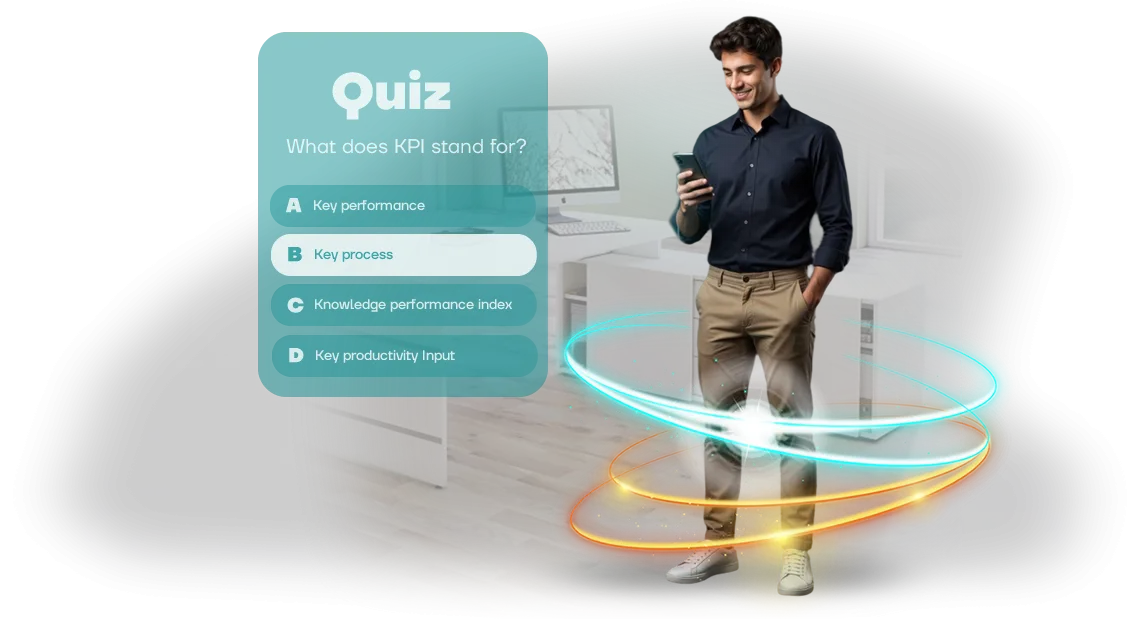
הכשרת רוקחים: כיצד להימנע מטעויות בעבודה ולמנוע אובדן לקוחות?
הרוקח הוא הפנים של בית המרקחת: זה האדם שהלקוח מדבר איתו, פונה אליו לייעוץ ולאמון.
טעויות בעבודה — בחירה לא נכונה של תחליף, ייעוץ לא מדויק או חוסר תשומת לב פשוט — מזוהות מיד על ידי המבקרים והופכות לאובדן לקוחות של בית המרקחת.
האדם לא מתווכח ולא מסביר; הוא פשוט הולך למקום אחר שבו יקבלו אותו בביטחון רב יותר.
לרוב, הסיבה אינה רשלנות של העובד אלא הכשרת צוות פורמלית. הרצאות ומבחנים נשכחים במהירות, והעבודה האמיתית מציבה בפני הרוקח מצבים שלא היו בשקופיות.
התוצאה — חוסר ביטחון של העובד, ירידה בנאמנות הלקוחות, עלייה בתלונות, ובסופו של דבר ירידה בהכנסות בכל סניף.
הפתרון — חידוני הכשרה אינטראקטיביים המדמים מקרים אמיתיים מפרקטיקת בית המרקחת. העובדים מתרגלים אלגוריתמים בסביבה בטוחה, והחברה מקבלת צוות מיומן מבלי להוציא אותם מהעבודה.
פורמט זה עוזר להימנע מטעויות, לחזק ידע ולשמר לקוחות, כי הרוקח מתחיל לפעול ברוגע ובמקצועיות, גם כשיש תור ממתין.
שלוש תוצאות שתראו לאחר הטמעת חידונים
הכשרת צוות נתפסת לעתים קרובות כפורמליות: ערכו הרצאה, סימנו נוכחות — והעבודה זורמת כמו קודם. חידונים הופכים את ההכשרה לתהליך אינטראקטיבי שמשנה באמת את התנהגות העובדים ומניב תוצאות מדידות לעסק. הנה שלושה שינויים מרכזיים שתבחינו בהם לאחר ההטמעה.
שיפור כישורי העובדים
חידונים שיטתיים מחזקים ידע בפורמט שלא מאפשר "רק לקרוא ולשכוח." העובדים חוזרים לחומר באופן קבוע, עונים על שאלות ורואים מיד את הפערים שלהם — זה מאיץ את הלמידה והופך אותה לרציפה.
כתוצאה מכך, רוקחים מתמצאים במגוון המוצרים בביטחון רב יותר, מוצאים תשובות לשאלות מבקרים מהר יותר, ותלויים פחות ברמזים של עמיתים. רמת הכשירות של הצוות נשארת יציבה גם עם תחלופת עובדים גבוהה.
הפחתת טעויות בעבודה
החידונים בנויים על מצבים אמיתיים מהפרקטיקה: סוגיות שנויות במחלוקת, התנגדויות תכופות, מקרי מרשם מורכבים. על ידי תרגול אלגוריתמים נכונים בפורמט דמוי משחק, העובדים מעבירים אותם לעבודה היומיומית.
זה מפחית את מספר הטעויות בייעוץ, בטיפול בהזמנות ובהמלצות על תרופות. פחות טעויות — פחות תלונות לקוחות ואמון גבוה יותר בבית המרקחת.
צמיחה במכירות
עובד מיומן לא רק עונה על שאלות — הוא מציע מוצרים נוספים, מפנה תשומת לב לקבוצות מוצרים נלוות ויודע לנמק המלצות. חידונים מאמנים את הכישורים הללו עד כדי אוטומטיות.
כאשר כישורים אלה מתחזקים אצל כל הצוות, הסל הממוצע גדל ללא מכירות אגרסיביות או לחץ על המבקרים. אתם מקבלים צמיחה בהכנסות דרך כישורי העובדים, לא דרך הנחות או טקטיקות לחצניות.
בצוות שלנו אנו מפתחים חידונים שלוקחים בחשבון את המאפיינים הספציפיים של רשת בתי המרקחת שלכם ואת המשימות האמיתיות של העובדים שלכם. הכשרה אינטראקטיבית הופכת לכלי שמניב תוצאות מדידות כבר בחודשים הראשונים לשימוש.
פורמטים של חידוני תלת-ממד להכשרת רוקחים
רוקחים שומרים מידע טוב יותר כשהלמידה מרגישה כמו משחק ולא כמו הרצאה משעממת. מבחנים רגילים בודקים ידע אבל לא מלמדים איך לפעול במצב אמיתי — חידון תלת-ממד סוגר את הפער הזה.
הוא מטביע את העובד בתנאי בית מרקחת מדומים שבהם הוא צריך לקבל החלטות ולראות את ההשלכות.
כדי להפוך את הכשרת הרוקחים ליעילה ככל האפשר, חשוב לבחור את פורמט החידון הנכון. בפרקטיקה שלנו אנו משתמשים בשלושה תרחישים, שכל אחד מהם פותר משימה עסקית משלו.
השוואת פורמטים של חידוני תלת-ממד
| פורמט | למי מיועד | מה הוא מספק ללקוח |
|---|---|---|
| חידון תקנים | עובדים חדשים, הכשרה מתוכננת | בדיקת ידע מהירה, סטטיסטיקה ברורה על נושאים שדורשים חזרה |
| סימולציית תקשורת עם לקוח | רוקחים וצוות דלפק | תרגול תסריטים וטיפול בהתנגדויות ללא סיכון ללקוחות אמיתיים |
| טורניר צוות | צוותי בתי מרקחת ומחלקות | מעורבות גבוהה יותר, גיבוש צוות ותחרות בריאה בהכשרה |
כל אחד מהפורמטים הללו משתלב בקלות בהכשרה הארגונית. העובדים מבצעים את חידון התלת-ממד במחשב או בטאבלט בזמן נוח, בעוד שמשאבי אנוש ומנהלים מקבלים דוחות ברורים: מי כבר הטמיע את החומר ומי צריך עבודה נוספת.
נעזור לכם לבחור את התרחיש למשימה שלכם ולהתאים את החידון לתקנים, לתרופות ולנהלים שלכם. זה מקצר את זמן ההכנה והופך את הכשרת הרוקחים לצפויה מבחינת תוצאות.
גישה זו משתלמת: פחות טעויות בעבודה, מהירות שירות גבוהה יותר ועובדים בטוחים יותר בעצמם.
כיצד עובד פיתוח חידון: מהבריף ועד ההשקה
אתם מקבלים תהליך ברור ללא הפתעות: כל שלב שקוף, אתם רואים תוצאות ביניים ומקבלים החלטות. אנו עובדים במספר שלבים — מהטיוטות הראשוניות ועד ההשקה ותמיכה בהכשרה. זה עוזר לנו לעמוד בלוחות זמנים ולספק בדיוק את החידון שפותר את המשימות העסקיות שלכם.
שלבי העבודה על החידון
- בריף ומטרות. אנו דנים במי אנחנו מאמנים: רוקחים, מומחים פרמצבטיים או צוות המכירות. אנו מגדירים איזה ידע צריך להיבחן ומה נחשב לתוצאה מוצלחת — לדוגמה, אחוז התשובות הנכונות או זמן ההשלמה.
- תרחיש ושאלות. יחד עם המומחים שלכם, אנו אוספים שאלות ומחלקים אותן לנושאים ורמות קושי. אנו חושבים על המכניקה: טיימר, רמזים, סבבי בונוס. אתם מאשרים את התוכן לפני תחילת הפיתוח.
- אב-טיפוס ואישור. אנו יוצרים מודל עבודה עם עיצוב ולוגיקת מעבר בין מסכים. אתם רואים איך החידון נראה ומרגיש, ומבצעים עריכות לפני שמשקיעים משאבים בפיתוח מלא.
- פיתוח ותוכן. אנו בונים את החידון: ממשק, אנימציה, סאונד ומשוב לכל תשובה. המערכת מדגישה אוטומטית אפשרויות נכונות ולא נכונות כך שהעובד מבין מיד היכן טעה.
- בדיקות. אנו משיקים את החידון עם קבוצה קטנה של עובדים — בודקים אם כל ההוראות ברורות, התהליך לא נתקע והציונים מחושבים נכון. בהתבסס על התוצאות, אנו מבצעים עריכות סופיות.
- השקה ותמיכה. אנו מארחים את החידון בפלטפורמה שלכם או מספקים קישור לגישה. אנו מוסרים הוראות למנהל המערכת ונשארים בקשר: עוזרים בהתקנה, מוסיפים שאלות לגליונות הכשרה חדשים ומשפרים את המכניקה במידת הצורך.
לאחר ההשקה, אתם מקבלים דוחות פשוטים: כמה אנשים השלימו, ציון ממוצע ואילו נושאים גרמו לקשיים. נתונים אלה עוזרים להתאים את תוכנית ההכשרה — החידון הופך לאירוע חד-פעמי אלא לכלי עבודה לפיתוח עובדים.
מה כלול בחבילה: ערכת השקה מלאה להכשרה
הרכבנו את החבילה כך שניתן יהיה להשיק את ההכשרה מיד לאחר מסירת הפרויקט.
אין צורך לקנות שום דבר נוסף, להגדיר מההתחלה או לחטט בפרטים טכניים — כל מה שצריך להשקה הראשונה ולהמשך פיתוח החידון כבר נמצא בפנים.
הנה מה שכלול בחבילה:
- תרחיש חידון. מבנה שאלות מוכן בנושא פרמצבטיקה: מידע בסיסי ועד מקרים קליניים מורכבים. רמות קושי ורצף נושאים מתוכננים כך שהלמידה זורמת באופן טבעי — מהפשוט למורכב.
- מודלים תלת-ממדיים ומרחב משחק. העובד נכנס לעולם וירטואלי שבו הוא צריך למצוא תשובות, לפתוח מיקומים ולתקשר עם אובייקטים. זה הופך בדיקת ידע משעממת למשימה מרתקת.
- פאנל ניהול להכשרה. אתם מחליטים מתי להשיק את החידון, אילו שאלות להציג ולמי. הפאנל פשוט ואינטואיטיבי — כל אחד ללא הכשרה טכנית יכול להבין אותו.
- דיווח לכל עובד. הגדרנו אנליטיקה אוטומטית: אתם יכולים לראות מי השלים את החידון, כמה נקודות צבר ואילו נושאים גורמים לקשיים. נתונים אלה מקלים על התאמת תוכנית ההכשרה.
- הוראות למנהל מערכת. מדריך התקנה שלב אחר שלב: איך להוסיף עובדים, להשיק את החידון ולצפות בתוצאות. הכל במסמך אחד.
- מדריך מהיר לעובד. הוראה קצרה כיצד להיכנס למשחק ומה לעשות, כך שגם אלה שנתקלים במשימת תלת-ממד בפעם הראשונה לא יישארו עם שאלות.
- מדיניות תמיכה בהשקה. בימים הראשונים לאחר המסירה, אנו זמינים ועוזרים לשלב הכל במערכת ההכשרה הפנימית שלכם.
אחרי זה, כל מה שנותר לכם הוא להזמין את העובדים — כל השאר כבר עובד. כל רכיב בחבילה נבנה על פרויקטים לחברות רפואיות ופרמצבטיות, כך שאתם מקבלים לא "ערכת הרכבה עצמית" אלא פתרון מוכן.
בנוי על פלטפורמת Unity, הוא נראה מודרני וייצוגי — כמו מוצר ארגוני פרימיום שהצוות נהנה להשתמש בו.
מקרה בוחן: כיצד חידון הכשרה הפחית טעויות בבית מרקחת
רשת בתי מרקחת פדרלית פנתה אלינו עם כאב אופייני: טעויות עובדים במהלך ייעוץ עלו כסף ומוניטין. רוקחים חדשים בלבלו מינונים ושכחו התוויות נגד, והבדיקות לא הניבו תוצאות.
הצענו להחליף הרצאות בחידון הכשרה עם תרחישים מבוססי משחק של שאלות לקוחות אמיתיות.
במשך שלושה חודשים, הצוות השלים 12 סבבים קצרים.
מספר הטעויות במתן תרופות ירד ב-40%, והמכירות של מוצרים נלווים גדלו: רוקחים המליצו על מוצרים ללא מרשם בביטחון רב יותר — הם זכרו את תכונותיהם דרך המשחק, לא דרך שינון.
"בית המרקחת הראשון" הרחיב את החידון לכל הרשת שלו בת 47 הסניפים לאחר ההשקה הראשונית. העובדים עצמם ביקשו סבבים חדשים לפני משמרות — דבר יוצא דופן להכשרה רגילה. הם ביצעו הזמנה חוזרת לאחר 4 חודשים, והוסיפו תרחישים לעובדים חדשים.
מדדים מרכזיים להנהלה:
- טעויות ייעוץ ירדו ב-40% — אומת מול רשימות בדיקה של קונים מסתוריים.
- הסל הממוצע בבתי המרקחת שבהם התקיימה ההכשרה גדל ב-12% הודות למכירות נוספות מוכשרות.
- מעורבות עובדים: 9 מתוך 10 השלימו את הסבבים עד הסוף, בעוד שבקורסים רגילים — רק חצי.
עבורנו, זה מאשר רעיון פשוט: הכשרה צריכה להיות חלק מתהליך העבודה. כשחידון נוגע במשימות אמיתיות, העובדים משחקים, זוכרים ומביאים רווח לרשת.
כיצד לבחור את פורמט החידון המתאים למשימה של החברה שלכם?
בחירת פורמט חידון מתחילה לא בשאלות ובטכנולוגיה, אלא במשימה העסקית. חשוב להגדיר מה בדיוק אתם רוצים להשיג: רענון ידע מהיר, תרגול על תרחישים מורכבים או בדיקת כישורים לאחר הכשרה.
עבור רוקחים, זה רלוונטי במיוחד — בטיחות הלקוח תלויה בדיוק הפעולות שלהם, ולכן הפורמט צריך לשקף מצבי עבודה אמיתיים, לא רק מבחן זיכרון.
הגורם השני הוא קהל והיקף. קבוצה של חמישה עשר עובדים דורשת גישה אחת; רשת בתי מרקחת עם מאות מומחים דורשת אחרת.
גם היקף התוכן חשוב: אם יש הרבה חומר, עדיף לפצל את החידון למודולים עם תוצאות ביניים כדי שהמשתתפים לא יאבדו מוטיבציה.
כמו כן, שקלו אילו נתונים המנהלים שלכם צריכים — לעתים קרובות חשוב לראות לא רק ציונים סופיים אלא גם טעויות אופייניות, כדי שניתן יהיה לבנות מחדש את תוכנית ההכשרה במדויק.
המומחים שלנו עוזרים בייעוץ להגדיר קריטריונים לבחירת פורמט חידון ולהתאים חידון למשימה הספציפית של החברה שלכם.
אנו מקשיבים לאילו שינויים התנהגותיים בעובדים חשובים לכם ומציעים אפשרויות — מסבבי "חימום" קצרים ועד סימולטור מלא עם תרחישים נרטיביים מהפרקטיקה. אתם מקבלים המלצה מוכנה עם נימוק הגיוני, לא תשובה תבניתית.
אם עדיין לא החלטתם על פורמט — זה בסדר. פשוט תארו את המשימה העסקית שלכם, ואנחנו נציע את התאמת החידון האופטימלית, תוך התחשבות במאפייני התעשייה הפרמצבטית ובקהל שלכם.
כתוצאה מכך, תקבלו כלי שפותר את המשימה שלכם, משתלב בקלות בהכשרה הנוכחית ומספק מדדי ביצוע ברורים לצוות שלכם.
שאלות נפוצות על פיתוח והטמעת חידונים
עלות, לוחות זמנים, אינטגרציה עם מערכת ניהול הלמידה — אלה שלוש השאלות המרכזיות שאנו שומעים ממנהלי הכשרה בחברות פרמצבטיות.
אנו עונים בכנות, בהתבסס על ניסיון מעשרות הטמעות, כך שתוכלו לתכנן תקציב והשקה ללא הפתעות.
כמה עולה פיתוח חידון לרוקחים?
העלות תלויה בהיקף התוכן, הפורמט וההיקף: חידון פשוט של 20 שאלות יעלה פחות משמעותית מתרחיש עם תפקידים ומערכת תגמול.
בצוות שלנו אנו מכינים הערכת עלות שקופה לאחר הבריף — אתם רואים מיד בעד מה אתם משלמים ואילו תוצאות תקבלו.
חשוב לציין, המחיר קבוע בחוזה ואינו משתנה במהלך התהליך. אם אתם צריכים להישאר במסגרת תקציב נוקשה, נציע אפשרות עם תשלומים בשלבים או מערך מצומצם של תכונות.
מהם לוחות הזמנים לפיתוח והטמעה?
פרויקט טיפוסי אורך בין שבועיים לחמישה שבועות, תלוי בעומק התרחיש ובמספר השאלות. בתחילת הדרך, אנו מסכמים על לוח זמנים עם אבני דרך מרכזיות: בריף, הכנת תוכן, הרכבה, בדיקות והשקה.
אנו לא דוחים את ההשקה בגלל בעיות קטנות: בזמן שאתם אוספים שאלות ומאשרים את אב הטיפוס, אנו מכינים את הצד הטכני במקביל. כתוצאה מכך, החידון מושק בדיוק בתאריך ההכשרה המתוכנן.
האם החידון תואם למערכת ניהול הלמידה שלנו?
כן. אנו בונים את החידון כמודול אינטרנט עצמאי שמשתלב בקלות בפורטל הארגוני או ב-LMS. זה חשוב במיוחד עבור חברות פרמצבטיות כי אתם צריכים לשמור דיווח ולעקוב אחר התקדמות העובדים.
אנו מספקים הוראות אינטגרציה מוכנות, ובמידת הצורך, המומחים שלנו מבצעים את האינטגרציה עם ה-LMS שלכם בעצמם. אתם מקבלים נקודת כניסה אחת לעובדים ואיסוף תוצאות אוטומטי — ללא ייצוא ידני או אובדן נתונים.
אילו אתגרים עולים במהלך הפיתוח וכיצד אתם פותרים אותם?
לרוב, האתגרים קשורים לרמות הכנה שונות של עובדים ולמגבלות טכניות בצד הלקוח. אנו פותרים זאת עם הגדרות גמישות: החידון יכול לעבוד על כל מכשיר, כולל טאבלטים באולם המכירות וטלפונים אישיים.
אם אין צוות פנימי ליצירת תוכן, אנו לוקחים על עצמנו הכנת שאלות יחד עם המומחים שלכם. אנו תומכים בפרויקט גם לאחר ההשקה: מבצעים עריכות במהירות, מוסיפים שאלות חדשות ומוודאים שהכל עובד ללא תקלות.
עדיין יש שאלות? השאירו פנייה — נראה לכם איך החידון ייראה בחברה שלכם ספציפית, ונעריך לוחות זמנים ותקציב לתרחיש שלכם.הזמינו פיתוח חידון — קבלו הכשרה שעובדת
הכשרת רוקחים היא לא רק העברת ידע — זו השקעה בכישורי העובדים ובאיכות שירות הלקוחות.
אם הרצאות ומבחנים רגילים לא מניבים את התוצאות הנדרשות, חידון הופך את ההכשרה למשחק מרתק שעובדים באמת רוצים לחזור אליו.
אנו מפתחים חידונים אינטראקטיביים המותאמים לנהלים שלכם ולמאפייני התעשייה הפרמצבטית — התוצאות נראות בשימור החומר ובמעורבות הצוות.
הזמינו פיתוח חידון היום — התחילו בייעוץ קצר. נסביר כיצד לשלב את החידון בהכשרה הארגונית, איזה פורמט מתאים לצוות שלכם, ונחשב עלות ולוחות זמנים.
כדי לקבל הערכה ראשונית, שלחו פנייה דרך אנשי הקשר — נשיב תוך יום עסקים אחד.
מה אתם מקבלים בהזמנה:
- חישוב עלות לתרחיש שלכם ולמספר העובדים;
- סיוע בפיתוח התרחיש והשאלות לרוקחים;
- בחירת פורמט: סבבים מהירים, משימת תלת-ממד, טורניר צוות;
- עבודה על ציוד מקצועי ומנוע Unity העדכני;
- תוכנית השקה עם תאריכים ומנהל פרויקט ייעודי;
- גישה לתוצאות ולסטטיסטיקת השלמה לאחר הפרסום.
אנו עובדים מרחוק ותומכים בפרויקט עד להשקה מלאה. צרו איתנו קשר — נדון במשימות שלכם, נענה על שאלותיכם ונכין הערכת עלות לתוכנית ההכשרה שלכם.